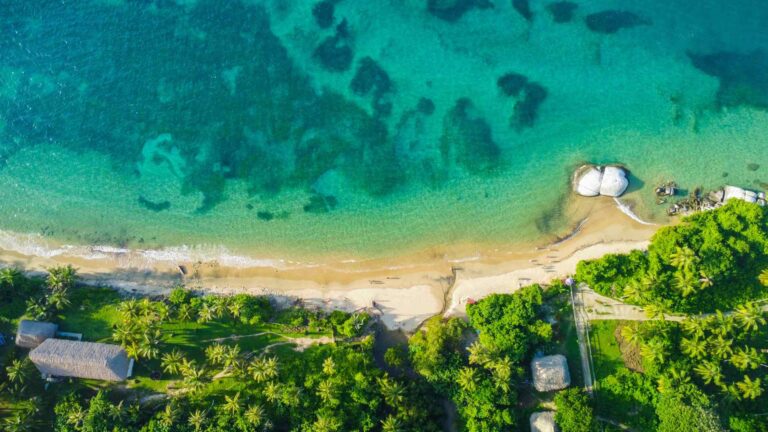
Arraial do Cabo Cruise Port: A Cruiser’s Guide to the Brazilian Caribbean
Arraial do Cabo combines dazzling water with the practical rhythm of a fishing and boating town. Cruise passengers usually have enough time for one excellent beach or a carefully timed boat trip, but trying to do both can turn a beautiful day into a race.
I would decide after seeing the ship’s tender schedule and the day’s marine conditions. A licensed boat reveals the protected coastline, while a beach plan gives you more control over the clock.
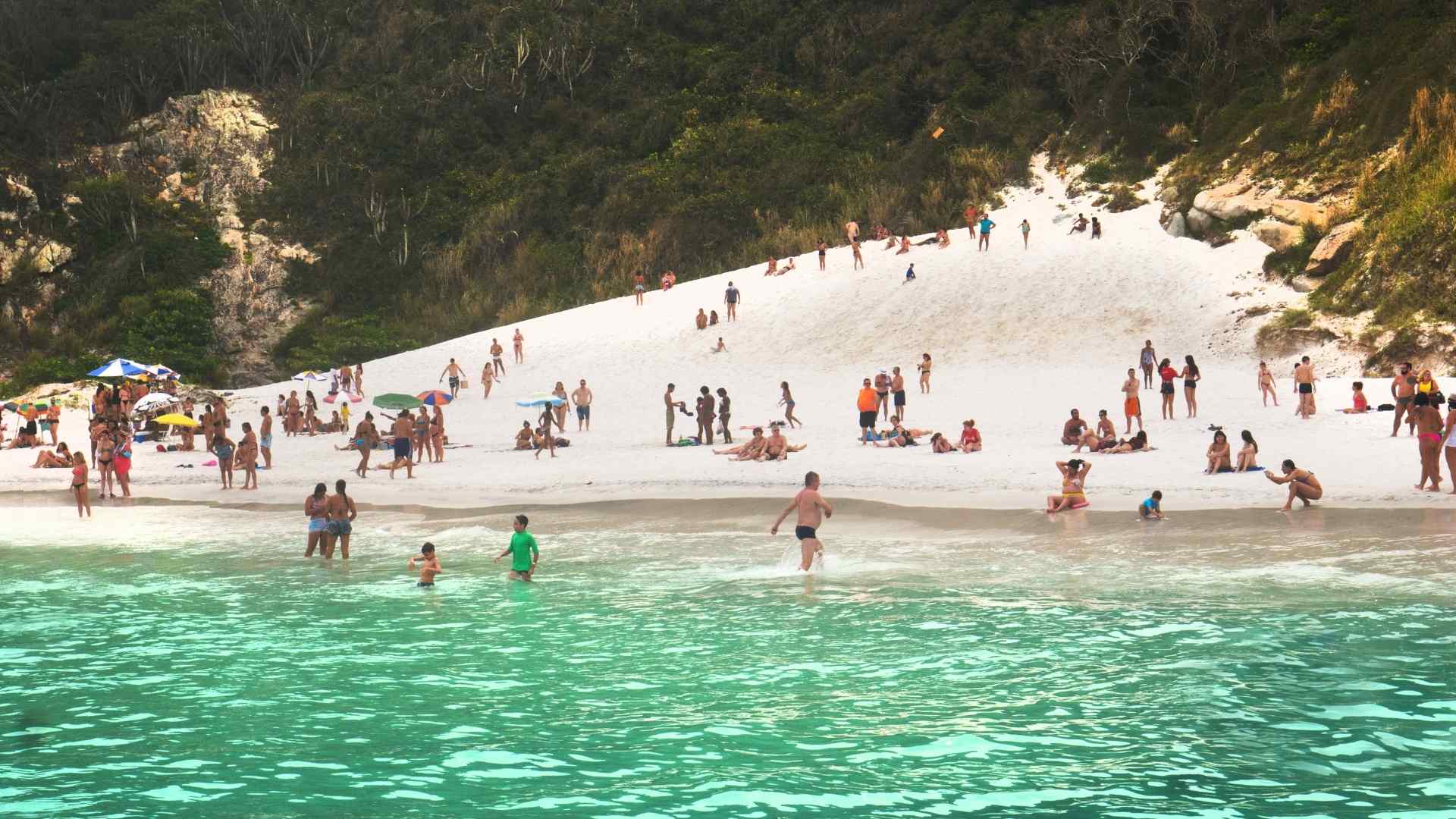
Arraial do Cabo Cruise Port Quick Facts
- Typical arrival: Cruise ships generally anchor offshore and transfer passengers by tender, subject to the cruise line’s instructions.
- Local hub: Praia dos Anjos is the center for fishing boats, sightseeing departures, and waterfront services.
- Protected waters: Much of the coast lies within the federally managed Arraial do Cabo Marine Extractive Reserve.
- Best boat rule: Use credentialed operators and confirm the authorized route, duration, safety gear, and return time.
- Best independent beach: Praia do Forno when current trail or authorized water access suits your group.
- Currency: Brazilian real, with some cash helpful for small vendors and local transportation.
- Water: Conditions can include cool temperatures, current, surf, and boat traffic despite the tropical color.
- Return rule: Work backward from the ship’s stated tender cutoff and all aboard time.
What Arrival Looks Like
Arraial do Cabo is commonly handled as a tender call rather than a large-ship berth beside the town. The cruise line’s daily program controls the landing point, boarding sequence, independent-passenger procedure, and final return.
Praia dos Anjos is the practical tourism and fishing hub once ashore. Boat operators, restaurants, dive businesses, and the town center are nearby, though exact tender arrangements can change with conditions.
Wind and swell can affect the ship’s transfer even when the sky is clear. Headlands protect some water and expose other sections, so the view from shore does not tell you everything happening around the anchored ship.
Photograph or save the final tender information before leaving the landing. A local sightseeing boat creates a second marine schedule, and the two operations are not one protected connection.
Why the Protected Area Matters
The Chico Mendes Institute for Biodiversity Conservation manages the Arraial do Cabo Marine Extractive Reserve as a federal sustainable-use conservation area. It was created to protect natural resources alongside the traditional culture and livelihoods of artisanal fishing communities.
The official reserve page publishes a management plan and current visitation protocols, including guidance for nautical sightseeing routes. It also documents credentialing for passenger water transport used for tourism.
That means a boat route is not simply whatever a seller wishes to promise. Access, navigation, sound, wildlife viewing, landings, and vessel behavior may be limited by conservation and safety rules.
Use a recognized operator and accept that the authorized itinerary can change. A protected beach or close wildlife encounter is never guaranteed merely because it appears in advertising.
Boat Trip or Beach Day?
A local boat trip offers the strongest overview of Arraial’s coves, headlands, caves, and bright water. It also adds departure delays, boarding, possible sea motion, and a fixed return to a cruise day already dependent on a tender.
Choose the boat when the port call is long, conditions are suitable, and the operator confirms an early return. Choose a beach when the tender is late, the group dislikes small boats, or you want direct control over the schedule.
Before paying, confirm the operator’s credential, vessel name, passenger capacity, exact route, total duration, shade, restroom, life jackets, swimming access, and return time. Ask whether the boat leaves on schedule or waits to fill.
A ship excursion usually provides the clearest return protection. An independent operator may offer a smaller group or a different atmosphere, but you carry the consequences of delays and cancellation terms.
What a Nautical Tour Can Show You
Many sightseeing routes depart from the Praia dos Anjos area and travel through the reserve. Stops and viewing points depend on the official protocol, current authorizations, sea conditions, and traffic that day.
Praia do Farol, the Blue Grotto area, Pontal do Atalaia, and Praia do Forno often appear in tour descriptions. Treat each as conditional until the crew confirms what is permitted and safe.
Landing access can be restricted to protect sensitive areas or manage capacity. Stay with the crew’s instructions, return to the boat promptly, and never cross a closed boundary for a photograph.
Wildlife sightings are possible but not owed. Do not support feeding, touching, pursuing, surrounding, or playing loud sound near animals.
Boats range from lively group vessels to smaller craft with a quieter focus. Ask about music, group size, swim ladders, seating, and spray so the experience matches your expectations.
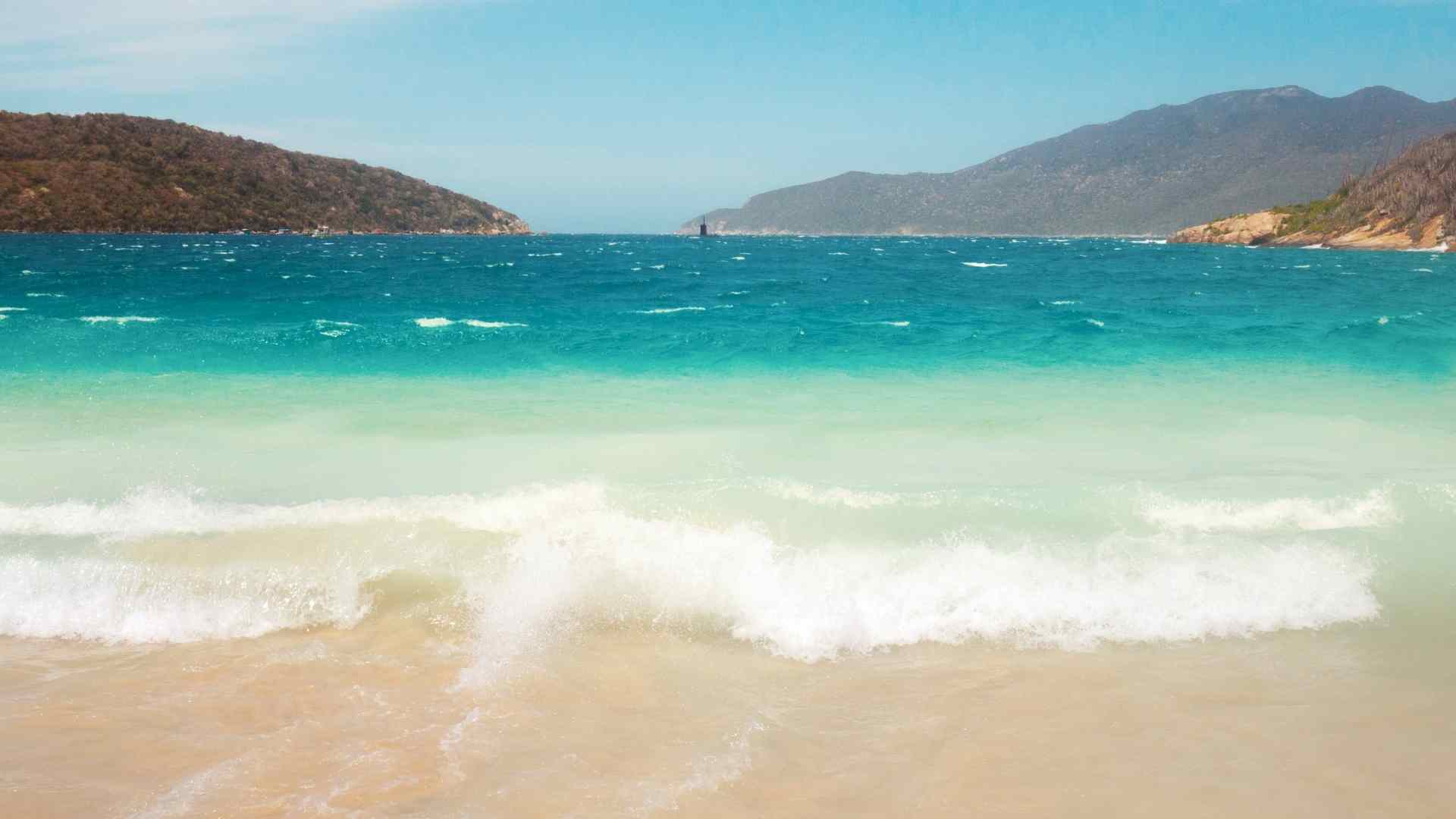
Praia do Forno
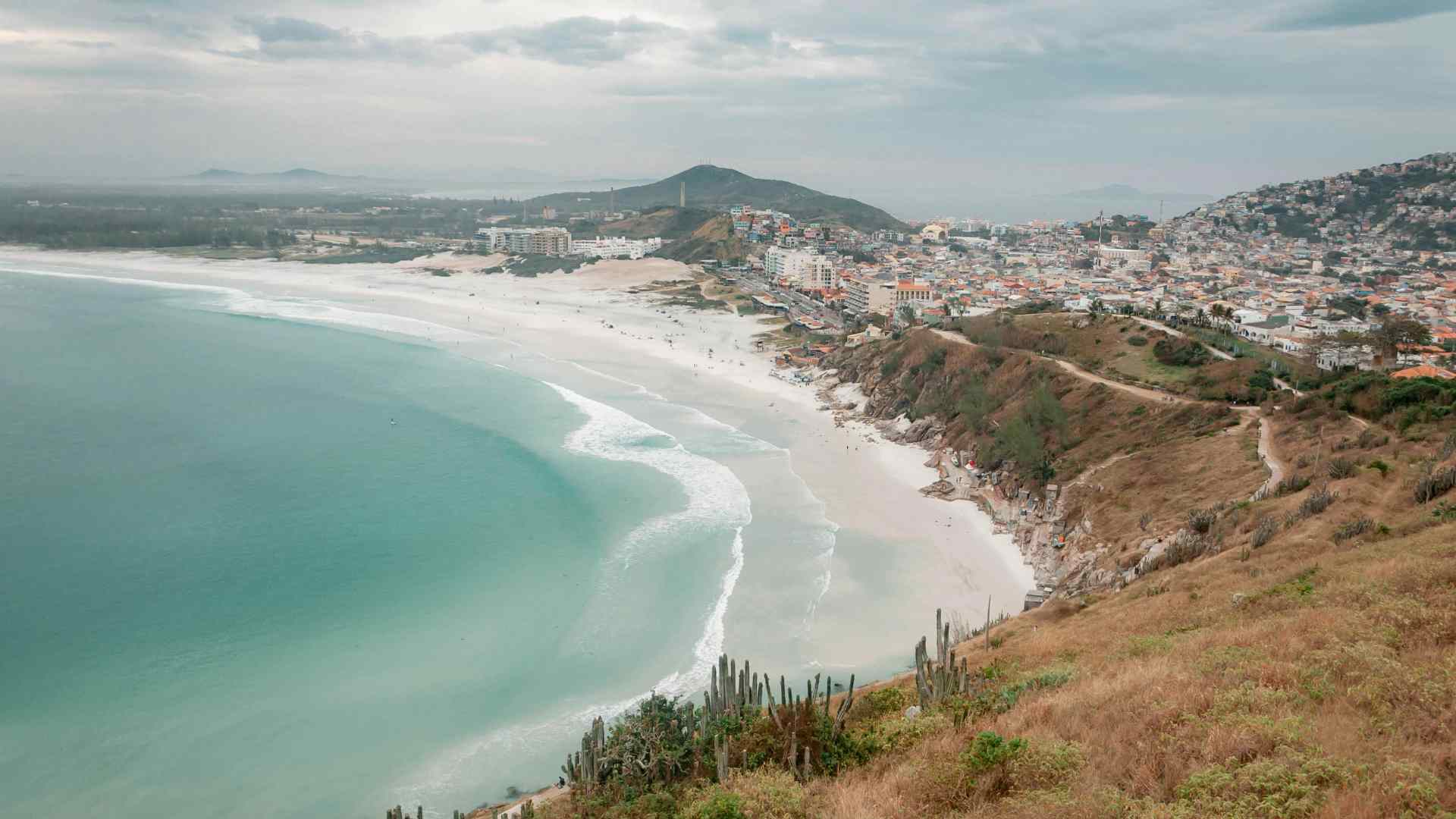
Praia do Forno sits beyond the headland from Praia dos Anjos and is a strong independent choice for a moderate call. Rio de Janeiro state’s official tourism portal describes access by trail or boat, though current local controls always take precedence.
The trail climbs before descending, with uneven sections and sun exposure. It is not a level waterfront stroll, so wear secure shoes and allow more time than the short map distance suggests.
An authorized water transfer can reduce the walk when operating, but it still requires boarding a moving craft. Confirm the return arrangement before settling on the beach rather than hoping a boat appears when needed.
The beach can become crowded during Brazilian holidays and busy weekends. Arrive early if possible, follow posted rules, keep valuables secure, and choose a swimming area recommended for that day’s conditions.
My preferred moderate-call plan is to reach Praia do Forno early and return to Praia dos Anjos with ample time. The final hour can be used for lunch, the waterfront, or a small local sight close to the tender.
Praia Grande
Praia Grande faces the open Atlantic and offers a broad sweep of sand. It is appealing for a long walk and dramatic views, but surf and current can be stronger than in sheltered areas.
The beach lies across town from Praia dos Anjos and requires a walk or local transport. Agree on a return time before leaving, especially when weekend traffic or a large visitor day slows the streets.
Follow lifeguard flags and local warnings instead of assuming clear water is gentle. A land-based beach day still needs marine judgment.
Prainhas do Pontal do Atalaia
These small coves are known for pale sand, clear water, and the long staircase down the cliff. Road access and visitor management can change during crowded periods, while the steps make the approach unsuitable for many travelers.
A licensed boat may provide an alternative view or authorized access, but landings remain conditional. Confirm what the day’s route allows and do not book solely for one photo location.
The climb back up can be demanding in heat. Carry water, use sun protection, and allow time for the ascent before your transport leaves.
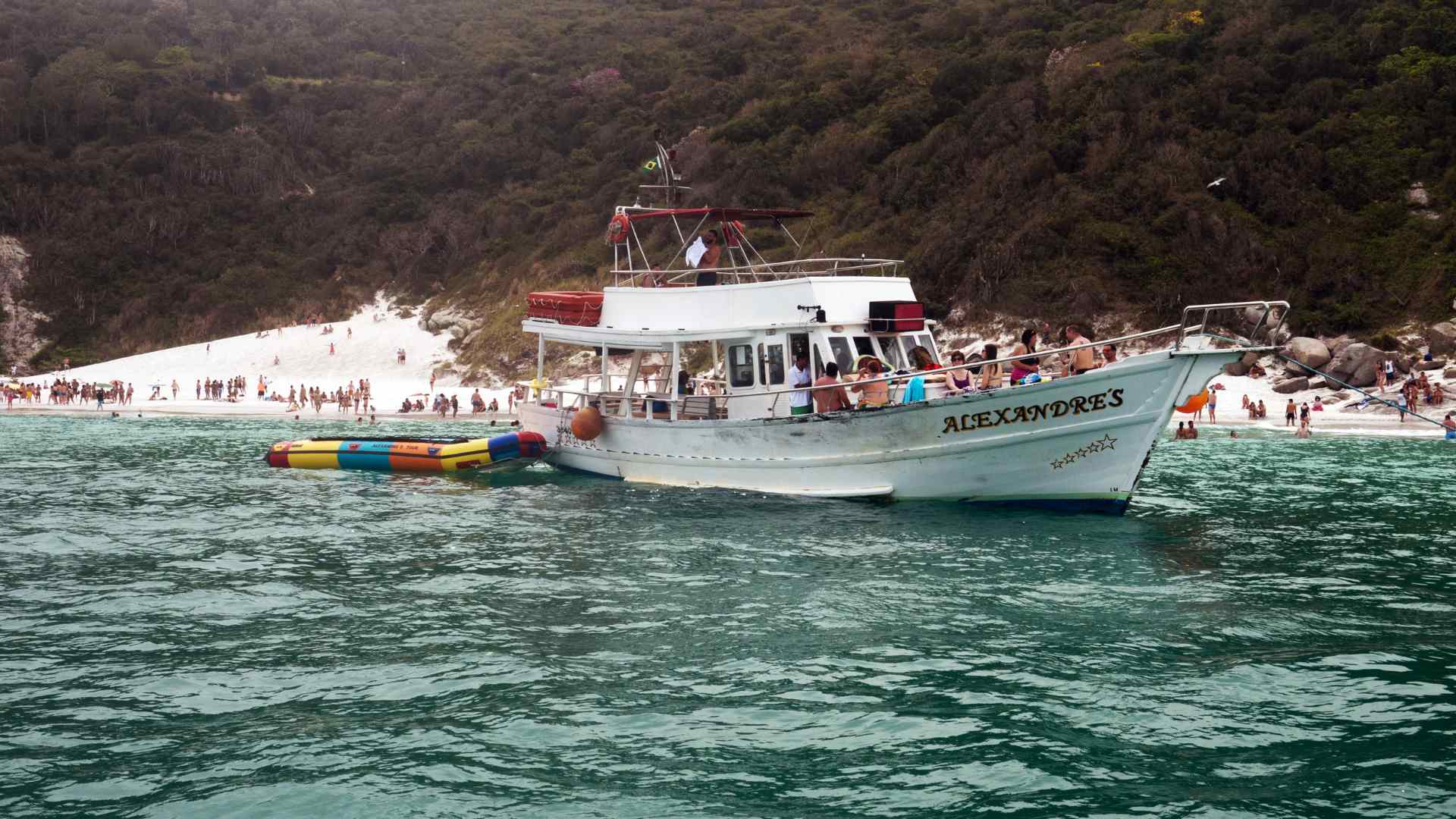
Prainha and Praia dos Anjos
Prainha lies on the northeastern side of town and can suit travelers seeking a more conventional beach setup. It requires transport from the tender area and may become congested when local visitor numbers rise.
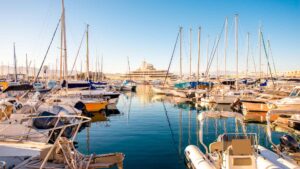
Praia dos Anjos is best understood as the working harbor and nautical departure point. Fishing boats, tour craft, and waterfront activity make it interesting, but I would choose another managed bathing area for a long swim.
Use Praia dos Anjos for orientation, food, local history, and boarding. Its location near the tender makes it a sensible place to spend the final part of the call.
A Little Time on Land
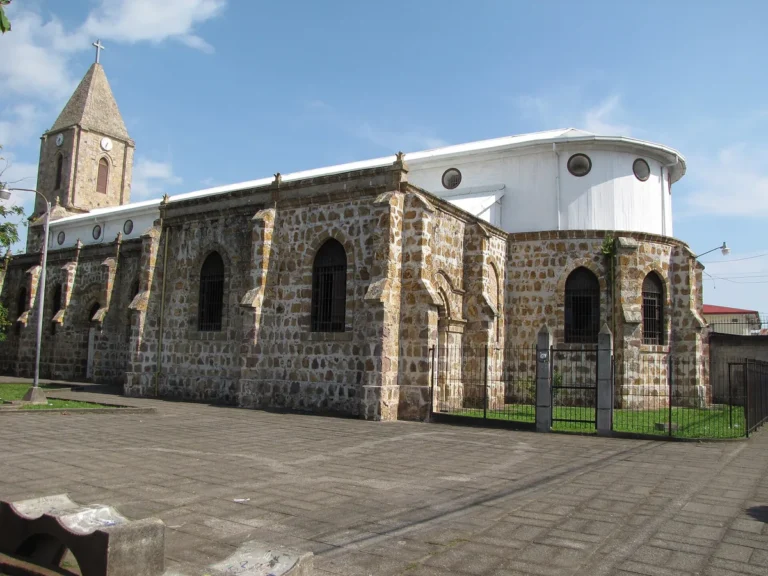
The church of Nossa Senhora dos Remédios stands near Praia dos Anjos and connects the waterfront with the settlement’s early colonial history. Enter quietly when open and respect worship or community use.
The Brazilian Navy’s Institute of Sea Studies operates an Oceanographic Museum in Arraial do Cabo. Check its official visitor information for opening days and hours because an institutional schedule may not match every ship call.
The museum can add scientific context to the marine landscape, while the nearby streets offer casual restaurants and shops. This compact combination works well after a short beach visit or when boating is canceled.
Diving and Snorkeling
Arraial do Cabo is known for diving, but a cruise-day dive requires advance planning with a credentialed operator. Confirm certification requirements, equipment, site selection, boat time, group size, emergency procedures, and a conservative return.
Local water can feel cooler than its color suggests, and visibility changes with wind, current, and recent weather. Ask about exposure protection and never accept a dive that exceeds your training or recent experience.
Snorkelers should use designated areas away from vessel traffic and follow local direction. Avoid touching reef life, standing on submerged habitat, or chasing animals for a closer image.
Anyone adding diving after a cruise itinerary should also consider travel timing and medical guidance. Discuss flying and diving intervals with the operator or a qualified dive-medicine source rather than relying on a casual rule.
Accessibility and Mobility
The tender transfer is the first access question. Ask the cruise line about steps, wheelchair handling, mobility scooters, assistance, and restrictions before sailing and again when conditions are known.
Praia dos Anjos is relatively compact, but the waterfront may include curbs, uneven paving, wet surfaces, and crowded boarding areas. A level route in town does not guarantee an accessible excursion boat.
Praia do Forno’s trail and the Pontal do Atalaia staircase are not step-free. A water taxi may reduce walking, yet boarding motion and beach landings can create separate barriers.
Tell the operator exactly what assistance or equipment you need before paying. Ask about handrails, seat transfers, dock height, beach landings, toilets, shade, and the ability to remain aboard during a stop.
Swimming Safety and Weather
Water clarity does not equal easy swimming. Cold water, current, surf, rocks, sudden depth, and boat traffic can all matter, so follow lifeguards, posted flags, and local restrictions.
Summer in southeastern Brazil is warm and humid with possible showers, while cooler-season visits can still bring strong sun. Sea state matters more to a tender call than a broad monthly average.
Pack sunscreen, water, secure shoes, a light rain layer, and something dry for after a swim. A compact dry bag helps protect the phone and documents you need for the return.
If authorities or operators suspend boating, switch plans promptly. Praia dos Anjos, the museum when open, local food, and a suitable land beach can still make a rewarding day.
Money, Language, and Practical Safety
Brazil uses the real, and cards are common at established businesses. Carry some modest cash for small transport, kiosks, or a payment terminal that loses its connection.
Portuguese is the everyday language, while English availability varies among operators. Save the ship’s landing point and return instructions offline, plus a translated note with essential questions.
Use ordinary awareness in busy resort areas and keep valuables secured on the beach. Avoid displaying cash or electronics and do not leave bags unattended while swimming.
Protect the Return
Work backward from the ship’s stated tender cutoff and include every stage of the return. A local boat may still need to unload, refuel, or wait for harbor traffic before you can walk to the cruise tender.
Use the cruise line’s deadline rather than a universal buffer. Leave extra margin for a distant beach, regulated landing, dive, or route that depends on several boats.
Keep the final part of your visit close to Praia dos Anjos. Lunch near the harbor feels much better when the most uncertain transport is already behind you.
Official Planning Resources
Use the official ICMBio reserve page for management documents, visitation protocols, and current water-transport information. The Rio de Janeiro state tourism page provides the official destination overview.
Check the Brazilian Navy’s Oceanographic Museum page before planning a visit. Reconfirm every operator, beach rule, and departure time for the exact day of your call.
Final Thoughts
Arraial do Cabo is at its best when you choose one marine experience and give it room. Use credentialed operators, let conservation rules shape the route, and return to Praia dos Anjos well before the ship’s final tender.
How this guide was researched: This guide uses current official cruise-line, municipal, conservation, tourism, and maritime sources, with independent editorial judgment where operations vary. Logistics and time-sensitive details were reviewed in September 2026; see our Editorial Policy.