Antibes Cruise Port: A Cruiser’s Guide to the French Riviera
Antibes delivers the French Riviera in one compact sweep: superyachts in Port Vauban, honey-colored lanes behind old ramparts, the Picasso Museum above the sea, a lively Provençal market, and beaches close enough for a swim before returning to the ship. It feels polished without becoming a stage set, which is precisely why I would resist the urge to race straight through it on a train.
Your exact arrival depends on the vessel and the day’s port plan. A smaller ship may receive a berth, while another call may use tenders, so the captain’s announcement matters more than any universal promise about where your feet first meet Antibes.
My quick take
Stay in Antibes unless you have one specific reason to leave. The harbor, old town, museum, market, ramparts, and Gravette Beach fit naturally into a relaxed walking day with very little logistical drag.
Nice and Cannes are perfectly possible by regional train during a long call, but possibility is not the same thing as good judgment. Antibes rewards the hours you save by not chasing a larger name.
If this is a tender call, confirm the final boat and exact landing before you begin. If you are alongside, confirm the gate and security route, because large marinas have a talent for making every row of white boats look like the one you remember.
Quick Facts
- Arrival: Depending on ship size and the day’s assignment, a call may berth or use tenders near Port Vauban.
- Walkability: The harbor, ramparts, old town, market, Picasso Museum, and Gravette Beach form a compact central loop.
- Top cultural stop: Musée Picasso in the historic Château Grimaldi.
- Best easy beach: Plage de la Gravette beside the old town and port.
- Independent rail: Antibes station connects with Nice and Cannes, but live schedules and a backup train are essential.
- Currency: Euro, with cards widely accepted and some cash useful at smaller stalls.
- Language: French, with English common in many visitor-facing businesses.
- Return plan: Follow ship’s time and protect margin for the train, port security, or tender queue.
Where cruise passengers arrive
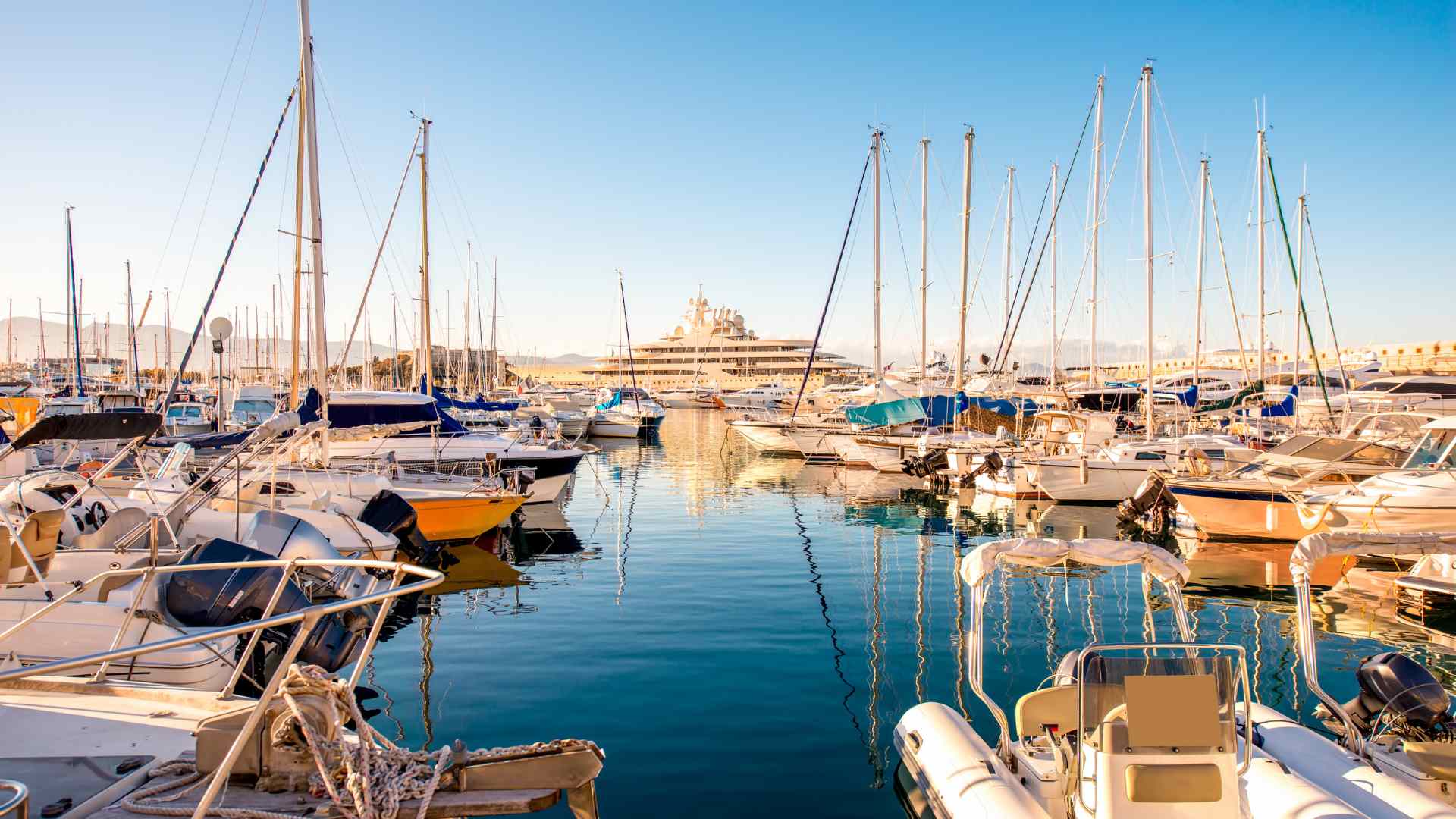
Port Vauban sits directly beside Antibes’ fortified old town, which makes this one of the Riviera’s easiest places to enjoy without a coach. The marina itself is enormous, but the visitor experience quickly narrows to a pleasant waterfront route between boats, bastions, and city gates.
Do not assume every ship uses the same position. Berth assignments, tender pontoons, security access, and pedestrian routes are operational details that can change with vessel size and conditions.
Photograph the return point from the land side, save the ship’s port-agent information, and note the time of the last tender if one is operating. Those tiny precautions free you to enjoy the old town without mentally retracing every quay.
If the ship tenders, transfers may involve steps and motion at both ends. Ask in advance about mobility requirements and whether the day’s setup can safely handle your equipment.
If the ship docks, you still need to include the walk through the marina and security in your return margin. “I can see the ship” is not the same thing as “I am at the gangway.”
The easiest walking route from Port Vauban
Begin along the public harbor edge and orient yourself toward Bastion Saint-Jaume. This gives you marina scale first, then brings you to Le Nomade before you enter the smaller streets behind the walls.
From the bastion, follow the waterfront toward the ramparts and old town. Visit the Picasso Museum if it is open, cross toward the cathedral and Marché Provençal, then wander through the lanes before looping back by the walls or Gravette Beach.
The route is compact but not perfectly step-free. Cobbles, slopes, thresholds, crowds, and older paving all appear, so allow more time if balance or mobility is a concern.
Do not over-plan the lanes. Antibes is at its best when you can follow a shaded alley, pause at a bakery, and discover a small square without treating the map like a court order.
Port Vauban and Le Nomade
Port Vauban is both a working marina and a display case for some very large private yachts. Enjoy the spectacle from public areas and respect gates, crews, and restricted quays.
Jaume Plensa’s monumental Le Nomade sits on Bastion Saint-Jaume as a seated human form made from letters. The open structure frames pieces of sea and sky differently as you walk around it, which makes the sculpture much more interesting in motion than in a single photograph.
The City of Antibes links the work with the museum’s cultural program and identifies it as a permanent presence at the bastion. Check current access hours because the site does not remain open on one timeless cruise schedule.
This harbor section is a strong first or final stop. Morning light is lovely across the water, while a late return visit lets you stay close to the ship without feeling that the day has already ended.
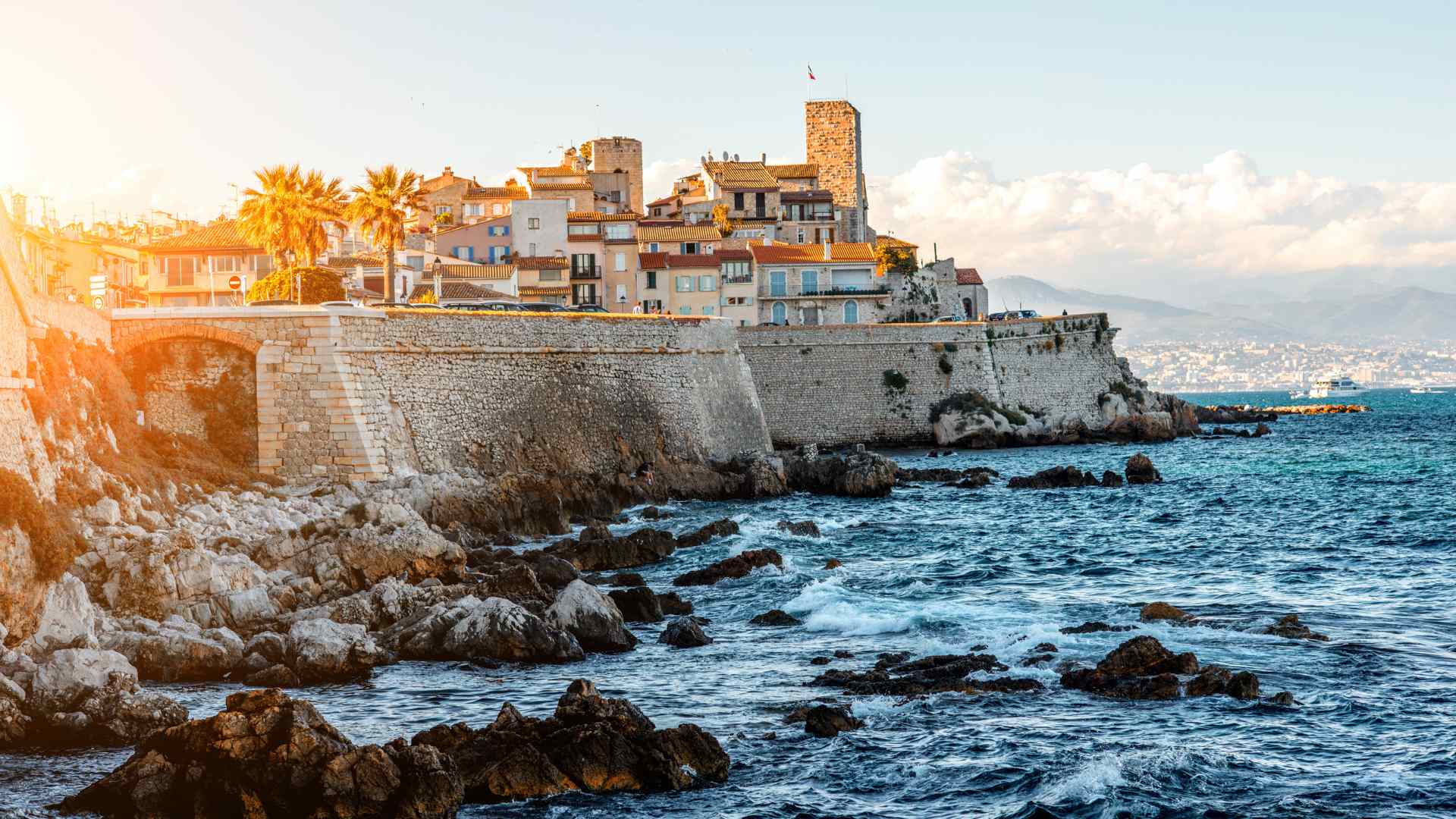
The Picasso Museum is the cultural anchor
The Musée Picasso occupies Château Grimaldi above the Mediterranean. The city’s museum history explains that Picasso used part of the château as a studio in 1946 and left paintings and drawings with Antibes after his stay.
The collection extends beyond Picasso, with modern artists and sculpture on the sea-facing terrace. Displays can change, so check what is on view rather than assuming every work named in an old guide will be hanging during your visit.
Give the museum real time if art matters to you. The building, terrace, light, and relationship with the sea are part of the experience, not corridors between famous objects.
Opening days, ticketing, closures, and last admission can vary by season or special event. Use the City of Antibes page for your exact date instead of relying on a blanket claim about Mondays.
The historic château can present access limitations. Contact the museum about elevators, step-free routes, restrooms, and gallery access if those details determine whether the visit works.
A useful way to see it
Start with the rooms connected to Picasso’s Antibes period, then let the terrace reset your eyes before the rest of the collection. This prevents the museum from becoming a hunt for one signature.
If the galleries are crowded, slow down rather than trying to pass everyone. A few works and a long look at the coast make a better visit than collecting every room at speed.
The ramparts and old town
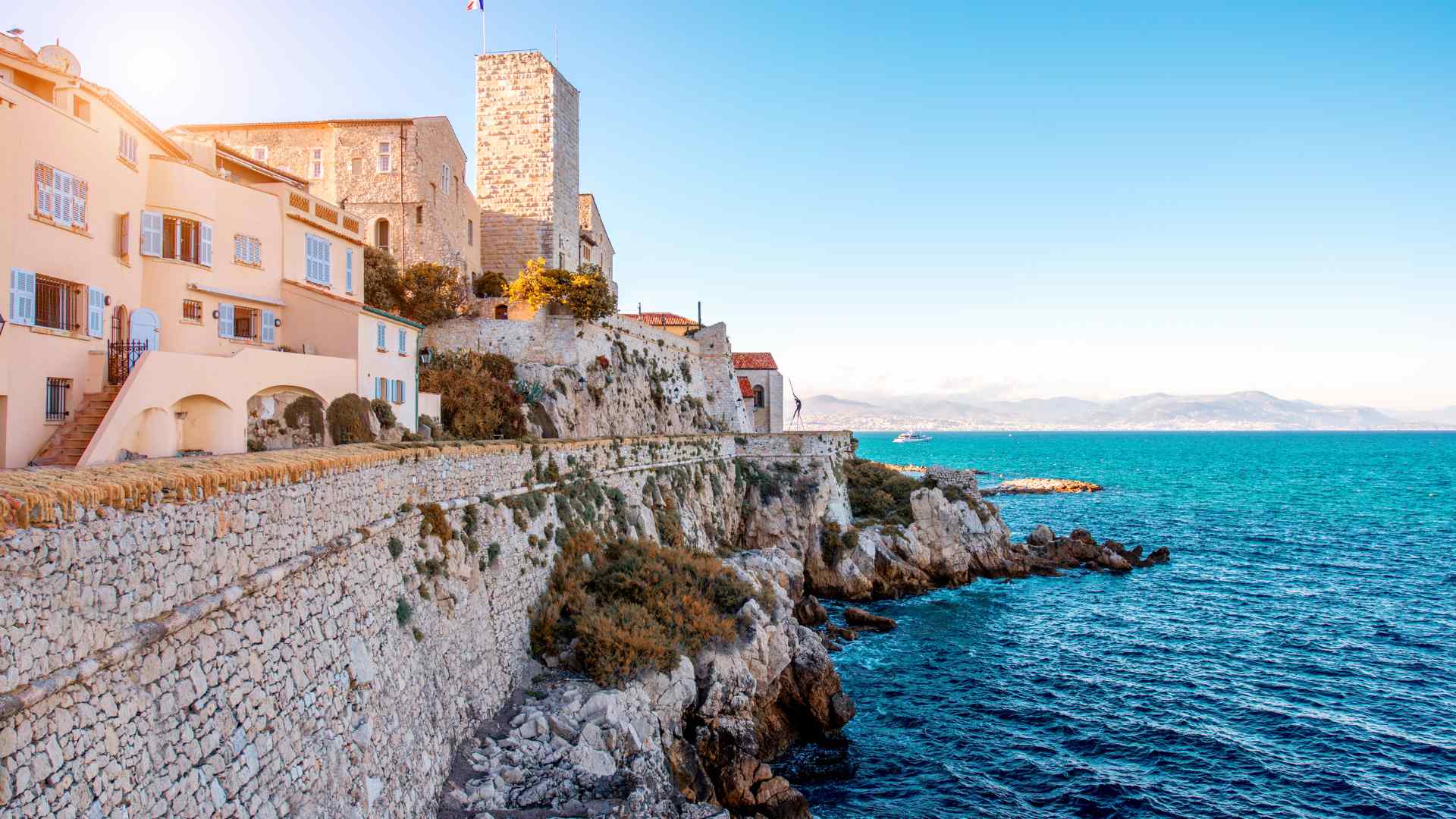
Antibes’ surviving walls hold the old town against the sea and give the center its distinctive shape. A walk along the waterfront side offers views of the bay, rooftops, mountains on clear days, and the stone edge of the city itself.
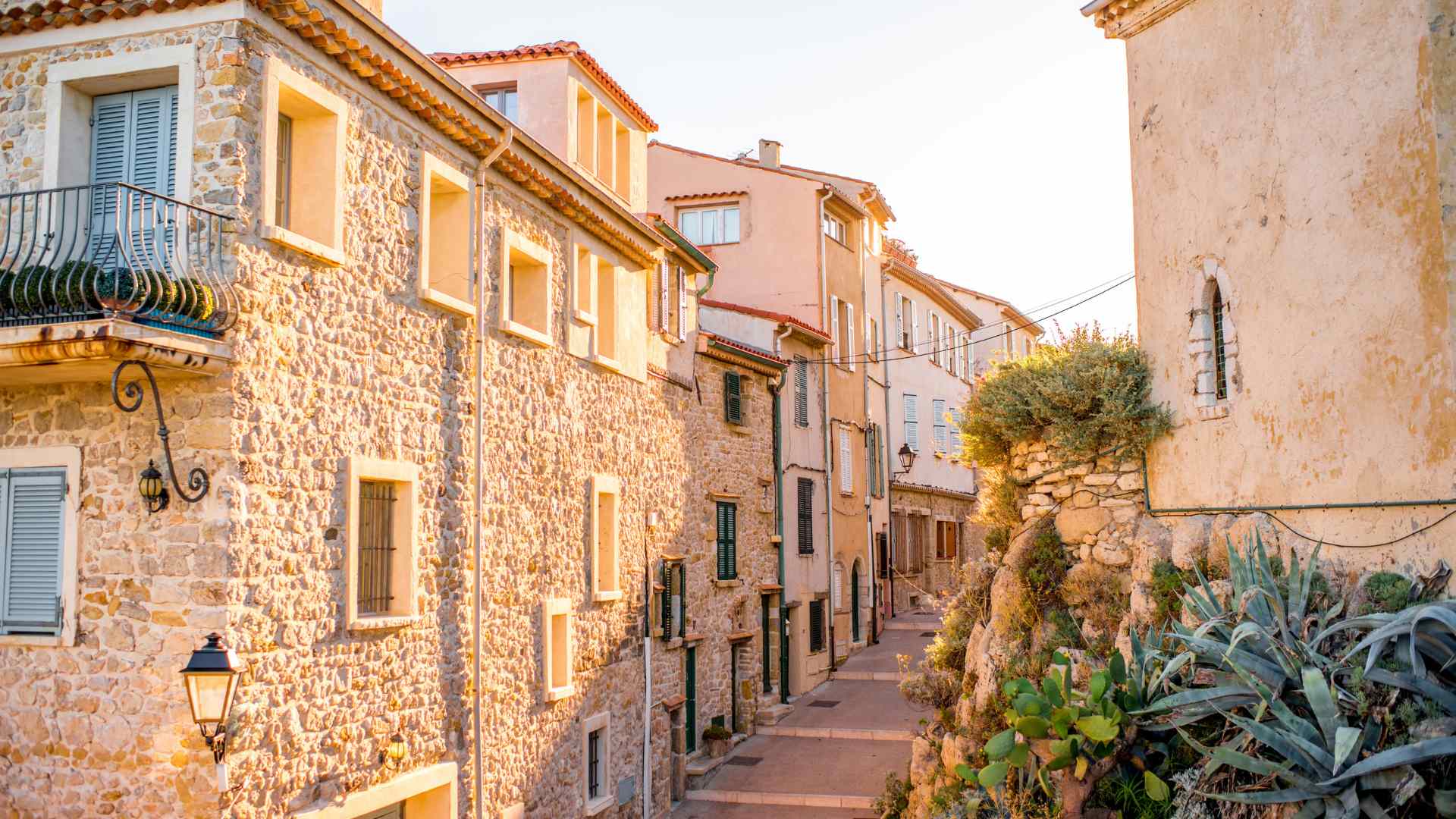
Behind the walls, lanes tighten around the cathedral, museum, market, workshops, cafés, and homes. Laundry, delivery carts, and residents on errands keep the neighborhood from feeling like an outdoor shopping mall.
Wear shoes that tolerate polished stone and irregular paving. The prettiest lane becomes much less charming when a smooth sole meets a wet patch.
The cathedral area works well as a navigation point, but do not expect every church or chapel to be open continuously. Enter quietly when doors are open and step aside if worship or a ceremony is taking place.
Marché Provençal and lunch
The covered Marché Provençal on Cours Masséna is the old town’s food hub. Depending on day and season, stalls may offer fruit, vegetables, cheese, charcuterie, olives, herbs, flowers, prepared foods, and regional products.
Morning is generally the most rewarding time for the food market, while other vendors or uses may occupy the hall later. Check the official tourism listing for your date because seasonal patterns matter.
Socca, a thin chickpea pancake associated with Nice and the eastern Riviera, is an easy snack. Pan bagnat, seafood, salads, pastries, and Provençal dishes can turn the market area into a longer lunch if the ship’s schedule allows.
Order with the clock in mind. French lunch service is not trying to make you miss the ship, but it does assume that a meal deserves more attention than a hurried transaction.
If time is short, ask what can be served quickly and request the bill when the food arrives. This is tactically unromantic and extraordinarily useful.
Cards are common, but a little cash helps at smaller stalls. Ask before photographing vendors or close-up displays, especially during a busy market morning.
Gravette Beach is the simplest swim
Plage de la Gravette sits beside the old town, protected by the harbor walls and close to Port Vauban. That location makes it the easiest beach to add without turning the day into a transport project.
It is compact and popular, particularly in summer. Arrive with realistic expectations about space, shade, facilities, and the number of other people who also noticed that the beach is close to the port.
Check posted swimming flags, water-quality notices, lifeguard coverage, and local rules before entering. Boat activity, wind, weather, and seasonal services can change the conditions even on a bright day.
Ponteil and Salis beaches lie farther south and offer a broader seaside outing. They require more walking or local transport, so add them when beach time is the priority rather than a final afterthought.
Public access and private concessions vary by beach and season. Bring what you need instead of building the whole plan around an unverified chair rental.
Cap d’Antibes and the coastal path
The Tirepoil coastal path traces a dramatic part of Cap d’Antibes through rocky coves and open Mediterranean scenery. It feels much wilder than the old town, but it is a real trail rather than a level promenade.
Expect rock, steps, exposed sections, heat, and spray. High seas, fire danger, maintenance, or safety work can close part or all of the route, so check the city’s current notice before setting out.
Wear shoes with grip and carry water. Do not begin a full circuit simply because the first stretch is beautiful and the ship still looks comfortably far away on the clock.
For a standard call, I would choose a defined out-and-back segment from a confirmed access point. A taxi or bus can help you reach the Garoupe area, but return transport needs to be settled before you disappear around the cap.
Villa Eilenroc and its gardens may have limited opening days or special access. Treat them as a checked-in-advance bonus rather than the fixed center of a cruise-day plan.
Fort Carré for military history and views
Fort Carré stands on the Saint-Roch peninsula north of Port Vauban and commands the harbor approaches. Its angular defenses and elevated setting give you a wider sense of Antibes as a strategic border and maritime place.
Visits may follow guided times, and access can include slopes and stairs. Check the City of Antibes listing for current opening, tour language, ticketing, and mobility information.
The fort pairs naturally with the marina for travelers who love military architecture. On a short call, it competes with the Picasso Museum rather than fitting effortlessly beside it.
I would choose one substantial interior visit and let the walks between viewpoints provide the rest. Antibes does not improve when every historic structure becomes an obligation.
Nice or Cannes by train
Antibes station connects the city with Nice and Cannes by regional rail. Use SNCF Connect to check the actual timetable, platform information, service notices, and return options for your date.
Nice offers Vieux Nice, the Promenade des Anglais, major museums, and a much larger urban day. Cannes offers La Croisette, the Palais des Festivals, shopping, and a familiar film-festival backdrop.
Either can work during a long call, but both cost you the central advantage of Antibes. Here, art, lunch, old stone, and a beach begin within one walkable area.
Travel only for a clear priority, such as a museum reservation or a long-held wish to explore Nice. Going because the train exists is not a reason, it is a timetable.
Select a return that leaves another viable train behind it. Engineering work, disruption, platform changes, and the walk from Antibes station back through port security all belong inside your safety margin.
When I would stay put
Stay in Antibes if the call is short, the ship is tendering, rail service is reduced, or your group moves at different speeds. The local day is strong enough that skipping the train involves no sacrifice.
I would also stay if your itinerary already includes Cannes or Villefranche. Repeating the same stretch of Riviera by train is less interesting than giving Antibes its own identity.
Three realistic day plans
A short call
Walk from the landing through Port Vauban to Le Nomade, circle the old town, visit the market if it is operating, and follow the ramparts back. Use Gravette Beach for a quick look or swim only if the return timing remains easy.
Skip the train, Cap d’Antibes, and Fort Carré. A short Antibes call succeeds through texture and proximity, not the number of dots cleared from a map.
The balanced Antibes day
Start with the harbor and Le Nomade, enter the Picasso Museum at a checked opening time, then eat near Marché Provençal. Finish along the ramparts or at Gravette Beach before returning through Port Vauban.
This gives you art, architecture, food, and the sea without depending on road or rail. It is the version I recommend to most first-time visitors.
A long active call
Take confirmed transport toward Garoupe and walk a safe, open section of the coastal path. Return to the old town with a large cushion, then choose the market or Picasso Museum according to the time left.
Alternatively, combine Fort Carré with the museum for a history and art day. Two meaningful visits are enough when the city between them is part of the pleasure.
Accessibility and reduced-mobility planning
The main harbor quays and parts of the old town perimeter are relatively manageable, but the historic center includes cobbles, narrow sidewalks, slopes, and thresholds. Plan a route around known surfaces rather than assuming the compact map equals easy access.
Tender participation remains the first question on a tender day. Ask the cruise line about transfer steps, assistance, mobility-device handling, and the conditions under which staff may decide the boat is not safe for you.
Confirm the museum’s current accessible entrance and internal route directly. Older buildings often offer partial solutions that are not obvious from the street.
Gravette Beach requires crossing sand, while Cap d’Antibes includes rough ground and steps. Fort Carré also needs a specific access check before it becomes the center of the day.
A taxi between the port, a confirmed museum entrance, and a viewpoint can reduce fatigue. My overview of wheelchair-friendly cruise ports lists the questions I use when a port combines tenders with an old town.
Weather, shade, and seasonal rhythm
Spring and early fall are often excellent for walking, while high summer brings stronger heat and larger crowds. Winter can be mild but quieter, with reduced attraction schedules and less dependable beach weather.
The Riviera sun is powerful on open quays and ramparts. Carry water, sunscreen, sunglasses, and a hat, then use the market hall, museum, church, or café as a natural midday pause.
Wind can disrupt a tender even when the old town feels sheltered. Follow the ship’s announcements and return early if operations begin changing.
Rain makes smooth stone slippery and can close an exposed coastal path. It does not spoil the museum, market, lanes, or a long lunch, so keep one indoor version of the day ready.
Money, language, and practical manners
France uses the euro, and contactless cards are widely accepted. A small amount of cash remains helpful at market stalls and for minor purchases.
French is the everyday language, while English is common in visitor businesses. Begin with bonjour, ask politely whether English is possible, and the conversation usually becomes easier immediately.
Keep valuables secure in crowded lanes and markets. Use licensed taxis, confirm the destination, and save the port location on your phone before leaving.
Public restrooms may require a small payment or be tied to a café visit. Use facilities when convenient rather than waiting until the final walk through the marina.
Common planning mistakes
The first mistake is assuming every Antibes call docks. Check the live port plan and tender instructions before building a return around an imaginary gangway.
The second is leaving for Nice or Cannes without a backup train. A schedule with no recovery option is not an independent adventure, it is a future conversation with the port agent.
The third is attempting the full Cap d’Antibes path without checking closures or return logistics. A beautiful coastline does not shorten because your departure time is approaching.
The fourth is arriving at the market late and expecting the same food scene as morning. Seasonal and daily rhythms matter in a working market.
The fifth is trying to collect the museum, fort, train trip, beach, and coastal path in one call. Antibes becomes less enjoyable each time you replace a slow lane with a stopwatch.
Frequently asked questions
Do cruise ships dock in Antibes?
Some smaller vessels may berth, while other ships may use tenders. Your cruise line and captain provide the final plan for the call.
Can I walk from Port Vauban to the old town?
Yes, the marina sits beside the old town and ramparts. The route is short for many passengers, though exact distance depends on the berth or landing point.
Is the Picasso Museum worth it?
Yes, especially if Picasso’s Antibes period, modern art, or historic buildings interest you. Check current opening and displays, then give the terrace time as part of the visit.
Which beach is easiest from the port?
Plage de la Gravette is the simplest because it lies beside the old town and harbor. Check current flags, water notices, and seasonal facilities before swimming.
Can I visit Nice or Cannes independently?
Yes, when the call is long and the live rail schedule provides a safe backup. Return early enough to cover the station walk, port access, and any tender queue.
Is the Cap d’Antibes path accessible?
It is a rugged coastal route with steps and uneven sections, not a step-free promenade. Check current city notices and choose another waterfront walk if the terrain does not suit you.
What is the best rainy-day plan?
Build the day around the Picasso Museum, market area, old-town lanes, and lunch. Skip the exposed cap path and use brief dry windows for the ramparts.
The bottom line
Antibes is the rare Riviera call where staying local feels like the luxurious choice. Let Port Vauban, the Picasso Museum, old streets, lunch, and the sea fill the day without donating your best hours to a train platform.
If your itinerary continues along the coast, compare the logistics in my Nice cruise port guide and Cannes cruise port guide. They are easy neighbors on a map, but each rewards a different approach from the ship.
How this guide was researched: City museum, official tourism, rail, access, and visitor information was checked against current primary sources on September 11, 2026. Berths, tenders, attraction schedules, and coastal-path access can change, so verify the live notices and see our Editorial Policy.