Nice Cruise Port (Villefranche): A Cruiser’s Guide
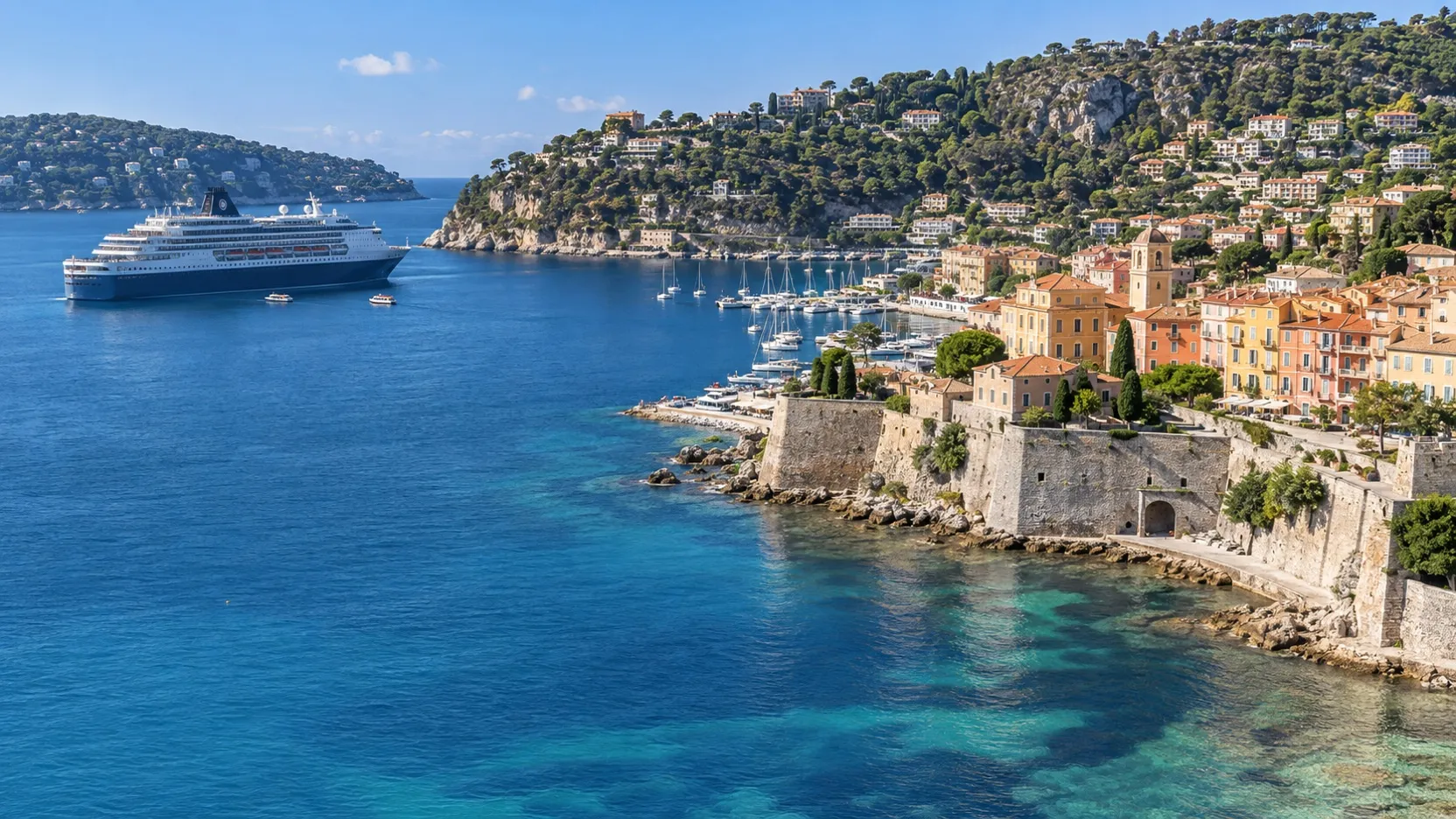
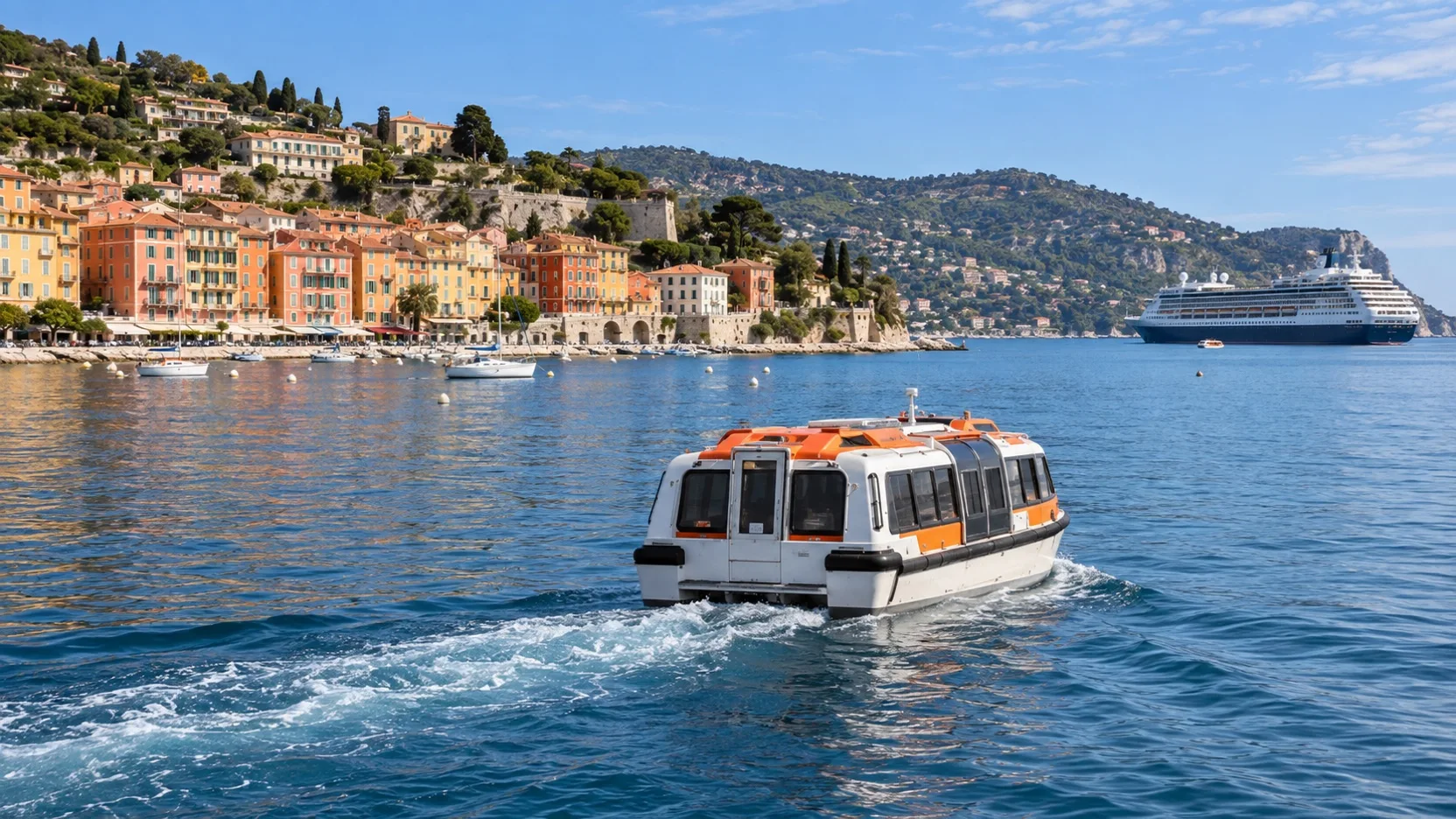
A “Nice (Villefranche)” call usually means a large ship anchors in the Bay of Villefranche and tenders passengers ashore a few miles east of Nice. Smaller ships can berth at Port Lympia, so confirm the exact landing before planning transport.
My quick take
This is one of the easiest Riviera days to plan once you accept you are landing at Villefranche, not central Nice. I would treat the coastal train as my magic carpet and pick one or two towns, not five.
If you like this kind of tender-and-train port, my notes on the best cruise tender ports and the wider Mediterranean cruise ports guide pair well with this one.
Where you actually land
Large cruise ships anchor in the deep, sheltered Bay of Villefranche-sur-Mer and send passengers ashore by tender. The bay is run by the same authority that manages the region’s harbors, Ports de la Cote d’Azur (Riviera Ports).
Nice’s own harbor, Port Lympia, sits in the heart of the city but takes ferries, yachts, and smaller vessels rather than big cruise ships. The official Nice tourist office listing notes a maximum vessel length there of about 625 feet, which rules out most modern cruise ships.
So in practice, your tender drops you at the quay in Villefranche’s old town. From that landing it is a short walk to the train station and a quick hop along the coast.
The quick facts
- Where you land: the tender quay in the old town of Villefranche-sur-Mer, about 3.7 miles east of Nice. Big ships anchor in the bay rather than berthing, and only smaller vessels use Nice’s own Port Lympia.
- Dock or tender: Large ships anchor in the deep, sheltered Bay of Villefranche and run tenders ashore; a handful of smaller ships berth at Port Lympia instead.
- Into town: Villefranche’s old town is right at the landing, and it is a short walk uphill to Villefranche-sur-Mer station.
- Currency and language: The euro (EUR) and French.
- Time zone: Central European Summer Time (CEST, UTC+2) through the cruise season, CET (UTC+1) from late October to late March.
- How often the call is missed: Medium (roughly 3 to 7%): wind or swell can halt tender operations.
How I’d confirm my own arrangements
A handful of smaller ships do berth at Nice rather than anchoring off Villefranche, so the tender-versus-dock question is worth checking before you sail. Your cruise line’s port guide is the one source that reflects your exact ship.
If you are tendering, build in a little buffer for the boat ride back. Tender lines on a busy afternoon are the classic way to cut a Riviera day short.
Getting around
The coastal rail line is the star here. From Villefranche-sur-Mer station the SNCF TER train reaches Nice in a few minutes and continues east toward Monaco.
Nice is only a few minutes away by train, and Monaco is a short ride further east. Buy or activate the ticket as instructed by SNCF, and check the live service status before boarding.
Taxis wait near the Villefranche landing but are pricey for longer hops. For most cruisers the train beats road traffic on the corniche, especially in summer.
Heads up: some links below are affiliate links. If you book through one, I may earn a commission at no extra cost to you. It never changes which hotels or tours I recommend. Full disclosure.
The stops I’d actually spend time on
You cannot do the whole Riviera in one call, so prioritize one or two places connected by rail and, for Èze village, an added road connection.
Villefranche-sur-Mer itself
Do not rush straight out. Villefranche is a postcard of ocher houses stacked above a curving bay, and its old town includes the Chapelle Saint-Pierre decorated by Jean Cocteau.
Vieux Nice (Old Town)
A warren of narrow, colorful lanes packed with bakeries, ice cream, and Baroque churches. It is where I would spend the heart of a Nice visit on foot.
Cours Saleya market
Right in the Old Town, this open-air market brims with flowers, produce, and Provencal goods most mornings. It is the spot to try socca, the local chickpea pancake.
Promenade des Anglais
Nice’s grand seafront sweeps along the Baie des Anges past the pebble beaches. It is made for an easy stroll or a rented bike.
Colline du Chateau (Castle Hill)
Climb (or take the elevator) to this hilltop park for the classic view over the red rooftops and the bay. There are ruins, a waterfall, and plenty of shade.
Place Massena and Jardin Albert I
Nice’s showpiece square pairs checkerboard paving with ochre-red arcades and modern statues. The adjoining Jardin Albert I is an easy green pause between the Old Town and the sea.
Monaco and Monte-Carlo
A short train ride east drops you in the principality, where you can see the harbor, the palace quarter, and the Casino de Monte-Carlo. Monaco Monte-Carlo station is central, but its multiple exits, elevators, and steep streets can add time to the walk.
Eze village
This medieval eagle’s-nest village clings to a crag above the sea, topped by the Jardin Exotique. Note that Eze village is up the hill from Eze-sur-Mer station, so factor in the climb or the connecting bus.
Antibes
West of Nice by train, Antibes offers a walled old town, a huge yacht harbor, and the Musee Picasso in the Chateau Grimaldi. It makes a calmer alternative to Monaco.
Nice’s museums
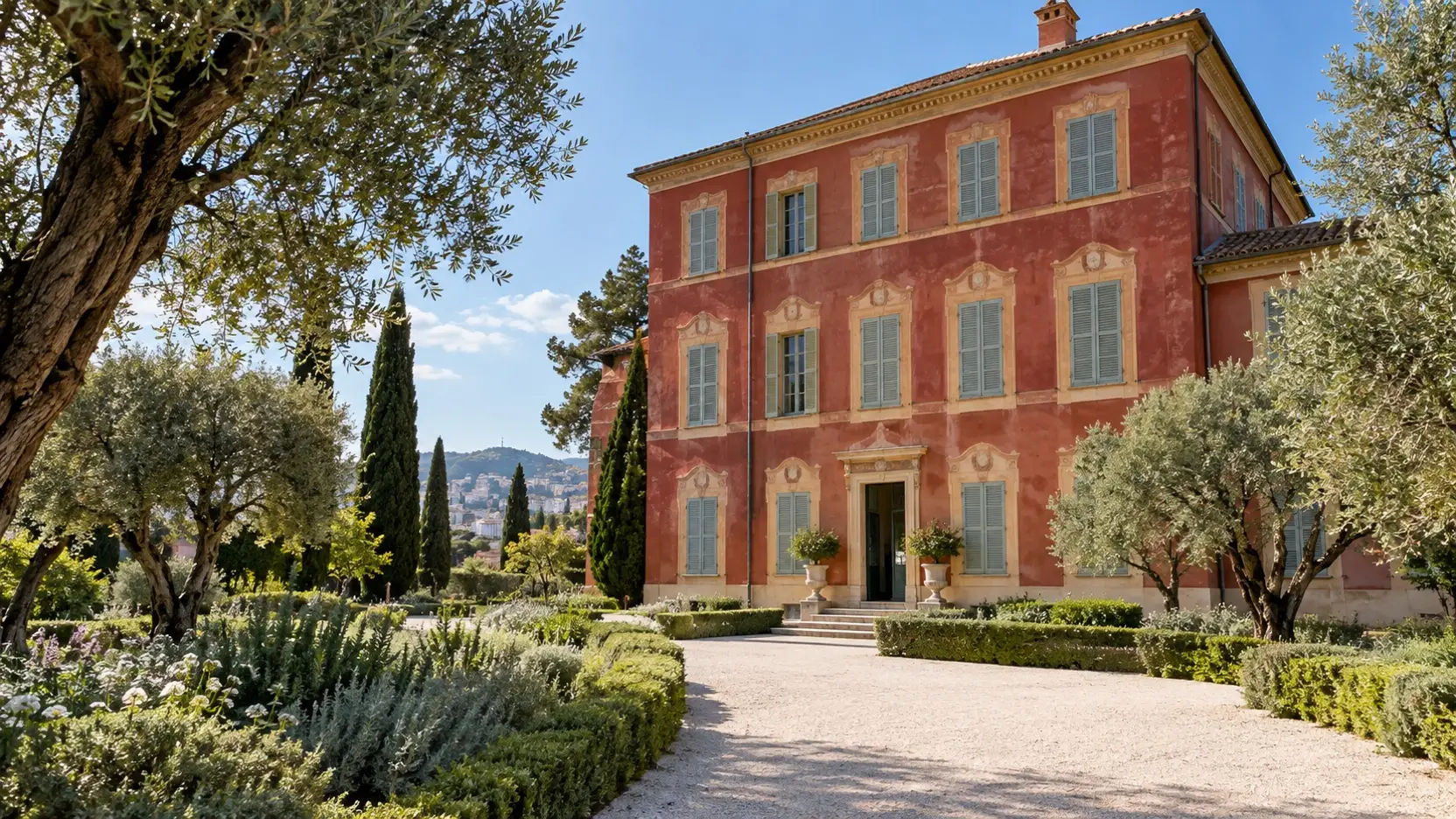
If art is your thing, the Musee Matisse and the Musee National Marc Chagall both sit in the Cimiez area above the city. Confirm opening days before you set out, as they vary.
How I’d plan the day
Short call (about 4 hours ashore): stay local. Wander Villefranche, then train into Nice for the Old Town, Cours Saleya, and Castle Hill.
Half day (about 6 hours): pick one big hitter. Either a full Nice morning, or a train straight to Monaco with a stroll back through Villefranche.
Long day (8 hours or more): combine Nice and Monaco by train if service is normal. Treat Èze village as a separate bus or taxi connection and preserve a solid tender buffer.
A realistic word on accessibility
Tendering is the honest catch here. Getting from ship to tender to quay can be difficult for anyone with limited mobility, and rough water can affect boarding, so check with your cruise line if this matters.
Ashore, Nice’s Promenade and Old Town are largely flat, but Villefranche, Eze, and Castle Hill involve steps and steep lanes. The coastal trains are the smoothest way to cover distance.
When to go, and the weather
The core cruise season runs spring through fall, with warm, dry summers and mild shoulder months. July and August bring the biggest crowds and the strongest sun.
May, June, and September often bring comfortable walking weather and lighter lines. Whenever you come, start early to beat both the heat and the tender lines.
Make the rail and tender chain work
Check whether your documents name Villefranche, Nice Port Lympia, or another Riviera landing before booking transport. A Villefranche call adds the tender and an uphill walk to the station, while Port Lympia puts a smaller ship directly in Nice.
For Nice, the TER train is usually the cleanest choice because road traffic can crawl along the coast. For Èze village, remember that Èze-sur-Mer station is below the cliff, so you still need a bus or taxi uphill and should not treat it as a simple train stop.
With four hours, pair Villefranche with Nice and skip a museum if tendering runs slowly. With six hours, choose either a full Nice visit or Monaco, while a longer call can support two rail stops if service is normal.
Work backward from the ship’s published last tender and reach the Villefranche quay 75 to 90 minutes before all aboard. Travelers using wheelchairs or scooters should ask about tender boarding, station access, train gaps, and the steep lanes in Villefranche, Èze, and Monaco before committing.
Quick answers
Do cruise ships dock in Nice itself?
Usually not; large ships anchor in the Bay of Villefranche and tender ashore, while Nice’s Port Lympia handles ferries and smaller vessels.
How do I get from Villefranche to Nice?
Walk from the tender quay to Villefranche station and take the frequent coastal TER train, which reaches Nice in well under 10 minutes.
Can I reach Monaco on my own?
Yes; the coastal train runs east to Monaco Monte-Carlo, but allow time for the station exits and hills.
For more Riviera planning, see my guides to nearby Cannes and Marseille, plus the wider roundup of European cruise ports.


How this guide was researched: Unless a first-hand visit is explicitly identified above, this guide is based on independent research using official port, tourism, transit, government, and attraction sources where available. Logistics and time-sensitive details were reviewed on September 10, 2026; see our Editorial Policy.