Gothenburg Cruise Port: Berths, Trams and Timing
Gothenburg can be a wonderfully easy cruise city or a transfer-first port, and the difference is your berth. Smaller ships may reach the central America Terminal, while other vessels use terminals and cargo berths across the Göta River on Hisingen.
Find the berth name before you choose trams, museums, canal boats, or an archipelago trip. Once that first link is clear, Gothenburg rewards a calm plan built around compact neighborhoods, excellent public transport, and a harbor that remains part of the city.
Gothenburg cruise port quick facts
- Country: Sweden
- Port: Port of Gothenburg, the largest port in the Nordic region
- Central cruise terminal: America Terminal at berth 36
- Other cruise facilities: Arendal Terminal, Skandia Harbour, and Älvsborg Harbour
- Dock or tender: Published cruise facilities are alongside berths, subject to final port assignment
- City access: Walkable from America Terminal, shuttle or transfer from the industrial berths
- Currency: Swedish krona
- Local transportation: Västtrafik trams, buses, trains, and boats
- Best first visit: Haga, the central canals, Maritiman, and a harbor or Paddan boat ride
- Longer option: Liseberg or the southern archipelago when schedules align
Quick take
From America Terminal, stay in the central city and enjoy Haga, the canals, Maritiman, and one strong museum or boat trip. From Arendal, Skandia, or Älvsborg, use the ship’s shuttle and avoid stacking too many timed connections.
The southern archipelago is beautiful, but it requires a city transfer followed by a public ferry. Save it for a long call with a generous return margin, not a day already shortened by an industrial-port shuttle.
The four cruise berth areas
The Port of Gothenburg lists two dedicated cruise quays with terminals and two additional harbors able to receive large cruise ships. The city remains ice-free, so cruise activity is possible throughout the year.
America Terminal, berth 36
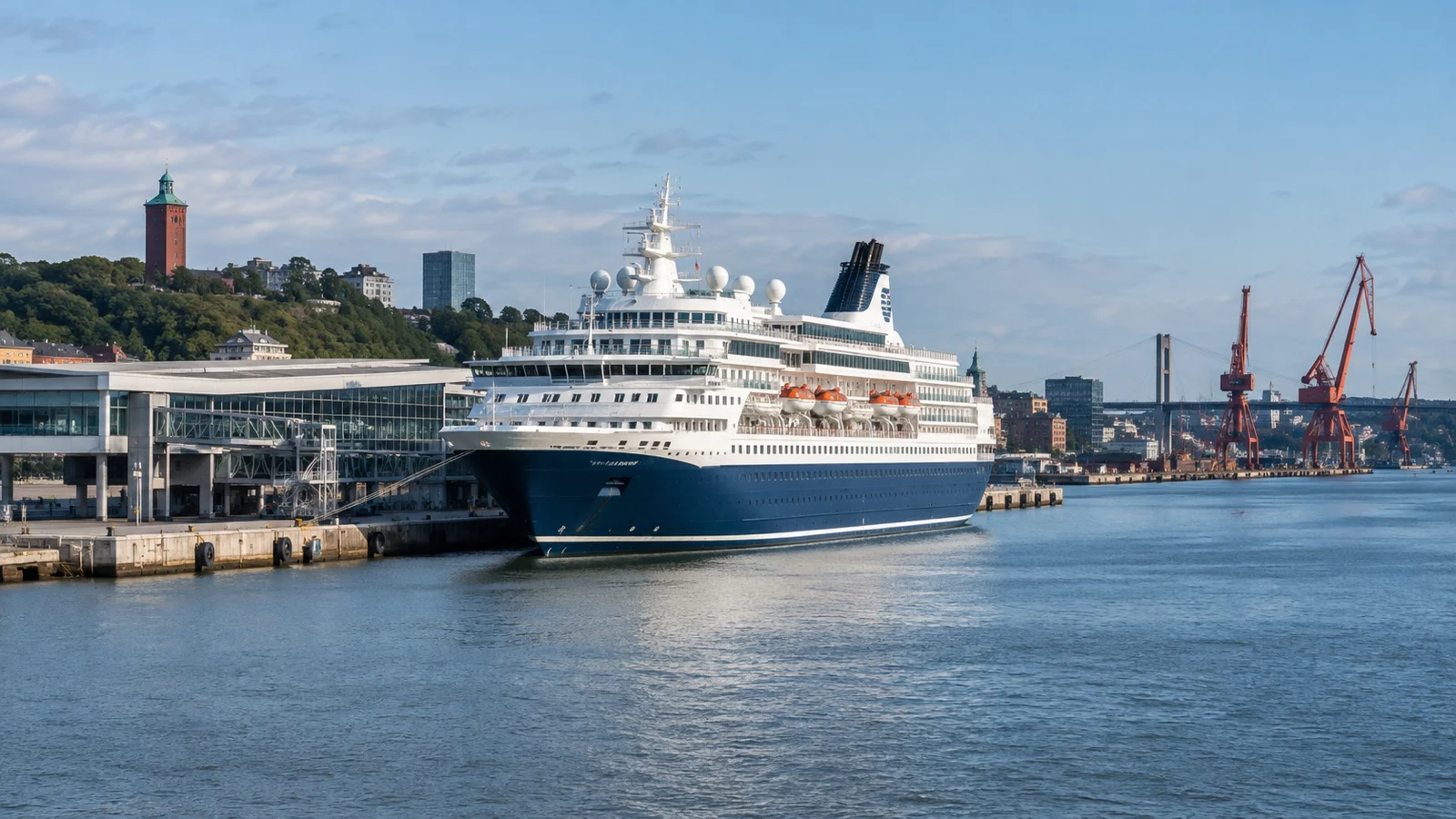
America Terminal, or Amerikaskjulet, is the historic and central option on the city side of the river. The port places Haga, Linné, Järntorget, Majorna, and Masthugget within practical reach, with the center walkable for many passengers.
The terminal has vessel length and draft limits, so it cannot receive every modern ship. Confirm berth 36 in the daily program before planning to walk directly into town.
Arendal Terminal, berth 751
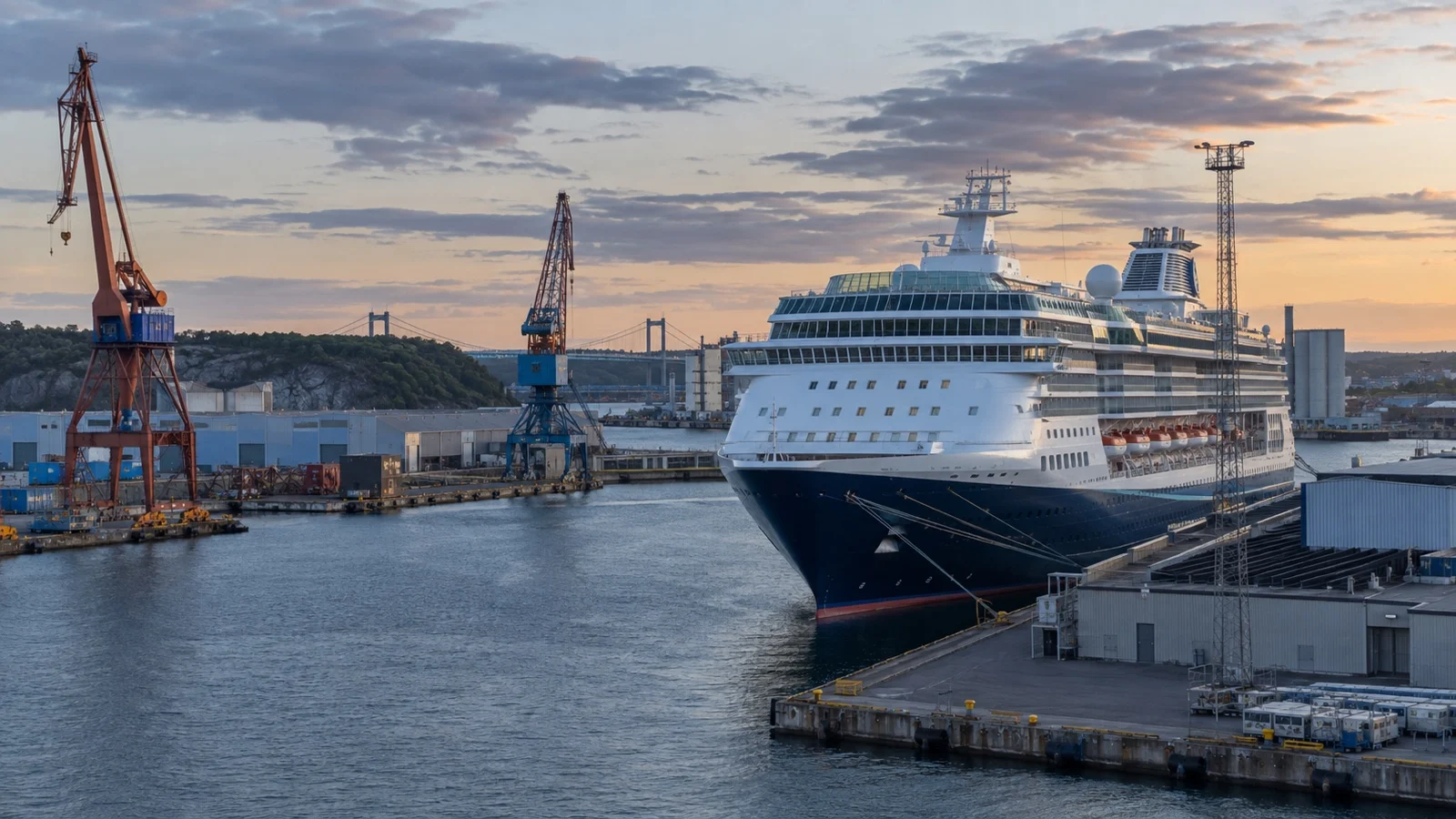
Arendal lies on Hisingen within the port area and requires a bus, taxi, or organized transfer. The port estimates about 20 minutes to the city in normal conditions, but cruise traffic and road conditions can lengthen that.
Do not expect to wander independently through industrial space. Follow the authorized passenger route and note the exact shuttle pickup for the return.
Skandia Harbour
Skandia can receive very large cruise ships and sits roughly nine kilometers from the center according to the port. This is a cargo environment, so your day begins and ends with controlled transport.
Ask whether the cruise line runs a continuous shuttle or assigned departures. The final return may leave earlier than you expect because buses need time to clear port security.
Älvsborg Harbour
Älvsborg also sits about nine kilometers from central Gothenburg and handles ships within its published size limit. The port states that passengers cannot move freely inside the secure area.
A free port bus may connect the ship with the gate, where taxis and local buses are available. Your cruise line may provide a different city shuttle, so use the instructions issued for the call.
Getting around Gothenburg
Trams, buses, and boats
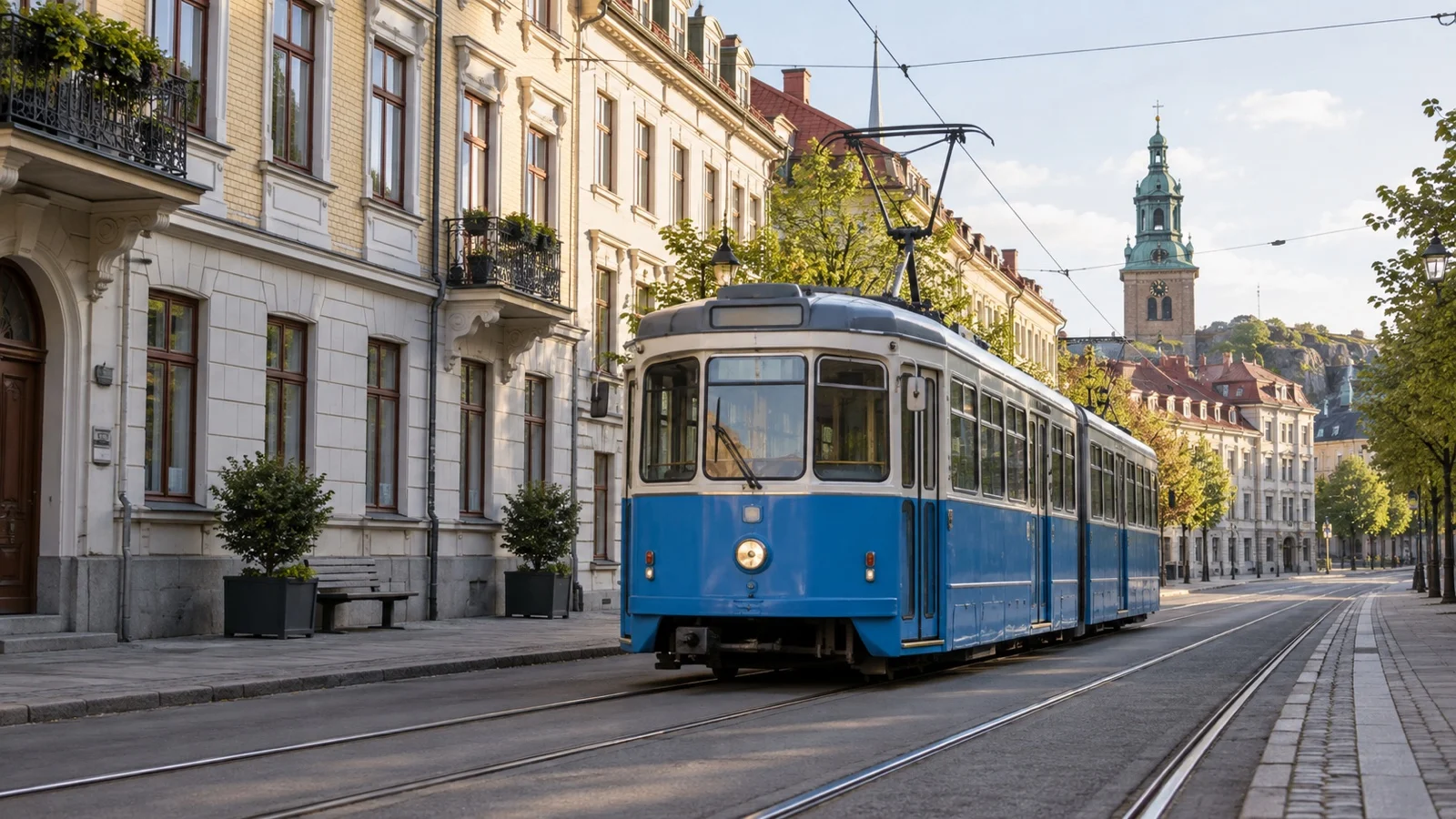
Västtrafik unifies the region’s trams, buses, trains, and many public boats within its ticket system. This makes the network wonderfully useful, but your ticket must cover the correct zones and be valid before travel where required.
Use the official Västtrafik ticket page and To Go app for current prices, zones, service notices, and purchase methods. Contactless tap payment is available in specified circumstances, but do not assume one tap works identically on every route.
Track work and service changes can affect even a simple city ride. Screenshot the return route to your shuttle stop and leave one earlier connection in reserve.
Walking
Central Gothenburg is flat and enjoyable on foot, with broad avenues, canals, waterfront paths, and compact historic neighborhoods. Cobblestones, bridges, and construction detours still matter for wheelchairs and anyone with limited mobility.
From America Terminal, ask for the authorized pedestrian exit before following a map. From industrial berths, do not attempt to walk into town.
Taxis
Swedish taxi prices are not regulated and can vary between operators. Gothenburg’s official visitor site advises checking the comparison price displayed on the vehicle before accepting the ride.
Use an established company, confirm the price basis, and ask for a receipt. At a cargo berth, taxis may meet passengers only at the gate rather than beside the ship.
Best things to do in Gothenburg
Maritiman
Maritiman is a floating maritime museum on the central waterfront, with historic vessels connected by gangways. Its naval, commercial, and working-harbor story feels perfectly matched to a cruise day.
Check the official Maritiman website for seasonal opening, tickets, tours, and vessel access. Narrow passages, ladders, high thresholds, and changing gangways mean not every area is accessible to every visitor.
Even if your ship docks centrally, do not call the museum next to every cruise berth. Its convenient location applies most strongly after reaching the city center.
Haga
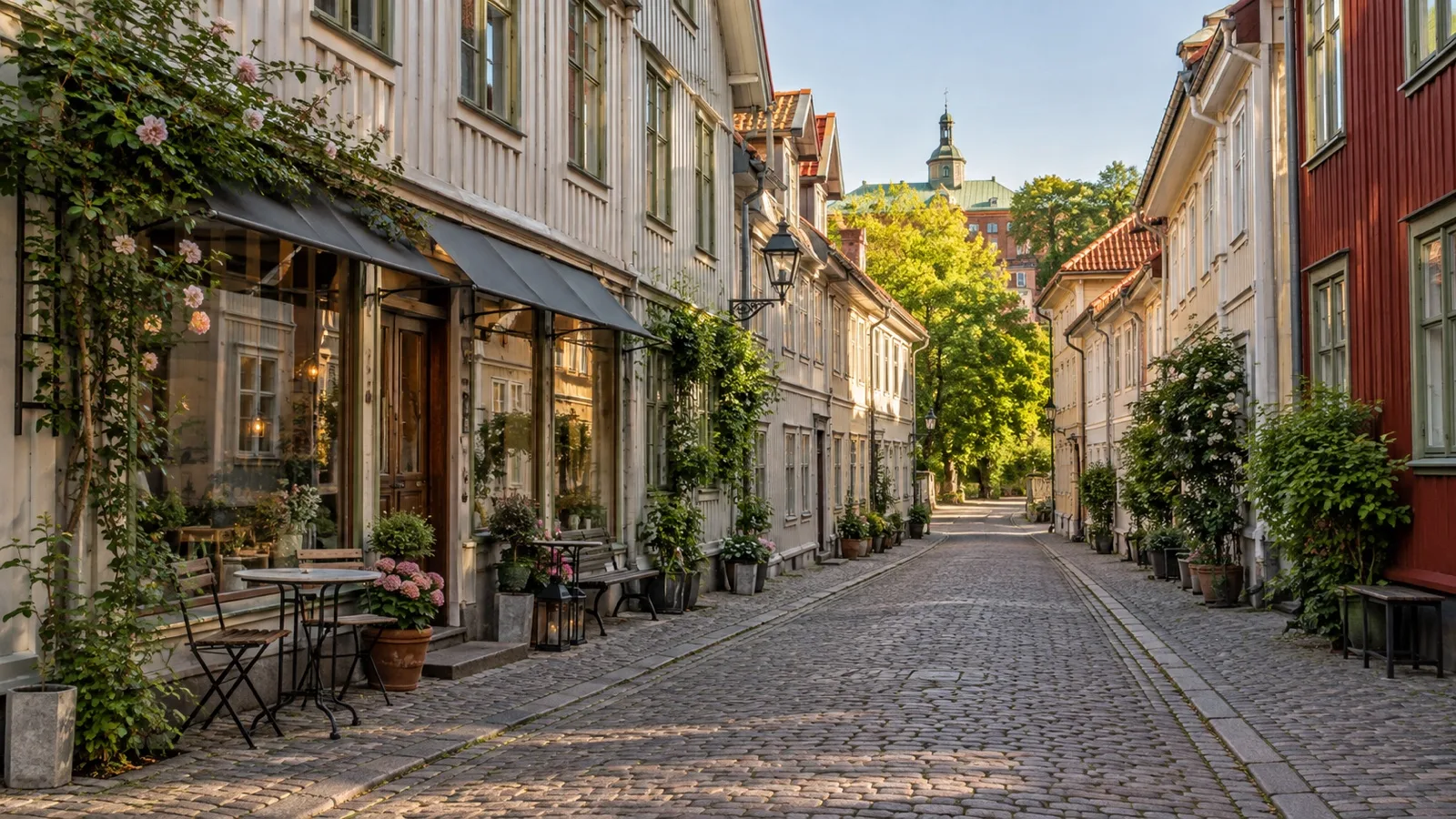
Haga is Gothenburg’s classic neighborhood for low wooden houses, small shops, cafés, and the tradition of fika. It works best as a slow walk rather than a hunt for one famous cinnamon bun.
Popular cafés can develop lines when several tours arrive. Choose the room and atmosphere you like, then give yourself time to sit with coffee instead of eating on the move.
Paddan canal boats
The low sightseeing boats known as Paddan tours explore Gothenburg’s canals and harbor from the water. They provide an easy overview and a good explanation of why some bridges require passengers to duck.
Schedules are seasonal and weather-sensitive, with departure points and languages varying. Book through the official operator or buy only after matching the trip duration to your return transport.
Gothenburg Museum of Art and Universeum
The Gothenburg Museum of Art anchors Götaplatsen and holds a strong Nordic collection alongside European works. Universeum focuses on science, nature, and interactive exhibits, making it especially useful for families or a wet day.
Both deserve current opening and ticket checks because exhibitions, renovation, school visits, and holidays can change the experience. Choose one substantial indoor attraction rather than racing between several.
Liseberg
Liseberg is Gothenburg’s famous amusement park, with rides, gardens, entertainment, seasonal events, and a city-center location beside Korsvägen. It can be excellent for families, but it does not follow a simple daily year-round schedule.
Use the official Liseberg calendar for opening days, hours, tickets, ride information, and special events. Some attractions have separate restrictions, and the park may be closed on an otherwise ordinary cruise day.
The tram network makes the park easy to reach after you are in central Gothenburg. Allow time for entry queues and leave before the last comfortable connection to your port shuttle.
The southern archipelago
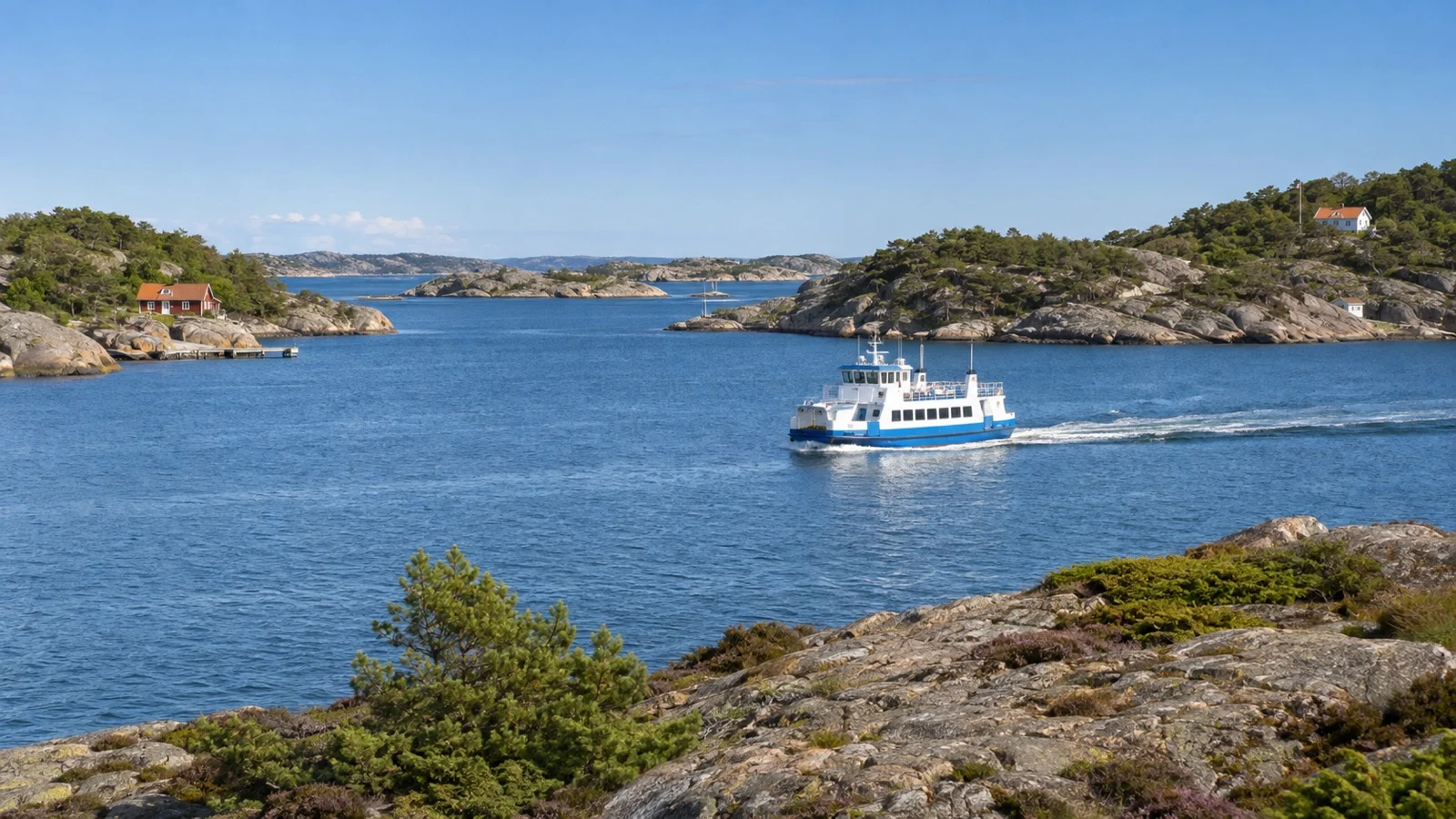
The southern Gothenburg archipelago is car-free and served by public boats from Saltholmen. Reaching it generally requires a tram or bus to the ferry terminal, then a boat whose timetable is not arranged around your ship.
A valid Västtrafik ticket can cover public transport through the city and onto included boats, provided you choose the right zone and validity. Confirm the exact island, boat, and return before leaving central Gothenburg.
Brännö, Styrsö, and Vrångö offer different walking, village, and coastal experiences, so pick one. Island hopping multiplies the connections and makes a delayed return harder to absorb.
On a short call, use a river ferry from Stenpiren instead for a taste of Gothenburg from the water. The city visitor service notes several routes crossing or following the Göta River, including a free cross-river service.
Food, fika, and markets
Gothenburg’s west-coast identity makes seafood the natural theme, from shrimp sandwiches to shellfish and fish soup. The Feskekörka fish hall is an obvious place to look, but opening hours and vendor arrangements should be checked for your date.
Fika is the easier ritual to fit into any plan. Order coffee with a pastry, sit down, and let the pause be part of the day rather than another box to tick.
Card payment is the norm in Sweden, and some businesses do not accept cash. Tell your bank you are traveling and keep a second payment card in a separate place.
Weather and what to wear
Gothenburg’s maritime weather can shift between sun, showers, wind, and cool air in a single call. Pack a light waterproof layer and wear shoes that handle wet cobblestones.
Check the Swedish Meteorological and Hydrological Institute for the official forecast and warnings. Wind and visibility matter most for small-boat outings and exposed archipelago plans.
Winter calls bring short daylight and limited seasonal attractions, while summer offers longer hours without guaranteeing warmth. Build around actual opening calendars rather than the month alone.
Accessibility
Alongside berthing avoids a routine tender transfer, but the gangway and berth transport still determine access. Request assistance from the cruise line before arrival and ask whether the shuttle accepts your mobility device.
Modern trams and buses increasingly support level boarding, though stops, gaps, and older vehicles vary. Västtrafik publishes accessibility and companion-service information for planning.
Historic ships at Maritiman have unavoidable barriers, while central museums and public buildings may offer elevators and accessible entrances. Check the specific attraction rather than applying one citywide assumption.
Three practical Gothenburg plans
From America Terminal
Walk or use transit toward Haga, continue through the central canals, and choose Maritiman or a Paddan boat. Add fika and return along the waterfront with enough time to enjoy the terminal area.
This plan needs no complicated transfer and suits a first visit. Keep Liseberg optional unless its calendar and your call make it an obvious fit.
From an industrial berth
Take the official shuttle into central Gothenburg, photograph the return point, and focus on Haga plus one museum or boat trip. Start back earlier than the final advertised bus.
The port transfer is part of the day, so do not spend your buffer on a distant suburb. Central Gothenburg has more than enough for the hours left.
A long archipelago day
Use the Västtrafik planner to choose one southern island and an early ferry from Saltholmen. Carry weather protection, food if services are limited, and a return plan with at least one backup boat.
Attempt this only when the ship’s hours and berth transport create a generous margin. If the call shortens or wind rises, switch to a river ferry and central city walk.
Common Gothenburg cruise questions
Which berth will my ship use?
The cruise line and port assign the berth according to vessel needs and operations. Check the daily program for America Terminal, Arendal, Skandia, or Älvsborg before planning city access.
Can I walk into town?
America Terminal is the walkable central option. The other cruise facilities are on Hisingen and require authorized transport through or out of the secure port.
Do ships tender in Gothenburg?
The port publishes alongside cruise berths rather than a routine tender operation. Final arrangements can still change, so rely on your ship’s instructions.
Can I use one ticket on trams and ferries?
Västtrafik tickets cover trains, buses, trams, and included boats within the correct zones and validity. Verify the product in the official app, especially for the archipelago.
Is Liseberg open every day?
No, operating days and hours are seasonal and event-based. Check the park’s official calendar for your exact call.
What should I confirm that morning?
Verify the berth, shuttle, return stop, all-aboard time, Västtrafik service, attraction hours, and weather. The berth is the fact that controls every other decision.
The last word
Gothenburg is a port city in the fullest sense, with ferries, floating museums, cranes, canals, trams, and island boats stitched into daily life. Its appeal comes from those connections rather than one monumental sight.
Start with the berth, choose one water experience, and leave room for fika. That small discipline turns Gothenburg from a transport puzzle into an easy Scandinavian day.
About the author: Ellie writes practical cruise port guides for travelers who want clear choices, realistic timing, and room to enjoy the place.
No firsthand sailing, terminal visit, or attraction visit is claimed. This guide was independently checked September 12, 2026, against current information from the Port of Gothenburg, Västtrafik, Maritiman, Liseberg, and Sweden’s official weather service.
Port details and operating conditions can change, so confirm your berth, transportation, attraction hours, and all-aboard time with your cruise line and official providers.