Rouen Cruise Port: One Berth, the Seine and the Old Town
Rouen is a rare sea cruise call where the ship sails deep inland and arrives within a historic city. The long passage up the Seine leads to a compact Norman capital filled with Gothic stone, half timbered houses, Joan of Arc history, and an excellent art museum.
The practical choice is whether to stay in Rouen or spend much of the call traveling farther. Paris and Giverny are possible on the right itinerary, but Rouen itself offers a full day with far less return risk.
Rouen cruise port quick facts
- Terminal: Right bank cruise terminal on the Seine
- Berths: One sea cruise berth
- Published limits: Up to 250 meters long, 8.5 meters maximum draft, and 48 meters maximum air draft
- Arrival: Alongside after a tide and pilotage dependent Seine transit
- Best independent plan: Rouen Cathedral, Gros Horloge, old town, and one museum
- Currency: Euro
- Language: French
- Terrain: Mostly level center with cobbles and irregular historic paving
Where cruise ships dock
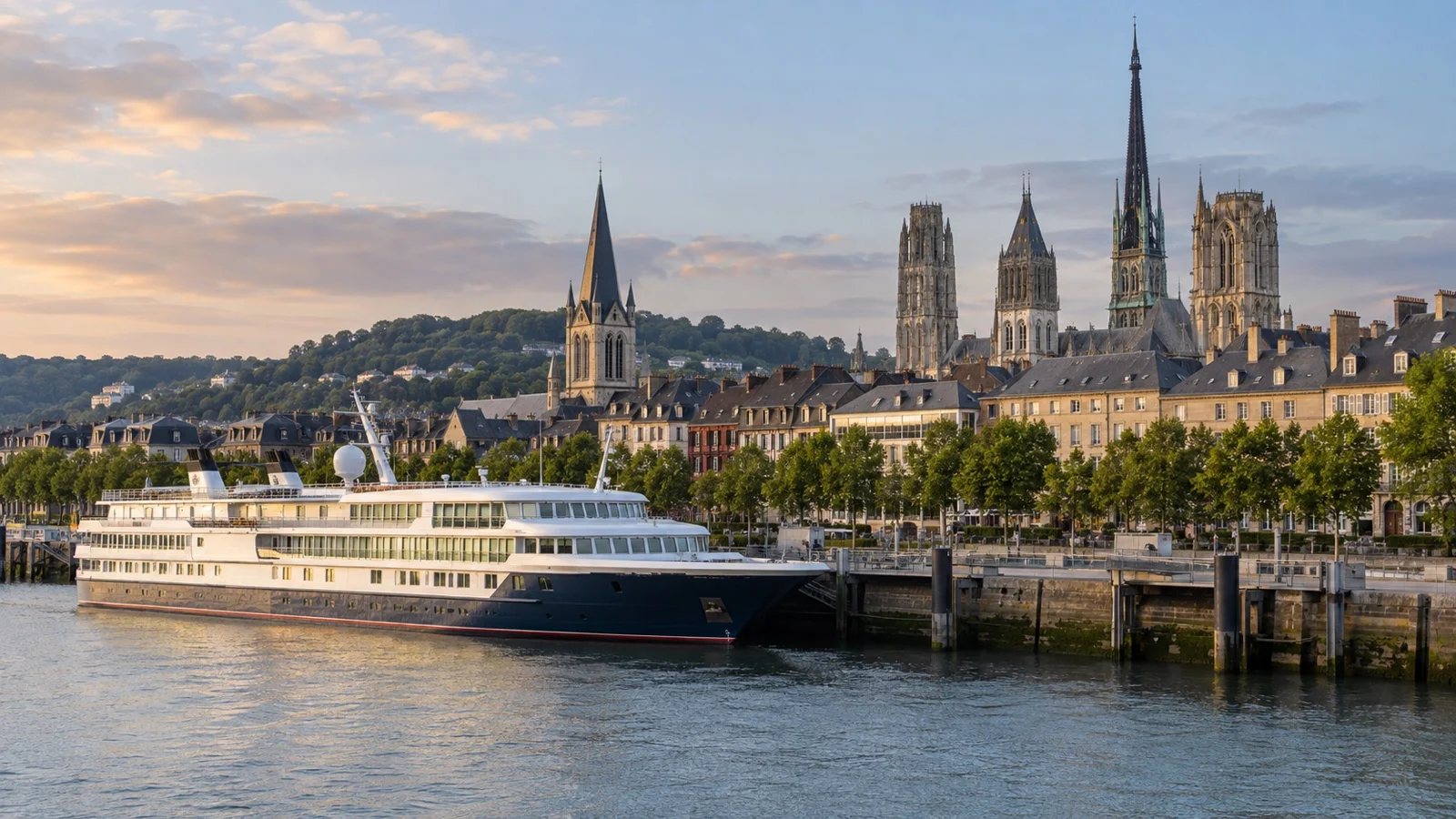
HAROPA PORT lists one Rouen sea cruise berth for vessels up to 250 meters in length. The official maximums are 8.5 meters of draft and 48 meters of air draft, reflecting the river depth and bridges that shape access to the city.
The right bank terminal provides visitor information, shuttle coordination, maps, baggage handling, customs support, transport booking, and proximity to city center businesses. The exact pedestrian route and any shuttle arrangement still depend on the day’s berth and security plan.
Ships berth alongside rather than tendering, but the gangway angle can vary with water level. Passengers with limited mobility should ask the cruise line about the gangway, terminal transfer, and step-free route before arrival.
The Seine passage
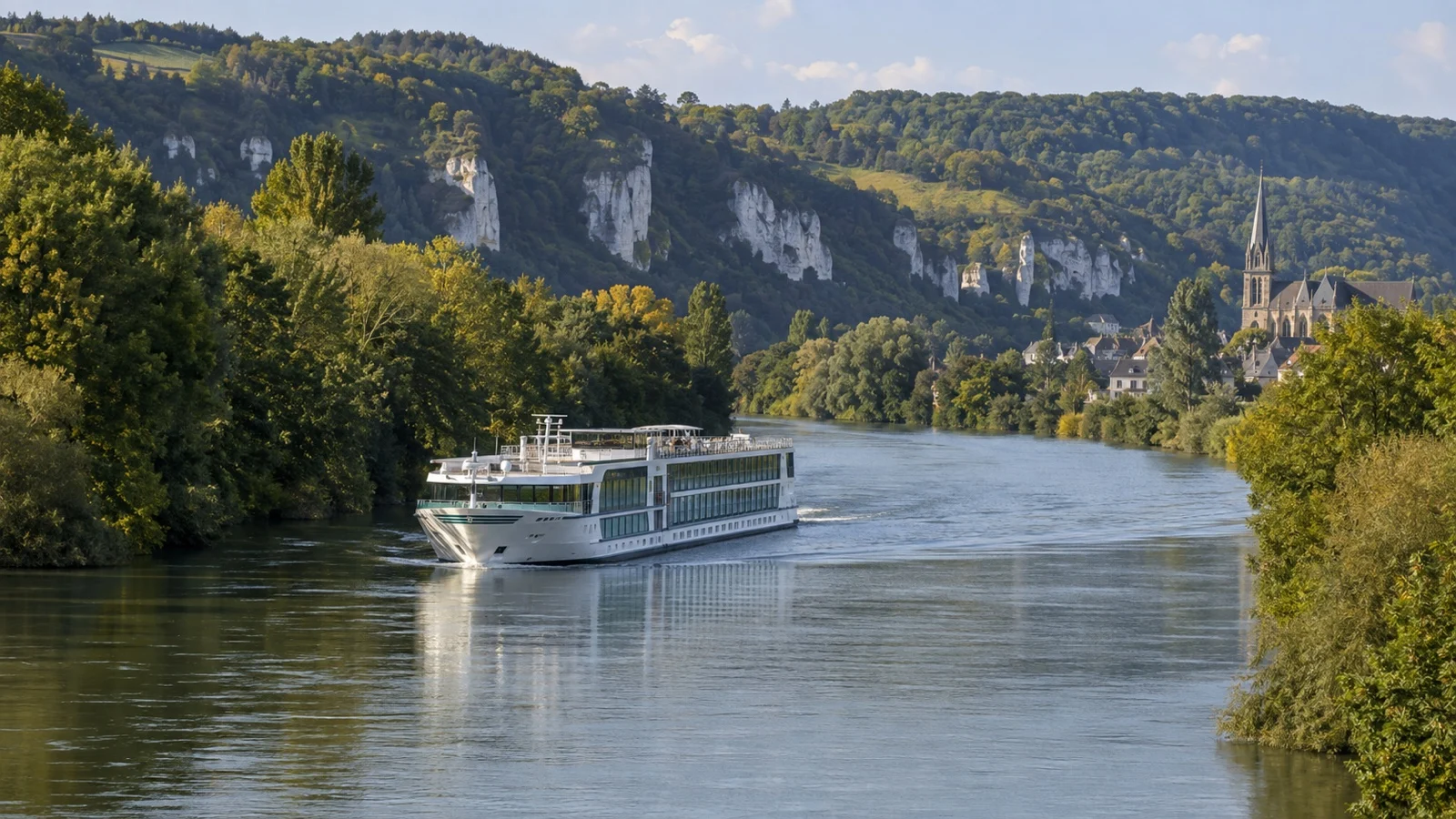
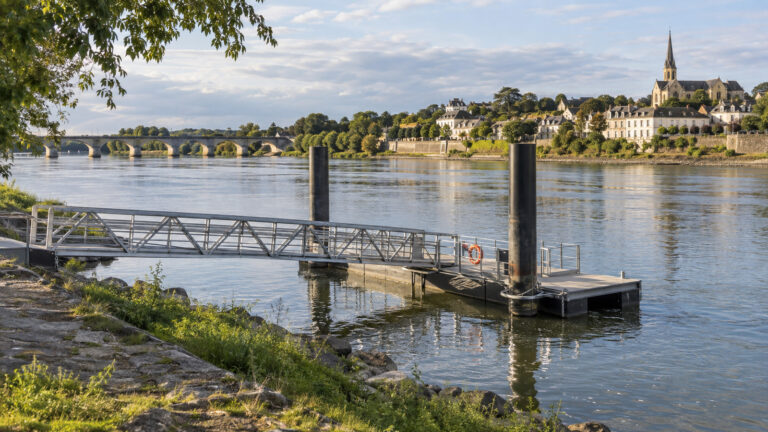
The river approach is part of the appeal, with long bends, green banks, villages, industrial stretches, and bridges creating a slow transition from the English Channel to inland Normandy. Sailing times are governed by tides, pilotage, river conditions, and port requirements rather than a simple road-style timetable.
Be on deck if the ship’s daily program gives a useful daylight window for the transit. Arrival or departure can shift for operational reasons, so base independent plans on the confirmed onboard schedule rather than an old itinerary listing.
Walking into central Rouen
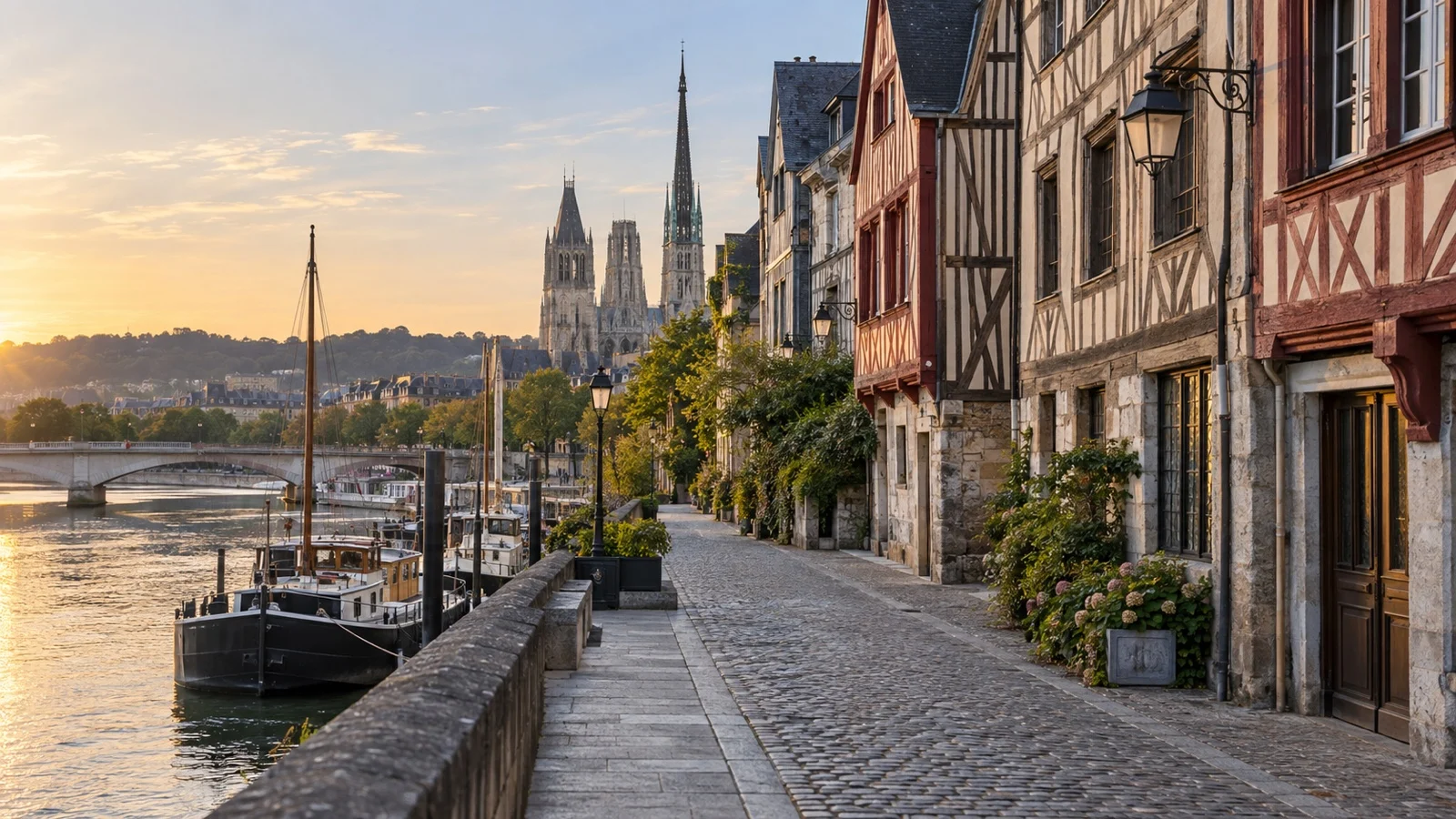
Rouen’s historic core is compact enough for an independent walking day. The cathedral, Gros Horloge, Place du Vieux Marché, Historial Jeanne d’Arc, and Musée des Beaux Arts sit within a manageable central area.
Distance is only one part of the calculation because the old streets contain genuine cobbles, narrow sidewalks, and busy crossings. Supportive shoes and a route that avoids repeated backtracking make the day noticeably easier.
Rouen Cathedral
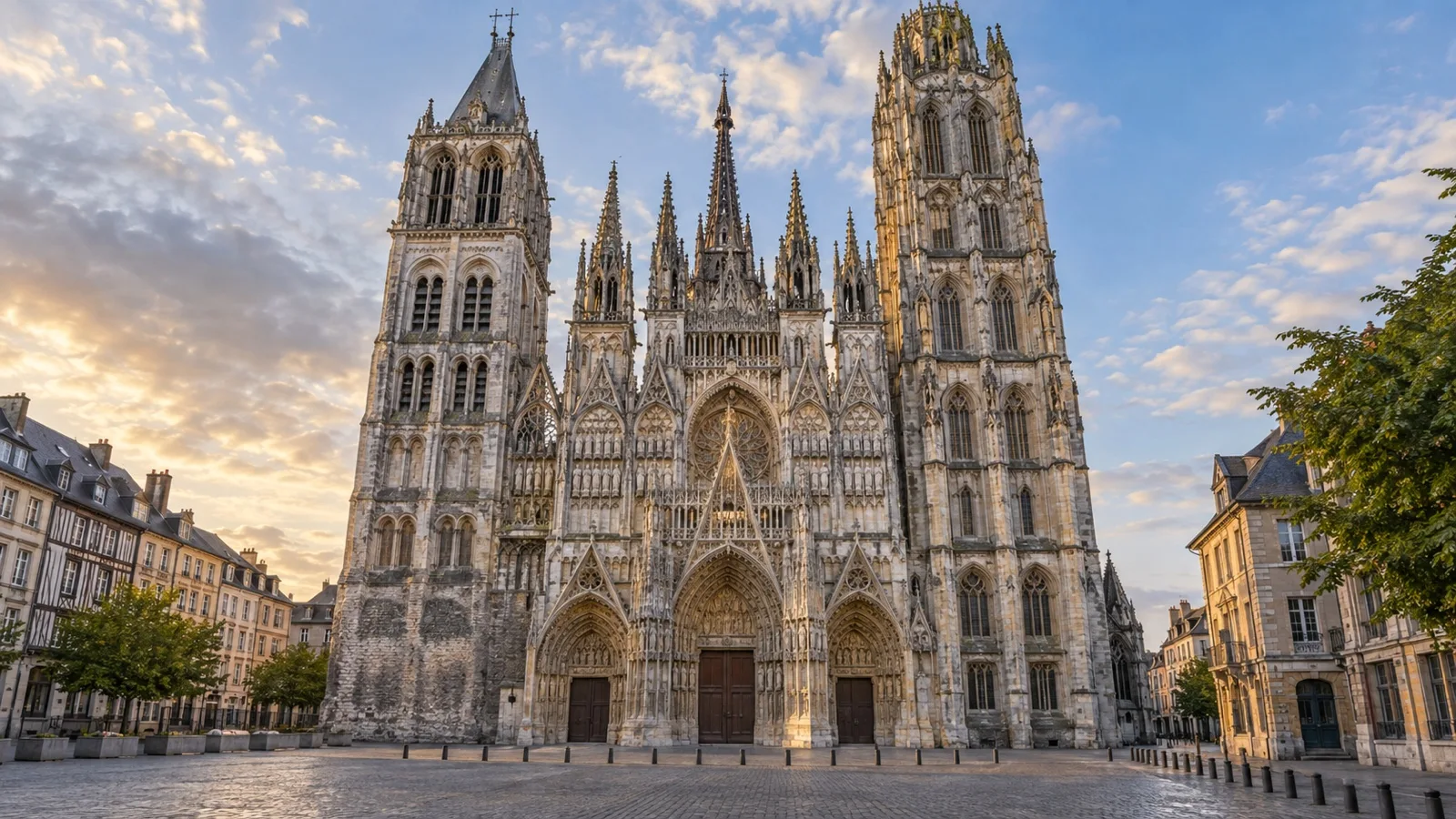
Notre Dame Cathedral dominates the center and anchors many first visits. Its changing Gothic facade inspired Claude Monet’s famous series, while the interior connects centuries of Norman religious and political history.
This remains an active place of worship, so services, funerals, conservation work, and special events can alter visitor access. Check the cathedral’s official schedule and enter quietly, with photography only where permitted.
A summer evening projection on the facade can be memorable, but it begins after dark and therefore suits only a late sailing or overnight stay. Do not build a normal daytime call around an evening event without checking the ship’s all aboard time.
Gros Horloge and the old town
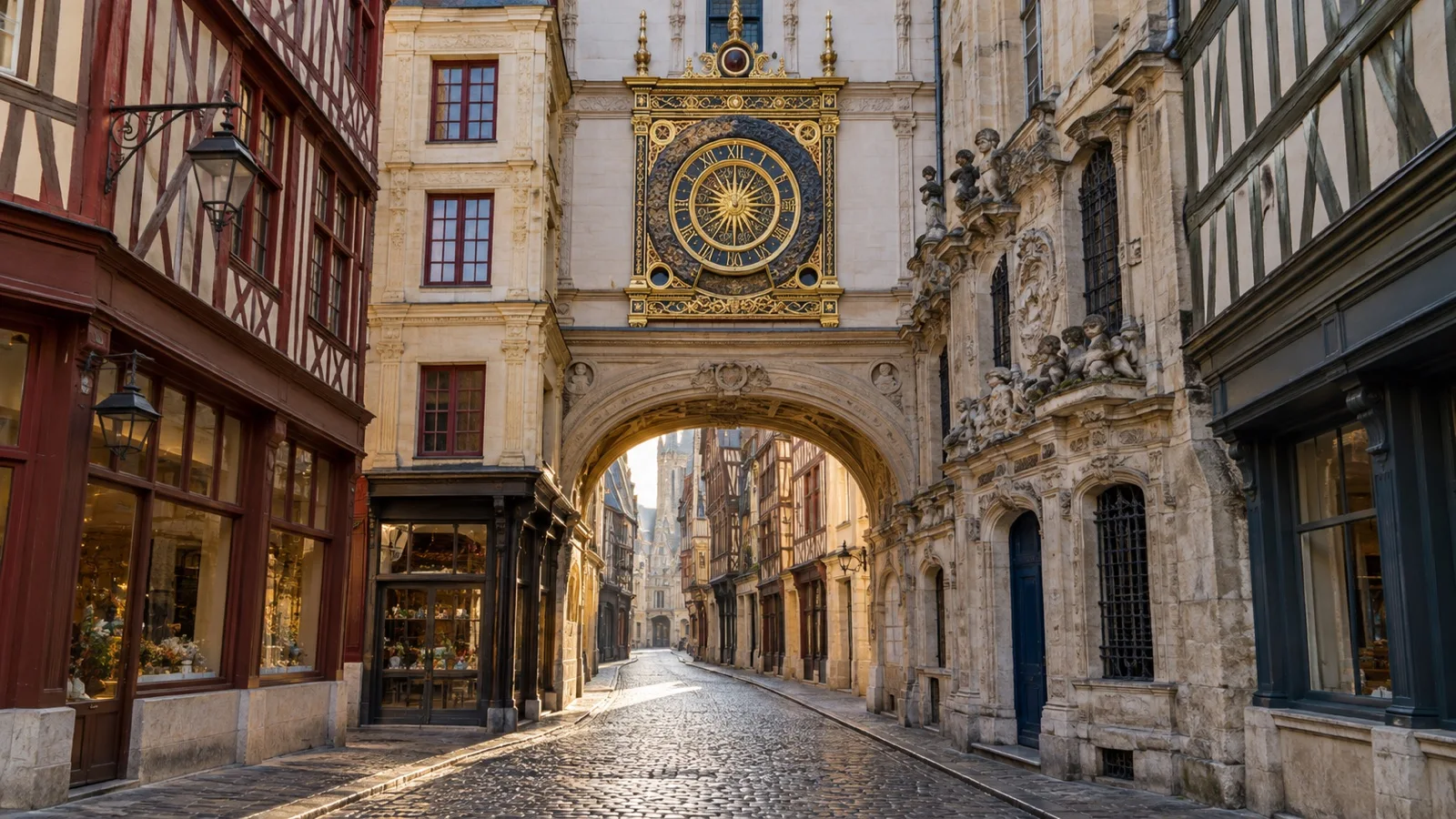
The Gros Horloge spans one of Rouen’s most recognizable pedestrian streets. Its astronomical clock, Renaissance arch, and surrounding facades form a natural link between the cathedral and Place du Vieux Marché.
Hundreds of half timbered buildings give the center its distinctive character, though many now hold ordinary shops, restaurants, and services. The pleasure comes from looking up, turning into quieter side streets, and letting one or two unscheduled courtyards interrupt the route.
Place du Vieux Marché marks the area associated with Joan of Arc’s execution in 1431. The modern Church of Saint Joan of Arc stands beside historic facades and the covered market, creating one of the city’s strongest contrasts.
Historial Jeanne d’Arc
The Historial Jeanne d’Arc occupies the Archbishop’s Palace near the cathedral and uses a digital presentation to tell her story. The complex includes remains of the room where her condemnation was pronounced in 1431 and where her rehabilitation trial took place in 1456.
The official site lists opening from Tuesday through Sunday, 10:00 to 19:00, with last entry at 17:15. Full admission is listed at €12 and reduced admission at €9, but verify current availability before the call.
Musée des Beaux Arts
Rouen’s fine arts museum is an excellent choice in rain and a serious attraction in its own right. Its collections cover European painting, sculpture, drawing, and decorative art, with a particularly strong connection to Impressionism.
The museum’s official information lists daily hours from 10:00 to 18:00, except Tuesday and specified public holidays. Entry to the permanent collection is free, while temporary exhibitions may have separate arrangements.
The published accessible entrance is at 26 bis rue Jean Lecanuet rather than the main esplanade. Visitors who need step-free access should confirm any temporary changes before setting out.
Aître Saint Maclou
Aître Saint Maclou is one of Rouen’s most unusual historic spaces. The enclosed courtyard served as a plague cemetery and ossuary, with carvings of skulls, bones, and burial tools worked into its timber galleries.
It fits neatly into an old town walk and needs less time than a major museum. Opening conditions, exhibitions, and guided access can vary, so use the monument’s own listing for the date of your call.
Paris from Rouen
Paris is possible by rail, but the journey is only the first layer of travel. You must also reach Rouen’s station, allow for a suitable train, cross Paris from Saint Lazare, protect the return connection, and reach the ship before all aboard.
A long call or overnight can make that arithmetic more reasonable. On a standard daytime visit, Paris often means exchanging nearly all of Rouen for transport and a brief look at one part of the capital.
If Paris is nonnegotiable, a cruise excursion provides more coordinated return protection than an independent train plan. Confirm exactly how much sightseeing time remains after road travel and where the group will stop.
Giverny and other Normandy excursions
Monet’s house and gardens at Giverny appeal naturally to travelers who have just seen his Rouen connection. The site requires road transport and often timed admission, so it works best with tickets and a return arrangement secured before the call.
Normandy abbeys, countryside, cider producers, and historic towns can also fill a port day. Choose one coherent area rather than collecting distant stops, since river timing and city traffic can compress the usable hours.
Food and a relaxed city day
Rouen is recognized by UNESCO as a Creative City of Gastronomy, and its food culture makes a slower itinerary attractive. Norman cheeses, apples, cider, cream sauces, pastries, and market produce appear across menus at many price levels.
Lunch hours and weekly closing days matter in France, particularly outside the busiest visitor streets. Reserve a specific restaurant when it is central to the day, or keep a bakery and market option in mind for flexibility.
Accessibility
Rouen’s center is relatively level, but medieval paving and historic thresholds create repeated obstacles. A short route on a map may still involve cobbles, cross slopes, curbs, and narrow passages.
The port offers shuttle coordination, yet the availability and accessibility of that transport should be confirmed with the cruise line. Ask individual attractions about step-free entrances, elevator dimensions, accessible restrooms, and companion policies.
A vehicle can reduce distance but does not remove the final approach through pedestrian streets. Travelers using mobility equipment will benefit from plotting accessible entrances rather than relying on each site’s main address.
Weather and what to bring
Rouen has a mild northern climate with rain possible throughout the year. A light waterproof layer and shoes with traction are more valuable than an umbrella when both hands are needed on wet cobbles.
Summer is generally comfortable rather than reliably hot, while early and late season mornings can feel cool beside the river. Layers work well because indoor museums, sunlit squares, and the waterfront can feel quite different.
Three realistic port day plans
Classic Rouen
Start at the cathedral, continue beneath the Gros Horloge, and reach Place du Vieux Marché before lunch. Add the Historial or Musée des Beaux Arts according to opening day and personal interest.
Art and architecture
Pair the cathedral facade with the Impressionist galleries at the fine arts museum, then wander through the half timbered streets. This keeps the day compact and provides an easy indoor alternative if rain arrives.
One excursion beyond Rouen
Choose Giverny or another single regional destination with confirmed transport and admission. Return early enough for a brief old town walk without making the ship deadline depend on perfect traffic.
Common questions
Can I walk from the terminal to the old town?
The right bank terminal is close to central Rouen, but the precise walking route and shuttle arrangement vary with port operations. Follow the ship’s map and allow extra time for cobbles and crossings.
Why do smaller ships visit Rouen?
The river route and bridges impose limits on length, draft, and air draft. HAROPA PORT publishes a maximum vessel length of 250 meters for the single Rouen sea cruise berth.
Is Paris a good independent day trip?
It can work on a long or overnight call, but a standard visit leaves little protection against rail or city delays. Rouen provides a fuller and more relaxed day without the long transfer.
Final thoughts
Rouen turns the journey inland into part of the destination. Once ashore, its cathedral, clock, museums, Joan of Arc sites, and old streets reward travelers who resist the urge to race toward Paris.
How this guide was researched: This guide was checked on September 12, 2026, against HAROPA PORT, Rouen Normandy Tourism, the Historial Jeanne d’Arc, Rouen’s metropolitan museums, and SNCF Connect. Port timing, river conditions, attraction hours, rail schedules, and access arrangements can change, so verify essential details before sailing; this independent guide is not affiliated with the port, attractions, or cruise operators.