Anzac Cove Cruise Port: A Cruiser’s Guide to the Gallipoli Peninsula
Anzac Cove is not a cruise port in the usual sense. There is no terminal beside the beach and definitely no cheerful sign pointing to a gift shop.
This protected coast is a place of battle, burial, and remembrance. A visit normally begins across the Dardanelles in Çanakkale or consists of a scenic passage offshore on a Mediterranean cruise.
Lock the operating plan before you leave the ship
Anzac Cove is a protected memorial landscape, not a beach landing, and the Gallipoli Historic Site Directorate controls visitor sites and access. Do not arrange a private boat landing, drone flight, ceremony, filming setup, or off-route walk without the required local permission.
For a scenic passage: stay aboard, follow the commentary, and understand that no shore visit is implied unless the daily program says so.
For a Çanakkale call: a licensed guided excursion is the safest way to combine a strait crossing, several memorials, historical context, and a protected return.
For an independent visit: confirm the ferry terminal in both directions, a prearranged vehicle on the European side, site access, and a turnaround that survives one missed ferry.
For Anzac Day: use the current Australian Department of Veterans’ Affairs process because accreditation, overnight conditions, security, transport, and medical support differ from an ordinary port day.
The route includes rough shoulders, slopes, cemetery paths, limited shade, and long stretches between services. Travelers with cardiac, respiratory, balance, or heat concerns should choose a vehicle-based route and carry needed medication rather than relying on immediate ship medical support across the strait.
First, work out what “Anzac Cove” means on your itinerary
Cruise planners sometimes use a famous destination as the label for a wider port call. In this case, your ship may berth in the Çanakkale area, arrange tours from there, or sail past the Gallipoli coast without putting passengers ashore.
Read the final daily program and listen to the port briefing before making independent plans. Berth assignments, shore access, and scenic-cruising commentary can vary by ship, sea conditions, and local arrangements.
If your call is in Çanakkale, the battlefield sites lie on the European side of the strait. Independent visitors can cross to Eceabat or Kilitbahir by local ferry and continue by road, but the memorial landscape is too spread out for a casual stroll from either landing.
A guided tour is the most practical choice for most cruise passengers. It joins the ferry, vehicle, historical context, and return deadline into one tidy package, which is not glamorous but is tremendously useful when your ship has no interest in waiting.
If the itinerary offers only scenic cruising, do not assume tenders will appear as a surprise. There is no cruise landing at Anzac Cove itself, and the shoreline is protected memorial ground rather than a recreational beach stop.
The quick facts
- Where you land: nowhere at Anzac Cove itself. The shore is protected memorial ground managed by the Gallipoli Historic Site Directorate and there is no cruise landing. Ships either call at Çanakkale on the Asian side of the Dardanelles, or sail past the Gallipoli coast as a scenic day.
- Dock or tender: Ships may dock or tender at Çanakkale, depending on ship size and berth availability.
- Into town: Çanakkale’s waterfront is a short walk from the berth, but the battlefields are on the other side of the strait.
- Currency and language: Turkish lira (TRY), and Turkish.
- Time zone: Turkey Time (UTC+3) all year.
- Call reliability: The operating plan depends on the ship’s Çanakkale berth or tender arrangement, local traffic, and Dardanelles conditions. A scenic passage does not guarantee a shore visit.
- Best first visit: Use a licensed guided battlefield circuit from Çanakkale if the ship offers enough time. The Anzac sector is spread out and its history benefits from interpretation.
- Return margin: Aim to be back at the correct ferry or ship meeting point well before all aboard. Build in extra time for the strait crossing, road traffic, security, and site stops.
Why this coast needs more than a quick photo
Australian and New Zealand Army Corps troops landed around this coast before dawn on 25 April 1915 during the Allied campaign to force the Dardanelles. Ottoman forces held the ridges above, and the campaign developed into months of costly fighting before the Allied evacuation in December 1915.
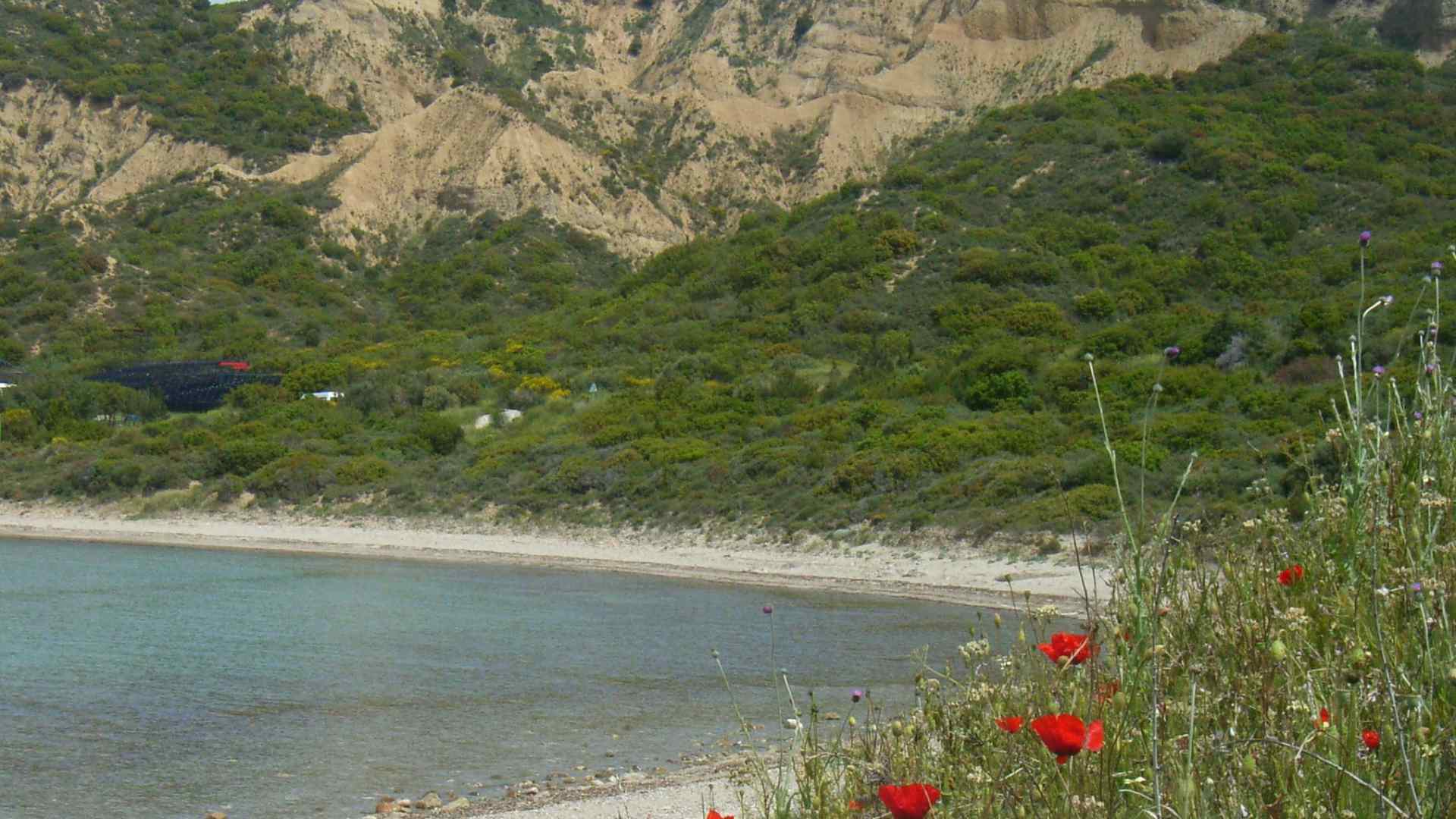
The terrain explains a great deal. Narrow beaches rise quickly into gullies, spurs, and ridgelines, so a viewpoint that looks close on a map may involve a winding road and a substantial change in elevation.
It is also important to see more than one national story. Australian, New Zealand, Ottoman Turkish, British, French, Indian, Newfoundland, and other forces served in the wider campaign, while cemeteries and memorials across the peninsula preserve many different experiences of it.
That is why a knowledgeable guide adds real value here. Without context, one pale stone memorial can blur into the next; with context, the relationship between beach, trench, ridge, and objective becomes clear.
A respectful route through the Anzac sector
The best cruise-day route follows the ground from the shore toward the ridges. It gives the campaign a physical shape and avoids treating the sites as a collection of unrelated monuments.
North Beach and the Anzac Commemorative Site
The large commemorative site at North Beach hosts the Australian and New Zealand Dawn Service on Anzac Day. On an ordinary day, its open lawns, interpretive material, and view toward the ridges provide a calm introduction.
This is among the easier stops for visitors who cannot manage steep paths. It is still exposed to sun and wind, and event preparations or conservation work can affect access.
Anzac Cove and Arıburnu
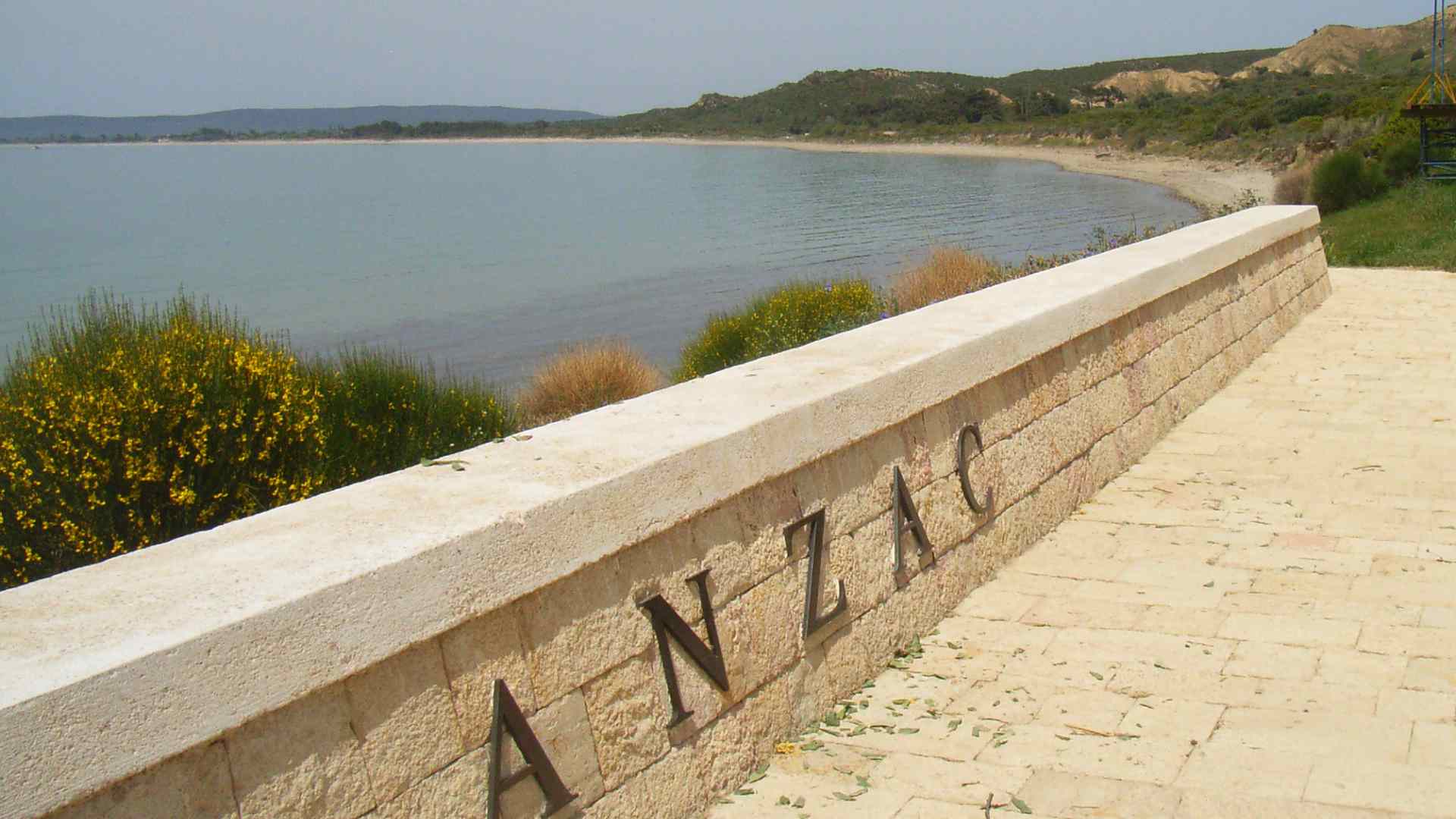
Anzac Cove is a short curve of coast below the steep land that confronted troops after the landing. The Gallipoli Historic Site Directorate says the cove is about 1,970 feet long and received its current name officially in 1985.
Nearby Arıburnu Cemetery stands close to the water. Keep voices low, remain on marked routes, and treat every cemetery as an active place of commemoration rather than a scenic prop.
Shrapnel Valley and the lower cemeteries
Shrapnel Valley Cemetery sits inland from the coast in ground shaped by the routes soldiers used between beach and front line. Shell Green Cemetery occupies higher ground and requires more walking than a quick roadside glance may suggest.
These smaller cemeteries often provide the most personal moments of the day. Read a few headstones slowly instead of trying to photograph every row.
Lone Pine
Lone Pine Cemetery and Memorial is the principal Australian memorial on Gallipoli. The surviving trenches and the elevated position help explain why this section of Plateau 400 became so fiercely contested.
The site is one of the busiest stops on standard battlefield circuits. Arriving early or visiting after the largest motorcoaches have moved on gives the memorial more breathing room.
Johnston’s Jolly and The Nek
At Johnston’s Jolly, preserved trench lines show how closely the opposing positions faced each other. The Gallipoli Historic Site Directorate identifies the ground as a major area of trench and tunneling warfare.
The Nek is associated particularly with the Australian Light Horse attack of 7 August 1915. It is stark, compact, and better served by a careful explanation than by dramatic language.
Chunuk Bair
Chunuk Bair holds the New Zealand National Memorial and several Turkish memorials. The high ground offers a broad sense of the peninsula’s geography, though vegetation and weather determine exactly how much you can see.
The approach includes slopes, and the site can be windy even when the shore feels comfortable. A light layer belongs in the day bag beside the sun hat.
The 57th Infantry Regiment Memorial
The 57th Infantry Regiment Memorial commemorates Ottoman soldiers whose defense formed a central part of the fighting on 25 April. Including it makes a battlefield visit more complete and more honest.
Many quick tours lean heavily toward the nationality of their passengers. I would choose an itinerary that gives Turkish sites proper time too, rather than squeezing one memorial into the final five minutes.
Three realistic ways to use the day
If the ship only sails past
Go on deck early, bring binoculars, and follow any historian or destination commentary offered aboard. The coastline’s scale is easier to read from the water, especially the sharp rise from beach to ridge.
Do not expect every individual cemetery to be visible from offshore. The value of this plan is the wider geography, not a long-distance game of spot the headstone.
If you have a short call in Çanakkale
Stay on the Asian side unless the cruise line offers a compact, guaranteed-return battlefield tour. Çanakkale has its own waterfront, museums, and views across the Dardanelles, while an independent ferry crossing can consume too much of a short window.
The Naval Museum and the waterfront around Çimenlik Castle can give useful Dardanelles context, subject to current opening and security arrangements. This is the sensible compromise, even if it lacks the emotional pull of the cove itself.
If you have a full port day
Choose a guided Anzac-sector circuit that starts at the coast and continues to Lone Pine, Johnston’s Jolly, The Nek, Chunuk Bair, and a Turkish memorial. A smaller group usually allows quieter stops and fewer minutes spent assembling humans who have wandered toward the wrong motorcoach.
Keep the route focused. Cape Helles, the Çanakkale Martyrs’ Memorial, Troy, and the Anzac sector are each substantial visits, and trying to collect all of them in one cruise day turns commemoration into a windshield tour.
Independent travel, with the optimism trimmed off
Public ferries connect the two sides of the Dardanelles, but operators and departure points can change. Check the current service with the official Çanakkale ferry operator and confirm which crossing best matches your planned driver or guide.
Once across, you still need road transport. The sites are separated by miles of narrow, curving roads, and taxis waiting at a ferry landing are not a reliable substitute for a confirmed tour on a busy date.
If you do arrange a private guide, send the ship’s berth, all-aboard time, and mobility needs in writing. Ask where the guide will meet you and which ferry they intend to use in both directions.
Make the return crossing your fixed appointment. Build a generous buffer for traffic, ferry lines, security procedures, and a possible change of berth, because the Dardanelles is a working waterway rather than a theme-park shuttle.
Anzac Day is a different operation
Anzac Day falls on 25 April, and the official commemorations bring controlled access, road closures, security screening, long waits, and large crowds. Attendance arrangements are published in the Australian government’s Gallipoli guidance, and advance registration may be required.
Do not use an ordinary-day port guide as your plan for 25 April. Follow the current official event instructions and your cruise line’s directions, including rules on bags, transport, seating, and arrival times.
The Dawn Service takes place at the Anzac Commemorative Site, with later national services traditionally held at Lone Pine and Chunuk Bair. Details can change, so the current year’s official program is the only one that counts.
Accessibility and physical effort
The battlefield circuit is partly a road tour, which helps, but individual stops range from level lawns to gravel, steps, slopes, and uneven ground. Compare the realities with our wheelchair-friendly cruise ports guide before booking.
North Beach is generally the gentlest major stop, while ridge sites can demand more effort. Ask whether the vehicle can stop close to each memorial and whether a wheelchair or walker can be stored safely.
Accessible restrooms, seating, shade, and refreshments are not evenly distributed across the sector. Use facilities when the guide points them out, carry water, and do not assume the next stop will have a café lurking behind the pines.
Visitors who cannot leave the motorcoach at every site can still understand the landscape from selected viewpoints. A private guide is especially helpful because the route can be shortened without forcing the whole group to follow.
Weather, clothing, and conduct
The peninsula is exposed, and conditions can shift between the shore and the ridges. Spring can bring wind and showers, summer can be hot with limited shade, and fall days become cooler and shorter.
Wear closed shoes with grip and clothing suitable for cemeteries and memorial services. A sun hat, water, sunscreen, and a light windproof layer solve more problems than an ambitious camera bag.
Photography is generally part of a visit, but judgment matters. Avoid climbing on memorials, posing theatrically among graves, blocking ceremonies, or using drones without explicit permission.
Food and shopping should be secondary here, though a meal or tea in Eceabat or Çanakkale can provide a useful pause. Keep Turkish lira or a payment card available, but verify what your guide includes before carrying more cash than you need.
The choice I would make
For a full Çanakkale call, I would book a small guided tour focused on the Anzac sector and insist that it include both Allied and Turkish perspectives. I would skip Troy and Cape Helles that day, not because they matter less, but because this landscape rewards attention rather than mileage.
For a short call, I would stay in Çanakkale unless the ship controls the transport. For scenic cruising, I would take the quiet win: stand on deck, study the ridges, and let the coast be more than a name printed between breakfast and trivia.
How this guide was researched: Unless a first-hand visit is explicitly identified above, this guide is based on independent research using official port, tourism, transit, government, and attraction sources where available. Logistics and time-sensitive details were reviewed in September 2026; see our Editorial Policy.