San Sebastián de la Gomera Cruise Port Guide: Town and Garajonay
San Sebastián de la Gomera pairs an easy waterfront town with one of the Canary Islands’ most distinctive inland landscapes. You can spend a relaxed day on foot or use the call to reach the cloud-fed laurel forest of Garajonay National Park.
The choice matters because the old town is compact while the island’s mountain roads are slow. Pick one clear plan, then leave enough time to enjoy the harbor instead of racing back through the hills.
My quick take
Stay in town if you want history, local streets, a long lunch, and a flexible schedule. The port, Torre del Conde, central plazas, churches, and Columbus-related sites are close enough for a comfortable independent route.
Book an island excursion if Garajonay is the reason you are excited about La Gomera. UNESCO describes the park’s laurel forest as a surviving remnant of vegetation that once covered much more of southern Europe and North Africa.
This is not Tenerife in miniature, and it should not be treated that way. San Sebastián is quieter, smaller, and more rewarding when you let its scale set the pace.
San Sebastián de la Gomera quick facts
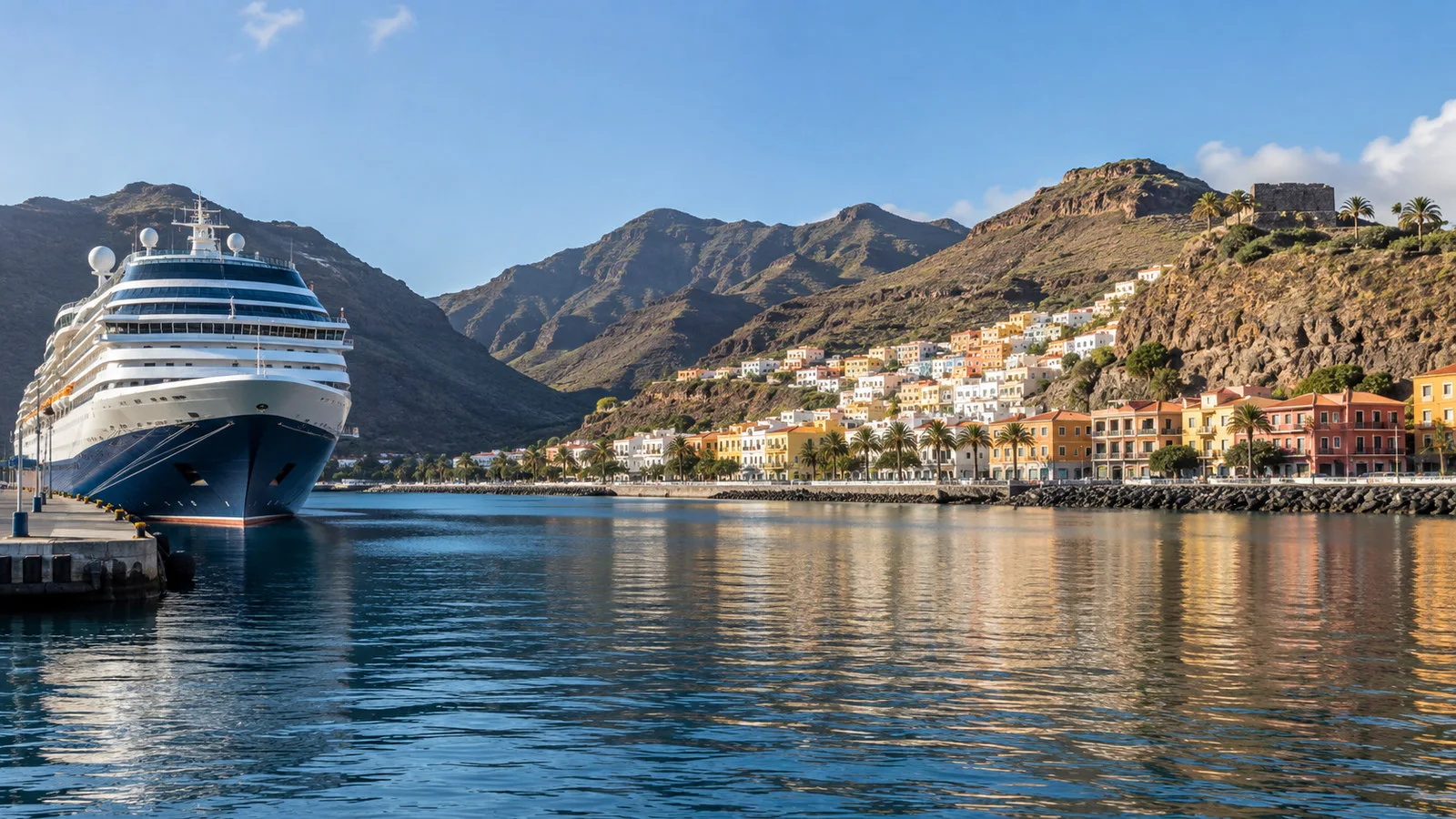
- Arrival: The working harbor has substantial multipurpose quays, but your ship’s daily program is the final word on berth or tender arrangements.
- Into town: The central waterfront and historic streets are normally reachable on foot from the port area.
- Best easy day: Walk to Torre del Conde, continue through the old center, visit Columbus-related sites, and enjoy lunch near the waterfront.
- Best island outing: Garajonay National Park, usually reached by ship excursion, private tour, taxi, or rental vehicle.
- Currency: Euro, code EUR. Cards are common, but small cash is useful for minor purchases.
- Time: The Canary Islands use the same clock as the United Kingdom, normally one hour behind mainland Spain.
- Accessibility: The harbor approach is relatively straightforward, while cobbles, slopes, mountain viewpoints, and any tender transfer require separate checks.
Where cruise ships arrive
San Sebastián has a genuine commercial and ferry port rather than a purely recreational marina. The Port Authority of Santa Cruz de Tenerife publishes multipurpose quay sections, including a long outer alignment with deep water.
That infrastructure allows many visiting ships to berth, but no generic guide can promise the exact position for every vessel. Ship size, port traffic, weather, and operational assignments can change the plan.
If your ship tenders, follow its ticket process and final-boat instructions. If it docks, check the gangway location because a berth farther along the breakwater can add walking.
The harbor also handles frequent ferries connecting La Gomera with Tenerife and other islands. Stay alert around vehicle lanes, barriers, and passenger flows rather than treating the port as a pedestrian plaza.
Walking from the port into town
The center is close enough for most mobile visitors to reach without a shuttle. Follow the signed pedestrian route and use marked crossings because ferry and service traffic can be busy.
The waterfront section is generally easier than the hillier streets farther inland. Cobblestones, curb transitions, and occasional narrow sidewalks can slow wheelchair users and travelers with balance concerns.
Begin with Torre del Conde and its surrounding park, then continue toward the central plazas and historic streets. This creates a natural loop that can be shortened if the ship arrives late.
Bring water and sun protection even for a town-only plan. Shade appears in parks and plazas, but exposed sections near the harbor can feel hot and bright.
Torre del Conde
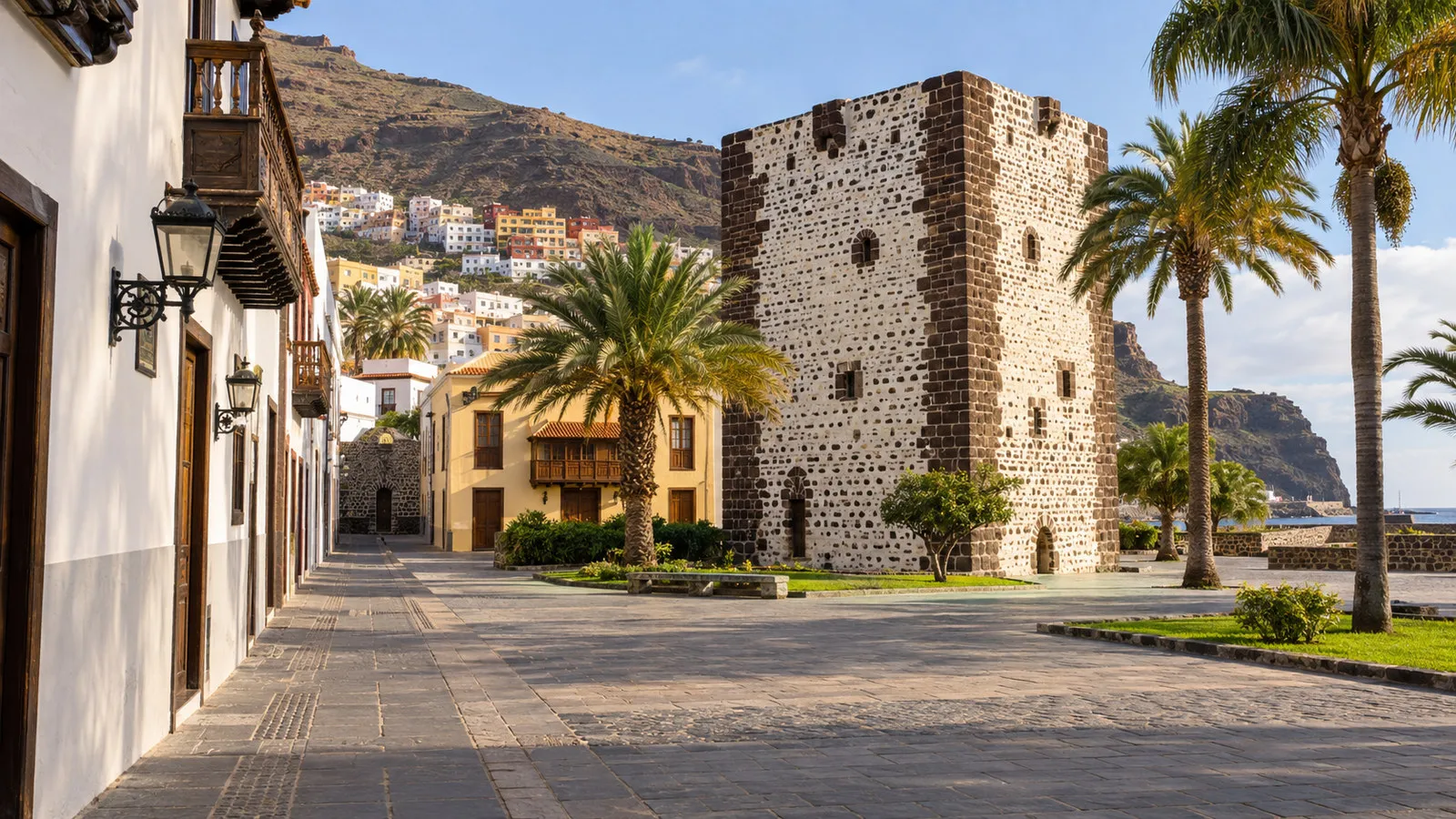
Torre del Conde is the most recognizable historic landmark near the port. La Gomera’s official tourism site identifies it as a 15th-century Castilian fortress tied to the island’s colonial history.
The white tower stands in a green park that makes an easy first stop after the harbor. Even when interior access is limited, the setting and exterior are worth seeing.
Allow time to read the historical context rather than treating the building as a quick photograph. Its story includes conquest, resistance, and the unequal power structures that shaped La Gomera.
Check current opening details if entering the tower matters to you. Small heritage sites can adjust hours because of events, maintenance, or staffing.
Columbus sites and the old center
San Sebastián is closely associated with Christopher Columbus’s Atlantic voyages, and several local sites interpret that connection. Their names and traditions are part of the city’s identity, though individual claims should be understood as a mix of documentation and later commemoration.
Casa de Colón presents exhibits linked to the voyages and the wider exchange between the Canary Islands and the Americas. Confirm opening hours on the official museum or tourism site before building your route around an interior visit.
The Church of the Assumption is another prominent stop in the historic center. Dress respectfully, keep voices low, and remember that access can pause during worship or local ceremonies.
Plaza de las Américas and the surrounding streets provide an easy place to slow down between sights. Cafes, local shops, and everyday activity make the center feel like a small capital rather than a cruise complex.
A town route needs only a few hours at an unhurried pace. That makes it a strong backup plan if cloud, wind, or road conditions weaken the case for going inland.
Garajonay National Park
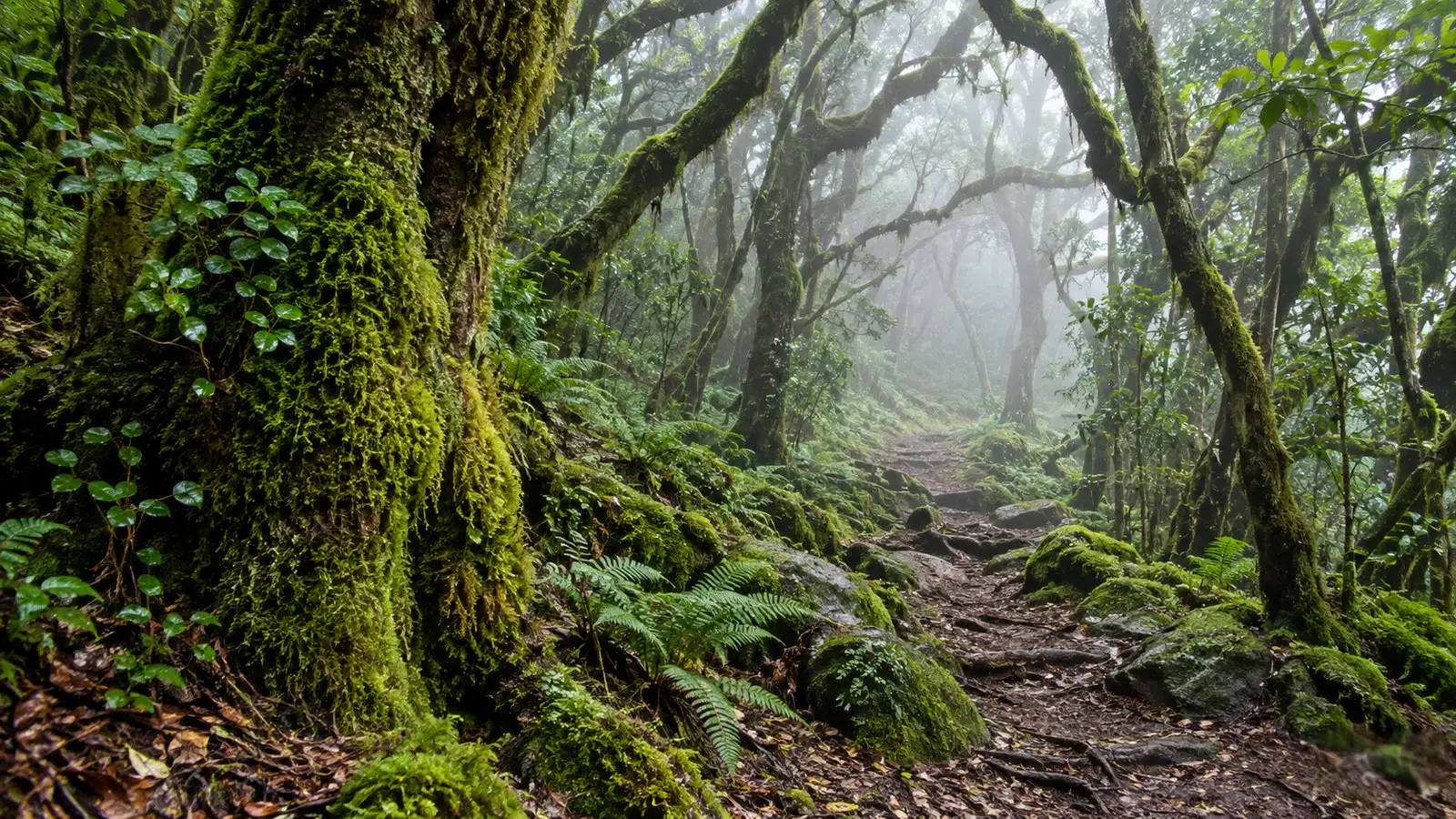
Garajonay National Park protects the island’s famous laurisilva, or laurel forest. UNESCO says this forest covers about 70 percent of the park and depends on moisture from clouds, springs, and streams.
The landscape can shift from sunlit coast to cool mist in a short drive. Bring a warm layer and rain protection even when San Sebastián is clear.
Excursions may focus on viewpoints, a visitor center, a short forest walk, or a broader island circuit. Read the description carefully because “Garajonay” does not guarantee the same trail or amount of walking.
Mountain roads are winding, and travel time depends on traffic, weather, and stops. A ship-organized tour is attractive on a short call because the schedule and return are coordinated.
A private tour can offer more flexibility when it confirms a conservative return time. Ask which viewpoints and paths are planned, how long passengers remain at each stop, and whether the vehicle waits nearby.
Wildfire, landslide, or maintenance restrictions can close trails and roads. Follow current park and island guidance rather than insisting on an itinerary designed months earlier.
Silbo Gomero and island culture
La Gomera is known for Silbo Gomero, a whistled form of Spanish developed for communication across ravines. UNESCO inscribed it on the Representative List of the Intangible Cultural Heritage of Humanity in 2009.
Some island excursions include a demonstration, but quality and context vary. The most meaningful presentations explain how the language works and how it has been taught and preserved.
Listen respectfully and avoid reducing the tradition to a party trick. It reflects the island’s geography, community memory, and efforts to keep local knowledge alive.
Other scenic island stops
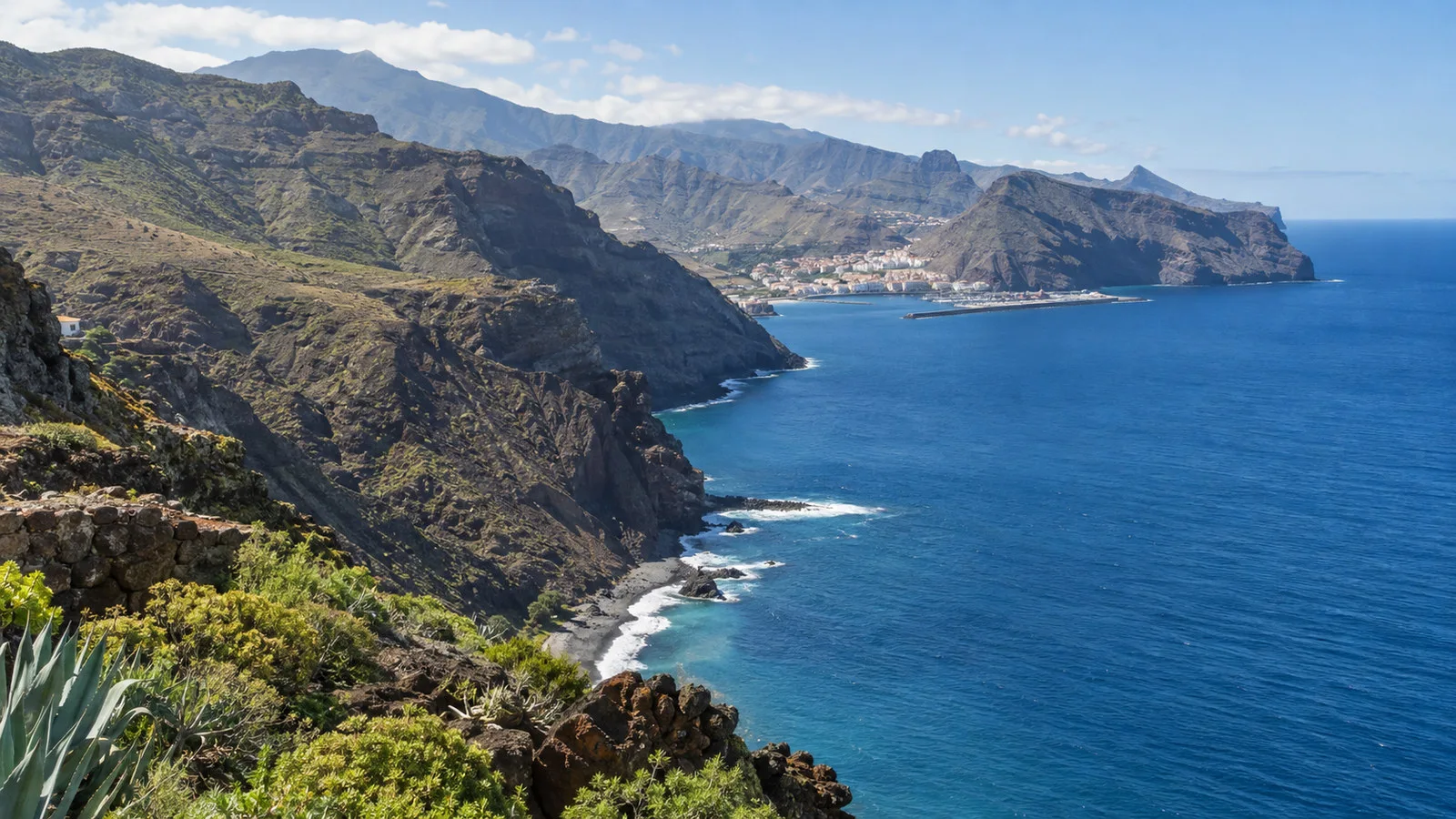
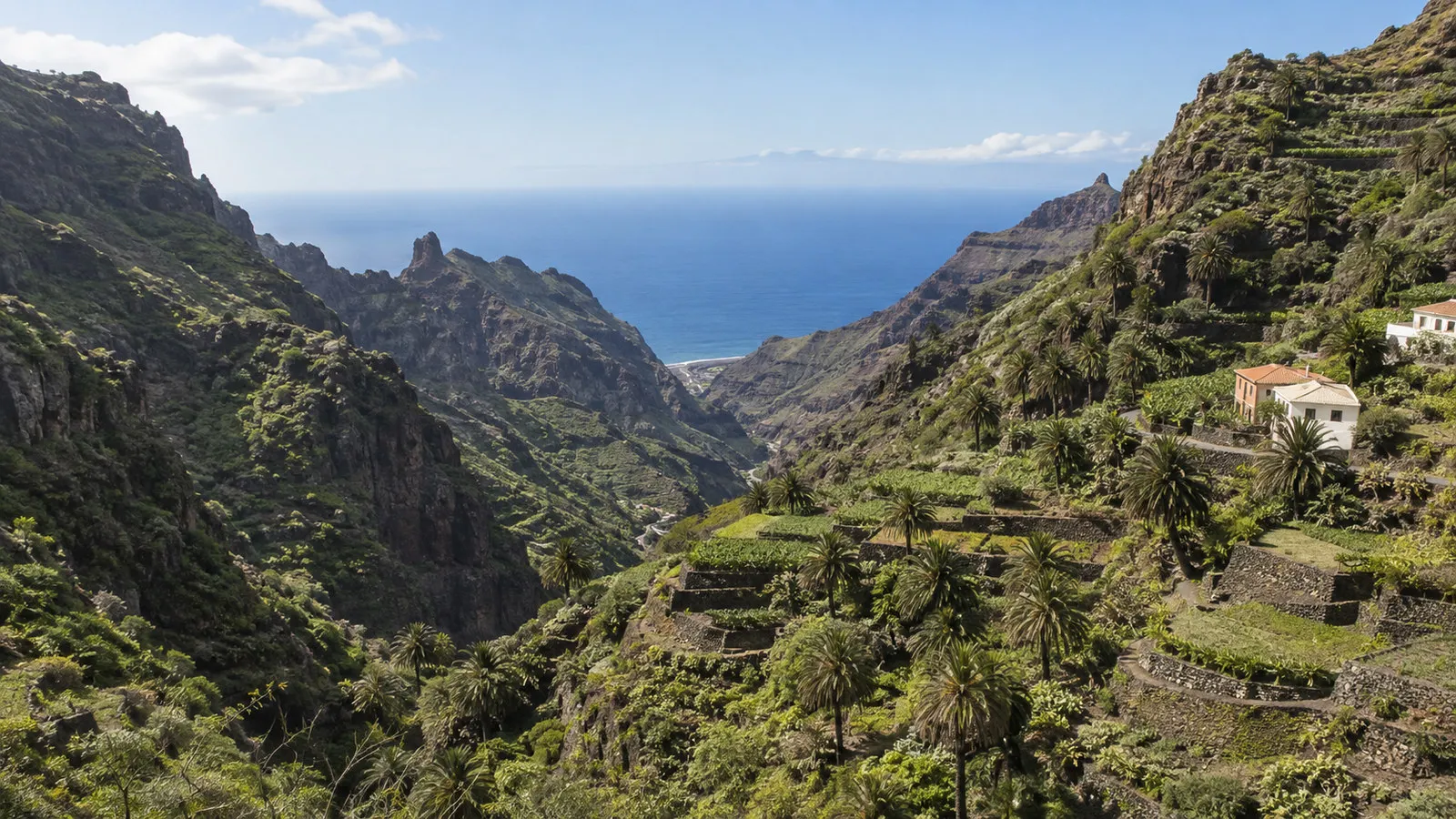
La Gomera’s mountain roads open views across deep barrancos, terraced slopes, volcanic formations, and small villages. A broader island tour can be worthwhile when your call is long enough to avoid rushing.
Mirador de Abrante and northern villages may appear on longer itineraries, while shorter tours remain closer to Garajonay. Do not choose an excursion only by the number of stops because road time can dominate the day.
Ask whether viewpoints require stairs or an uneven walk from the vehicle. Fog can remove the view entirely, so a good guide should provide cultural and natural interpretation even when visibility fails.
Ship excursion or independent plan?
Explore San Sebastián independently because the central sights are close together and easy to reorder. A walking tour can still add historical context, but transportation is not necessary for the basic town route.
Book ahead for Garajonay or a full island circuit. Vehicle supply is finite on a small island, and relying on an unreserved taxi after arrival can leave you without a workable plan.
A rental car suits confident drivers with a long call and a conservative route. Mountain curves, variable visibility, parking, and unfamiliar roads make an ambitious loop a poor choice.
Public buses serve island residents and visitors, but their schedules are not designed around every cruise call. Use them only after checking the current timetable, stop location, and final return that leaves a generous buffer.
Before paying an independent operator, provide the ship name and exact call times. Confirm the meeting point, cancellation terms, vehicle access, restroom stops, and planned return in writing.
Accessibility and mobility
A berth normally offers an easier start than a tender, but gangway slope can change with tide and ship position. Ask the cruise line about your vessel rather than relying on a general port description.
The route from the port toward central San Sebastián includes paved areas, but historic streets may have cobbles, narrow sidewalks, and curb changes. A compact route with frequent rests is more realistic than trying to cover every lane.
Torre del Conde’s park provides a useful outdoor stop, though interior access should be confirmed separately. Historic buildings may have steps or circulation limits that are not obvious from exterior photographs.
Garajonay tours vary widely in accessibility. Ask about vehicle steps, seat transfers, trail surface, slope, distance, restroom access, and whether you can remain near the vehicle at viewpoints.
Wheelchair users should request a detailed assessment before booking an island coach or van. An excursion labeled panoramic can still include high steps, gravel, or long standing periods.
Weather and what to bring
La Gomera’s official tourism site describes a mild, warm climate with an average temperature around 22 degrees Celsius across the year. Conditions still differ sharply between the sunny coast and the damp high forest.
Pack sunscreen, a hat, water, and comfortable shoes for town. Add a light waterproof layer and warmer midlayer if your plan enters Garajonay.
Trade winds can make the waterfront feel cooler and may affect ship operations. In the mountains, fog can reduce visibility and make roads or paths slick.
Check the forecast for both San Sebastián and the park area because one location does not represent the entire island. Follow any official warning or trail closure issued near your call.
Food, money, and practical details
The euro is the local currency, and cards are accepted at many established businesses. Carry small cash for minor purchases or a payment terminal problem.
Lunch in town is an easy part of an independent day, but opening patterns can differ from cruise expectations. Check kitchen hours before choosing a late meal near all-aboard.
Look for local products and dishes rather than defaulting to a generic international menu. Ask about ingredients if you have allergies because translations and kitchen practices vary.
Public restrooms may be easier to find around the port, ferry terminal, museums, or larger cafes than on small side streets. Use facilities before leaving town for a mountain tour.
Spain uses Type C and Type F electrical outlets, though most visitors will not need to charge ashore. Keep your phone powered because it holds the ship contact, map, and tour confirmation.
Safety and respectful travel
San Sebastián is comfortable for independent walking, but normal precautions still apply. Keep valuables secure, watch traffic near the port, and avoid leaving a phone unattended at an outdoor table.
On mountain roads, use seat belts and do not distract the driver at viewpoints. Leave the vehicle only where the guide says it is safe.
Stay on marked park routes to protect fragile vegetation and avoid getting disoriented in cloud. Carry out litter and do not remove plants, stones, or natural material.
In churches and museums, follow photography rules and keep voices low. La Gomera’s official Torre del Conde guidance specifically asks visitors to avoid flash and handle bags carefully around exhibits.
Getting back before all-aboard
Use the current all-aboard or last-tender time from the ship, not the departure time shown on a booking website. Confirm whether the vessel is keeping local time before setting an alarm.
A town day is easy to protect because you can spend the final hour near the harbor. Do not let a late lunch turn into an unnecessary sprint.
For Garajonay or an island loop, require a return plan that accounts for winding roads and possible traffic. Independent travelers carry the risk if a vehicle, road closure, or sightseeing delay prevents an on-time return.
If a problem develops, contact the ship using the number in the daily program while your operator works on the return. Ferries to Tenerife are not a simple substitute for rejoining a departed cruise.
How La Gomera fits a Canary Islands cruise
San Sebastián is often paired with larger Canary Islands ports, creating a quieter contrast within the itinerary. Tenerife and Gran Canaria offer broader urban sightseeing, while La Gomera excels at a compact town and green mountain interior.
Compare it with Santa Cruz de la Palma for another walkable island capital with historic streets. La Gomera places greater emphasis on Garajonay and its laurel forest.
If your route continues east, our Arrecife guide and Puerto del Rosario guide cover the drier volcanic landscapes of Lanzarote and Fuerteventura.
Use the Spain cruise ports guide for the broader route picture. La Gomera works best as the small-scale nature and history day in a varied Canary Islands voyage.
Quick answers
Do cruise ships dock in San Sebastián de la Gomera?
The port has substantial commercial quays and many calls can berth. Your ship’s daily program remains the authority because assignments and tender plans can change.
Is the old town walkable from the port?
Yes, the central waterfront and historic area are close enough for most visitors to reach on foot. Allow extra time for cobbles, crossings, or a berth farther along the harbor.
Can I visit Garajonay without an excursion?
Yes, with a confirmed rental, taxi, private tour, or workable bus schedule. A cruise excursion is simpler when the call is short or you do not want to drive mountain roads.
What should I see in town?
Start with Torre del Conde, then continue through the central plazas, Columbus-related sites, and the Church of the Assumption. Add lunch and waterfront time for an easy half day.
What is Silbo Gomero?
It is La Gomera’s whistled form of Spanish, created for communication across the island’s ravines. UNESCO added it to the Representative List of Intangible Cultural Heritage in 2009.
Is Garajonay warm like the port?
Not always. The high forest can be cooler, mistier, and wetter than sunny San Sebastián, so carry a layer and light rain protection.
The last word
San Sebastián de la Gomera gives you a genuinely easy choice. Stay close for a graceful historic town day, or reserve transport and let Garajonay reveal the island’s greener interior.
Both plans work when you resist overloading the schedule. Leave room for a quiet plaza, a harbor walk, and the slower rhythm that makes La Gomera different.
How this guide was researched: This guide uses current information from the Port Authority of Santa Cruz de Tenerife, La Gomera tourism authority, and UNESCO. Logistics and time-sensitive details were reviewed in September 2026; see our Editorial Policy.