Spain Cruise Ports: The Complete Guide to Every Stop
Spain is almost unfairly good at cruise ports. One itinerary can combine Gaudí architecture, Roman ruins, Atlantic seafood, Moorish fortresses, island beaches, and volcanic landscapes, but the practical experience changes dramatically from port to port.
The best Spain cruise itinerary mixes ambitious gateway days with easy walk off calls. I would save organized transport for long distances or timed attractions, then enjoy compact cities at a slower pace.
Quick Facts
- Best first cruise port: Cádiz or Cartagena
- Best major city: Barcelona
- Best island scenery: Arrecife or Santa Cruz de Tenerife
- Best art day: Bilbao
- Best easy Old Town: Cádiz
- Best ambitious excursion: Granada from Motril
- Currency: Euro throughout mainland Spain, the Balearics, and the Canaries
- Planning rule: Verify berth, shuttle, tender, and all aboard time for your sailing
How to Choose a Spain Cruise Itinerary
Spain’s official tourism portal divides the country into distinct cities, coasts, islands, cultural routes, and nature destinations, which is exactly how a cruiser should think about it. Barcelona and Bilbao are major urban days, Cádiz and Cartagena reward walking, and the Canary Islands work best when you choose one landscape rather than trying to circle an island.
Count long transfer days before booking. Motril to Granada, Cádiz to Seville, and island drives to volcanic or mountain scenery can be marvelous, but three ambitious excursions in a row turn a vacation into a relay race.
Port hours matter more than the number of destinations printed in the brochure. A ten hour call supports a timed inland attraction, while a short call favors the city, beach, or museum closest to the ship.
Atlantic and Northern Spain Cruise Ports
A Coruña
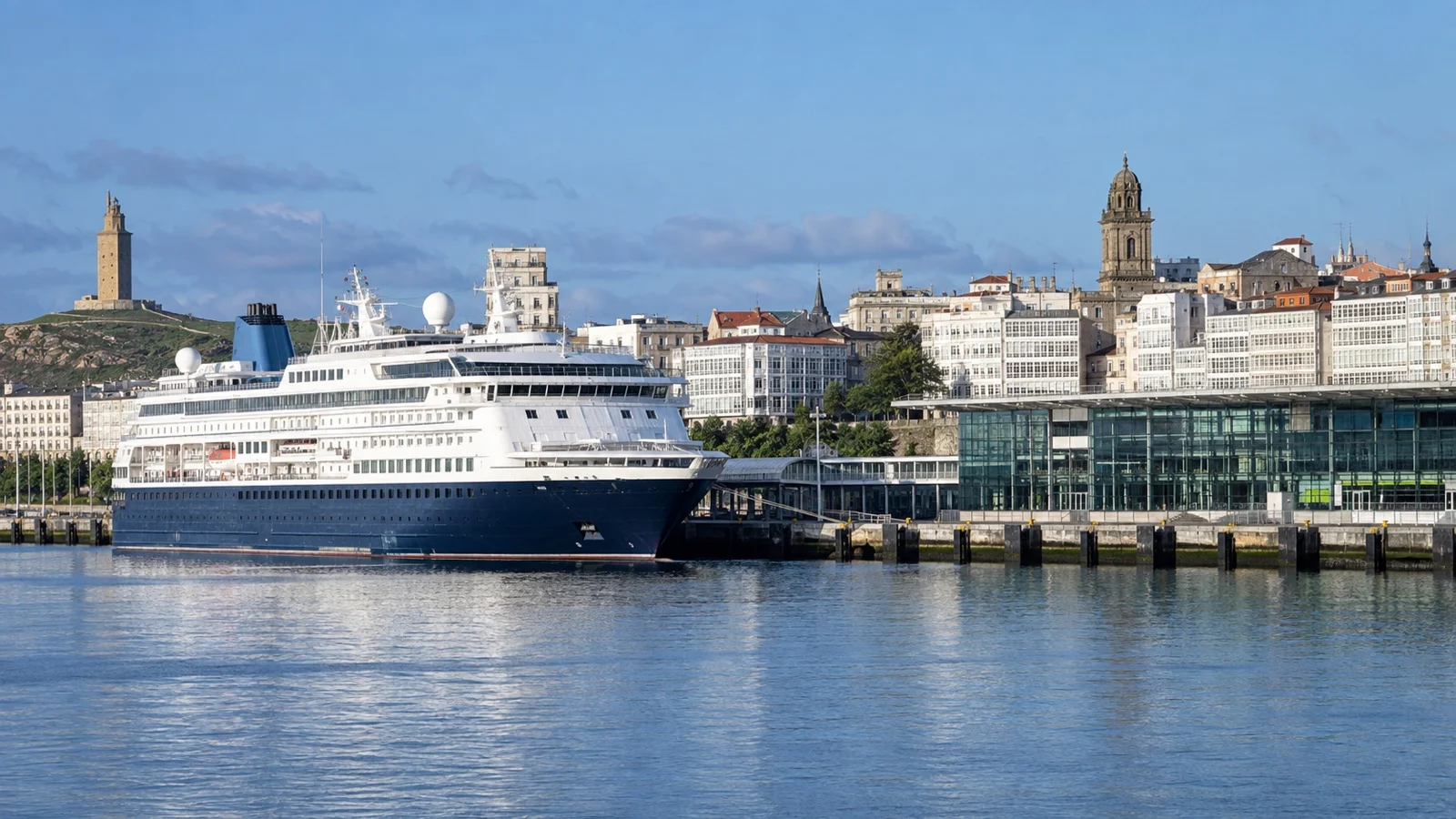
A Coruña cruise port is one of Spain’s friendliest city calls because central berths place María Pita Square, glass fronted galleries, cafés, and the waterfront within easy reach. The UNESCO listed Tower of Hercules sits farther along the coast and is the natural anchor for a taxi, bus, or tour.
I would pair the tower with a relaxed Old Town wander rather than forcing a distant regional excursion. Atlantic weather can turn quickly, so keep a rain layer handy even when the morning looks bright.
Avilés
Avilés cruise port introduces Asturias through an industrial estuary rather than a postcard terminal. The historic center and Oscar Niemeyer International Cultural Center give you a rewarding local day once the port transfer is solved.
Gijón, Oviedo, and the wider region can also tempt you, but travel time should match the call length. Confirm whether the port provides a shuttle and where it leaves passengers before setting an independent route.
Bilbao
Bilbao cruise port is actually in Getxo, outside central Bilbao. The metro, taxi, or organized shuttle links the terminal area with the Guggenheim Museum, Casco Viejo, riverside, and pintxos bars.
Reserve the Guggenheim if a particular exhibition matters, then leave time for lunch rather than filling every hour. Getxo itself is a useful fallback with coastal walks and handsome residential architecture.
Santander
Santander cruise port combines a beautiful bay with an elegant city and beaches. Centro Botín, the cathedral area, waterfront gardens, and local dining can form a satisfying independent day.
Magdalena Peninsula and beaches stretch the route, making a taxi or local bus helpful. Travelers considering an inland Cantabria excursion should protect extra return time because road traffic and port access can narrow the margin.
Mediterranean Mainland Ports
Barcelona
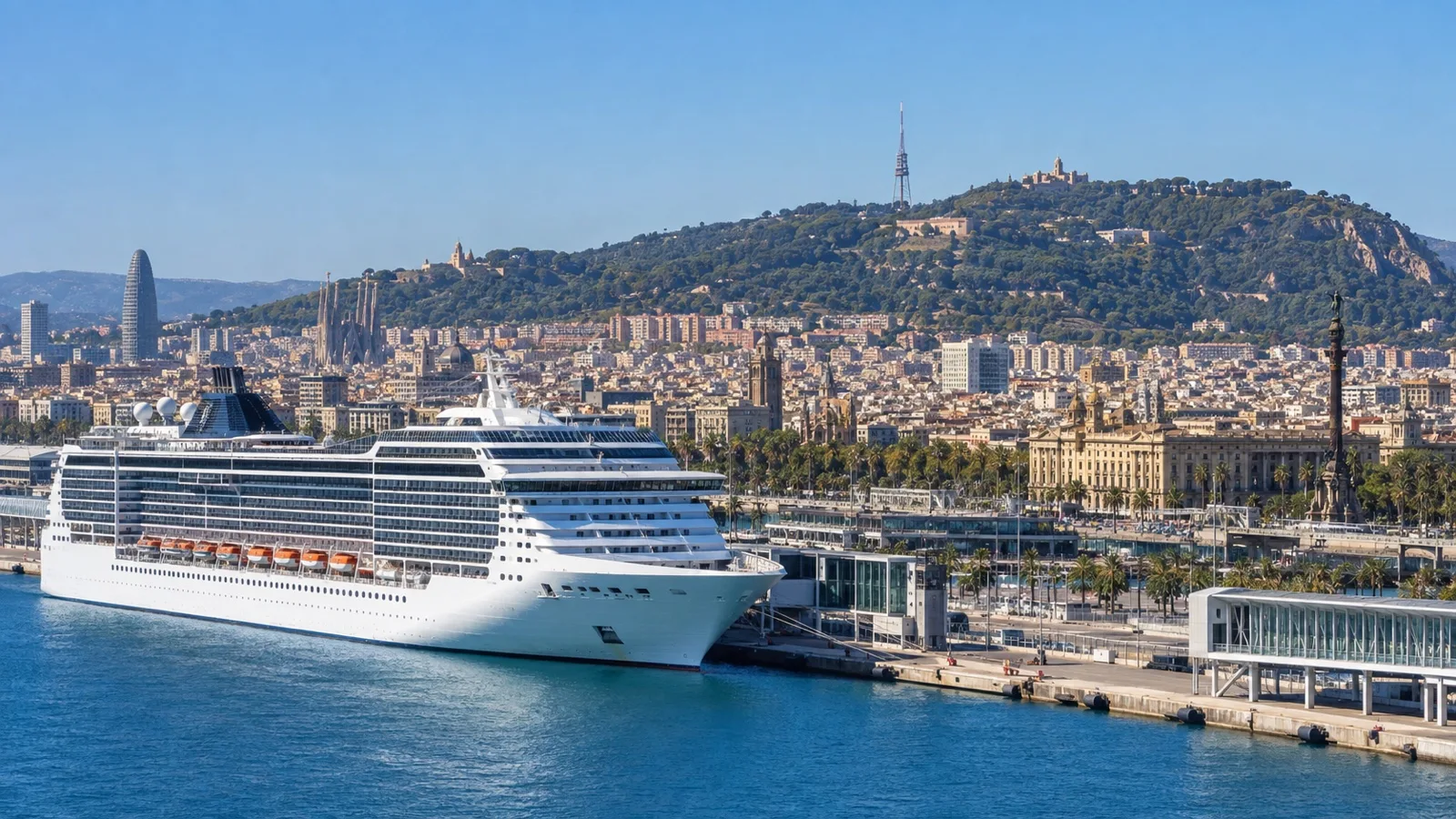
Barcelona cruise port is Spain’s biggest cruise puzzle because several terminals spread across the waterfront. Most large ships use Moll Adossat, which is not a sensible luggage walk to Las Ramblas or the Gothic Quarter.
Use the authorized port shuttle, taxi, or cruise transfer shown for your berth. Book Sagrada Família and Park Güell in advance, then build the day around one or two timed entries instead of racing between distant icons.
Alicante
Alicante cruise port opens onto a sunny, manageable city with the Explanada de España, Old Town, central market, and Postiguet Beach close together. Santa Bárbara Castle rises above the center and adds steep terrain even when the distance looks modest.
A taxi or the castle access route can save energy for the viewpoints. The Costa Blanca tram network invites longer outings, but a short call is often more enjoyable when kept within Alicante.
Cartagena
Cartagena cruise port is a gift to independent travelers because the city begins near the waterfront. The Roman Theatre Museum, pedestrian streets, Punic history, and harbor views create an excellent day without a long transfer.
The climb toward Castillo de la Concepción can be reduced with local access options, though operating details should be checked. Cartagena is my favorite low stress history port in Mediterranean Spain.
Valencia
Valencia cruise port sits away from the historic center, so the first decision is shuttle, taxi, or public transport. The City of Arts and Sciences is nearer the port side, while the cathedral, Central Market, Silk Exchange, and old streets lie farther inland.
Choose one district as the day’s anchor and add the other only if port hours are generous. Valencia also rewards a slower plan built around paella, architecture, and a garden walk.
Andalusia and Southern Spain Ports
Almería
Almería cruise port gives access to the Alcazaba, old streets, and a landscape unlike greener parts of Spain. The surrounding province adds Cabo de Gata coast, Tabernas desert scenery, and film history.
A local city day is much easier than combining several regional sights. Expect strong sun and exposed walking, then use a taxi for the steepest segment if necessary.
Cádiz
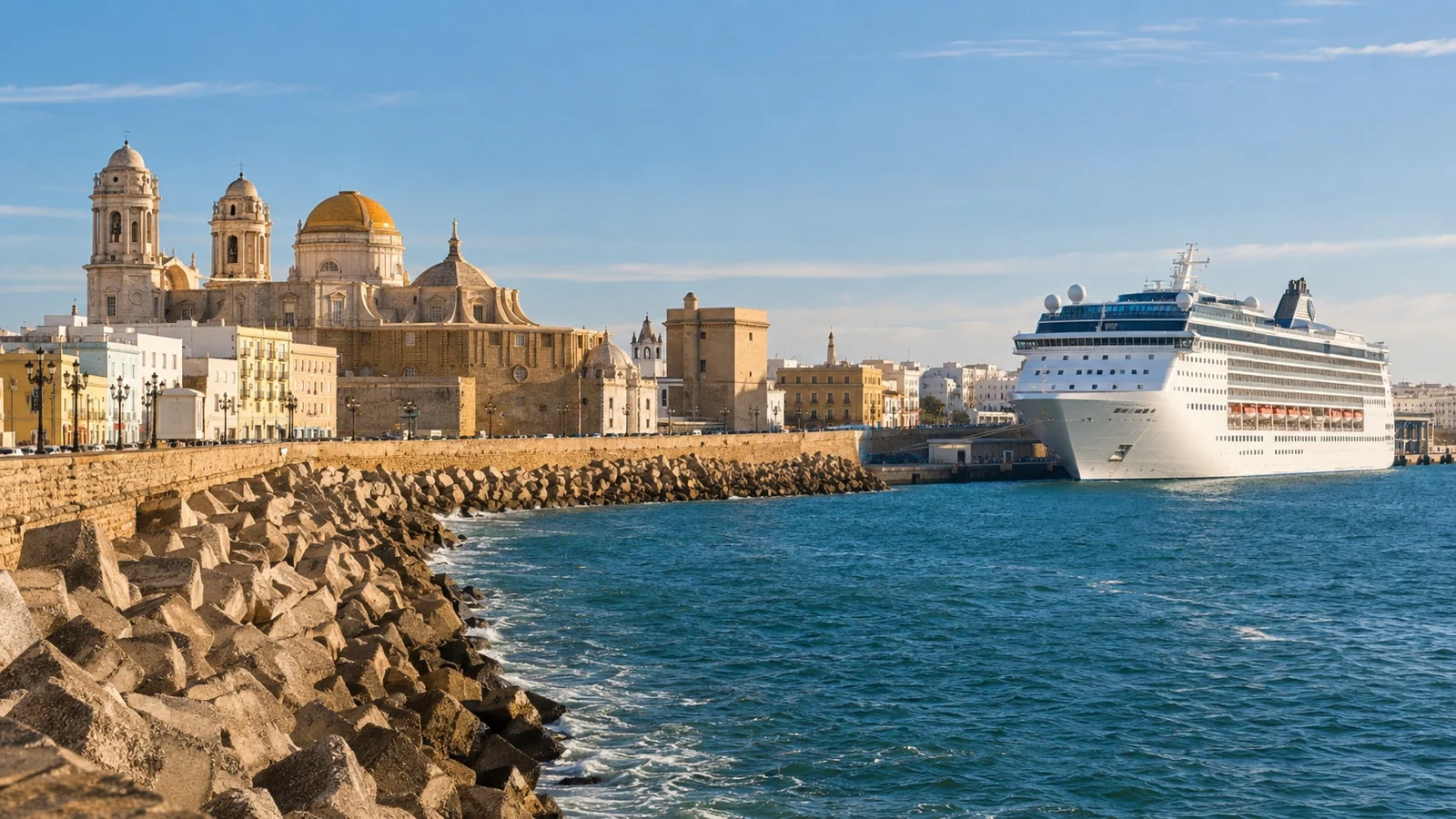
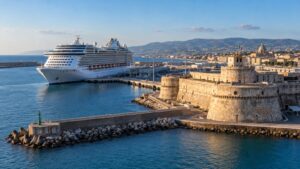
Cádiz cruise port is one of Europe’s great walk off calls, with the old city wrapped by sea close to many berths. The cathedral, market, watchtowers, forts, and beaches fit naturally into an independent loop.
Seville is the ambitious alternative and deserves a long call plus a disciplined transport plan. I would stay in Cádiz on a first visit unless Seville is the one experience that made you book the cruise.
Málaga
Málaga cruise port combines a convenient city with major attractions such as the Alcazaba, Roman Theatre, cathedral, Picasso Museum, and waterfront. Depending on the berth, a port shuttle or longer walk may be involved before the compact center becomes easy.
Málaga is strong enough that you do not need to escape to the Costa del Sol. Granada is possible on a long call, but Motril usually gives it a more natural gateway.
Motril
Motril cruise port is primarily valuable as a gateway to Granada and the Alhambra. The port is outside Granada, and Alhambra admission is timed, limited, and tied to identification requirements that should be checked when booking.
A ship excursion or reputable transfer reduces the risk of coordinating a complex return. For an easier day, consider Motril, Salobreña, or the Tropical Coast rather than treating Granada as mandatory.
Balearic Islands Cruise Ports
Alcúdia
Alcúdia cruise port serves northern Mallorca with access to a walled Old Town, beaches, Port de Pollença, and dramatic Formentor scenery. Arrival arrangements can vary by ship, so verify tendering, berth location, and local transport before building the day.
The Old Town plus a beach makes a comfortable independent plan. Formentor is more vulnerable to traffic, seasonal access rules, and weather, making an organized trip attractive.
Ibiza
Ibiza cruise port is not only about nightlife. Dalt Vila’s UNESCO listed walls, whitewashed streets, viewpoints, beaches, and relaxed dining create an excellent daytime call.
Large ships often use Botafoc, which requires a shuttle, taxi, or a longer waterfront route into town. Wear shoes with grip because the old citadel is steep and polished in places.
Mahón, Menorca
Mahón cruise port delivers one of the Mediterranean’s most memorable sail ins through a long natural harbor. The city rises above the waterfront, and steps or local lift arrangements can shape accessibility.
Mahón’s market, Georgian influenced streets, and harbor views suit an independent day. Island trips to villages, beaches, or prehistoric sites need tighter transport planning.
Palma de Mallorca
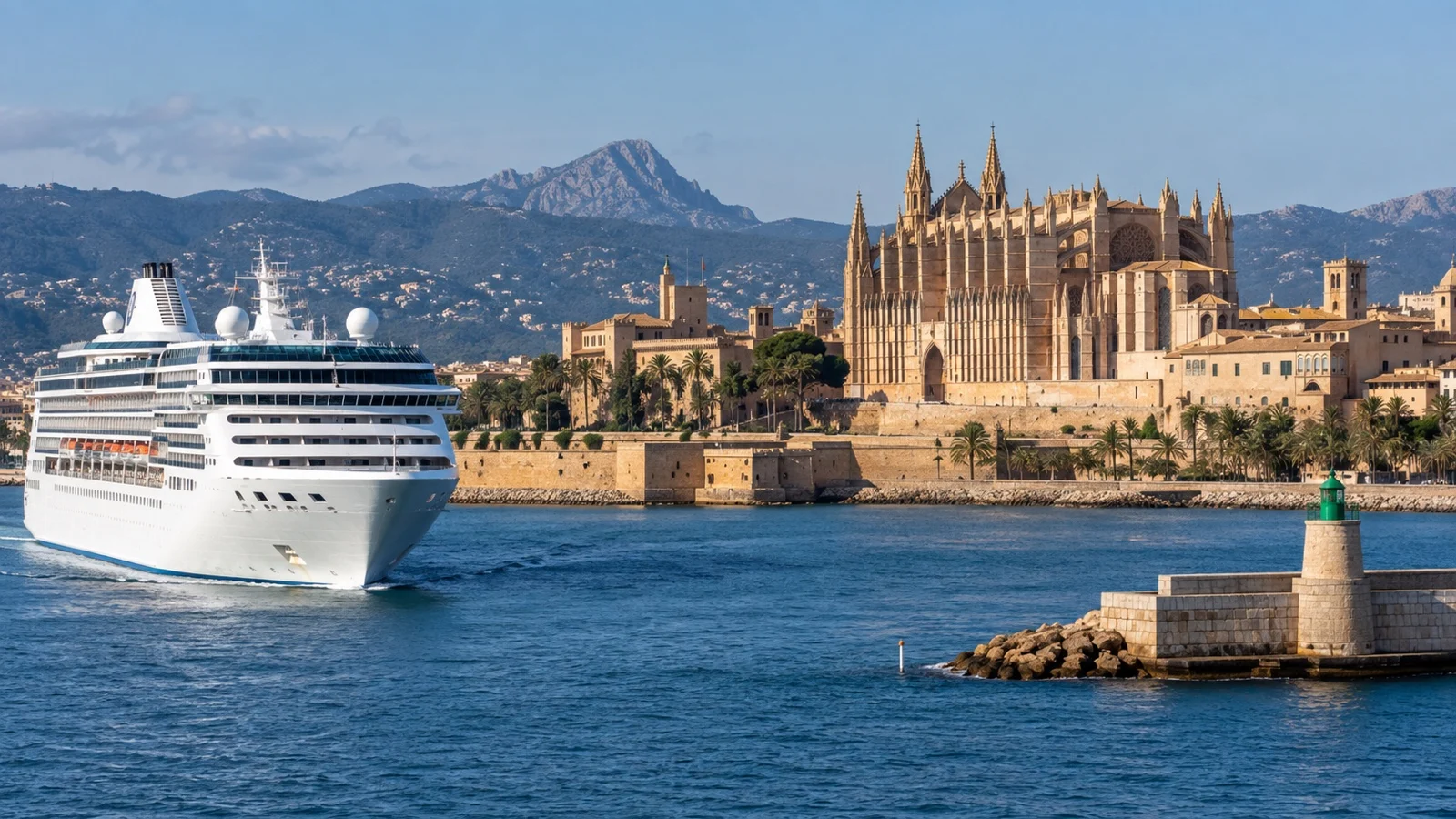
Palma de Mallorca cruise port uses several berths around the main harbor, often well beyond a comfortable walk to the cathedral. Port bus, city bus, taxi, or shuttle choices depend on the exact terminal.
La Seu Cathedral and the Old Town make a beautiful first visit, while Bellver Castle adds views with less walking if reached by taxi. Save distant beaches or mountain villages for a long call with a clear return plan.
Canary Islands Cruise Ports
Arrecife, Lanzarote
Arrecife cruise port can use Puerto Naos or Los Mármoles, which are not interchangeable for walking or taxi planning. Central Arrecife offers Charco de San Ginés, waterfront forts, local restaurants, and Playa del Reducto.
Timanfaya National Park and César Manrique sites are the headline island experiences, but their geography rewards a tour or rental plan arranged well in advance. Keep a local Arrecife alternative in case wind, road restrictions, or ship timing changes the excursion.
Las Palmas, Gran Canaria
Las Palmas cruise port is wonderfully positioned near Santa Catalina and within reach of Las Canteras Beach. Vegueta’s historic streets, cathedral, and museums sit across the city and are better reached by taxi or bus.
Maspalomas dunes and mountain villages require more time, so choose one region rather than trying to sample the entire island. For a short call, Las Canteras plus Vegueta gives a satisfying contrast.
Santa Cruz de Tenerife
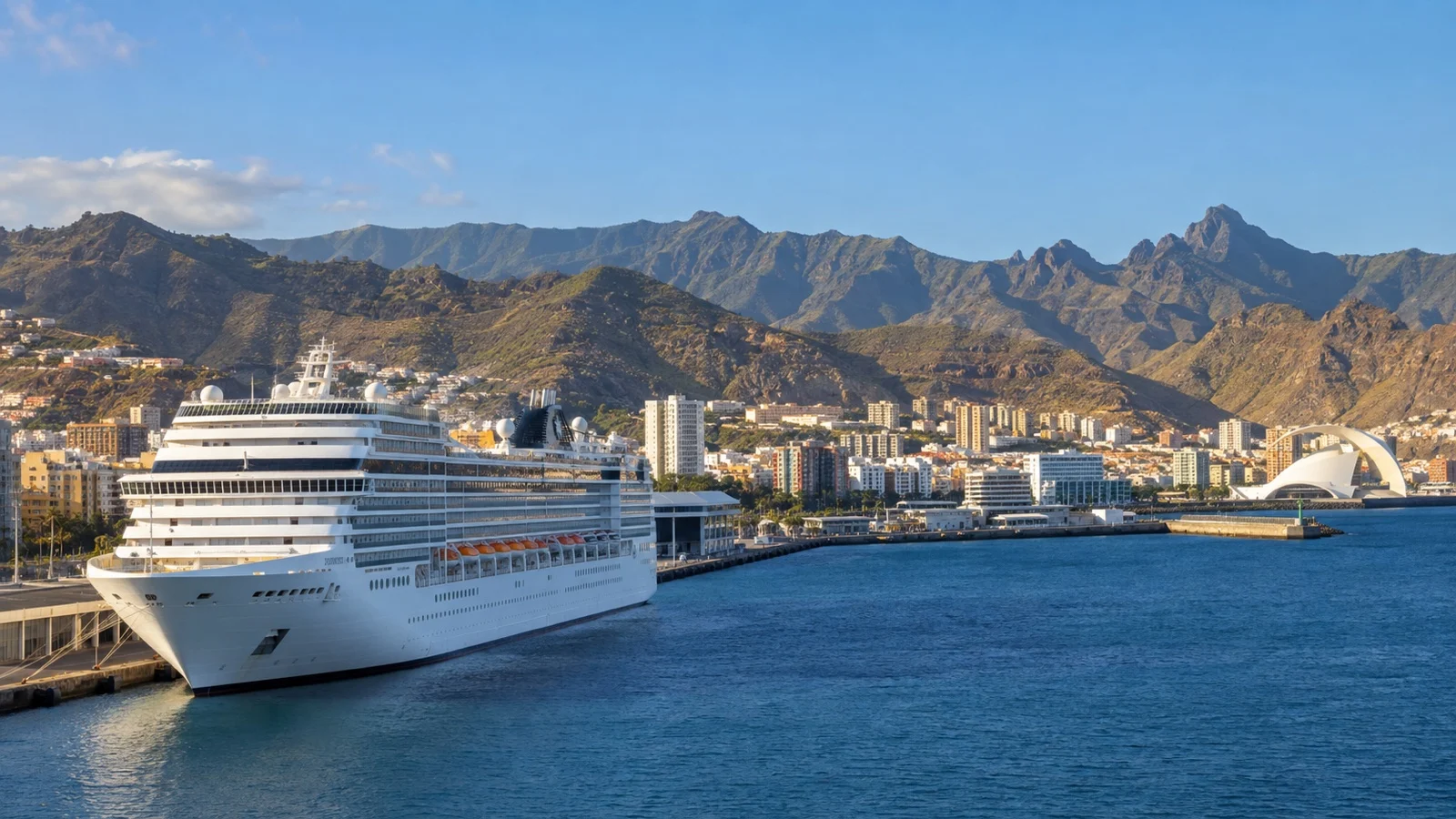
Santa Cruz de Tenerife cruise port places ships close to the island capital, though long piers or terminal shuttles may affect the first steps. The city offers markets, parks, contemporary architecture, and straightforward tram access toward La Laguna.
Teide National Park is the big island excursion and deserves respect for distance, altitude, weather, and possible access restrictions. Anaga, La Laguna, or a relaxed city day can be better when the port call is short.
Docking, Tendering, and Local Transport
Large Spanish ports may assign ships to terminals separated by several miles, while smaller island calls can tender or use local shuttle systems. Treat the cruise line’s daily notice and the port’s current operational information as the final authority.
Work backward from all aboard time before committing to a train, intercity bus, ferry, or rental car. If the plan depends on the final possible connection, it does not have a comfortable cruise margin.
A ship excursion offers coordinated transport and help when the organized tour is delayed. An independent day offers freedom and often better pacing, so the best choice depends on distance and consequence rather than price alone.
Download offline maps, save the terminal name, and carry the port agent’s contact details. Keep enough payment flexibility for a taxi if a bus, tram, or walking plan unravels.
When to Cruise Spain
Spring and fall often bring pleasant walking weather and fewer extreme temperatures, though Atlantic rain and island wind remain possible. Summer offers long days and broad cruise choice but can make Barcelona, Andalusia, and exposed ruins intensely hot.
Canary Islands itineraries extend the season because their climate differs from mainland Spain. Northern Atlantic calls can feel cool and wet even when Mediterranean ports on the same voyage are sunny.
Check the forecast for each port rather than the country as a whole. Spain’s mountains, islands, Atlantic coast, and sheltered Mediterranean cities can behave like different seasons.
Accessibility and Lower Energy Days
Accessibility varies by berth, shuttle, street, and attraction. Historic centers can introduce cobbles, polished stone, curbs, steep lanes, and stairs even when the port sits nearby.
Tendering is the biggest variable for wheelchair and scooter users because transfer rules depend on equipment, sea state, vessel design, and crew procedure. Ask the cruise line about the specific sailing rather than relying on a general port description.
A lower energy day can still be exceptional. Choose one neighborhood, use a taxi for the awkward segment, reserve accessible admission where offered, and leave enough time for an unhurried return.
Entry, Money, and Practical Details
Spain uses the euro on the mainland, in the Balearic Islands, and in the Canary Islands. Card acceptance is broad, but a small amount of cash is useful for simple purchases or a backup.
Spain participates in the Schengen Area, yet documentation depends on nationality and the wider itinerary. Use current European Union and Spanish government information, then follow the cruise line’s instructions for your voyage.
AENA operates many airports serving Spanish embarkation cities and islands, with airport specific transport and accessibility details. Do not assume an airport marketed for a city sits near its cruise terminal.
Frequently Asked Questions
Which Spain cruise port is best for first time visitors?
Cádiz and Cartagena are the simplest first calls because major historic sights begin close to many berths. Barcelona offers the deepest sightseeing but requires terminal transport and advance reservations.
Which ports are easiest to explore independently?
A Coruña, Cádiz, Cartagena, central Málaga, and parts of Las Palmas work especially well on foot after any required port shuttle. Always check the actual berth before promising yourself a walk.
Which calls benefit most from a tour?
Motril for Granada, Arrecife for a broad Lanzarote route, and Tenerife for Teide often benefit from organized transport. Tours also help when a famous attraction has timed admission or a long return journey.
Can I take a ferry to another island during a port call?
It may be technically possible on some routes, but ferry schedules add risk and usually consume too much of a cruise day. Enjoy the island where the ship docks unless the excursion is coordinated by the cruise line.
How far ahead should I book attractions?
Reserve limited capacity icons such as Sagrada Família, Park Güell, and the Alhambra as soon as the itinerary is firm. Flexible walks, markets, and beach time can wait until weather is clearer.
Final Verdict
The strongest Spain itineraries balance Barcelona or a major island excursion with effortless calls such as Cádiz and Cartagena. That rhythm gives you headline experiences without making every day a race against transport.
Pick one anchor for each port, verify the berth, and keep a nearby fallback. Spain rewards curiosity, but it rewards a leisurely lunch just as much.
Research note: This guide was reviewed on September 11, 2026 using current official Spanish tourism, port authority, airport, European travel, UNESCO, attraction, and local transit information. Berths, shuttles, tender operations, entry rules, attraction access, and transport schedules can change, so verify time sensitive details for your sailing.