Palma de Mallorca Cruise Port: Cathedral, Old Town & Beaches
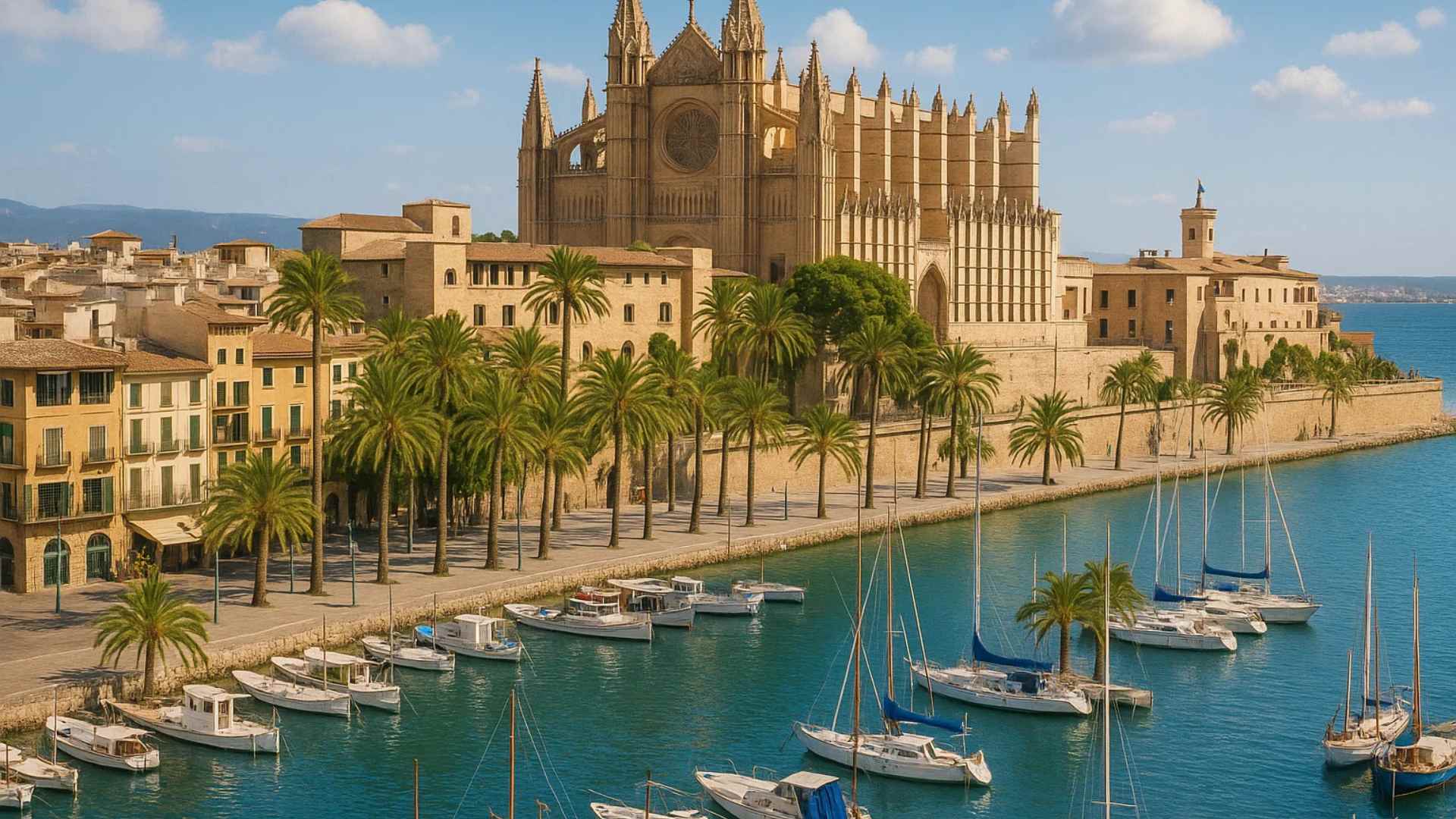
Palma de Mallorca gives cruise passengers a real city, not just a beach gateway. The cathedral rises above the waterfront, the old town begins behind its walls, and a full day can move from Gothic stone to market stalls and the Mediterranean without leaving Palma.
The catch is the port’s scale. Palma has several cruise berths spread along the harbor, and the difference between a closer Poniente terminal and the outer Dique del Oeste changes whether walking, a shuttle, or a taxi makes sense.
Quick Facts
- Port type: Large multi-terminal harbor with assigned cruise berths
- Main cruise areas: Poniente maritime stations and the outer Dique del Oeste
- Top landmark: Cathedral of Mallorca, known as La Seu
- Best independent plan: Cathedral, old town, market, and waterfront
- Nearby viewpoint: Bellver Castle
- Currency: Euro
- Languages: Catalan and Spanish, with English common in tourism
- Planning priority: Confirm your exact terminal before choosing transport
Where Cruise Ships Dock in Palma
The Port of Palma is managed by the Balearic Islands Port Authority and handles ferries, cargo, yachts, and cruise ships across a broad waterfront. Cruise calls can use maritime stations on the Poniente side or berths farther out on the Dique del Oeste.
That assignment matters more than the generic phrase Palma cruise port. A route that looks manageable from one terminal may be inconvenient from another, especially in summer heat or during construction and traffic changes.
Check the ship’s daily program for the terminal or berth, shuttle arrangement, and return stop. Port signs and staff instructions on the day should override an old map because operations can shift when several ships are in harbor.
The port is not beside the cathedral even though both appear close from the water. Walking can involve long exposed stretches and busy roads, so I save my energy for the old town unless the ship is at a closer berth and conditions are comfortable.
Getting From the Port to the City
Cruise lines may operate a paid or included shuttle toward central Palma, but the destination and hours vary. Before boarding, photograph the return point and confirm whether the final departure is earlier than the ship’s all-aboard time.
Palma’s EMT city buses serve the waterfront and nearby neighborhoods, though route numbers and stops can change. Use the current EMT journey planner after you know your terminal instead of copying a route from an older cruise guide.
Taxis are the simplest choice for a small group, Bellver Castle, or a hot day. Use the official rank, make sure the meter or applicable fare is understood, and show the driver the exact maritime station for your return.
Ride services do not always collect passengers at the place a map suggests inside a controlled port. If you reserve a private transfer, get the pickup instructions in writing and allow time to reach the authorized meeting area.
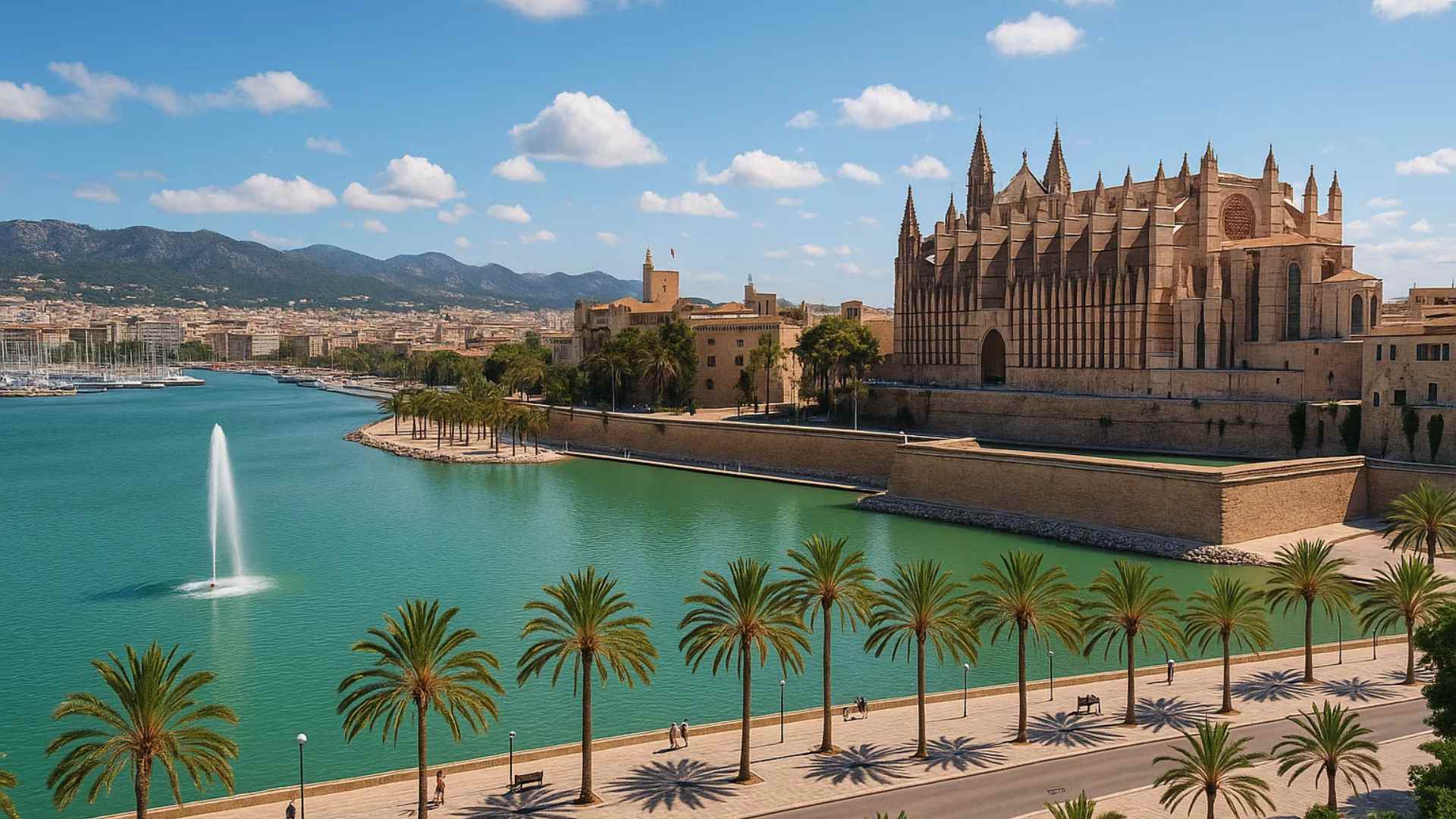
Cathedral of Mallorca
La Seu is Palma’s defining monument, set above Parc de la Mar with its vast Gothic form facing the bay. The exterior is magnificent, but the changing light, large rose window, high nave, chapels, and artistic interventions make the interior worth planning around.
The cathedral remains an active place of worship, not only an attraction. Visitor access, Mass, special events, and holiday schedules can affect entry, so check the official cathedral site and book the correct visit rather than relying on general opening times.
Antoni Gaudí directed early twentieth-century changes to the sanctuary, while Miquel Barceló created the dramatic ceramic work in the Chapel of the Blessed Sacrament. Both interventions sit within a building shaped by centuries of construction and devotion.
Seasonal rooftop visits provide a close look at architectural details and broad views, but they involve stairs, height, and specific safety restrictions. The standard cathedral visit is the better choice for anyone with reduced mobility, vertigo, cardiorespiratory concerns, or limited port time.
Book the first practical entry if the cathedral is your priority, then let the rest of the day stay flexible. Lines and group arrivals tend to grow, while the surrounding old town remains enjoyable whenever you finish.
Royal Palace and Parc de la Mar
The Royal Palace of La Almudaina stands beside the cathedral and reflects Palma’s layered Islamic and Christian history. It remains a royal residence used for official purposes, which means visitor access can change for ceremonies or institutional needs.
Buy through Patrimonio Nacional when you want an interior visit and check the day’s opening before queuing. Combining the palace and cathedral is logical geographically, but two full interiors can consume more of a cruise call than expected.
Parc de la Mar below the walls offers the classic cathedral view across water and open space. It is a useful reset between the port transfer and the dense lanes of the old town, with room to orient yourself before sightseeing.
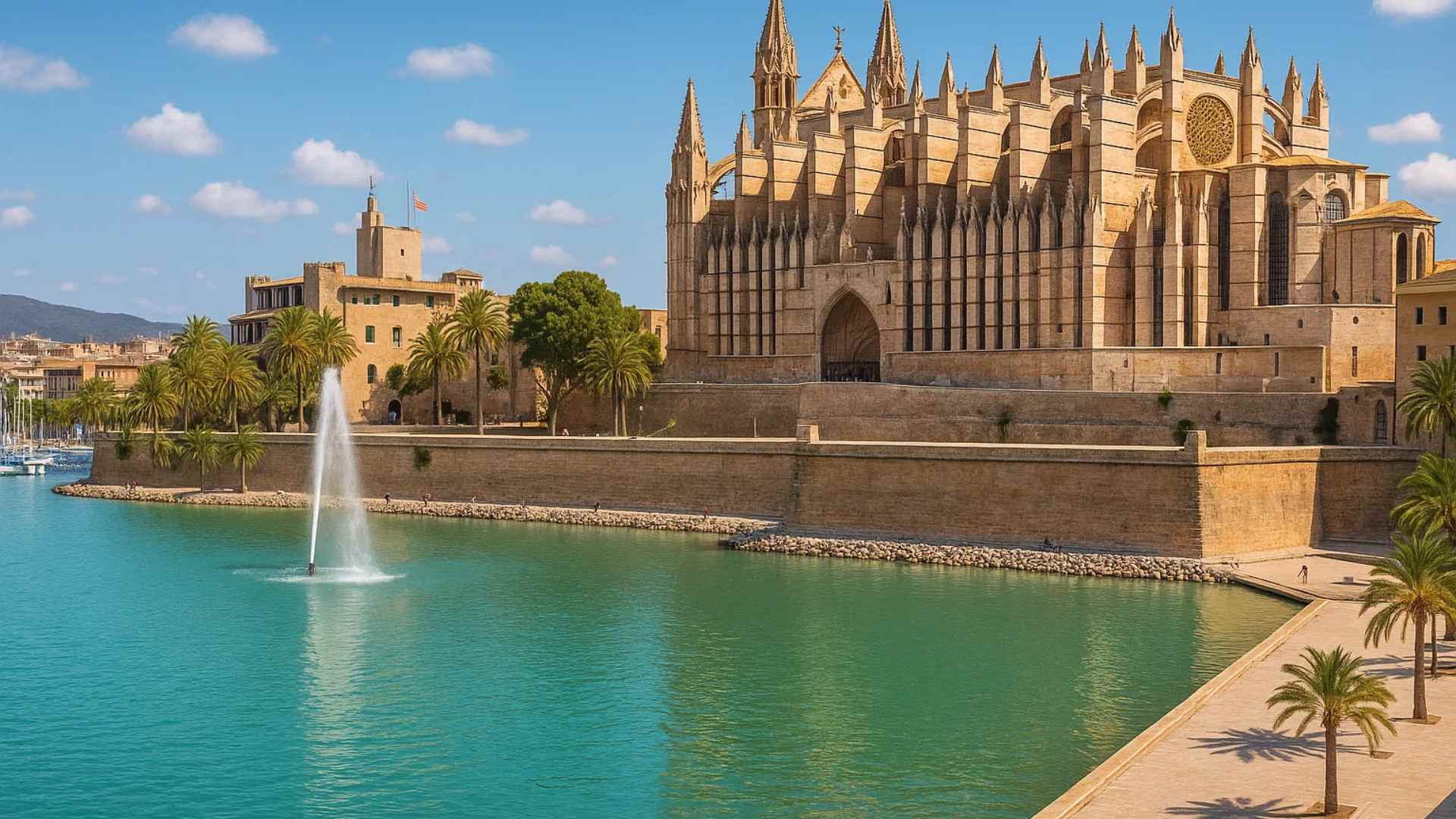
Walking Palma’s Old Town
Behind La Seu, Palma becomes a maze of lanes, courtyards, churches, stone facades, and small squares. The pleasure comes from moving slowly, but a saved offline map helps when high walls and curving streets hide familiar landmarks.
Walk toward Plaça de Cort to see the city hall and its centuries-old olive tree, then continue toward Plaça Major or the shopping streets around Passeig del Born. You do not need to trace a perfect route because distances in the historic core are compact.
The Banys Àrabs, or Arab Baths, preserve a rare element of Palma’s Islamic past within a garden setting. Opening arrangements are separate from the cathedral and palace, so treat them as an optional stop rather than a timed centerpiece.
Palma’s patios are another signature, though many belong to private buildings and are not automatically open for entry. Admire visible courtyards respectfully from public space and do not block doors or residents.
I like to leave one unplanned hour for this part of the city. It creates room for a bakery, a quiet church, a design shop, or a shaded square that no checklist could predict.
Markets and Mallorcan Food
Mercat de l’Olivar is the central market many visitors find easiest to combine with Plaça d’Espanya and the old town. Market hours and individual stall schedules vary, and mornings generally offer more activity than a late-afternoon visit.
Santa Catalina Market lies in a neighborhood closer to parts of the waterfront, with a mix of produce, fish, prepared food, and surrounding restaurants. It can work well on the return toward the port, depending on your terminal and shuttle point.
Look for pa amb oli, local olives, sobrasada, seasonal seafood, almond sweets, and ensaïmada. If you order fish by weight or a market product without a posted total, ask for the final price before confirming.
Lunch service may move at a relaxed pace, which is part of the pleasure but needs respect on a cruise day. Tell your server when you must leave and request the check before your planned departure rather than at the last minute.
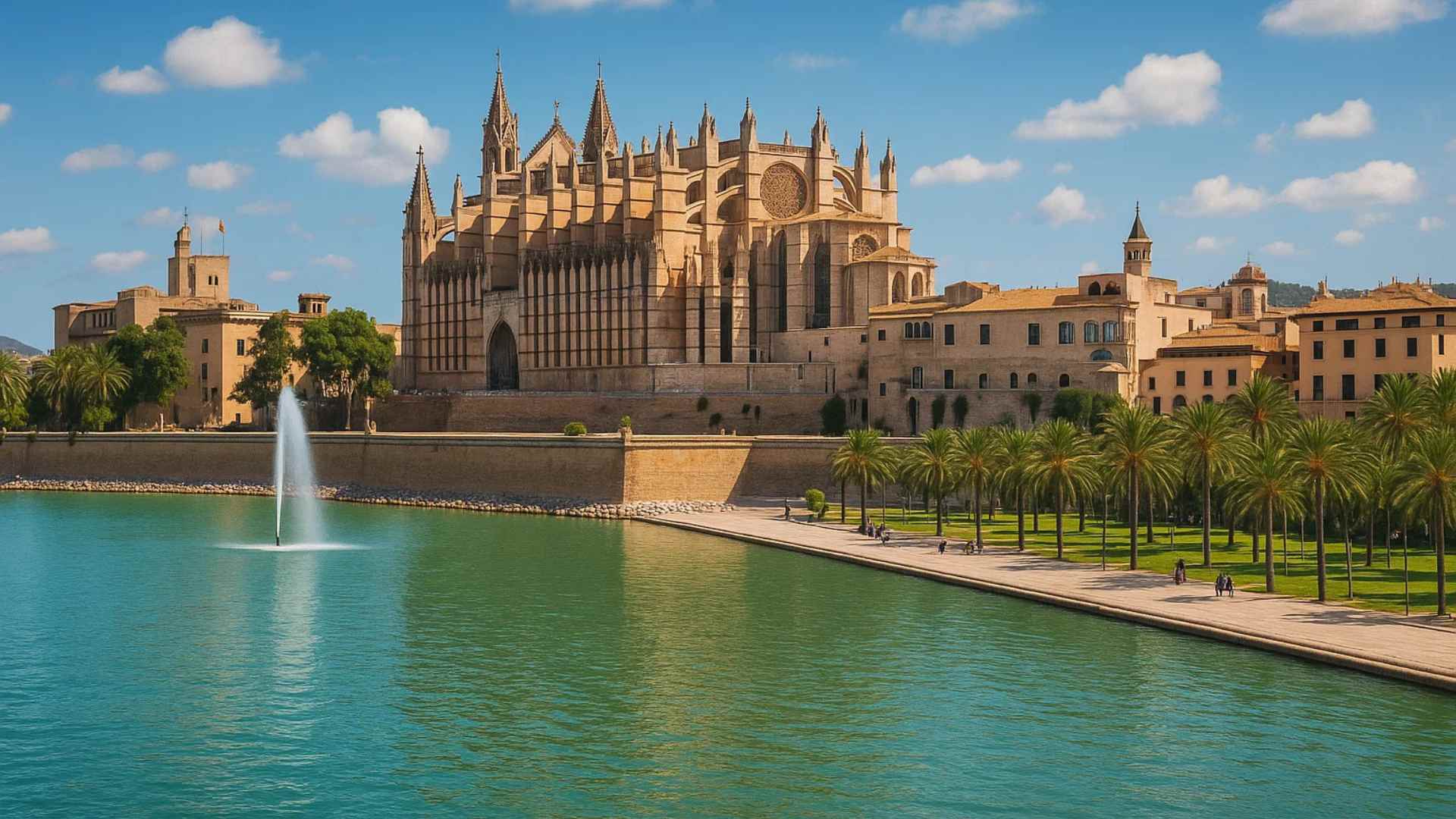
Bellver Castle
Bellver Castle stands on a wooded hill west of central Palma and is famous for its unusual circular plan. The terraces offer some of the best views across the city, bay, port, and surrounding hills.
The castle also houses Palma’s city history museum, but access, exhibition areas, and hours can change. Check the City of Palma’s current information, especially on Mondays, holidays, or days with a special event.
A taxi saves time and avoids a demanding uphill approach. If you walk or use a bus, study the final climb and return connection carefully because the entrance is not simply a flat step from the waterfront.
Bellver pairs well with the old town on a longer call, but I would not put it ahead of La Seu for a first visit. Choose it first only if panoramic views and architecture matter more to you than the cathedral interior.
Beach Options
Palma can deliver a city-and-beach day without crossing Mallorca. Can Pere Antoni stretches east of the old town, while Cala Major lies west of the cruise harbor and is usually better reached by taxi or current local bus.
The nearest beach is not always the best choice for facilities, swimming conditions, or your berth. Check lifeguard flags, local water notices, seasonal services, and the travel time back before settling in.
Bring a towel or confirm rental options, protect valuables, and do not leave your return to a single late bus. An urban beach works best as a flexible final stop after the cathedral rather than a tightly scheduled transfer between distant points.
Excursions Beyond Palma
Valldemossa is the classic inland excursion, with stone streets and a dramatic Tramuntana setting. Its beauty also brings crowds, and vehicle access can require walking through sloped lanes from a designated drop-off area.
Sóller can be reached by road or through a heritage rail journey from Palma, while Port de Sóller adds the coast. The historic train is an attraction in its own right, but tickets, departure times, and the connection between town and port must fit the ship day precisely.
The Serra de Tramuntana contains superb landscapes and villages, yet mountain roads are slower than a distance estimate suggests. I prefer a ship excursion or licensed private driver for a multi-stop route because one traffic disruption can erase the return cushion.
The Caves of Drach near Porto Cristo are another popular excursion and require a substantial cross-island drive. Confirm timed cave entry, the complete bus schedule, and what happens if the ship arrives late before booking independently.
A first-time visitor with one day does not need to leave Palma to justify the call. The cathedral, old town, markets, Bellver, and a nearby beach already offer more than most passengers can enjoy comfortably.
Choosing the Right Port-Day Plan
For a short call, take the direct shuttle or taxi to the cathedral area, walk the old town, and return with time to spare. Skip Bellver and island excursions unless the cruise line has built them around the exact schedule.
For a medium call, add the Royal Palace, a market lunch, Bellver Castle, or a beach, but choose only one. That keeps the day varied without turning every hour into transportation.
For a long call, Valldemossa or Sóller can replace part of the city day. I would still reserve time for La Seu because seeing the cathedral only from a moving coach misses Palma’s strongest experience.
Families often do well with Parc de la Mar, a shorter old-town loop, an early meal, and beach time. Travelers focused on architecture may prefer the cathedral interior, palace, Arab Baths, and Bellver without leaving the city.
Accessibility
Accessibility begins with your assigned terminal because port distances vary. Ask the cruise line whether an accessible shuttle is operating and where wheelchair users board, since the port environment may involve ramps, curbs, or long approaches.
The old town includes cobbles, narrow sidewalks, curb changes, and some slopes, but major waterfront routes offer flatter alternatives. A taxi between the port, cathedral area, and Bellver can conserve energy for the places you most want to see.
La Seu provides standard visitor access separate from the physically demanding rooftop route. Confirm the accessible entrance and any companion arrangements directly with the cathedral when booking.
Bellver’s hill and historic surfaces create additional challenges even when you arrive by vehicle. Ask the municipal site about current elevator, restroom, and route access rather than assuming every terrace or museum room is step-free.
Weather and What to Pack
Summer in Palma is hot and bright, with limited shade along parts of the port and waterfront. Spring and fall can be more comfortable for walking, while rain and wind still occur and winter hours may be shorter.
Carry water, sunscreen, sunglasses, a secure hat, and shoes suited to polished stone and cobbles. A light shoulder covering is useful for respectful cathedral entry, and a compact layer helps when sea breezes pick up.
Download the port map, shuttle stop, tickets, and an offline city map before leaving the ship. Public Wi-Fi and mobile data are helpful, but neither should be the only place you stored the all-aboard time.
Return-to-Ship Strategy
Photograph your terminal name and the shuttle return point when you arrive in town. Palma’s long harbor means saying cruise port to a driver is not as useful as showing the exact maritime station.
Allow extra time when several ships are in port because taxis, shuttles, and port roads can become busy. Travelers returning from the mountains or east coast need a much larger cushion than someone walking back from central Palma.
Use the ship’s all-aboard time, not the published sailing time, as your hard limit. I plan to reach the port earlier and let any spare minutes become a calm coffee or waterfront pause.
Final Thoughts
Palma de Mallorca is at its best when you treat it as a complete Mediterranean city, with La Seu, old streets, markets, sea views, and food all within one thoughtful route. Confirm your berth, book only the timed sights that matter, and keep the return generous so the day feels elegant instead of rushed.