Angra dos Reis Cruise Port: Costa Verde Islands, Brazil
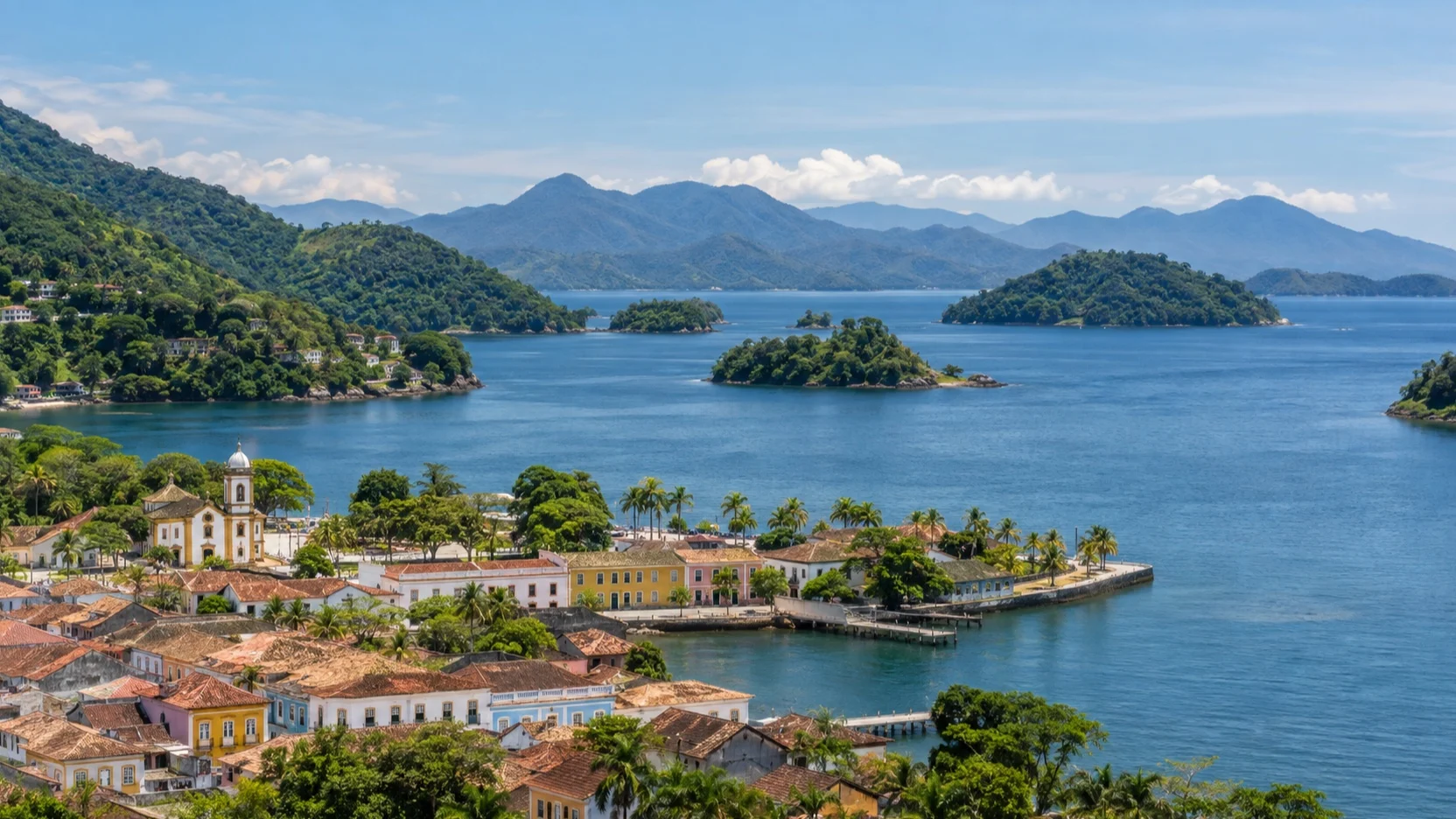
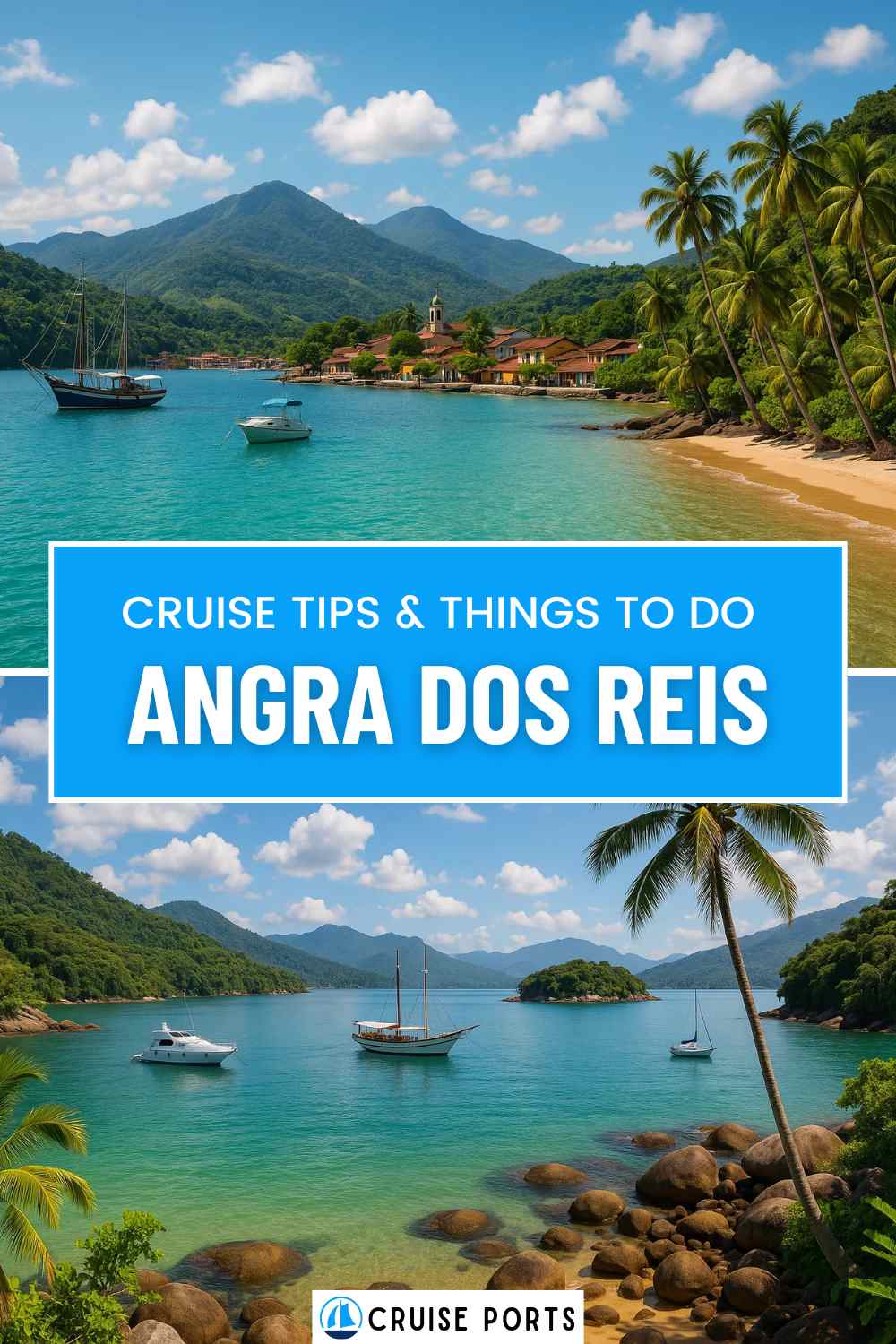
Angra dos Reis is my favorite kind of Brazilian port day: you tender in, and a bay scattered with green islands and glassy coves is instantly yours. This is the Costa Verde gateway to Ilha Grande, and it rewards a little planning.
My quick take
If you only have one port day here, spend it on the water. A schooner or fast boat out to the islands is the whole point of Angra, and the historic center is a lovely bonus you can fold in around the edges.
The bay sits on the Costa Verde, the green coast of southwestern Rio de Janeiro state. If you are island-curious, my Ilha Grande cruise port guide pairs perfectly with this one.
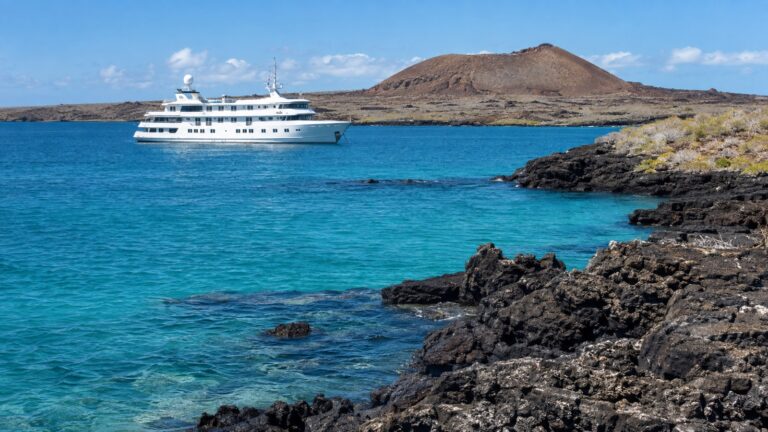
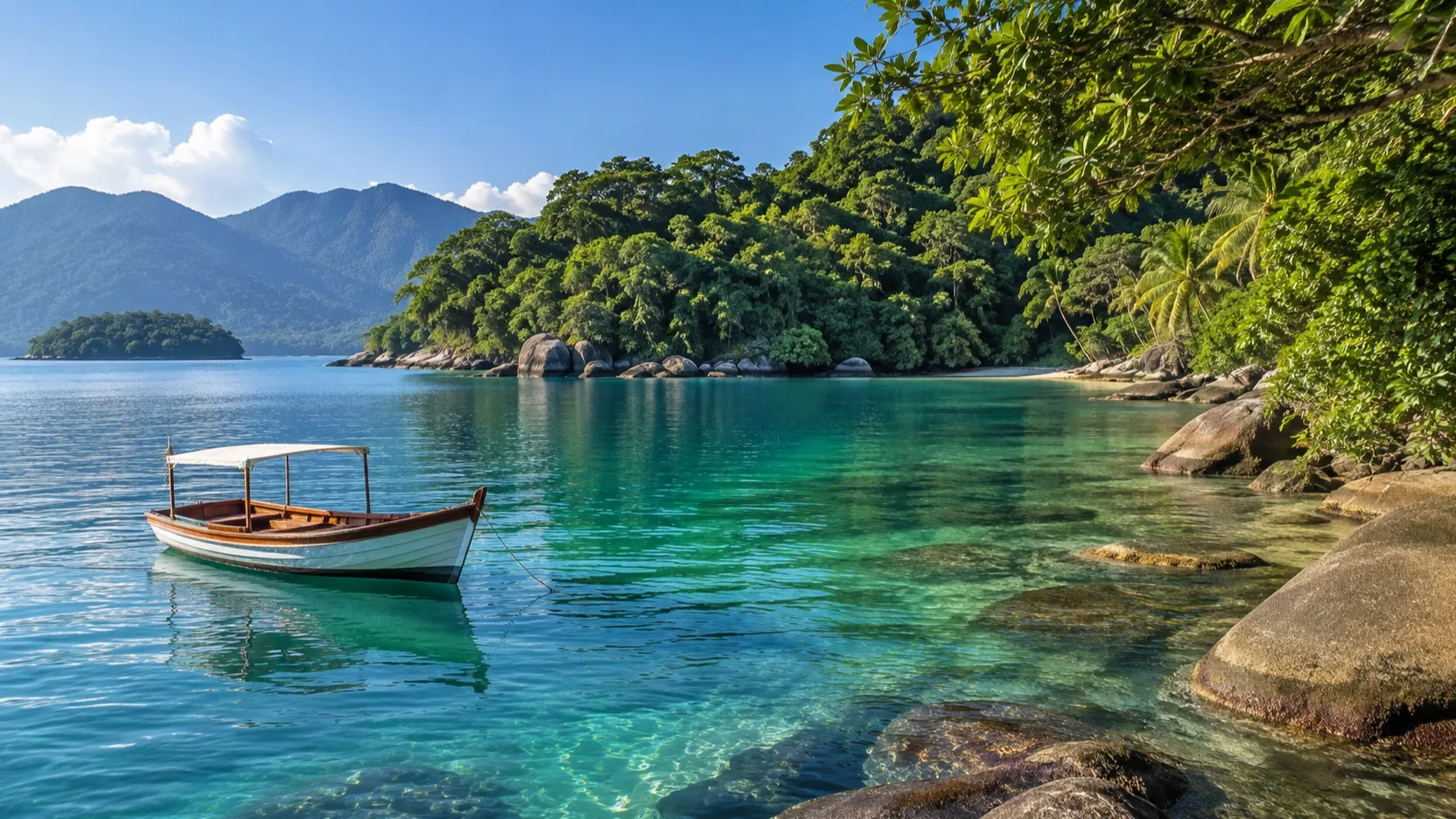
The mood changes quickly once the boat clears the waterfront. Rainforest hills, chapel-crowned islets, and sheltered coves make the bay feel far removed from the working town.
The quick facts
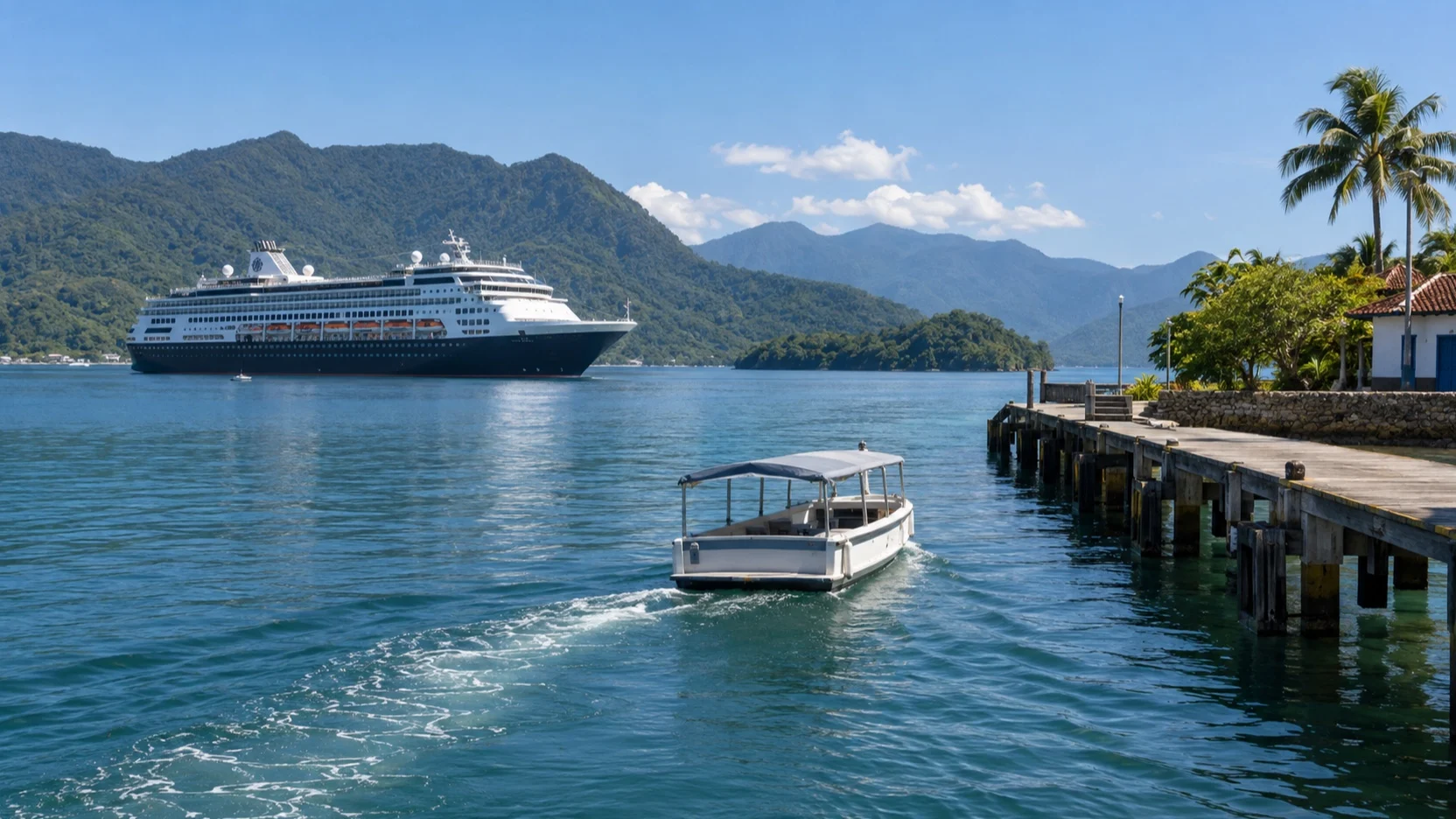
- Where you land: Large cruise ships anchor in Ilha Grande Bay and use tenders. Many Angra calls land at the downtown waterfront, while some itineraries use Vila do Abraão on Ilha Grande, so trust the location printed in the ship’s daily program.
- Dock or tender: This is a tender call, and wind, swell, or marine traffic can affect the landing plan.
- Into town: A downtown landing puts the historic center close at hand. Do not assume the same access if your tender lands on Ilha Grande.
- Currency and language: Brazilian real and Portuguese.
- Time zone: Brasilia Time, UTC-3.
- Call reliability: Tender operations remain subject to the captain’s safety decision and local sea conditions.
- Best first visit: Reserve one licensed island cruise with a clearly written return time and pier.
- Return margin: Be at the correct tender landing well before the ship’s cutoff because boat transfers and tender lines can both take longer than planned.
Berthing and tender logistics
A common downtown landing is Cais de Santa Luzia, a tourist pier near the historic center. Facilities and passenger routing can change with the day, so note the tender assembly point before walking inland.
If your ship uses timed tender tickets for independent guests, grab yours as soon as distribution opens. Ship excursions usually board first, so an early independent ticket keeps your island plans on schedule.
Return lines can spike late in the afternoon. I aim to be back at Santa Luzia at least 60 to 90 minutes before all-aboard, and earlier if the sea is choppy.
Confirm restroom, visitor-information, taxi, and cash access when you arrive rather than assuming every pier service is operating. Downtown offers more practical services than the island stops, so handle essentials before boarding an independent boat.
Mobile data is strong in downtown Angra and patchier out on the islands. I download an offline map and screenshot my boat’s return times before I lose signal.
Getting around
Boats are how you actually see Angra. From Santa Luzia, schooners and fast boats leave through the morning for the islands, and departures are posted right at the pier kiosks.
A traditional schooner is slow and social, with built-in snorkel stops and a relaxed loop of coves. A fast boat trades that mood for more swim time and less transit, hopping several islands quickly.
Heading to Ilha Grande instead? Travel time varies by boat and sea conditions, while the official Rio de Janeiro state tourism page describes the run from central Angra at about 40 minutes.
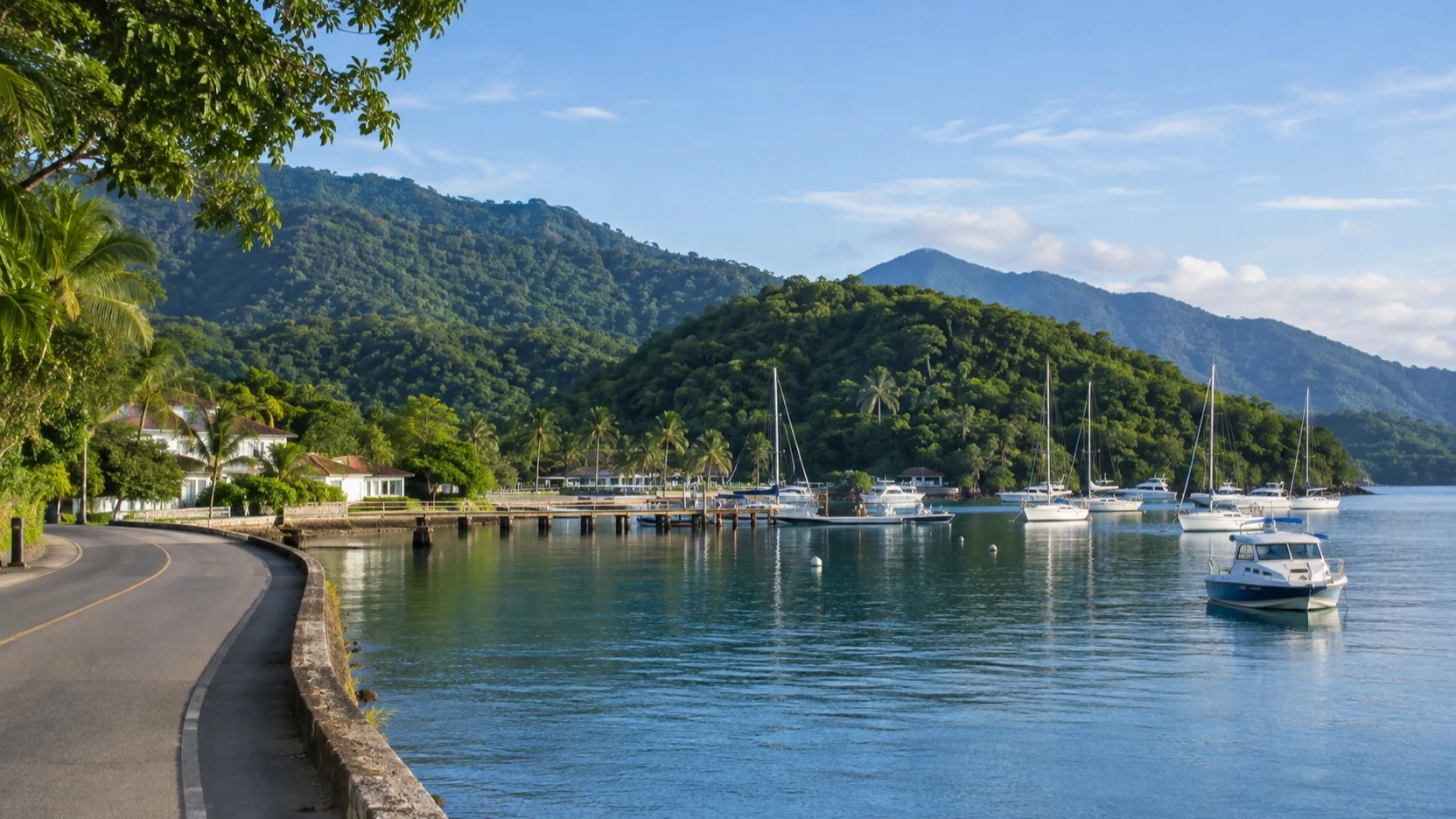
On land, downtown Angra is flat and walkable, and the historic core takes 30 to 60 minutes to cover on foot. Taxis and ride-hail apps operate in town if you want a scenic loop along the Estrada do Contorno.
The stops I would actually spend time on
Schooner island-hopping the bay. Routes may link Botinas, Lagoa Verde, and Lagoa Azul, but stops depend on the vessel, protected-area rules, and sea conditions.
Fun fact: Ilha Grande and its surrounding waters form part of “Paraty and Ilha Grande, Culture and Biodiversity,” which UNESCO inscribed as a mixed World Heritage Site in 2019 for both its Atlantic Forest biodiversity and its living cultural landscape.
An Ilha Grande day trip. The island has no through road network and is reached by boat, so it is a major commitment that needs a cruise-specific return plan.
The historic center and colonial churches. Angra’s old streets begin near Santa Luzia, but church access can change for worship, events, and restoration.
Praia do Dentista on Ilha da Gipóia. This popular boat stop has no guaranteed landing or service, so confirm the operator’s route and weather alternative.
Diving and snorkeling. Use a licensed operator that states certification requirements, supervision, equipment, and weather policy, and never treat turtle sightings as guaranteed.
The Bonfim chapel islet. This short land-side outing is a useful alternative when boats are canceled, although current road and site access still need checking.
How I would plan the day
With a short call of three or four hours, I would grab an early tender and take a fast-boat loop to Botinas plus a lagoon or two. That gives you the quintessential Angra experience without cutting the return buffer thin.
With a fuller day, I would still boat in the morning, then wander the historic center after lunch. A market snack, a moqueca lunch, and a slow loop of the churches make an easy afternoon.
If the sea turns bouncy, I flip to a plan B on land. A Contorno scenic drive with viewpoints, plus the Bonfim chapel islet and one sheltered cove, keeps the day lovely.
An early boat departure gives you more recovery time if weather or marine traffic slows the route. Treat clear water and quiet coves as welcome conditions rather than promises tied to a particular hour.
On days when I tender straight to Abraão, I leave the village immediately for a trail or a taxi-boat. Shops and cafés can wait until the return leg, when my feet want a rest anyway.
A realistic word on accessibility
I want to be honest here, because tender ports are tricky. Tenders use ramps and crew assistance, but they can pitch with swell, so timing a calm boarding matters.
Once ashore, Santa Luzia and the promenade are flat and manageable. The old-town sidewalks mix smooth pavement with some uneven patches, so take it slow.
Island boats often involve step-down boarding and swim ladders. If mobility is a concern, ask operators about wider catamarans, railing support, and boarding help before you commit.
When to go, and the weather
The South America cruise season here runs roughly October to April. Midsummer, from December to March, is hotter and wetter, with short, intense showers or afternoon thunderstorms.
Summer can feel hot and humid beside the Atlantic Forest, while cooler-season days are often milder. Check the marine forecast and local rain outlook close to arrival because conditions shape both comfort and small-boat operations.
I still put the boat trip first when schedules allow, but no time of day guarantees calm water. The practical advantage is a larger buffer for a delayed departure, changed route, or slower tender return.
Whatever the month, I pack light layers, reef-safe sunscreen, and a dry bag for boat spray. Water shoes help on rocky entries, and a compact rain shell handles the passing squalls.
For a broader picture of the region, the official Rio de Janeiro state tourism page for Angra dos Reis is a solid starting point, and Visit Brasil sets the wider scene.
Boat safety and the return to your tender
A ship call can land at downtown Angra dos Reis or at Vila do Abraão on Ilha Grande, and those are different starting points. Match every boat quote to the tender landing printed in the daily program, not simply to the words Angra or Ilha Grande.
Use an authorized marine operator that states the vessel, passenger capacity, life-jacket procedure, weather policy, and exact return pier in writing. A public boat returning to Angra does not solve a ship tender departing from Vila do Abraão, or the reverse.
Ilha Grande belongs to the UNESCO-listed Atlantic Forest landscape, so beach and trail access may change for conservation, weather, or safety. Follow local rules, carry out trash, and do not expect wildlife sightings or unrestricted landings.
Small boats, floating piers, wet steps, and beach landings can be difficult for limited mobility. Ask about the full transfer chain before paying, then keep a waterfront or historic-center alternative if sea conditions deteriorate.
Quick answers
Is Angra dos Reis a walk-off or a tender port? It is a tender port, with most ships tendering to Santa Luzia in downtown Angra and some itineraries tendering to Vila do Abraão on Ilha Grande.
If I only do one thing, what should it be? Choose a licensed bay cruise whose stops, safety equipment, weather policy, and return pier are confirmed in writing.
Can I visit Ilha Grande on a port day? Only when the landing point, public or private boat schedule, and ship hours leave a generous return margin.
What currency and payment should I bring? The Brazilian real, and while cards are fine in town, carry small cash for island kiosks, snack boats, and beach vendors.
If Angra is one stop on a longer Brazilian voyage, it pairs beautifully with the big-city energy of my Rio de Janeiro cruise port guide. For the full lineup, my Brazil cruise ports overview and the wider South America cruise ports guide help you plan the whole route.
Whichever way you plan it, Angra rewards an early start and a boat under you. Islands, lagoons, and chapel-crowned rocks give this tender call its unmistakable character.
How this guide was researched: Port access, transportation, attraction rules, safety guidance, and accessibility notes were checked against current official sources on September 11, 2026, including Brazilian port and tourism authorities, UNESCO, and current marine-operator rules. Details can change by sailing and operating day, so confirm reservations and ship instructions before leaving the gangway; see our Editorial Policy.