Almería Cruise Port: A Cruiser’s Guide to Andalusia’s Desert Coast
Almería offers two very different port days. One stays in the city for a huge hilltop fortress, cathedral, market, tapas, and seafront history, while the other heads into the stark volcanic landscapes of Cabo de Gata or the Tabernas area.
The city route is easy to control and rich enough for a first visit. The desert and coast are excellent choices too, but only when transport and ship timing are properly nailed down.
Lock the operating plan before you leave the ship
Almería’s port handles ferries and commercial traffic as well as cruise calls, so the berth-to-gate route and any shuttle are operational details, not permanent city infrastructure. Photograph the correct return gate and follow the ship’s instructions even when the cathedral appears close on a map.
City day: start with the Alcazaba before heat builds, then descend to the cathedral, market, or Civil War shelters and finish near the port.
Cabo de Gata: use an authorized excursion or prearranged driver, follow protected-area access and beach rules, and skip remote swimming when sea warnings are posted.
Tabernas: choose it for landscape or a specific booked attraction, not as a quick add-on after a long city lunch.
Accessibility: ask about vehicle drop-offs, gradients, cobbles, restrooms, and shade at the exact sites; ‘panoramic’ does not mean step-free.
For Cabo de Gata or Tabernas, set a firm departure that returns to the port area 90 minutes before all-aboard. Keep the city loop as the weather or late-arrival fallback, because it remains worthwhile without a long coach ride.
Start with the actual berth
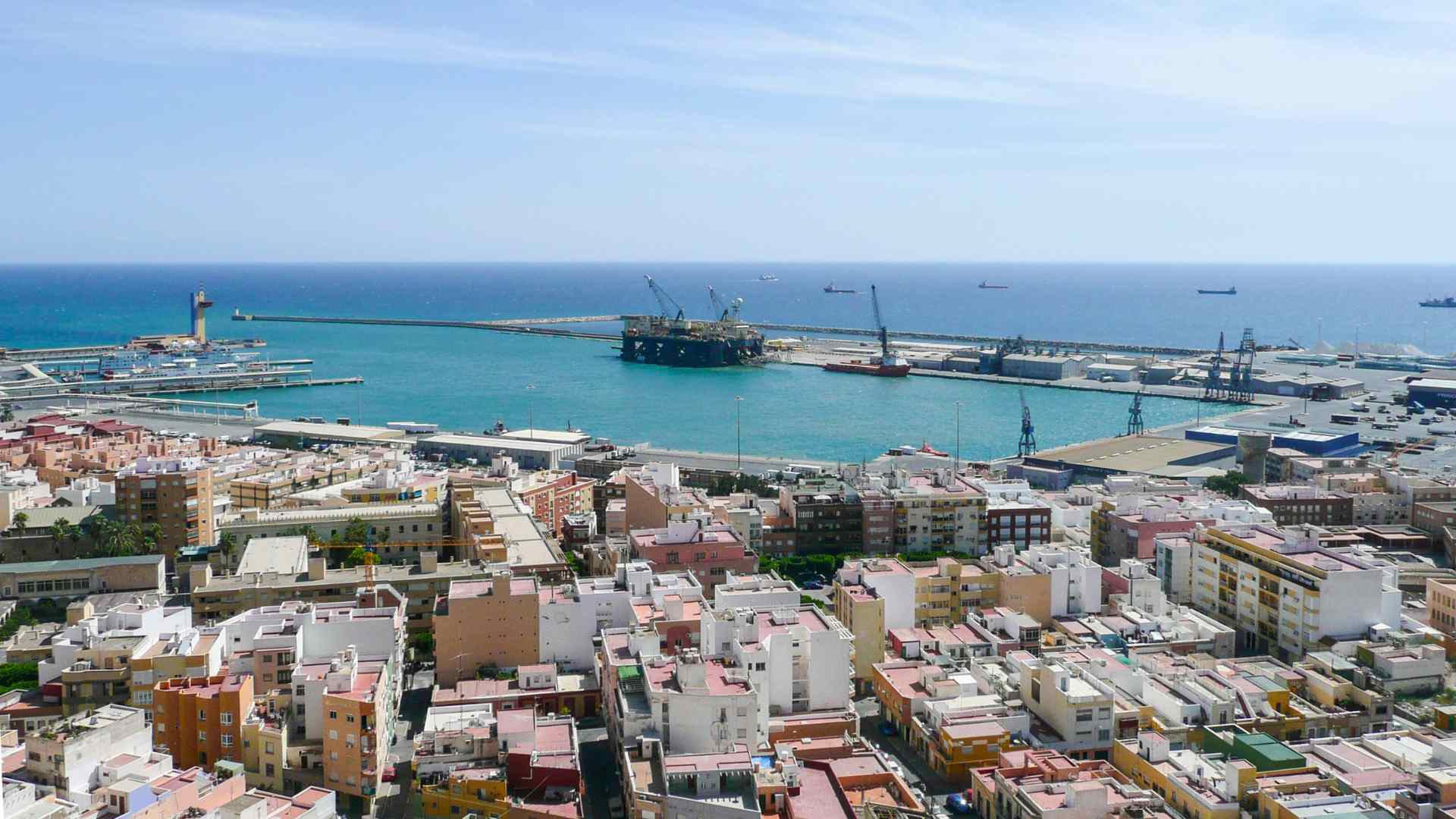
Almería is a working commercial and ferry port, and cruise-ship berth or shuttle details may vary. Follow the ship’s daily program and port instructions for walking routes, any transfer, and the final return.
The city sits beside the harbor, but distance from gangway to port gate depends on the assigned quay. Do not use an old review’s walking minutes as if somebody surveyed your exact gangway that morning.
For regional travel, a taxi, ship excursion, or prearranged guide is often more useful than piecing together infrequent connections. In town, walking works well once you have cleared the port.
Almería Cruise Port Quick Facts
- Where you land: a berth inside the Port of Almería, a working commercial and ferry harbor tucked in behind breakwaters right below the city. The exact quay varies with traffic, so the gangway-to-gate walk is the part you cannot predict. The official Almería tourism site is the best source for current city routes.
- Dock or tender: Ships lie alongside here rather than tendering, though the cruise line remains the final word on the day’s arrangement.
- Into town: About a 10- to 15-minute walk from the port gate to the cathedral quarter.
- Currency and language: The euro (EUR), and Spanish.
- Time zone: Central European Summer Time (CEST, UTC+2) during the cruise season, CET (UTC+1) in winter.
- Weather and operations: Ships normally berth alongside inside the harbor, but the port and cruise line make the final decision for each call.
The city day begins at the Alcazaba
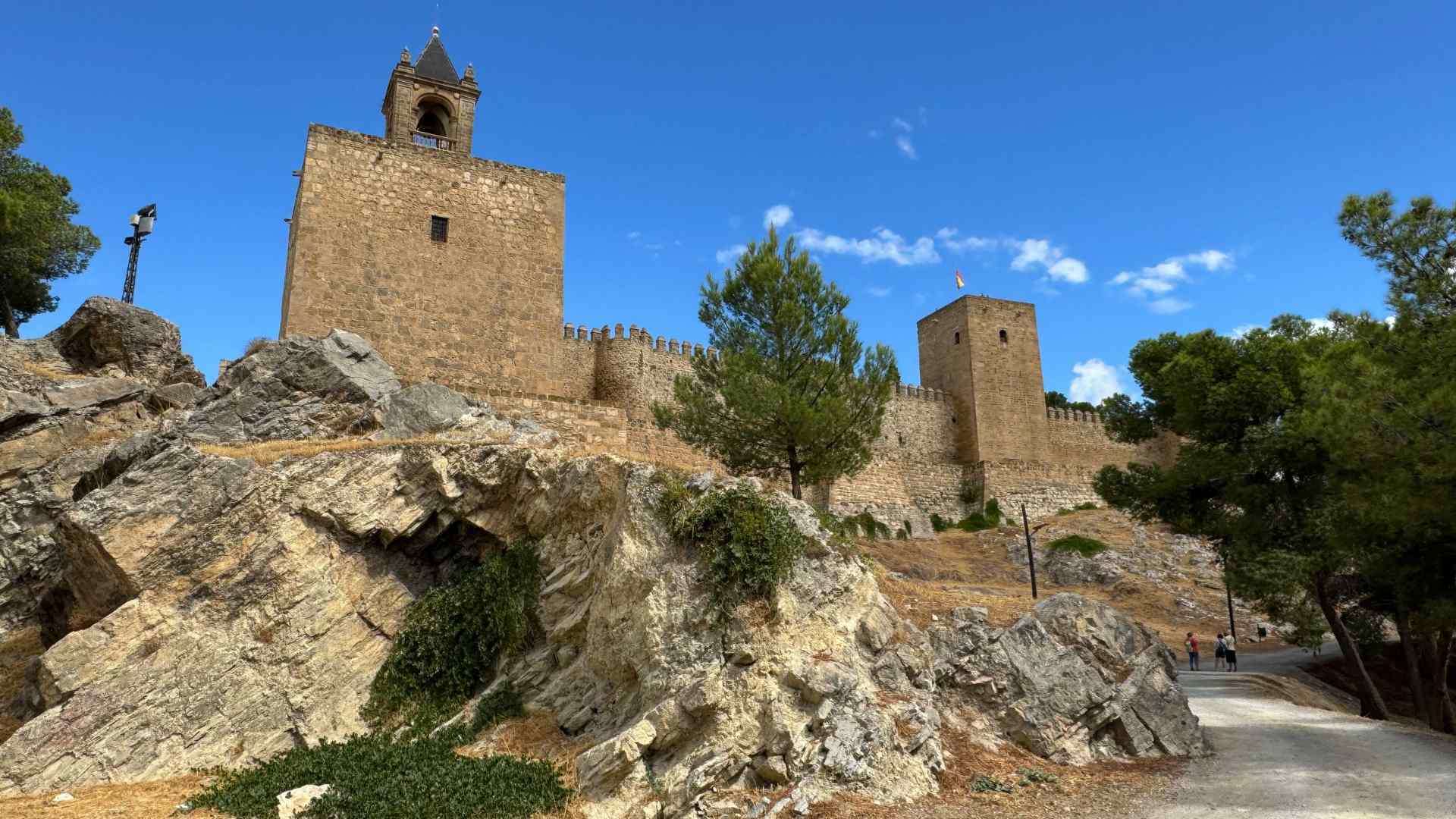
The monumental complex of the Alcazaba crowns the hill above Almería and reflects the city’s Islamic and later Christian history. The regional government’s official visitor information should be checked for current access, reservations, closures, and any restoration work.
Go early when possible, particularly in warm months. The approach climbs, the site is exposed, and stone walls have an unfortunate habit of storing sunshine for later use.
Inside, expect defensive walls, courtyards, gardens, archaeological fabric, and broad views over the city and port. Give the complex enough time to understand its scale instead of photographing one arch and declaring history completed.
The neighboring slopes and La Chanca district are part of Almería’s living city, not a themed extension of the monument. Explore recognized routes, respect residential privacy, and avoid photographing people or homes as scenery without permission.
From the hill, descend toward the cathedral and old center. This order lets gravity join the itinerary after doing absolutely nothing to help on the way up.
Travelers comparing Andalusian calls may find the CruisePorts.co Málaga guide useful, but Almería feels smaller, drier, and less polished for tourism. That is part of its appeal, not a defect needing correction.
Cathedral, shelters, and market
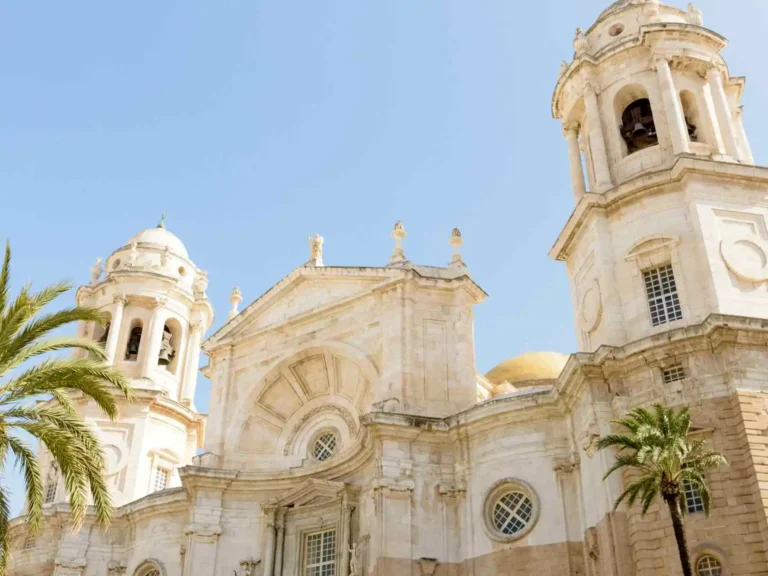
Almería Cathedral was built with a defensive appearance suited to a coast once vulnerable to attack. Access can change around worship and events, so check the official cathedral information and behave as a visitor in an active religious space.
The city’s Civil War shelters preserve part of a large underground refuge network built during the Spanish Civil War. Visits are controlled and often timed, making advance booking important if this is a priority.
The shelters are enclosed and can involve confined underground space. Travelers with claustrophobia, mobility concerns, or respiratory issues should review the visitor details before reserving.
Mercado Central provides a more cheerful form of immersion through produce, fish, meat, and local products. Market schedules favor mornings and working days, so confirm opening rather than saving it for late afternoon.
Lunch should not become a checklist of supposedly compulsory dishes. Ask a reputable bar what tapa comes with a drink under its current system, sample what looks fresh, and leave enough room for another stop if curiosity wins.
The city route works in imperfect weather because distances are manageable and indoor options exist. Its limitation is climbing and uneven historic ground around the Alcazaba.
Cable Inglés and the waterfront story
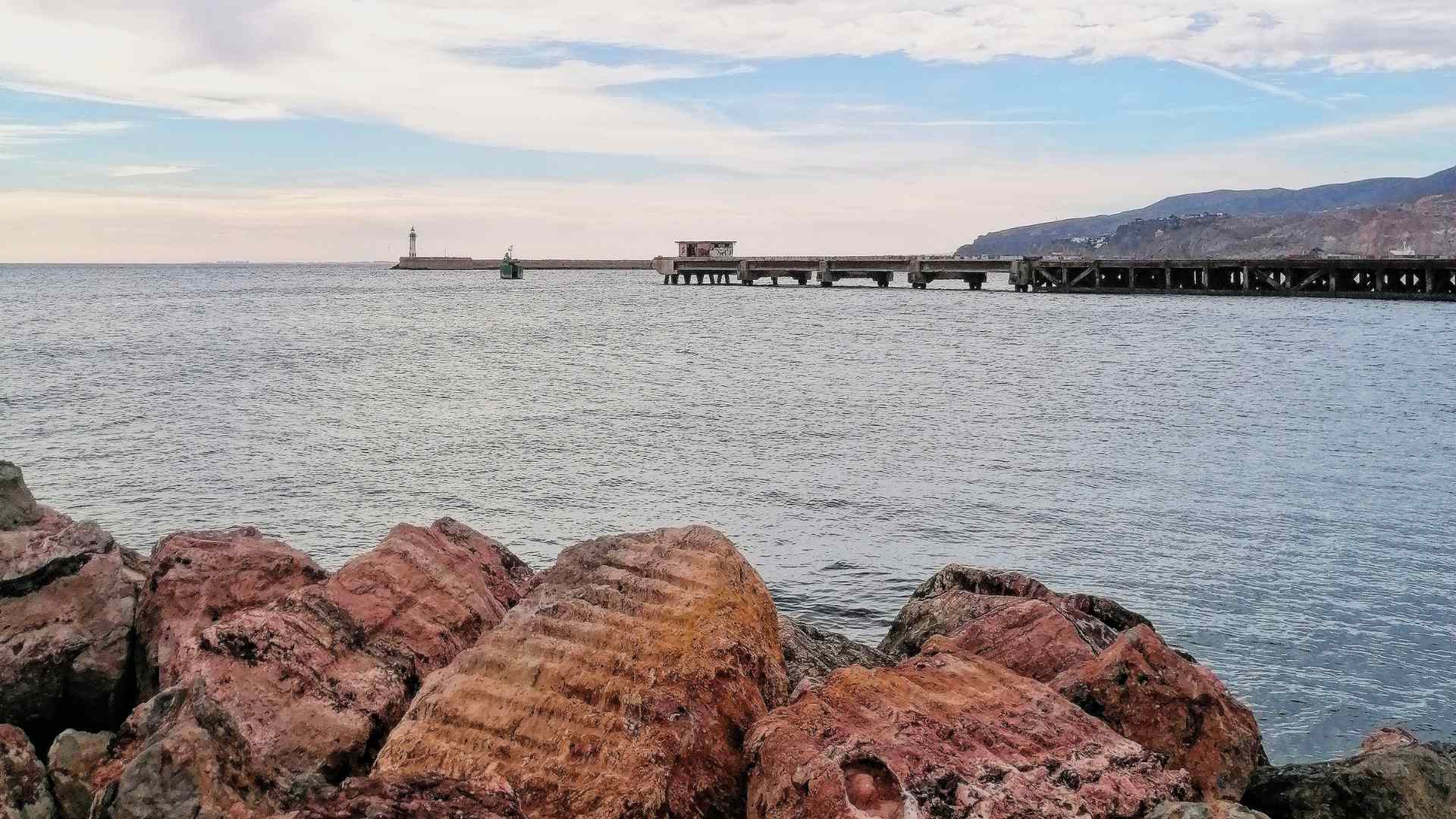
The Cable Inglés, or English Pier, is a striking piece of industrial heritage built for loading iron ore. Restoration has expanded public appreciation of the structure, but current access arrangements should be checked through the city.
Pair it with a seafront walk rather than treating it as a distant standalone attraction. The structure helps explain how mining, rail, and shipping connected inland Almería to global trade.
Nearby beaches can provide a simple swim or walk, depending on season and current local guidance. Follow flags and lifeguards, watch belongings, and remember that a city beach is convenient precisely because many other people have noticed it too.
The port and ferry traffic remain working infrastructure. Stay within public areas and follow signs rather than searching for a shortcut back to the ship through a restricted gate.
For a short call, the waterfront can replace the Alcazaba if hills are unsuitable. Cathedral, market, Cable Inglés, lunch, and a sea view still make a coherent day.
Cabo de Gata needs transport and restraint
Cabo de Gata-Níjar Natural Park protects a volcanic coastal landscape east of Almería, with cliffs, salt flats, beaches, and villages. The Andalusian protected-spaces portal should be used for current access, restrictions, and environmental information.
Do not imagine one roadside stop represents the whole park. Distances between viewpoints, beaches, and settlements add up, while roads and parking can be constrained in busy periods.
A guided excursion makes sense on a cruise call because it controls transport and selects legal, practical stops. A rental car offers flexibility but adds paperwork, navigation, parking, and the responsibility of being back on time.
Las Salinas may offer birdlife, including flamingos at some times, but wildlife is seasonal and never guaranteed. Bring binoculars, keep distance, and use designated observation areas rather than approaching birds for a better photograph.
Beaches and coves vary in access, services, surf, and walking difficulty. Choose based on official local information that day, and do not assume an isolated beach has shade, water, lifeguards, or phone coverage.
The park is best on a long call. On a short one, too much of the day disappears into the road while the Alcazaba sits practically waving from town.
Tabernas: landscape, not just movie nostalgia
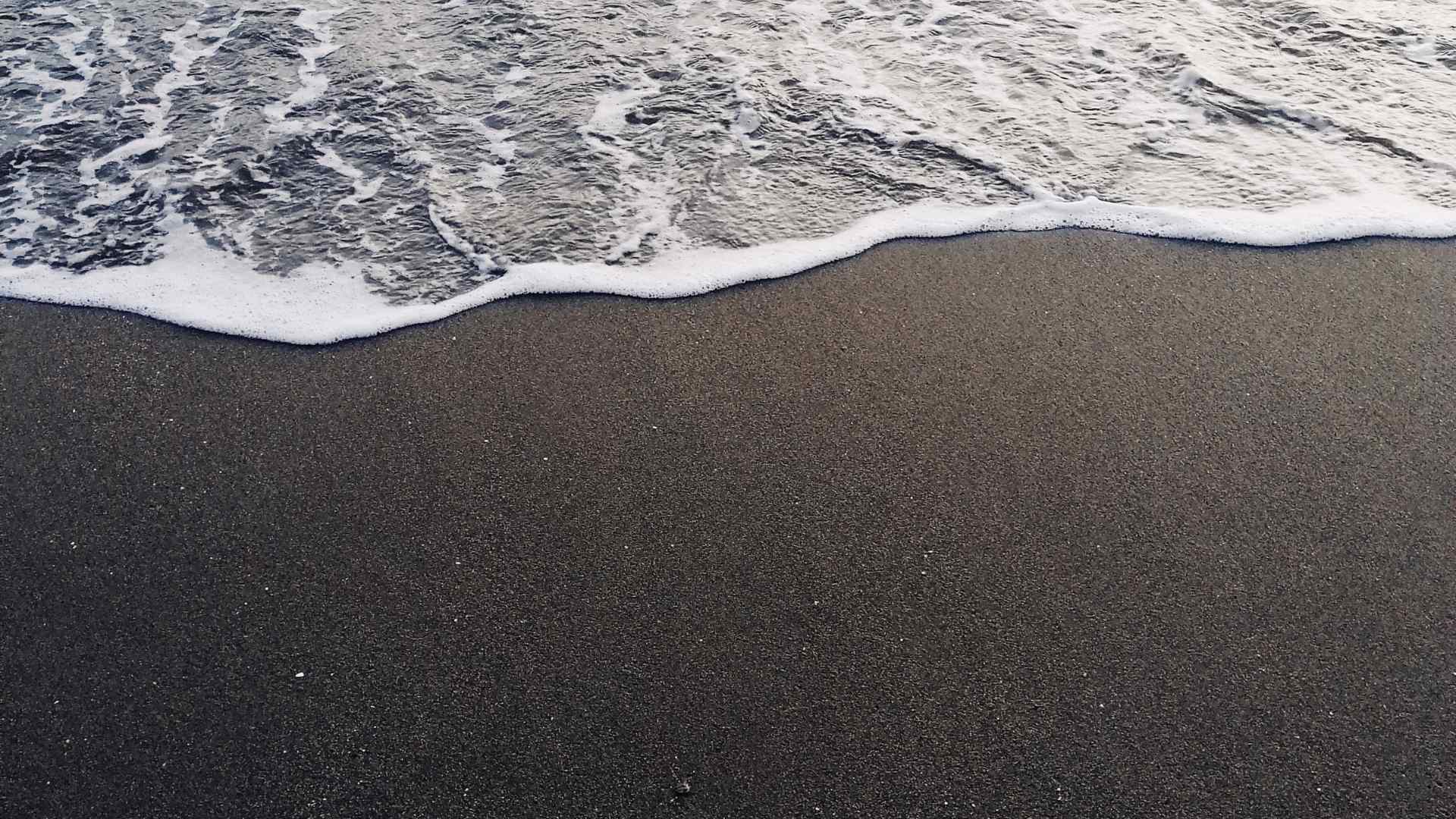
The Tabernas area north of Almería is known for its arid scenery and long association with film production. Organized tours may combine viewpoints, sets, or themed attractions, but those are separate experiences with different operators and opening patterns.
Decide whether you want natural landscape, cinema history, or an entertainment park. Marketing sometimes bundles them into one dusty cowboy hat, while the actual visits differ considerably.
Summer heat can be severe, and shade may be limited. Take water, sun protection, closed shoes, and an honest view of the group’s heat tolerance.
Independent travel again requires reliable transport and margin. A ship excursion may feel less adventurous, but missing all-aboard because a desert road looked straightforward is not the kind of independent travel story anybody wants.
I would choose Cabo de Gata for geology and coast, Tabernas for arid landscape and film interest, and the city for history and food. Combining all three in one call is an excellent way to spend a day inside a vehicle.
Three plans that respect the clock
Three to four hours
Stay in town and pick either the Alcazaba or the lower city, not both at speed. Add the cathedral, a market or tapas stop, and a waterfront walk if the ship’s berth permits.
This is the safest response to a short or delayed call. It also keeps you near shade and indoor alternatives when the forecast is fierce.
Five to six hours
Visit the Alcazaba first, descend to the cathedral and market, then finish at Cable Inglés or the seafront. Reserve the Civil War shelters only if the timed entry fits naturally.
This is my first-visit choice because every stop contributes a different chapter. Its main challenge is the uphill beginning.
A full day
Choose one regional excursion, Cabo de Gata or Tabernas, and then use remaining time for a brief city walk. Keep the Alcazaba for another visit unless the excursion specifically includes it with a credible schedule.
For broader planning, the CruisePorts.co Motril guide offers a useful comparison with another Andalusian gateway. Almería is a place where staying local is often more rewarding than pursuing a famous name many miles away.
Accessibility, safety, and weather
The lower waterfront and central streets are generally more manageable than the Alcazaba hill. Historic paving, gradients, stairs, and heat still require route planning, while individual port shuttles or taxis vary in accessibility.
Contact the Alcazaba and other timed attractions for current step-free routes, elevators, accessible entrances, and closures. Historic sites can have partial access even when a main route is adapted.
Almería is notably dry, but rain can make stone slick and occasionally disrupt outdoor plans. Wind affects exposed coastlines, while summer sun makes dehydration and heat illness the more routine concerns.
Use licensed taxis, control valuables in crowds, and follow beach flags and park restrictions. These are ordinary precautions, not reasons to approach the city with suspicion.
The official Almería tourism site is the best starting point for current city routes, reservations, and events. Pair it with the ship’s information rather than relying on a static port-day timetable.
My verdict
First-time visitors should stay in Almería for the Alcazaba, cathedral, market, tapas, and industrial waterfront. The city is distinctive, manageable, and far less vulnerable to traffic than a regional sprint.
Choose Cabo de Gata or Tabernas only when one genuinely excites you and the call is long enough. Almería rewards a clear decision, while trying to collect fortress, desert, and coast in one day mostly rewards the motorcoach seat.
How this guide was researched: Unless a first-hand visit is explicitly identified above, this guide is based on independent research using official port, tourism, transit, government, and attraction sources where available. Logistics and time-sensitive details were reviewed September 11, 2026; see our Editorial Policy.