Cyprus Cruise Ports: The Complete Guide to Every Stop
Cyprus is one of those cruise destinations that can feel like several vacations compressed into a single day. You can stand above a Greco-Roman theater in the morning, eat grilled halloumi in a mountain village at lunch, and swim in clear Mediterranean water before returning to the ship.
Most cruise travelers meet the island through Limassol, the main all-purpose gateway on the south coast. Smaller itineraries may call near Ayia Napa, while Larnaca and Paphos appear less consistently and should always be treated as itinerary-specific ports.
The smartest plan begins with the exact berth or anchorage shown by your cruise line. Cyprus is compact on a map, but a port day can disappear quickly when an archaeological site, beach, or village sits well beyond the waterfront.
Quick Facts
- Main cruise gateway: Limassol, with a modern port west of the city center
- Smaller cruise call: Ayia Napa, often involving a tender and weather-dependent landing
- Occasional calls: Larnaca and Paphos, depending on ship size and itinerary
- Currency: Euro
- Driving: Traffic keeps to the left
- Language: Greek is the principal official language in the Republic of Cyprus, and English is widely used in tourism
- Top heritage choices: Kourion, Paphos, Choirokoitia, and the painted churches of the Troodos region
- Best beach day: Ayia Napa and Cape Greco for coves, sea caves, and bright blue water
- Planning priority: Confirm the exact port, tender arrangements, return deadline, and entry requirements with your cruise line
Limassol: The Most Versatile Cyprus Cruise Port
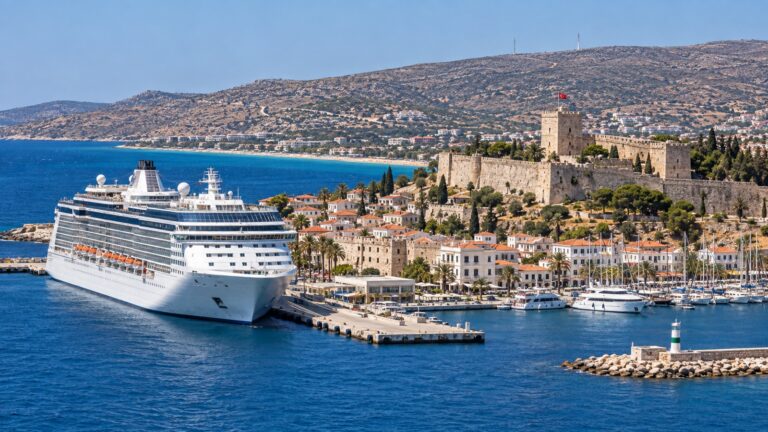
Limassol is the island’s principal cruise gateway and the best choice for travelers who want options. Its location gives you a workable range of city sights, ancient ruins, castles, vineyards, mountain villages, and beaches without committing to a single kind of day.
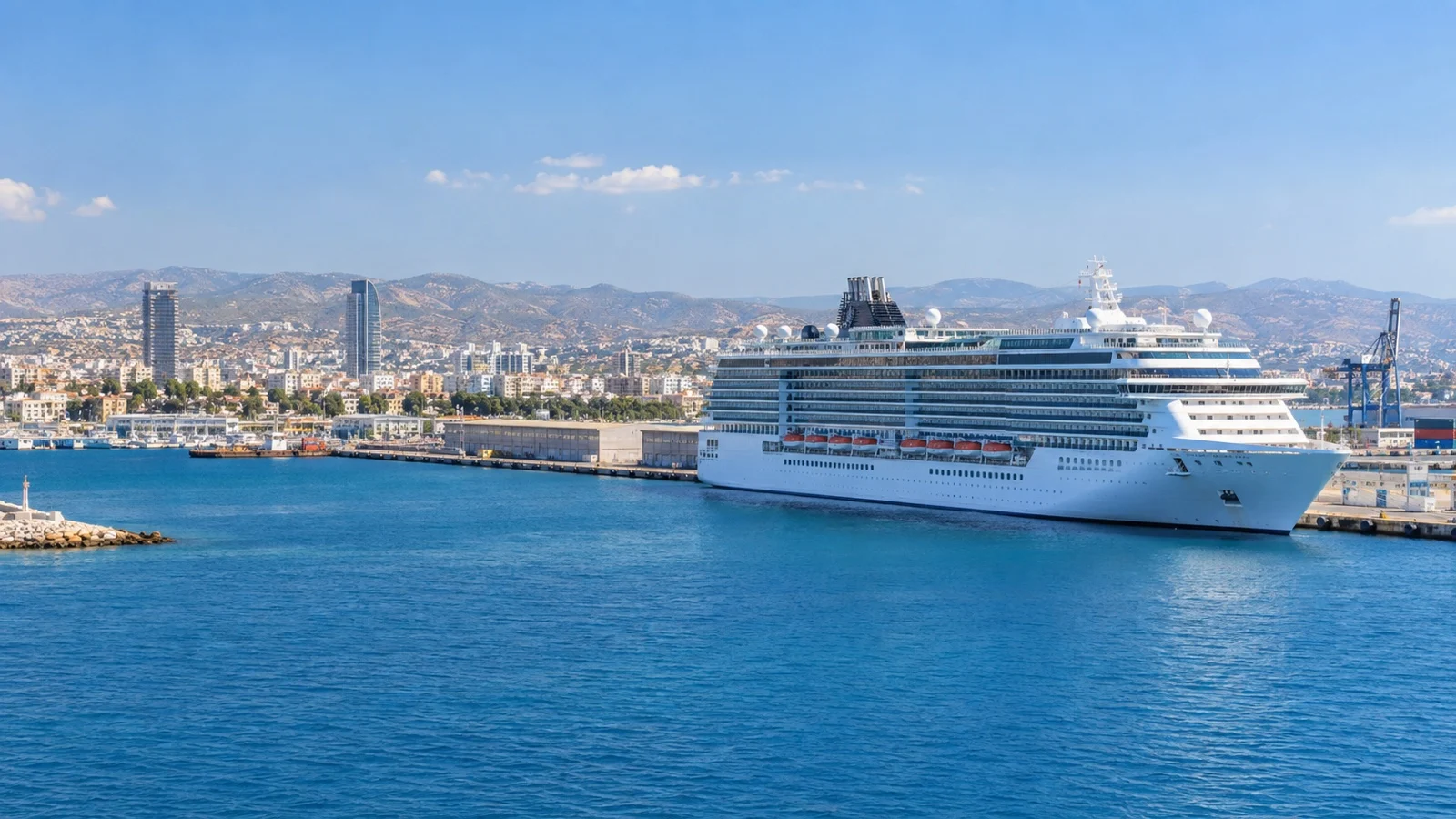
Cruise ships normally use Limassol’s New Port, which lies west of the historic center and marina district. Do not assume you can step off the gangway and begin sightseeing, because the working port layout and security arrangements can require a shuttle, taxi, or prearranged transfer.
The city itself is an easygoing choice when you want to keep the day simple. The seafront promenade, marina area, old streets, shops, cafes, and Limassol Castle district can fill several pleasant hours without the timing pressure of a long island excursion.
I would choose central Limassol on a first visit if the ship has a short call or if the forecast is extremely hot. You still get Cypriot food, waterfront atmosphere, and history, while keeping the return to the port straightforward.
Kourion and Kolossi Castle
Kourion is the standout archaeological excursion from Limassol. The ancient city occupies a dramatic coastal setting, and its theater, mosaics, baths, and broad views make the site feel much more vivid than a quick collection of ruins.
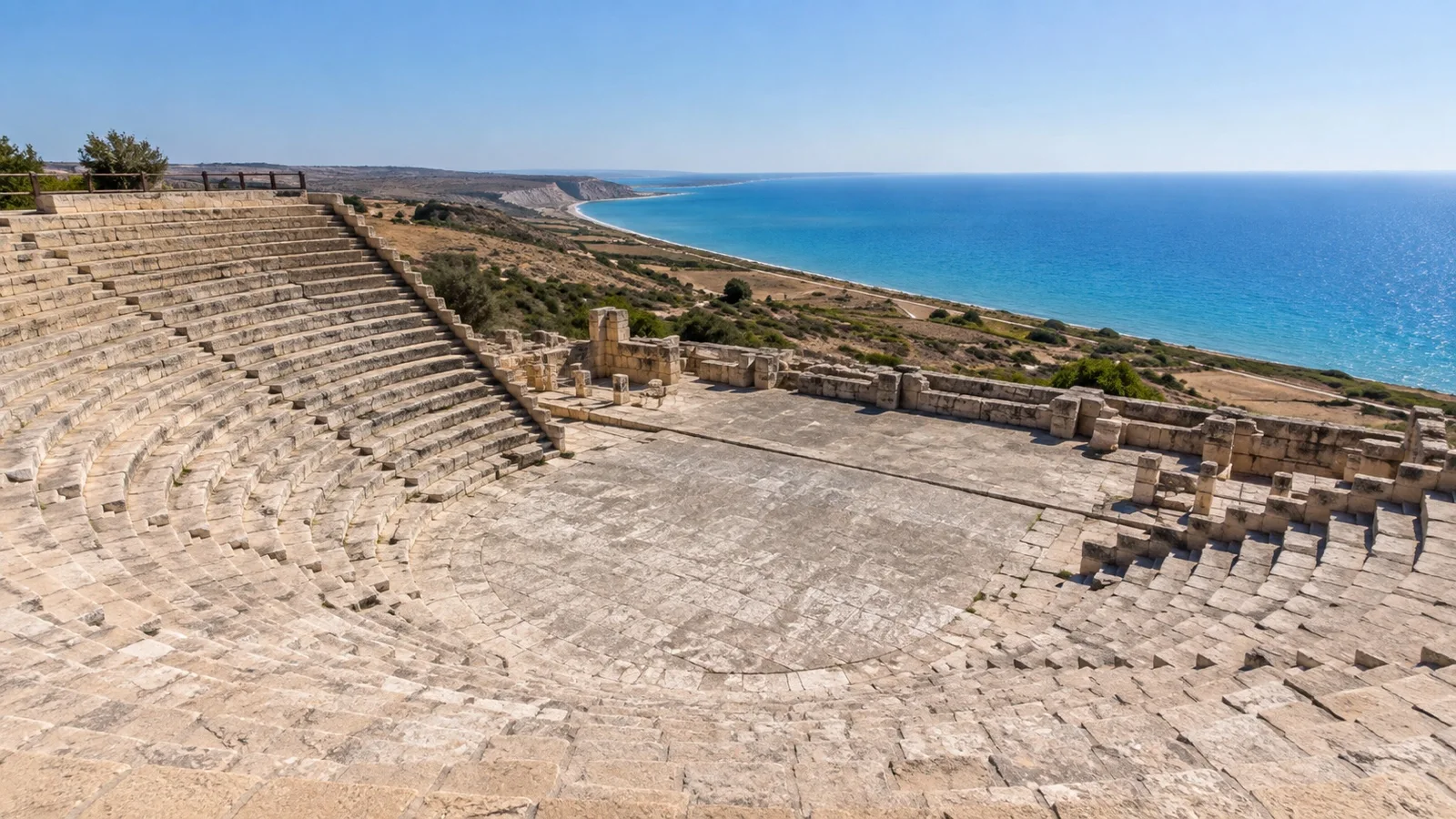
The exposed setting is part of the magic, but it also means strong sun, uneven ground, and limited shade. Wear supportive shoes, carry water, and give yourself more time than the distance on a map suggests.
Kolossi Castle pairs naturally with Kourion because the two sites sit in the same general direction from the port. The compact medieval stronghold tells a different part of the island’s story, including the Knights Hospitaller and the agricultural estates associated with wine and sugar.
A private driver can make this pairing comfortable, but a cruise excursion removes the anxiety of arranging the return. If you go independently, agree on the full itinerary and fare before departure and leave a generous cushion for port traffic.
Troodos Villages and Wine Country
The Troodos foothills reveal a quieter Cyprus of stone lanes, shaded courtyards, vineyards, and family-run places to eat. Omodos is a popular excursion village, with a handsome square and enough atmosphere to reward travelers who enjoy wandering more than checking off monuments.
Mountain drives are slower than coastal drives, so resist the temptation to combine too many villages. One carefully chosen village, a tasting, and a relaxed lunch will usually feel richer than a rushed loop through four stops.
Cyprus wine traditions reach far back into the island’s history, and the sweet Commandaria style is especially associated with the Limassol region. Anyone tasting wine should use a tour or designated driver, especially because visitors unfamiliar with left-side traffic may find the roads demanding.
Nicosia from Limassol
Nicosia can be reached on a long port day, but it is not my automatic recommendation from Limassol. The capital offers museums, historic streets, Venetian walls, and a fascinating modern identity, yet the round-trip drive consumes time that could be spent at closer sites.
If Nicosia is your priority, use a ship excursion or a tightly organized private transfer. Keep any plan near the buffer zone conservative, carry the required documents, and follow current official and cruise-line guidance rather than improvising a crossing.
Ayia Napa: Beaches, Sea Caves, and a Tender Arrival
Ayia Napa gives Cyprus a completely different cruise personality. This southeastern call is about translucent water, sculpted limestone, seaside walks, and a resort town that becomes much calmer when you step away from its nightlife reputation.
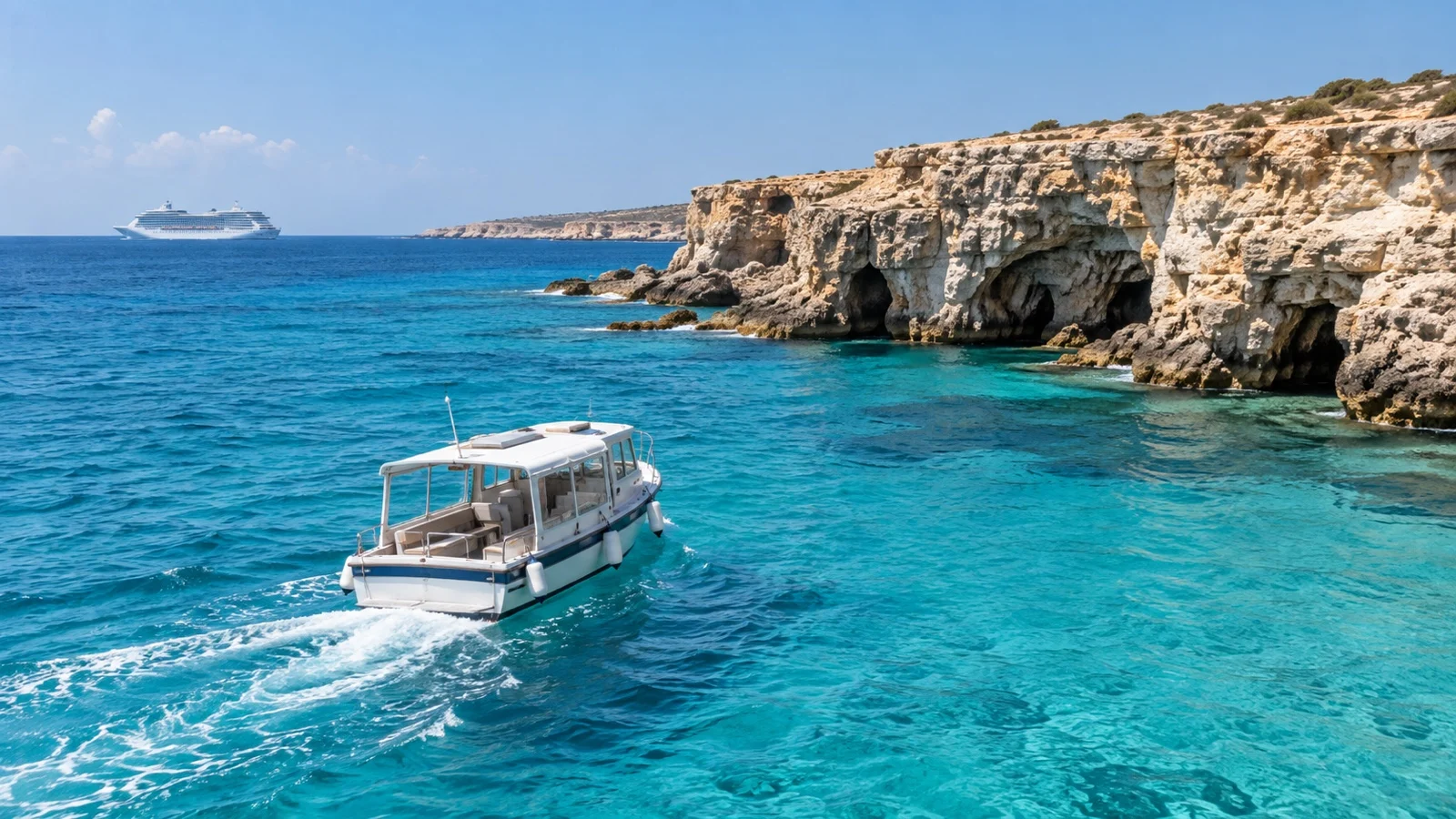
Ships calling here may anchor offshore and use tenders, so the landing time is less predictable than a normal pier arrival. Wind and sea conditions can delay boats, change the landing point, or cancel the call, which makes flexible plans especially valuable.
Cape Greco and the Sea Caves
Cape Greco is the signature nature outing from Ayia Napa. The national forest park area brings together coastal viewpoints, rocky paths, natural arches, sea caves, and coves in a landscape that looks almost too blue to be real.
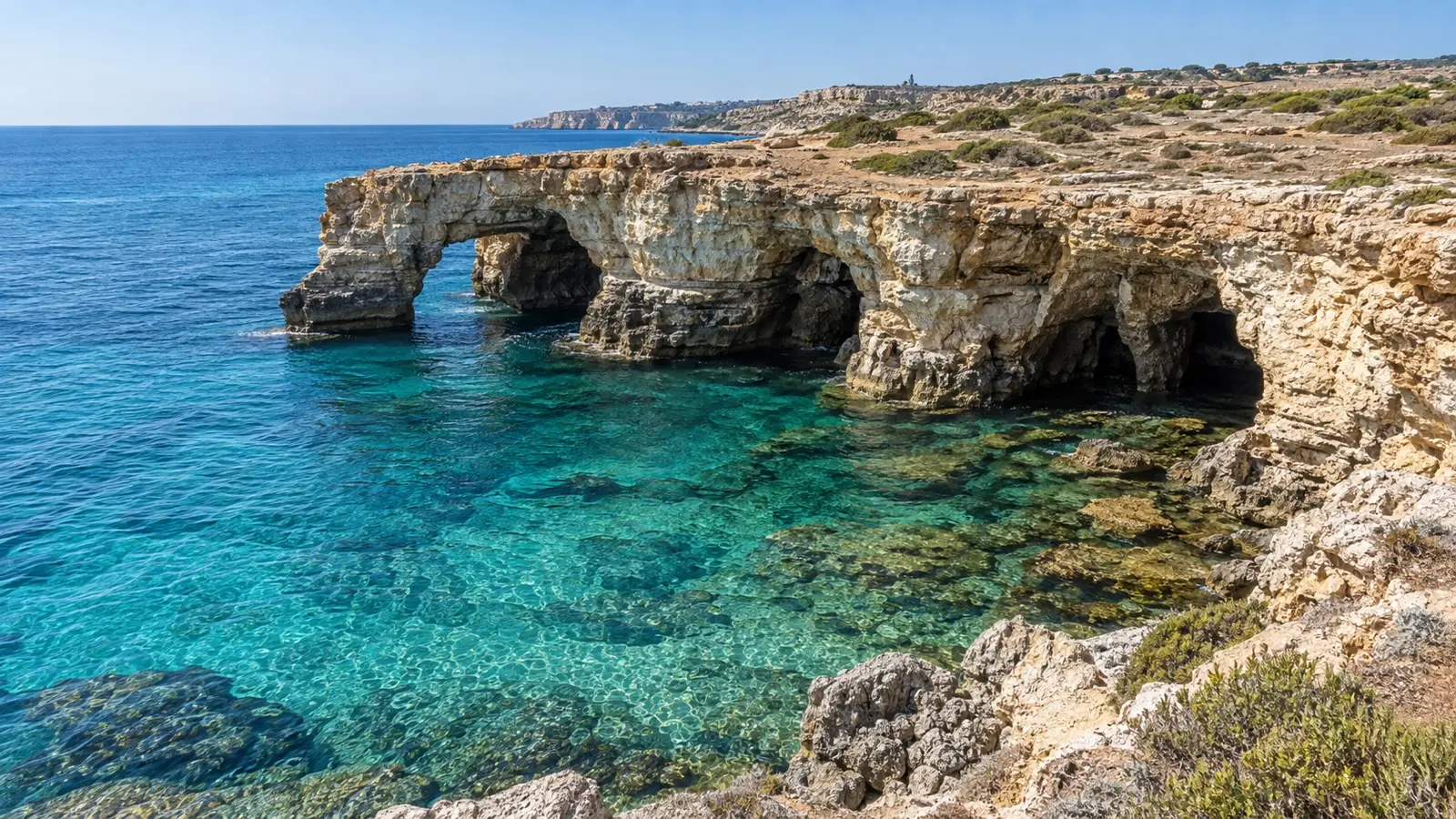
Some viewpoints are easy to reach by road, while other sections involve heat, rocks, and exposed walking. Choose an outing that matches your mobility and never climb onto unstable edges simply because a social media photo makes it look routine.
Boat trips can offer the most memorable perspective on the caves and coast, but cruise passengers must pay close attention to duration and return logistics. A locally sold boat tour is only useful when its schedule leaves a substantial margin before the final tender.
Beaches and the Town Center
Nissi Beach is famous for pale sand and shallow water, though its popularity means it can feel busy during summer. Quieter coves may suit travelers who care more about swimming than beach-club energy, and local conditions should guide the final choice.
In town, the historic monastery provides a peaceful counterpoint to the coast. Nearby streets, cafes, and the seafront promenade make an easy low-stress day when you do not want to depend on a long transfer.
The Thalassa Municipal Museum is worth considering for context on the island’s relationship with the sea. Opening arrangements can change, so confirm the current schedule through the museum or local tourism office before building the day around it.
Larnaca and Paphos: Less Common but Worth Understanding
Larnaca occasionally appears as a Cyprus cruise call, particularly on specialized itineraries. Its palm-lined Finikoudes waterfront, Church of Saint Lazarus, compact center, and salt-lake landscape give it enough variety for a rewarding day without a cross-island sprint.
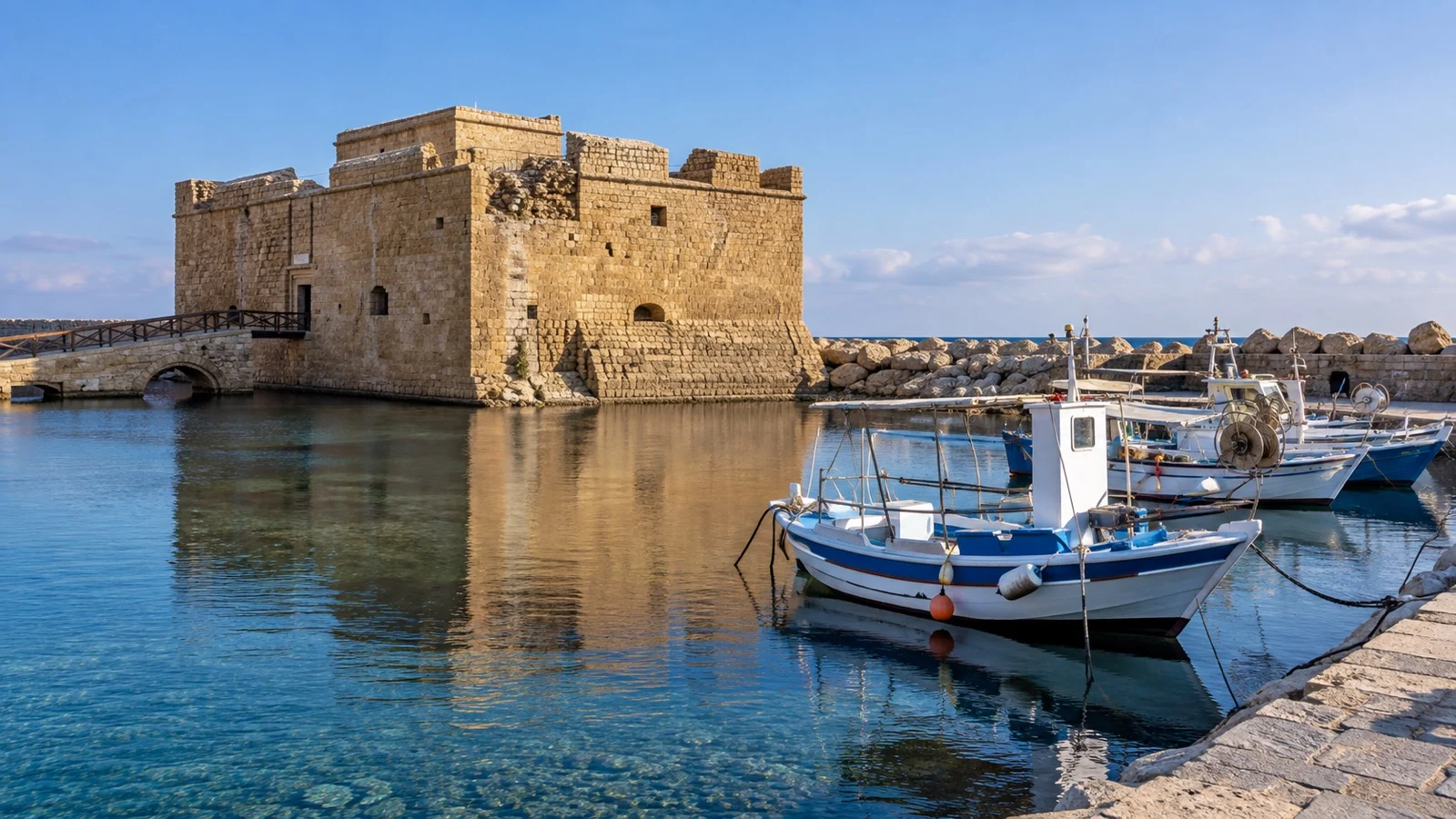
The exact arrival arrangement matters because a commercial port call is not the same as arriving at the central marina. Ask the cruise line whether a shuttle is provided and where independent taxis will meet passengers.
Paphos is one of Cyprus’s great heritage destinations and is recognized by UNESCO for its archaeological importance. The mosaics, tombs, sanctuaries, and layered ancient remains can justify choosing a Paphos-focused itinerary or a dedicated excursion from another port.
Cruise operations around Paphos can be more limited than in Limassol, especially for larger ships. If your itinerary lists Paphos, confirm whether the ship will dock, tender, or substitute another landing arrangement before reserving a nonrefundable tour.
Which Cyprus Port Is Best for You?
Choose Limassol if you want the broadest range of experiences and the most established cruise infrastructure. It is the practical gateway for Kourion, Kolossi, wine villages, Troodos scenery, and a relaxed city day.
Choose Ayia Napa if your ideal Cyprus day centers on swimming, coastal scenery, or Cape Greco. Accept that tendering introduces more uncertainty and keep independent bookings flexible.
Choose Larnaca for an approachable city and waterfront day, especially when you value churches, local streets, and a gentler pace. Choose Paphos when archaeology is the main event and you are prepared to plan carefully around the ship’s arrival method.
There is no single best Cyprus port because the island rewards different priorities. The best choice is the one that lets you enjoy one region deeply without spending half the call watching the road through a bus window.
Getting Around During a Cyprus Port Day
Taxis and prebooked private drivers are the simplest independent options from most cruise arrivals. Ask for the fare or pricing method in advance, confirm whether waiting time is included, and keep the ship’s terminal name and all-aboard time written down.
Public buses can work for a city-focused visit, but they are less forgiving when you are connecting between a secure port, a bus interchange, and a rural attraction. Check the current official timetable on the day of travel and build in time for missed connections.
Rental cars offer freedom, but Cyprus drives on the left and many visitors will be handling an unfamiliar vehicle on unfamiliar roads. Parking, mountain bends, local insurance terms, and the final port deadline can turn a seemingly easy plan into unnecessary stress.
Distances can also be deceptive because archaeological sites and mountain villages do not always connect by fast roads. A simple route with two meaningful stops is almost always better than an ambitious island circuit.
Passports, Entry Rules, and the Green Line
Cyprus is a member of the European Union, but travelers should not casually assume that every border procedure matches a standard trip inside the Schengen Area. Entry requirements depend on nationality, itinerary, ship clearance, and the current rules of the Republic of Cyprus.
Use the Republic of Cyprus authorities and your cruise line as the final sources for passport and visa requirements. Rules and electronic border systems can change, and a blog article should never replace the documents issued for your sailing.
The island remains divided, with a United Nations controlled buffer zone separating areas administered by the Republic of Cyprus from the northern part of the island. A crossing is not a casual add-on to a port day, because documents, vehicle permissions, insurance coverage, timing, and the ship’s policies all require advance checking.
If you are considering a cross-island or cross-buffer-zone excursion, book through a reputable operator that understands cruise deadlines. Never assume a rental car agreement or travel insurance automatically covers every area of the island.
Weather, Heat, and the Best Time to Cruise
Cyprus has long, hot, dry summers and generally mild winters along the coast. July and August are superb for warm water, but exposed ruins can become punishing by late morning.
Spring and autumn are my favorite seasons for a balanced port day because walking, archaeology, and outdoor lunches are usually more comfortable. Winter calls can be pleasantly quiet, although rain, wind, shorter daylight, and reduced seasonal services deserve a backup plan.
Bring a hat, high-protection sunscreen, water, and a light layer for an air-conditioned coach. At religious sites, carry clothing that covers shoulders and knees so you can enter respectfully without changing the entire plan.
Marine weather matters most at tender ports such as Ayia Napa. Even under blue skies, offshore wind or swell can affect the operation, so keep your phone or cruise app available for updates.
Accessibility and Traveling at a Comfortable Pace
Modern terminals and central promenades may be manageable for many travelers, but Cyprus’s historic sites often include cobbles, steps, slopes, gravel, and very little shade. Ask the cruise line or tour operator for specifics about the vehicle, walking distance, restroom access, and terrain.
Kourion can be rewarding even when you do not cover the entire site, provided the itinerary includes suitable viewpoints and drop-off points. Cape Greco outings vary much more, from roadside panoramas to rough coastal paths, so the exact route matters.
Travelers using wheelchairs or mobility aids should arrange accessible transport before arrival rather than expecting a suitable taxi at the gate. Tender calls need extra scrutiny because the ability to board a small boat can depend on the ship’s equipment and sea conditions.
How to Build a Cyprus Cruise Day
Start with the one experience you would regret missing, then build outward. For Limassol that might be Kourion, while for Ayia Napa it might be a swim or a Cape Greco viewpoint.
Next, calculate travel time using the actual port rather than the city name. Add a generous return buffer, especially for a tender call, mountain drive, beach day, or independently booked boat trip.
Choose lunch according to the route instead of chasing a famous restaurant across town. A village taverna near your main sight or a simple waterfront meal often becomes one of the day’s best memories.
Finally, keep one easy alternative ready. Strong wind, summer heat, a changed berth, or a delayed clearance can make the original plan impractical without ruining the day.
My Final Take on Cyprus Cruise Ports
Cyprus works beautifully as a cruise destination because its history, food, landscapes, and beaches sit close enough to create real choice. The danger is trying to sample all of them at once and turning a Mediterranean day into a race.
For a first call, I would use Limassol for Kourion and a relaxed food stop, or Ayia Napa for Cape Greco and time in the water. Pick one strong theme, respect the return deadline, and let the island feel spacious rather than hurried.
Port details, border procedures, attraction hours, and tender arrangements can change, so confirm your plans with your cruise line and the relevant official Cyprus authorities before sailing. This guide is for general trip planning and does not replace current entry, safety, accessibility, or transport advice.