Zadar Cruise Port: Gaženica, Old Town & Tenders
Zadar can place cruise passengers at the modern Gaženica terminal, beside the old peninsula, or on a tender heading toward the historic city port. The old town remains wonderfully compact once you reach it, but the arrival assignment determines transport, accessibility, and the return margin.
Check the official call location before planning a shuttle or private pickup. A Gaženica berth and a peninsula landing describe two very different first minutes ashore.
Quick facts about Zadar cruise port
- Arrival: Gaženica, an old-peninsula berth, or an anchorage with tenders
- Gaženica: Modern passenger terminal roughly 2.5 miles from the old town
- Peninsula: Historic core within an easy walk
- Best easy day: Roman Forum to Sea Organ loop
- Best excursion: One national park with cruise-timed transport
- Currency: Euro
- Language: Croatian
- Main risks: Wrong pickup location, summer traffic, heat, and tender timing
- Return rule: Match the deadline to the actual berth or landing
Three arrival patterns
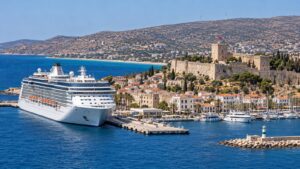
Zadar has two passenger-port areas, with Gaženica south of the center and the city port around the historic peninsula. Large ships commonly use Gaženica, while smaller vessels may berth closer to the old town.
An anchorage can use tenders to the city-port side, placing passengers near central sights after the small-boat transfer. Port traffic, vessel size, draft, weather, and simultaneous calls can change an assignment.
The itinerary word Zadar is not a promise of an old-town gangway. Use the cruise line’s current notice and Port of Zadar Authority call information close to arrival.
Gaženica for larger ships
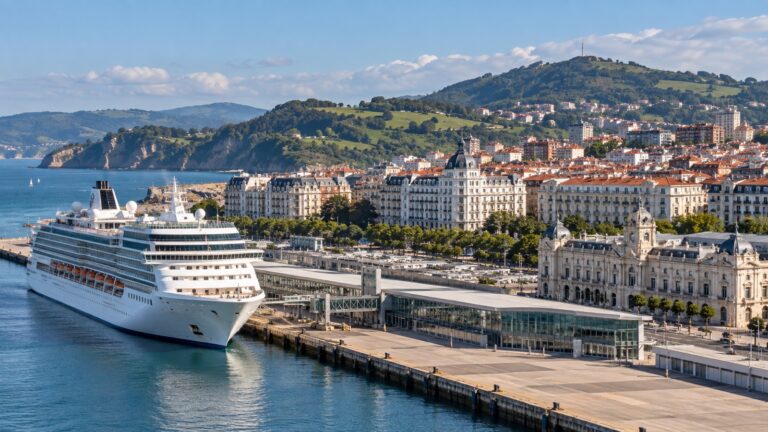
Gaženica is a purpose-built passenger complex with large berths, terminal facilities, coach areas, taxis, and direct road access. The old peninsula sits roughly 2.5 miles away, making transport the sensible start for most travelers.
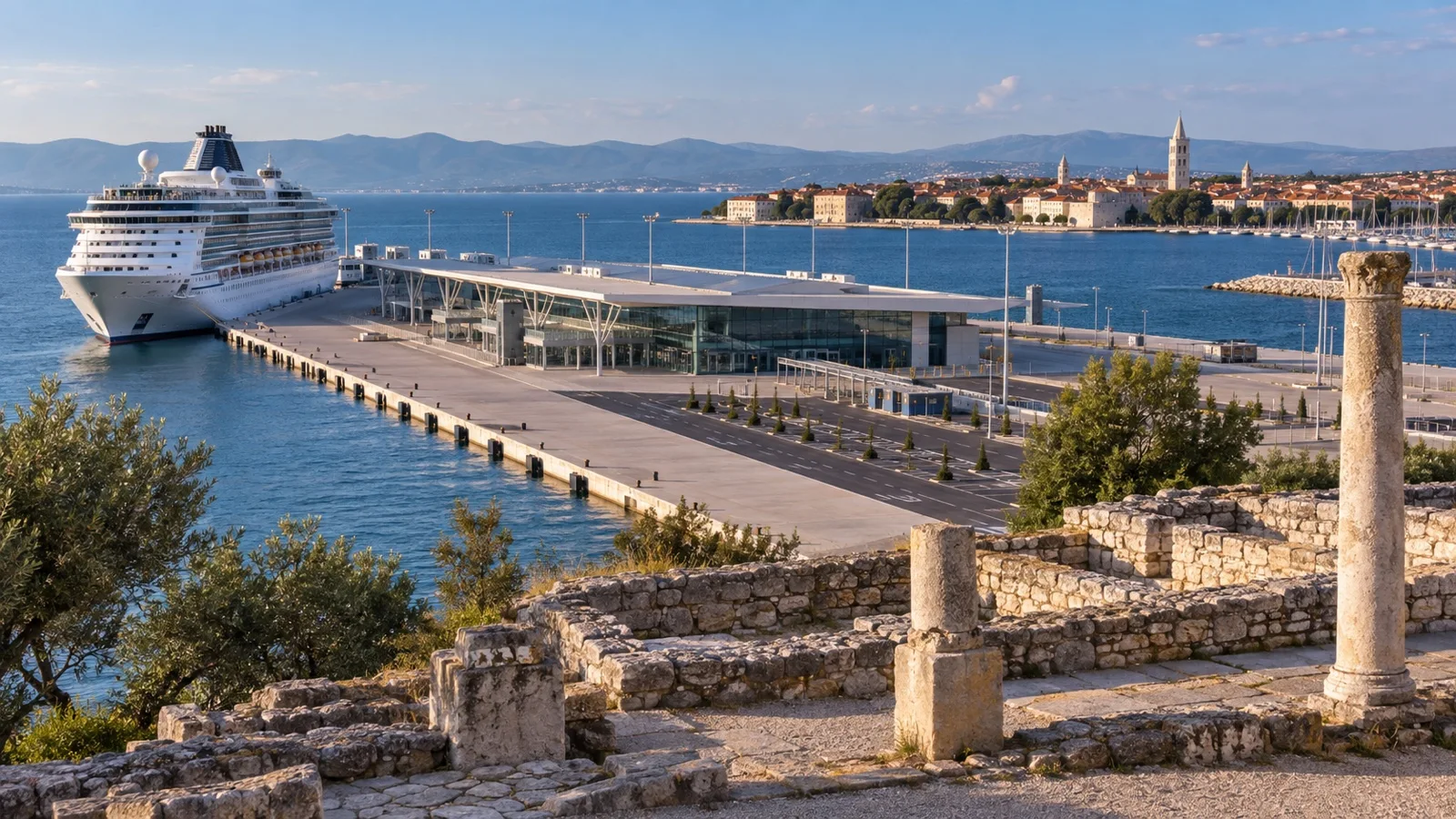
A cruise line or local operator may offer a city shuttle, but price, frequency, endpoint, and accessible capacity vary by call. Ask where it drops, when the last return leaves, and whether the ticket covers both directions.
Walking is possible for strong travelers but is not the best use of a short call or a hot summer day. The route includes ordinary roads and urban stretches before reaching the rewarding waterfront.
Peninsula berth or tender landing
A smaller ship berthed beside the peninsula puts Roman remains, churches, cafes, lanes, and waterfront installations within easy reach. Save the gangway position because the city’s stone streets can make several return corners look equally plausible.
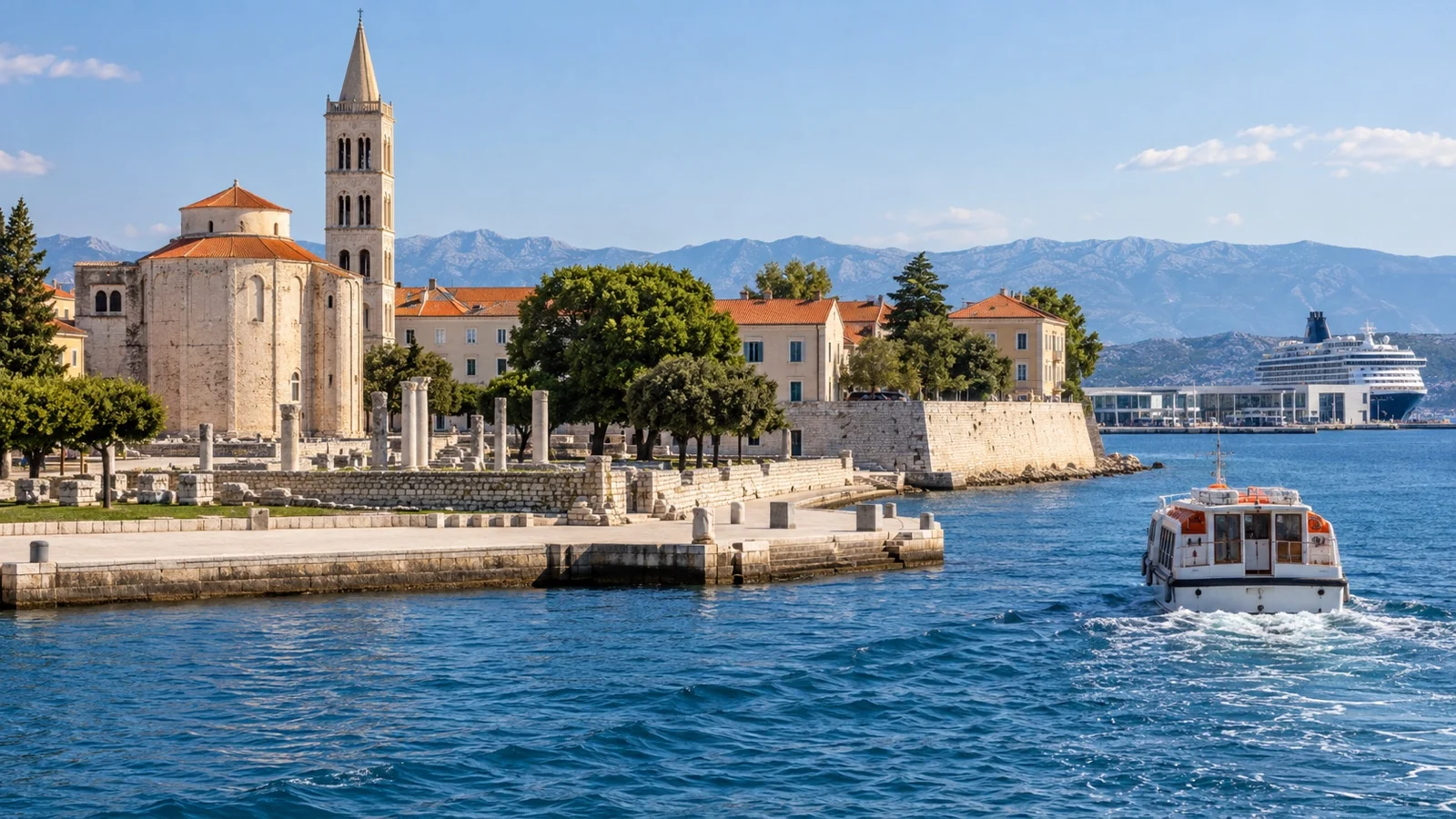
A tender landing also brings passengers close to the historic core but consumes time at both ends. Independent travelers should never book a driver for the published arrival minute because excursion priority and boat queues may delay them.
Ask whether mobility devices can travel in the tender and note the final boat before beginning the day. Wind and sea state can alter operations even when the city itself looks calm.
Getting from Gaženica to the old town
Use the confirmed ship shuttle, an official taxi, or current local bus information. Public transport is designed for the city rather than around one ship, so check the call-date schedule and transfer pattern.
Taxis can be economical for a small group, although queues grow after clearance. Confirm the fare and exact return pickup point because much of the old town is pedestrian.
Road time may be modest in ordinary conditions but expands with summer traffic and multiple ships. Keep the return address in Croatian and save the terminal gate offline.
A Roman Forum to Sea Organ loop
Begin at the Roman Forum and the round Church of Saint Donatus, then look toward the Cathedral of Saint Anastasia. These landmarks sit close together, though interiors, towers, and museums keep individual opening and ticket rules.
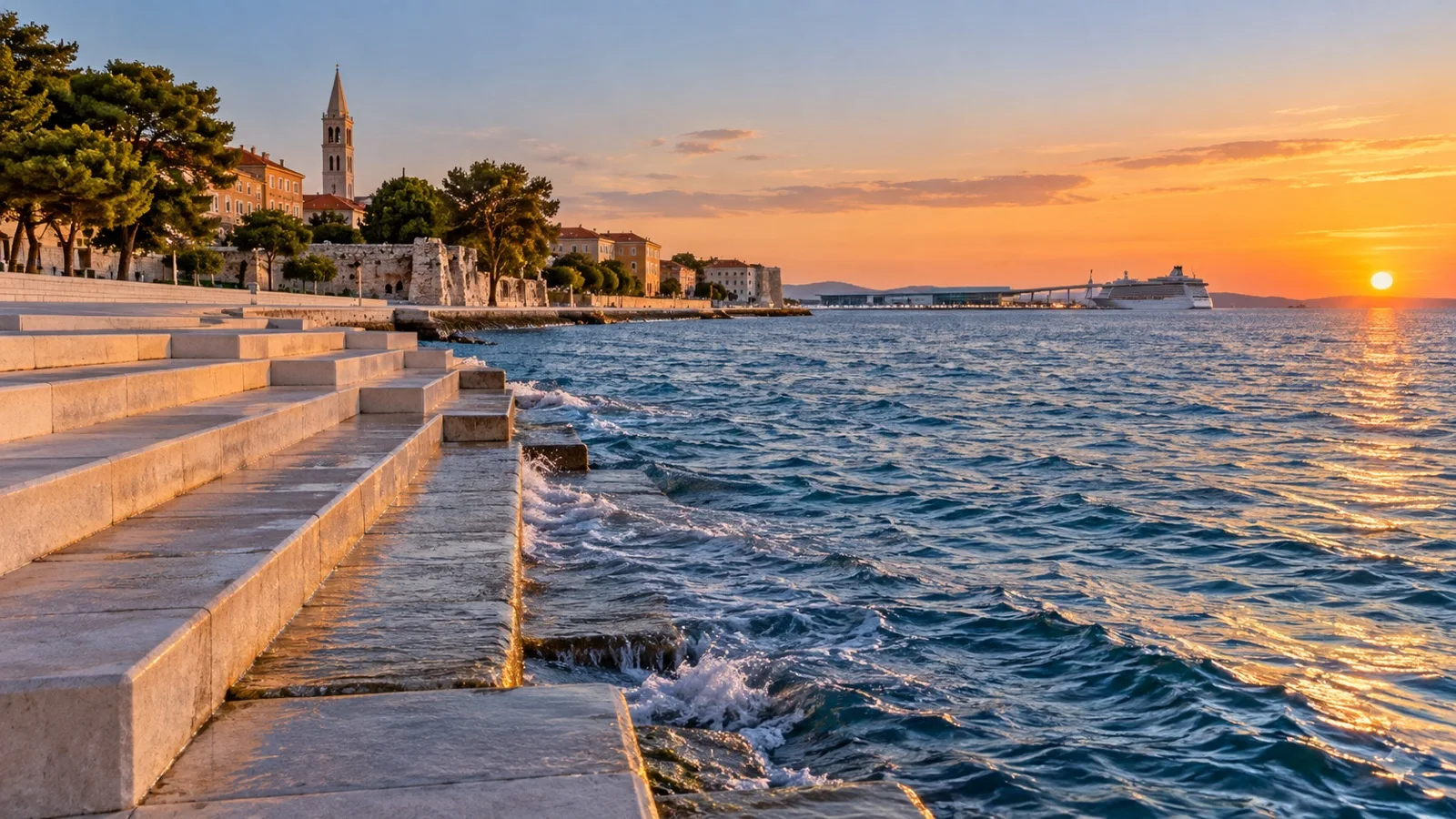
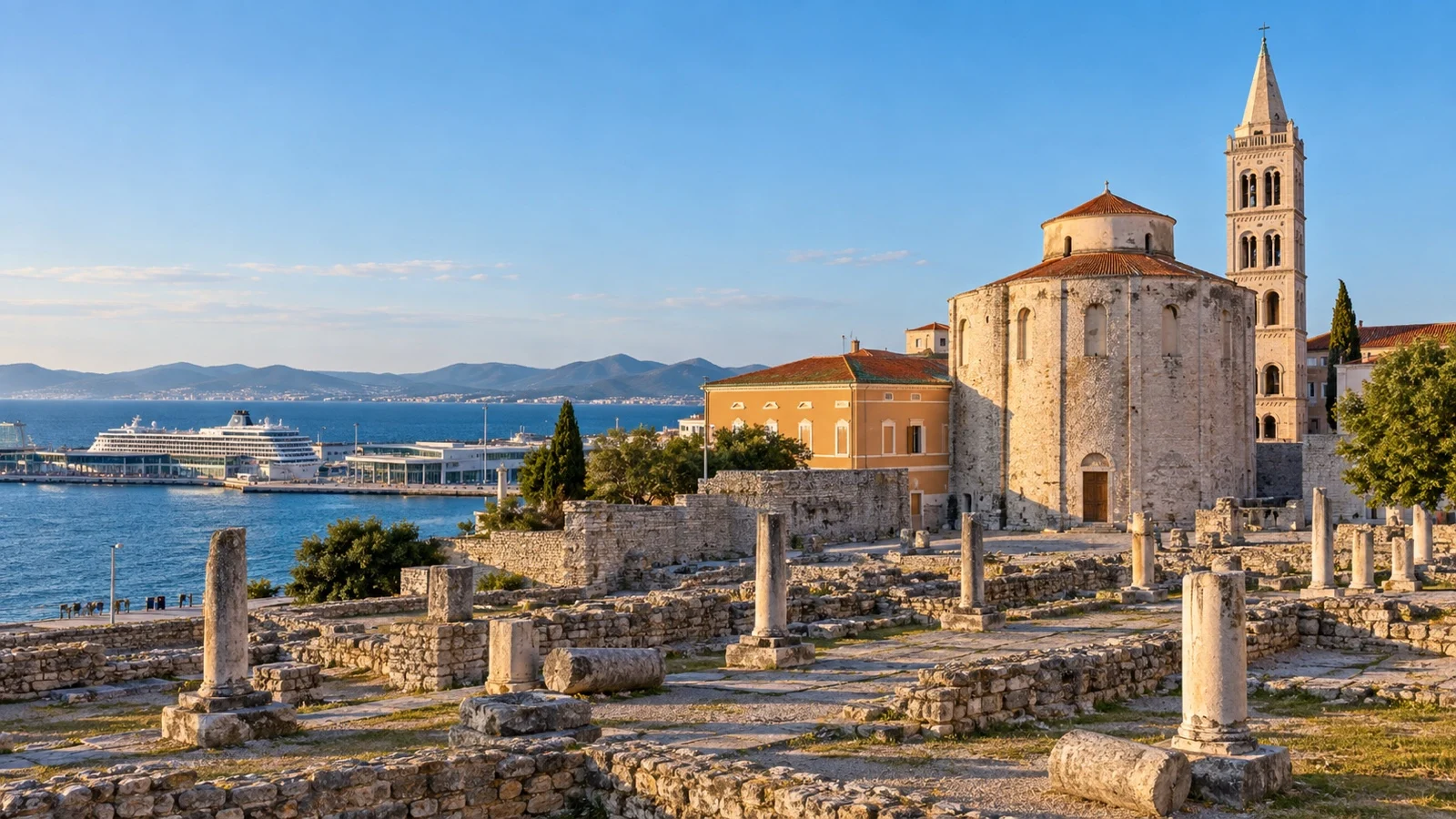
Continue through old streets toward People’s Square and the market before reaching the waterfront. This route combines history, local life, and sea views without drawing an itinerary that crosses the peninsula repeatedly.
The Sea Organ turns wave movement into shifting sounds through pipes beneath the promenade. Nearby, Greeting to the Sun uses solar elements and becomes most dramatic after dark, although its circular form remains interesting during a daytime call.
Pause for coffee, gelato, or lunch and then return through the lanes. The loop can be expanded with one museum or tower and shortened instantly when the shuttle or tender clock demands it.
Krka National Park
Krka is a realistic but substantial road excursion from Zadar and should replace the city day rather than follow it. The visitor route, entrance, boat services, road conditions, and seasonal procedures affect the true time required.
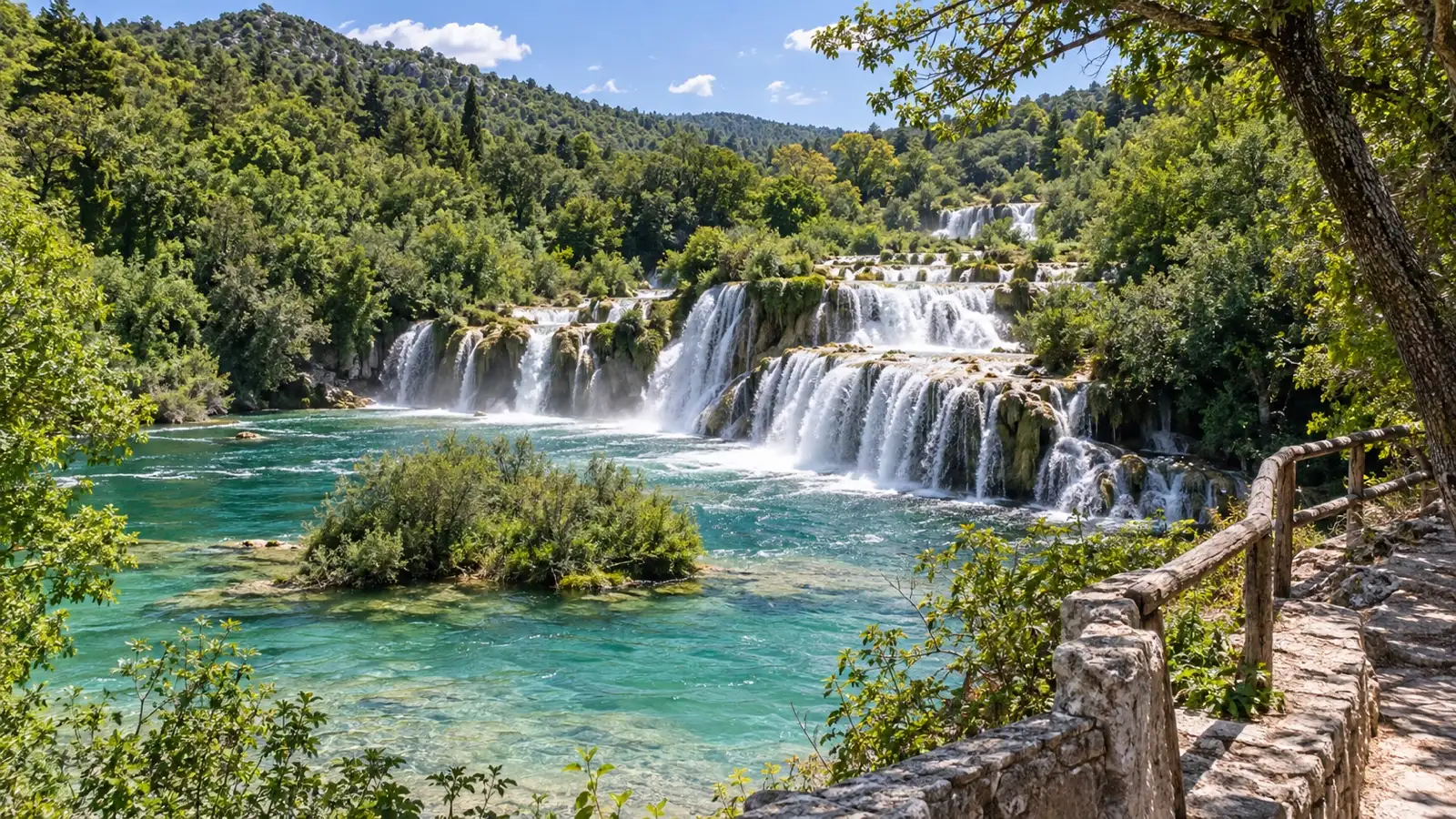
Swimming rules have changed, and famous old photographs do not grant permission to enter restricted water. Follow current park signs and use only a location explicitly open for swimming, if one is available.
A ship excursion or cruise-timed local tour is the sensible arrangement. Ask which entrance is used, how far guests walk, what surfaces and steps occur, and when the coach reaches the port.
Paklenica for active travelers
Paklenica offers dramatic limestone canyons and hiking closer to Zadar than some regional attractions. It still requires a vehicle, proper footwear, sun planning, and a route matched to fitness.
A scenic lower-canyon visit can fit a cruise call, while a long mountain hike creates unnecessary return risk. Confirm elevation, shade, restroom access, trail status, and the firm turnaround time.
Kornati by boat
Kornati’s island scenery is famous, but standard day boats often follow resort schedules rather than a cruise ship’s all-aboard time. Use only a ship-sponsored or call-specific marine excursion with a protected early return.
Ask which islands or waters are visited, whether park admission is included, what vessel and life jackets are used, and how weather affects cancellation. A beautiful archipelago is not a reason to depend on the day’s last possible boat.
Accessibility by arrival point
Gaženica is modern, but the distance from gangway through the terminal and the availability of a low-floor shuttle still matter. Ask the ship for a complete step-free route to the public pickup area.
The old peninsula is mostly level, with wide waterfront sections and many pedestrian streets. Polished stone, drainage channels, curbs, crowds, church thresholds, and tower stairs create local barriers.
Tender transfer depends on sea state, equipment, and ship policy. National park excursions require exact information on surfaces, grades, walking distance, vehicle steps, and accessible restrooms.
Weather, crowds, and practical safety
Summer is hot, bright, and busy, with pale stone reflecting sun and little shade on parts of the waterfront. Carry water, sunscreen, a hat, and shoes with grip.
Spring and fall can bring wind or rain, affecting tenders and making smooth stone slick. Keep valuables secure in crowded lanes and use licensed transportation.
Croatia’s emergency number is 112, while the ship’s port agent is the first contact for a serious return problem. Download the terminal details before leaving in case mobile data weakens.
Entry and park protection
Croatia is inside the Schengen Area, and entry procedures depend on nationality and the wider itinerary. Follow official European Union travel information and the cruise line rather than buying an authorization from an unofficial seller.
Carry the passport, ship card, or photo identification specified in the daily program. Group clearance or onboard passport custody does not erase the traveler’s underlying visa requirement.
Krka, Paklenica, and Kornati each have separate access and protection rules. Stay on marked routes, remove nothing, and use authorized boats or entrances.
Three Zadar days that fit
Gaženica city day
Take the confirmed shuttle, taxi, or bus to the peninsula, walk from the Roman Forum to the Sea Organ, enjoy lunch, and return early. Skip a distant park unless it replaces the old town.
Peninsula day
Walk the historic core before crowds peak, choose one paid interior, and finish along the waterfront. Add a museum or cafe without introducing transport pressure.
National park day
Select Krka, Paklenica, or Kornati as the single major excursion with current access confirmed. Use cruise-timed transport and treat any Zadar stop as a bonus.
Return timing by arrival
Gaženica passengers should take an earlier shuttle and allow for terminal security. A peninsula berth needs less road margin, while a tender call uses the last-boat deadline rather than all aboard.
Road and marine excursions need the largest cushion, especially in summer traffic or changing weather. Keep one final attraction optional and follow any stricter ship deadline.
Save the exact berth, landing, shuttle stop, and port-agent number offline. The word Zadar alone is not precise enough when three arrival patterns are possible.
When several ships call together, add time for shuttle lines, taxis, security, and crowded pedestrian lanes. An early return also leaves space for a final coffee without asking the clock to cooperate.
Final thoughts
Zadar rewards travelers who verify the arrival point before romantic planning begins. Once you reach the peninsula, Roman stones, medieval churches, cafes, and the musical waterfront fit together with wonderful ease.
CruisePorts.co provides practical, independent planning guidance for cruise travelers. Port assignments, shuttles, tenders, park access, transport, and weather can change, so verify critical details with official sources and your cruise line before travel.