Motril Cruise Port: Granada and Alhambra Day Trip Guide
Motril is the gateway port for Granada and the Alhambra, but the most important fact is the distance between them. A successful day begins with a realistic transfer plan and a confirmed Alhambra entry, not a hopeful walk off the ship.
Ships normally berth in a working commercial harbor on Spain’s Costa Tropical. Motril, nearby Salobreña, and the coast make rewarding alternatives when the call is too short for Granada or when you have already seen the Alhambra.

My quick take
If the Alhambra is your priority, I would book a ship excursion or a carefully timed independent tour before sailing. Its Nasrid Palaces use a specific admission time, and missing that slot can undo the entire purpose of the trip.
For a lower-pressure day, I would choose hilltop Salobreña, Motril’s sugar heritage, or a coastal outing. Those options keep you near the ship and show a side of Granada province that visitors rushing inland often miss.
Motril cruise port quick facts
- Port: Port of Motril, also marketed as Granada’s seaport
- Arrival style: Cruise ships normally berth alongside
- Main excursion: Granada and the Alhambra
- Closer alternative: Salobreña old town and castle
- Local focus: Sugarcane history, rum, beaches, and seafood
- Currency: Euro
- Planning priority: Protect any timed Alhambra admission
Where your ship docks
The Port Authority of Motril manages a working harbor used by cruise ships, ferries, and cargo traffic. Your assigned berth can vary, so rely on the ship’s daily information rather than a generic map pin.
Large ships generally dock alongside, which makes disembarkation simpler than a tender call. The tradeoff is that the port is not a scenic old-town quay where you step directly into the main visitor district.
Port operations may require a shuttle through restricted areas. Follow the marked route and staff directions, since walking independently across an industrial apron is not an option when access controls are in force.
Getting out of the port
Cruise-day transport can include port shuttles, ship excursion coaches, taxis, and prearranged private vehicles. Availability and drop-off points change by call, so confirm the day’s arrangement onboard or at the terminal.
Motril’s town center is inland from the waterfront and not the same place as the port district. I would use a shuttle or taxi unless the port explicitly provides a safe pedestrian route and you are comfortable with the distance.
Granada requires a significant drive through changing terrain, commonly around an hour each way in favorable conditions. Traffic, road works, coach loading, and the final approach can all stretch that estimate.
For Salobreña, Motril, or a nearby beach, taxis can be practical if you agree on the destination and return plan first. Ask whether the driver will wait, return at a fixed time, or expect you to find another vehicle.

Granada and the Alhambra
The Alhambra is a vast hilltop complex of palaces, fortifications, gardens, and later buildings overlooking Granada. Its celebrated Nasrid Palaces are only one part of the site, but they are the part most likely to determine the timing of your entire day.
Buy only through the official Alhambra ticket platform or a clearly identified authorized tour provider. Popular dates can sell out, and vague promises of access are not equivalent to a ticket that includes the spaces you intend to see.
Tickets are personalized, and the official visitor instructions explain which identification must be presented. Carry the same valid document associated with the reservation and make sure every member of the group has the required information.
Your Nasrid Palaces admission has a specific time, and late arrival can mean losing access. I would aim to be within the complex well before that slot because the entrances and walking routes are not all beside one another.
The Generalife gardens, Alcazaba, Palace of Charles V, and broad views over Granada deserve time rather than being treated as corridors to the Nasrid Palaces. Check the exact inclusions on your ticket because different products grant different access.
The site contains slopes, uneven historic surfaces, and considerable walking. Review the Patronato de la Alhambra visitor guidance for current hours, access rules, prohibited items, and mobility information before departure.
Ship excursion or independent visit
A ship excursion costs more than assembling the pieces yourself, but it places transport and schedule coordination with the cruise operator. That protection matters on a call where one delayed road transfer can consume the margin.
An independent tour can offer a smaller group and more control. I would book with a provider who names the actual admission included, confirms the Nasrid Palaces time, and gives a written return plan tied to the ship.
Driving yourself adds parking, navigation, ticket timing, and rental pickup to an already ambitious day. Unless the ship remains in port for a long time, that combination creates more friction than freedom.
Public transportation is better suited to an overnight stay than a typical port call. Transfers between the harbor, bus services, Granada, and the Alhambra introduce too many points of failure for a fixed sailing time.
What else to see in Granada
If your excursion includes central Granada, the cathedral area and the former silk-market streets add a different layer to the day. The Albaicín offers famous views toward the Alhambra, but its steep lanes require time and sturdy footwear.
I would not promise myself a full Alhambra visit, a deep Albaicín walk, cathedral interiors, lunch, and shopping on a standard call. Pick one supporting experience and preserve the return buffer.
Granada’s tapas culture is tempting, yet a leisurely meal can collide with palace entry or coach departure. On an excursion day, I prefer a simple lunch at the time and place that keeps the schedule intact.
Salobreña, the smart nearby alternative
Salobreña rises above the coastal plain a short drive west of Motril. Whitewashed lanes climb toward its hilltop castle, with views across tiled roofs, farmland, mountains, and the Mediterranean.
The castle is the headline, but the old town itself supplies much of the atmosphere. Expect slopes, steps, polished paving, and limited shade rather than an effortless flat stroll.
Current opening information should be checked through Salobreña’s official tourism office. Historic sites can alter hours for seasonal schedules, maintenance, weather, or local events.
I like Salobreña for travelers who want a distinctly Andalusian setting without spending two long stretches on the road to Granada. It also pairs more naturally with a coastal lunch or brief beach stop.
A local day in Motril
Motril’s story is closely tied to sugarcane cultivation and processing on the Costa Tropical. The Preindustrial Sugar Cane Museum interprets that history around archaeological remains of a former mill, while local rum production carries the story into another form.
Museum hours and tour languages can be limited, especially outside peak periods. Confirm through Motril’s official tourism resources before basing the day around a particular interior.
The Santuario de Nuestra Señora de la Cabeza occupies an elevated site associated with the city’s patron. It offers local character and views, though opening access should never be assumed from the hours of a nearby attraction.
Motril is less polished than Granada’s monumental center, and that is part of its value. A market, cafe, local museum, and unhurried lunch can reveal an agricultural coastal city rather than another checklist destination.
Beaches and the Costa Tropical
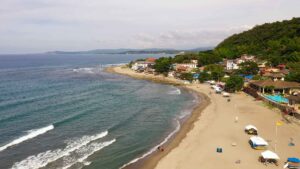
Playa de Poniente and Playa Granada are among the nearby coastal options, but neither should be described as lying at the cruise gangway. Arrange transport and identify the exact meeting point for the ride back.
The Costa Tropical name reflects a mild coastal climate that supports subtropical crops, including avocados and custard apples. A food-focused outing can be more distinctive here than chasing a generic resort beach.
Sea conditions, seasonal services, and lifeguard coverage vary. I would swim only where local guidance permits and keep valuables, heat, and the return journey in mind.
Almuñécar is another coastal possibility, with an old center, viewpoints, and longer tourism history. It sits farther west than Salobreña, so compare the extra road time with what you genuinely gain.
How I would plan by call length
A short call
Stay local with Motril, a nearby beach, or a focused Salobreña visit. I would not attempt the Alhambra unless the cruise line sells a dedicated excursion designed for that exact schedule.
About six to eight useful hours
A prebooked Alhambra excursion may fit, but the palace schedule should drive every other decision. If tickets are unavailable, Salobreña plus Motril makes a calmer and more coherent substitute.
A long daytime call
Granada and the Alhambra become much more comfortable, with possible time for one city stop. I would still resist adding several distant attractions because road delays remain possible regardless of the published call length.
Accessibility and practical comfort
The cruise berth is generally simpler than a tender landing, yet the best-known excursions involve substantial walking. The Alhambra and Salobreña both include gradients and historic surfaces that can be demanding.
Ask the excursion provider which interiors, paths, and transport steps are actually accessible for your equipment. A tour labeled panoramic may offer less walking, but it may also replace key interiors with exterior views.
Summer heat on the coast and in Granada can be intense, while winter conditions inland may feel much cooler than Motril. Carry water where permitted, use sun protection, and dress in layers for the elevation change.
Spain uses the euro, and cards are common in visitor businesses. A small amount of cash is still useful for minor purchases, while large amounts should remain secured.
Timing mistakes I would avoid
Do not confuse ship arrival time with the moment you can board a coach. Clearance, gangway setup, passenger flow, and loading all take time.
Do not book an Alhambra product without checking whether it includes the Nasrid Palaces. Entry to part of the monument is not necessarily the visit you pictured.
Do not schedule the return to reach Motril at all aboard time. Aim for the cruise terminal well before the deadline and preserve a margin for traffic.
Finally, do not let the famous day trip make the port itself sound worthless. The Costa Tropical offers history, landscapes, and food without the logistical pressure of Granada.
Quick answers
Can I walk from the ship into Motril?
The working harbor is separate from the town center, and pedestrian access depends on your berth and port controls. Use the approved shuttle or transport arrangement announced for your call.
How far is the Alhambra from Motril?
Expect roughly an hour of driving each way in good conditions, with extra time for traffic and loading. It is a full excursion, not a nearby port attraction.
Should I buy Alhambra tickets in advance?
Yes, reserve as early as your plans allow through the official platform or a trusted excursion provider. Confirm the ticket type, named visitors, identification requirements, and Nasrid Palaces time.
What is the best alternative to Granada?
Salobreña is my first choice for its castle, white old town, and coastal views. Motril’s sugar heritage and a local meal make a good second half of the day.
My final port-day choice
On a first visit with a long call and confirmed admission, I would choose the Alhambra and accept that it owns the day. I would use the ship excursion when timing is tight and a well-vetted independent transfer only when the margins are generous.
Without an Alhambra ticket, I would not chase a compromised version of the experience. Salobreña, Motril, and the Costa Tropical can deliver a more relaxed day with a much safer return.
For another Andalusian port with a highly walkable center, compare my Málaga cruise port guide. If your itinerary continues east, the Almería cruise port guide covers another gateway to this dry and dramatic coastline.
How this guide was researched: This guide uses current information from the Port Authority of Motril, the Patronato de la Alhambra y Generalife, and official municipal tourism sources. Logistics and time-sensitive details were reviewed in September 2026, and our standards are explained in the Editorial Policy.