Åndalsnes Cruise Port: A Cruiser’s Guide to Trollstigen and the Fjord
Åndalsnes gives cruise travelers an unusually easy arrival in a spectacular Norwegian landscape. Ships berth close to the small town center, the railway station, and the lower station of the Romsdalen Gondola, so you can begin a memorable day without spending its first hour on a shuttle.
The challenge is choosing among several excellent options. Trollstigen, the Rauma Railway, Trollveggen, and the mountain above town pull in different directions, and trying to combine too many of them is the fastest way to turn a beautiful port call into a timetable exercise.
Quick Facts
- Country: Norway
- Region: Romsdal in Møre og Romsdal
- Port style: Town-center berths, with tendering possible when schedules or ship requirements demand it
- Walkability: Excellent for the center, railway station, and gondola base
- Signature sights: Romsdalen Gondola, Rauma Railway, Trollveggen, and Trollstigen
- Currency: Norwegian krone
- Main planning risk: Seasonal roads, mountain weather, and limited excursion capacity
- Best simple day: Gondola plus an unhurried town walk
- Best planning rule: Choose one major mountain or railway experience and protect the return to the ship
Where cruise ships arrive
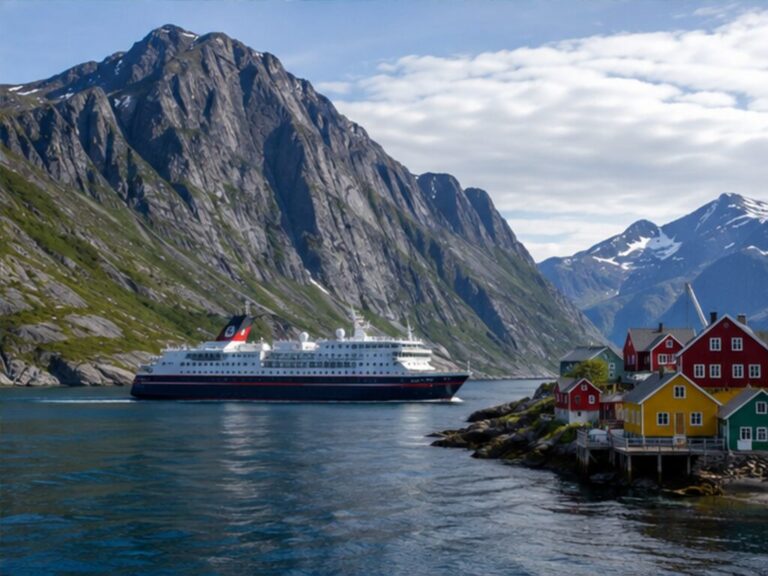
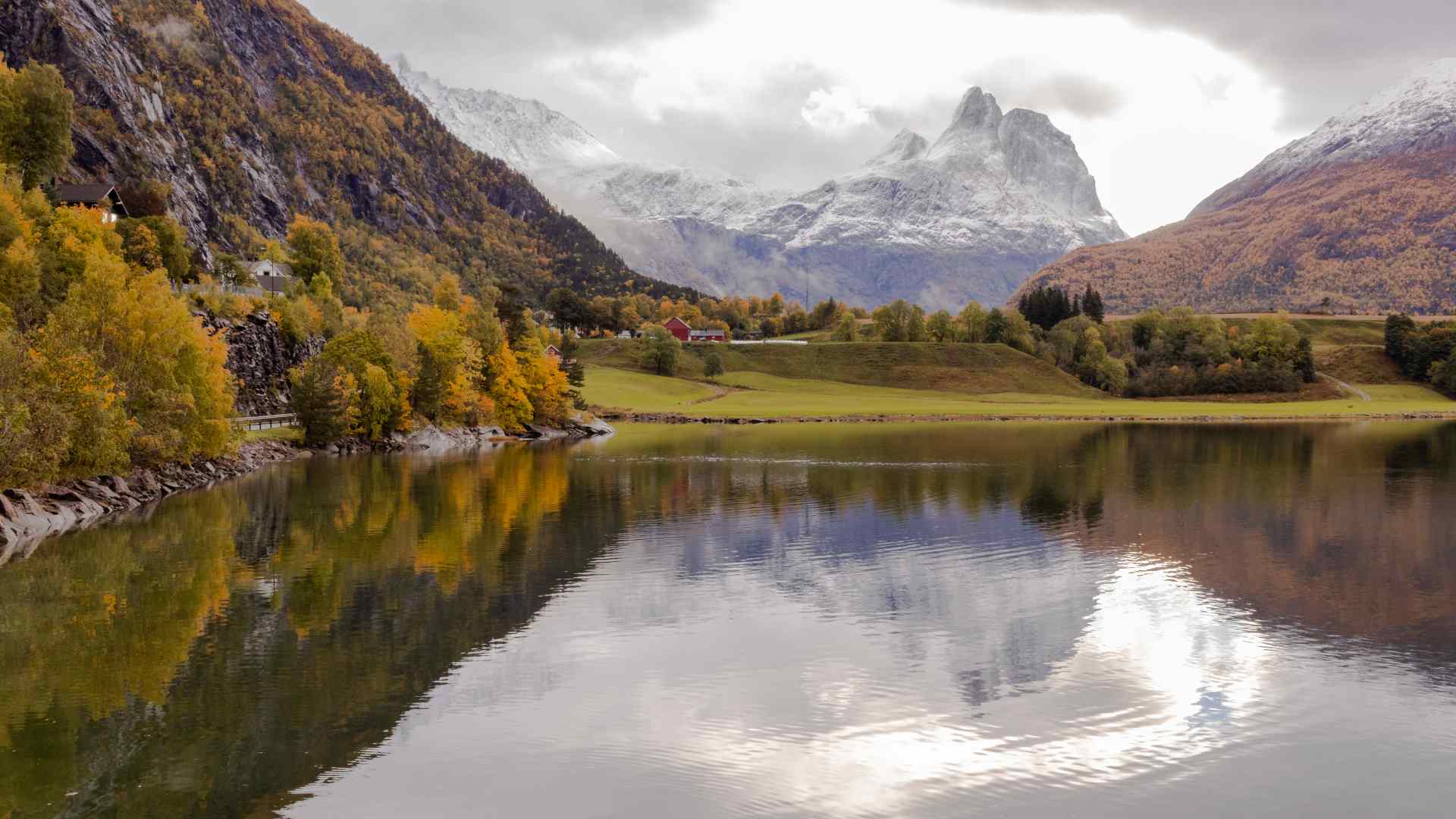
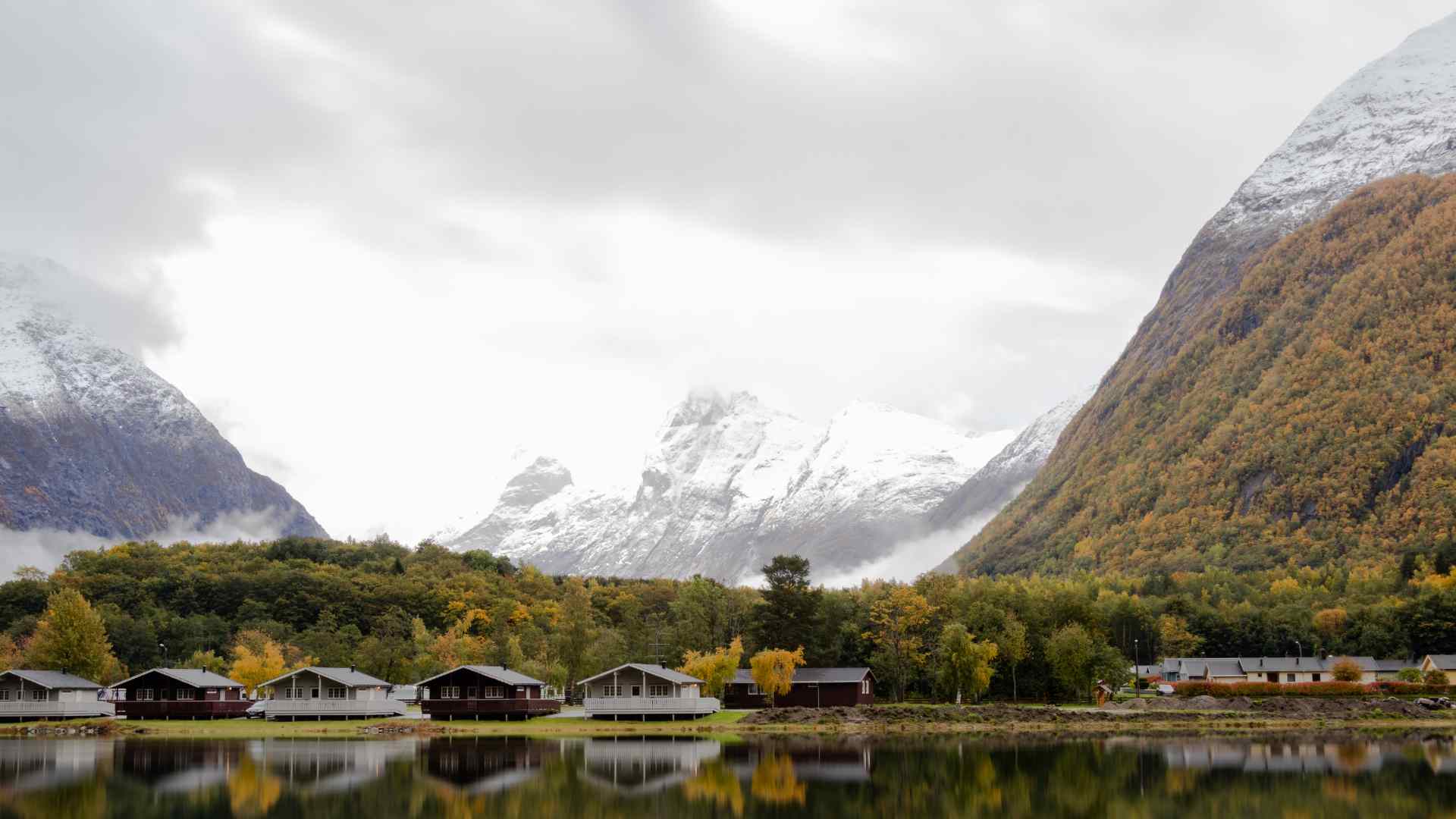
Åndalsnes sits at the head of Romsdalsfjorden, where steep mountains rise almost immediately behind the waterfront. The main cruise berths are beside the compact center, and the railway station stands close to the quay.
Your cruise line’s daily program remains the authority for the exact berth and gangway time. Another ship, weather, or operational needs can change an otherwise simple arrival, so read the onboard notice before making assumptions.
Walking from the ship
Most central errands are easy on foot, including cafés, shops, the station area, and the gondola entrance. Distances are short, but rain, uneven surfaces, construction, and gangway slope can still matter for travelers with limited mobility.
If your ship tenders, add boat queues and the final tender deadline to every plan. Do not treat a tender day as identical to a berth day simply because the landing is central.
The Romsdalen Gondola
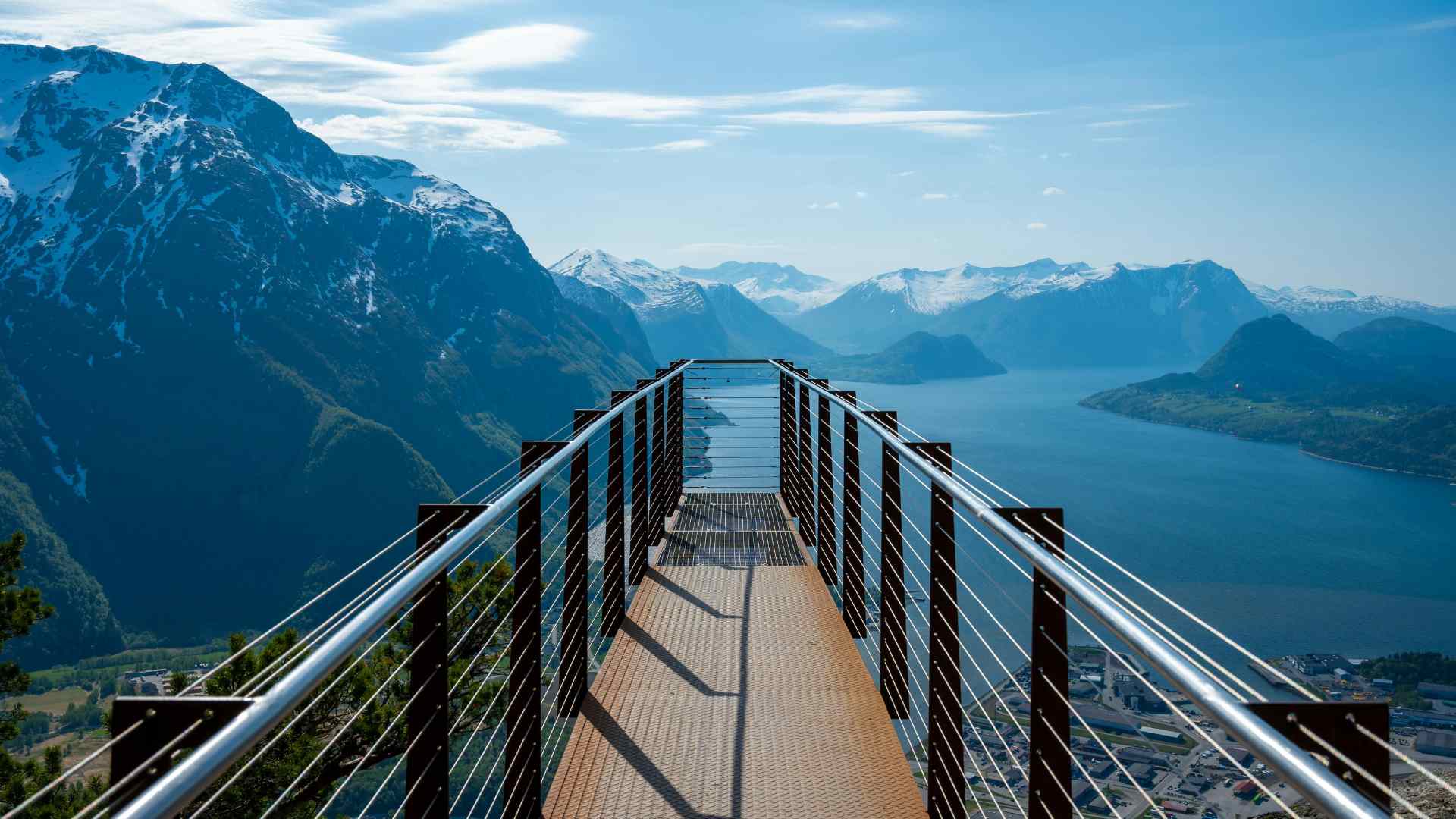
The Romsdalen Gondola is the highest scenery return for the least travel time. It climbs from near the center to Mount Nesaksla, where viewing areas open across Åndalsnes, the fjord, and the surrounding Romsdal peaks.
This is my default recommendation for a first visit with a clear forecast. You gain a mountain perspective without committing the entire port call to a road excursion.
Tickets and timing
Check the gondola’s official website for operating hours, maintenance notices, weather restrictions, and current ticket rules. Cruise days can create concentrated demand, particularly when several tours reach the lower station together.
A timed reservation may reduce uncertainty, but leave enough margin for disembarkation. If the ship is late or the gangway opens slowly, a tightly booked independent ticket can become stressful.
At the top
The upper area is more than a quick photograph, with broad views and space to pause when conditions cooperate. Cloud can erase distant peaks in minutes, while a break in the weather can transform the same scene just as quickly.
Wear a warm layer even when the quay feels mild. Wind and temperature at elevation can be very different from conditions beside the ship.
Rampestreken and the hike above town
Rampestreken is the famous projecting viewpoint on the mountainside above Åndalsnes. It is reached on a steep hiking route from town or by descending from the upper gondola area on the signed trail, subject to current access and conditions.
The viewpoint is not a casual paved stroll from the port. Wet rock, roots, mud, exposure, crowding, and sustained climbing make footwear and honest fitness more important than the short map distance suggests.
Hiking up from town
Allow generous time if you plan to climb under your own power. Your pace uphill does not predict the descent, and a busy viewpoint can add waiting time that no route planner shows.
Turn around early if the surface, weather, or your energy feels wrong. The gondola offers a superb alternative, and no photograph is worth missing the ship or risking an injury.
Combining the gondola and trail
Some visitors ride up and walk part of the route, but conditions and trail directions should be checked locally. Do not assume that buying a gondola ticket makes every connecting trail suitable for your party.
Families should keep children close near exposed ground, and hikers should carry water and a weather layer. A sunny lower station is not evidence of a dry mountain trail.
The Rauma Railway
The Rauma Railway runs between Åndalsnes and Dombås through the Romsdalen valley. Its appeal comes from the changing relationship among river, cliffs, waterfalls, bridges, and narrow mountain walls rather than from a single destination at the far end.
For cruise passengers, a same-day scenic segment or organized rail excursion usually makes more sense than riding all the way to Dombås without a coordinated return. Match the train to the ship’s schedule before buying, not after.
Scheduled train or cruise excursion
Regular passenger services are operated on a public timetable, while seasonal visitor products may use different schedules and inclusions. Confirm the operator, stations, assigned seats, turnaround, and whether any bus transfer is part of the ticket.
An organized excursion can protect the connection between train and ship, which is valuable when capacity is scarce. An independent ticket may offer flexibility, but the traveler carries the timing risk.
Which side of the train
There is no perfect side for the entire journey because the line curves and the scenery changes. Stay in your assigned seat when required and enjoy the larger landscape instead of spending the ride trying to chase every window.
Reflections are easier to control if your camera lens is close to the glass without touching it. Dark clothing also helps reduce bright shapes in the window.
Trollveggen and the Romsdalen valley
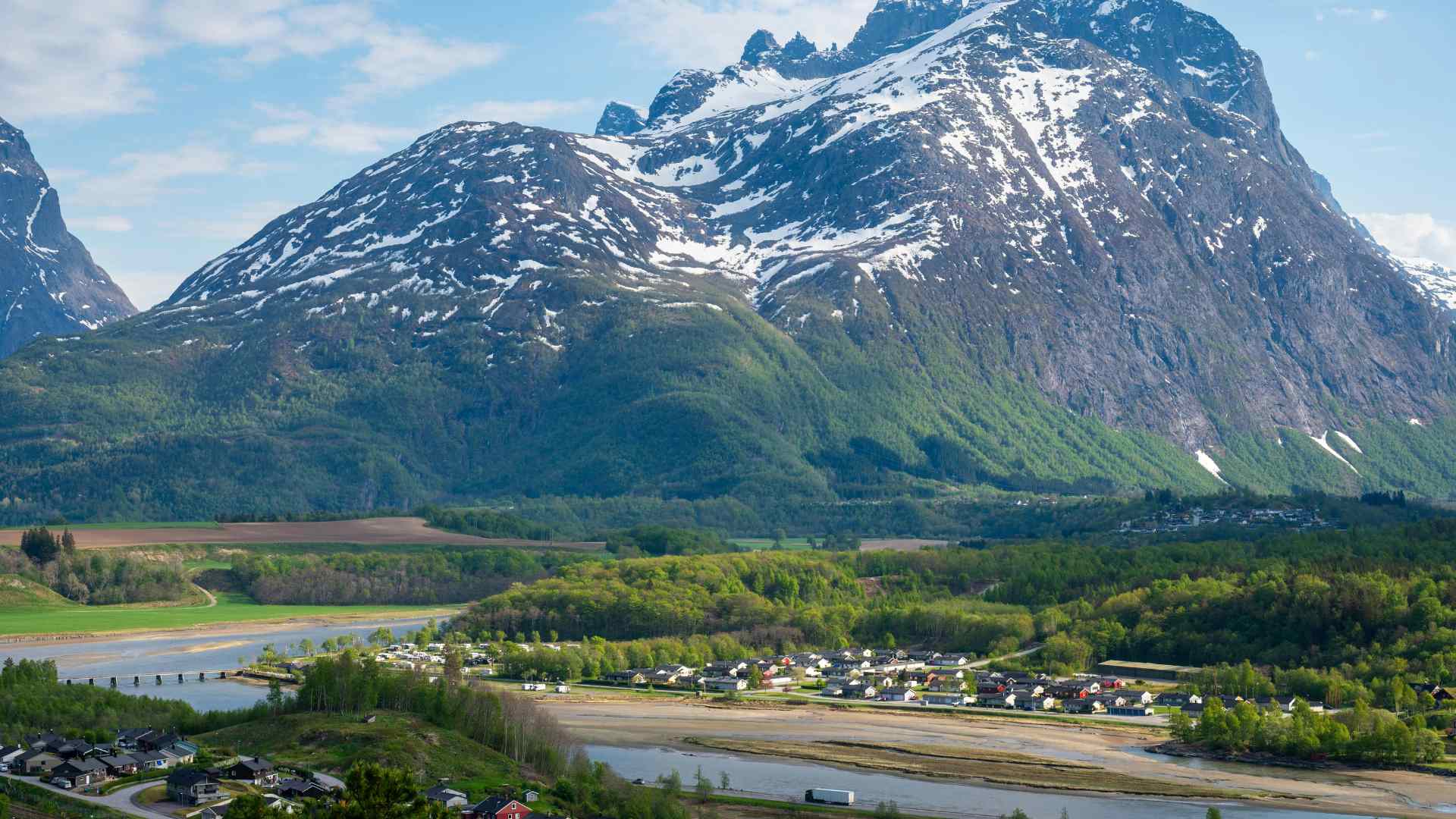
Trollveggen, or the Troll Wall, rises in the Romsdalen valley south of Åndalsnes and forms part of Europe’s tallest vertical mountain wall. Road tours and some rail journeys provide views, but cloud often decides how much of the upper rock face you can see.
A valley excursion can be rewarding even when the summit disappears. The river, lower cliffs, farms, and changing scale of the mountains still create a strong sense of place.
Trollstigen requires a live status check
Trollstigen is the celebrated series of hairpin bends on Norwegian Scenic Route Geiranger to Trollstigen. It is a seasonal mountain road, and snow, rockfall risk, maintenance, weather, and traffic controls can delay opening or close part of the route with little relevance to an old article’s promise.
For that reason, this guide does not guarantee an opening date for 2026 or any later cruise season. Check the Norwegian Public Roads Administration’s live traffic information, the official Scenic Routes page, and your excursion operator close to the visit.
What an excursion may include
A tour may travel through the valley, pause near Trollveggen, climb toward Trollstigen, and use designated viewpoints when the road and facilities are accessible. The exact route can change even after booking, so read the operator’s contingency language.
If the famous bends are closed, a responsible operator may substitute valley scenery or another viewpoint. That change is disappointing, but it is better than treating a safety closure as an inconvenience to ignore.
Independent driving
A rental car gives flexibility but adds responsibility for local rules, narrow roads, parking, delays, and the ship’s return time. Confirm that the rental office will actually be open, and inspect the route status before leaving the waterfront.
Do not stop in the road for photographs or assume every shoulder is a legal parking place. Mountain traffic can be slow, and a single incident may remove the margin you expected to use on the return.
A relaxed day in Åndalsnes
You do not need a long excursion to enjoy this port. A gondola ride, waterfront walk, café stop, and time near the station can fill a shorter call without turning the clock into the main attraction.
The town is small, so expect a compact service center rather than a historic city packed with monuments. Its value is immediate access to the landscape and the pleasure of having time to look at it.
Norwegian Mountaineering Centre
The Norwegian Mountaineering Centre beside the waterfront provides context for the peaks surrounding Åndalsnes. Check its official opening hours and exhibitions for your date, especially outside the busiest season.
It is a useful weather backup and a natural addition to a town day. Travelers who cannot hike can still learn why this valley has such a strong climbing identity.
Three practical port-day plans
Clear weather and a first visit
Ride the gondola early, spend unhurried time at the top, and return with a large buffer. Use the remaining hours for the Mountaineering Centre, lunch, and a waterfront walk.
A dedicated Trollstigen day
Choose a ship excursion or a well-coordinated local operator that states the route and contingency plan. Verify the live road status, accept that conditions can change, and avoid adding an independent gondola booking that depends on an exact return minute.
Rain, low cloud, or a short call
Keep the day close to the port with the Mountaineering Centre, cafés, shops, and a walk when showers ease. If the gondola is operating, decide from the live summit camera and visibility rather than from the weather beside the ship.
Weather and what to wear
Western Norwegian weather is changeable, and the quay, valley, and mountaintop can feel like three different forecasts. Pack a waterproof shell, warm layer, and shoes with grip even when the morning looks bright.
Use Norway’s official weather service for local forecasts and check attraction notices on the day. Wind may affect gondola operations, while heavy rain can alter trails and road conditions.
Accessibility
The compact port layout makes Åndalsnes one of the easier mountain gateways for travelers who cannot walk long distances. The route from gangway to town is short, though berth position, gangway slope, curbs, and weather still need individual assessment.
Ask the gondola directly about step-free access, wheelchair dimensions, assistance, and the upper area’s current surfaces. A facility described as accessible may still include steep outdoor grades or weather-exposed paths.
Coach excursions should be checked for vehicle steps, restroom access, walking distance at stops, and whether guests can remain onboard. Tell the operator about mobility equipment before the day rather than hoping space appears at departure.
Families and children
The gondola is the easiest family highlight because it delivers dramatic views without a long hike. Keep children close at mountain viewpoints, and bring a layer that can be added quickly when the wind rises.
A long scenic coach ride may be less successful for young children than adults expect. Compare the time seated with the time at stops before booking, and carry snacks within Norway’s and the ship’s rules.
Food, money, and practical details
Norway uses the Norwegian krone, and cards are widely accepted. A small backup payment option is sensible, but there is rarely a reason to carry a large amount of cash for a normal port day.
Restaurants and cafés can become busy when a ship is in town. If you have a fixed excursion or gondola time, eat before the rush or choose something simple rather than building the day around a slow meal.
Public restrooms may be less frequent once a road tour leaves town. Use facilities before departure and ask where the scheduled comfort stops occur.
Photography and drones
A wide lens suits the tight relationship among fjord, town, and mountain, while a short telephoto isolates waterfalls and distant rock faces. Protect equipment from rain and keep a cloth handy for spray or mist.
Drone rules involve aviation restrictions, privacy, protected areas, local limits, and safe separation from people and infrastructure. Never launch from the port, gondola area, train, road, or viewpoint without confirming every current permission and restriction.
Common planning mistakes
The first mistake is treating Trollstigen as guaranteed because it appears in the itinerary description. The second is booking a train, gondola, and road tour so tightly that one small delay breaks the entire sequence.
Another mistake is underestimating mountain weather because the ship arrived under blue sky. Keep one flexible close-to-port option and be willing to change the order of your day.
Final verdict
Åndalsnes is an outstanding cruise call because major scenery begins almost at the gangway. The gondola gives the most reliable balance of drama and simple logistics, while the Rauma Railway and Trollstigen reward travelers who plan one focused excursion well.
Let live conditions decide the mountain plan and keep a comfortable return margin. If Trollstigen is unavailable, the port is still rich in fjord, valley, railway, and summit views.
For current conditions, consult the Romsdalen Gondola, Norwegian Scenic Routes, Norwegian Public Roads Administration, and Yr before your visit. Train schedules, attraction hours, road access, berth details, and excursion routes can change, so verify every time-sensitive choice for your sailing date.