Isafjordur Cruise Port: Westfjords, Foxes & Dynjandi
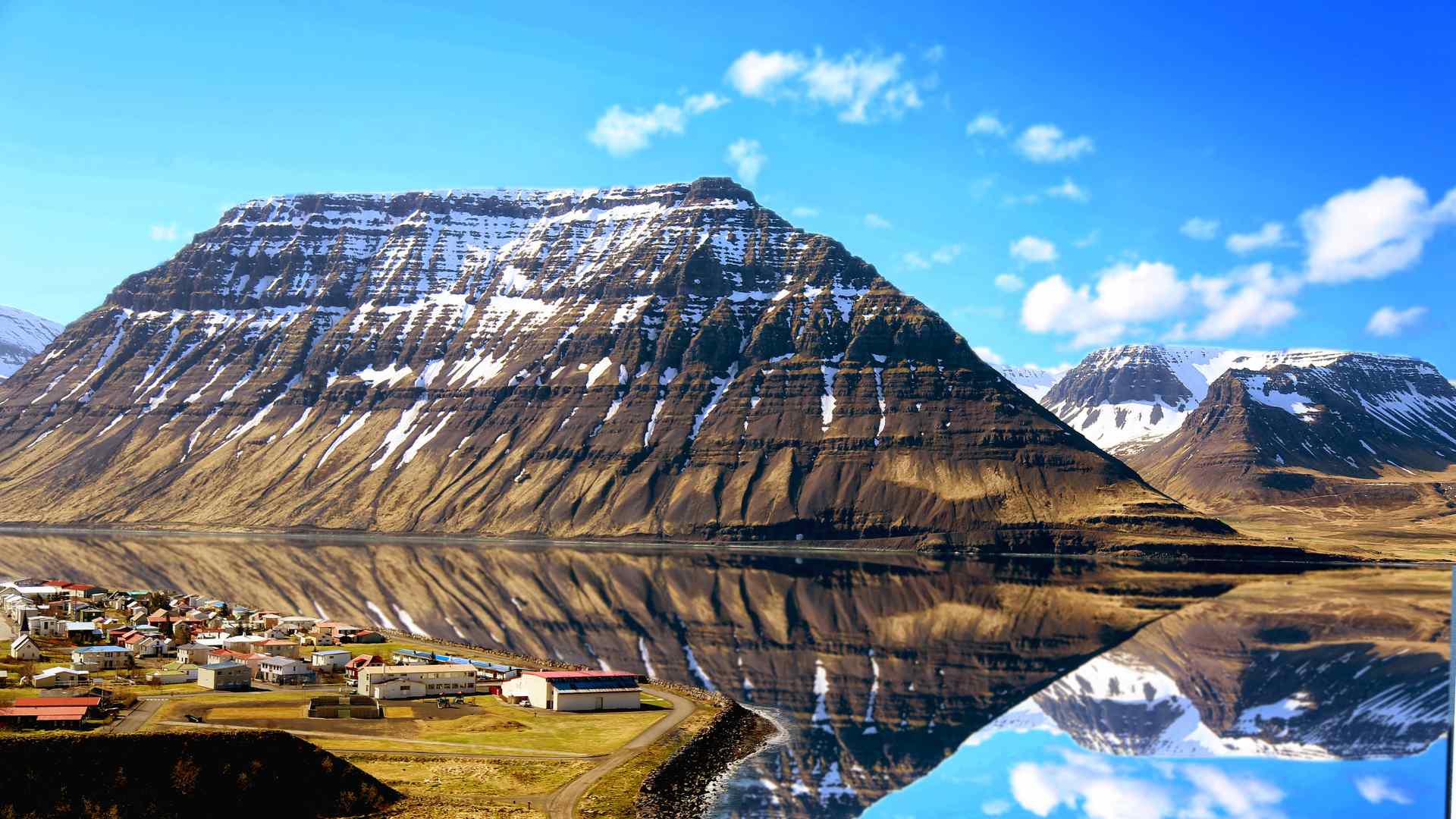
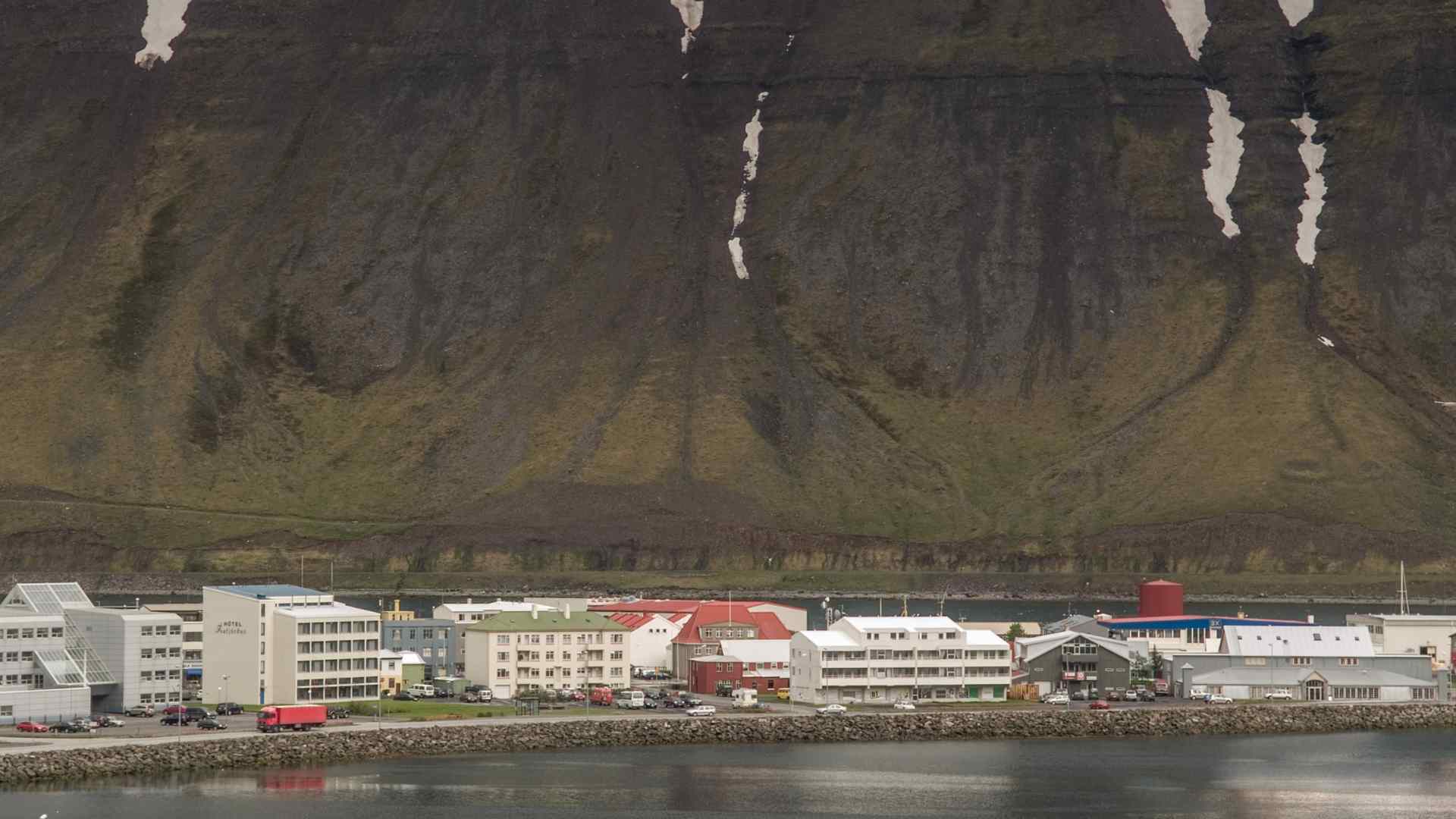
Isafjordur is the smallest town on your itinerary that will genuinely surprise you. It sits on a hooked spit of sand in a fjord ringed by flat-topped mountains, and you can walk the whole place in about twenty minutes.
There is almost nothing here, which is precisely the point. The Westfjords are the corner of Iceland that most visitors never reach, and your ship is handing you a day in it.
My quick take
Isafjordur is the largest town in the Westfjords, which in local terms means a couple of thousand people and not many shops. Set your expectations accordingly and you will have a lovely day.
When you berth alongside, this is a proper walk-off port. Everything worth seeing in the town itself sits within about fifteen minutes of the harbor, which puts it near the top of my walkable cruise ports list.
The real decision is whether to leave the fjord at all. Sudavik and Bolungarvik are close and rewarding, Dynjandi is far and spectacular, and you cannot sensibly do all three on a short call.
My honest advice is to underplan. This is a place where sitting on the harbor wall with a coffee counts as a legitimate use of a port day.
Quick Facts
- Where you land: At an assigned Ísafjörður berth or at an anchorage with tenders, depending on the ship and day. The municipal Port of Ísafjörður cruise page carries the live schedule, while the ship’s daily program controls the actual landing arrangement.
- Dock or tender: Both occur, so do not infer the answer from ship size alone. Confirm the published berth assignment and the onboard program.
- Into town: About a 5 to 10 minute walk on the flat once you are ashore, and roughly 15 minutes to the far end of the spit.
- Currency and language: The Icelandic krona (ISK) and Icelandic, though English is spoken everywhere.
- Time zone: Greenwich Mean Time (GMT, UTC+0) all year.
- Schedule risk: No official public cancellation rate is available. Wind, swell, visibility, berth changes, and tender safety decisions can alter the call.
Alongside, at anchor, and how little walking is involved
Isafjordur is built on Eyri, a hooked spit poking out into Skutulsfjordur, with the harbor on one side and mountains looming over the lot. The scale is the first thing that hits you, and it is not the town doing the looming.
Many cruise ships berth alongside, and those assignments put central Ísafjörður within a short walk. Exact pedestrian routing and any internal-port transport depend on the berth, so follow the signs and crew instructions rather than assuming every call works identically.
Other ships use an anchorage and tender, which adds queues and a weather-sensitive transfer at both ends. Check the day’s assignment before booking an early independent departure or a tight return.
The harbor is run by Ísafjarðarbær, the local municipality, which publishes a changing season schedule. Its official cruise page says the calendar is updated as information changes, so treat the ship’s daily program as the final word.
Excursion motorcoaches line up on the quayside and independent operators set out a table nearby. On a small ship day the whole operation has the air of a village fair, which is a large part of the charm.
Getting around
You walk, and for the town itself that is the entire answer. The center is a handful of streets, and the far end of the spit is maybe fifteen minutes away.
There is no metro, no tram, and no bus network that is any use to a cruise passenger. Taxis exist in small numbers and are best arranged in advance rather than hoped for.
Anything beyond the fjord means a tour, a rental car, or a prearranged driver. The road network out here is thin, and single-lane tunnels bored through mountains are a routine part of the drive.
Road conditions genuinely matter in the Westfjords, even in summer. The Icelandic road authority’s road conditions service is the honest source, and mountain passes can close with very little notice.
Boats are the other way out, with sailings across to the roadless Hornstrandir Nature Reserve. That one needs a long call and a booking made well before you sail.
The stops I would actually spend time on
There is not much here in the numerical sense, and quite a lot in every other sense. This is roughly the order I would work through it.
The town center: A tight grid of streets with cafes, a bakery, a couple of galleries, and colorful timber houses. You can see all of it in half an hour, and it is far nicer than that makes it sound.
Westfjords Heritage Museum: The maritime museum housed in old timber warehouses at the tip of the spit, covering fishing, weather, and life on the edge of things. It is the best single hour in town when the sky opens.
The Arctic Fox Centre, Sudavik: A research center and exhibition devoted to the arctic fox, Iceland’s only native land mammal, in the village around the fjord. It is a short drive and a genuinely charming stop rather than a gift shop with a theme.
Bolungarvik: A working fishing village north of town, reached through a mountain tunnel that is an experience in its own right. Small, busy, and completely unbothered by your presence.
Osvor Maritime Museum: A reconstructed fishing station at Bolungarvik, with a turf-roofed hut and an open rowing boat. The guide dresses the part, which makes the fishing history feel a lot less abstract.
Bolafjall: A recently opened viewing platform on the mountain above Bolungarvik, jutting out over an enormous drop. The Westfjords tourism board calls it one of the most striking views in the region, and I would not argue.
Dynjandi: The signature waterfall of the Westfjords, a wide tiered cascade well to the south on Road 60. Figure on the better part of two hours each way over a mountain pass, which makes it an excursion rather than a whim.
Hornstrandir Nature Reserve: An uninhabited peninsula with no roads at all, reached by boat from the harbor. Arctic foxes up there are notably relaxed about people, which tells you how few people go.
The swimming pool: Icelandic towns run on geothermal pools, and this is where locals actually are. It costs very little and beats any gift shop as a cultural experience.
Fun fact: Dynjandi is not one waterfall but six, running from Fjallfoss at the top down to Sjoarfoss at the bottom. The Westfjords tourism board’s page on Dynjandi puts the total drop at around 330 feet and notes it was protected as a natural monument in 1981.
Dynjandi and the fox center need different plans
Dynjandi is a dedicated Westfjords road excursion through tunnels and exposed valleys, with weather and road status deciding whether it runs. A ship tour provides the best return protection, while an independent operator should confirm the berth, wait for ship clearance, and return at least 90 minutes before all aboard.
The Arctic Fox Centre in Súðavík is a shorter vehicle outing and fits more comfortably with town, but its opening hours and animal viewing are not guaranteed by a cruise schedule. Reserve the ride both ways, because taxis and rental cars are limited when several ships call.
Check official road conditions before any independent drive and obey closures even when the quay is calm. At Dynjandi, use the marked paths and accept that spray, wet rock, grades, and steps limit wheelchair and low-mobility access beyond the lower viewpoints.
How I would plan the day
On a short call I stay local and skip the motorcoach entirely. Town, museum, pool, and a coffee is a genuinely satisfying four hours here.
On a longer call I book the Sudavik and Bolungarvik loop, which gets you foxes, a fishing station, and that viewing platform without a punishing drive. It is the best ratio of scenery to windshield time on offer.
Dynjandi is the one I would think hardest about. It is spectacular, but it is most of your day in a seat, and the Westfjords are beautiful enough that you will not feel cheated if you skip it.
If you are tendering, go ashore early and come back with a comfortable margin. Small tender operations slow down the moment the weather turns, and the weather here turns.
The bad weather plan is the museum, the pool, and a long lunch. That is not a consolation prize in this town, it is arguably the better day.
A realistic word on accessibility
The town itself is easy, being flat, compact, and paved, with short distances between everything. If you berth alongside, this is one of the gentler ports in Iceland.
Tender days change the picture completely. Steps, a moving platform, and a small boat are not a small ask, and the ship will make its own call on whether it can carry you safely.
Out of town it is gravel, slope, and wind, and Dynjandi involves an uphill walk from the parking area. For the wider picture, see my roundup of wheelchair-friendly cruise ports.
When to go, and the weather
The cruise season is short, with the port’s 2026 schedule running from May into October. The shoulder months can be colder and more changeable, so an itinerary date is never a promise of summer conditions.
The Westfjords tourism board puts summer temperatures at around 50°F, with winter around freezing. Summer here is a cool spring day elsewhere, and on a still, clear one it is glorious.
Daylight is the real luxury, reaching 24 hours in June by the same tourism board’s reckoning and dropping to about three in midwinter. A June call gives you light that simply refuses to quit.
Pack a windproof layer, waterproof shoes, and a hat, even in July. The fjord funnels wind straight down off the mountains and takes no interest whatsoever in the forecast.
Quick answers
Do you tender at Isafjordur?
Sometimes, and it depends on your ship. Many vessels berth alongside at the town quay, while the largest anchor in the fjord and tender, so check your daily program before planning around it.
How far is town from the ship?
A few minutes on foot in most cases. Isafjordur is built on a small sandspit and the harbor is part of the town rather than an industrial zone outside it.
Is Dynjandi worth the trip?
It is a beautiful waterfall, but it is a long drive over a mountain pass in each direction. On a short call, the Sudavik and Bolungarvik loop gives you more for far less time in a seat.
Is there anything to do if it rains?
Yes, and locals do it constantly. The Westfjords Heritage Museum and the geothermal swimming pool are both better in bad weather than in good.
The last word
Isafjordur is the call people expect to shrug at and then talk about for the rest of the cruise. It is small, quiet, absurdly scenic, and it asks almost nothing of you.
It also works best as a contrast rather than a headline. Read it alongside my Reykjavik cruise port guide and the gap in scale becomes the whole point of the itinerary.
For the north coast and everything else, my Akureyri guide and my roundup of Iceland cruise ports fill in the gaps. Between them you can see how differently each Icelandic call is shaped.
How this guide was researched: This guide uses current information from the Port of Ísafjörður, Visit Westfjords, Iceland’s official road-information service, and municipal or attraction pages where available. Berth assumptions, tender guidance, road access, seasonal schedules, and excursion timing were reviewed on September 11, 2026; see our Editorial Policy.