Antwerp Cruise Port: Rubens, Diamonds & the Old Town
Antwerp is the rare port where you step off the ship and you are already standing in the old town. Diamonds, Rubens, and a soaring Gothic cathedral all sit within a short, flat walk of the quay.
My quick take
If you like a port you can cover on foot, Antwerp is a gift. It has some of the same walk-off-and-explore appeal as Amsterdam, only smaller and much easier to tackle in one day.
You can see the headline sights, eat far too well, and still be back aboard without any stress. Just pace yourself, because the pull of waffles, chocolate, and a cold Bolleke is very real.
Quick Facts
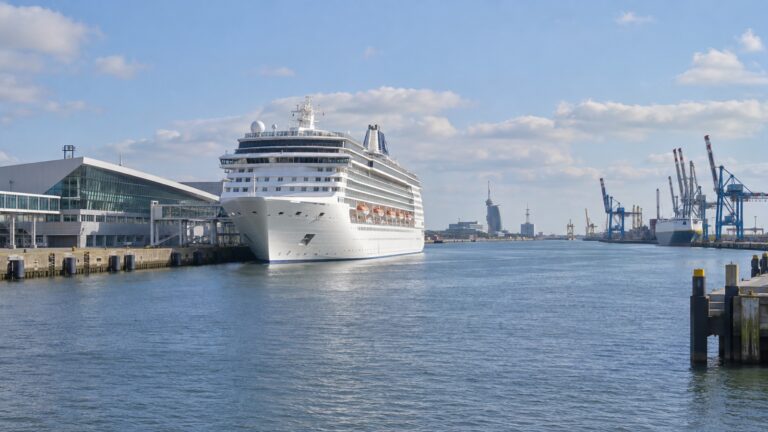
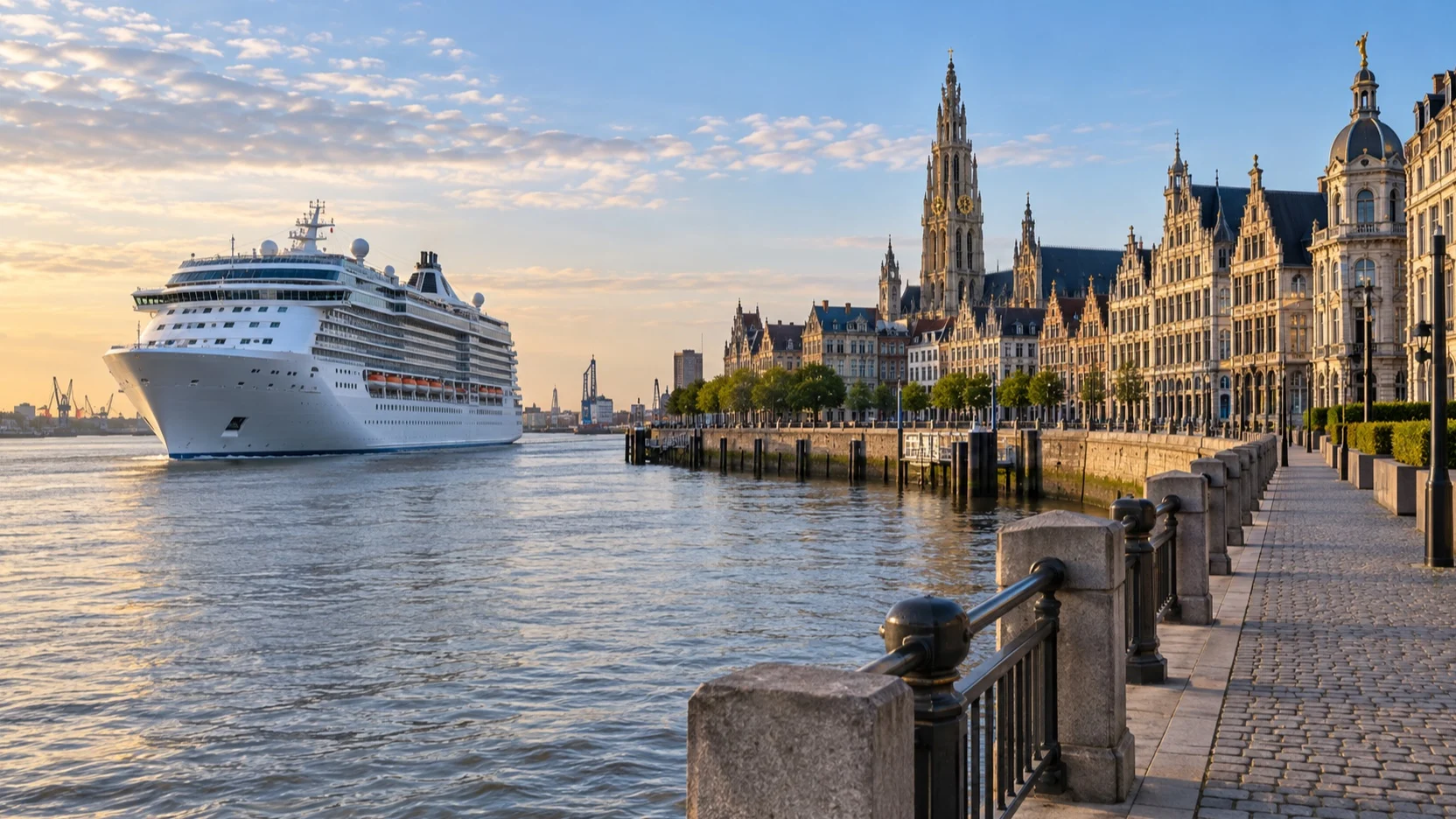
- Where you land: sea cruise ships normally use the Scheldt quays beside Het Steen and its central passenger facility. Port of Antwerp-Bruges advises that river vessels can receive a different nearby berth, so confirm the ship notice.
- Dock or tender: You berth alongside on the river quay, so there is no tender and no shuttle needed.
- Into town: You are already in it.
- Currency and language: The euro; Dutch is the local language, but English is spoken almost everywhere and French is widely understood.
- Time zone: Central European Summer Time (CEST, UTC+2) during the cruise season, CET (UTC+1) in winter.
- Operational caution: Berth allocation, river traffic, weather, and the ship’s operating plan can change a call, so follow current notices.
Where the ship actually ties up
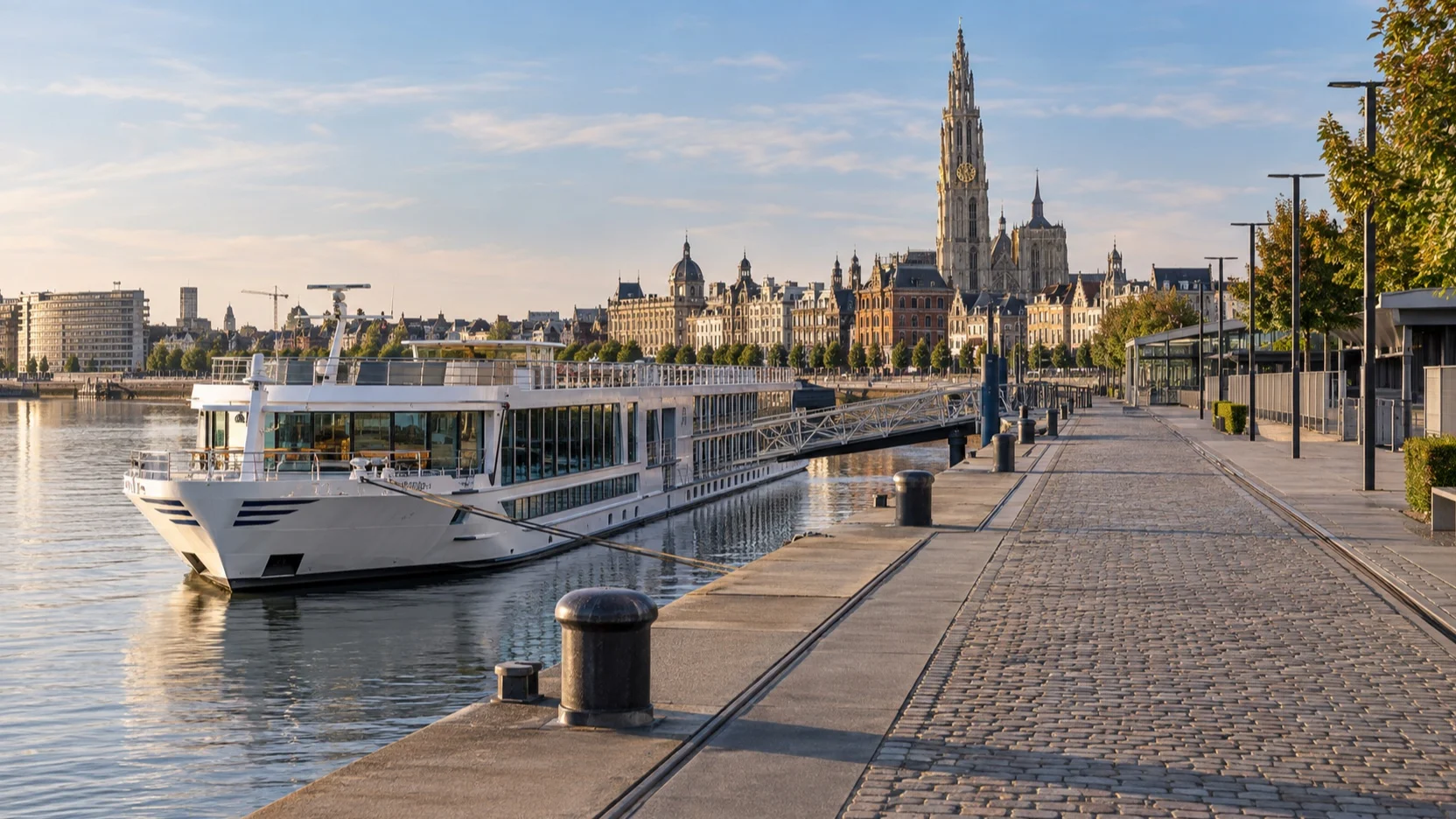
Sea cruise ships normally berth at the Scheldt quays beside Het Steen, with passenger processing arranged at the central cruise facility. River vessels may use other nearby berths, so use the berth in the ship’s daily program rather than assuming every vessel has the same gangway.
For the shipping side, the Port of Antwerp-Bruges handles cruise calls on these central quays rather than at an industrial dock far from the sights. That single detail is what makes Antwerp such an easy day.
The central terminal setup is compact rather than an airport-style complex, but passport or security formalities may still apply. Once cleared, you are on the river promenade beside the historic center.
Because you are already at Het Steen, the castle doubles as a natural first landmark and a place to grab a map. From there the whole old town fans out in front of you, all within easy reach.
Getting around
For the old town, walking beats everything. The cathedral, Grote Markt, the river promenade, and the main shopping streets are all within a tight, flat radius of the quay.
When you want to reach the diamond district, Central Station, or the MAS, the tram and bus network is quick and cheap. Buy a ticket from the machine or tap a card, and validate as you board.
Taxis wait near the center and are metered, which is handy if your feet give out late in the day. If you like planning ahead, it is worth seeing how Antwerp stacks up against other cruise ports in Europe before you commit to a route.
The Waterbus is useful for a river view or a planned trip along the Scheldt, not for the compact old-town loop. Check the current stop, timetable, and final return before using it on a port day.
The main shopping street, the Meir, also doubles as a handy spine through the center. Follow it and you will pass grand facades, cafes, and the gilded Stadsfeestzaal without really trying.
The stops I would actually spend time on
You cannot do all of these justice in a single call, so treat the list as a menu rather than a checklist. These are the places I would prioritize, laid out roughly in the order they sit around the center.
The Cathedral of Our Lady is Antwerp’s Gothic landmark, and its 403-foot tower is part of UNESCO’s Belfries of Belgium and France listing. Four works by Rubens are normally displayed inside, but services and special events can limit visitor access.
Fun fact: the cathedral took roughly 170 years to build, and its tower is protected by UNESCO as one of the Belfries of Belgium and France.
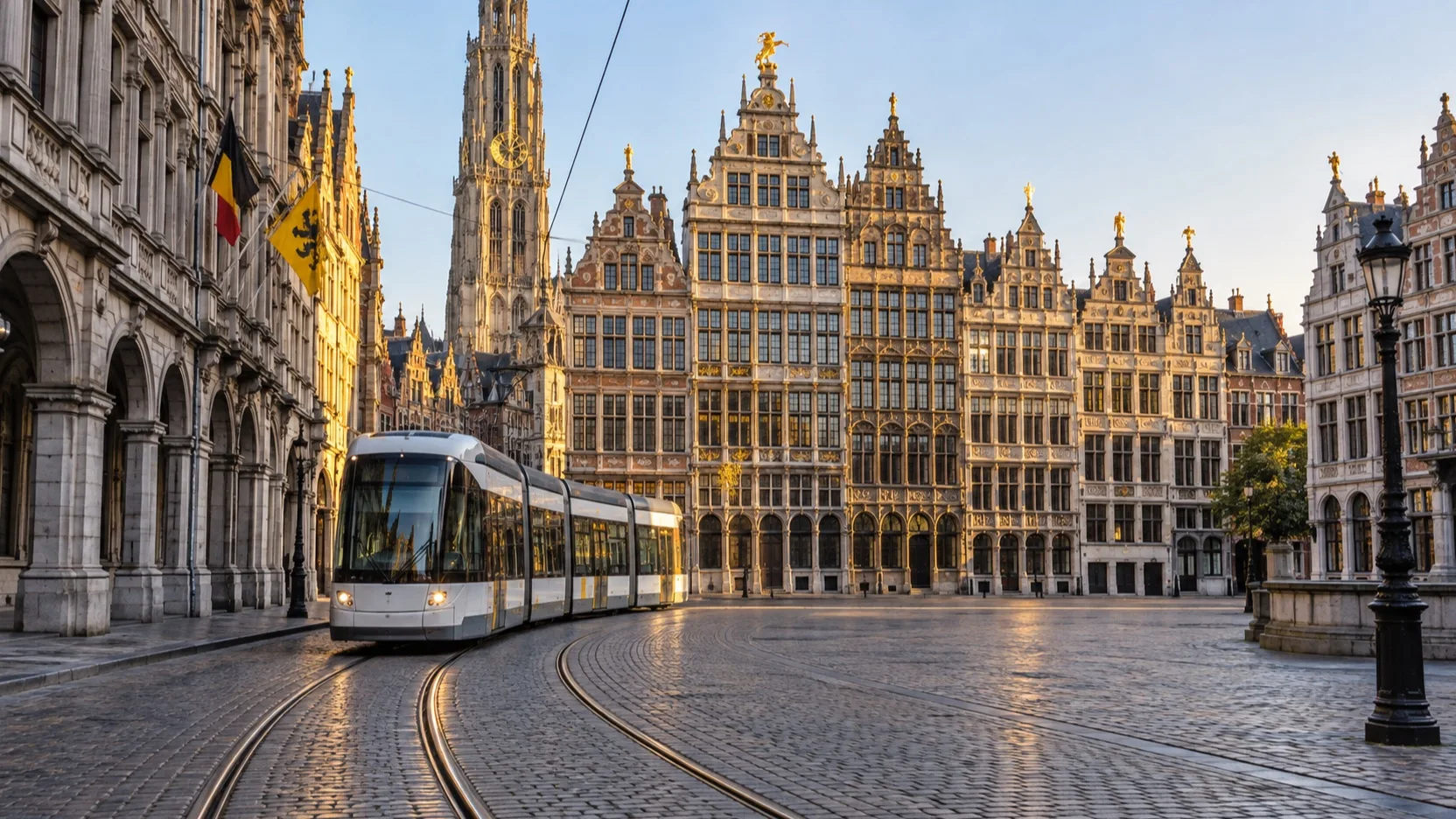
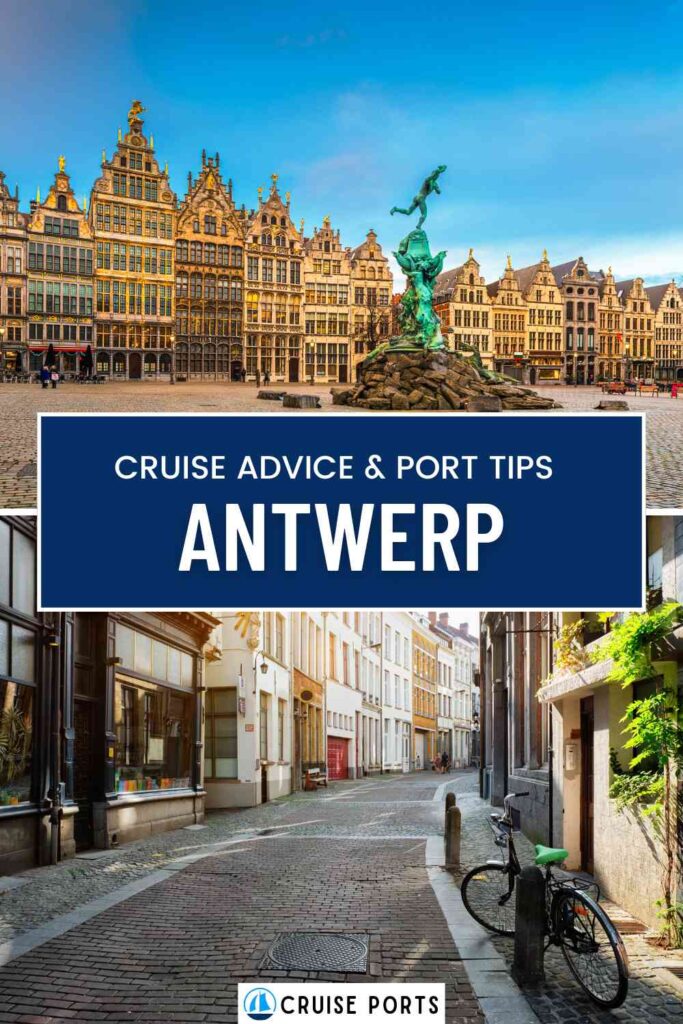
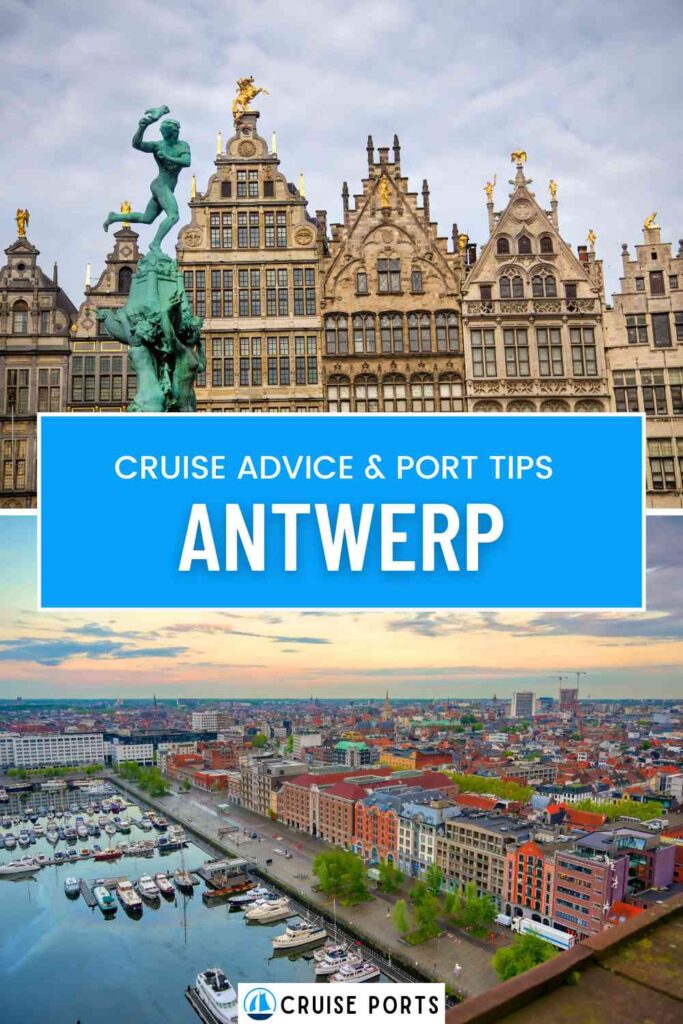
Grote Markt is the old town’s showpiece square, ringed by gilded guild houses with the Brabo Fountain at its heart. The Renaissance City Hall on the west side was built between 1561 and 1565 to a design by Cornelis Floris de Vriendt.
Fun fact: the City Hall is also a UNESCO listed belfry, part of the same protected group as the cathedral tower.
Rubens’s historic residence remains closed for restoration, but the Rubens Experience, redesigned garden, and library are open at the current Rubenshuis entrance on Hopland. Check the official site because the phased project and exhibition access continue to evolve.
Rubens redesigned his Antwerp home with Italian palazzo influences and worked there for decades. The restored residence itself is not currently part of the visitor route, so do not confuse the open Experience and garden with a full house reopening.
The diamond district sits in a few tightly packed blocks near Central Station rather than in the old town itself. Roughly 84 percent of the world’s rough diamonds pass through Antwerp, which is astonishing for such a small patch of streets.
Fun fact: much of that trade still runs along a single short street, Hoveniersstraat, behind very tight security.
MAS is a red sandstone museum tower in the old docklands north of the center. The boulevard and panorama route are free, but exhibitions require a ticket and the rooftop’s final level uses stairs.
Fun fact: the building rises about 200 feet over ten floors, and you can spiral all the way up to the roof without a ticket.
Antwerp Central Station is worth a look even if you never board a train, and it sits right by the diamond district and the zoo. Locals call it the railway cathedral, and the nickname genuinely fits.
Fun fact: the station opened in 1905 to a design by Louis Delacenserie, and it is regularly ranked among the most beautiful stations in the world.
For the detail behind that, see Belgium Cruise Ports.
How I would plan the day
Start early with the Cathedral of Our Lady while the light is good and the crowds are thin. Then drift into Grote Markt for photos of the guild houses and a first waffle.
By midday, hop a tram out to the MAS for the free rooftop view, then loop back for lunch by the river. If diamonds or the station intrigue you, save those for the afternoon on your way back toward the ship.
Short on time? Stick to the cathedral, the square, and the promenade, and you will still feel like you saw the real Antwerp.
Whatever you choose, leave a buffer of at least an hour before all-aboard time. Antwerp is compact, but one more chocolate shop or a lingering lunch has a sneaky way of eating the clock.
I also like to build in a slow half hour by the river toward the end. Watching the Scheldt roll past with a coffee is the perfect way to bookend the day.
A realistic word on accessibility
The historic-center route is mostly level and the main sights are close, but cobbles, curb edges, and tram tracks slow wheelchairs and walkers. Use the smoother river promenade where it helps and allow more time than the distance suggests.
MAS can assist wheelchair users with an elevator to the eighth floor, while the tenth-floor rooftop panorama is reached only by stairs. Confirm cathedral, church, and heritage-building access individually because entrances and interior levels vary.
Public restrooms are a little thin on the ground, so use the facilities in a museum or cafe when you spot them. Most bars are happy to help if you buy a drink first.
When to go, and the weather
Most cruise calls land between spring and early fall, and that is the sweet spot for Antwerp. Late spring and early fall give you mild days and thinner crowds than high summer.
Whatever the season, this is Belgium, so pack a light rain layer and expect a shower or two. A folding umbrella is one of the most useful things to carry on an Antwerp port day.
Summer brings festivals and long, lively evenings, though the squares get busier and cafes fill up fast. Winter turns quiet and cozy, with Christmas markets and candlelit bars if your itinerary runs late in the year.
Going beyond Antwerp
Brussels, Ghent, and Bruges are possible by train, but each turns an unusually easy walk-off port into a connection-dependent day. Brussels is the simplest outer choice, while Bruges usually takes the most rail time and deserves a long call.
If you go independently, allow at least 90 minutes from the planned Antwerp return to all-aboard and do not use the last workable train. Buy the correct ticket, check planned engineering work, and know which Antwerp station best fits the route back to the quay.
For a first visit, staying in Antwerp is the stronger recommendation because the cathedral, Grote Markt, Rubens sites, MAS, Central Station, and food all compete well for one day. Choose an outer city only when it is the trip’s clear priority.
Quick answers
Do I need a shore excursion in Antwerp?
Not for the old town, which is genuinely easy to explore on your own two feet. An organized tour makes more sense only if you want to reach Bruges, Ghent, or Brussels by train.
How far is the ship from the center?
You berth in the center itself, on the Scheldt quays right by Het Steen. The main square and cathedral are about a 5 to 10 minute walk from the gangway.
Can I still see Rubens on a short visit?
Yes, head straight to the Cathedral of Our Lady, which holds four of his paintings. The Rubens House itself is closed for renovation, so the cathedral is your surest bet.
Is Antwerp expensive?
It sits comfortably mid range for a Northern European city, so most of a day here is affordable. Waffles, chocolate, and a local beer are cheap treats, while diamonds are obviously another story.
If Antwerp wins you over, it pairs beautifully with a call at Amsterdam, which shares that same walk-off-and-explore charm. For more ideas along the same coast, browse the wider list of European cruise ports and build a route that suits your pace.
How this guide was researched: This guide uses current Port of Antwerp-Bruges, Visit Antwerp, Rubenshuis, MAS, transit, and attraction information. Berthing, attraction status, access, and time-sensitive details were reviewed in September 2026; see our Editorial Policy.