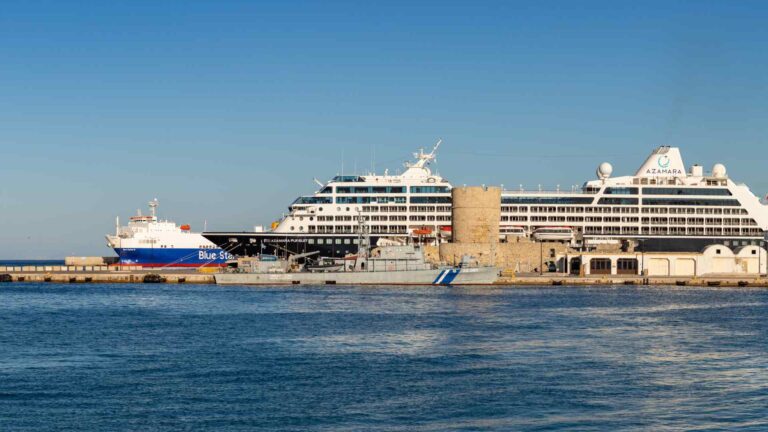
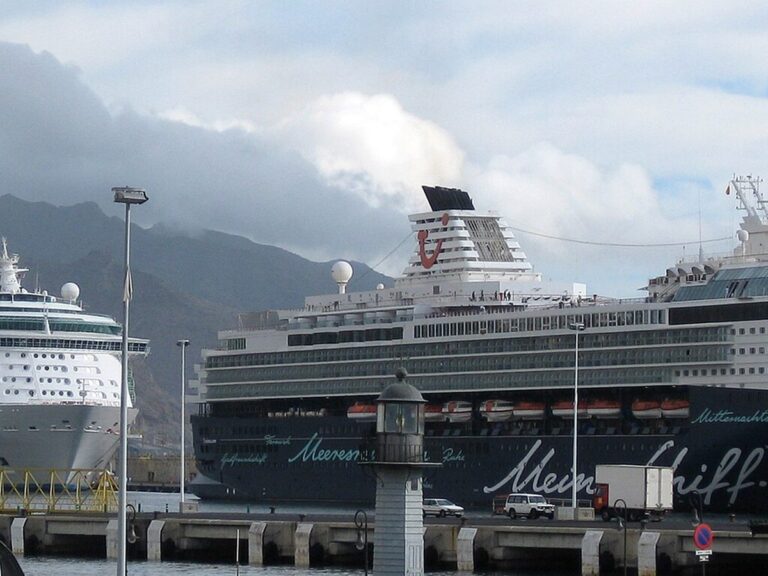
Kiel Cruise Port: Baltic Homeport & Hamburg Day Trips
Kiel is one of northern Europe’s busiest cruise gateways, but it is also the sort of place many travelers barely see beyond a suitcase, a boarding pass, and the side of a terminal. Give it a little time and you find a relaxed fjord city with ferries, sailing boats, waterfront paths, and one of the world’s great shipping canals at its doorstep.
The first decision is not what to visit but where your ship is actually berthed. Ostseekai sits beside central Kiel, while Ostuferhafen is across the fjord and changes the transport math completely.
My quick take
If I had half a day before embarkation, I would stay in Kiel and use the water as the organizing idea. Walk the center, follow the Kiellinie, then take a bus or ferry toward Holtenau or Laboe if your schedule is generous.
Hamburg is possible from Kiel, and it can be a terrific day for travelers who value a major city over local maritime sights. It is still a real rail excursion, not a casual side trip, so I would only attempt it with a long port call and several workable return trains in reserve.
Kiel itself is not a preserved medieval showpiece, and that honesty is part of the appeal. This is a practical port city where the canal, ferries, naval history, university life, and sailing culture matter more than a checklist of grand monuments.
Quick Facts
- Primary cruise terminal: Ostseekai is the central cruise facility and the easiest base for walking into town.
- Alternative cruise berth: Some ships use Ostuferhafen on the eastern side of the fjord, so verify the berth in your cruise documents or the Port of Kiel terminal information.
- Dock or tender: Cruise ships normally berth alongside, but the assigned terminal can vary by vessel and operating day.
- City access: Central Kiel is walkable from Ostseekai, while Ostuferhafen normally calls for a shuttle, taxi, or other arranged transfer.
- Rail gateway: Kiel Hauptbahnhof is the main station for Hamburg and regional journeys, and live plans should be checked with Deutsche Bahn.
- Currency and language: Germany uses the euro, and German is the local language, with English commonly understood in visitor settings.
- Best local themes: The Kiel Fjord, the Kiellinie promenade, Holtenau and the Kiel Canal, plus Laboe Naval Memorial and U-995.
- Best planning rule: Identify your terminal before booking a train, hotel, private transfer, or independent tour.
Start with the terminal name, not the city name
“Kiel cruise port” describes several working waterfront areas, and they are not interchangeable. Your cruise line’s final documents and same-day notices outrank a generic map pin or an old transfer confirmation.
Ostseekai: the simple central option
Ostseekai is the terminal most visitors picture when they hear Kiel. It lies beside the city center, with shops, cafés, the old market area, the waterfront, and much of the central walking route close enough to reach without a vehicle.
Kiel Hauptbahnhof is farther south around the inner end of the fjord, so allow more time than the straight-line map suggests. The walk is manageable for many travelers, but rolling luggage, crowds, wet pavement, and terminal check-in queues can make it feel longer on a turnaround day.
If you are arriving by train for embarkation, a taxi can be worthwhile even when the distance appears modest. The money buys an easier final leg when platforms are busy and you are managing bags.
Ostuferhafen: plan the transfer first
Ostuferhafen is a large commercial port area on the eastern shore and is not a pleasant suitcase walk from central Kiel. If your ship is assigned there, use the cruise line’s instructions for shuttles and meeting points before improvising.
A taxi or arranged transfer is often the cleanest answer, especially at the beginning or end of a cruise. A Hamburg day trip also becomes less attractive from this side because every rail plan must first get you across or around the fjord to the main station.
Do not confuse Ostuferhafen with the central ferry quays you may see on city signs. Norwegenkai and Schwedenkai serve scheduled ferry traffic, while cruise assignments use their own berth plan.
Embarkation and disembarkation days
Kiel can process several ships and ferries at once, so the city has an efficient rhythm but not necessarily a quiet one. Follow your assigned arrival window, attach luggage tags before reaching the handover area, and keep medication and documents in your carry-on.
On disembarkation morning, decide before leaving the ship whether you are walking, taking a taxi, or joining a transfer. A loose plan made beside a curb with hundreds of other passengers is rarely the best version of your day.
If you have an early flight or a fixed long-distance train, protect that connection with a generous buffer. Port traffic, baggage collection, local road conditions, and rail disruption are separate risks that can stack up quickly.
Walking from Ostseekai into central Kiel
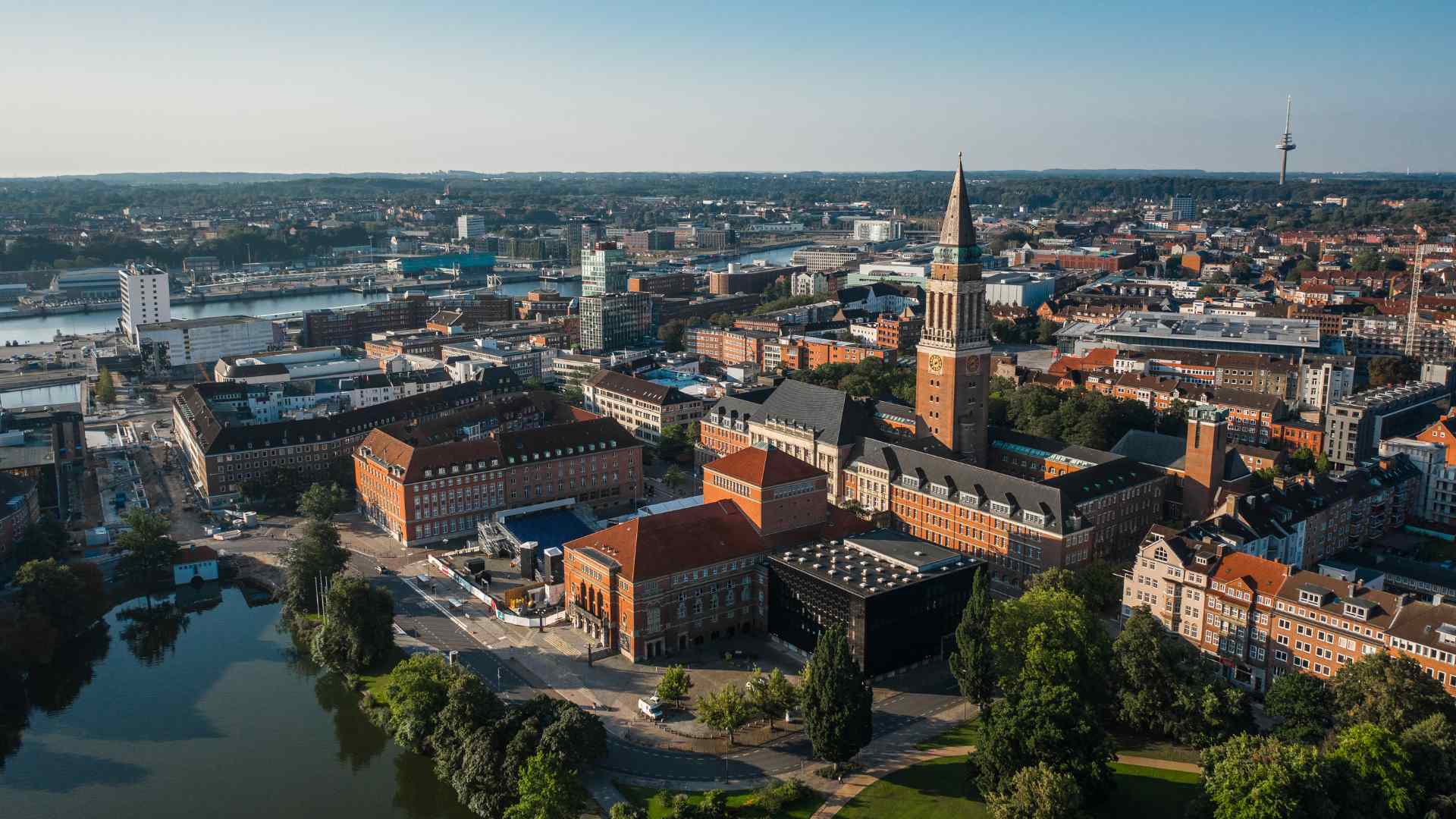
The easiest independent outing begins directly from Ostseekai. Head into the compact center, where pedestrian streets connect the waterfront with Alter Markt, Saint Nikolai Church, shopping areas, and the ponds beside the opera house and town hall.
Kiel suffered extensive wartime destruction, so the center does not deliver an uninterrupted historic streetscape. What it does give you is an easy urban loop, a few handsome civic landmarks, and frequent glimpses of masts and ferries that keep the sea present.
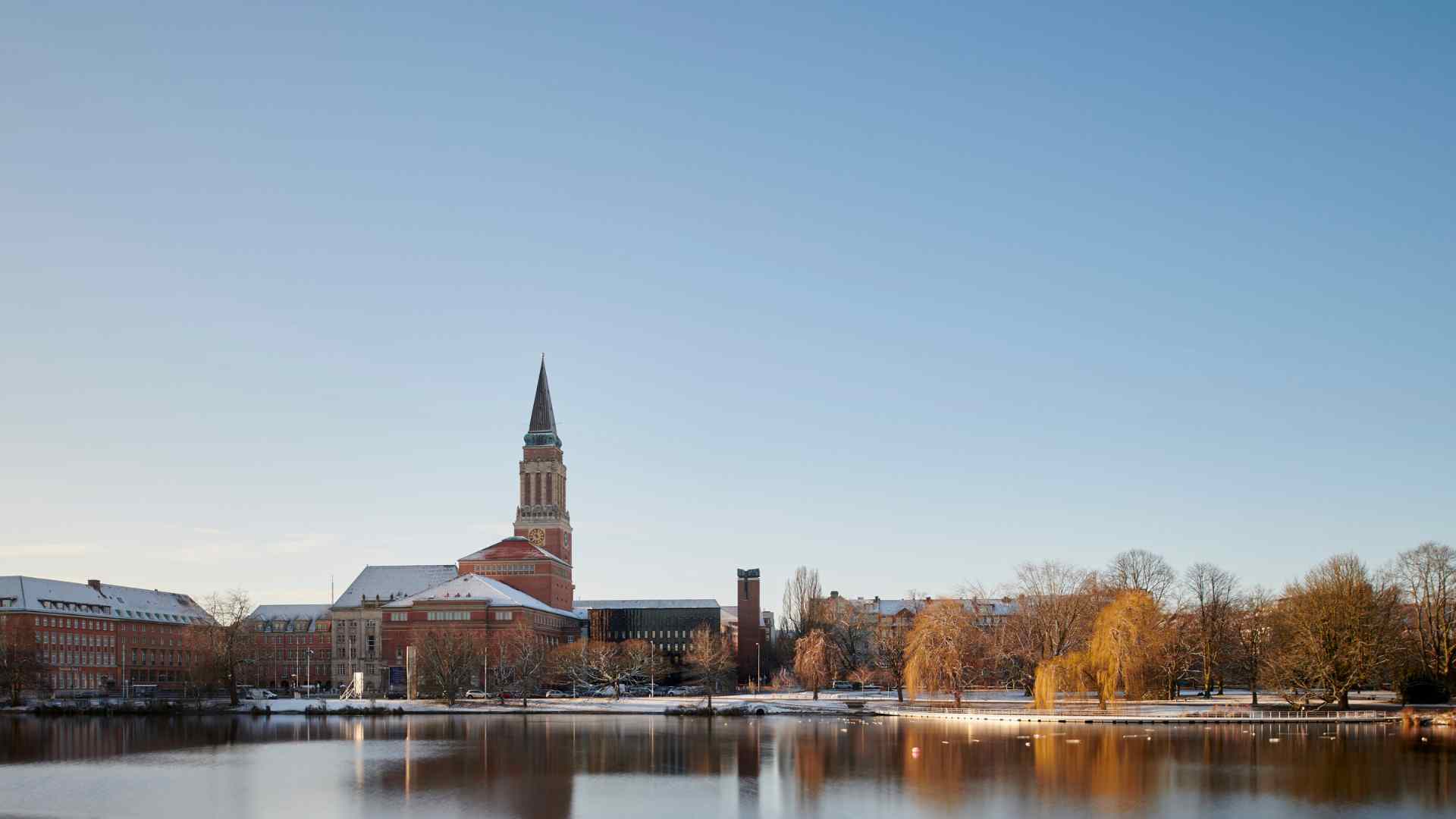
The tall brick town hall tower is the most useful visual anchor. Guided tower visits may be offered, but schedules can be limited, so treat the interior as a bonus rather than the spine of a short port day.
For coffee or lunch, the center is more practical than theatrical. I would choose a place that keeps you moving toward the waterfront rather than spending precious hours searching for the single perfect restaurant.
Kleiner Kiel and the surrounding green pockets soften the rebuilt city center. They also make a pleasant low-effort option if the weather is breezy or someone in your group does not want a long excursion.
The Kiellinie is Kiel at its best
The Kiellinie is the waterfront promenade running north along the western side of Kiel Fjord. It is the city’s most natural walk, with marinas, rowing clubs, small beaches or bathing areas, ferries, research vessels, and constant water traffic.
You do not need a fixed destination to enjoy it. Walk until time or weather tells you to turn back, and keep checking the view across the fjord toward shipyards and the eastern shore.
This is also a good answer for a traveler who has already endured a long journey to reach the ship. Fresh air and level waterfront walking can feel far better than forcing another museum into the day.
The route is exposed, even when the central streets feel calm. Bring a layer that blocks wind, because the difference between a sheltered café table and the open fjord edge can be surprisingly sharp.
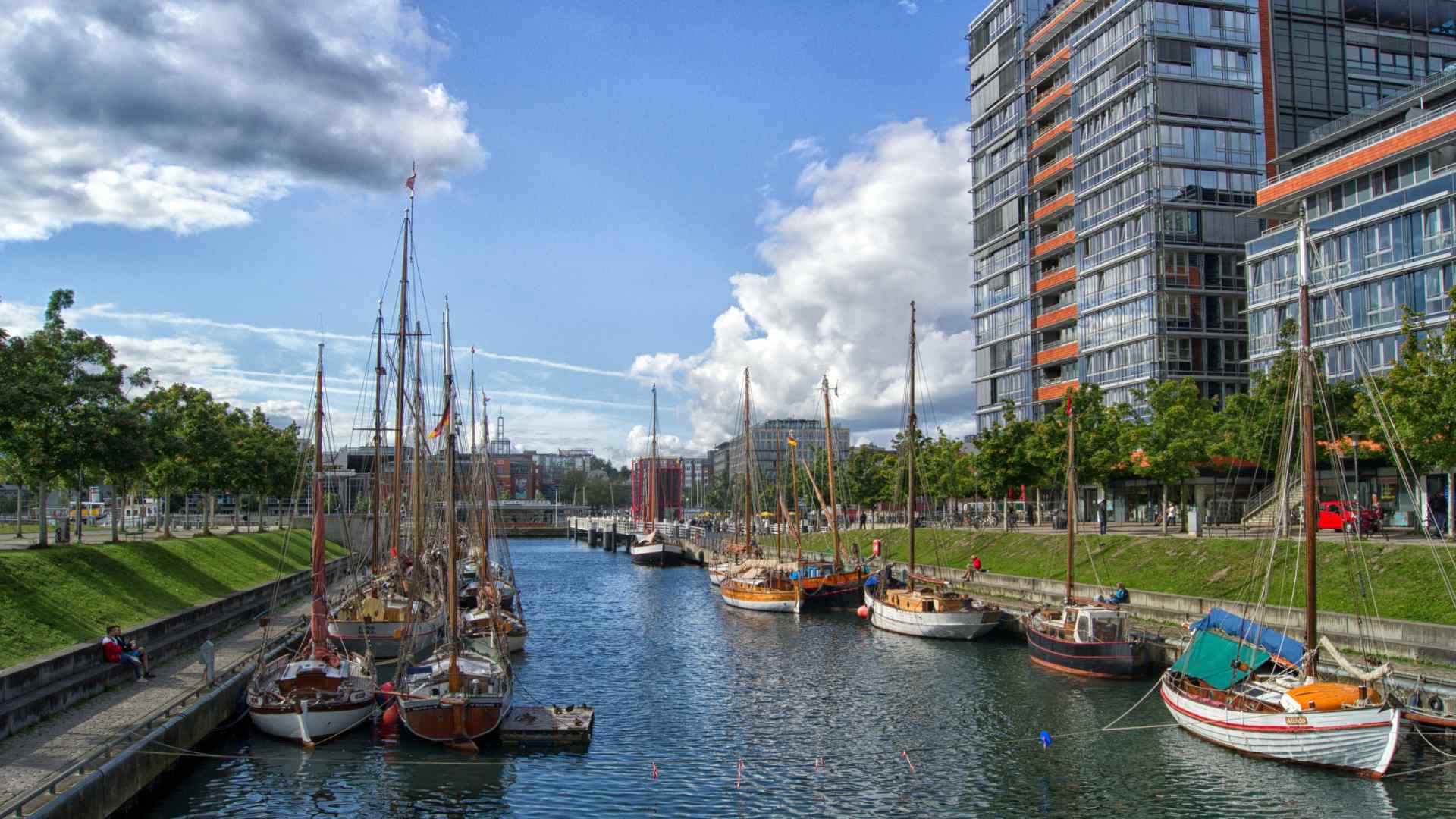
Kiel’s maritime identity becomes clearest here during sailing season. Regattas, training boats, harbor craft, and scheduled ferries share the water, creating a scene that changes from one visit to the next.
Holtenau and the Kiel Canal
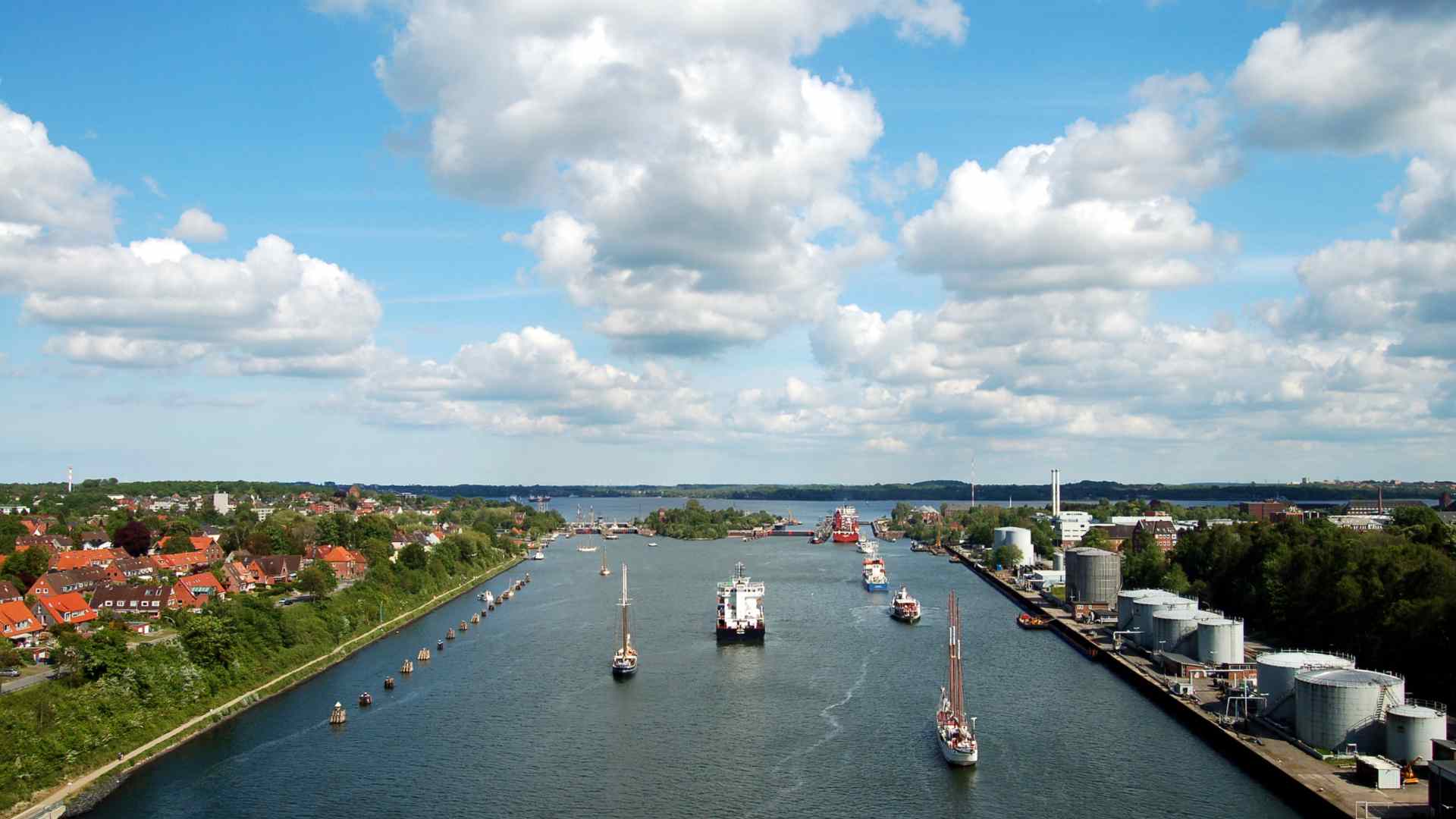
The Kiel Canal meets the Baltic at Holtenau, north of the city center. Officially called the Nord-Ostsee-Kanal, it links the Kiel Fjord with the Elbe side at Brunsbüttel and lets ships avoid the longer route around the Jutland Peninsula.
For visitors, the attraction is not a dramatic museum installation but the scale of ordinary maritime movement. Cargo ships, service vessels, pilot boats, and smaller craft approach the locks at close range, and watching that choreography is genuinely absorbing.
Check current access and viewing arrangements before leaving the center because construction and security needs can change pedestrian routes. A bus is usually the most direct public-transport choice, while a taxi protects time on a short call.
Holtenau also rewards a wander beyond the lock view. The lighthouse, Tiessenkai quay, old harbor buildings, moored traditional vessels, and waterside cafés make the district feel like a small maritime village attached to a much larger city.
If ship movement is slow when you arrive, do not consider the trip wasted. The canal entrance, lighthouse, fjord view, and quiet quay still make a coherent local outing.
Photographers should bring patience rather than a rigid expectation of a particular ship. Canal traffic is operational, and the vessel that appears during your visit may be a feeder ship, tanker, service craft, or nothing enormous at all.
Laboe Naval Memorial and U-995
Laboe sits near the mouth of the fjord and makes the strongest half-day excursion from Kiel. The waterfront journey is part of the pleasure, whether you travel by seasonal fjord ferry, bus, organized tour, or a combination arranged around the current timetable.
The Laboe Naval Memorial rises above the coast and is dedicated to those lost at sea. Its observation level gives a broad view over the Baltic approach, beach, and shipping lanes when weather and opening conditions allow.
Beside it stands U-995, a preserved submarine presented as a technical museum. The interior is tight, with narrow hatches, ladders, confined passageways, and very limited room to maneuver.
That physical reality is exactly what makes the visit memorable, but it also means U-995 is unsuitable for many guests with limited mobility, claustrophobia, or balance concerns. The memorial grounds and beach can still be worthwhile even when the submarine is not.
Allow time to move between the ferry landing or bus stop, the memorial complex, and the waterfront. A plan that looks compact on a map can stretch once you include walking, ticketing, the tower, the submarine, and the return connection.
The safest independent version uses an outward and return schedule with alternatives. If the ferry timing is awkward, consider bus one way and ferry the other, provided the current public-transport planner confirms both legs.
I would not pair Laboe with Hamburg on the same cruise call. Each deserves its own buffer, and combining them turns a rewarding day into a sequence of connection anxiety.
Getting around Kiel without overcomplicating it
On foot
Walking is the default from Ostseekai for the center and nearby waterfront. Surfaces are generally urban and straightforward, though construction, cobbles in small areas, crowds, and wet weather can still slow travelers with bags or mobility aids.
Local buses
Buses connect central Kiel with Holtenau, outer neighborhoods, and points around the fjord. Use the local journey planner on the day rather than memorizing a route number months in advance, because diversions and seasonal changes matter.
Know the exact stop you need for your return terminal. “The port” is too vague in a city with cruise quays, ferry terminals, marinas, and commercial harbor zones.
Fjord ferries
Ferries turn transport into sightseeing and are especially appealing for Laboe. Service patterns can be seasonal, and a sailing that works beautifully in one month may not fit your call in another.
Arrive early enough to find the landing and understand the ticket rules. The last useful return for a cruise passenger is not necessarily the final ferry of the day.
Taxis and cruise shuttles
Taxis are most valuable for Ostuferhafen, luggage moves, tight connections, or groups that can divide the fare. On major turnaround days, prearrangement may be sensible rather than expecting an empty rank at the precise minute you need it.
If the cruise line operates a shuttle, confirm both the downtown stop and final return time. Photograph the posted information before walking away so you are not relying on memory later.
Hamburg from Kiel by train
Hamburg is the headline day trip because it offers Speicherstadt, HafenCity, the Elbphilharmonie exterior and plaza area, historic churches, major museums, and a much bigger urban atmosphere. The downside is that rail travel consumes a meaningful part of a port day in both directions.
Start at Kiel Hauptbahnhof and check the current itinerary on Deutsche Bahn before leaving the ship. Look at the exact service, transfers if any, engineering work, platform changes, and at least two later return options.
Regional and long-distance patterns can change, so an old claim that the journey always takes a fixed number of minutes is not useful planning. Treat the live schedule as the authority and add time for the walk or transfer between your terminal and the station.
In Hamburg, limit the geography. Speicherstadt, HafenCity, the Elbphilharmonie area, and the central waterfront can form one sensible cluster, while chasing distant attractions across the city wastes the hours you worked hard to create.
My Hamburg cruise port guide explains the waterfront and central sights in more detail. Use it to choose a compact route, not to build a list that assumes you are staying overnight.
I would aim to be back in Kiel well before the cruise line’s all-aboard time, not merely on a train scheduled to arrive shortly before it. A delayed train becomes your responsibility when you travel independently.
If the live service looks unstable, stay local without regret. Kiel, Holtenau, and Laboe offer enough maritime character for a full day, and none requires betting your ship on an intercity return.
Three realistic ways to use your time
A gentle embarkation afternoon
Leave luggage according to your hotel or cruise line arrangements, then walk central Kiel and the near end of the Kiellinie. Add coffee, a simple meal, and a waterfront pause rather than beginning the cruise already exhausted.
This version works best for travelers who arrived the previous night. See my guide to hotels near Kiel cruise port if you are choosing where to stay.
A focused local port day
Begin with Holtenau and the canal entrance while your energy is high, then return toward the Kiellinie and central Kiel. This keeps the farthest point relatively close and leaves an easy walking finish near Ostseekai.
From Ostuferhafen, ask whether an official shuttle creates a better sequence. The same attractions remain possible, but crossing the fjord and returning to the correct gate must be built into every decision.
A Laboe half day
Travel to Laboe, visit the memorial grounds and U-995 if appropriate, then return with a comfortable connection in hand. Keep the center of Kiel as your flexible final hour rather than adding a second distant destination.
Bad weather may close the view or make the ferry less appealing, so check official opening information and transit conditions before you commit. A city-center museum, café, or shopping loop is a perfectly respectable fallback.
A long-day Hamburg plan
Take an early train, stay within one compact Hamburg district, and select a return that leaves later viable services behind it. This is a day for disciplined choices, comfortable shoes, and a willingness to abandon one attraction when the clock demands it.
Do not attempt Hamburg on embarkation day with luggage or on a short call. The reward is real, but so is the transport exposure.
Accessibility and reduced-mobility planning
Ostseekai and central Kiel are among the easier combinations for a European port day because the terminal is modern and much of the central route is fairly level. The distance to the station can still be significant for someone who walks slowly, especially with baggage.
Travelers using wheelchairs or scooters should confirm the assigned terminal, shuttle lift arrangements, and ship gangway conditions directly with the cruise line. A general statement that Kiel is accessible does not guarantee that every transfer vehicle or berth setup will meet an individual need.
Kiel Hauptbahnhof has station facilities for passengers who need assistance, but rail boarding and elevator availability should be checked for the specific journey. Request help in advance when the operator recommends it, particularly if Hamburg is part of the plan.
Local low-floor buses may work well, yet the exact stop environment and available space can vary. A wheelchair-accessible taxi booked for a known time offers more control for Ostuferhafen or a tight embarkation schedule.
The Laboe memorial complex and the submarine must be considered separately. U-995’s narrow hatches and confined interior create unavoidable barriers, even if other parts of the outing are accessible.
For broader comparisons, my guide to wheelchair-friendly cruise ports explains the questions worth asking before any independent transfer.
Weather, clothing, and Kiel Week
Kiel’s cruise season often brings long daylight, mild temperatures, and changeable coastal weather. A bright morning can still include a cool wind on the Kiellinie or ferry deck, so layers are more useful than one heavy garment.
Pack a light waterproof outer layer and shoes that handle slick pavement. An umbrella is less helpful beside the fjord when wind arrives from the water.
Kiel Week, or Kieler Woche, is the city’s major sailing festival and usually transforms the waterfront with racing, events, crowds, and entertainment. It can be a wonderful time to visit, but hotel demand, street activity, and local transport loads rise sharply.
If your cruise overlaps the festival, consult the official Kiel Week program and your hotel or cruise line for access details. Do not assume a normal taxi route or quiet waterfront walk on the busiest days.
Outside festival week, the city feels calmer and more workaday. That makes it easier to improvise, particularly if you want a waterfront lunch or a last-minute ferry ride.
Common mistakes I would avoid
The biggest mistake is booking transport to “Kiel port” without naming the terminal. A driver, hotel, and traveler can all be technically correct about Kiel while picturing different sides of the fjord.
The second is using an old train time as a promise. Rail schedules, engineering work, and platform assignments are live information, so check again on the day and keep backup departures visible.
The third is treating Hamburg as mandatory. It is a great city, but Kiel’s canal and fjord deliver an experience that belongs specifically to this port.
The fourth is underestimating turnaround-day luggage and crowds. A walk that feels easy during a quiet afternoon can feel very different when thousands of passengers are arriving and leaving.
Finally, do not fill every minute. Kiel is best when you leave space to watch a ferry cross the fjord, a sailing class tack in the wind, or a commercial ship approach the canal.
Quick answers
Can I walk into Kiel from the cruise ship?
Yes from Ostseekai, which is beside central Kiel. From Ostuferhafen, plan on a shuttle, taxi, or other confirmed transfer.
Can I take a train from Kiel to Hamburg?
Yes, Kiel Hauptbahnhof has rail connections toward Hamburg. Check the live Deutsche Bahn itinerary and build a generous return buffer around your ship’s all-aboard time.
Is the Kiel Canal beside the cruise terminal?
No, the Baltic entrance is at Holtenau north of central Kiel. Reach it by current local transport, taxi, or an organized outing rather than expecting it on the immediate terminal walk.
Is Laboe worth the trip?
Yes for travelers interested in naval history, Baltic views, and a fjord journey. The memorial and U-995 need enough time for transport, entry, and a safe return.
Does every cruise ship use Ostseekai?
No, and this matters. Verify your final berth because an Ostuferhafen assignment changes walking, rail, and hotel-transfer plans.
Should I arrive in Kiel the day before my cruise?
I would whenever a missed connection would threaten embarkation. An overnight stay removes much of the risk from flights, long-distance trains, and same-day transfers.
The last word
Kiel works beautifully when you accept it on its own terms. Confirm the terminal, keep the fjord at the center of the day, and choose one meaningful outing instead of racing between distant names.
For a wider view of the region, my guides to Copenhagen cruise port and European cruise ports help place Kiel among the Baltic’s other gateways. Kiel is the practical homeport, but the canal, ferries, and open waterfront give practicality a character of its own.
How this guide was researched: This guide was independently researched using official port, transit, tourism, and attraction sources, including the Port of Kiel, Deutsche Bahn, Kiel visitor information, and the German Naval Association. Logistics and time-sensitive details were reviewed in September 2026; see our Editorial Policy.