Copenhagen Cruise Port Guide: Oceankaj & Langelinie
Copenhagen is an appealing cruise call: Denmark’s capital is walkable, cashless, and stacked with royal palaces. Your whole day hinges on whether you dock at Oceankaj in Nordhavn or right beside the Little Mermaid at Langelinie.
Here is how I would plan a smooth day ashore.
My quick take
Copenhagen is one of the easiest big cities in Northern Europe to enjoy on a single port day. If you want more Baltic and Nordic planning ideas, my European cruise ports and cruise ports in Europe guides pair well with this one.
The one thing to nail before you sail: which terminal you are using. It changes everything about how you reach the center.
If you are flying in the night before, our guide to hotels near Copenhagen Cruise Port Guide cruise port compares the options by distance from the terminal.
The quick facts
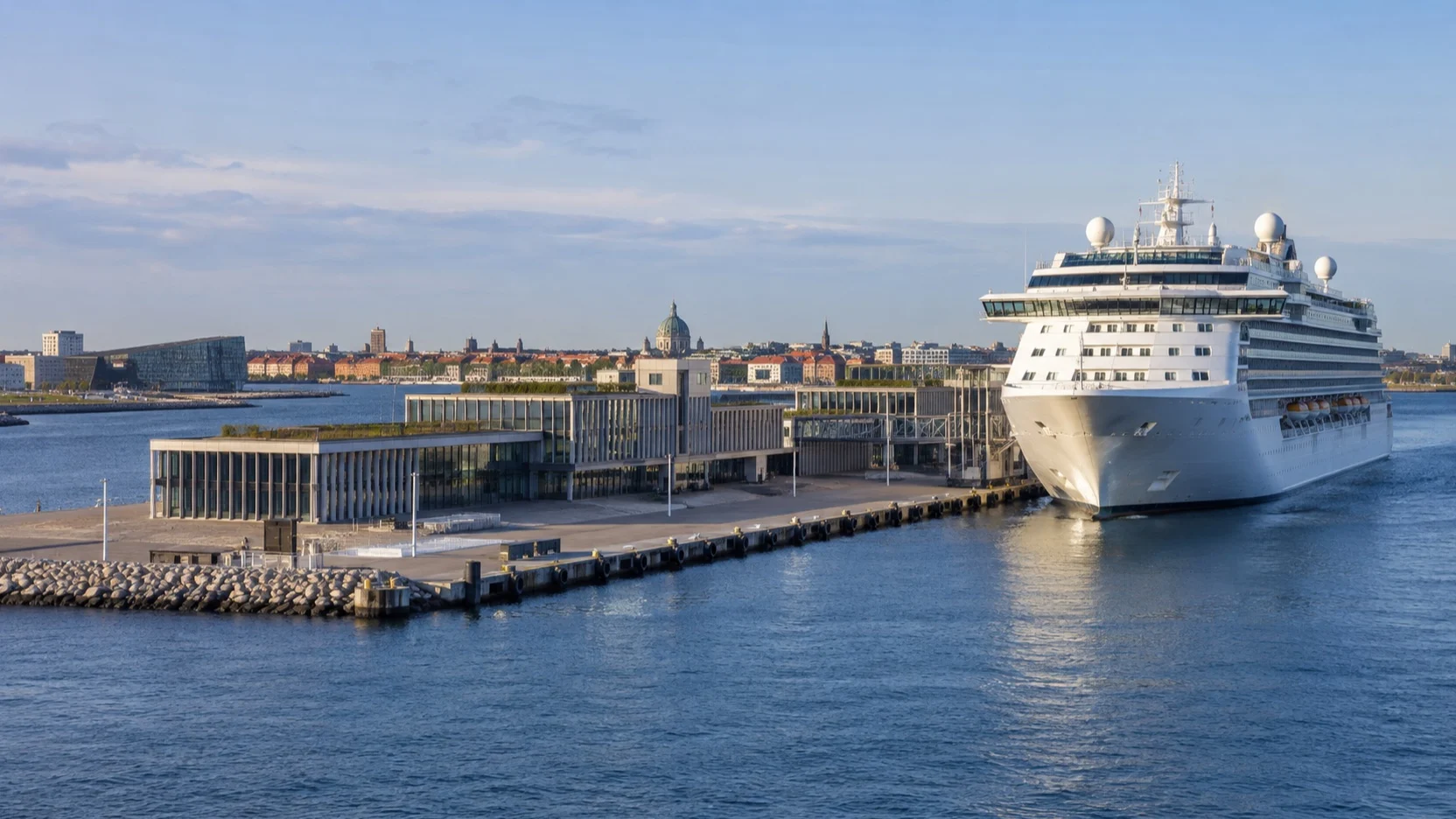
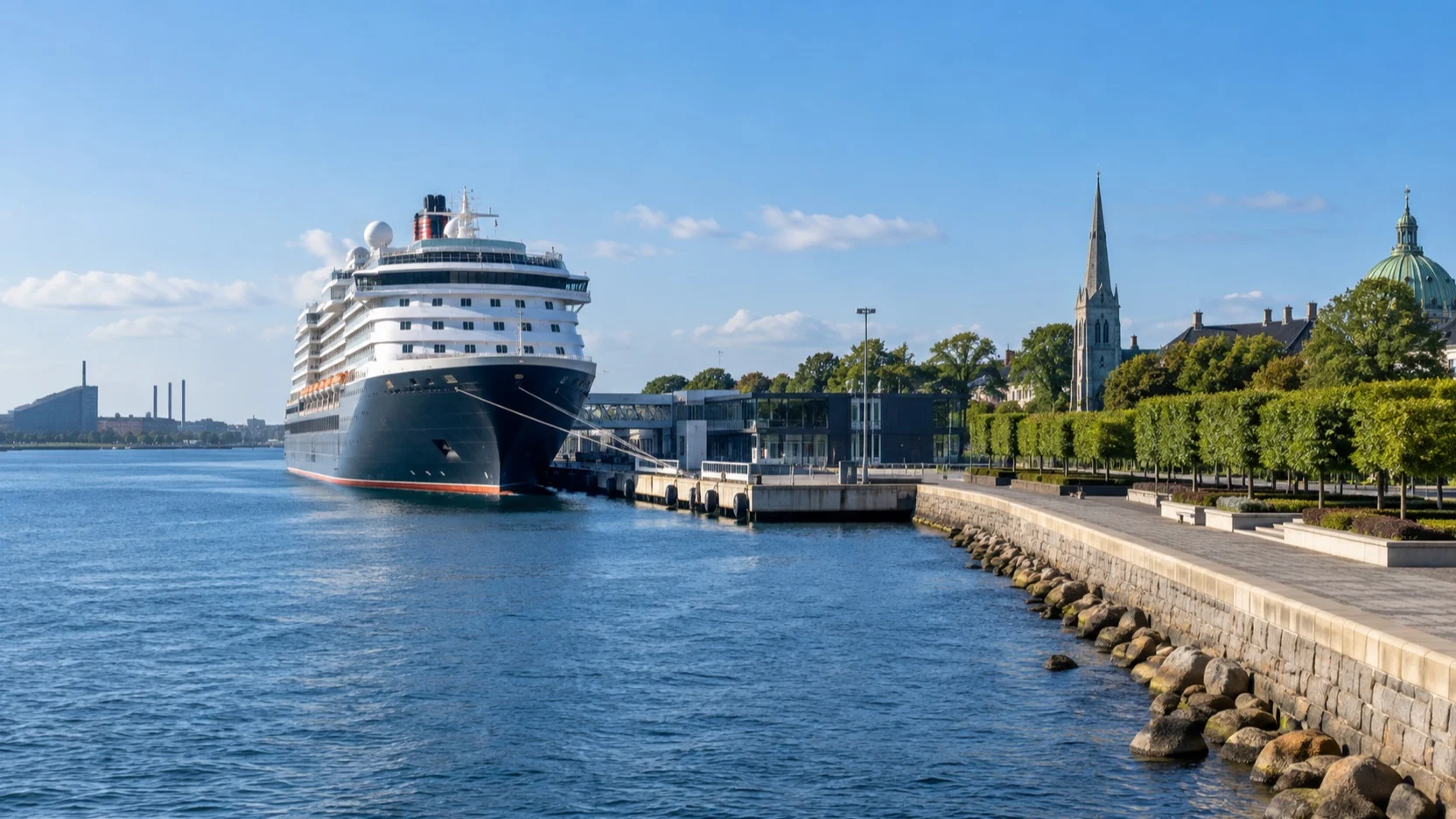
- Where you land: most large ships use Oceankaj (Ocean Quay) up in the Nordhavn district, roughly 3 miles north of the center. Smaller and mid-size ships often use Langelinie, next to the Little Mermaid, with a few small vessels at the very central Nordre Toldbod, per Copenhagen Malmo Port.
- Dock or tender: All three are alongside berths, so you walk straight off the ship.
- Into town: From Langelinie it is about a 20 minute walk to Nyhavn, or 15 minutes on foot to Osterport station.
- Currency and language: The Danish krone (DKK), with Danish spoken and English near-universal.
- Time zone: Central European Summer Time (CEST, UTC+2) through the May to September cruise season, CET (UTC+1) in winter.
- How often the call is missed: Low (under 1%): the sheltered berth is rarely limited by local weather.
How I’d confirm my own terminal
Your cruise line’s port document is the only reliable source for your berth. Oceankaj and Langelinie are several miles apart, so guessing wrong can cost you real time.
Check the day before and note the terminal name, then plan your route from there.
Heads up: some links below are affiliate links. If you book through one, I may earn a commission at no extra cost to you. It never changes which hotels or tours I recommend. Full disclosure.
Getting into the center from each terminal
From Oceankaj (Nordhavn)
Oceankaj is the big, modern terminal on the northern harbor. Visit Copenhagen routes you by bus 25 or 164 to Orientkaj metro station, then the M4 line toward Kongens Nytorv in the heart of town.
A 2-zone ticket is 24 DKK. A daytime taxi runs about 175 DKK and takes roughly 25 minutes, and CMP notes an Oceankaj-to-Tivoli cab is around 200 to 250 DKK.
From Langelinie
Langelinie is the walkable one, sitting right by the Little Mermaid and Kastellet. You can stroll about 15 minutes to Osterport Station, or walk 5 minutes to the Indiakaj stop and take bus 27, per Visit Copenhagen.
A daytime taxi is roughly 96 DKK and about 10 minutes. From here, walking toward Nyhavn is usually the simplest option.
From Nordre Toldbod
This small quay is the most central, about a 14-minute walk to Marmorkirken metro station. Amalienborg Palace is only a few minutes away on foot.
The stops I’d actually spend time on
Copenhagen’s center is compact, so you can string several of these together on foot. All are confirmed on Visit Copenhagen’s official pages.
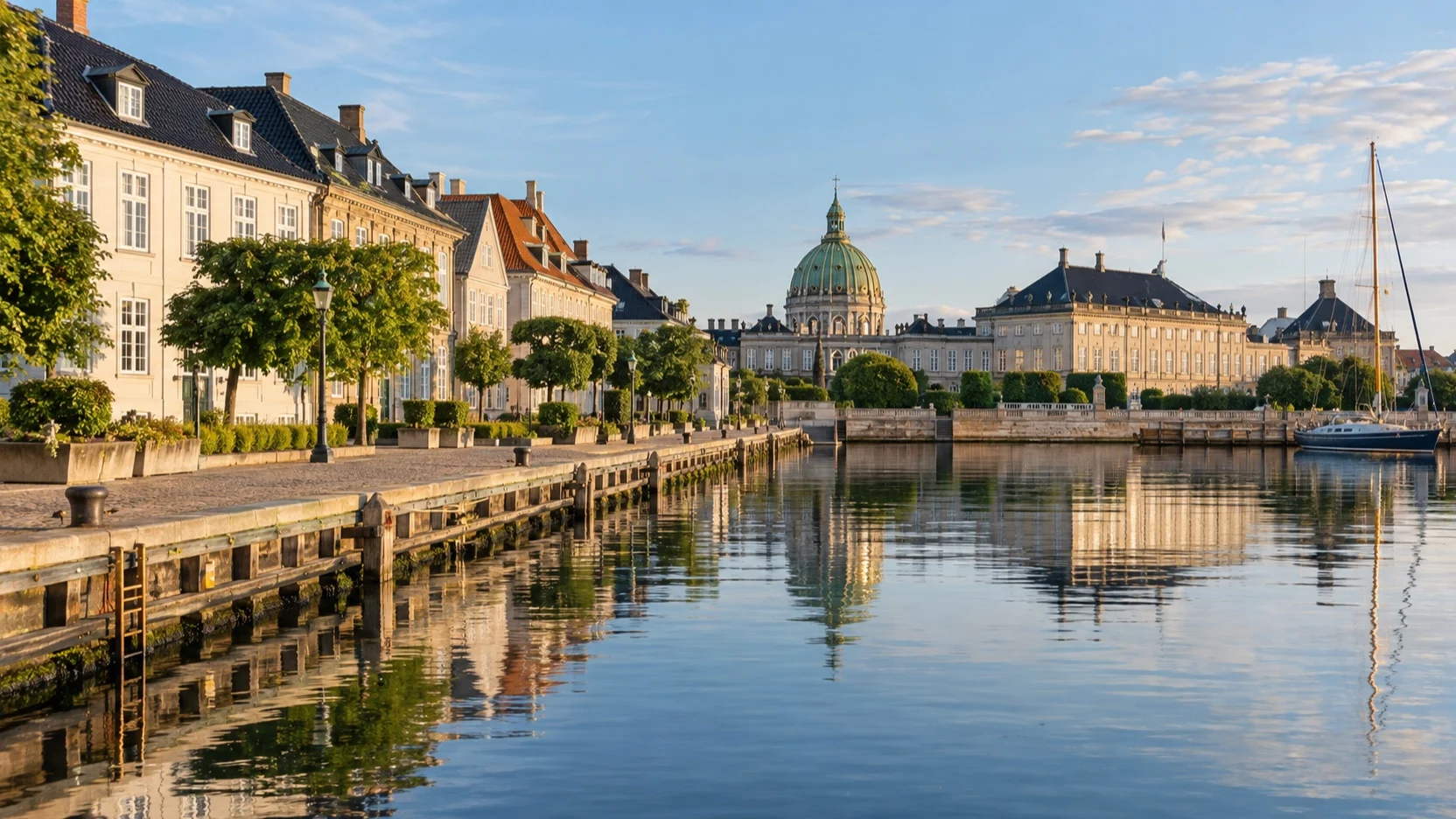
- Nyhavn: the postcard row of colorful 17th-century townhouses along the canal. Grab a coffee, watch the old wooden ships, and start your day here.
- The Little Mermaid: the small bronze statue on the waterfront, steps from Langelinie. It is tiny and busy, so stop early and keep moving.
- Amalienborg Palace: the royal family’s home, four Rococo mansions around an octagonal square. Time it for the daily changing of the guard around noon.
- A canal tour: Visit Copenhagen lists official sightseeing boats that loop past Nyhavn, the opera, and the Little Mermaid. It is the best way to see the harbor if your day is short.
- Rosenborg Castle: a Renaissance palace set in the King’s Garden, home to the Danish crown jewels. The gardens alone are worth a wander.
- Christiansborg Palace: the seat of Denmark’s parliament on the islet of Slotsholmen. Climb the tower for a free city view.
- Stroget: the long pedestrian shopping street cutting through the old town, running to Kongens Nytorv. Good for a browse and for connecting the sights on foot.
- Tivoli Gardens: the storied amusement park and pleasure garden next to Central Station. Even a short visit for the gardens and atmosphere is a treat.
You can find the full official roundup on the Visit Copenhagen top attractions page if you want to swap any of these.
How I’d plan the day
These assume an all-ashore return buffer of at least an hour before departure. From Oceankaj, add travel time in both directions.
- 3 hours: if you dock at Langelinie, walk the Little Mermaid, Kastellet, and Amalienborg, then loop to Nyhavn for a drink.
- 5 hours: add a canal tour from Nyhavn and a walk down Stroget to Christiansborg.
- 8 hours: add Rosenborg Castle and the King’s Garden, or finish with a couple of hours at Tivoli Gardens near the station.
New to all this? My first-timer cruise ports guide covers the return-buffer habit in more detail.
Getting around, and a word on accessibility
Copenhagen’s metro, buses, and trains all connect the terminals to the center, and the official Rejseplanen journey planner maps any route. The city is also famously bike-friendly if you want to rent wheels.
The metro is step-free with elevators at stations, which helps if you have mobility needs. Gangway steepness at the ship varies with the tide, so confirm assistance with your cruise line in advance.
When to go, and the weather
Copenhagen’s cruise season runs mainly May through September, when days are long and mild. Midsummer gives you very long daylight, which stretches how much you can see on foot.
Pack a light rain layer any month; harbor weather shifts quickly.
Quick answers
Which terminal is walkable to the city?
Langelinie and Nordre Toldbod are close to the sights and walkable. Oceankaj is not; plan on a bus-and-metro or taxi ride, per Visit Copenhagen.
Do I need cash in Copenhagen?
Rarely. Denmark is close to cashless, so cards and phones work almost everywhere; a little Danish krone is optional.
Is a day trip like Malmo worth it?
Only if you dock long and love trains; the Oresund crossing to Sweden eats into your Copenhagen time. For a short call, stay in the city; the same logic applies to nearby Tallinn.
The airport-to-terminal chain
From Copenhagen Airport, the M2 metro is the simplest route into the center, but Oceankaj still requires a final bus, metro connection, or taxi. Use Rejseplanen on the travel day because seasonal cruise buses and construction can change the best connection.
A taxi is easiest with luggage: Copenhagen Malmö Port currently estimates about DKK 450 to 550 from the airport to Oceankaj and DKK 200 to 250 from Oceankaj to Tivoli. Treat those as estimates, not fixed fares, and allow extra time at rush hour.
Match the day to your berth
From Langelinie or Nordre Toldbod, begin with the Little Mermaid and continue toward the old center to avoid backtracking. From Oceankaj, go straight to the attraction farthest from the ship, then work back toward the terminal.
Tivoli is best for families or an evening call, while Rosenborg plus the historic center suits first-time visitors. Louisiana Museum is excellent but too transport-heavy for a short call, so save it for eight hours or more with a checked rail plan.
Tickets, buffers, and accessibility
Buy the correct transit zones before boarding and keep proof of payment; there are no entry gates to remind you. A city pass can pay off with several attractions, but single fares are usually cheaper for one round-trip transfer and a mostly walking day.
Return to Oceankaj at least 75 minutes before all-aboard and add time if your route needs a transfer. Public transit is broadly accessible, yet ship gangways and some historic buildings vary, so confirm the exact terminal and step-free entrance in advance.
How this guide was researched: Unless a first-hand visit is explicitly identified above, this guide is based on independent research using official port, tourism, transit, government, and attraction sources where available. Logistics and time-sensitive details were reviewed in September 2026; see our Editorial Policy.