Stockholm Cruise Port: Berths, Gamla Stan & the Vasa
Stockholm is the port where your whole day is decided before you wake up. Three completely different berths carry the same name on your itinerary, and one of them is not really Stockholm at all.
Get Stadsgarden and you can walk to the Old Town. Get Nynashamn and you are 37 miles down the coast with a train to catch.
My quick take
Stockholm is built across fourteen islands, which is charming right up to the moment you try to cross three of them in an afternoon. Pick a cluster and stay in it.
My default is Gamla Stan plus Djurgarden, which gives you the medieval Old Town in the morning and the Vasa Museum after lunch. Those two alone justify the stop.
If you have seen the city before, spend the day on the water instead and take an archipelago boat out past the islands. It is the thing Stockholmers actually do with a good day.
The one thing I would not do is wing it, because your berth changes everything about timing. My roundup of walkable cruise ports explains why a quay location matters more than most people think.
For a pre-cruise night, see our guide to hotels near Stockholm cruise port.
The quick facts
- Where you land: Stadsgarden on Sodermalm at quays 160 and 167, Frihamnen to the northeast at quay 638, or Nynashamn, about 37 miles south of Stockholm.
- Dock or tender: Stadsgården and Frihamnen are alongside berths. Nynäshamn commonly uses the extendable Seawalk, while the exact gangway or tender arrangement remains ship-specific.
- Into town: Stadsgarden is the walkable berth. Frihamnen needs a bus, shuttle, or taxi. Nynashamn requires roughly an hour by commuter train.
- Currency and language: Swedish kronor and Swedish, with English spoken almost universally.
- Time zone: Central European Summer Time, UTC plus 2 through the Baltic cruise season, and Central European Time, UTC plus 1 in winter.
- Call reliability: Central alongside berths and Nynäshamn’s Seawalk reduce dependence on tender boats, but wind, visibility, berth assignment, and ship operations can still change the day.
- Best first visit: Pair Gamla Stan with the Vasa Museum and treat a second Djurgården attraction as optional. From Nynäshamn, shorten that plan to protect the return train.
- Return margin: Reach the final shuttle, gangway, Seawalk, or tender point well before all aboard. From Nynäshamn, choose a return train with a backup and time for the station-to-ship transfer.
Stadsgarden versus Frihamnen versus Nynashamn
This is the single most important thing to get right about Stockholm, so let me be blunt about it. The three berths are not variations on a theme, they are three different days.
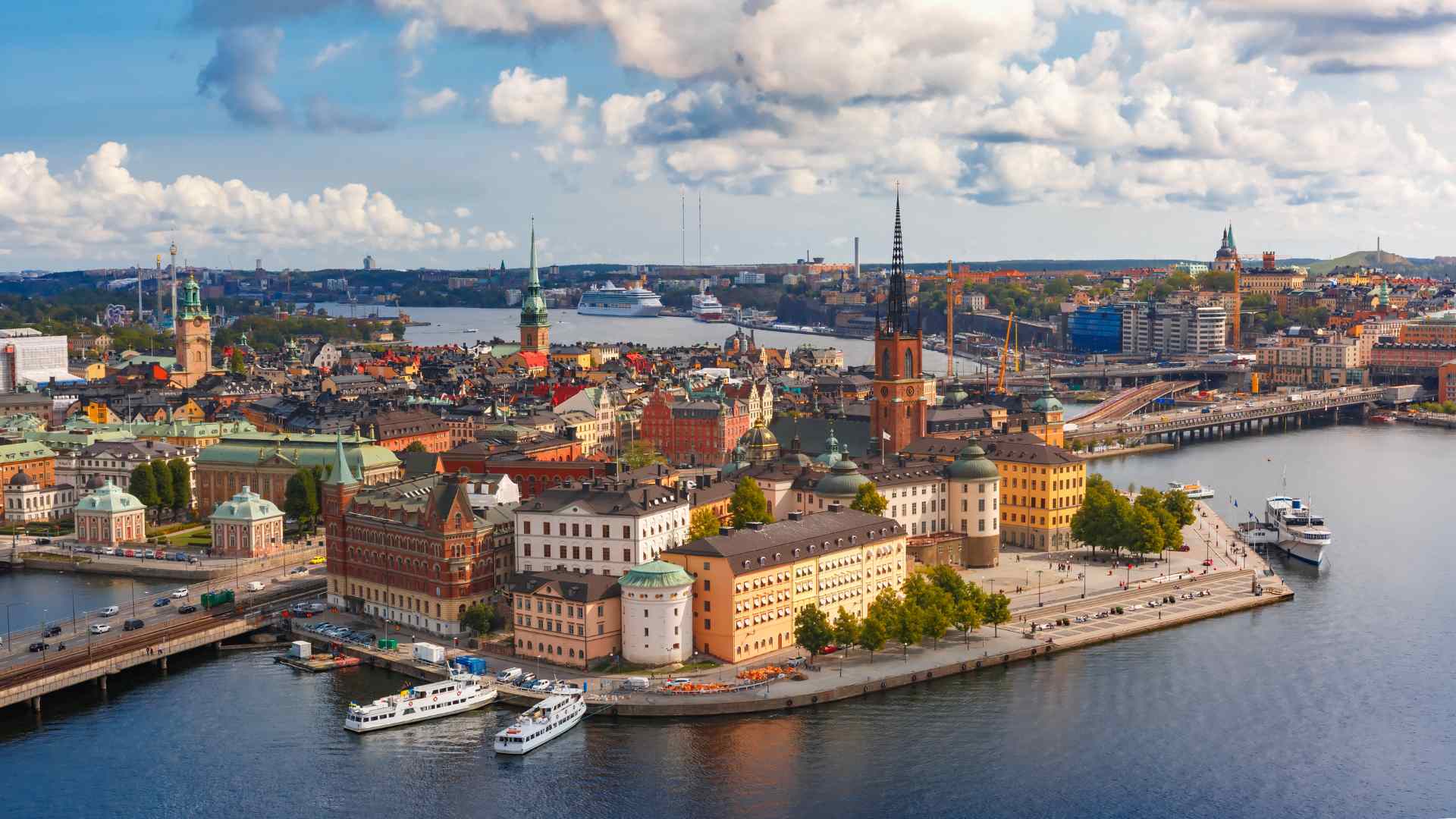
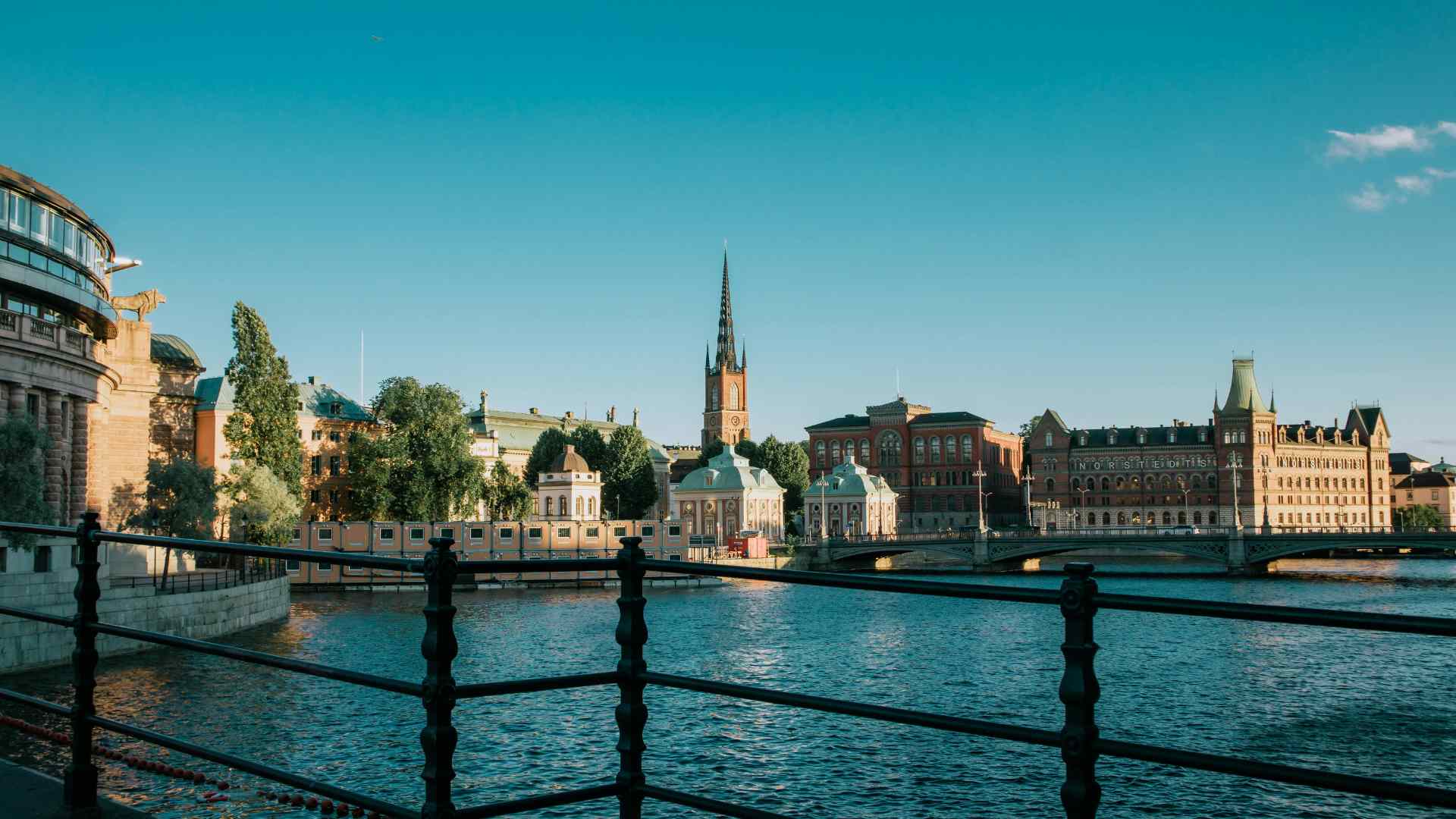
Stadsgården runs along the north edge of Södermalm, and Ports of Stockholm identifies quays 160 and 167 for cruise vessels. You can walk west along the water toward Slussen and cross into Gamla Stan, making this the most convenient of the three areas for an independent day.
Frihamnen sits northeast of the center, and the port identifies quay 638 as its cruise terminal. It is not a sensible default walk for a short call, so plan on the announced shuttle, current SL connection, or a taxi.
Nynashamn is the outlier and the one that catches people out, because it is a separate town well south of Stockholm. Ports of Stockholm berths the biggest ships there using the Seawalk, a floating pier that can put 3,000 people ashore in half an hour.
If you are at Nynashamn, treat Stockholm as a two-hour round trip that has to be paid for out of your port time. That is not a reason to skip the city, but it is a reason to leave early and stop pretending you will also see Skansen.
Getting around
SL covers metro, bus, tram, commuter train, and selected local ferries, but ticket validity depends on the service and zone. Buy through the SL app, use an accepted contactless option, or follow the current machine and sales-point instructions because cash is not a universal onboard fallback.
The metro is fast and clean, and several central stations are famous for being decorated like caves. Check current fares and lines on SL before you rely on anything you read last year.
Tram 7 is the one worth knowing, because it runs from the center out to Djurgarden and drops you near the Vasa Museum. There is also a small ferry across to Djurgarden, which is nicer and slower.
From Nynashamn the commuter train is the practical option into the city, and it takes roughly an hour. Check both directions before you leave the terminal, because the return timing is what ruins port days.
Taxis in Stockholm are unregulated on price, which surprises people every single season. Agree a fare or use an app rather than climbing into the first car at the pier.
The stops I would actually spend time on
Stockholm gives you far more than a port day can hold, so this list is deliberately short. Roughly in the order I would do them from a central berth.
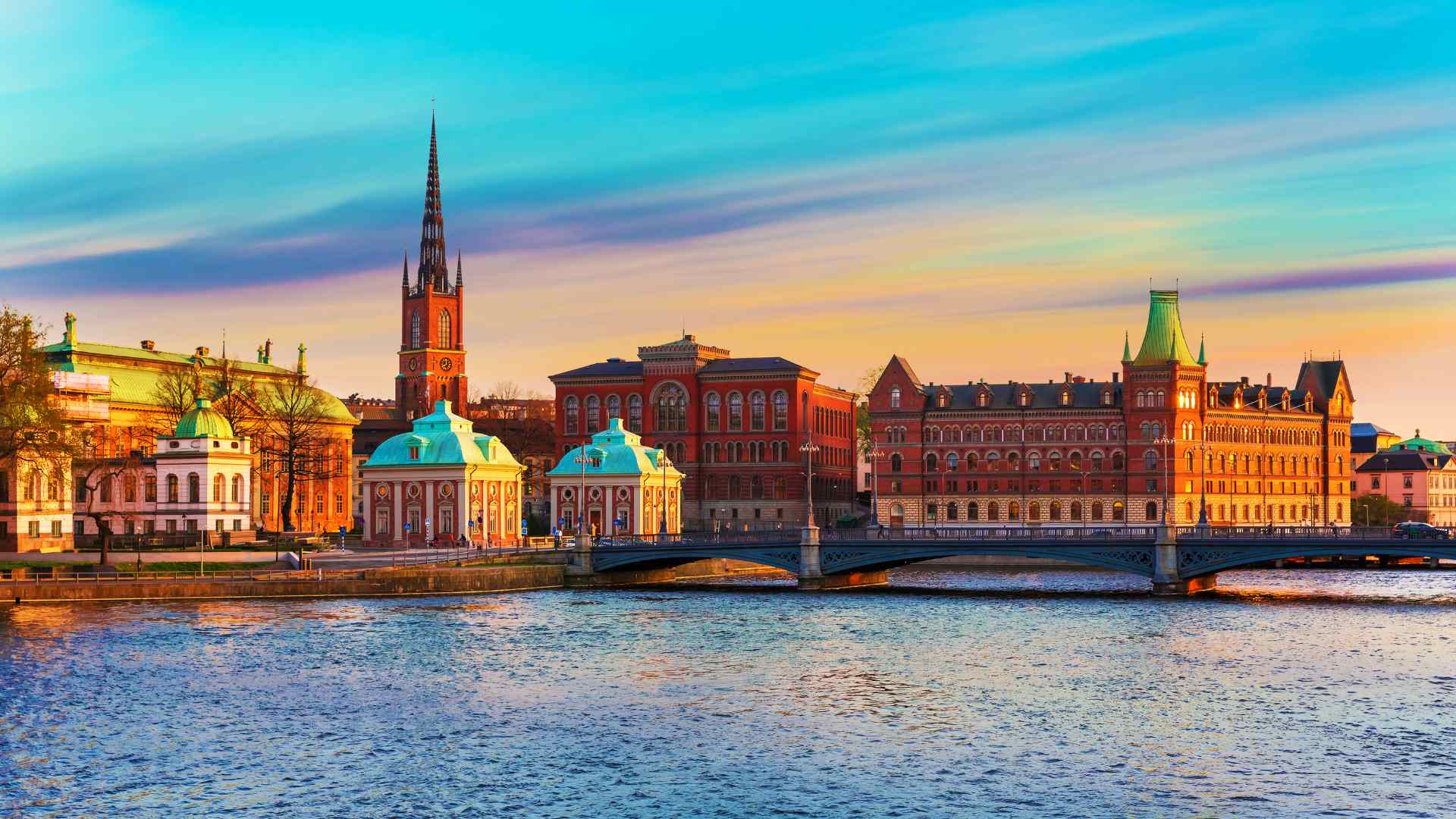
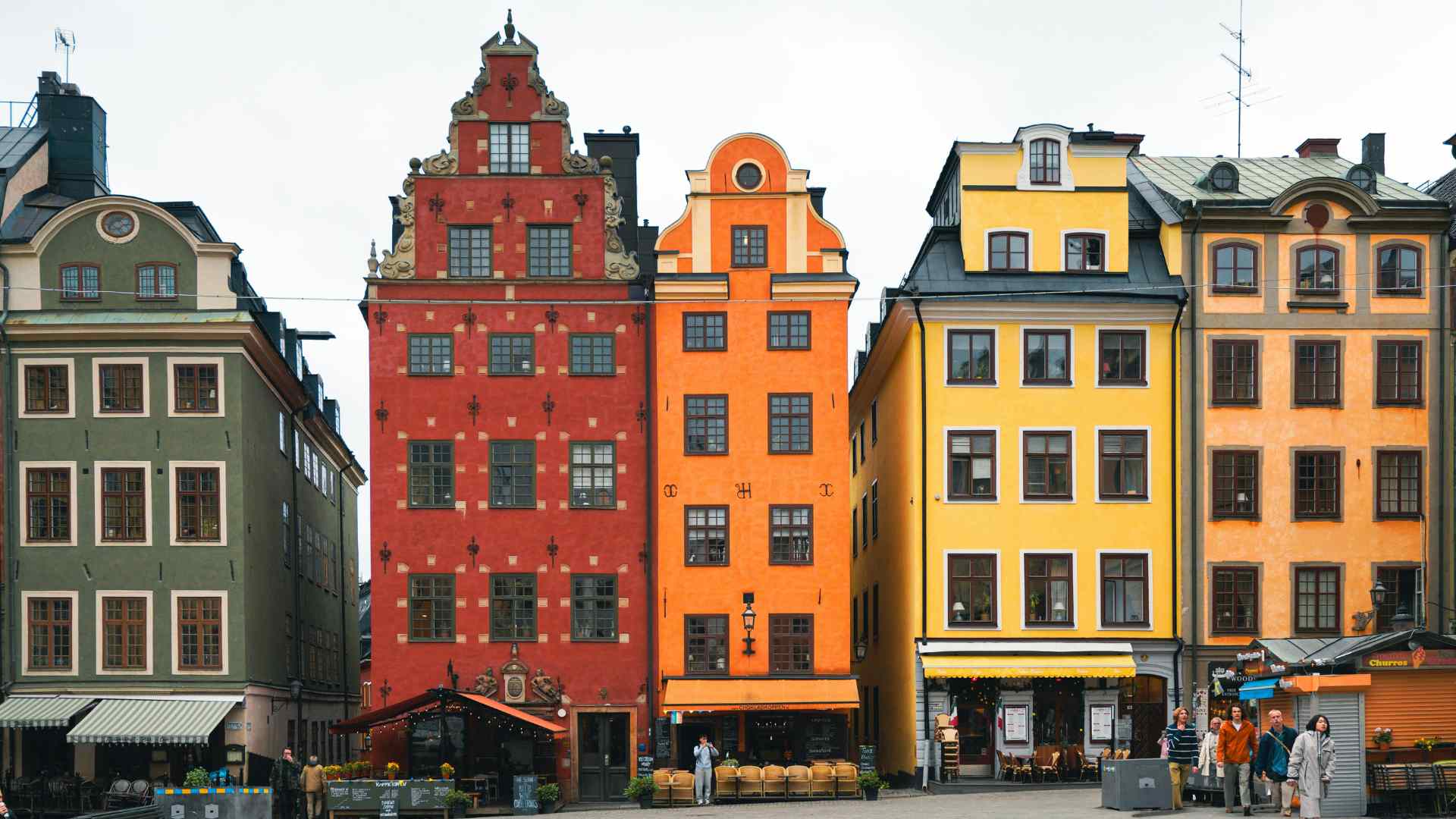
Gamla Stan: The medieval old town on its own island, all ochre buildings and lanes narrow enough to touch both sides. Go early, because by eleven it belongs entirely to tour groups.
The Vasa Museum: A remarkably complete seventeenth-century warship displayed indoors on Djurgården. Reserve when the official calendar shows pressure, and verify current admission and age rules instead of relying on an old fare.
The Royal Palace: One of Europe’s largest palaces, still the official residence of the Swedish monarch, sitting at the top of Gamla Stan. The changing of the guard is the free version if you are short on time.
Skansen: An open-air museum on Djurgarden with historic buildings moved here from across Sweden, plus Nordic animals. It needs two hours minimum, so do not tack it on at four o’clock.
Stockholm City Hall: The red brick tower where the Nobel banquet is held every December. Interior access is by guided tour only, so check times rather than turning up hopefully.
Sodermalm: The island your ship may already be tied to, full of secondhand shops, coffee, and viewpoints back over the water. Fotografiska sits right by the Stadsgarden cruise center.
An archipelago boat: Regular ferries run out toward Vaxholm and the nearer islands through a landscape of rock and pine. It is the most Swedish thing available and needs a half day.
The Djurgarden ferry: A short hop across the water that doubles as the cheapest harbor cruise in the city. Use it instead of the tram at least one way.
Fun fact: The Vasa sank in 1628 on her maiden voyage, barely out of the harbor, and then sat on the seabed for 333 years before anyone hauled her back up. The Vasa Museum calls her the world’s only preserved seventeenth century ship, which is one way of saying nobody else’s shipwright failed this usefully.
How I would plan the day
From Stadsgarden I would walk into Gamla Stan first thing, before the groups land, and give it ninety minutes. Then cross to Djurgarden for the Vasa and a slow lunch.
From Frihamnen I would take the shuttle or bus straight into the center and do exactly the same thing, just twenty minutes later. Nothing about the plan needs to change, only the start time.
From Nynäshamn, a shorter call should focus on either Gamla Stan or the Vasa, while a long call may fit both only with well-timed trains. Staying in Nynäshamn trades the capital for a relaxed coastal day with far less return risk.
Crowds concentrate hard in Gamla Stan and nowhere else, which makes them easy to dodge. Anywhere on Djurgarden or Sodermalm is calm by comparison, even on a two-ship day.
If the weather turns, Stockholm is a great rainy city because the museums are excellent and close together. The Vasa, Skansen’s indoor sections, and Fotografiska will absorb an entire afternoon.
From Stadsgården or Frihamnen, reach the ship or final shuttle 60 minutes before all-aboard. From Nynäshamn, choose a train scheduled to arrive back in town at least 90 minutes before all-aboard, then protect separate time for the walk or local transfer to the Seawalk or tender point.
A realistic word on accessibility
Modern Stockholm is one of the better cities in Europe for wheels, with step-free metro stations, low-floor buses, and museums that take access seriously. The Vasa Museum in particular is well set up.
Gamla Stan is the hard part, because the lanes are cobbled, narrow, and sloped, and there is no way around that. Plenty of people manage it, but nobody manages it comfortably.
Nynashamn adds a commuter train to the equation, so check assistance arrangements in advance rather than at the platform. For a wider comparison, see my guide to wheelchair-friendly cruise ports.
When to go, and the weather
Baltic cruise season runs from roughly May into September, and Stockholm is at its best in June and July. Daylight stretches absurdly late, which effectively lengthens your port day.
Midsummer highs sit around the low 70s Fahrenheit, and it rarely gets uncomfortably hot. May and September run closer to the high 50s and low 60s Fahrenheit.
Rain comes in short bursts rather than all day, so a packable jacket beats an umbrella. The wind off the water is the thing that actually makes you cold.
Bring shoes you can walk cobbles in, because Gamla Stan is unkind to anything with a thin sole. Sweden in summer also means long light evenings, so sunglasses are less of a joke than they sound.
Quick answers
Is Nynashamn really Stockholm?
No, it is a coastal town about 37 miles south of the city; the commuter train takes roughly an hour each way, so plan the day around that rather than around the city.
Can I walk into town from Stadsgarden?
Yes, and it is the main reason to hope for that berth; the waterfront path leads west toward Slussen, and Gamla Stan is across the bridge from there.
Do I need cash in Sweden?
Cards and contactless payments are dominant, but carry a backup card and check any small cash-only service before using it; do not assume every card, bank, or unattended reader will accept a foreign payment method.
Is the Vasa Museum worth it?
Yes for maritime history, conservation, or a strong indoor centerpiece, because the ship and its recovered objects support far more than a one-object display; allow enough time for the galleries instead of treating it as a quick photograph.
The last word
Stockholm is a beautiful, slightly reserved city that gives you exactly as much as you organize for. Find out your berth, pick two things, and it will be one of the best days of a Baltic itinerary.
If you are doing the full Baltic loop, my Helsinki and Tallinn guides cover the two stops that usually bracket this one. Tallinn is the compact medieval counterweight to Stockholm’s sprawl.
And for the other Scandinavian capital that people constantly compare it with, there is my Copenhagen cruise port guide. Both are lovely, and only one of them has a warship in a shed.
How this guide was researched: Unless a first-hand visit is explicitly identified above, this guide is based on independent research using official port, tourism, transit, government, and attraction sources where available. Logistics and time-sensitive details were reviewed in September 2026; see our Editorial Policy.