Arnhem Cruise Port: WWII History and Van Gogh Guide
Arnhem gives river-cruise travelers a choice that is far more interesting than its low-key waterfront first suggests. You can spend the day with Operation Market Garden history, stay central for church towers and café streets, or travel into the Veluwe for Van Gogh and sculpture.
The city itself is easy from a central Rijnkade berth, but the famous museums sit in different directions. Choose one major theme before the ship arrives, because Airborne history, the Netherlands Open Air Museum, and Kröller-Müller do not fit comfortably into one ordinary call.
My quick take
For a short visit, I would keep everything central: Airborne at the Bridge, John Frost Bridge, Eusebius Church, the old streets, and the riverfront. That route is coherent, walkable, and easy to shorten around a changing river schedule.
For a half day, the Airborne Museum at Hartenstein in Oosterbeek is the strongest focused excursion. For a genuinely long call, Kröller-Müller is the art prize, but it requires park entry and a deliberate transport plan.
Do not call Arnhem merely “A Bridge Too Far” country and stop there. The city’s rebuilding, parks, fashion culture, trolleybuses, and access to the wooded Veluwe give it a broader personality than the wartime story alone.
Quick Facts
- Typical berth: Many river vessels use Rijnkade near central Arnhem, though operators can assign another quay or a replacement coach stop.
- Dock or tender: River ships normally tie alongside the quay, with no tender transfer.
- Into town: From a central Rijnkade position, the old center and Eusebius Church are generally a short walk.
- Best short-call theme: Combine John Frost Bridge, Airborne at the Bridge, Eusebius Church, and the old center.
- Best history excursion: Airborne Museum Hartenstein is in Oosterbeek, separate from Airborne at the Bridge in Arnhem.
- Best art excursion: Kröller-Müller Museum lies inside De Hoge Veluwe National Park and needs both transport and park logistics.
- Currency and language: The Netherlands uses the euro, and Dutch is the local language, with English widely understood.
- Best planning rule: Confirm the actual berth and all aboard before choosing any attraction outside central Arnhem.
Start with the live berth
Arnhem is a river port rather than an ocean-cruise terminal, so there is no single permanent passenger building that settles every arrival. Ships may use Rijnkade or another operational position according to river conditions, traffic, and the operator’s plan.
Check the map supplied by the cruise director instead of dropping a generic “Arnhem cruise port” pin into your phone. A short walk described for one quay may begin from a different position on another sailing.
If high or low water changes the itinerary, the operator may use a nearby port and coach passengers into Arnhem. That possibility is why exact walking minutes and unsupported missed-call rates are not useful planning tools.
From a central Rijnkade berth, the city rises gently inland, with the bridge and riverfront in one direction and the main shopping streets in the other. Save the ship’s location offline before leaving because quay names and parallel roads can look similar on return.
Rafted river ships
River vessels sometimes berth side by side, requiring passengers to cross another ship before reaching the quay. Expect steps, narrow gangways, changing angles, and another vessel’s lobby even when your own ship advertises direct docking.
Travelers with mobility needs should ask the cruise director about the complete exit path on the day. A city can be accessible while a temporary rafted arrangement is not.
John Frost Bridge and Airborne at the Bridge
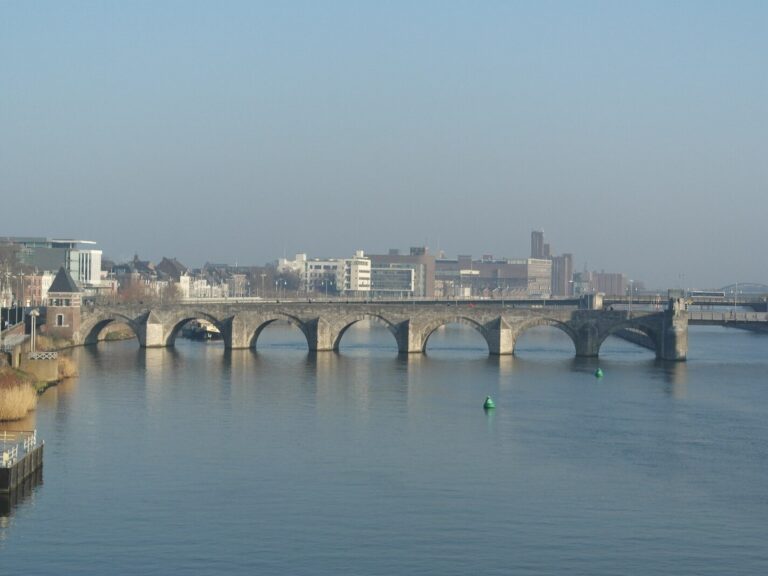
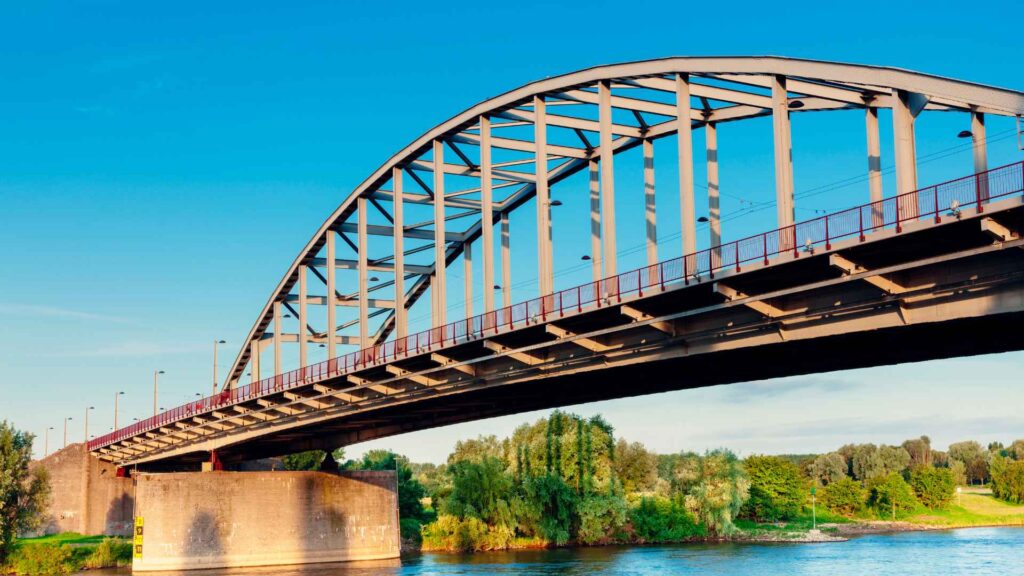
The John Frost Bridge carries Arnhem’s most internationally recognized wartime association. The current bridge spans the Lower Rhine near the position fought over during Operation Market Garden in September 1944.
Do not expect the structure alone to explain the battle. The free Airborne at the Bridge information center on the Rijnkade gives the essential people, timeline, and geography through objects and multimedia interpretation.
Airborne at the Bridge is managed by the same organization as the larger museum in Oosterbeek, but the two are separate locations. The city-center site focuses tightly on events around the bridge and works beautifully within a walking day.
Check the official Airborne Museum site for current hours at both locations. A seasonal closure or commemorative event can change what is available.
Walk toward the bridge with attention to traffic and bicycle lanes, then view it from a safe public position along the river. The best understanding comes from connecting the landscape with interpretation, not merely photographing the roadway.
The story includes Allied soldiers, German forces, Dutch resistance, and civilians caught in the destruction and evacuation. Give those perspectives room instead of reducing the site to a movie reference.
How much time to allow
A focused visit to the information center and riverfront bridge view can fit easily into a short call. Add time if you read every account, attend a program, or continue through the center to other memorial points.
This is the ideal first stop because it lies close to the likely berth and carries almost no transport risk. It also helps you decide whether the larger Oosterbeek museum deserves the rest of the day.
Eusebius Church and the rebuilt center
Eusebius Church dominates Arnhem’s skyline and embodies the city’s destruction and reconstruction. The late Gothic building was severely damaged during the battle, then restored over many years as Arnhem rebuilt around it.
An elevator carries visitors into the tower on operating days, with glass balconies that extend over the city. The official Eusebius site is the place to check tickets, height access, events, and temporary closures.
The glass experience is optional, and the church interior still rewards travelers who prefer to keep solid floor beneath them. Exhibits, architectural fragments, views, and the building’s scars create a strong connection between medieval Arnhem and the modern city.
The tower can close or adjust access for weather, maintenance, or private events. Treat a skyline view as a bonus rather than allowing one elevator schedule to control the day.
Walking the old center
Arnhem’s central streets mix historic fragments with postwar rebuilding, shops, cafés, and newer cultural spaces. You are not entering an untouched medieval town, and the contrast is part of the story.
Look for Sabelspoort, narrow lanes near the church, market spaces, and surviving façades between modern blocks. The official Visit Arnhem site can identify current walking routes and events.
Arnhem has a strong retail and fashion identity, supported by its creative institutions and local designers. Even travelers who do not want a museum may enjoy independent shops and café streets between the river and station.
The central area is compact enough to wander without a strict sequence. Keep the river and Eusebius tower as orientation points, and watch carefully for bicycles and trolleybuses at crossings.
Food and a practical break
A café lunch or bakery stop fits the city better than an elaborate meal squeezed between distant museums. Ask for the bill with enough time because European table service does not share your gangway deadline.
Cards are widely useful, but carry a backup payment method. A market stall, small venue, or temporary technical problem can make one card less universal than expected.
Airborne Museum Hartenstein in Oosterbeek
The larger Airborne Museum occupies Hartenstein in Oosterbeek, west of Arnhem. The building served as headquarters for the British 1st Airborne Division during the battle, giving the museum a direct relationship with the events it interprets.
Collections, personal accounts, film, photographs, uniforms, objects, and immersive displays explain the battle through more than strategy. Civilian experience and the consequences for Arnhem and Oosterbeek are essential parts of the visit.
This is the best choice for travelers whose main interest is Operation Market Garden. It deserves enough time to move beyond a quick headline tour, especially if you plan to explore the grounds or nearby memorial landscape.
Getting to Oosterbeek
Public buses or trains combined with walking may work according to the current timetable, while a taxi offers the simplest door-to-door route. Use a live Dutch journey planner such as 9292 rather than memorizing a route number.
A taxi can be particularly worthwhile for a small group because it protects museum time and simplifies the return. Arrange pickup or save dispatch details instead of assuming a queue will be waiting outside.
If using public transit, choose a return that leaves another workable service behind it. River ships can depart on precise schedules even when a bus is delayed.
Nearby sites
The Arnhem Oosterbeek War Cemetery and other memorial locations may interest dedicated history travelers, but each adds transport and emotional weight. Choose them deliberately rather than collecting memorials as quick photo stops.
September commemorations can bring ceremonies, altered access, and greater demand. Check official museum and local event information before arriving during the anniversary period.
Kröller-Müller Museum and Van Gogh
Kröller-Müller Museum is the major art excursion from Arnhem, set inside De Hoge Veluwe National Park near Otterlo. Its collection includes an exceptional group of works by Vincent van Gogh alongside modern art and a large sculpture garden.
The official Kröller-Müller Museum site should settle opening days, timed tickets, current exhibitions, and gallery access. Do not rely on an old claim about Monday closures because museum schedules can change by season.
The sculpture garden deserves real time and depends on weather, daylight, and any partial closure. A visit focused only on famous paintings misses the conversation between art, architecture, and wooded landscape.
This is not a downtown Arnhem museum. It lies within a national park, so the transport must reach an appropriate park entrance and then continue to the museum through the park.
The two-ticket problem
Museum admission and national-park access are separate planning elements. Confirm both through the official De Hoge Veluwe National Park site and check whether parking or transport requires another reservation.
A museum ticket does not teleport you from the gate to the galleries. Understand the distance from your chosen entrance and the available bicycle, bus, walking, taxi, or tour arrangement.
White bicycles
The park’s well-known white bicycles can be useful for confident riders and are part of the De Hoge Veluwe experience. They are shared park transport rather than reserved private rentals, so availability and fit should not be treated as guaranteed.
Cycling also requires weather tolerance, balance, and enough time to return the bicycle and reach the ship. An accessible vehicle or controlled tour is a better answer for many cruise travelers.
Who should choose Kröller-Müller
Choose this excursion when Van Gogh, modern art, or sculpture is the main reason for visiting Arnhem. Skip it on a short call, when road timing is uncertain, or when the park journey would leave only a rushed gallery visit.
A ship excursion or private driver can reduce the risk by controlling the chain from quay to park and back. Ask whether park admission, museum entry, waiting time, and accessible transport are included.
Netherlands Open Air Museum
The Netherlands Open Air Museum brings buildings, crafts, transport, and stories from across the country into a large landscaped setting north of Arnhem. It is a strong alternative for families and travelers who want social history rather than battlefields or modern art.
Historic houses, farms, mills, workshops, and vehicles require far more walking than the word “museum” suggests. Use the official Open Air Museum site to check seasonal demonstrations, tickets, accessibility, and transport.
The grounds can fill most of a day, so decide what matters before entering. Trying to complete every route will turn a pleasant cultural park into a marching exercise.
A historic tram system may help visitors move around when operating, but it is an attraction and transport feature with its own access conditions. Do not make it the only mobility plan without current confirmation.
This museum pairs poorly with Kröller-Müller in one port call because both need travel and substantial time. It pairs more naturally with a short central Arnhem walk before or after.
Getting around Arnhem
On foot
Central Arnhem is easiest on foot from a nearby berth. The river, bridge, Eusebius Church, shopping center, station district, and Airborne at the Bridge fit within a manageable urban area.
Surfaces include smooth paving, occasional cobbles, slopes, and construction. Watch bicycle lanes separately from vehicle traffic because bikes may approach quietly and quickly.
Trolleybuses and buses
Arnhem is known for its trolleybus network, which gives ordinary city travel a distinctive visual character. Routes to outer attractions and nearby towns should be checked live because schedules and stops change.
Use contactless payment only after confirming the current Dutch transit rules for your card. Travelers should understand both check-in and check-out procedures before boarding.
Trains
Arnhem Centraal connects the city with Oosterbeek and the national rail network. A short train can support some itineraries, but the final walk or bus from the station still belongs in the timing.
Platform changes and disruption happen, so keep a later connection available. The train station is not the ship, and the walk from rail to quay must be added.
Taxis and private drivers
A taxi is the most efficient choice for a focused museum visit when time matters. Get the destination’s full address, agree on pickup, and show the driver the ship’s quay rather than saying only “the river.”
For Kröller-Müller, a driver who understands park entrances and wait time is far more useful than a simple one-way taxi. Put every segment in writing before leaving Arnhem.
Cycling
Cycling suits confident riders who understand Dutch lanes, signs, and right-of-way patterns. Rent proper equipment, lock it correctly, and keep the route shorter than your maximum fitness distance.
A bicycle does not eliminate the ship’s deadline or headwind. Turn back early enough to absorb a puncture, navigation error, or slow section.
Three realistic Arnhem days
A short central history walk
Start at Airborne at the Bridge, view John Frost Bridge from the riverfront, then walk to Eusebius Church and the old center. Add coffee, shops, or a market according to the day before returning to the quay.
This plan keeps every major risk within walking distance. It is the best answer when the ship gives only a few hours or river conditions have already changed the schedule.
A dedicated Airborne day
Travel first to Hartenstein in Oosterbeek and spend meaningful time in the museum. Return to Arnhem for Airborne at the Bridge, the bridge view, and Eusebius if the clock allows.
This creates a clear historical sequence from division headquarters to the bridge. It also avoids mixing a serious museum with an unrelated sprint to the national park.
A Van Gogh and sculpture day
Leave early for De Hoge Veluwe with transport, park entry, and museum admission confirmed. Focus on Kröller-Müller’s galleries and sculpture garden, then return directly to Arnhem with a large road buffer.
Treat any central sightseeing afterward as a bonus. This is a destination excursion and should not be squeezed between multiple city attractions.
A family social-history day
Choose the Netherlands Open Air Museum as the main event and let children or grandparents set the pace. Add only a short Eusebius or riverfront stop on the way back.
The open-air setting provides variety without constant transfers. Weather and walking stamina should shape which sections you cover.
Accessibility and comfort
A central berth can make Arnhem easy, but river-ship gangways and rafted vessels create the first accessibility question. Ask the cruise director about steps, gradients, handrails, and whether another ship must be crossed.
The central streets are generally manageable, yet bicycle crossings, cobbles, curb transitions, and pedestrian crowds require attention. A short taxi can conserve energy for the actual attraction.
Eusebius offers elevator-based tower access, but the complete route and glass-balcony experience should be checked for the visitor’s needs. Historic architecture can still contain narrow spaces or temporary restrictions.
Hartenstein, Kröller-Müller, De Hoge Veluwe, and the Open Air Museum each publish accessibility information, but the transfer chain remains separate. Confirm the vehicle, park gate, paths, restrooms, seating, and return.
White bicycles are not an accessibility substitute. Reserve adapted equipment or an accessible vehicle when required rather than assuming something suitable will be waiting.
A long museum day can involve more standing and distance than expected. Build in café breaks, weather protection, and a comfortable margin back to the ship.
Weather and seasonal timing
Arnhem’s river-cruise season can bring cool spring mornings, warm summer afternoons, autumn color, and rain in any month. Layers and a light waterproof shell are more useful than one heavy item.
The Veluwe can feel cooler and more exposed than central streets, especially on a bicycle or in the sculpture garden. Check both city and park conditions before leaving the quay.
September remembrance events give Airborne sites particular meaning and can also create crowds, ceremonies, road changes, or sold-out programs. Reserve priority visits and keep the tone respectful.
Autumn color adds beauty to De Hoge Veluwe, but shorter daylight and wet paths change the usable day. Do not trade a safe return for a seasonal photograph.
When rain becomes heavy, Hartenstein, Eusebius, the city center, and Kröller-Müller still offer strong indoor experiences. The Open Air Museum and sculpture garden are better when your clothing and interest support outdoor time.
Common mistakes I would avoid
The first is assuming the berth will always be the same section of Rijnkade. Use the operator’s live map before calculating any walk.
The second is confusing Airborne at the Bridge with Airborne Museum Hartenstein. One is central Arnhem, while the larger museum is in Oosterbeek.
The third is treating Kröller-Müller as a quick city museum. It sits inside De Hoge Veluwe and needs park access plus final transport.
The fourth is trying to combine every headline. Choose wartime history, art and nature, or the Open Air Museum as the main theme.
The fifth is forgetting the river can change the schedule. High water, low water, locks, and operational decisions may shorten or relocate a call.
Finally, do not ignore modern Arnhem. The rebuilt center and daily life are part of what gives the historic sites their meaning.
Quick answers
Can I walk into Arnhem from the river ship?
Usually yes from a central Rijnkade berth, but assignments can change. Check the ship’s map before relying on a fixed route.
Is John Frost Bridge the original wartime bridge?
The present bridge occupies the crossing associated with the battle but is a postwar replacement. Airborne at the Bridge provides the clearest nearby interpretation.
Where is the Airborne Museum?
Airborne Museum Hartenstein is in Oosterbeek, west of Arnhem. Airborne at the Bridge is a separate smaller information center on the Arnhem riverfront.
Can I visit Kröller-Müller on my own?
Yes with a carefully checked transport plan, park access, museum admission, and return buffer. A tour or private driver is often simpler on a cruise clock.
Does the museum really have Van Gogh works?
Yes, the Kröller-Müller collection is renowned for its Vincent van Gogh holdings. Check the official museum site for what is currently on view.
What is best on a short call?
Stay central with the bridge, Airborne at the Bridge, Eusebius Church, and old-town streets. This avoids transport risk and still tells a coherent Arnhem story.
The last word
Arnhem rewards a decision made early. Choose the bridge and Airborne story, the Van Gogh collection in the Veluwe, or a broad Dutch-history day, then give that theme enough time to matter.
For a larger route, compare Arnhem with my Amsterdam cruise port guide and European cruise ports guide. Arnhem is quieter than the capital, but its history, art, and landscape offer more than one full day’s worth of choices.
How this guide was researched: This guide was independently researched using official local tourism, Airborne Museum, Kröller-Müller, De Hoge Veluwe, Open Air Museum, transit, and attraction sources. Berthing and time-sensitive details were reviewed in September 2026; see our Editorial Policy.