Alghero Cruise Port: A Cruiser’s Guide to Coral-Coast Sardinia
Alghero gives cruisers a pleasant choice: chase a famous cave along a limestone coast, or spend the day close to the ship. The old town, waterfront walls, market, and an urban beach form a compact bundle.
The catch is that Alghero is commonly an anchor call, and both tenders and cave boats depend on conditions. Treat Neptune’s Grotto as a handsome bonus from the weather gods.
First, work out how you are arriving
Many cruise ships anchor outside Alghero’s small harbor and use tender boats, although arrangements depend on the vessel and the day’s port plan. Your cruise line’s daily program is the authority for the landing point, ticket process, and final return boat.
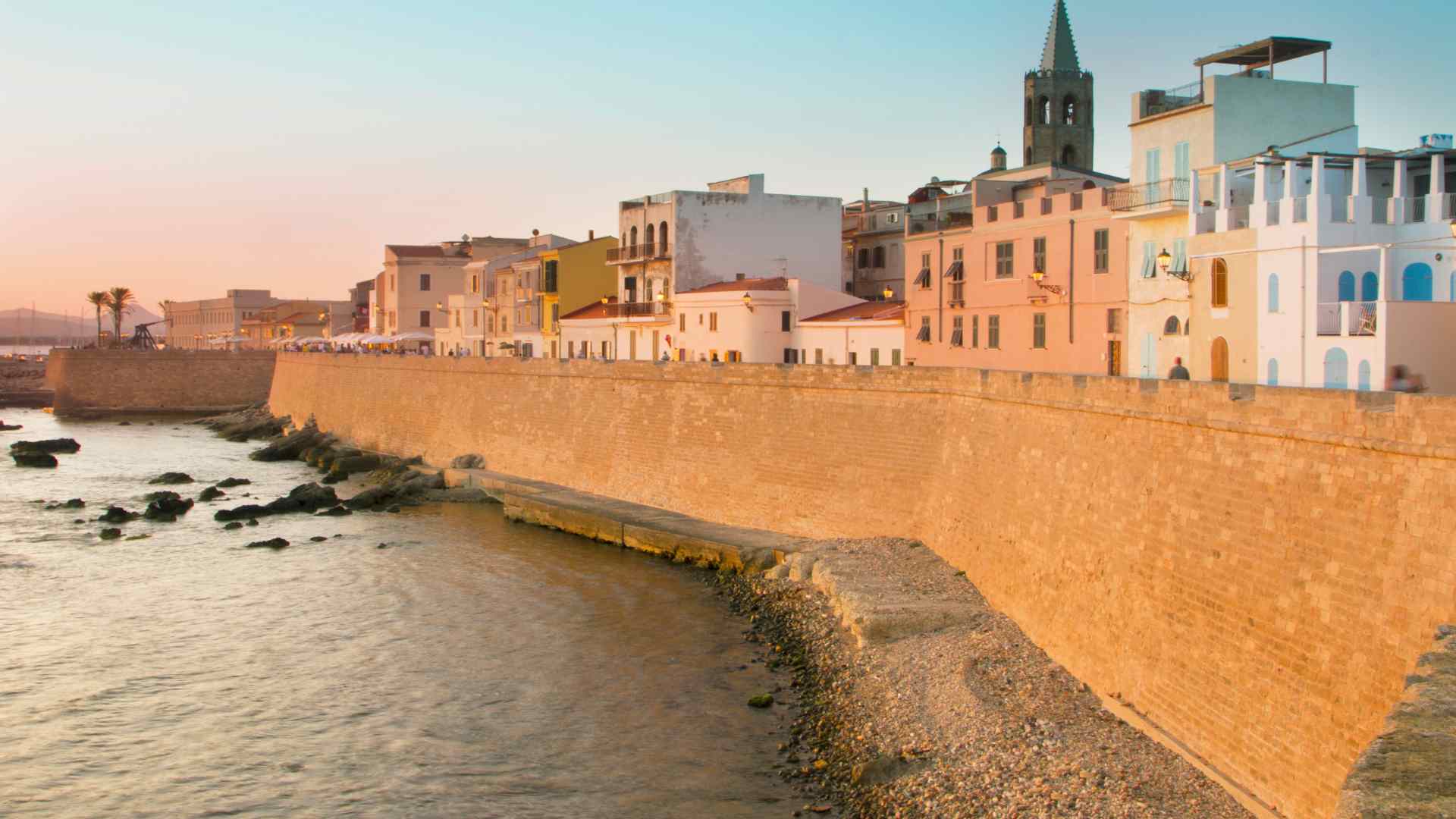
The usual advantage is location. A tender landing around the harbor puts the medieval center and its bastions close by, so there is no long bus transfer before the fun starts.
Sea state matters twice here. A ship may be able to operate its tenders while smaller tourist boats to Neptune’s Grotto remain canceled, so never treat one moving boat as proof that every boat will move.
Check the cave’s official booking information on the morning of your call, then confirm the excursion operator too. The cave can be approached by sea or by road and the long Escala del Cabirol staircase, but access can change with marine weather and safety conditions.
Keep your final hour boring in the best possible way. Return near the harbor, have a drink within sight of the tender area, and let somebody else audition for the role of frantic passenger waving from the quay.
Alghero Cruise Port Quick Facts
- Where you land: the tender landing in Alghero’s small harbor, directly beneath the bastions of the walled old town. The harbor is a marina and excursion-boat basin rather than a cruise terminal, and the official Alghero destination site is the best source for what is open ashore.
- Dock or tender: Ships anchor off the town because the harbor is too small for a cruise berth.
- Into town: Nothing to travel.
- Currency and language: The euro (EUR), and Italian, with Sardinian and the local Catalan dialect known as Algherese still spoken and visible on the street signs.
- Time zone: Central European Summer Time (CEST, UTC+2) during the cruise season, CET (UTC+1) in winter.
- Weather and operations: This is a tender port, so wind and swell can delay or cancel transfers between ship and shore.
The easiest Alghero day is also a very good one
If this is your first visit, a town loop deserves more respect than it sometimes gets. Alghero’s historic center carries a strong Catalan legacy in its architecture, street names, and local language, giving it a character distinct from many other Sardinian towns.
Start on the seaward bastions and follow the walls around the old town. The route serves up views toward Capo Caccia without demanding hiking boots, although paving and occasional changes of level still warrant attention.
Drop into the lanes around Piazza Civica and the Cathedral of Santa Maria rather than marching from sight to sight. Churches including San Francesco and San Michele add Gothic, Renaissance, and Baroque details, but opening access may vary around services and events.
The civic market is a useful lunch compass, while the official Alghero destination site can confirm events and current visitor information. Look for Sardinian cheeses, cured meats, bread, and produce, then decide whether to build a picnic or sit down for fregola pasta, seafood, or a seada pastry.
Alghero’s famous red coral is more complicated than a pretty shop window. The regional tourism authority identifies coral as a symbol of this coast, and responsible buyers should ask a jeweler about provenance, certification, and current harvesting rules before purchasing.
The Coral Museum gives that shopping tradition some context and also offers a cool indoor pause. Verify opening times before relying on it, especially outside the busiest season.
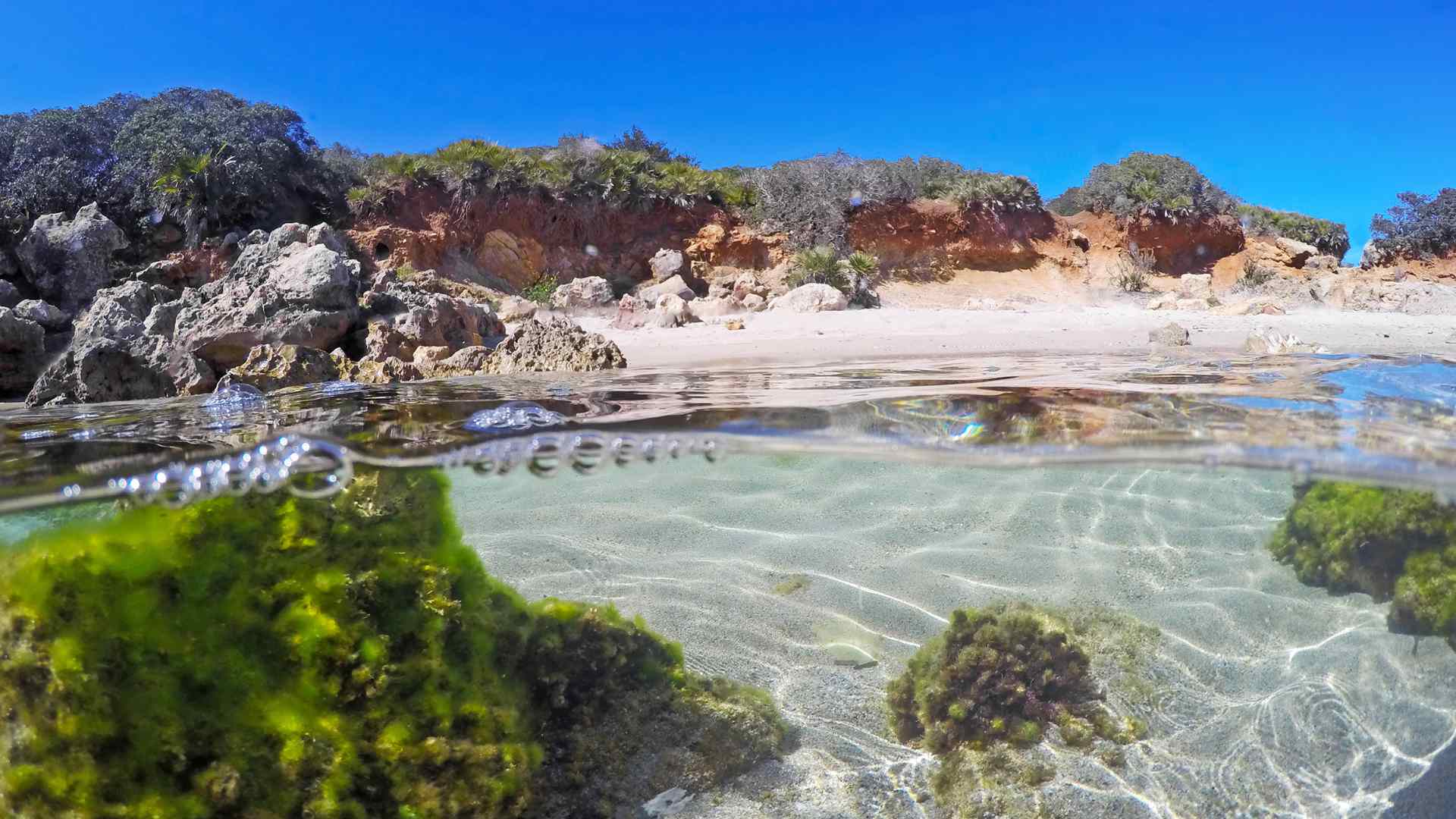
For a quick swim, Lido di San Giovanni begins near the city and Maria Pia continues along the sandy coast beyond it. They are easier to fit into a short call than distant coves, though summer crowds and wind can change the mood.
This route works particularly well when the forecast looks fussy. You remain close to the landing, have several indoor alternatives, and can abandon the beach without abandoning the day.
When Neptune’s Grotto should lead the plan
The Grotte di Nettuno sit beneath the cliffs of Capo Caccia inside the wider Porto Conte protected landscape. Official Sardinian tourism information confirms access both by boats departing Alghero’s harbor and by the cliff staircase from the land side.
Choose the boat for the coastal perspective and a gentler physical approach, but accept that sailing is weather dependent. A cancellation can arrive even under blue skies because swell around the promontory is the real decision maker.
The road approach uses the exposed Escala del Cabirol, officially 654 steps each way, so it is not the weatherproof or accessible alternative people sometimes imagine. Use dependable transport, confirm that land access is open, carry water, and save enough strength and time for the climb out.
Cave admission, boat fare, and road transport are separate unless a product explicitly bundles them. Reach the tender landing 60 minutes before its cutoff, or leave a 90-minute margin when returning from Capo Caccia, archaeology, a beach, or a separate cave boat.
Capo Caccia is worthwhile even if the cave closes. The protected area includes dramatic limestone cliffs, Porto Conte Bay, and viewpoints toward the perforated Isola Foradada, so a driver can still deliver a scenic day without pretending a locked entrance is exciting.
The downside is opportunity cost. A cave outing can consume most of a shorter call, leaving little room for Alghero itself, so I would pick the grotto only when the call is long enough to keep the schedule relaxed.
A history and nature route without the cave gamble
Nuraghe Palmavera offers a strong alternative for travelers interested in Sardinia before Rome. The archaeological complex preserves nuragic towers and village remains, and it pairs logically with the coast northwest of town.
The Necropolis of Anghelu Ruju reaches further back into the island’s prehistoric story through rock-cut tombs. Surfaces at both archaeological sites can be rough and exposed, so sturdy shoes and sun protection matter more than an elegant cruise-day sandal.
Porto Conte Regional Natural Park spreads around the bay and Capo Caccia area. Trails, Mediterranean scrub, coastal viewpoints, and archaeological sites make it appealing, but independent visitors need to check which areas require tickets, reservations, or specific access arrangements.
Punta Giglio can suit walkers who want coastal scenery without committing to the cave staircase. Choose a route compatible with the available time, carry water, and remember that shade becomes a precious commodity in summer.
Maria Pia or Le Bombarde can finish the day with a swim, depending on transport and season. Beaches farther from town buy prettier surroundings at the cost of more return risk, so a taxi plan is wiser than hopeful improvisation.
I would not combine several remote sites by public transport on a tight call. A booked driver or ship excursion costs more, but it prevents the day from becoming a study in bus stops and raised eyebrows.
Three realistic ways to spend the call
The short-call loop
Walk the bastions, explore the old-town lanes, visit one church or small museum, and stop for lunch near the market. Add San Giovanni beach only if your tender timing leaves a comfortable cushion.
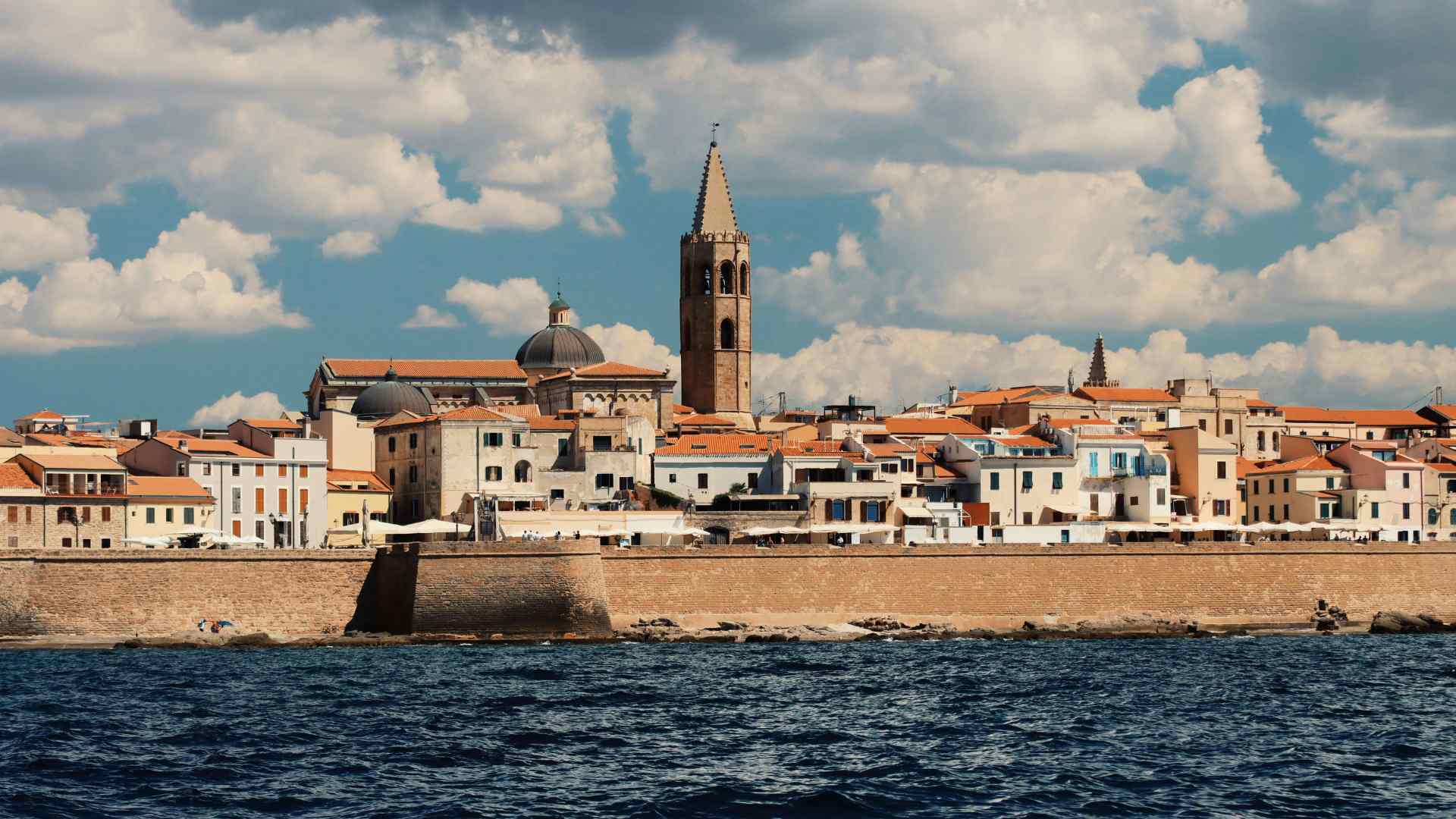
This plan looks modest on paper and feels generous in practice. It also survives wind, a late clearance, or a long tender line better than anything involving Capo Caccia.
The classic full day
Take an early confirmed boat to Neptune’s Grotto, then return for the bastions and old town. Finish with a meal rather than trying to bolt on a distant beach, because the cave has already supplied the day’s headline.
If the boat is canceled, pivot immediately to a road outing through Porto Conte or stay in town. Waiting around for a rumored later sailing can quietly eat the best hours.
The archaeology and swim day
Arrange transport to Nuraghe Palmavera, then continue to a beach or a Porto Conte viewpoint before returning to Alghero. Use the final part of the call for the walls, since they sit reassuringly close to the harbor.
This option is more dependable than a cave boat and more varied than a pure beach day. Its limitation is transport, as the sites are not arranged for a casual walk from the landing.
Accessibility, heat, and other practical truths
Tender boarding is the first accessibility question, and the answer depends on the ship, platform, sea, and mobility equipment. Speak with the cruise line before sailing because crew assistance cannot make every transfer safe in every condition.
Once ashore, the waterfront and parts of the bastion route are comparatively gentle. Historic lanes can bring cobbles, narrow passages, steps, and uneven thresholds, so a step-light route needs some advance selection.
The land route to Neptune’s Grotto is not a low-effort substitute for the boat. Its long cliff staircase is unsuitable for many visitors with reduced mobility, balance concerns, heart or respiratory conditions, or difficulty managing prolonged climbs.
Summer sun can be fierce on stone walls and exposed archaeological ground. Carry water, use a hat and sunscreen, and schedule the most exposed activity earlier rather than trying to out-stubborn the Mediterranean afternoon.
Cards are common in established businesses, and Italy uses the euro. A small amount of cash remains useful for modest purchases, but availability and payment methods should be checked rather than assumed for individual buses, kiosks, or beach services.
Normal city precautions are enough for most visitors. Keep valuables controlled in crowds, use licensed transport, and avoid swimming where local warnings or sea conditions advise against it.
If the weather turns
Wind does not ruin Alghero, but it should rewrite the order of play. Confirm marine activities first, then switch to the old town, churches, market, and museum options if boats stop running.
Rain makes polished stone and cobbles more demanding. Slow the pace, favor indoor stops, and resist the urge to replace a canceled boat with a rushed road marathon.
The old town is the reason this port remains satisfying when plans collapse. Alghero does not require a heroic excursion to justify the call, which is exactly what makes it such a friendly cruise stop.
My verdict
First-time visitors with a long call and calm conditions can reasonably put Neptune’s Grotto first. Everyone else can walk the walls, eat well, explore the Catalan-flavored center, and add a nearby swim without feeling they accepted the consolation prize.
I would choose one big extra, cave, archaeology, park, or beach, then give Alghero itself room to breathe. The CruisePorts.co tender guide and Augusta Bay guide can help with the wider plan.
How this guide was researched: Unless a first-hand visit is explicitly identified above, this guide is based on independent research using official port, tourism, transit, government, and attraction sources where available. Logistics and time-sensitive details were reviewed September 11, 2026; see our Editorial Policy.