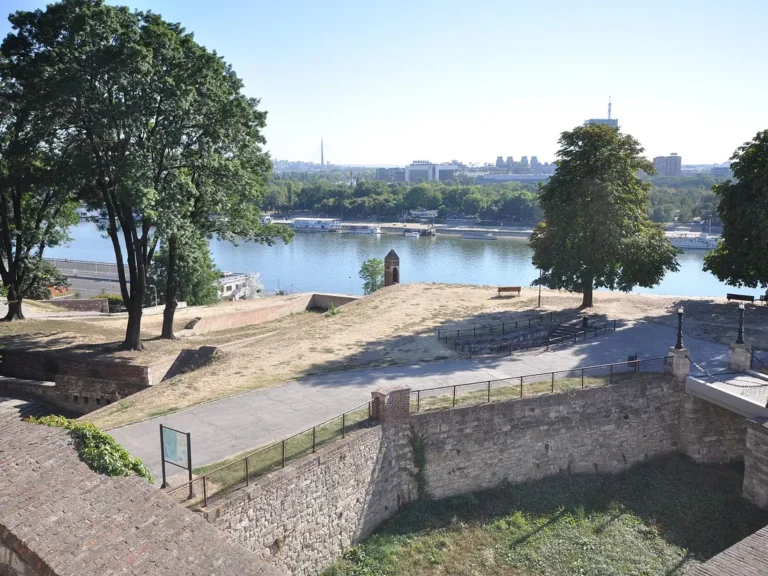
Augusta Bay Cruise Port: A Cruiser’s Guide to Ortigia and Syracuse
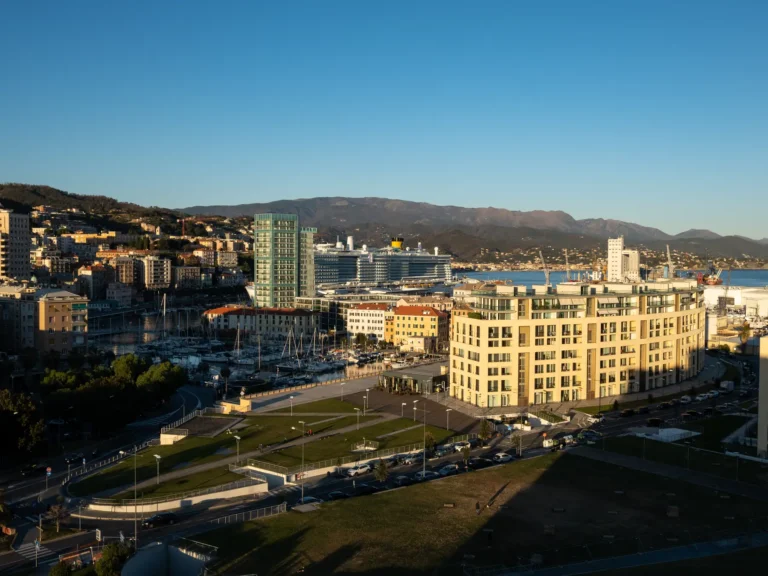
Augusta Bay is a working-port gateway to Ortigia and ancient Siracusa, not a destination I would linger in.
The smart plan starts with the secured-port transfer, then focuses on one or two well-matched sightseeing zones.
My quick take: Start early for baroque squares and Greek ruins, or keep the day easy in walkable Ortigia. Compare it with my most walkable cruise ports and Europe cruise-port guide.
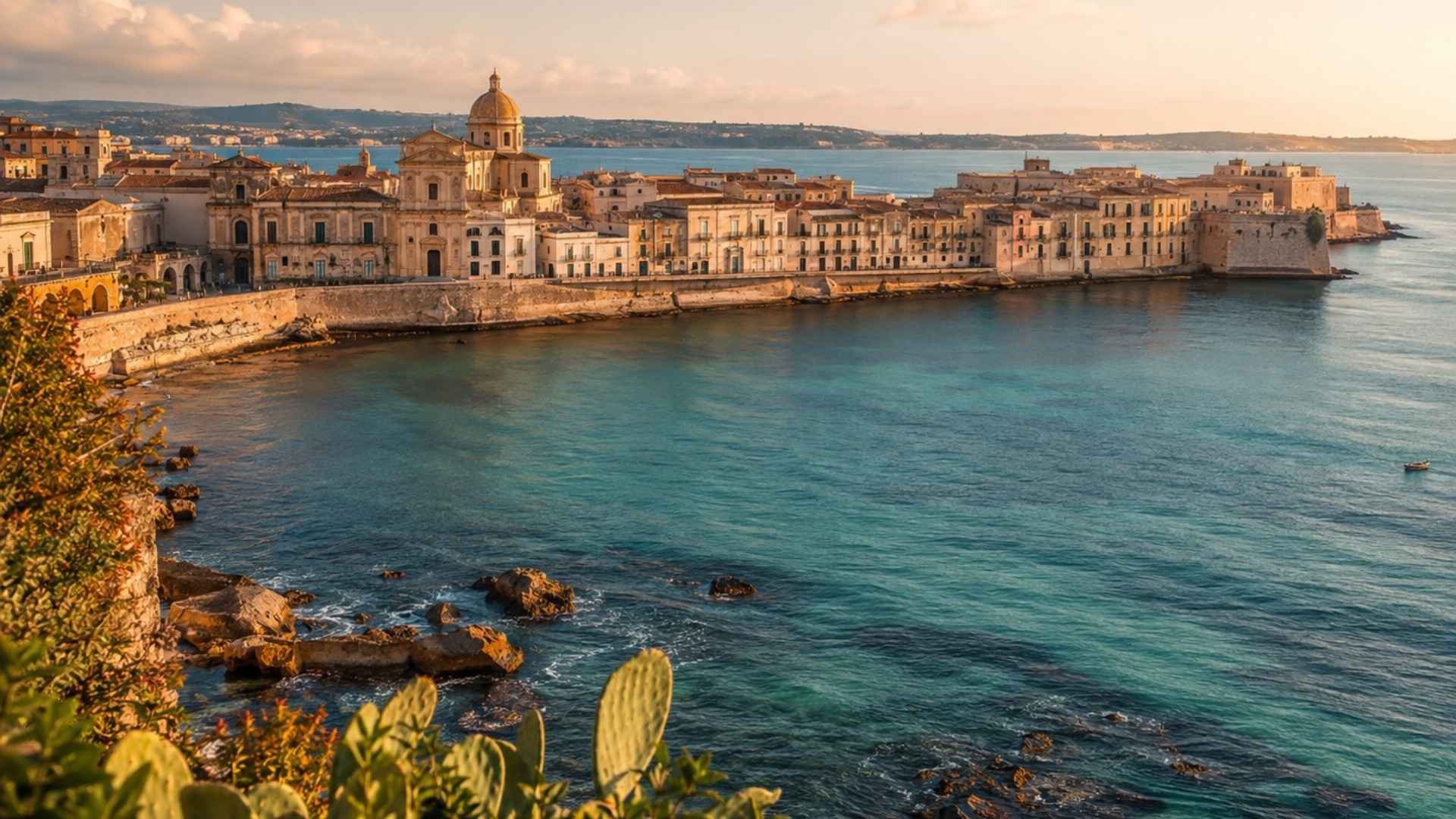
The complete Augusta-to-Siracusa chain
The secured port transfer comes first, followed by a 30- to 45-minute road trip, the drop point, your sightseeing, and the same journey back. Get the final shuttle time in writing and photograph the stop, because ‘Siracusa’ can mean Ortigia, a coach lot near Molo Sant’Antonio, or another traffic-managed point.
Neapolis and Ortigia are separate zones, so use a taxi between them rather than walking away half the day. For Noto, allow roughly 45 to 60 minutes each way from Augusta and reserve a driver; Mount Etna is farther and belongs only on a long ship-run excursion.
Best first visit: Combine Ortigia and Neapolis for the baroque and ancient sides of Siracusa without another intercity drive.
Best low-effort day: Stay in Ortigia for the market, Piazza Duomo, Arethusa waterfront, and an optional short boat trip.
Best repeat visit: Choose Noto with a private or ship tour, accepting that port and traffic time leave little room for Siracusa.
Quick Facts
- Where you land: a quay inside the secured commercial harbor at Augusta, on the east coast of Sicily. There is nothing for visitors in the port itself, and shuttle arrangements vary by call.
- Dock or tender: The operation can use a berth or tender depending on the ship and port plan, so confirm the day’s instructions before leaving the vessel.
- Into town: Siracusa and Ortigia are roughly 30 to 45 minutes away by road, depending on traffic.
- Currency and language: The euro (EUR), and Italian.
- Time zone: Central European Summer Time (CEST, UTC+2) through the main cruise season, CET (UTC+1) in winter.
- Operational caution: Severe weather, marine conditions, commercial-port activity, and the ship’s plan can alter or cancel the call.
How I’d confirm my own arrival
Because Augusta is a secured commercial port, read the daily program carefully the night before and note the exact shuttle plan. Confirm where it drops, how often it runs and, above all, when the final return leaves.
If your call is tendered rather than docked, factor in extra time and coordinate early with Guest Services. That single detail changes how far you can comfortably wander from the pier, and whether Noto or Etna are realistic at all.
Agree a price with any private driver before setting off, and confirm the pickup point for the return shuttle. A few minutes of clarity at the start keeps the day relaxed.
If the tender question is new to you, my explainer on what a tender port is lays out how it works. It is worth understanding before you commit to a distant excursion like Etna.
Build the return before the sightseeing
Augusta’s industrial layout makes the last transfer more important than the first attraction. Record the all-aboard time, final port shuttle, emergency contact, and exact pickup point before leaving the controlled area.
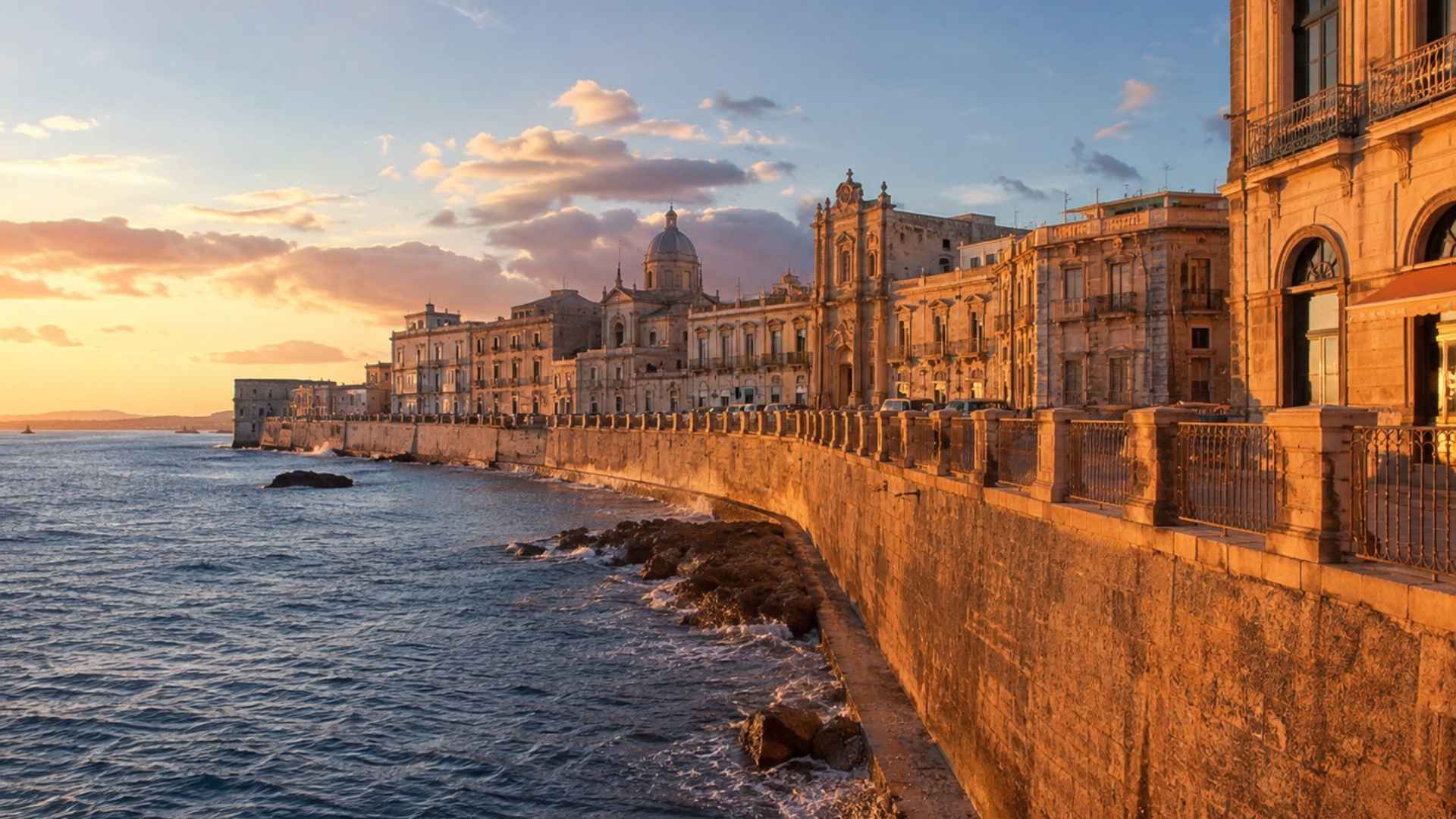
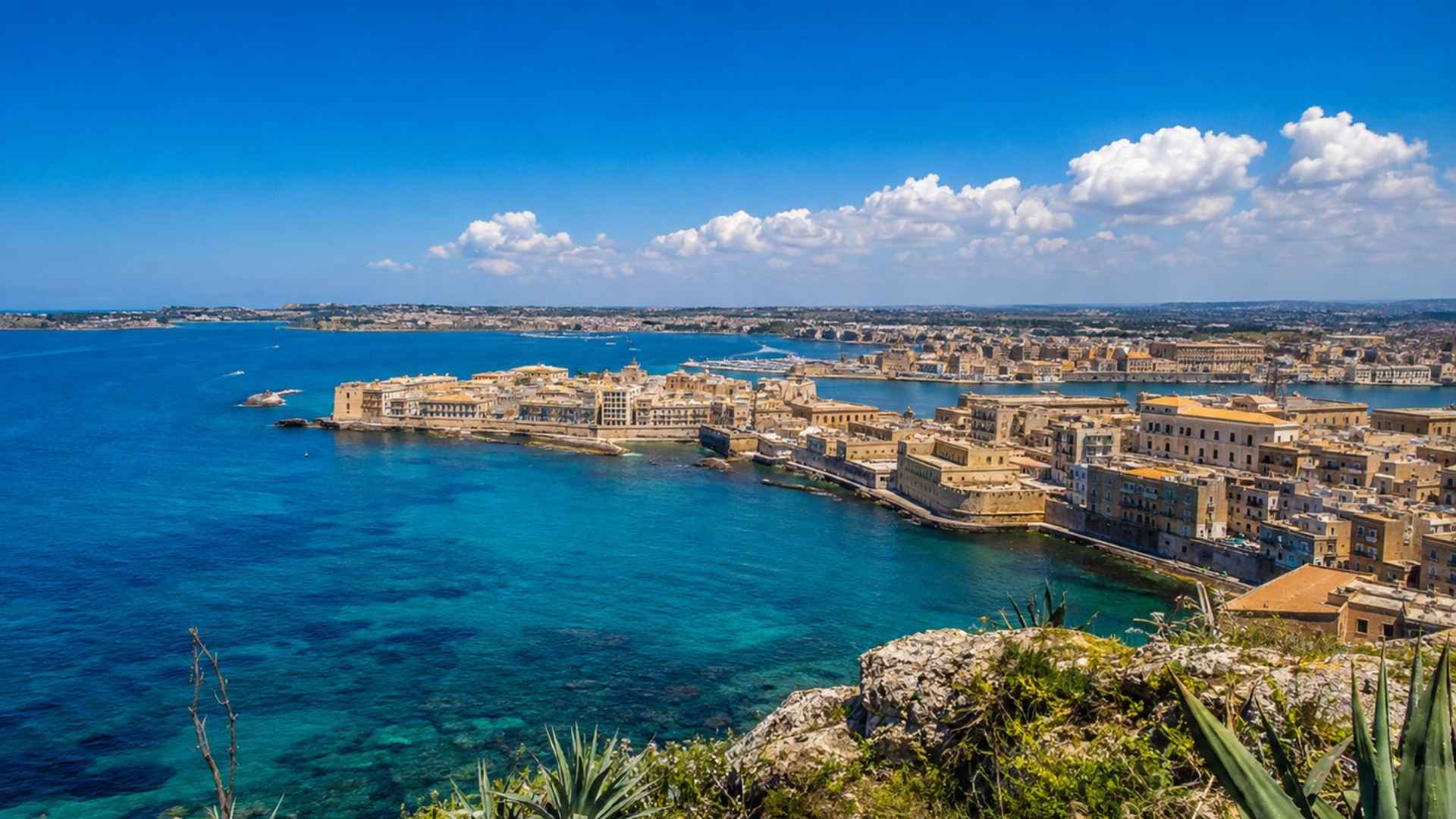
Ortigia is the most forgiving independent base because its main sights cluster on one compact island. If road traffic or the shuttle shortens the day, you can remove the boat trip or market detour without abandoning the whole plan.
Neapolis adds a second transport leg, separate admission, and substantial outdoor walking. Pair it with Ortigia only when the ship’s schedule leaves enough time for a taxi connection and a conservative return to Augusta.
Noto and Mount Etna demand still more discipline because both move you farther from the port. A ship excursion or prearranged driver with written timing is the sensible choice, and a late start is a reason to scale back rather than rush.
The stops I’d actually spend time on
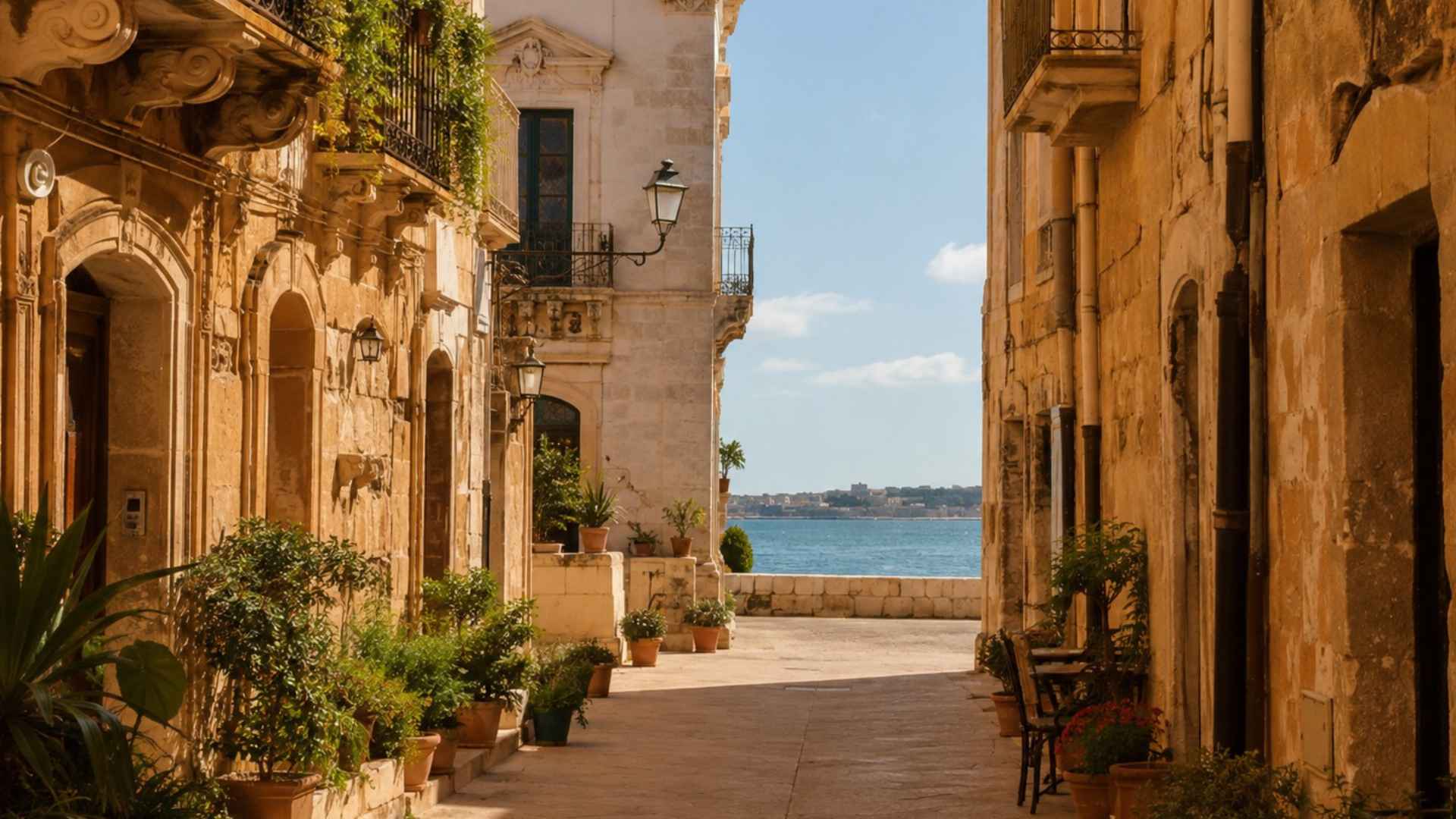
Almost everything worth your day at Augusta Bay cruise port sits in Siracusa, split between the island of Ortigia and the ancient quarter of Neapolis. These are the places I would build the day around, saving the port town of Augusta itself for a quick look if time allows.
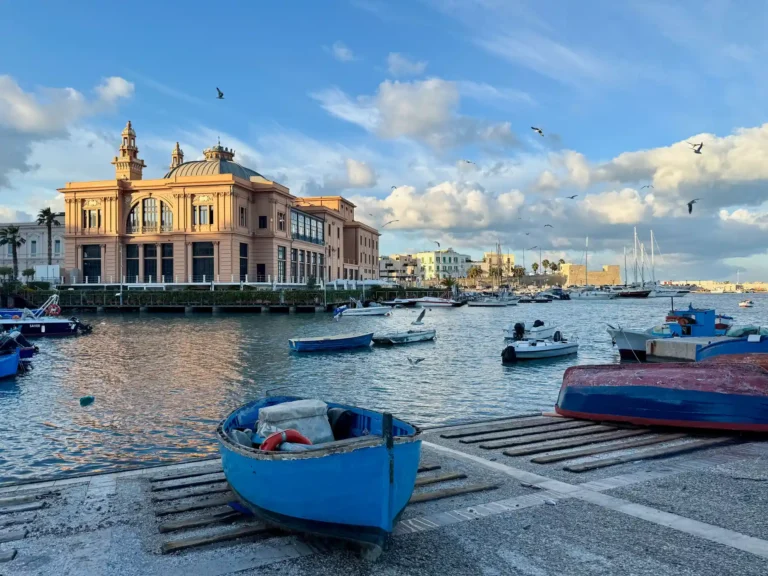
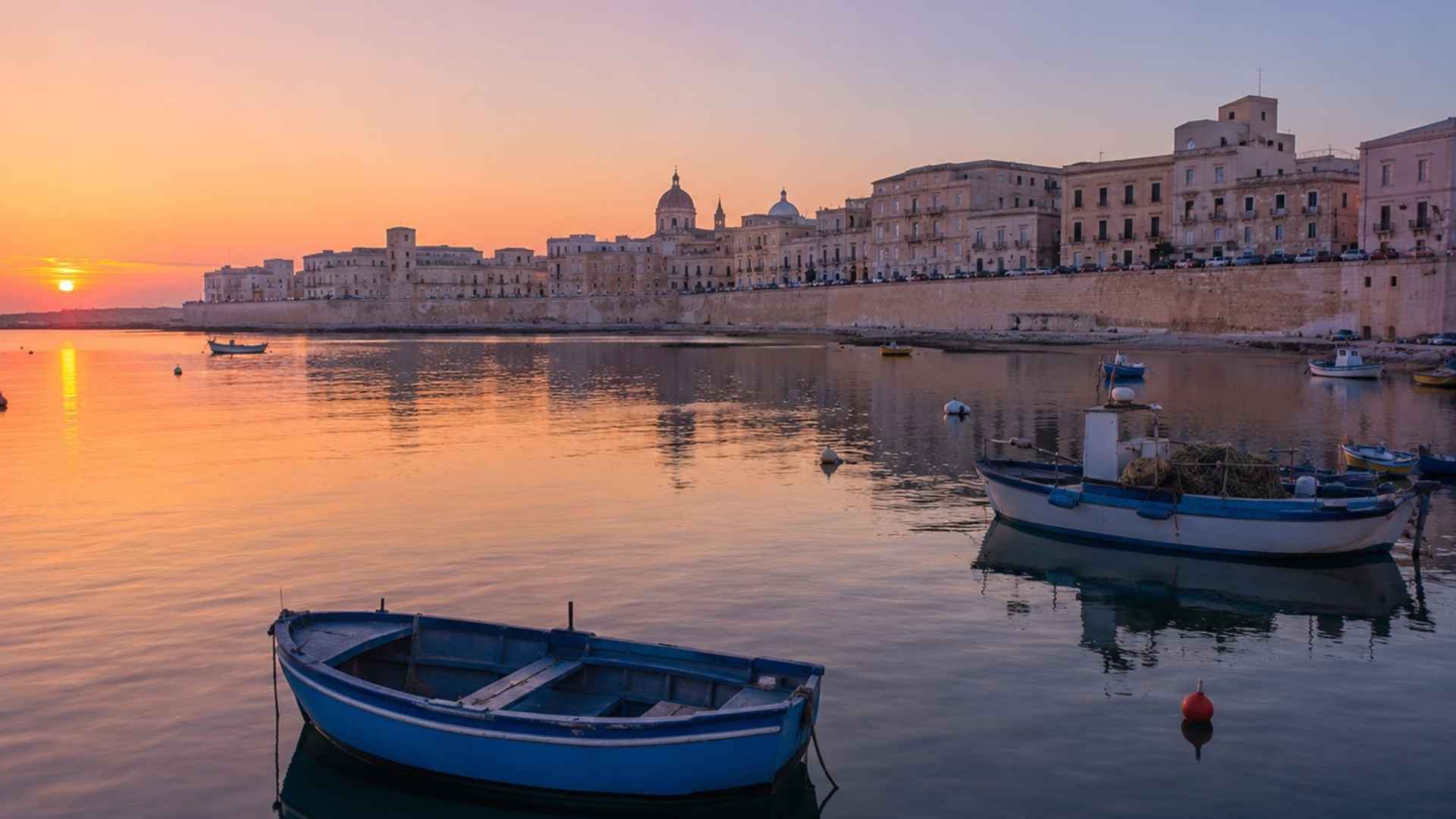
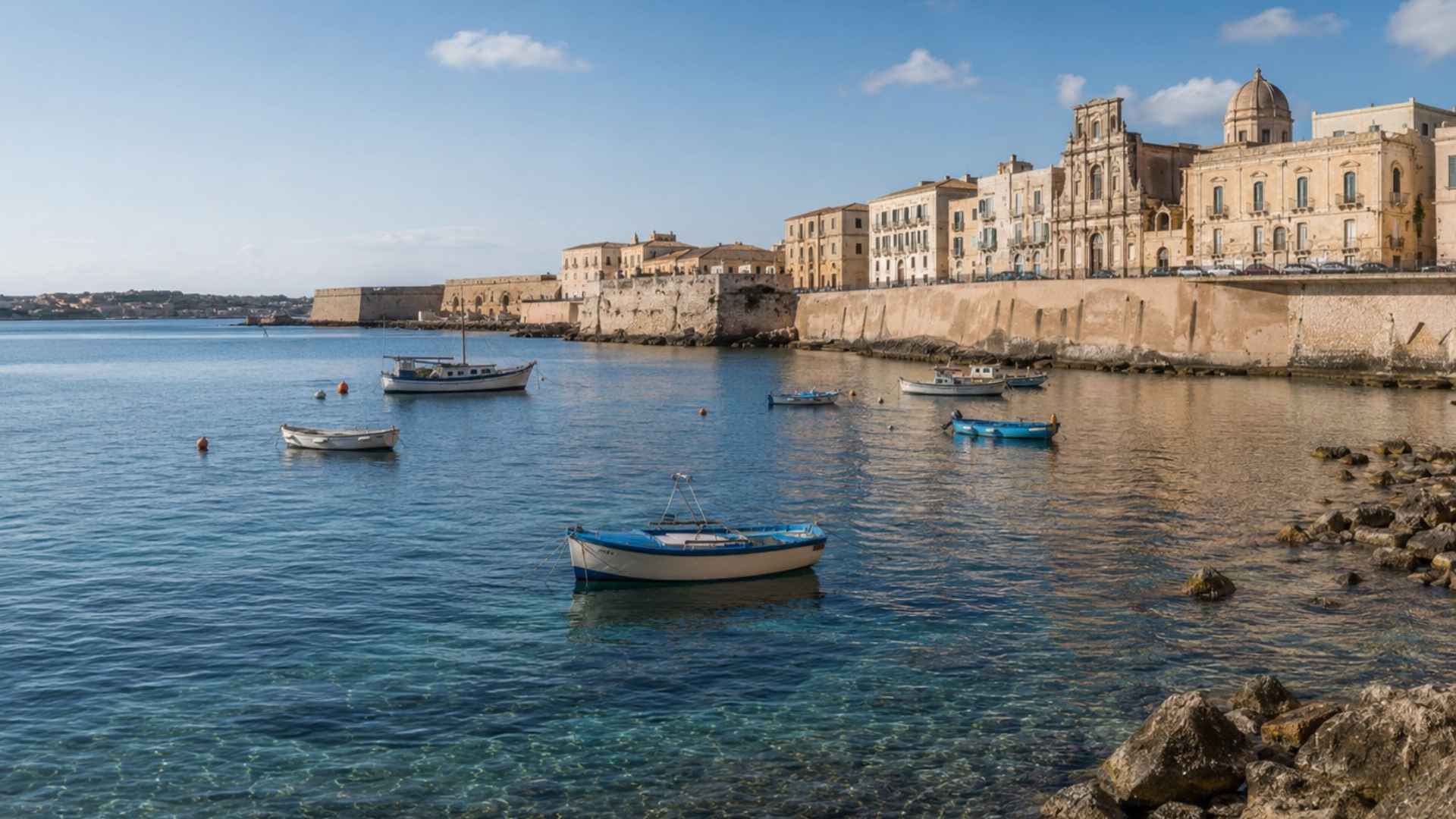
Piazza Duomo, Ortigia: The cathedral incorporates columns from an ancient Greek temple, and the surrounding limestone facades create one of Sicily’s most striking baroque squares. Arrive early for a quieter visit.
Temple of Apollo: These ruins stand near the bridge into Ortigia beside the old market streets. A short stop adds useful context before walking deeper into the island.
Fountain of Arethusa: A freshwater spring ringed with papyrus sits beside the sea on Ortigia’s edge. It is a peaceful pause between the lanes and waterfront.
Castello Maniace: The fortress guards the tip of Ortigia with wide sea views. Check current opening and interior-access details before walking to the far end.
Neapolis Archaeological Park: The Greek theater, Roman amphitheater, and Ear of Dionysius form part of the area UNESCO lists as Syracuse and the Rocky Necropolis of Pantalica. Use a taxi or confirmed transfer from Ortigia and go early in hot weather.
Paolo Orsi Archaeological Museum: This major archaeology collection sits near Neapolis and works well during hot or rainy weather. Check current opening hours and focus on a few galleries if time is short.
Ortigia market: The morning market near Piazza Pancali brings together produce, cheese, capers, and seafood. Visit respectfully and choose food vendors with visible prices and good turnover.
Porta Spagnola, Augusta: This seventeenth-century Spanish gate leads into the port town’s historic island quarter. Treat it as a short local stop rather than a substitute for Siracusa.
Catacombs of San Giovanni: This early Christian complex near Neapolis contains rock-cut burial galleries beneath a ruined church. Access is generally guided, so check current visit times.
Noto: The baroque center suits a long call with a confirmed driver or ship excursion. Attempt it only with generous port and traffic margins.
Ortigia boat tour: A short circuit can show the island skyline, sea grottoes, and Castello Maniace from the water. Operations depend on weather and sea conditions.
Plemmirio and Fontane Bianche: Plemmirio offers rocky coves while Fontane Bianche has a longer sandy beach. These choices suit a warm, calm day with confirmed transport and a safe return margin.
How I’d plan the day
If I had about 3 hours: I would take the shuttle to Ortigia and keep it simple on foot. Temple of Apollo, Piazza Duomo and the Fountain of Arethusa give you the island’s essence with almost no logistics.
If I had about 5 hours: I would add the Neapolis park by taxi for the Greek Theater and the Ear of Dionysius, then graze the Ortigia market. I would aim to be back at the pickup point well before the last shuttle.
If I had a full day: I would combine Neapolis with Ortigia, or reserve a driver for Noto and one brief Siracusa stop. Etna needs a long ship excursion because the road distance, mountain conditions, and secured-port return stack too much risk onto an independent day.
A realistic word on accessibility
Ortigia is mostly flat, but its polished limestone turns slippery when wet, while Neapolis has some uneven graded paths. Sturdy shoes help, and seawall benches provide useful rest stops.
The bigger question is the transfer, since cruise shuttles are often motorcoach-style and wheelchair lifts are not guaranteed, and a tendered call adds another hurdle. Ask on board early, and for more ports that suit slower travel see my most wheelchair friendly cruise ports.
When to go, and the weather
The cruise window runs roughly from April to November, with high summer bright, dry and genuinely hot. Midsummer highs often sit in the upper 80s to mid 90s Fahrenheit, so shade, water and a siesta-friendly pace are essential.
Spring and autumn are milder and better for walking the ruins, with the sea often still swimmable into October and fewer coaches around. For seasonal ideas and regional context, the official Sicily tourism board is a useful starting point.
Whatever the month, I would hit the ruins early and save shaded lanes and museums for the hottest hours. Ortigia at golden hour is the reward for pacing yourself, when the limestone facades glow and the seafront cools.
Quick answers
Is Augusta a walk-off port?
No, Augusta is a secured commercial harbor, so you take an authorized shuttle or tour vehicle toward Siracusa; check the daily program because landing arrangements can change.
How long does it take to reach Ortigia?
Plan roughly 30 to 45 minutes each way by road, then confirm the day’s actual drop point rather than assuming Molo Sant’Antonio.
Can I do Mount Etna from Augusta?
Only on a long ship-organized excursion with a large return margin, because the road trip and mountain weather make an independent plan too fragile.
How this guide was researched: Unless a first-hand visit is explicitly identified above, this guide is based on independent research using official port, tourism, transit, government, and attraction sources where available. Logistics and time-sensitive details were reviewed in September 2026; see our Editorial Policy.