Olbia Cruise Port: Isola Bianca, Beaches and Costa Smeralda
Olbia is the gateway that makes northeast Sardinia dangerously tempting. You can keep the day easy with old-town archaeology, trade pavement for Pittulongu sand, or spend your port hours chasing Costa Smeralda sparkle.
The choice that shapes your day
Olbia itself is compact and historically richer than its gateway reputation suggests. Beaches, Porto Cervo, and the Tavolara coast compete for limited ship time.
My recommendation is simple: choose central Olbia plus one nearby beach, or choose one major excursion beyond the city. Trying to collect Porto Cervo, La Maddalena, Tavolara, and lunch in a single call is not ambition so much as a cry for help.
Olbia is a different Sardinian proposition from the island’s southern capital. Our Mediterranean cruise ports guide helps place both calls within a wider itinerary.
The quick facts
- Where you land: Isola Bianca, the passenger and cruise side of the port, on northeastern Sardinia in Italy, which the Sardinian Sea Port Authority describes as ten docks shared among ro-ro ferries, commercial traffic, and cruise ships. Central Olbia is roughly 0.6 to 1.2 miles away depending on the berth.
- Dock or tender: Large ships normally berth alongside at Isola Bianca, though the exact berth can vary and smaller vessels may be assigned elsewhere in the port system.
- Into town: About a 20- to 30-minute walk if port controls permit it that day, otherwise the ship or port shuttle.
- Currency and language: The euro, with Italian the working language and Gallurese Sardinian still heard locally.
- Time zone: Central European Summer Time (CEST, UTC+2) through the cruise season, CET (UTC+1) in winter.
- How often the call is missed: Low (under 1%): the sheltered berth is rarely limited by local weather.
Where cruise ships dock in Olbia
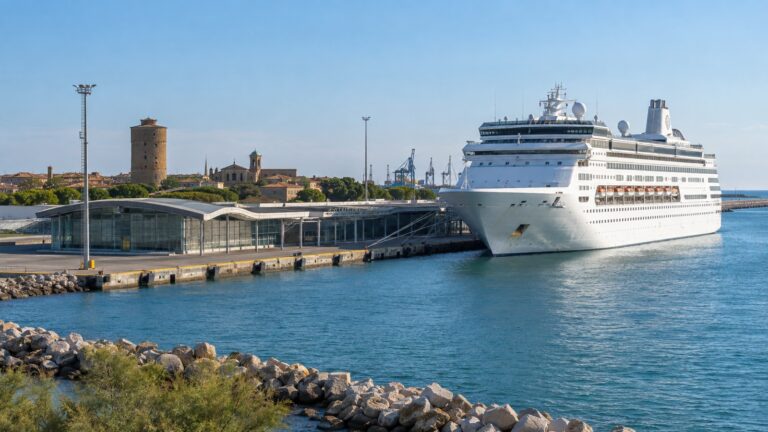
The Sardinian Sea Port Authority divides Olbia between the Isola Bianca port for passenger, commercial, and cruise traffic and the Cocciani freight port. Isola Bianca contains ten docks shared among ro-ro ferries, commercial traffic, and cruise ships.
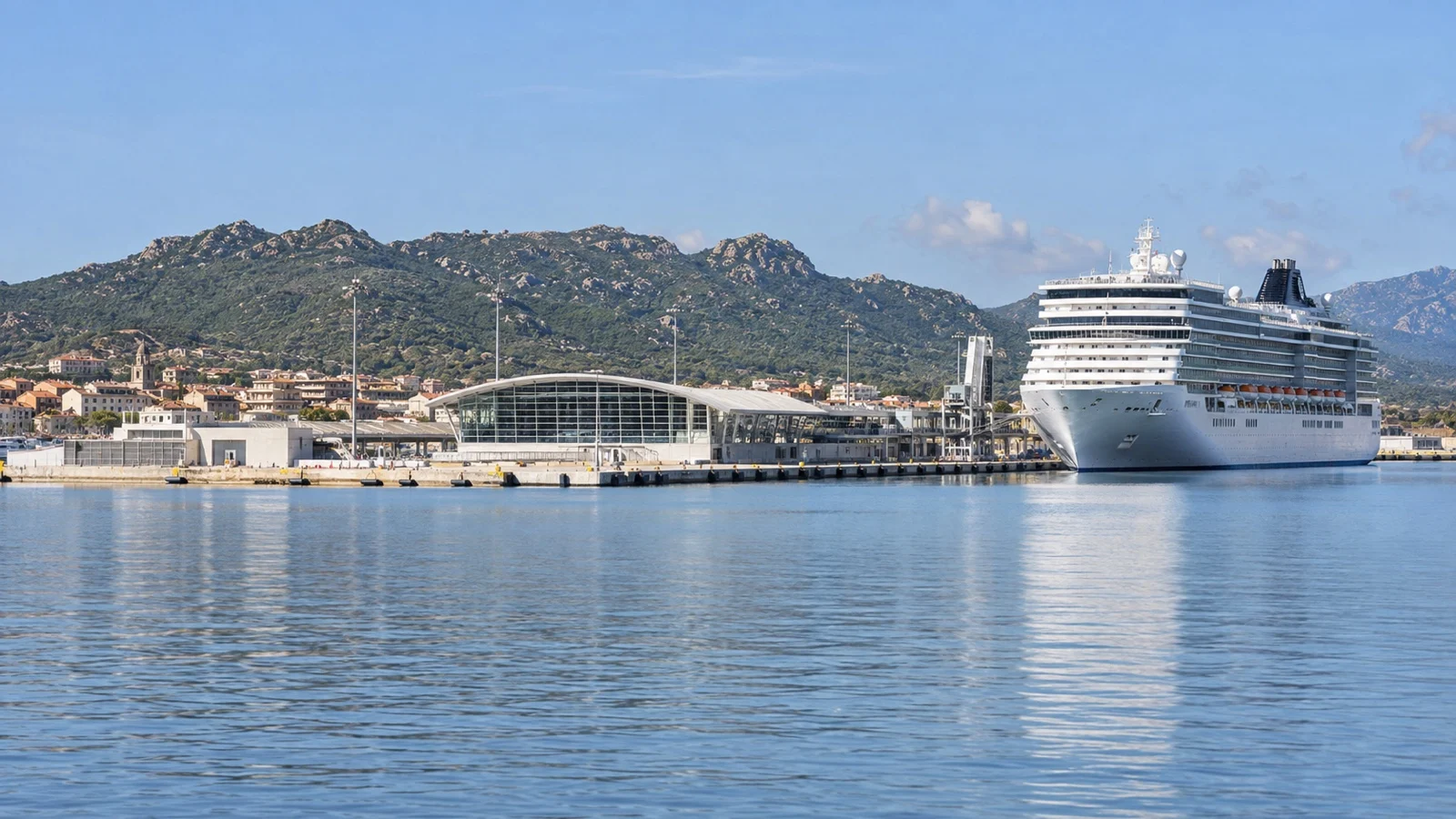
Large cruise ships normally use Isola Bianca, while smaller vessels may receive different assignments inside the port system. Treat the berth on your cruise line’s arrival notice as definitive, because a generic map pin cannot tell you which gate, shuttle, or walking route applies that morning.
The official authority publishes a 2026 cruise calendar and explicitly says it is continually updated. That makes it useful for confirming that Olbia is operating, but not a substitute for your ship’s all-aboard notice.
Getting from Isola Bianca to central Olbia
Ship or port shuttle
Cruise-day shuttle arrangements vary by line and call, so check the onboard notice rather than assuming the ride is free or uses last season’s stop. Ask where the final return shuttle leaves, then photograph the sign before wandering toward gelato.
A shuttle typically turns a short but industrial transfer into the easiest option. Travelers using wheelchairs or scooters should ask the cruise line in advance about wheelchair lifts, securement, and device dimensions.
Walking
The center is geographically close, but whether passengers may walk from a particular berth depends on current port controls. If staff permit the route, allow about 20 to 30 minutes to reach central streets and expect sun, limited shade, and active port approaches.
Do not improvise a walk across restricted lanes. Follow signed pedestrian paths and port personnel even when your phone insists the destination is right there.
ASPO city buses
ASPO runs Olbia’s urban network, and its official transport map shows Line 9 as the circular port-to-center route. The same map identifies Line 10 between the airport and center, Line 4 toward Pittulongu and Bados, and Line 5 toward Porto Istana and Porto Rotondo.
Use the live ASPO timetable or app because seasonal and temporary changes are common. The operator’s current fare page lists a 90-minute one-way ticket and requires valid tickets to be purchased before boarding.
Taxi or prearranged driver
Taxis make sense for a nearby beach, travelers with limited walking range, or a small group splitting the cost. For Costa Smeralda, reserve the return as firmly as the outbound ride and agree on waiting arrangements.
Summer road traffic can stretch a tidy-looking drive. Build at least a 60- to 90-minute port buffer after any private trip beyond Olbia, with more margin during peak season.
The best things to do in Olbia
Begin at the Archaeological Museum
The ship-shaped Archaeological Museum sits near the waterfront, making it a logical first or final stop. The City of Olbia museum page focuses the collection on the area’s archaeological and historical story and lists a wheelchair-accessible entrance, elevator, restroom, parking, and assisted-listening devices.
Its published hours can change, and municipal notices have previously announced closures or revisions. Confirm on the official page shortly before sailing instead of building an entire day around a screenshot.
Stroll Corso Umberto and the historic center
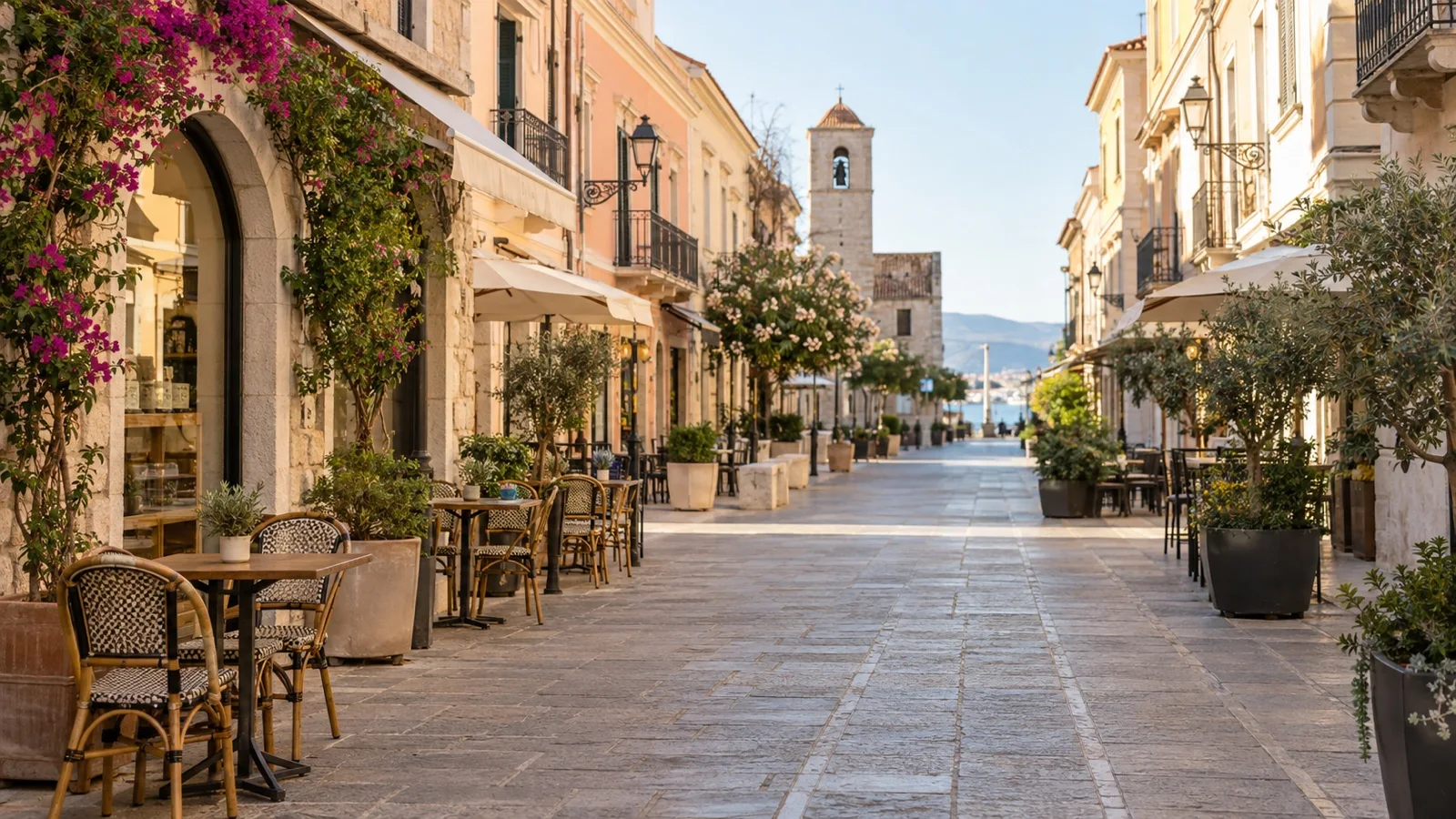
Corso Umberto is the central spine for shops, cafés, and the low-stakes pleasure of seeing what looks good for lunch. Nearby streets reveal churches and fragments of Olbia’s long history without requiring a formal tour.
Visit San Simplicio
The Romanesque Basilica of San Simplicio is Olbia’s signature historic building. The official Olbia tourism portal describes its three-nave interior, old columns, wooden saint figure, and surviving frescoes.
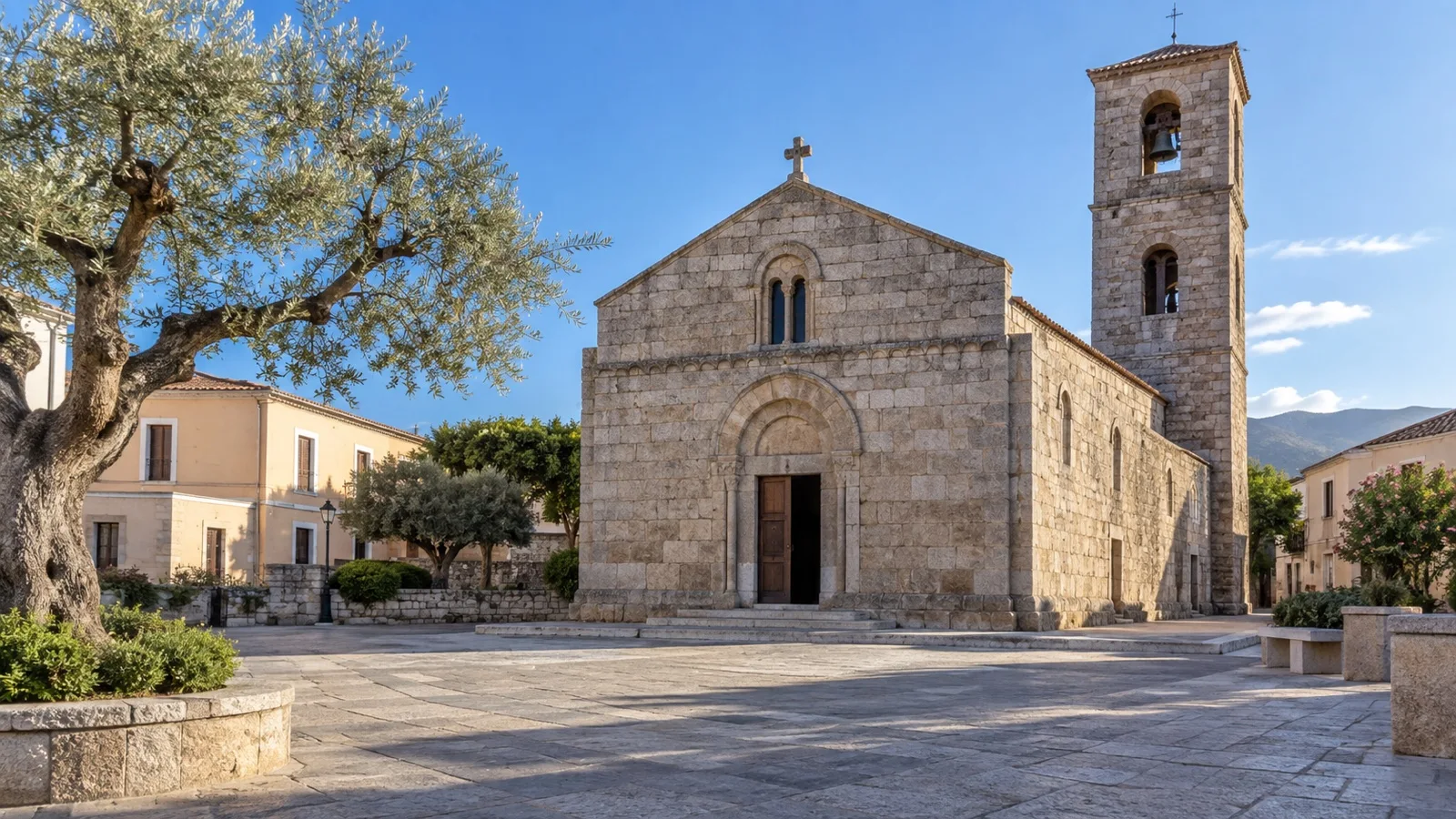
The archaeological area beside the basilica preserves part of a necropolis that yielded roughly 450 graves spanning Roman centuries. Church services and archaeological opening times follow different schedules, so verify both and dress respectfully.
Escape to Pittulongu
Pittulongu is the practical beach answer near Olbia, with pale sand and views back toward the gulf. Olbia’s official beach guide groups it with the fine-sand northern beaches and clear water around Bados and Mare e Rocce.
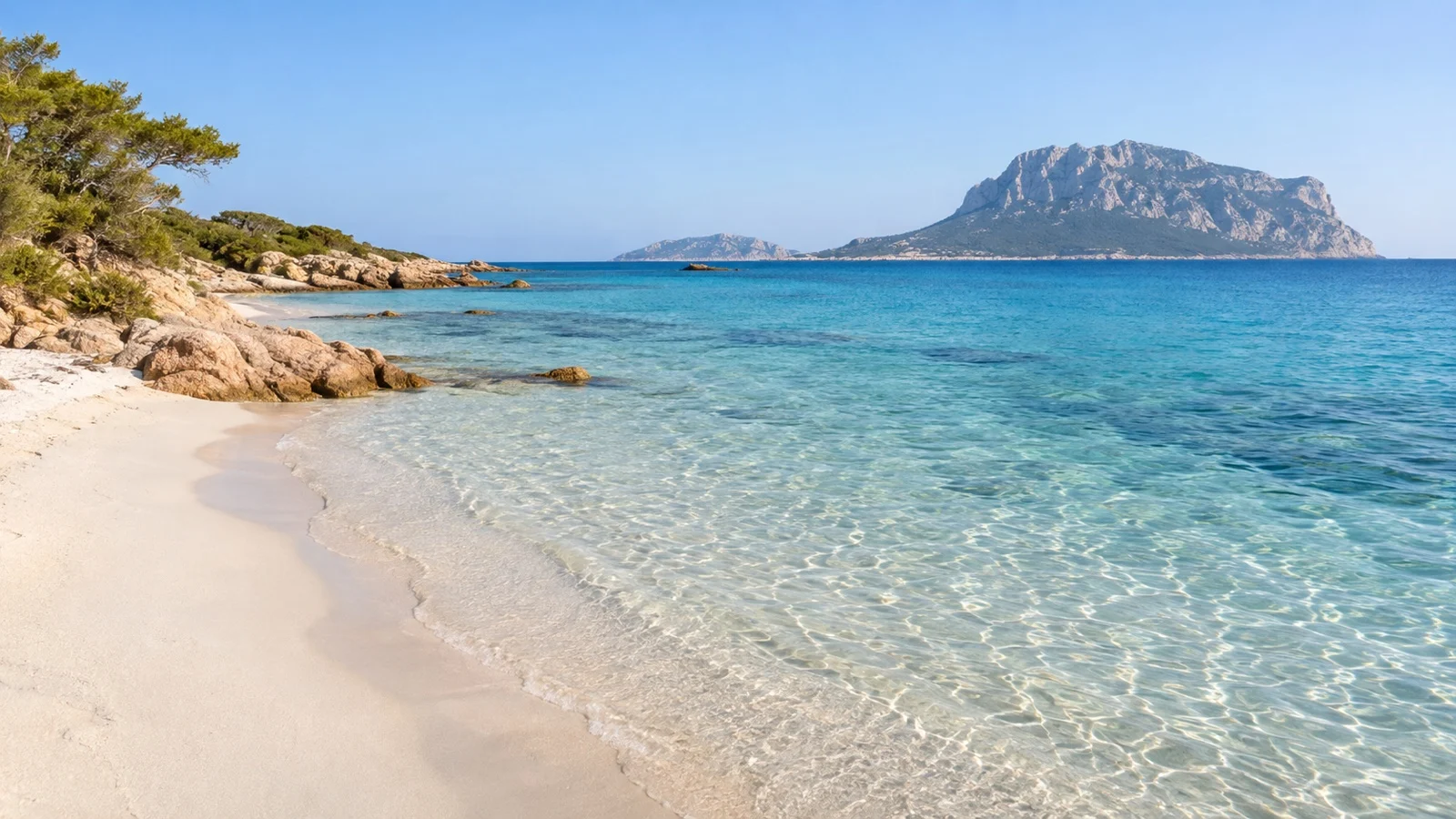
ASPO Line 4 serves the northern beach corridor, but confirm the timetable and exact stop before leaving. The separately marketed Spiagge Express has been listed as temporarily suspended, so do not plan around it unless ASPO confirms a restart for your date.
Consider Porto Istana and Tavolara
South of Olbia, Porto Istana faces the dramatic mass of Tavolara and sits closer to the protected coastline. The official marine protected area covers roughly 37,000 acres of sea and about 25 miles of coast.
A beach trip can be feasible with checked bus times or a taxi, but a Tavolara boat outing needs a properly timed operator and favorable conditions. Weather, sea state, conservation rules, and return logistics all matter more than an optimistic brochure estimate.
Treat Costa Smeralda as the full excursion
Porto Cervo, San Pantaleo, and the coves of Costa Smeralda are the glamorous day-trip option. They are spread out, seasonal, and better suited to a ship excursion or prearranged driver than an improvised string of buses.
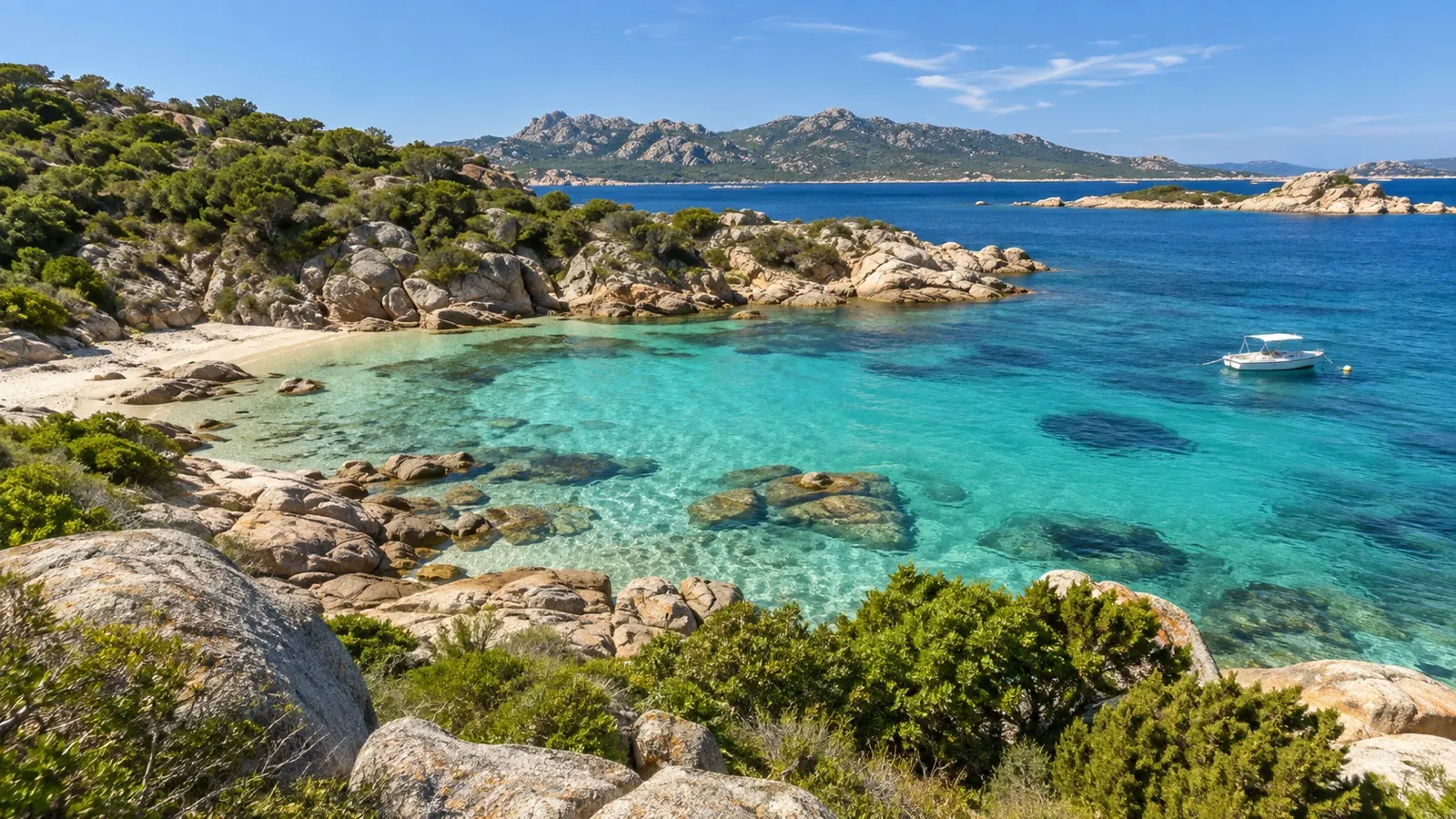
Pick one village and one scenic or beach stop, then protect the ride back. This is not the day to discover that northeast Sardinia also has traffic.
Be cautious with La Maddalena
La Maddalena is beautiful, but an independent visit generally requires road travel to Palau plus a ferry in each direction. The national park describes the Palau crossing as about 15 minutes, which does not include reaching Palau, waiting, loading, or returning.
A vetted cruise excursion can manage those moving pieces on a long call. On a shorter day, Olbia and its nearer beaches deliver more Sardinia per minute.
Three port-day plans that fit
Four to five hours: Olbia without rushing
Step 1: Use the authorized shuttle or route from Isola Bianca into town.
Step 2: Visit the Archaeological Museum if its official hours match your call.
Step 3: Walk Corso Umberto and continue to San Simplicio.
Step 4: Stop for a proper lunch, then start the port return at least 60 minutes before all aboard.
Six to seven hours: city plus Pittulongu
Spend the first two hours in central Olbia, then take a checked ASPO service or taxi to Pittulongu. Allow roughly two beach hours and begin the return before traffic or a missed bus can consume your safety margin.
Reverse the order on very hot days if an early beach matters more than the museum. Keep the city portion flexible because opening hours and the afternoon pause can reshape plans.
Seven to nine hours: one northeast Sardinia excursion
Choose Costa Smeralda, Tavolara’s coast, or a ship-operated La Maddalena outing. Do not combine two of them unless the tour operator controls the entire route and the cruise line protects the ship return.
Accessibility and families
Ask the cruise line to confirm accessible transportation between your specific berth and the city side. A device that fits the ship’s gangway may not fit every shuttle, taxi, or excursion motorcoach.
Central Olbia is mostly flatter than Cagliari’s Castello, although curbs, paving, heat, and distances still matter. The municipal Archaeological Museum publishes unusually clear accessibility features, making it a useful anchor for a lower-mobility day.
Families can keep the day easy with the museum, pedestrian center, lunch, and a short beach visit. Car-seat availability varies in taxis and private transfers, so arrange the correct restraint before sailing.
What to eat
Northeast Sardinia is a good place to look for Gallura specialties, local pecorino, grilled seafood, handmade pasta, and Vermentino wine. Gallura’s zuppa gallurese is baked bread layered with broth and cheese, despite the name suggesting something spoonier.
Leave room for seadas, the fried pastry filled with cheese and finished with honey. Ask direct allergy questions because seafood, dairy, gluten, and nuts are common across menus.
Weather and safety
July and August can be intensely sunny, hot, and busy, while spring and autumn are kinder for sightseeing. Wind can make a warm day uncomfortable at the beach and can affect small-boat plans even when skies remain blue.
Use standard precautions around transport hubs, crowded shopping streets, and beaches. Licensed transportation, a photographed meeting point, minimal beach valuables, and a generous ship buffer solve most avoidable problems.
Choose one coast, not a Sardinia sampler
Pittulongu is the simplest beach add-on from Olbia, while Porto Istana and Costa Smeralda require longer, separately planned transport. Confirm the beach facilities, road pickup, and return before leaving the driver because taxi supply can tighten when several ships or ferries are in port.
Tavolara and its surrounding waters form a protected marine area, so boat routes, landings, and activities follow operator and conservation rules. Ask about life jackets, shade, restrooms, weather cancellation, and the exact return pier, and never treat wildlife or snorkeling conditions as guaranteed.
La Maddalena requires the road to Palau, a ferry or boat connection, island time, and the full chain back to Isola Bianca. It is best reserved for a long ship excursion or cruise-aware operator, not added to Costa Smeralda after lunch.
Quick answers
Can you walk from Olbia cruise port to town?
Central Olbia is close enough to walk from parts of Isola Bianca, but permission and routing depend on the assigned berth and current port controls. Use the official shuttle or signed pedestrian route provided on your call.
Is there a shuttle from Isola Bianca?
Cruise-day transfers are common, but operator, price, drop-off, frequency, and accessibility can vary. Check the daily program and ask where the return shuttle leaves.
Is Olbia worth exploring instead of taking an excursion?
Yes, especially on a short call or for travelers who enjoy archaeology, cafés, churches, and a relaxed center. The city is modest rather than monumental, which can be a feature after several intense port days.
What is the easiest beach from Olbia?
Pittulongu is the usual practical choice because ASPO’s network serves the northern beach corridor. Confirm current service and keep taxi details as a backup.
Can I visit Porto Cervo independently?
It is possible on a long call, but public transport can be slow and seasonal. A prearranged driver or cruise excursion gives you better control over the route and return.
Can I visit La Maddalena from an Olbia cruise?
Only with enough time for the road trip to Palau, ferry waits, crossing, island time, and the full return. A ship excursion is the safer format for most cruise calls.
What is the best rainy-day plan?
Stay central for the Archaeological Museum, churches when open, cafés, and lunch. Skip a boat tour when the operator or harbor conditions make the experience uncertain.
The bottom line
Olbia is not merely a bus stop on the way to a fancier Sardinian name. Add one beach or one regional excursion, and the day becomes both beautiful and realistically yours.
If your itinerary continues through Italy, our Bari cruise port guide offers another easy city day, while our Civitavecchia guide for Rome covers the opposite extreme of transfer planning.
How we research: We verify port arrangements, transport, and visitor details against official sources and distinguish confirmed facts from plans that vary by ship or season. Read our Editorial Standards and Corrections Policy.
How this guide was researched: Port, transport, attraction, safety, booking, and accessibility details were checked against current official sources on September 10, 2026, including the Sardinian port authority, ASPO, Olbia tourism, Tavolara marine-area management, and La Maddalena National Park. Berths, schedules, access, weather, and operating rules can change, so confirm the sailing-specific details before travel; see our Editorial Policy.