France Cruise Ports: The Complete Guide to Every Stop
France is not one cruise destination but a collection of completely different port days. A Riviera tender, a Corsican waterfront, a Normandy gateway, and a Rhône river quay can all appear under the same country name while demanding very different plans.
The easiest French calls let you step ashore near an old town, market, or seafront. The hardest ones tempt you toward Paris, Provence, or wine country, where transfer time can quietly consume the day.
My rule is to identify the exact arrival point before choosing the headline attraction. A beautifully paced local day nearly always beats a famous excursion built around the final possible train, bus, or tender.
Quick Facts
- Currency: Euro
- Main cruise regions: Riviera, Provence, Corsica, Atlantic coast, Normandy, and French rivers
- Common tender calls: Cannes, Villefranche-sur-Mer, Antibes, and sometimes smaller Corsican arrivals
- Major gateway ports: Le Havre for Normandy or Paris, Marseille for Provence, and Bordeaux for wine country
- Most important detail: The berth or landing can matter more than the destination name
- Best independent-day habit: Work backward from all-aboard time and protect a transport buffer
- Accessibility variable: Tenders, cobbles, steep old towns, and changing gangway angles
- Official starting point: France.fr for destination context, then the port and cruise line for operations
How to Read a France Cruise Itinerary
Start with the ship’s terminology rather than the brochure photograph. “Bordeaux” can mean a city-center quay, an estuary berth, or a distant deep-water port, while “Nice” can involve Port Lympia or a separate tender call at Villefranche-sur-Mer.
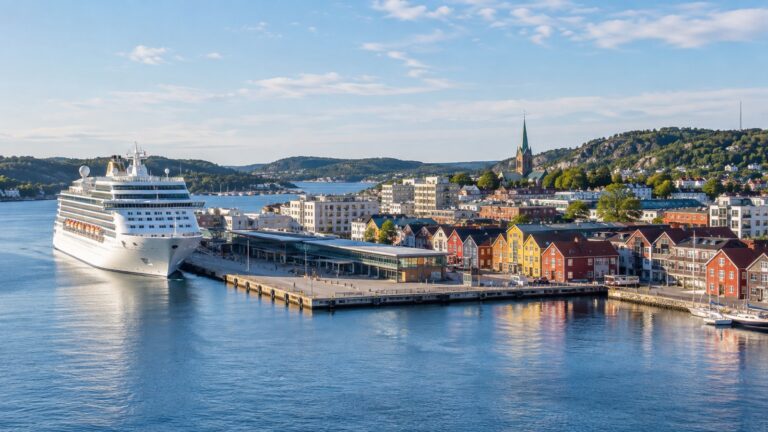
Large commercial ports such as Marseille and Le Havre have multiple terminals and controlled areas. Small harbors such as Cannes and Saint-Malo may involve tenders, whose timing depends on sea state, port traffic, and the cruise line’s boat operation.
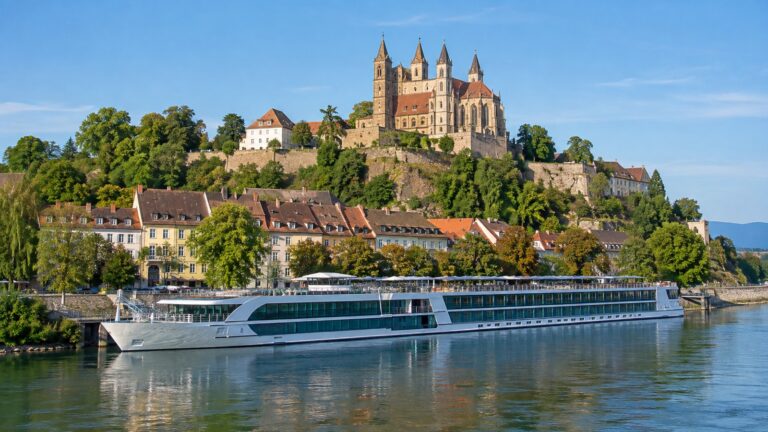
River ports add another layer because water level, current, bridge clearance, and local quay availability can change the exact landing. The daily program and crew announcement are the final source for where your ship is actually stopping.
For national inspiration, use France’s official tourism site. For the working plan, use the individual guides below and then verify the latest berth, shuttle, and return instructions with your cruise line.
Mediterranean France and Corsica
Ajaccio cruise port
How you arrive: Many ships dock close to the Corsican capital’s center, while tendering remains possible when berths or vessel size require it.
Why choose it: Napoleon history, a handsome waterfront, markets, beaches, and an easy taste of Corsica.
This is one of the French calls where staying local can feel wonderfully complete. Confirm the arrival method before committing to a beach transfer or countryside tour, then leave time for the compact historic center.
Read the full Ajaccio cruise port guide before booking transport or timed admission.
Antibes cruise port
How you arrive: Smaller vessels may use Port Vauban, while other calls can involve tendering or a nearby Riviera landing.
Why choose it: Ramparts, the old town, the Picasso Museum area, and a refined Riviera atmosphere.
Antibes is best enjoyed at walking pace rather than used as a launchpad for several distant coastal towns. If your ship tenders, protect the return queue and do not schedule the final possible museum slot.
Read the full Antibes cruise port guide before booking transport or timed admission.
Bastia cruise port
How you arrive: Cruise ships may berth near the commercial harbor or use an operationally assigned position, with the center reached on foot or by local transfer.
Why choose it: A characterful old port, citadel, churches, and the everyday energy of northern Corsica.
Bastia rewards travelers who stay in town, because the lanes and waterfront offer plenty without a long coach day. A trip toward Cap Corse or the island interior needs a reliable vehicle and a disciplined return time.
Read the full Bastia cruise port guide before booking transport or timed admission.
Cannes cruise port
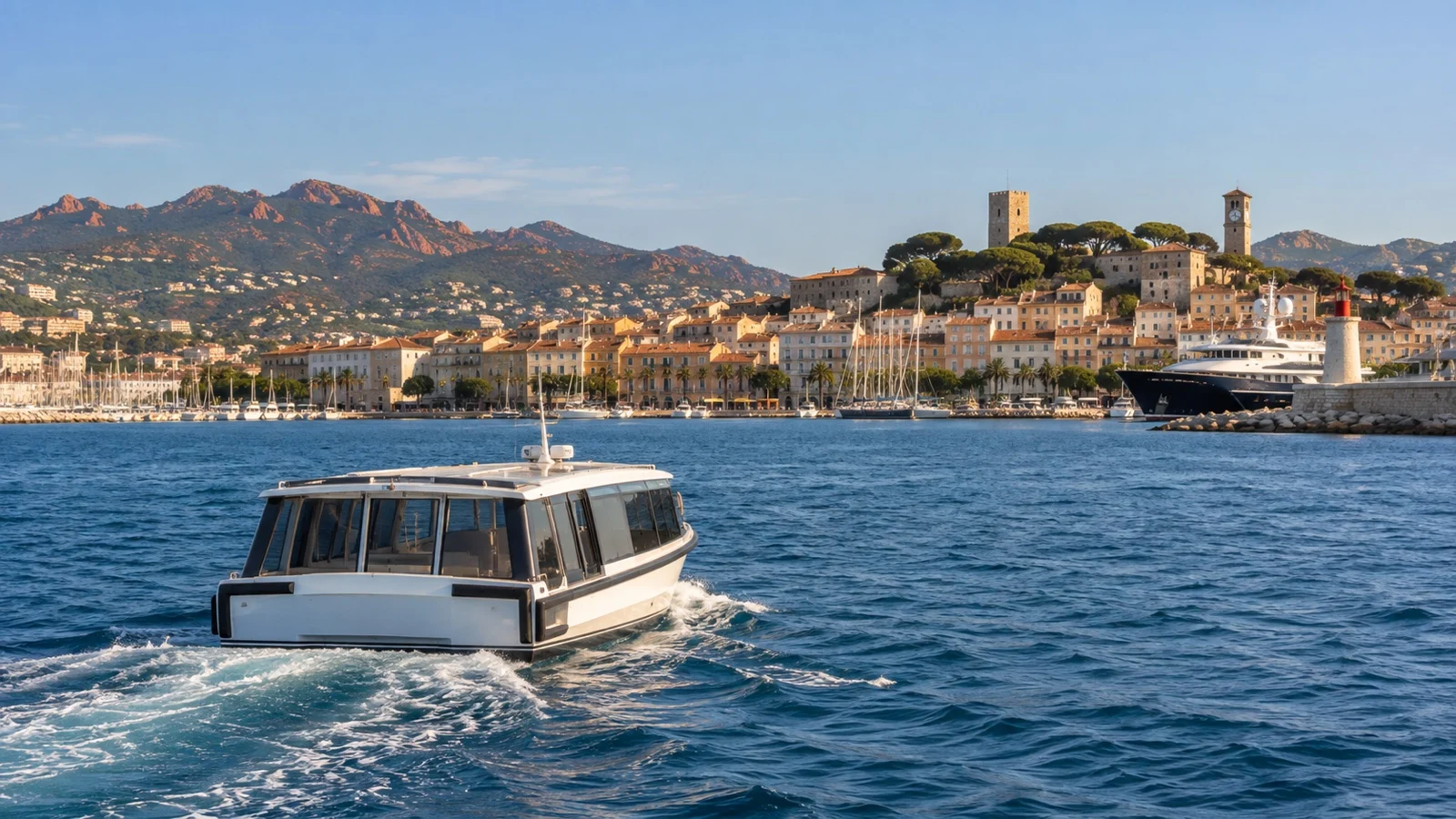
How you arrive: Most large cruise ships anchor offshore and tender passengers toward the Vieux Port area.
Why choose it: La Croisette, Le Suquet, markets, beaches, and easy Riviera glamour.
Tendering is the defining fact, especially as local cruise policies continue to evolve. I would choose Cannes itself or one carefully timed rail outing, then be back before late tender queues start building.
Read the full Cannes cruise port guide before booking transport or timed admission.
Marseille cruise port
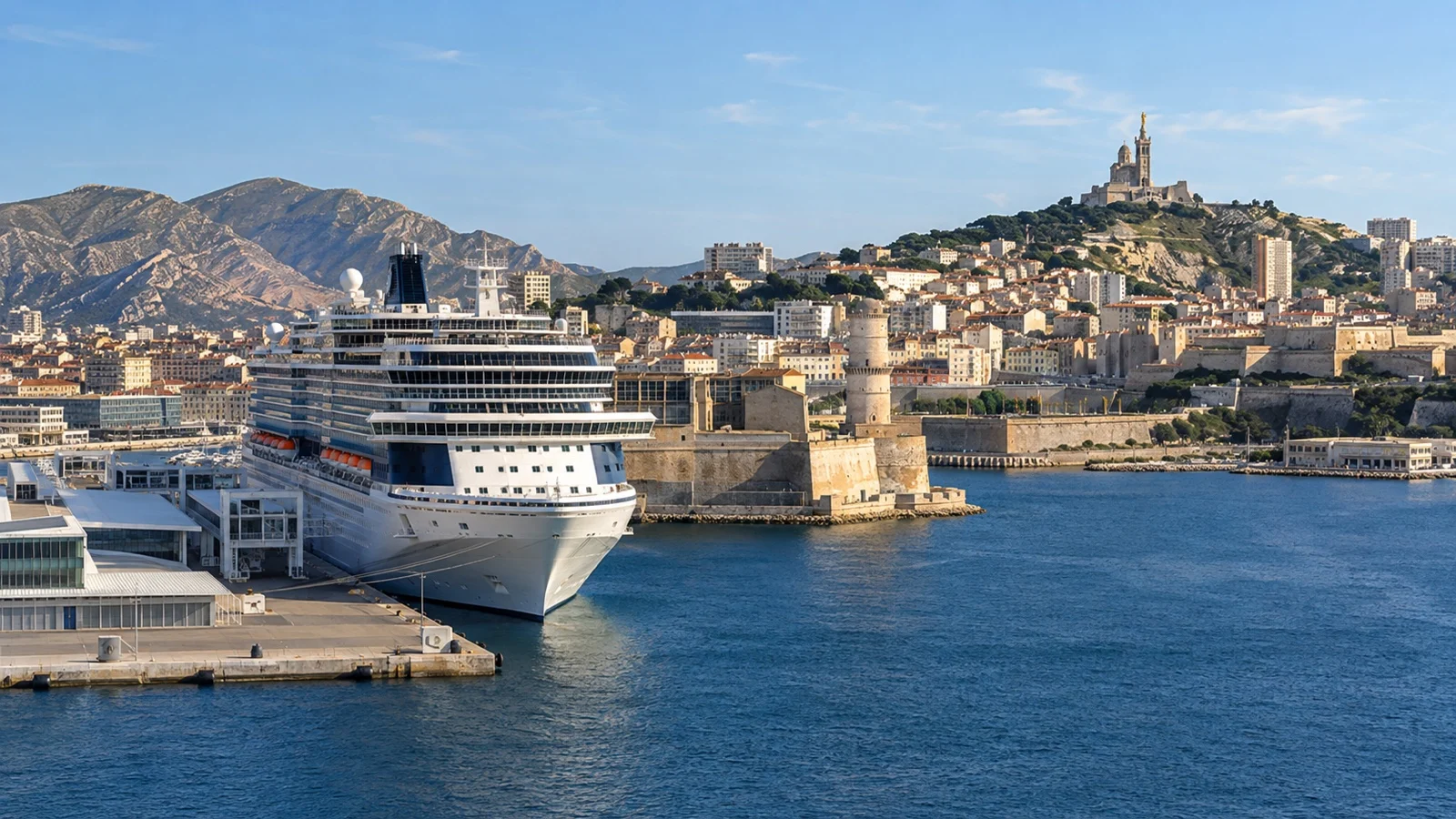
How you arrive: Large ships generally use northern cruise terminals, while some smaller ships can be assigned closer to La Joliette.
Why choose it: The Vieux-Port, Le Panier, Notre-Dame de la Garde, museums, and access to Provence.
Marseille is not a walk-off-old-town port for every ship, so confirm the terminal and shuttle before planning. Aix-en-Provence or Cassis can work, but the city itself easily fills a day and avoids betting everything on traffic.
Read the full Marseille cruise port guide before booking transport or timed admission.
Nice cruise port
How you arrive: Smaller ships may call at Port Lympia, while some itineraries use nearby ports and market the wider destination as Nice.
Why choose it: The Promenade des Anglais, Old Nice, markets, museums, and excellent rail links.
Read the berth line closely because Port Lympia and Villefranche are not interchangeable arrivals. A local day is easy once you know the landing, while Monaco or Antibes requires a clear return plan.
Read the full Nice cruise port guide before booking transport or timed admission.
Sète cruise port
How you arrive: Smaller cruise ships can berth near Quai d’Alger, while other operational positions may require a shuttle or transfer.
Why choose it: Canals, seafood, Mont Saint-Clair, and a distinctly Languedoc alternative to the Riviera.
Sète is at its best when you embrace the port city rather than rush toward a more famous name. Check whether the central quay is in use, and solve the uphill section by bus or taxi if energy or mobility is limited.
Read the full Sète cruise port guide before booking transport or timed admission.
Toulon cruise port
How you arrive: Ships can use a central Toulon terminal or a berth at La Seyne-sur-Mer across the harbor.
Why choose it: A naval waterfront, market streets, Mount Faron, and access to the Var coast.
The terminal assignment changes the first hour of your day, so never book a pickup simply marked “Toulon” without the berth. The cross-harbor boat can be useful from La Seyne, but its current schedule must fit the ship.
Read the full Toulon cruise port guide before booking transport or timed admission.
Villefranche-sur-Mer cruise port
How you arrive: Cruise ships anchor in the bay and passengers tender to the waterfront.
Why choose it: A beautiful harbor village with rail access to Nice and Monaco.
The tender and the station climb are the two practical constraints. Staying in Villefranche creates a lovely low-stress day, while a train outing should include enough margin for platform access, service disruption, and the tender back.
Read the full Villefranche-sur-Mer cruise port guide before booking transport or timed admission.
Atlantic France, Bordeaux, and Normandy
Bordeaux cruise port
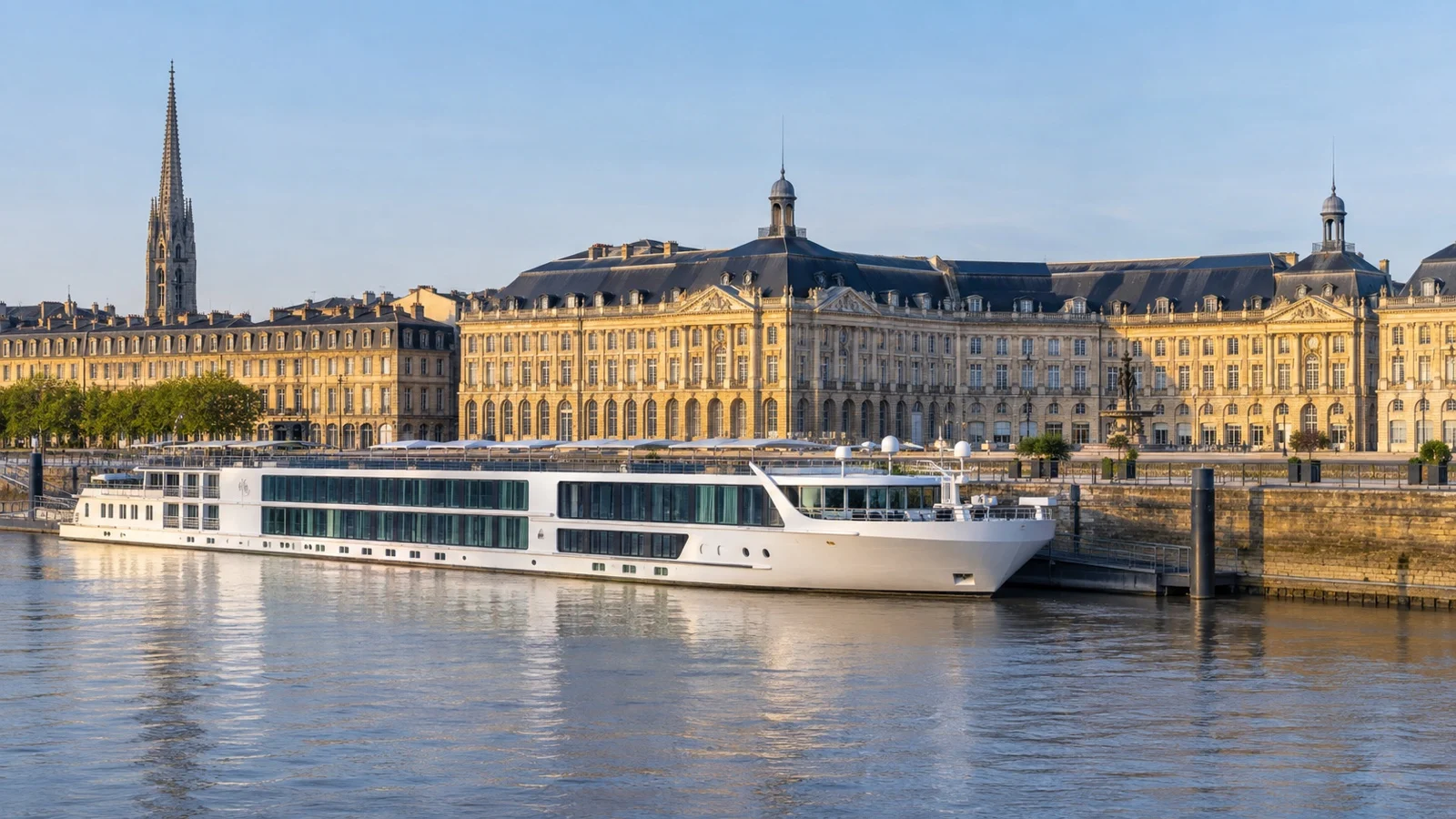
How you arrive: Depending on vessel size, tide, and schedule, ships may use central Bordeaux, Bassens, Pauillac, or Le Verdon.
Why choose it: World-class architecture, food, museums, and access to Médoc or Saint-Émilion wine country.
The berth is the whole story here because Le Verdon and the city center produce radically different days. Confirm the exact landing before booking a château, train, or airport transfer, and remember that estuary movements can be tide-sensitive.
Read the full Bordeaux cruise port guide before booking transport or timed admission.
Brest cruise port
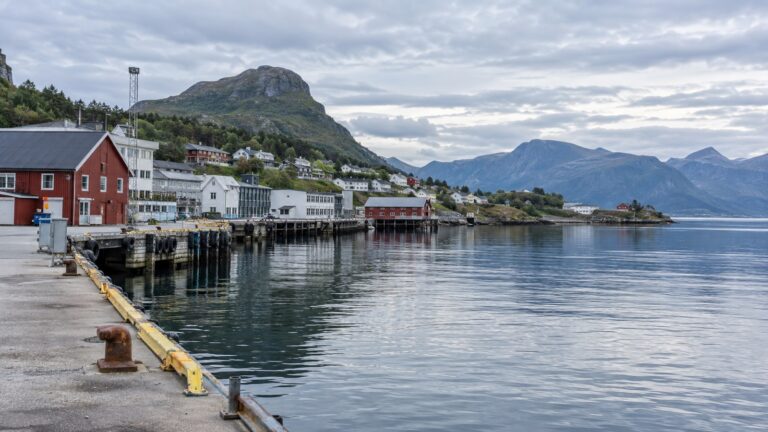
How you arrive: Ships berth within a large working naval and commercial harbor, with local transport needed for some city areas.
Why choose it: Maritime museums, harbor views, Breton culture, and access to western Finistère.
Brest is spread out and shaped by hills, so a short map distance can still take effort. Decide whether you want the city, Oceanopolis, or a regional excursion, then keep a weatherproof backup for Atlantic wind and rain.
Read the full Brest cruise port guide before booking transport or timed admission.
Cherbourg cruise port
How you arrive: Ships use berths in the harbor near the cruise terminal, with the city reachable on foot or by local arrangements depending on the quay.
Why choose it: La Cité de la Mer, maritime history, and excursions toward the D-Day beaches or Bayeux.
Cherbourg itself makes an easy and resilient day, especially when the weather turns. Normandy’s major historic sites require real road time, so a structured excursion earns its keep when the call is not long.
Read the full Cherbourg cruise port guide before booking transport or timed admission.
La Rochelle cruise port
How you arrive: Ocean cruise ships usually use La Pallice, an industrial port west of the historic center.
Why choose it: The photogenic Old Port, medieval towers, markets, and a relaxed Atlantic-city day.
The shuttle or transfer from La Pallice is the first planning step and should never be assumed from an old review. Once downtown, the main sights cluster well, making La Rochelle an easy independent day after the port connection is solved.
Read the full La Rochelle cruise port guide before booking transport or timed admission.
Le Havre cruise port
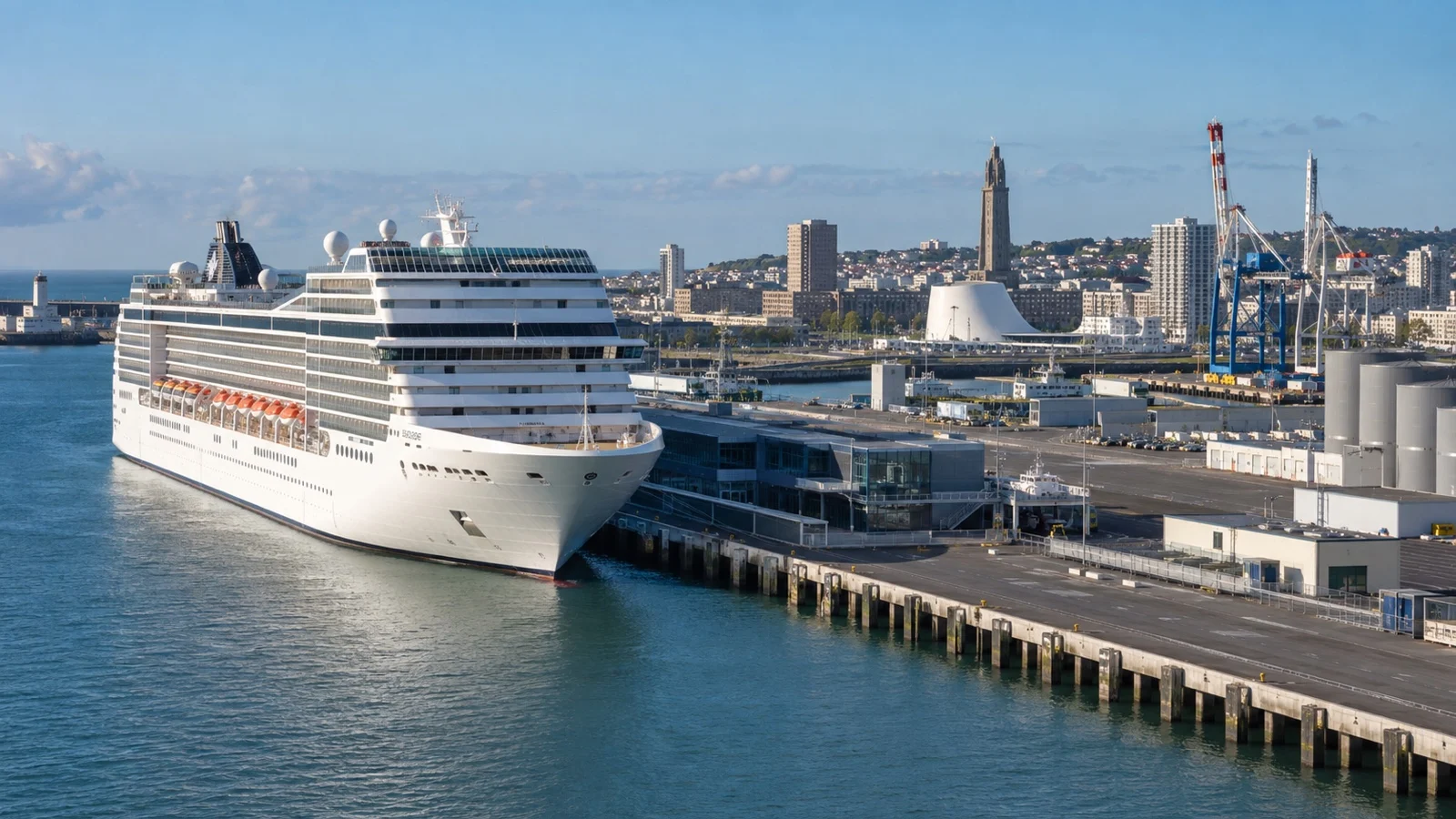
How you arrive: Cruise ships berth at dedicated terminal areas within the harbor, separate from the central rail station.
Why choose it: Le Havre’s UNESCO-listed modern center, Honfleur, Étretat, Normandy history, and long gateway trips to Paris.
Paris is possible on some long calls, but it can turn the day into hours of road or rail travel with little flexibility. Honfleur, Étretat, or Le Havre itself usually delivers a more forgiving day, especially when traffic or weather is uncertain.
Read the full Le Havre cruise port guide before booking transport or timed admission.
Saint-Malo cruise port
How you arrive: Many cruise calls anchor offshore and tender, with tides and harbor conditions shaping operations.
Why choose it: The walled city, ramparts, beaches, dramatic tides, and access to Mont-Saint-Michel.
Saint-Malo’s old city is a superb local plan once you land, but cobbles and ramparts demand suitable shoes. Mont-Saint-Michel needs a carefully managed road excursion, while tender timing must remain part of the return calculation.
Read the full Saint-Malo cruise port guide before booking transport or timed admission.
French River Cruise Ports in This Guide
Arles cruise port
How you arrive: River ships use Rhône quays assigned according to operations and river conditions.
Why choose it: Roman monuments, Van Gogh connections, Provençal streets, and access to the Camargue.
Arles is one of the best French river calls for independent walking because major sights cluster in the historic center. Cobbles, heat, and opening hours still matter, so choose a few priorities instead of racing between every monument.
Read the full Arles cruise port guide before booking transport or timed admission.
Avignon cruise port
How you arrive: River ships berth on or near the Rhône, with the precise quay and walking route varying by vessel and conditions.
Why choose it: The Palais des Papes, Pont d’Avignon, city walls, and Provence excursions.
Avignon’s headline sights can form a satisfying day without leaving the city. A trip into Provence is worthwhile when lavender, wine, or villages are the priority, but it needs enough port time and a protected return.
Read the full Avignon cruise port guide before booking transport or timed admission.
Rouen cruise port
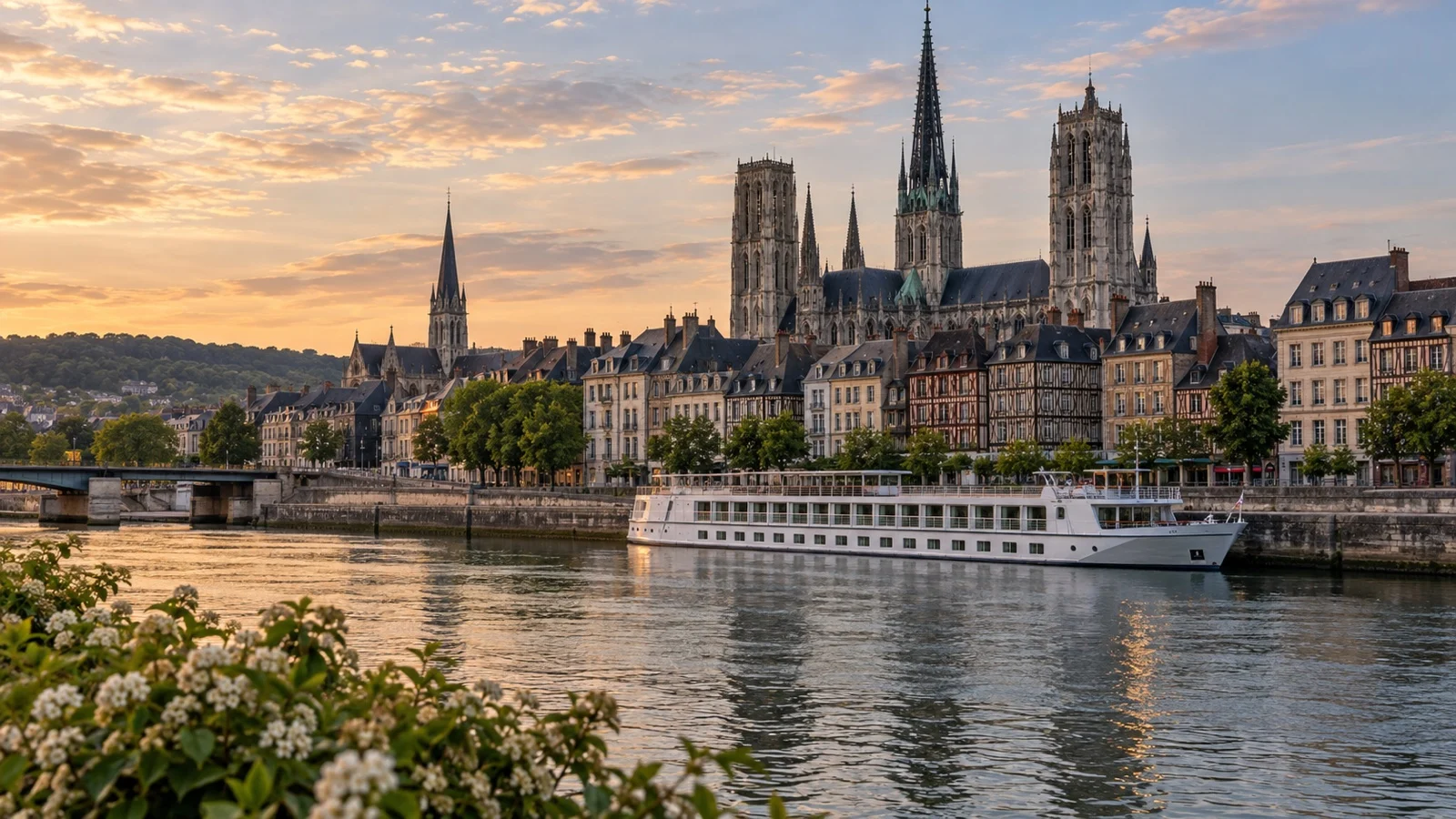
How you arrive: River and smaller ocean-going vessels can reach Seine berths near Rouen, subject to ship dimensions, tide, bridge clearance, and port scheduling.
Why choose it: A spectacular cathedral, half-timbered streets, Joan of Arc history, and direct access to Normandy’s inland capital.
Rouen is a destination in its own right and should not be reduced to a Paris gateway. Confirm the quay because river distances and shuttle needs vary, then give the medieval center enough time to reward the journey upstream.
Read the full Rouen cruise port guide before booking transport or timed admission.
How I Would Choose Between French Ports
For effortless sightseeing, prioritize Ajaccio, Cannes after the tender, central Bordeaux, Saint-Malo, Arles, Avignon, or Rouen when the assigned landing is favorable. These calls put a strong sense of place within reach without requiring an ambitious regional transfer.
For the Riviera, choose the atmosphere you actually want rather than collecting names. Cannes feels polished and cinematic, Antibes feels historic and intimate, Nice offers the biggest-city mix, and Villefranche gives you the prettiest small-harbor setting.
For Provence, Marseille provides the widest choice while Toulon and Sète feel less obvious and often less frantic. Arles and Avignon belong to the river-cruise rhythm, with walkable heritage and optional countryside rather than a mandatory long transfer.
For Normandy and Brittany, weather and driving time deserve extra respect. Le Havre, Cherbourg, Brest, Saint-Malo, and Rouen can all launch major excursions, but each also offers a local day that is easier to protect.
Corsica gives you the clearest island contrast. Ajaccio is shaped by Napoleon and a broad bay, while Bastia offers a denser Genoese old town and a northern island outlook.
Docking, Tendering, and Return Times
Your cruise line’s daily notice is the final authority for berth, tender tickets, shuttle pickup, and all-aboard time. Port schedules are useful for planning, but assignments can change for weather, traffic, vessel size, or security.
Tender ports need more buffer than docked ports because a line can form before the last boats. Wheelchair and scooter users should ask about transfer rules for their specific equipment and sailing, since safe tender boarding depends on both the vessel and sea conditions.
For independent rail travel, check SNCF Connect for current timetables and engineering changes. Build the day around a train earlier than the final possible return, particularly from Monaco, Nice, Paris, or another distant destination.
Ship excursions simplify coordination when a tour runs late, but they do not eliminate traffic, weather, or attraction closures. Independent travel offers freedom and often better value, provided you have a realistic backup and enough money for an emergency taxi.
Weather, Seasons, and Crowds
Mediterranean France is hottest and busiest in July and August, when shaded walks and timed museum entries become valuable. Spring and fall often bring kinder temperatures, though mistral winds or rough seas can still disrupt exposed ports and tenders.
Atlantic and Channel ports can feel cooler, windier, and wetter on the same day that Provence is bright and hot. Pack a waterproof layer even in summer and check the forecast for the actual port rather than for France as a whole.
Harvest periods can make Bordeaux wine country especially interesting but also harder to book. Riviera festivals, major sporting events, and school holidays can affect traffic, prices, and access well beyond their headline dates.
Tidal range matters dramatically at Saint-Malo and affects movements in the Gironde and Seine systems. River levels and bridge clearance can also alter river-cruise schedules, so the printed itinerary is a plan rather than a guarantee.
Accessibility and Lower-Energy Days
France’s historic centers are beautiful but frequently combine cobbles, steps, curbs, steep lanes, and polished stone. Ask about the complete route from gangway or tender to the attraction entrance, not simply whether the attraction calls itself accessible.
Marseille, Brest, Toulon, and Le Havre can involve long distances within working ports. A shuttle may solve the secure-zone section, while a taxi can protect energy for the part of town you actually came to enjoy.
In hilly calls such as Villefranche, Ajaccio, Bastia, and parts of Nice, use local transport for the climb and walk downhill only if surfaces are comfortable. In Saint-Malo or Arles, distance may be short but cobbles and crowds can make progress slow.
A lower-energy port day can be excellent: choose one neighborhood, one reserved attraction, a good lunch, and a comfortable return. The goal is to enjoy France, not to prove how many landmarks fit between two gangway scans.
Money, Language, and Practical Details
France uses the euro, and cards are widely accepted, but carrying a small backup payment method is sensible. Do not depend on a single phone for tickets, maps, and ship contacts because batteries and mobile data fail at inconvenient moments.
A few French phrases are appreciated, especially when asking directions or confirming a pickup. Save the terminal name in writing because port districts can include several gates whose names are easy to mishear.
Metropolitan France is within the Schengen Area, but document rules depend on nationality and the full itinerary. Use the official European Union travel portal and your cruise line for current entry and border-system requirements.
Download offline maps, keep the port agent’s number, and photograph the daily program before leaving the ship. Those small habits matter far more than carrying a minute-by-minute schedule that collapses after the first delay.
Frequently Asked Questions
Which France cruise port is best for a first visit?
Ajaccio, Cannes, Marseille, or Bordeaux can each make a strong first French call, but they represent very different regions. Choose the culture you want and confirm the berth before comparing shore excursions.
Can I explore French ports independently?
Yes, many are excellent for independent travelers once the arrival logistics are clear. Tendering, industrial terminals, or long gateway transfers are the situations where a tour or prebooked vehicle adds the most value.
Is Paris a practical day trip from Le Havre?
It is a very long day and only makes sense on a sufficiently long call with a robust return plan. Travelers who dislike rushed sightseeing will usually enjoy Normandy or Le Havre more.
Which French ports use tenders?
Cannes, Villefranche-sur-Mer, Antibes, and Saint-Malo commonly involve tendering, while other ports may tender when berths or conditions require it. Always follow the ship’s instructions for your actual call.
Are Marseille cruise terminals near the Old Port?
Large ships often use northern terminals that require a shuttle, taxi, or other transfer. Smaller ships may be closer, so the ship and berth matter more than the itinerary’s city name.
How should I plan Bordeaux?
Find the exact berth first because central Bordeaux, Bassens, Pauillac, and Le Verdon are completely different starting points. Only then should you choose between the city, wine country, or an estuary plan.
My Final Take
The best France cruise itinerary is not necessarily the one with the most famous names. I would mix one or two ambitious gateway days with ports where the old town, waterfront, or market begins close to the landing.
Confirm every berth and tender, protect the return, and let each region feel different. France rewards travelers who leave enough room for a café, a view, and the small discovery that never appeared on the excursion page.
How this guide was researched: I checked current official French tourism, port, railway, European Union, and destination sources on September 11, 2026. Berths, tenders, schedules, and entry requirements can change, so verify time-sensitive details for your sailing.
I hope this guide helps you choose the French ports that fit your travel style and plan each day with a comfortable margin. Have a beautiful time in France and a wonderful cruise.