Bordeaux Cruise Port: City, Pauillac and Le Verdon Berths
Bordeaux can deliver one of Europe’s loveliest cruise arrivals, with a ship gliding up the Gironde estuary and Garonne River toward an eighteenth-century waterfront. It can also mean stepping ashore far from the historic center, which is why the berth name matters more here than the destination name on the brochure.
A city-center call, an outer-port arrival at Le Verdon, and a Pauillac-area visit produce three completely different days. Confirm the terminal first, then choose city architecture, Médoc wine country, or the Atlantic coast without pretending they all begin from the same quay.
Bordeaux is a river system, not one pier
The Port of Bordeaux operates seven specialized terminals along the Gironde estuary and Garonne River. The port identifies central Bordeaux and Le Verdon as cruise locations, with Bassens also used as a complementary site, while Pauillac is undergoing cruise development and test-call planning.
That official distinction matters because older cruise materials may use Pauillac, Trompeloup, or a wine-region label loosely. Use the exact berth in your ship’s daily program and do not assume a planned or occasional call has the same transport setup as an established passenger terminal.
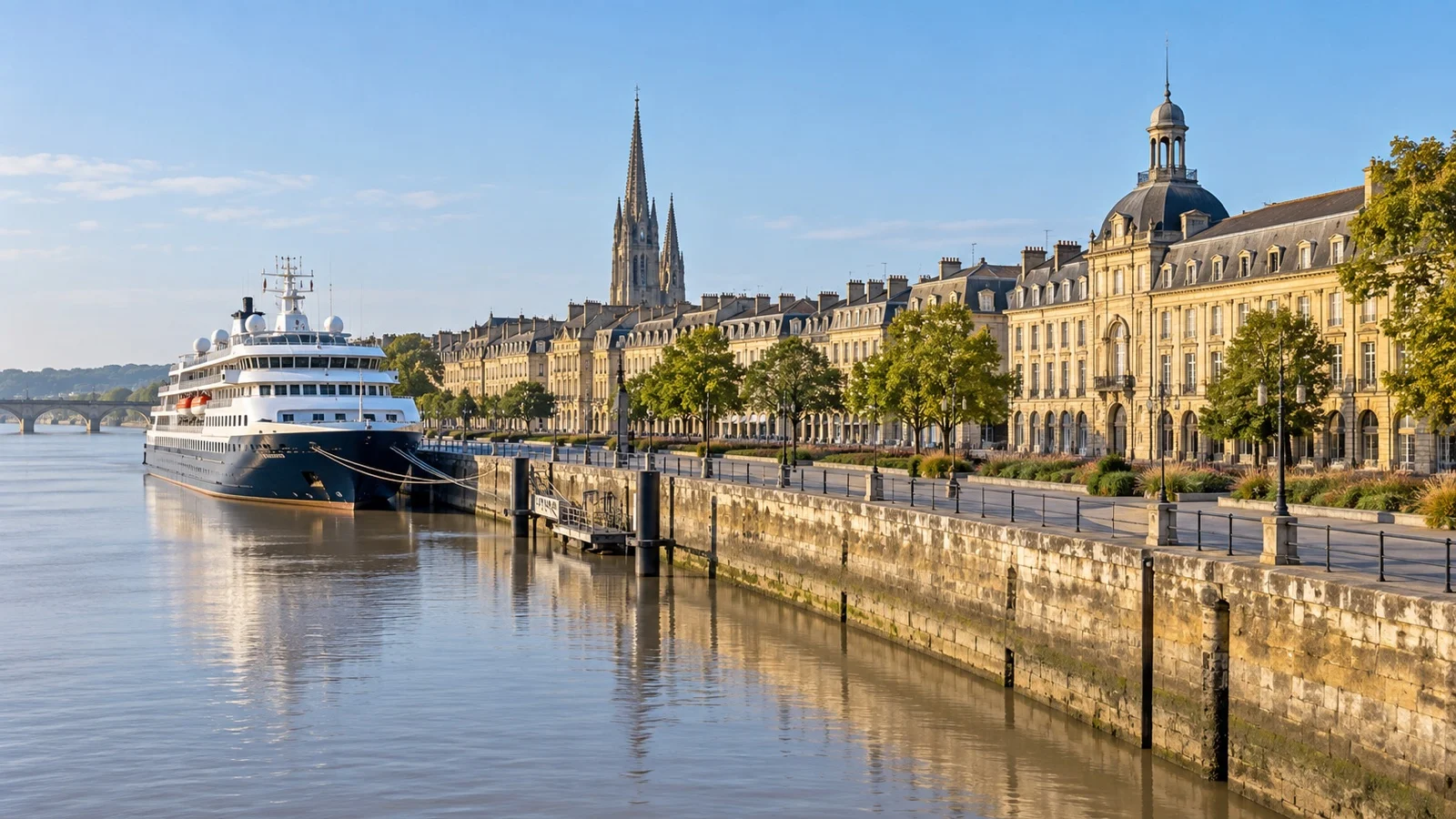
Ships that can navigate upriver may dock at the Port de la Lune in central Bordeaux, directly inside the historic city. Larger vessels may use Le Verdon near the estuary mouth, and operational needs can place a call at another approved terminal.
Tides, river navigation, ship dimensions, and berth availability shape the assignment. The most romantic part of the approach is also the reason schedules and locations can change, so reconfirm after the pilotage plan is final.
Quick Facts
- Port geography: terminals extend from central Bordeaux along the Garonne and Gironde to the Atlantic estuary
- Best berth for independent sightseeing: Port de la Lune in the historic center
- Outer-port reality: Le Verdon requires a long organized transfer for Bordeaux city
- Wine-country logic: Médoc estates suit a Pauillac or Le Verdon side call better than a city-first itinerary
- Current Pauillac status: verify carefully because the port describes cruise development and test-call activity
- City transport: walking and the TBM tram network work well from a central berth
- Reservations: established wine estates usually require advance appointments
- Currency: euro, with cards widely accepted
- Accessibility: central quays are easiest, while coaches, château gravel, and cellar stairs vary
- Return rule: protect the largest buffer when the day depends on regional rail, a distant coach, or multiple transfers
Central Bordeaux is the rare easy version
The Port de la Lune terminal places you beside the broad riverfront and within the UNESCO-listed historic city. The port says qualifying cruise ships up to 255 meters can dock here, which explains why ship size affects who receives this extraordinary location.
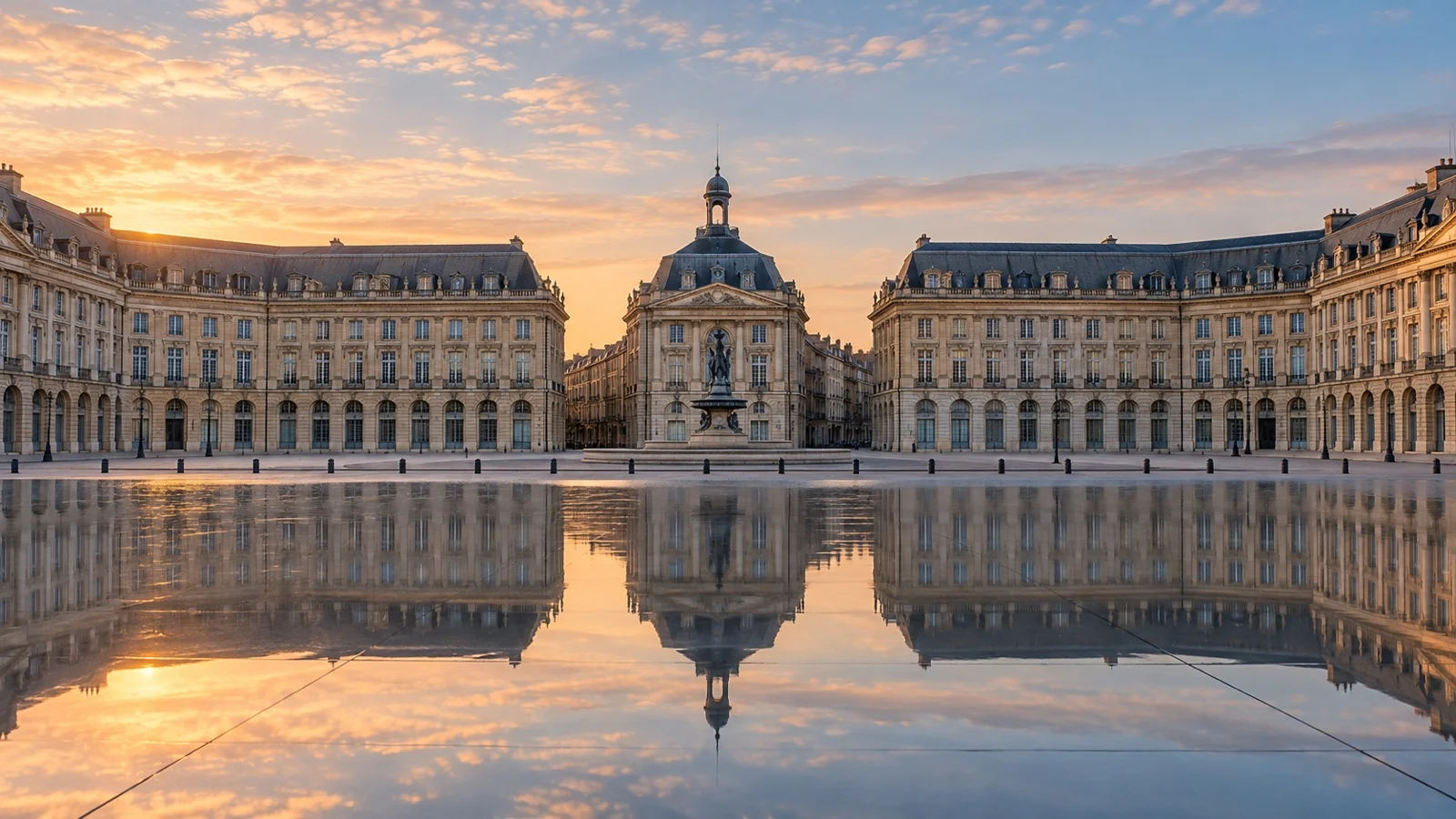
Place de la Bourse, the Water Mirror, the old streets, cafés, markets, and river promenade can all shape an independent day. You can change direction, rest, or return to the ship without sacrificing hours to a transfer.
Bordeaux’s Port of the Moon World Heritage listing recognizes an exceptional urban and architectural ensemble created through centuries of exchange. Treat the whole river-facing city as the attraction rather than racing between isolated monuments.
The tram extends your range to La Cité du Vin, museums, and districts beyond an easy walk. Check the live TBM network for service changes and buy the correct ticket before boarding.
Le Verdon is the opposite planning problem
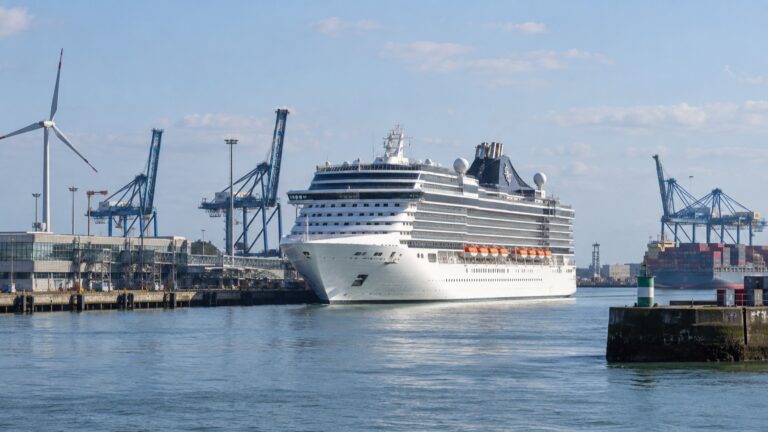
Le Verdon is the deep-water outer harbor near the mouth of the Gironde. The port lists three berths, a rail link toward metropolitan Bordeaux, and the ability to handle larger cruise ships, but those facts do not turn it into a downtown arrival.
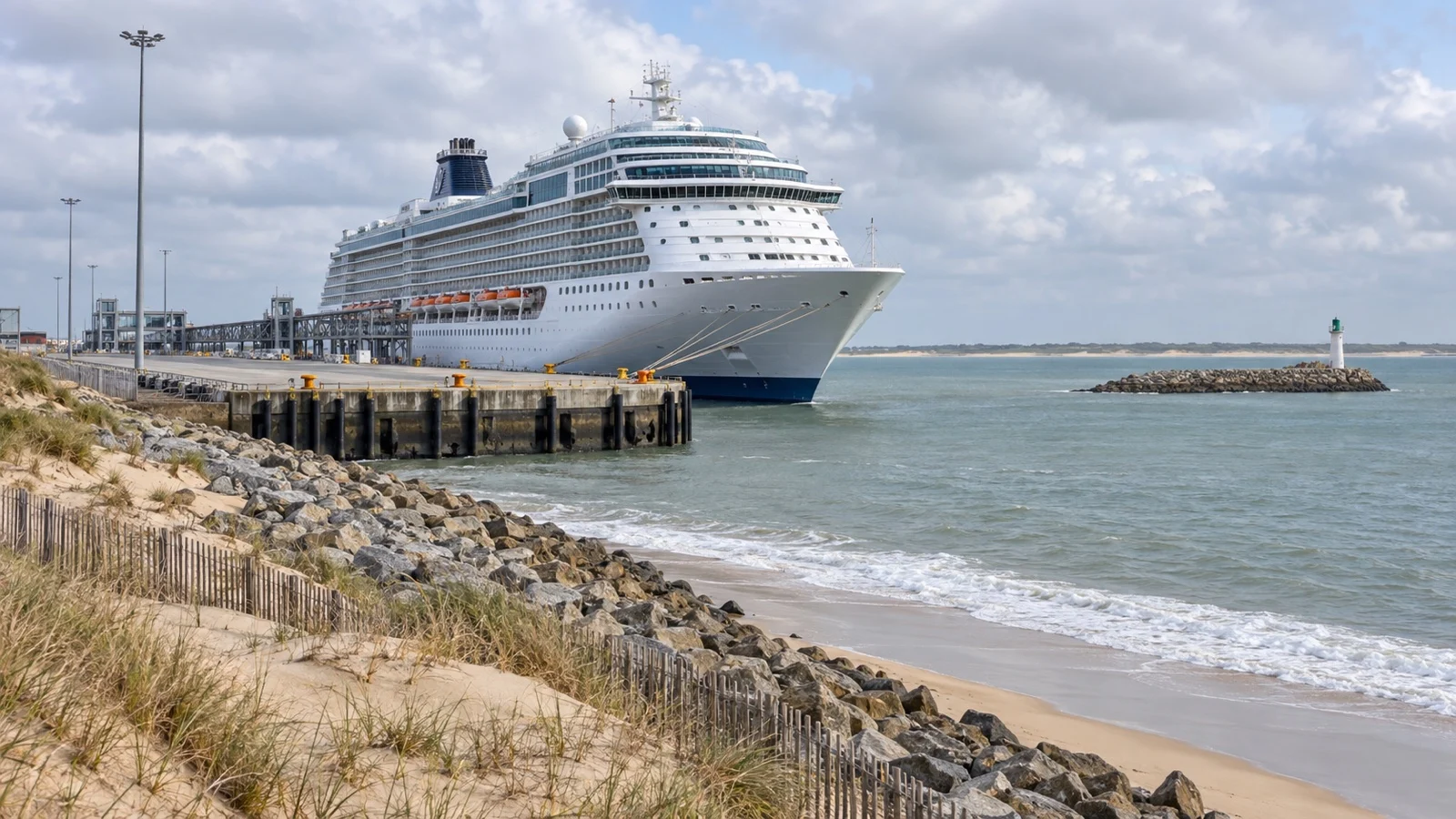
A Bordeaux city excursion from Le Verdon is a long journey in each direction. Choose it only with transport built around the ship, a conservative return, and a city plan focused on a few meaningful stops.
Regional rail may look attractive, but schedules, station transfers, service disruption, and the final port connection all have to align. Verify a same-day route through official transport sources instead of building the trip from a generic map estimate.
Le Verdon also makes the Atlantic coast and northern Médoc more natural choices. A beach town, Soulac-sur-Mer, or one carefully selected wine estate may create a richer day than spending most of the call chasing central Bordeaux.
Pauillac and Trompeloup need current confirmation
Pauillac sits in the Médoc wine region along the Gironde, surrounded by famous appellations and estates. It is an appealing cruise gateway, but the Port of Bordeaux currently describes berth 700 as part of a phased cruise-development opportunity and short-term test calls.
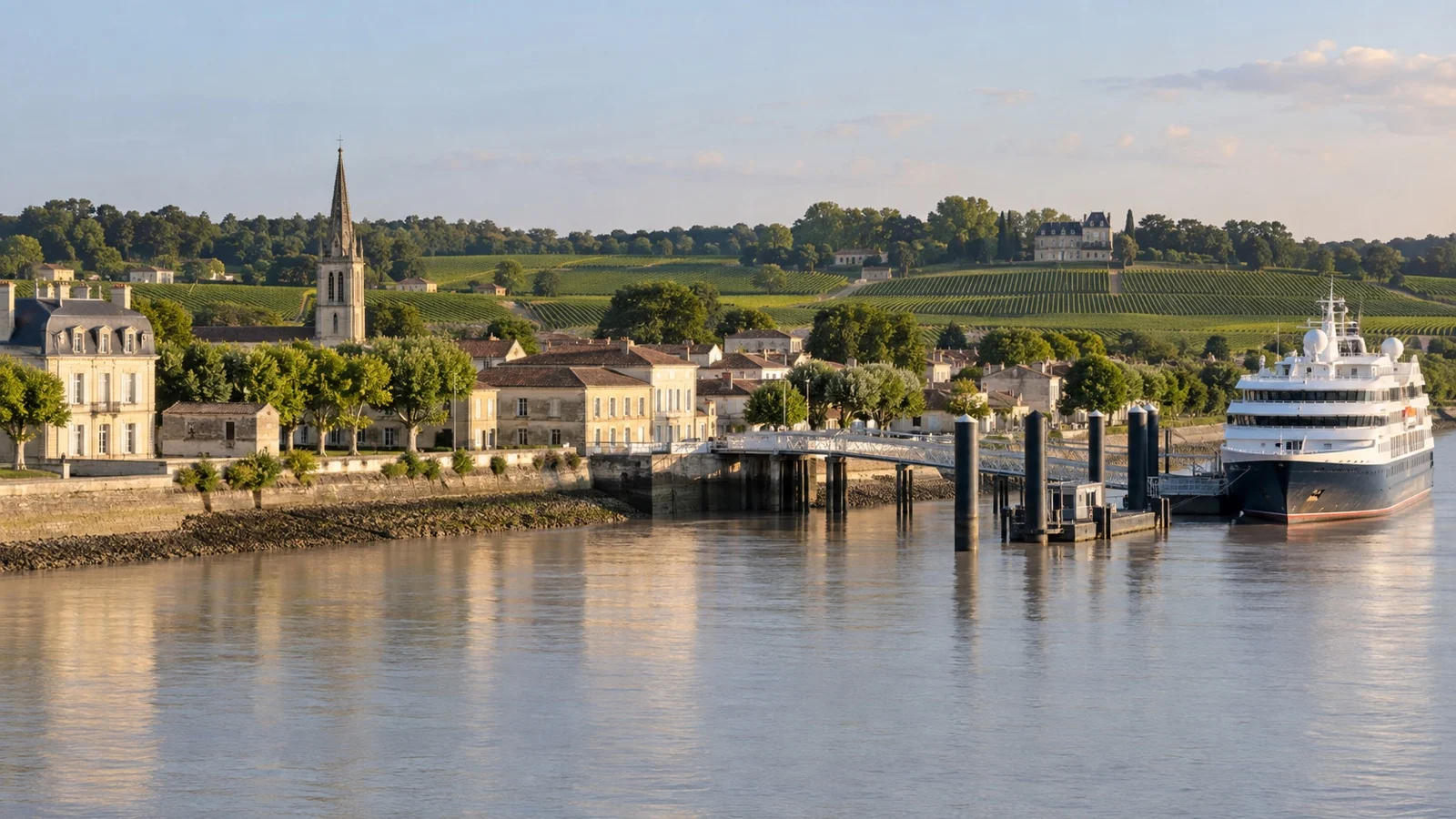
That means you should not transfer assumptions from an old Pauillac review to a current sailing. Confirm whether the ship is actually alongside, how passengers reach the public side, and whether shuttle, coach, or tender procedures apply to your specific call.
If the call operates near Pauillac, Médoc wine touring becomes the obvious strength. Central Bordeaux remains possible only when the cruise line has designed a reliable long transfer, and it should not be combined casually with a full château visit.
Wine touring without fuzzy logistics
Bordeaux is a wine region made of distinct appellations, not one vineyard district outside the city gate. Médoc estates lie north of Bordeaux, while Saint-Émilion is east of the city, so the correct choice depends heavily on your berth.
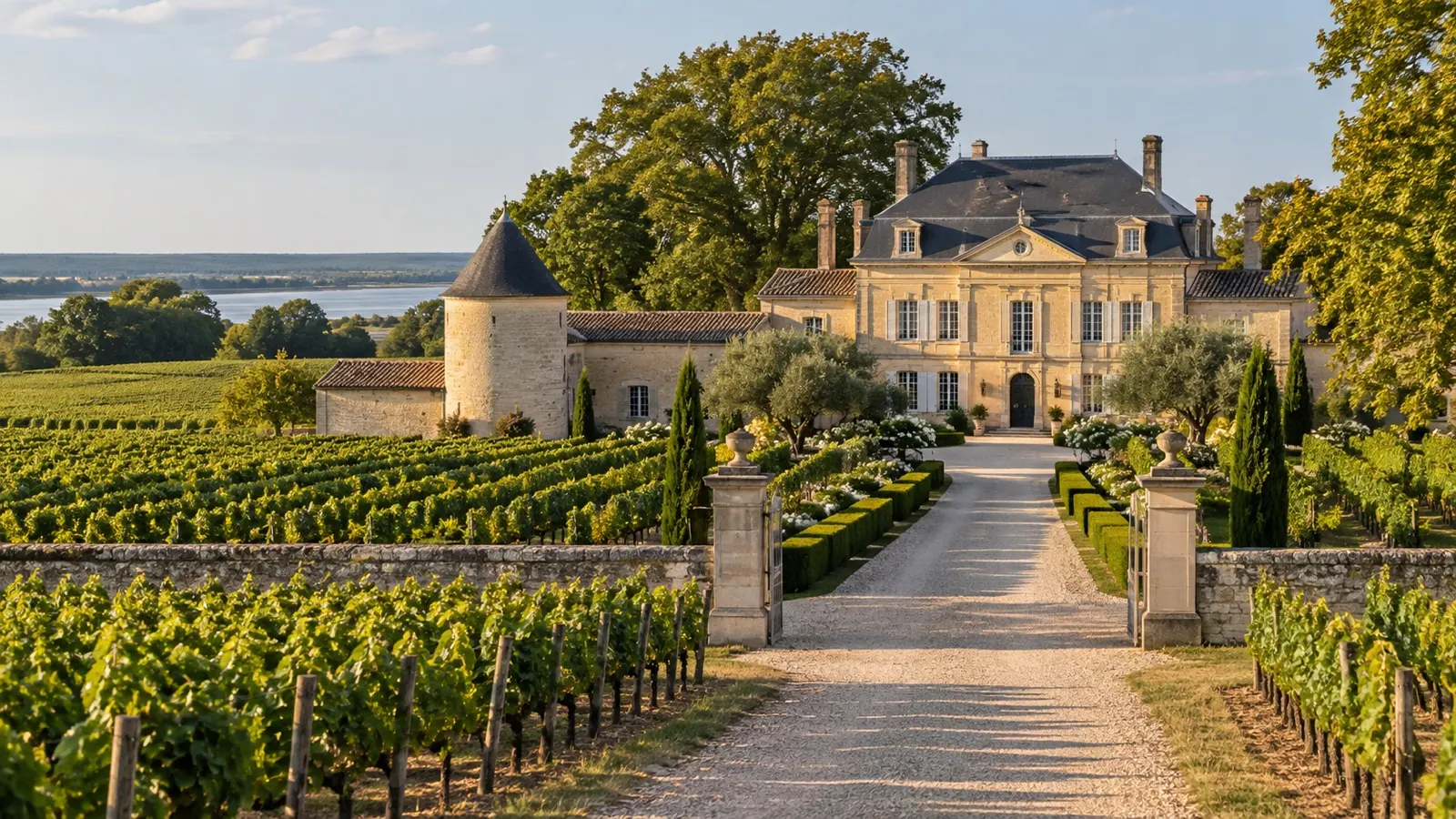
Most reputable châteaux welcome visitors by reservation and may limit group size, language, or tasting format. Use the official Bordeaux tourism office to explore current vineyard guidance and recognized booking channels.
From central Bordeaux, a prearranged half-day vineyard visit can work if road conditions and appointment times cooperate. From Le Verdon or Pauillac, northern Médoc estates reduce transfer exposure and leave more space for the landscape.
Do not judge an estate solely by the label you recognize. A smaller property with an honest tour and a cruise-safe appointment can offer more than a famous address that requires rushing.
Designate a non-drinking driver if you arrange private transport, and remember that tastings are not lunch. Carry water and confirm whether food is included, especially on a warm day.
Three berth-specific day plans
Central city masterpiece
Walk the UNESCO waterfront, cross into the historic lanes, and use the tram for one farther attraction such as La Cité du Vin. Keep the day flexible enough to enjoy a market or café rather than turning the city into a transport exercise.
Médoc with an appointment
From Pauillac or Le Verdon, choose one or two northern Médoc estates with confirmed reservations and a driver who knows the ship’s cutoff. Add a short village or estuary stop only if the return remains protected.
Atlantic reset
From Le Verdon, favor the coast, a nearby town, and a relaxed meal. This is the smartest option when a long Bordeaux transfer would consume the best hours of the call.
Transport chains that fit each terminal
Central Bordeaux rewards walking and public transit because the city begins at the river. Le Verdon and an occasional Pauillac call require the opposite mindset: secure your long-distance transport before choosing attractions.
Ask where independent taxis and private guides may meet, whether port shuttles are mandatory, and when the final transfer enters the terminal. A driver waiting at the wrong gate can erase an otherwise excellent plan.
If using rail, identify every link from ship to station and from the return station to security. Leave room for a missed connection, platform change, or canceled regional service.
Rental cars add pickup time, navigation, parking, wine-tasting responsibility, and the risk of returning to the wrong terminal. A prearranged driver is usually the cleaner choice for a one-day vineyard route.
Accessibility changes with the berth
Central Bordeaux offers the easiest independent framework, with broad quays, modern trams, and many chances to shorten the route. Historic streets can still include cobbles, curbs, slopes, and busy crossings.
At an outer terminal, accessible transport is the first question. Confirm lift equipment, securement, vehicle steps, restroom stops, and whether a wheelchair can remain assembled during the transfer.
Wine estates vary widely, with gravel courtyards, cellar stairs, narrow tasting rooms, and uneven thresholds common in historic properties. Ask the château about the exact visitor route rather than accepting a generic accessible label.
Gangway slope depends on river level and ship position even at an alongside berth. The cruise line can confirm ship assistance, while the local operator must answer for vehicles and venues.
Weather, tides, and river operations
Bordeaux weather can move from cool rain to bright sun within one port day. Pack a light waterproof layer, comfortable shoes, and sun protection rather than dressing for a single forecast icon.
River levels and tides matter to ship operations, gangway angles, and arrival timing. The port publishes real-time vessel and tide resources, while your ship remains the source for passenger-facing schedule changes.
Vineyard paths can become slick after rain, and Atlantic wind is stronger near Le Verdon. A changed outdoor stop is not a failure when the operator replaces it with a safe, worthwhile alternative.
Safety and practical city habits
Bordeaux is a busy European city, so use normal awareness around transit stops, crowds, and tourist landmarks. Keep valuables zipped, validate the correct fare, and do not let a phone map distract you at tram crossings.
In wine country, the risk is often logistical rather than dramatic. A late tasting, slow lunch, or unplanned bottle purchase can quietly consume the return buffer.
Carry essential medication and your ship card, and save the port agent number offline. Write down the precise terminal name because saying Bordeaux may not guide a driver to the correct berth.
Build the return around the weakest link
From Port de la Lune, the weakest link may simply be your walking pace or a tram disruption. From Le Verdon, it is the long regional transfer, and from Pauillac it may be a developing port arrangement or estate appointment.
Tell every independent operator your all aboard time rather than only the sailing time. Set an earlier target for reaching the security point and protect it from one final shop or tasting.
If the city visit requires several separate tickets and connections, simplify it. One dependable coach or a closer destination can be more valuable than an ambitious chain that leaves no recovery time.
Money, language, and reservations
France uses the euro, and cards are widely accepted, although a little cash can help with small purchases. Avoid fragile price claims and check current admission or transit fares on the official provider’s site.
French is the working language, while English is common in major tourism settings. Keep the château name, address, reservation time, and port terminal written down to reduce misunderstandings.
Museum, wine-estate, and guided-tour slots can fill early when several ships or river cruises are in town. Book only after your berth is clear, then confirm cancellation and late-arrival rules.
Choose the day your berth supports
Circle the terminal on your daily program before choosing Bordeaux city, Médoc, or the Atlantic coast. Then measure the transport chain, physical demands, reservations, and return margin against the hours actually ashore.
Use the Port of Bordeaux for terminal and vessel information, Bordeaux Tourism for current city and vineyard planning, and TBM for live public transit. Your ship remains the final authority for the assigned berth, gangway, and all aboard time.
Bordeaux is magical when you stop treating the port name as a guarantee of geography. Let the berth choose the radius, and give one great place enough time to become more than a photograph.
Plan for the quay you actually have, not the Bordeaux arrival you imagined. That single correction protects the ship, the wine appointment, and the pleasure of the entire day.