Estonia Cruise Ports: Tallinn and the Baltic’s Best Old Town
Estonia is a one-port country for most cruisers, and that one port is very good. Tallinn hands you a walled medieval town about twenty minutes from the gangway, and the only real question of the day is how many other ships are doing the same thing.
My quick take
Tallinn is the Baltic call I would least want to skip. The Old Town is genuinely intact rather than restored into a theme park, it is compact enough to see properly in half a day, and you do not need a guide or a bus to get into it.
What I would plan around is timing rather than logistics. Get off early, do the upper town before the tour groups arrive, and accept that the middle of the day in high summer belongs to everybody else.
The quick facts
- Main port: Tallinn’s Old City Harbor, where the berths all funnel you to the same pedestrian gate.
- Walk to town: Roughly 0.7 miles (1.2 km) to the Old Town, or about 15 to 20 minutes on flat, signed streets.
- Money: Euros, with cards accepted almost everywhere in the center.
- Second call: Saaremaa, on the island of the same name, which shows up on smaller itineraries.
- Season: Late spring into early autumn, with the heavy traffic in July and August.
What an Estonia call is usually attached to
Estonia almost always arrives as one day inside a Baltic capitals itinerary. Copenhagen, Stockholm, Helsinki, Tallinn and Riga is the classic shape, and our overview of how Europe’s cruise regions fit together shows where that loop sits against the Mediterranean season.
Tallinn is often paired with Helsinki on consecutive days, because the two cities face each other across a narrow stretch of the Gulf of Finland. That pairing is efficient for the ship and slightly punishing for you, since it is two dense walking cities back to back.
The port sees a lot of traffic for a city of its size, with something on the order of 300 ship calls in a typical year. That number is the single best predictor of how your day will feel.
Tallinn: where you actually tie up
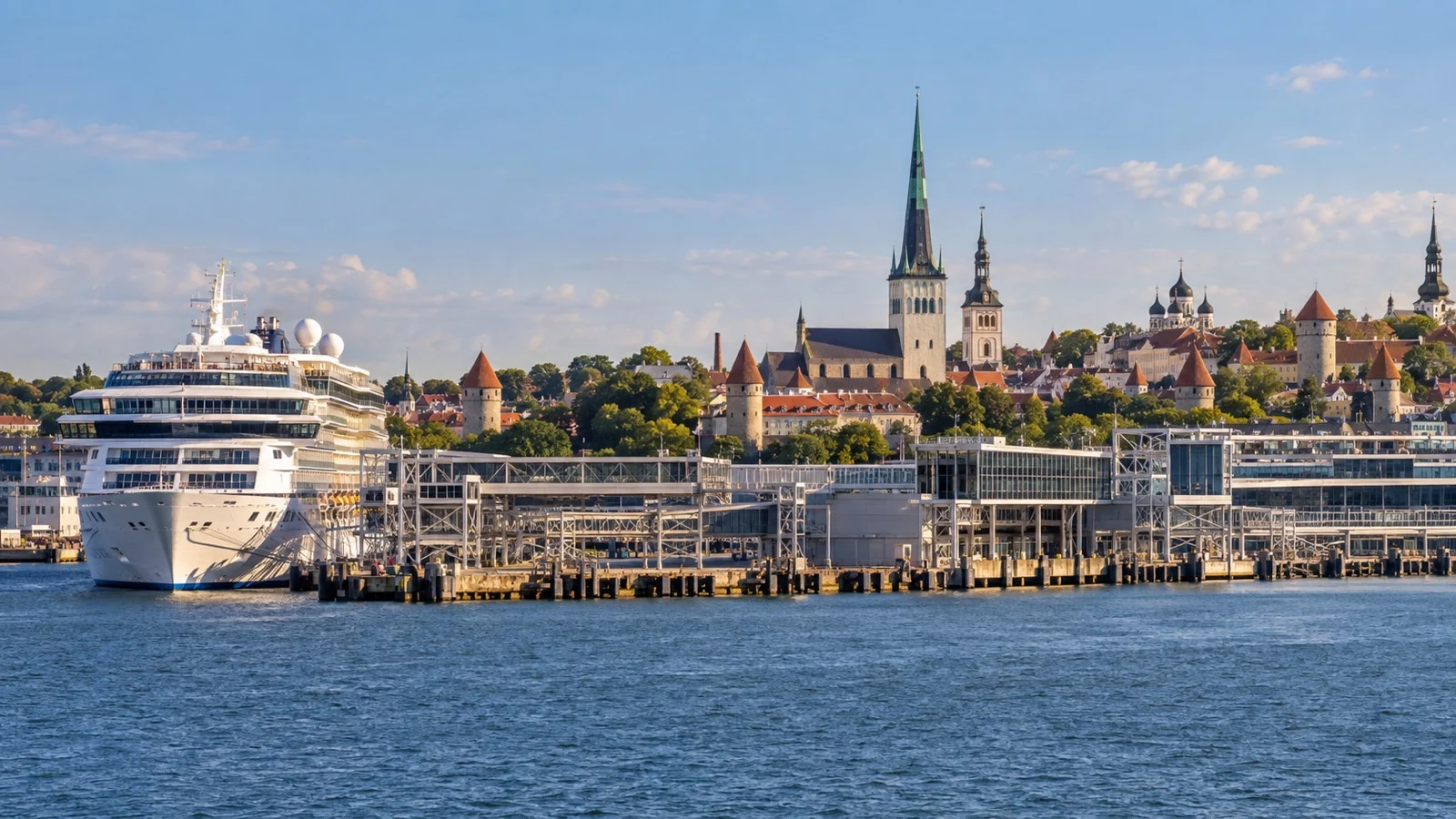
Ships use the Old City Harbor, which is the working passenger port right below the city rather than an industrial terminal out of town. The exact quay changes by sailing, and the practical detail is that they all deliver you to the same pedestrian exit around Logi and Rumbi Street.
From that gate the Old Town is about 0.7 miles (1.2 km), which works out to a 15 to 20 minute walk on flat ground. The route is signed the whole way, and the city has spent years making the walking route from the port more pleasant rather than just tolerable.
Some lines sell a shuttle to a drop-off nearer the walls, and whether it is worth buying depends entirely on your knees. If everyone in your group walks comfortably, save the money, because this is one of the easier port walks in the Baltic and our full Tallinn port guide lays out the route in detail.
The one thing I would check before the morning of is which gate your ship is using and where the taxi rank sits relative to it. Terminal areas in a busy port get rearranged, and knowing the answer at 8am is worth more than any pre-booked tour.
The Old Town is the entire argument for the port
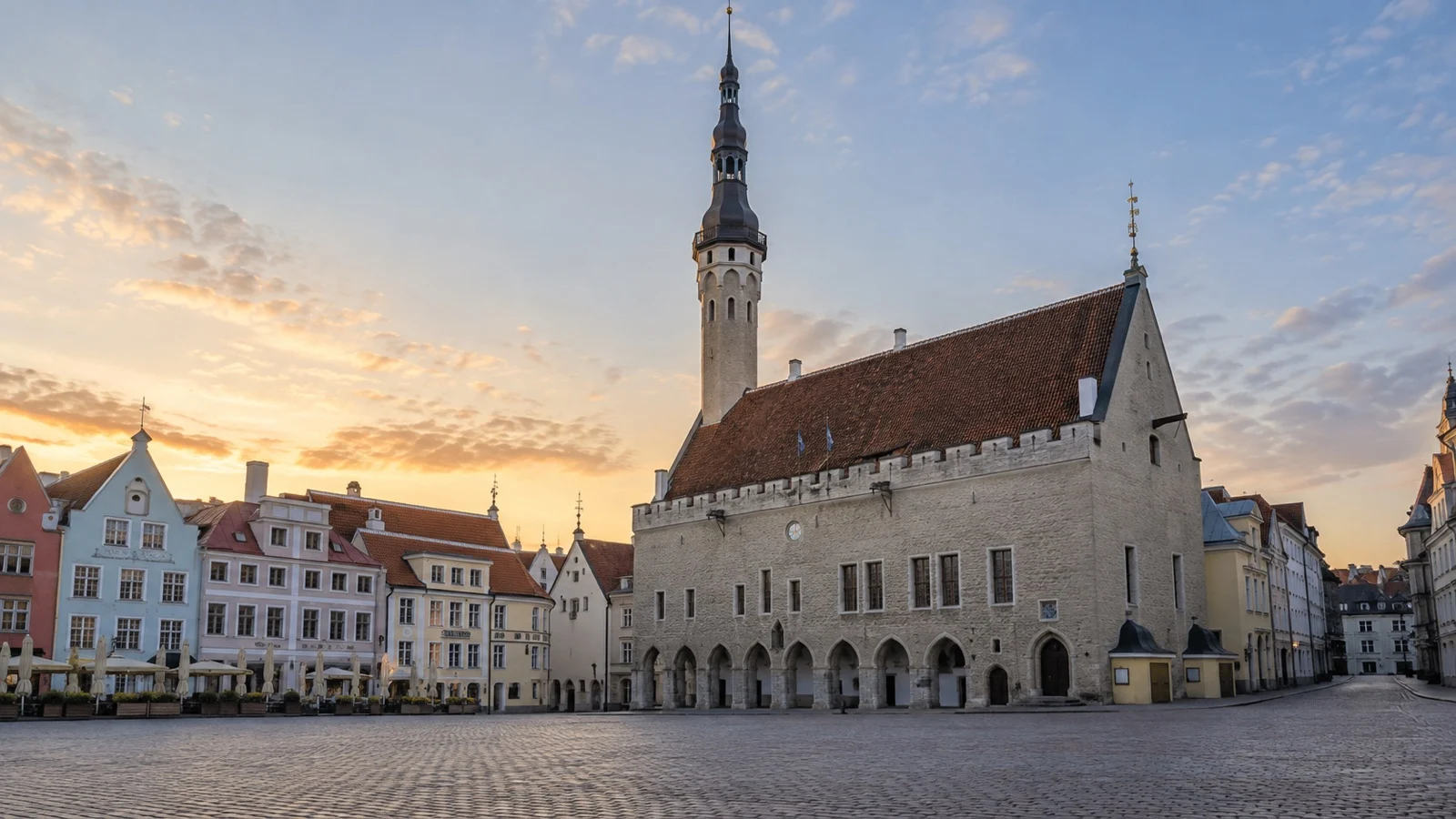
Tallinn’s historic center has been a World Heritage site since 1997, and the listed area covers roughly 280 acres (113 hectares) of medieval street plan. It grew as a northern trading city in the Hanseatic network, and a startling amount of the original layout is still there.
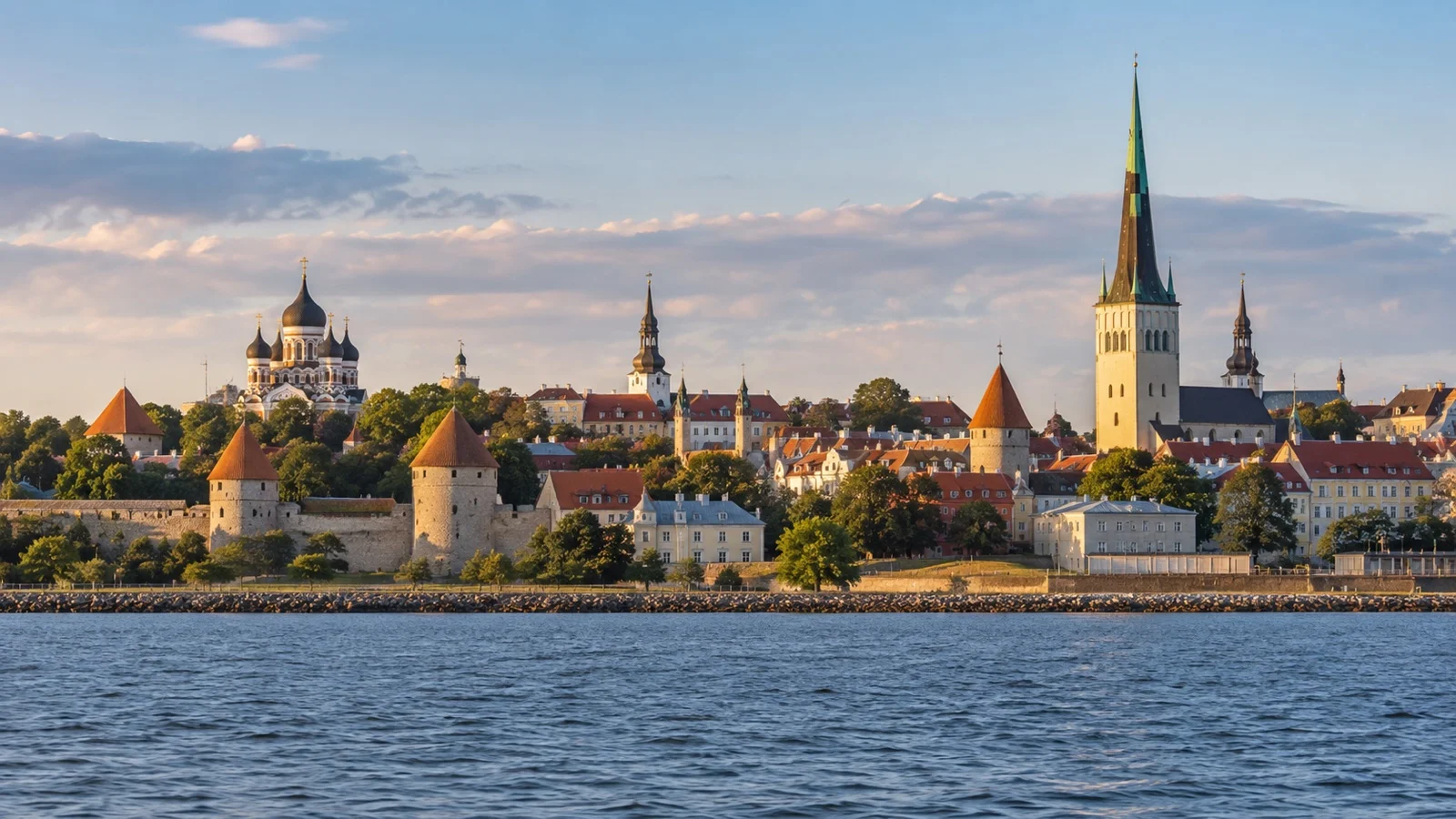
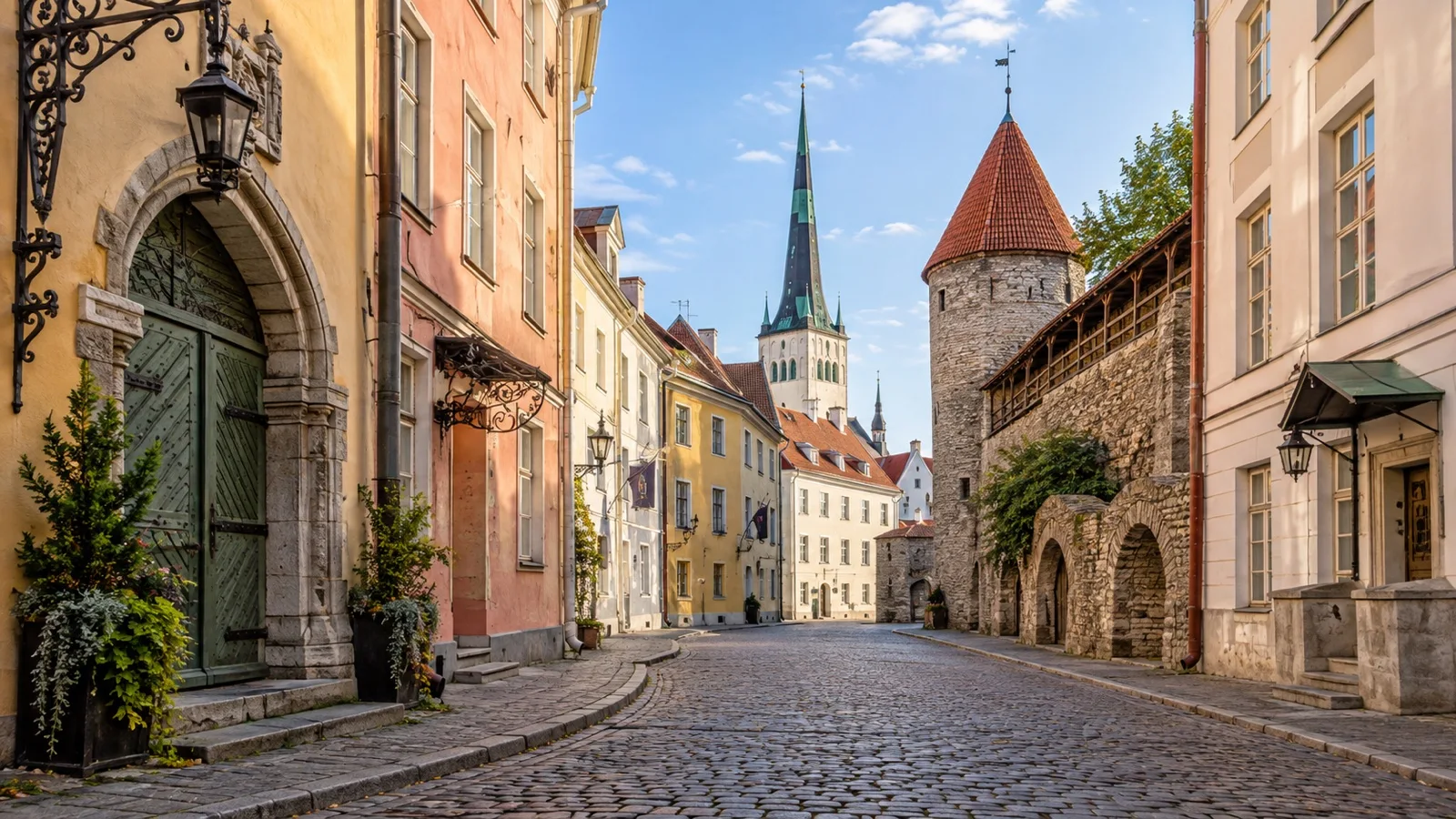
What that means on foot is walls, towers, guild houses, cobbles and a Town Hall Square that has been a square since the Middle Ages. Parts of the fortification wall stand over 50 feet (15 m) tall, and you can walk stretches of it.
The town splits into two levels. The lower town holds the square, the guild buildings and most of the restaurants, and the upper town on Toompea holds the castle, the Alexander Nevsky Cathedral and the viewpoints everyone photographs.
If you only have three hours, do Toompea first and the lower town second. The viewpoints get shoulder to shoulder by late morning, and the square is more forgiving of a crowd than a narrow terrace is.
The cruise cap argument, told straight
Across Europe, the conversation about capping cruise arrivals has moved from fringe to normal, and Tallinn keeps coming up in it. A walled town of a few hundred acres taking several thousand day visitors at once is a real pressure, and locals talk about it the way locals everywhere now do.
Where I would be careful is with the specifics. I have not found a published hard cap on cruise calls or passenger numbers in Tallinn, and a lot of what circulates online is a proposal, a study or another city’s rule wearing Tallinn’s name.
What is true regardless of policy is that the crowd is concentrated, not constant. Two ships on a Tuesday is a pleasant town, and five ships plus the ferry traffic from across the gulf is a very different experience of the same streets.
That is a checkable number rather than a mood, and I would check it. Our guide to finding out how many ships share your port day explains how to look it up before you sail, which is when the information is still useful.
Saaremaa is Estonia’s other real cruise call
Estonia counts more than 2,300 islands, and Saaremaa is the biggest of them. The cruise harbor sits on the island’s north coast near Ninase village rather than at Kuressaare, the island’s main town, so this is not a step-off-and-explore port.
The facility is purpose-built for this traffic. It has two quays that take cruise ships, handles vessels up to about 660 feet (200 m), and carries around 33 feet (10 m) of depth alongside.
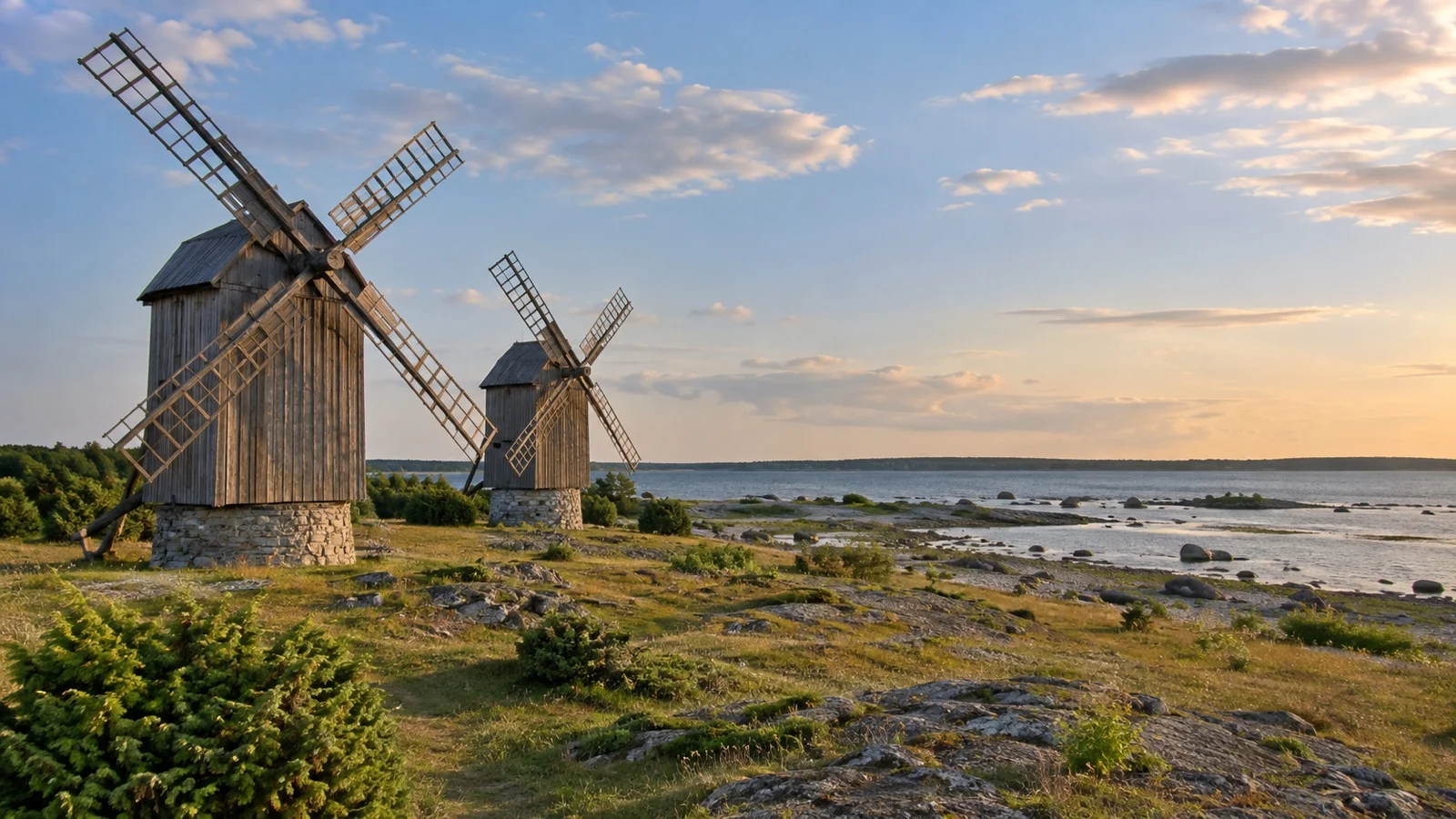
Because the town is a drive away, this is one of the few Baltic calls where I would take the ship’s excursion or a pre-booked transfer without much argument. Kuressaare’s castle, the island’s windmills and the juniper landscape are the point, and none of them are walkable from the quay.
Set your expectations to rural rather than urban. Saaremaa is quiet, green and low key, and if you go in wanting a second Tallinn you will be disappointed by a place that is doing something else entirely.
What else Estonia gets, and how rarely
Beyond those two, Estonian calls are occasional and expedition-flavored. Smaller ships turn up at other harbors along the coast and among the islands, usually as part of a longer Baltic or Northern Europe repositioning rather than a mainstream loop.
The pattern at those calls is consistent even when the name is unfamiliar. You get a small working quay, a town that is farther than it looks, and a day that works well if you booked something and works poorly if you did not.
How Tallinn compares with the rest of the Baltic loop
Against its neighbors, Tallinn wins on density of sights per walking minute. Our Riga guide covers a city with a bigger and arguably richer old town, but Riga’s is more spread out and takes more effort to see well in a port day.
Against Helsinki, Tallinn is the more atmospheric day and Helsinki is the more livable one. Helsinki gives you museums, trams and a sea fortress, and Tallinn gives you a medieval town you can walk into from the ship.
Against Klaipeda, it is not really a contest for a first-timer. Klaipeda is a good port with a great sand spit nearby, and Tallinn is the one you will describe to people when you get home.
- Best walk-off value: Tallinn, and it is not close within Estonia.
- Best case for an excursion: Saaremaa, where the sights are all a drive away.
- Worst time to arrive: Midday in July, when several ships overlap in one small old town.
- Most underrated hour: The first one after the gangway opens, before the tour buses stage.
The season is short, and shoulder months are a real trade
The Estonian cruise season runs from late spring into early autumn, and the bulk of the calls land in July and August. Outside that window the Baltic itineraries mostly stop, so there is no quiet November version of this trip to book instead.
May and September are cooler and noticeably calmer in the Old Town. You trade some daylight and some outdoor cafe weather for streets where you can actually see the buildings.
Pack for changeable weather even in midsummer, because Baltic days flip from warm to wet quickly. Our cruise season calendar by region is the fastest way to see how narrow this window is compared with almost anywhere else you sail.
Money, language and the practical layer
Estonia uses the euro and is very comfortable with cards. Tallinn is a famously digital country and you will struggle to find a place in the center that wants cash more than a phone, though a few small euro notes are still a sensible backup, as our piece on what to actually carry ashore argues.
Estonian is the language, and English is spoken easily in the tourist center. Russian is common too, and nobody expects you to arrive with any Estonian beyond a thank you.
Tipping is light rather than absent, and rounding up or leaving a small percentage in a restaurant is normal. Estonia is in the Schengen area as well, so our explainer on Schengen days, ETIAS and cruise visas covers the entry side of a multi-country Baltic sailing.
The mistakes I would expect on a Tallinn day
The first is buying the shuttle without checking the walk. It is under a mile on flat, signed streets, and a lot of people pay for a bus ride that takes about as long as walking once you count the wait.
The second is doing the lower town first and running out of energy before the upper town. Toompea has the views and the stairs, and it is the part you want your fresh legs for.
The third is eating on Town Hall Square by default. The square is lovely and the food a couple of streets off it is usually better and cheaper, which is true in roughly every old town on earth.
If you have already seen the Old Town
Repeat visitors have decent options within the same walk. The waterfront district between the port and the walls has been rebuilt around a seaplane hangar museum and a converted industrial quarter, and it is a genuinely different afternoon.
The other move is to stay out of the center entirely. Kadriorg’s park and palace sit a short ride east of town, and that is where I would go on a second call rather than walking the same cobbles again.
A third option is to treat the port as a rest day and enjoy a nearly empty ship. That is a legitimate choice on a Baltic itinerary where you have already walked three old towns in a week.
When an excursion here is worth the money
In Tallinn, mostly no. The Old Town is walkable, signed and small, and a walking tour buys you context rather than access, which is a fair thing to pay for but not a necessary one.
The exception is mobility. If stairs and cobbles are a problem, a booked tour with a vehicle solves a real logistical issue that no amount of planning fixes on foot, and our list of the most walkable cruise ports is a useful reality check on which calls demand what.
In Saaremaa, book something. The harbor is not near the town, and independent transport on a rural island inside a port-day window is not a plan I would rely on.
Quick answers
Can you walk from the Tallinn cruise port to the Old Town?
Yes, it is roughly 0.7 miles (1.2 km) from the pedestrian gate and takes about 15 to 20 minutes. The route is flat and signed, so most people skip the shuttle.
How long do you need in Tallinn Old Town?
Three to four hours covers the upper and lower town at a reasonable pace with a stop for lunch. Anything under two hours turns into a fast lap of Town Hall Square.
Does Tallinn limit cruise ships?
There is an active debate about cruise pressure on the Old Town, but I would not repeat any specific cap number you see online without checking it. What actually shapes your day is how many ships are in port that date.
Do you need euros in Tallinn?
Not really, since cards and phone payments work almost everywhere in the center. Carry a few small notes as a backup and expect to leave with them.
Is Saaremaa worth a cruise stop?
It is, if you go in expecting a quiet rural island rather than a second medieval city. Book transport or a tour, because the harbor is not within walking distance of the town.
Final word
Estonia does not need a long itinerary to justify itself. One good day in Tallinn, walked rather than bussed, is the equal of most two-port stretches on a Baltic sailing.
Look up how many ships share your date, get off early, and climb to Toompea before the middle of the day. The Old Town rewards being early far more than it rewards being organized.
How this guide was researched: Harbor layouts, the walking route into the Old Town, heritage listings and quay specifications for Estonia’s cruise ports were checked against official port, city and heritage sources in October 2026. Berth assignments, shuttle arrangements, ship counts on any given date and any future limits on cruise arrivals can change, so confirm the details for your own sailing before you plan the day. See our Editorial Policy.