Riga Cruise Port: Old Town, Berths and Art Nouveau
Riga is one of the Baltic’s great walking cities, but the ease of your cruise day begins with one unglamorous question: which berth is the ship using? Most vessels arrive at Riga Passenger Port within a short walk of Old Town, while an alternate port position can turn that same plan into a shuttle or taxi day.
Once you reach the center, Riga unfolds in three distinct layers: medieval lanes, green boulevards, and a remarkable Art Nouveau district. Add Central Market and Latvian food, and a single port call becomes wonderfully difficult to edit.
Quick Facts
- Primary cruise berth: Riga Passenger Port, close to Old Town.
- Berth caveat: Some calls may use another port facility, so verify the location onboard.
- Best first visit: Old Town, Town Hall Square, House of the Blackheads, and the riverfront.
- Architecture: Riga’s UNESCO-listed center includes medieval, wooden, neoclassical, and exceptional Art Nouveau buildings.
- Public transit: Tram, trolleybus, and bus, with tickets validated every time you board.
- Currency: Euro, with cards widely accepted.
- Language: Latvian, with English common in central visitor settings.
- Easy food stop: Riga Central Market or an Old Town restaurant serving Latvian dishes.
Where cruise ships dock
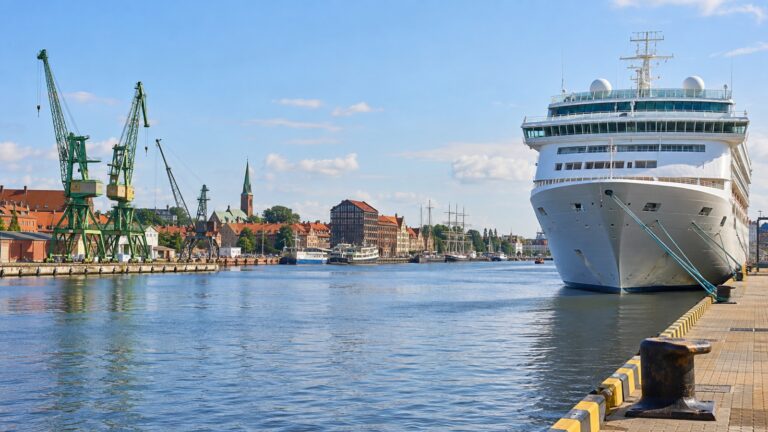
The Freeport of Riga says most cruise vessels use Riga Passenger Port in the central city. From there, Old Town is a short walk along the Daugava and across the edge of the historic center.
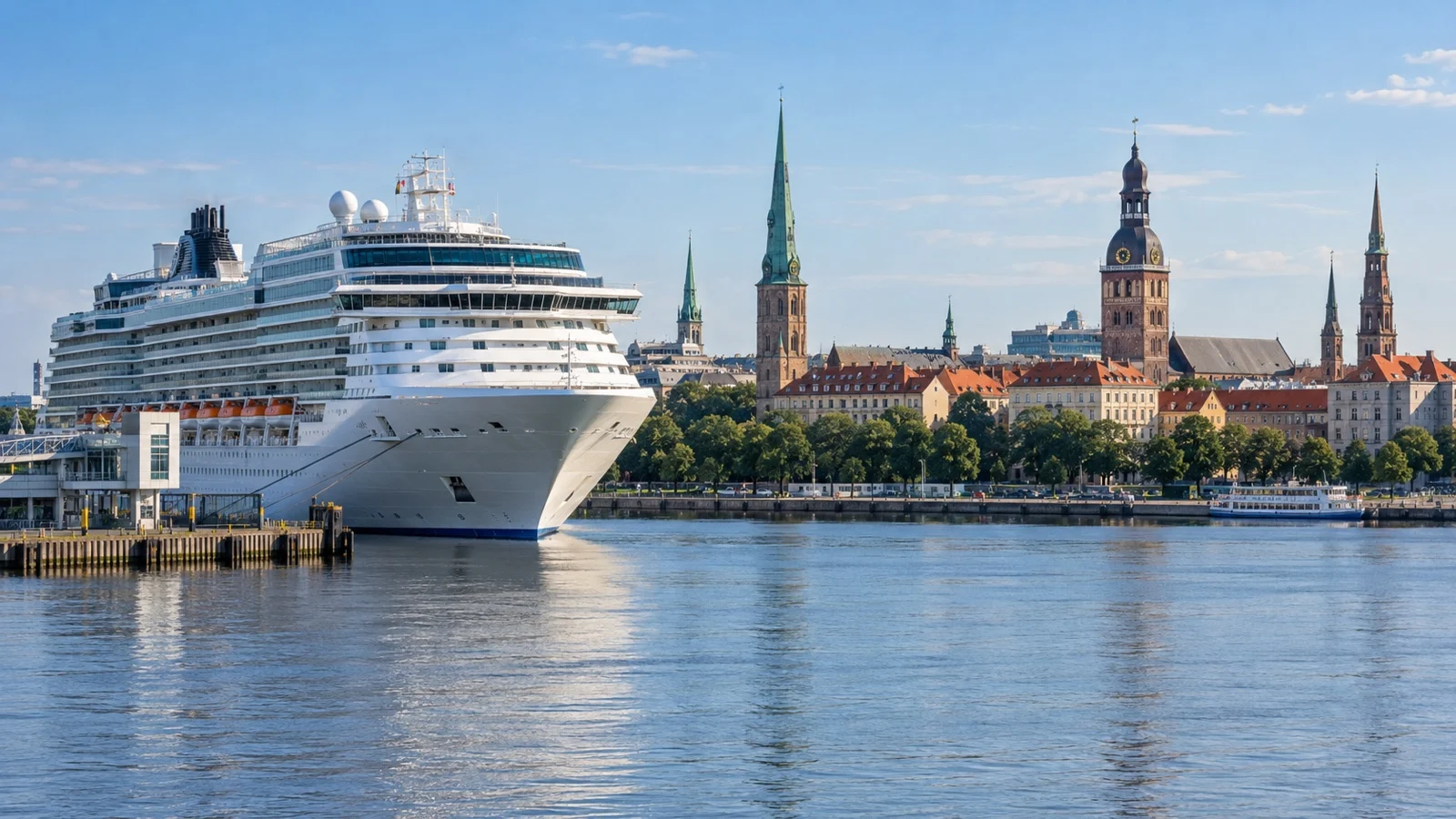
The port can assign other facilities depending on vessel size, traffic, and operational needs. Check the berth name in the daily program before trusting a map pin, because a remote position requires the ship’s shuttle plan rather than a confident walk toward church spires.
Riga Passenger Port does not have an ATM, and the port advises booking terminal taxi service in advance. Bring a payment card or euros ashore, and use the ship’s transfer information if you are not at the central berth.
Old Town is your natural first loop
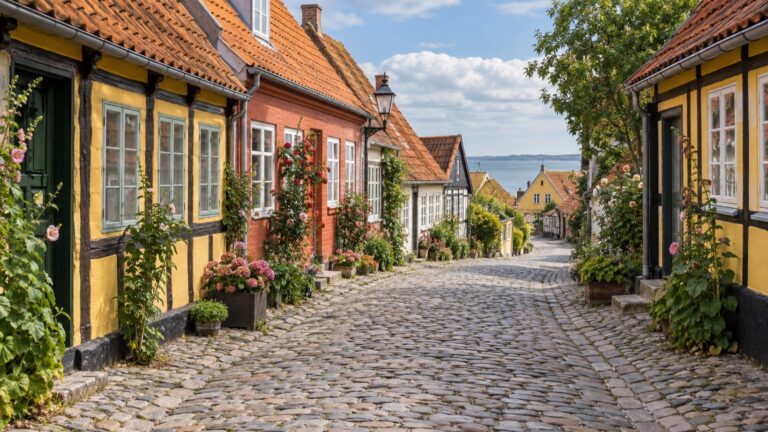
Walk toward Riga Castle and enter the lanes of Vecrīga, the medieval core. The streets twist rather than obey a perfect grid, which makes wandering delightful and a saved offline map extremely useful.
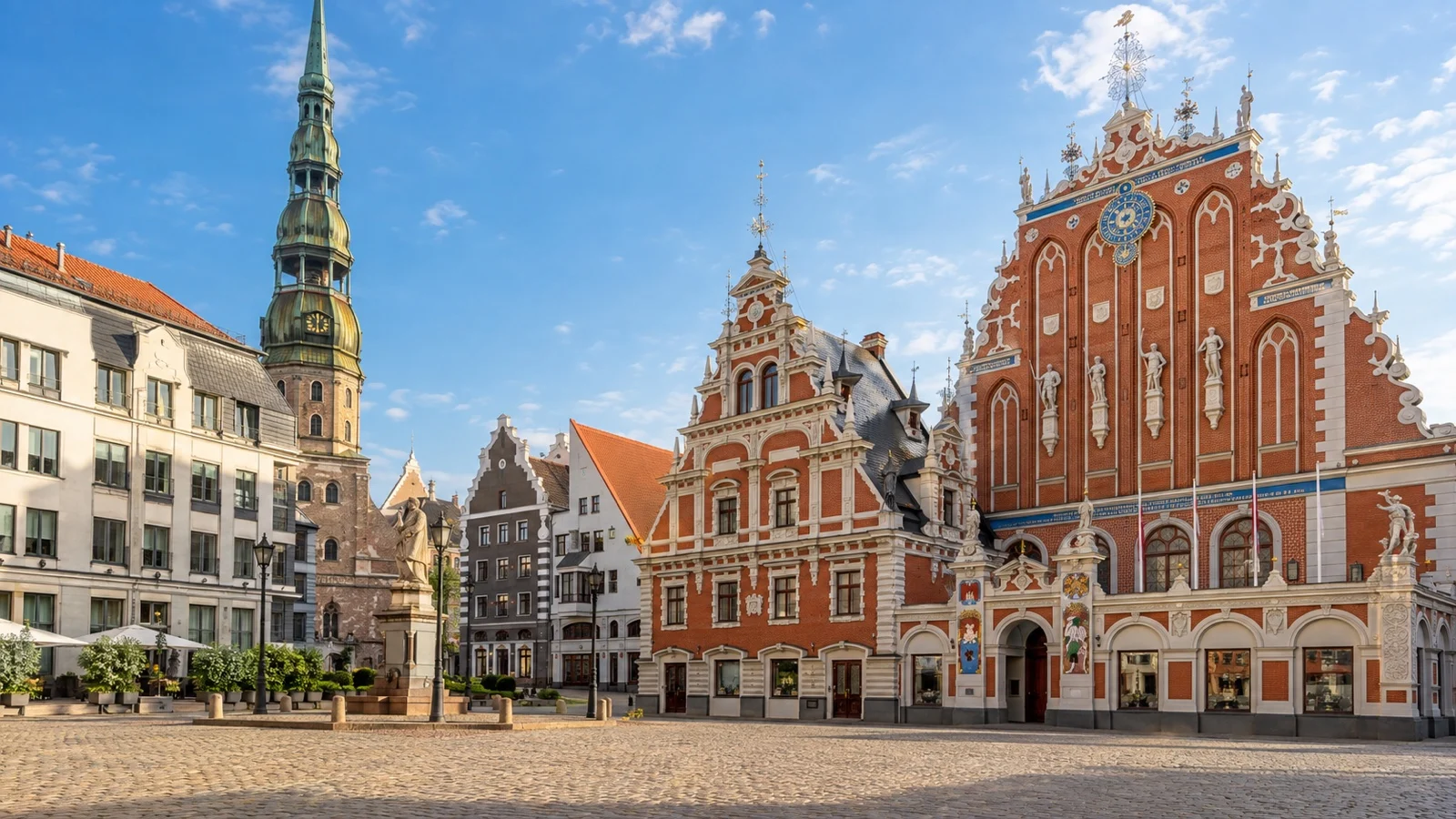
Riga Cathedral, the Three Brothers, Swedish Gate, Powder Tower, Saint Peter’s Church, and Town Hall Square all fit within a compact area. You do not need to enter every building for the city to feel substantial.
House of the Blackheads provides the theatrical facade everyone recognizes, facing Roland in Town Hall Square. The current building is a reconstruction, but its story still connects Riga’s merchant wealth, civic identity, destruction, and restoration.
Use one tower, not every tower
Saint Peter’s Church offers the classic high view over red roofs, the Daugava, and the city’s broader skyline when its tower is open. Opening hours, worship, maintenance, and weather can affect access, so verify before building the whole morning around the elevator.
Riga Cathedral offers a different experience centered on architecture, history, and its famous organ. Choose the interior that matches your interests rather than spending the port day queuing repeatedly for similar roof photographs.
Why Riga is a UNESCO city
UNESCO describes Riga as a major Hanseatic center whose medieval fabric reflects centuries of trade with central and eastern Europe. It also recognizes the city’s nineteenth-century boulevards, wooden architecture, and outstanding concentration of Art Nouveau.
The official Historic Centre of Riga listing is useful because it explains that the heritage area extends beyond the postcard Old Town. Cross the City Canal into the boulevards and the city changes scale without losing its historical thread.
The Art Nouveau district deserves time
Alberta iela and the surrounding streets northwest of Old Town contain some of Riga’s most elaborate Art Nouveau facades. Sculpted faces, mythic creatures, geometric ornament, and exuberant windows turn an ordinary block into a slow outdoor gallery.
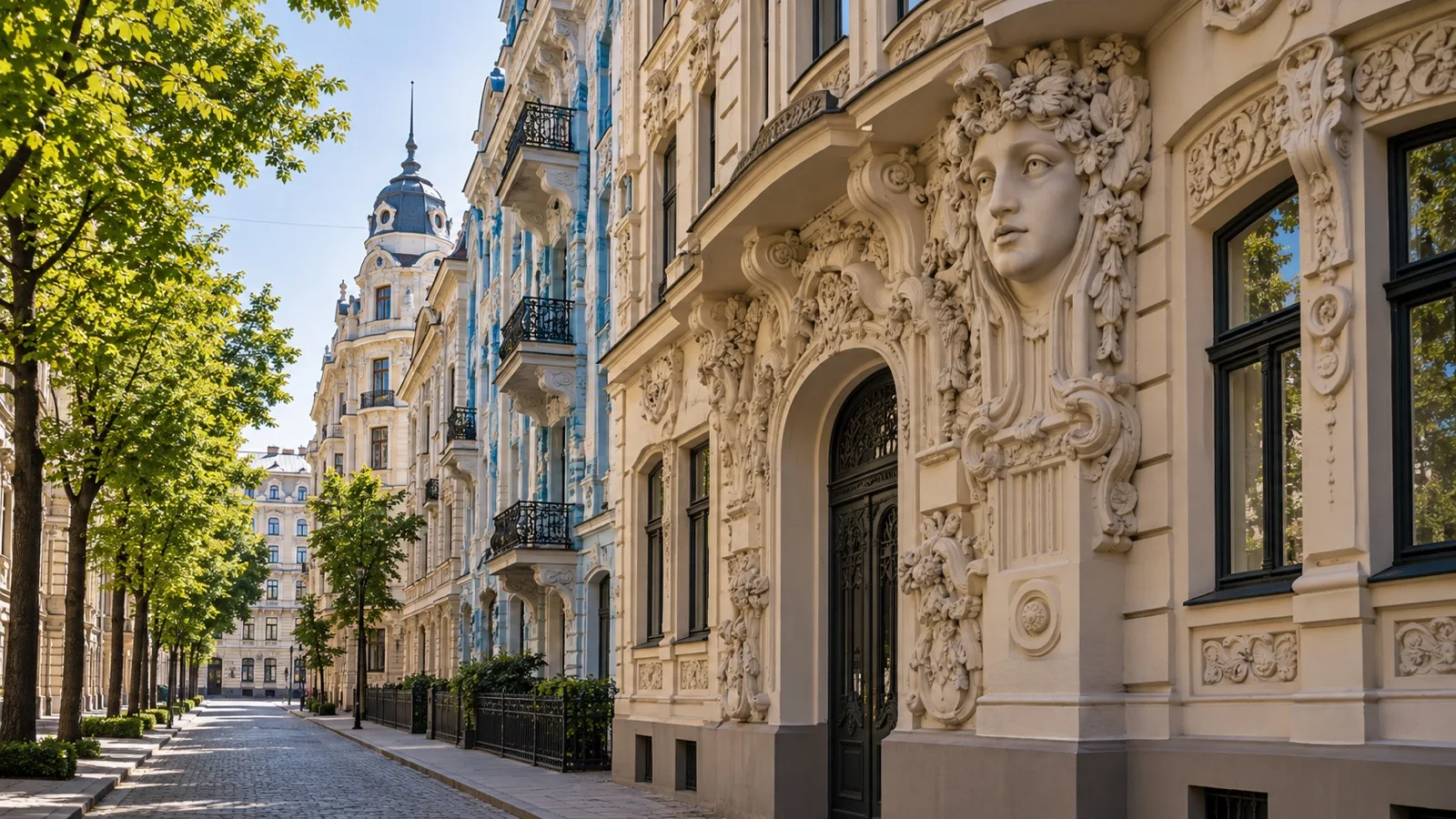
The district is walkable from the central passenger port and Old Town, but it adds distance to an already active day. Use a tram, taxi, or one-way walk if mobility or weather makes the full circuit less appealing.
The Riga Art Nouveau Centre museum gives the style an interior life through a period apartment and architectural interpretation. Confirm its opening day and reserve enough time to enjoy the rooms rather than squeezing them between two distant museum tickets.
Central Market is not a souvenir set
Riga Central Market occupies vast historic pavilions near the railway station and bus terminal, just southeast of Old Town. Produce, fish, meat, dairy, baked goods, prepared food, and everyday shopping make it feel like a working institution rather than a themed attraction.
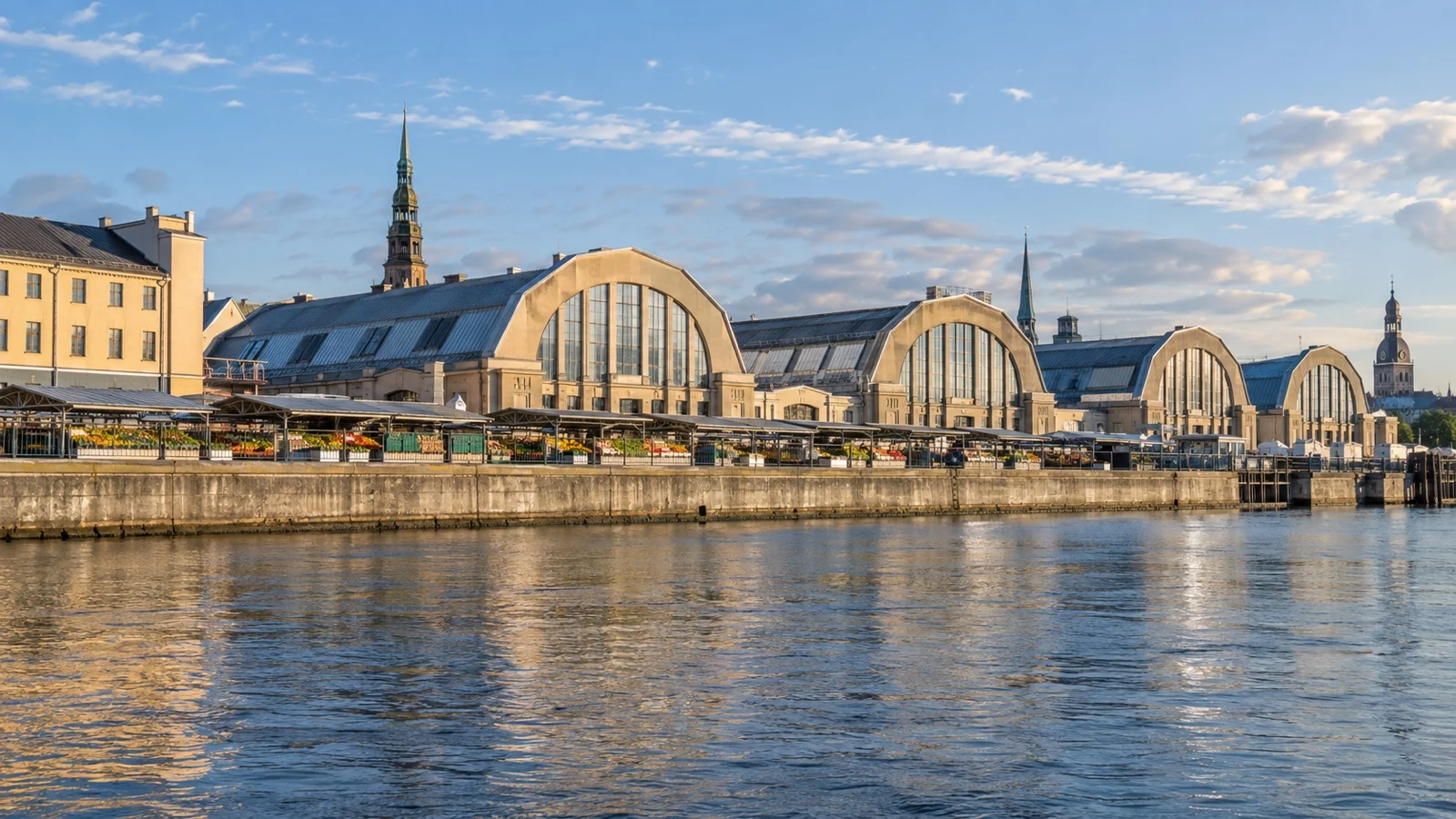
Browse respectfully, ask before photographing vendors at close range, and keep wallets secure in crowded aisles. The market is enormous enough to consume an hour without you noticing, so choose a pavilion or lunch goal before wandering.
Try dark rye bread, smoked fish, pickles, pastries, local cheeses, or seasonal berries when available. Remember that meat, dairy, produce, and other food may be restricted onboard or at your next border, so consume purchases ashore unless the cruise line says otherwise.
Museums for a focused history day
The Museum of the Occupation of Latvia covers the country’s twentieth-century experience under Soviet and Nazi occupations. It is a serious visit rather than a quick decorative stop, so give the exhibits attention and emotional space.
The Latvian National Museum of Art suits travelers drawn to visual culture and sits beyond the canal near the boulevard parks. The Museum of the History of Riga and Navigation, inside the cathedral complex, keeps the focus on the city and port.
Pick one major museum, then let streets and squares carry the rest of the story. Riga has too many worthwhile collections for a cruise passenger to win by quantity.
Public transport without ticket trouble
Riga’s municipal network includes trams, trolleybuses, and buses. Official tourism information says service generally operates daily from early morning until late evening, with route-specific schedules published by Rīgas satiksme.
A current 90-minute ticket costs 1.50 euros and allows transfers within the time window on municipal services. The operator’s ticket rules require validation every time you board a different tram, trolleybus, or bus.
Buy before boarding through an accepted app, kiosk, machine, or sales point, since drivers generally do not sell standard city tickets. Fare rules can change, so verify the current price and purchase method instead of relying on an old screenshot.
Jūrmala is possible, but not automatic
Jūrmala offers wooden villas, pine forest, and a long Baltic beach west of Riga. Regular trains make it realistic on a long call, but you still need time to reach Riga Central Station, buy the correct ticket, ride, explore, and repeat the journey.
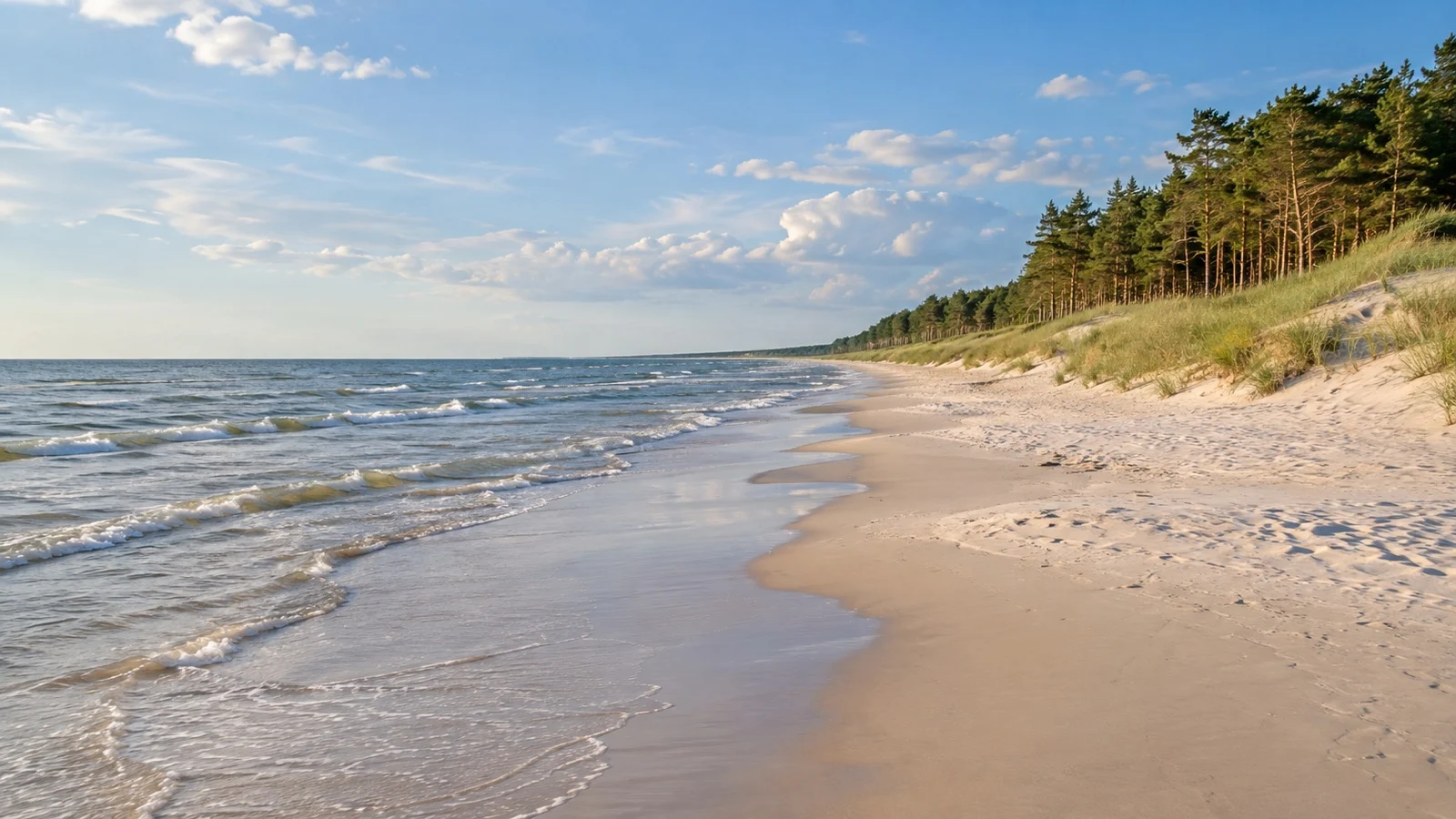
Check rail engineering work and the exact stop for your intended area, since Jūrmala is a string of neighborhoods rather than one compact attraction. Cold water, wind, and seasonal services also change the character of a beach visit.
Rundāle Palace needs a dedicated excursion
Rundāle Palace is Latvia’s grand Baroque and Rococo showpiece south of Riga, with formal rooms and gardens. Distance and rural transport make it a ship excursion, private tour, or carefully prearranged driver day rather than a spontaneous Old Town add-on.
Confirm seasonal garden conditions, palace opening hours, and how much of the ticket includes interior access. If you choose Rundāle, let it be the day instead of trying to race back for every Riga landmark.
What to eat
Latvian food leans into rye bread, potatoes, cabbage, pork, mushrooms, smoked fish, and seasonal produce. Grey peas with bacon, cold beet soup in warm weather, and rye-bread dessert offer a more local meal than another generic burger near a cathedral.
Riga Black Balsam is the city’s famous herbal spirit, often served straight, with coffee, or in cocktails. Taste it if you are curious, but remember that strong local liqueur and unfamiliar cobblestones are a poor mobility partnership.
A smart half-day plan
From the central berth, walk to Old Town, see Riga Castle, the Three Brothers, cathedral square, Swedish Gate, and Town Hall Square. Choose Saint Peter’s tower or one museum, have lunch, then return along the riverfront.
From an alternate berth, take the first shuttle into the center and photograph the pickup point before starting the same condensed loop. Skip the Art Nouveau district unless your transfer timing leaves a generous cushion.
A relaxed full-day plan
Begin in Old Town, cross the canal through the boulevard parks, continue to Alberta iela, and use public transport or a taxi back toward Central Market. Finish with Latvian food and a direct walk or shuttle return to the ship.
The alternative is a deep history day with the Occupation Museum, medieval streets, and the city-navigation museum. Both plans reveal Riga more clearly than a frantic train trip layered on top.
Accessibility
The central passenger port’s proximity reduces transfer complexity, but Old Town contains cobbles, uneven paving, curbs, and occasional steps. A power chair or scooter can manage many central routes, though the smoothest path may not be the shortest one shown online.
Confirm accessible shuttle vehicles if your ship uses a remote berth, and book an accessible taxi rather than expecting one at the terminal. Museums, churches, towers, and market pavilions have different lift and entrance arrangements, so contact priority sites directly.
Baltic weather changes quickly
Riga’s cruise season can bring warm sun, cool wind, rain, or all three in one afternoon. Carry a light waterproof layer, wear shoes with grip, and keep a compact warmer layer even when the forecast looks cheerful.
Stone and cobbles become slick in rain, while long summer daylight can make an early all-aboard feel deceptively generous. The sun’s position has no authority over the ship’s departure.
Money, safety, and returning on time
Latvia uses the euro, and cards are common throughout central Riga. Carry a little cash for small purchases, remember that the central cruise terminal has no ATM, and decline unfamiliar currency-conversion offers at payment terminals.
Riga is straightforward for visitors, but crowded lanes, markets, and public transport deserve normal attention to phones and wallets. Use licensed taxis or reputable apps, and confirm the destination before the vehicle leaves.
Walk back early if the ship is central, because bridges, events, and one wrong Old Town lane can consume a small margin. At an alternate berth, be at the designated shuttle stop well before the last departure and never assume a taxi can enter the secure port gate.
My honest take
Riga rewards travelers who give its architecture room to breathe. Old Town supplies the medieval drama, Alberta iela provides the decorative fireworks, and Central Market brings the city back to everyday life.
Confirm the berth, choose two of those three layers, and stop for something Latvian along the way. That is a richer port day than collecting distant sights through a coach window.
Ellie is the editor behind CruisePorts.co and writes practical port guides for travelers who want clear choices without the fluff. This guide was checked against current Freeport of Riga, Rīgas satiksme, Riga tourism, and UNESCO information, but always confirm your berth and return transport onboard.