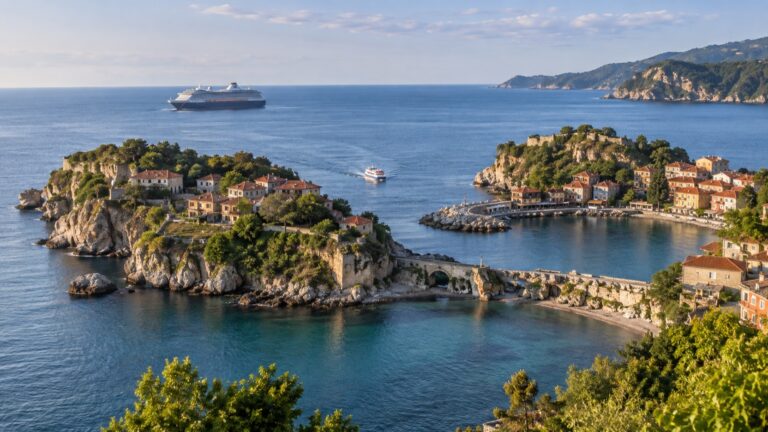
Palamós Cruise Port: Walk Into the Costa Brava
Palamós is the easy Costa Brava call people underestimate, and that’s the appeal.
This Costa Brava fishing town gives you a working harbor, a walkable old quarter, and some of Spain’s best prawns, all within an easy walk of the cruise pier on Catalonia’s Baix Empordà coast.
My quick take
I like Palamós precisely because almost nobody builds a whole vacation around it. It’s a working Catalan fishing port with a lovely old quarter attached, not a stage set built for cruise passengers.
If you’ve already covered Barcelona, or you want a quieter alternative to some of the bigger names on our Spain cruise port list, this is the low-key stop that rewards showing up curious.
Go in expecting a small town, a good walk, and excellent seafood, not a checklist of blockbuster sights.
Palamós quick facts
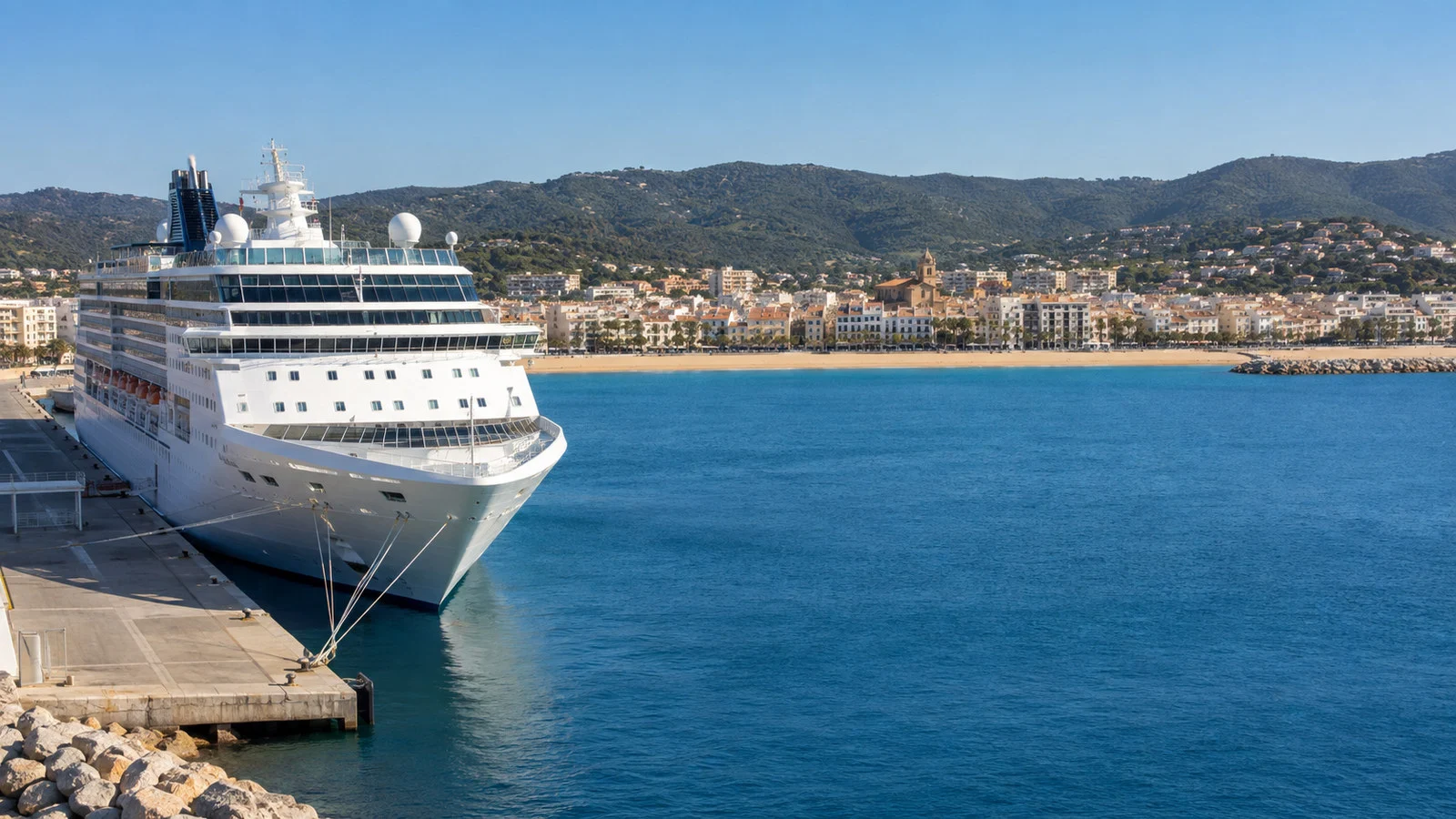
- Docking: Palamós has two cruise berths: a 1,266-foot berth for large ships and a 492-foot berth at Moll de Ponent. Your ship normally docks alongside rather than anchoring in the bay.
- Into town: The cruise pier is beside the harbor; the old quarter and beach promenade are roughly a five to ten minute walk away.
- Currency: Euro (EUR); cards are widely accepted in town, though small harborside cafes may prefer cash.
- Time zone: Central European Time, one hour ahead of GMT in winter and two hours ahead in summer.
- How often the call is missed: Low (roughly 1 to 3%): ships normally use sheltered alongside berths, although strong wind can still disrupt a call.
Docking at the Pier: How Palamós Actually Works
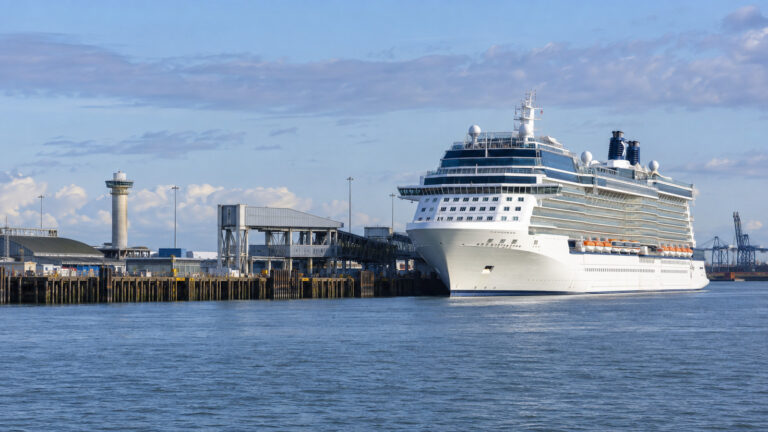
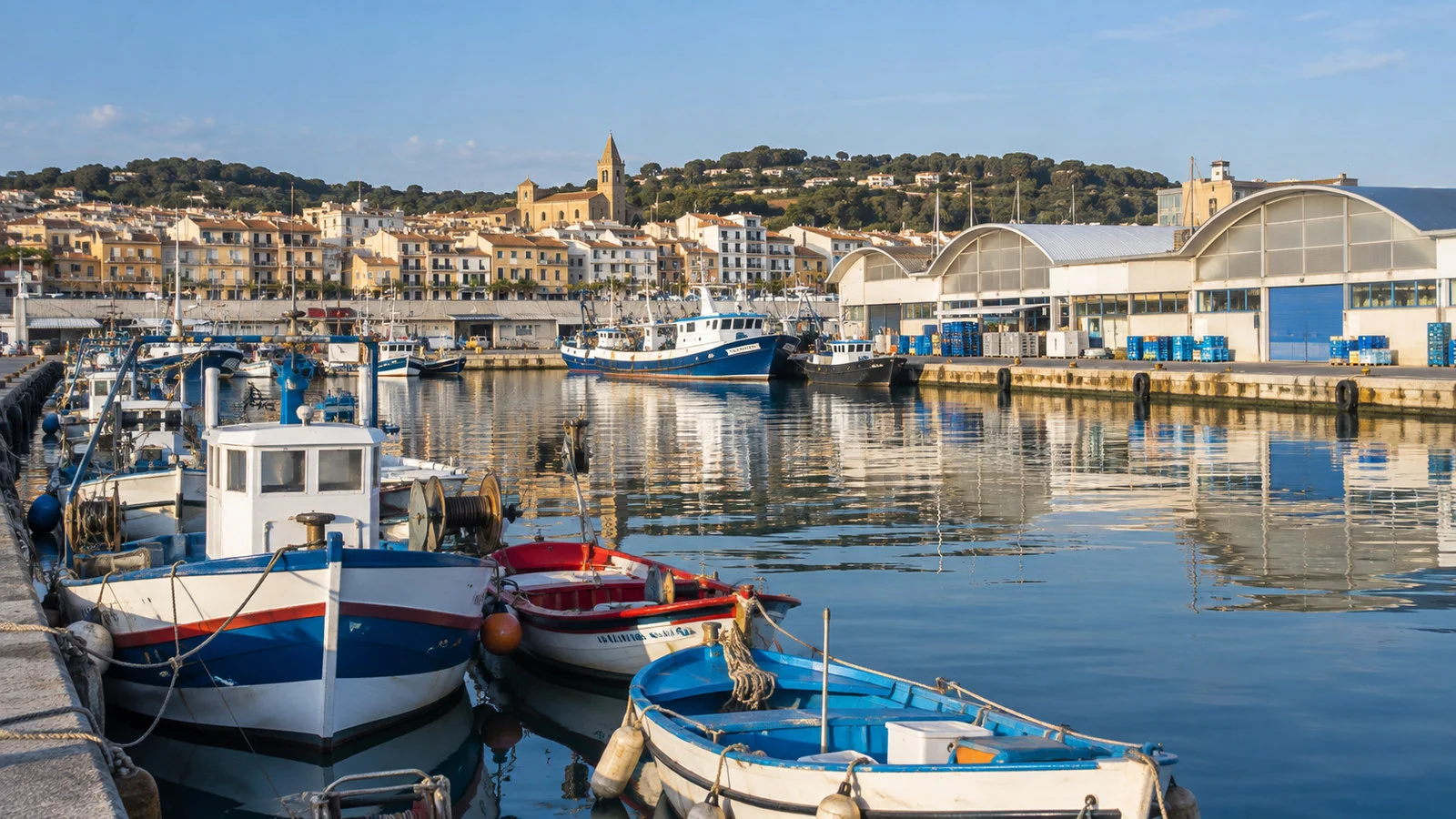
Palamós is a genuine commercial and fishing harbor, and cruise ships use purpose-built alongside berths rather than an open-bay tender operation. The official port guide lists a 1,266-foot berth for large cruise ships with 46 feet of water, plus a 492-foot berth at Moll de Ponent.
You normally walk straight down the gangway, through the port area, and toward the old quarter. Your exact berth still matters because it changes the first few minutes of the walk, so check the ship’s daily program before setting a meeting point.
The port remains busy with fishing and commercial traffic, but those movements do not turn a normal cruise call into a tender day. Strong wind can still affect berthing, which is why I would treat the posted arrival and all-aboard times as the only schedule that counts.
The town itself dates back further than its modern port role suggests: Palamós was founded in 1279 under Peter III of Aragon, and a naval battle was fought offshore a few years later. Today’s useful detail is simpler, because this is normally an alongside call with town close to the pier.
Hikers will also recognize Palamós as a waypoint on the GR 92, the long-distance Mediterranean trail that strings together coastal towns all the way up this shoreline.
Walking Into Town
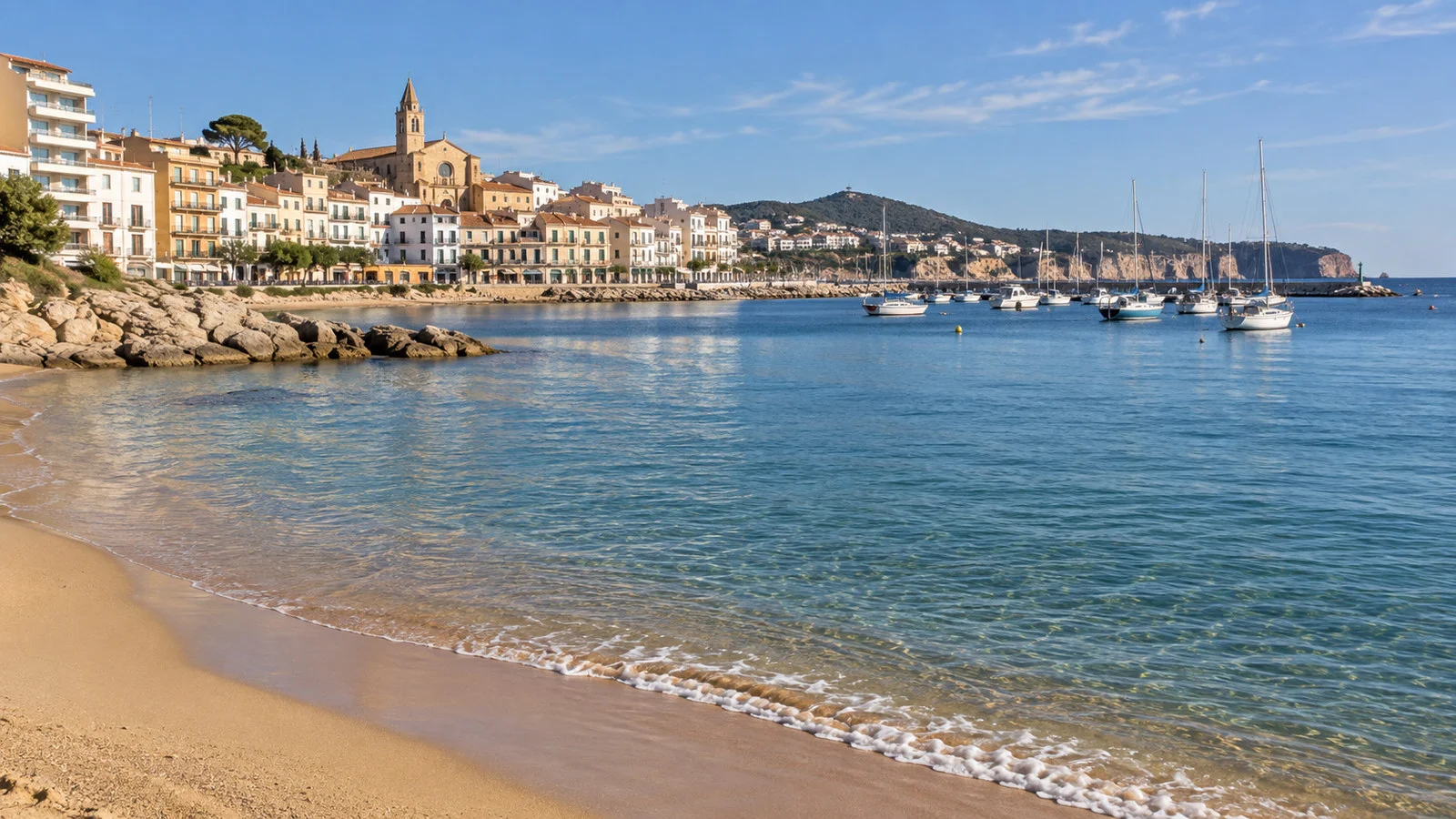
Once you leave the cruise pier, Palamós is compact. The old quarter sits roughly five to ten minutes away along the harborfront, depending on your berth and walking pace.
There is no need for a shuttle bus or taxi just to reach the center. This is a genuine walk-off port, which is the best reason to keep part of the day local.
If you would rather range farther, regional buses connect Palamós with Palafrugell, Girona, and other Costa Brava towns, though schedules thin out considerably outside peak summer months.
Palafrugell sits roughly 5 miles north and Sant Antoni de Calonge blends into Palamós to the south, so a fair stretch of this coastline is reachable without ever renting a car.
The Old Quarter, the Prawns, and the Coast Path
The single best reason to linger in Palamós is the seafood. Local gambes de Palamós, prawns landed by the town’s own fishing fleet, show up grilled or barely cooked at harborside restaurants, and they are worth planning lunch around.
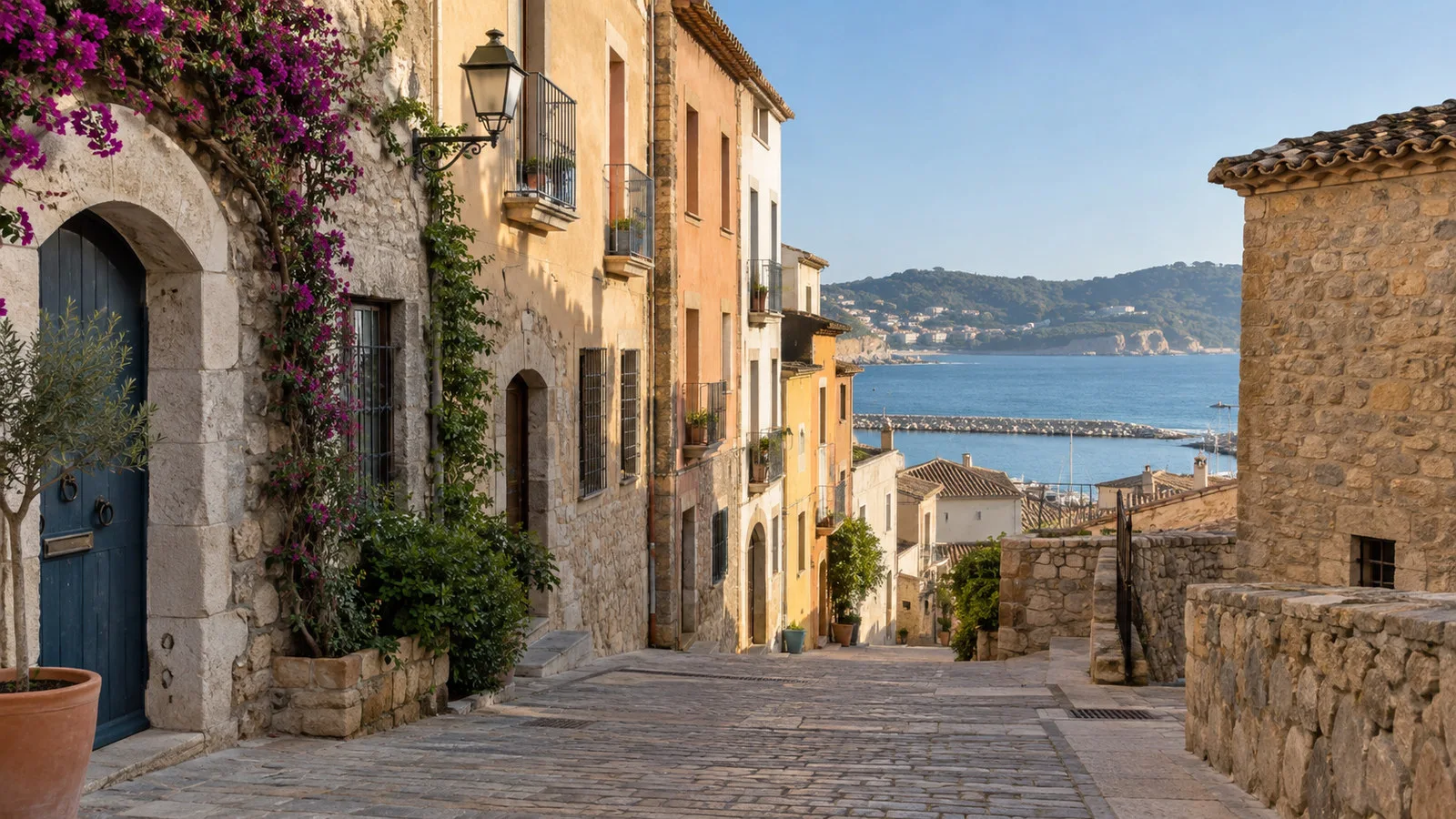
Beyond the table, Vila Vella’s narrow lanes, the Passeig del Mar promenade, and a small fishing museum near the port give you an hour or two of unhurried wandering.
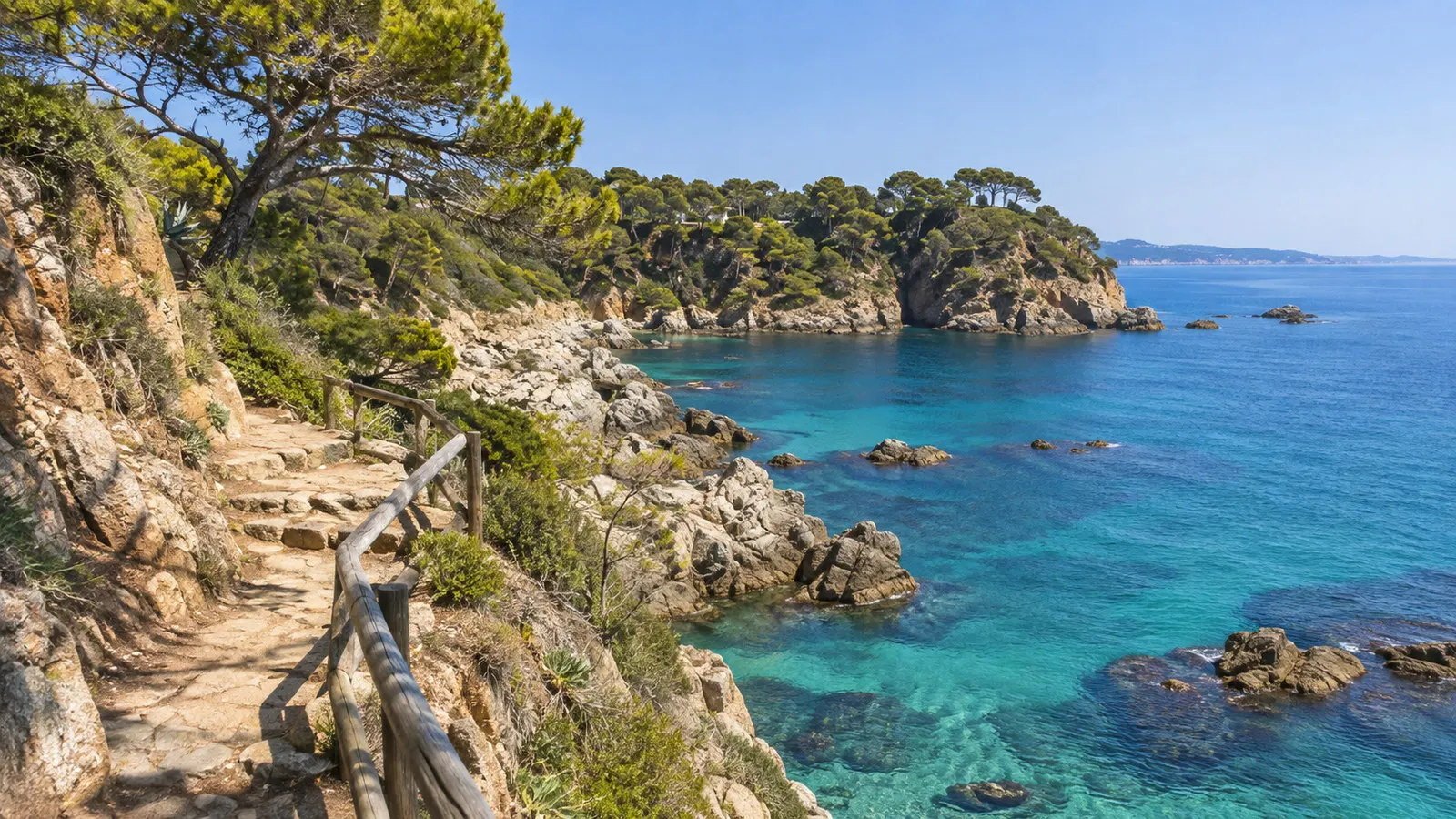
Energetic visitors can pick up the Camí de Ronda, the coastal footpath that threads north toward La Fosca beach and a ruined hilltop castle above it, with sea views the whole way.
Calella de Palafrugell, a short bus or taxi ride north, adds a postcard cove and, in summer, an open-air concert festival in its cliffside gardens. If you want to plan a longer stay around any of this, the wider Costa Brava tourism office is a reasonable place to start.
Divers occasionally push farther north to the Medes Islands marine reserve near L’Estartit, though that is really a full pre- or post-cruise trip, not a quick port-day add-on.
Begur and Cadaqués sit further along this same coast and are worth knowing about even if you cannot reach them on a single port day; both keep a low-key, distinctly local character that the busier resort towns further south have mostly traded away.
Ship Excursion or Do It Yourself?
Palamós rewards going independent more than most ports on this coast. The walk into town is short, the old quarter is easy to navigate without a guide, and the main event, lunch, does not require a tour bus.
Where I would book a ship excursion is for anything reaching farther afield: Girona’s walled old town and cathedral, or a day using Barcelona itself as a base. Those distances eat into your port time fast if public transport runs late, and a cruise-line excursion gives you that line’s stated assistance if its own tour returns late.
Salvador Dalí’s legacy is scattered across this part of Catalonia too, with sites in Figueres and Cadaqués that draw a steady stream of day-trippers. None of them are a quick walk from Palamós, so weigh the drive time before committing a short call to them.
Travelers arriving separately by air, rather than joining the ship elsewhere, usually land at Girona-Costa Brava Airport, a small, leisure-focused field served mostly by budget and charter carriers rather than long-haul routes.
For a beach-and-lunch day close to the ship, independent is the easy call.
Getting Around if Mobility Is a Concern
The alongside berth removes the tender hurdle, but gangway slope and port-assistance arrangements still vary by ship and water level. Ask the accessibility desk for the complete route from cabin to pier instead of stopping at the word “docked.”
Once ashore, the harborfront and promenade are flat and manageable, but Vila Vella’s older lanes include cobblestones and the occasional step.
If accessibility across your whole itinerary matters, it is worth checking each port individually, since conditions vary enormously even between two walk-off berths.
Weather and Staying Safe in Palamós
Summer on the Costa Brava is warm and dry; average highs in July and August sit in the low 80s Fahrenheit, with plenty of good walking and beach weather.
The bigger weather concern is the tramontana, a strong northerly wind that can build quickly and occasionally disrupt berthing or an exposed coastal walk.
Shoulder-season calls, spring and fall, tend to be milder and less crowded, though also more exposed to the odd stretch of unsettled weather blowing in off the Mediterranean. Midsummer sun is strong enough that a hat and reef-safe sunscreen earn their space in a day bag, especially if you are walking the coast path rather than staying in the shade of the old quarter.
Palamós itself is an ordinary, low-key Spanish town; normal city sense applies and nothing more.
Getting Back to the Ship on Time
Because you normally walk back up the gangway, the return is simpler than this title used to suggest. I would still be at the security gate well before all-aboard, especially after a day trip to Girona or Figueres.
If you have gone farther than the old quarter, to Palafrugell, Girona, or the coast path, build in extra time for the return leg plus the walk and security line at the port.
I budget at least 30 to 45 minutes of slack beyond the drive-time estimate, then obey the ship’s posted all-aboard deadline without negotiation.
How Palamós Fits a Spain Cruise
Palamós shows up almost exclusively on smaller-ship or specialty Mediterranean itineraries, not the big Barcelona-based ships that dominate our Mediterranean cruise ports coverage.
It pairs naturally with other Catalan and Balearic calls, think a coastline itinerary that also touches Ibiza or Barcelona itself before or after, usually on a smaller ship built for exactly this kind of low-key, food-and-scenery stop.
If you are weighing a longer trip around this stop rather than just a single port day, Catalonia’s own tourism authority is a reasonable starting point for planning beyond the ship’s schedule.
If mobility is a concern anywhere on your itinerary, our wheelchair-friendly cruise ports guide is worth a look before you book, since even alongside ports vary a lot in how manageable the route ashore is.
Quick answers
Is Palamós a tender port?
No, not normally. Palamós has two alongside cruise berths, including a 1,266-foot berth for large ships, although any captain can alter operations if conditions require it.
How do I get from the ship into town?
Walk from the cruise pier along the harborfront. The old quarter is roughly five to ten minutes away, depending on your berth.
Is Palamós worth visiting if I have already done Barcelona?
Yes, if you want a quieter, more local day built around a real fishing town rather than a big city.
Can I do a day trip to Girona or the Dalí sites from Palamós?
It is possible but tight on a short call; a ship excursion or a very early independent start is the safer choice.
Is Palamós wheelchair accessible?
Partly. The harborfront is mostly flat, though the old quarter has cobblestones and steps.
What is the one food to try in Palamós?
Gambes de Palamós, the local prawns, usually served simply grilled or lightly cooked.
The last word
Palamós will never be anyone’s headline Mediterranean port, and that is fine. It is a solid, honest walk-off call for travelers who would rather eat well in a real fishing town than fight crowds at a famous landmark.
Come hungry, wear shoes that handle cobblestones, and give the return walk and security line enough time on a busy day.
I would rather have one unhurried lunch of local prawns here than rush through a bigger name I have already seen twice.
How this guide was researched: Unless a first-hand visit is explicitly identified above, this guide is based on independent research using official port, tourism, transit, government, and attraction sources where available; logistics and time-sensitive details were reviewed in September 2026; see our Editorial Policy.