Bastia Cruise Port: Quays, Citadel and Corte
Bastia arrives with a proper sense of place. Ferries slide across the foreground, slate roofs climb the hillside, church towers rise above the Old Port, and the Citadel watches from a rocky ledge that looks far more dramatic than the short walk required to reach it.
This is a port where staying in town is not a compromise. You can move from Place Saint-Nicolas to Terra Vecchia, the Old Port, Romieu Garden, and the Citadel without turning the day into a transportation project.
Quick take
Bastia is one of Corsica’s best independent cruise days because the city begins almost at the port gate. The reward comes from wandering slowly, looking up at worn facades and baroque interiors, then stopping for lunch before the hill to the Citadel.
Corte and Cap Corse are tempting, but each deserves to be the day’s one big excursion. Do not combine a long rail journey or peninsula drive with a full Bastia sightseeing list and expect the ship’s clock to remain friendly.
Quick Facts
- Destination: Bastia on the northeast coast of Corsica
- Port operation: Alongside berth or anchorage with tendering according to ship and operations
- Walkability: Excellent once outside the working port area
- Best easy route: Place Saint-Nicolas, Terra Vecchia, Old Port, Romieu Garden, and the Citadel
- Top indoor stop: Bastia Museum in the Governors’ Palace
- Currency: Euro
- Languages: French and Corsican, with English and Italian common in visitor settings
- Long excursion: Corte by confirmed train or organized tour
- Main planning issue: Ferry traffic, hills, and limited return options outside Bastia
Where cruise ships arrive in Bastia
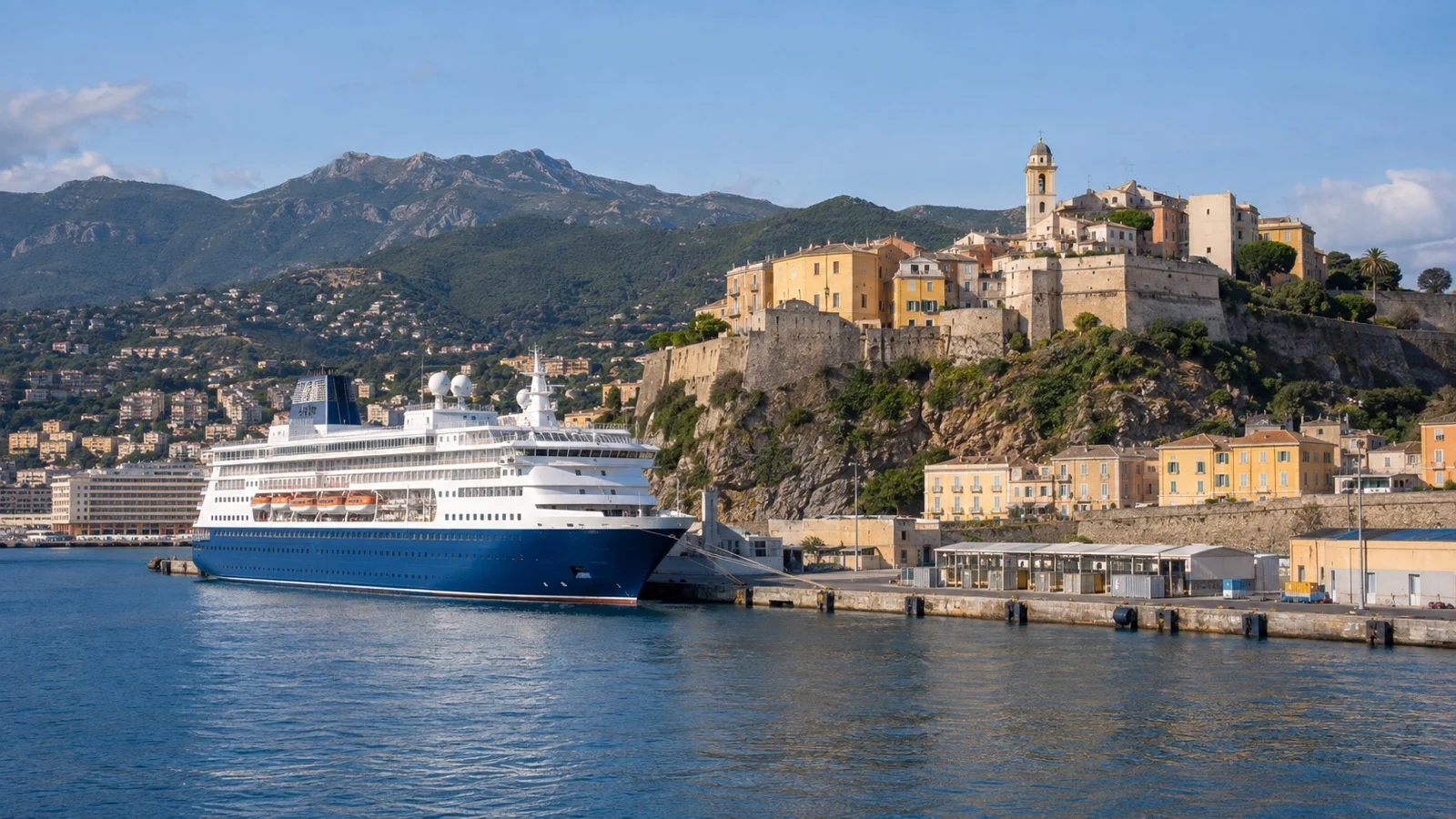
Bastia is a busy ferry gateway as well as a cruise destination, and the harbor’s daily work shapes your arrival. Smaller cruise ships may berth, while other vessels can anchor and use tenders according to size, traffic, and conditions.
The Port of Bastia calls itself a port in the city and emphasizes that the center is only a few minutes away on foot. That convenience begins after you follow the approved route through the operational harbor, where vehicle lanes and ferry movements require attention.
Do not assume your ship will use the same quay as a previous sailing. Check the gangway notice for berth, shuttle, tender, and return instructions before making an independent plan.
If the ship tenders, add ticket groups, transfer time, and a possible queue to both ends of the day. The final tender is the real deadline, not the published departure time.
Leaving the working port safely
Ferry ports move cars, trucks, buses, motorcycles, pedestrians, and luggage through the same broad area. Use marked walkways, obey staff, and resist any shortcut that crosses a loading lane.
Take a photograph of the ship’s access point and note the port name shown on the return signs. Bastia has an Old Port and a commercial ferry harbor, and a driver hearing only port may choose the wrong waterfront.
If assistance or a shuttle is offered, ask where it stops and when the last run leaves. A service provided for one ship is not necessarily a permanent city route.
Place Saint-Nicolas
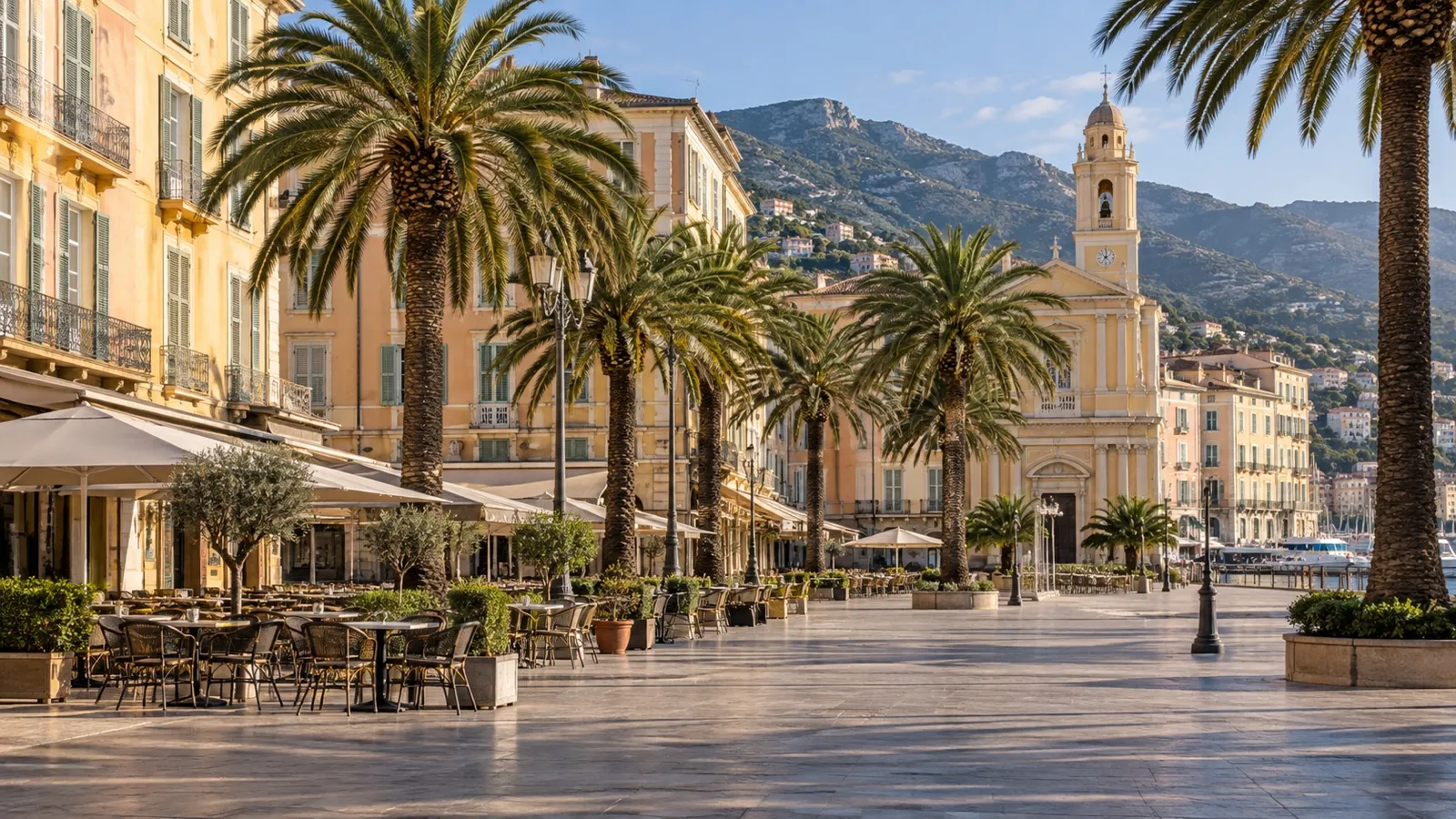
Place Saint-Nicolas is the broad civic promenade that gives Bastia room to breathe between the harbor and the older lanes. Cafes, trees, monuments, and sea views make it a natural first orientation stop.
The tourist office and the seasonal little tourist train use this area, which is useful if the climb toward the Citadel feels ambitious. Crossing the square early also lets you judge the wind and heat before committing to a longer route.
Cafe tables do not make the entire square private, so choose a public bench if you are not ordering. Keep bags controlled in busy periods and use marked crossings near the port traffic.
Terra Vecchia and the market quarter
Terra Vecchia is the lower old city, a weave of tall buildings, narrow passages, small squares, shops, and stairs descending toward the Old Port. It feels lived in rather than polished, and that is the point.
Place du Marché and its surrounding streets reward wandering, but market activity depends on the day and hour. Go early if fresh produce and local food are priorities, then return later for a less hurried cafe stop.
Look for Corsican products with clear producer information rather than assuming every item with an island outline was made locally. Honey, charcuterie, cheese, wine, olive products, and biscuits may have storage or customs implications on a cruise.
Ask before photographing vendors or residents at close range. A picturesque neighborhood is still somebody’s front door, delivery route, and school run.
The Old Port
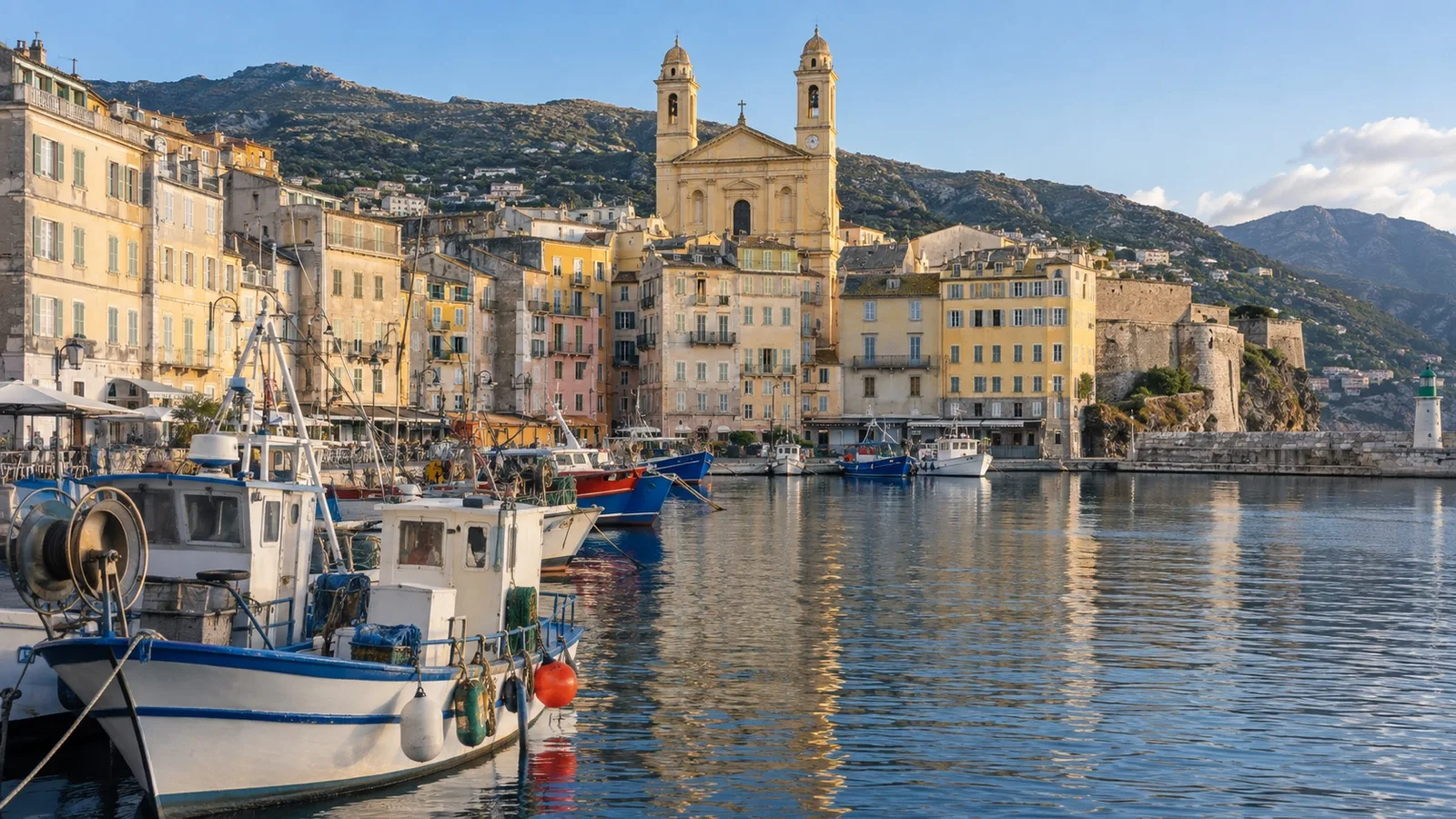
Bastia’s Old Port is the city’s most immediately photogenic place, with fishing boats and pleasure craft below a wall of faded color. The twin-towered Church of Saint-Jean-Baptiste dominates the view and helps you keep your bearings.
Walk the quays slowly and leave working crews room to handle lines and supplies. Wet stone, bollards, and changes in level deserve more attention than the camera screen.
Restaurants around the harbor can be attractive, but waterfront location does not guarantee the best meal. Read the menu, check whether service fits your return time, and avoid sitting down for a long lunch when you still intend to climb to the Citadel.
Saint-Jean-Baptiste Church
The Church of Saint-Jean-Baptiste is one of Bastia’s defining landmarks and a major baroque presence above the Old Port. Its scale makes more sense inside, where architecture, decoration, and devotional use meet.
Entry depends on services, ceremonies, and current opening arrangements. Dress respectfully, silence your phone, and do not walk through a worship area merely to improve a photograph.
Churches in Corsica often hold artistic and community importance beyond a quick architectural label. Read local interpretation and give the building a few quiet minutes.
Romieu Garden and the climb to the Citadel
Romieu Garden creates a green link between the Old Port and the elevated Citadel quarter. The route is lovely, but stairs and gradients make it more demanding than the short map distance suggests.
Take the climb at an unhurried pace and use shade when the weather is warm. Travelers with limited mobility should consider a taxi or the tourist train rather than treating the garden steps as the only route.
The changing view back over the Old Port is part of the experience. Pause where the path allows without blocking narrow passages.
The Citadel and Terra Nova
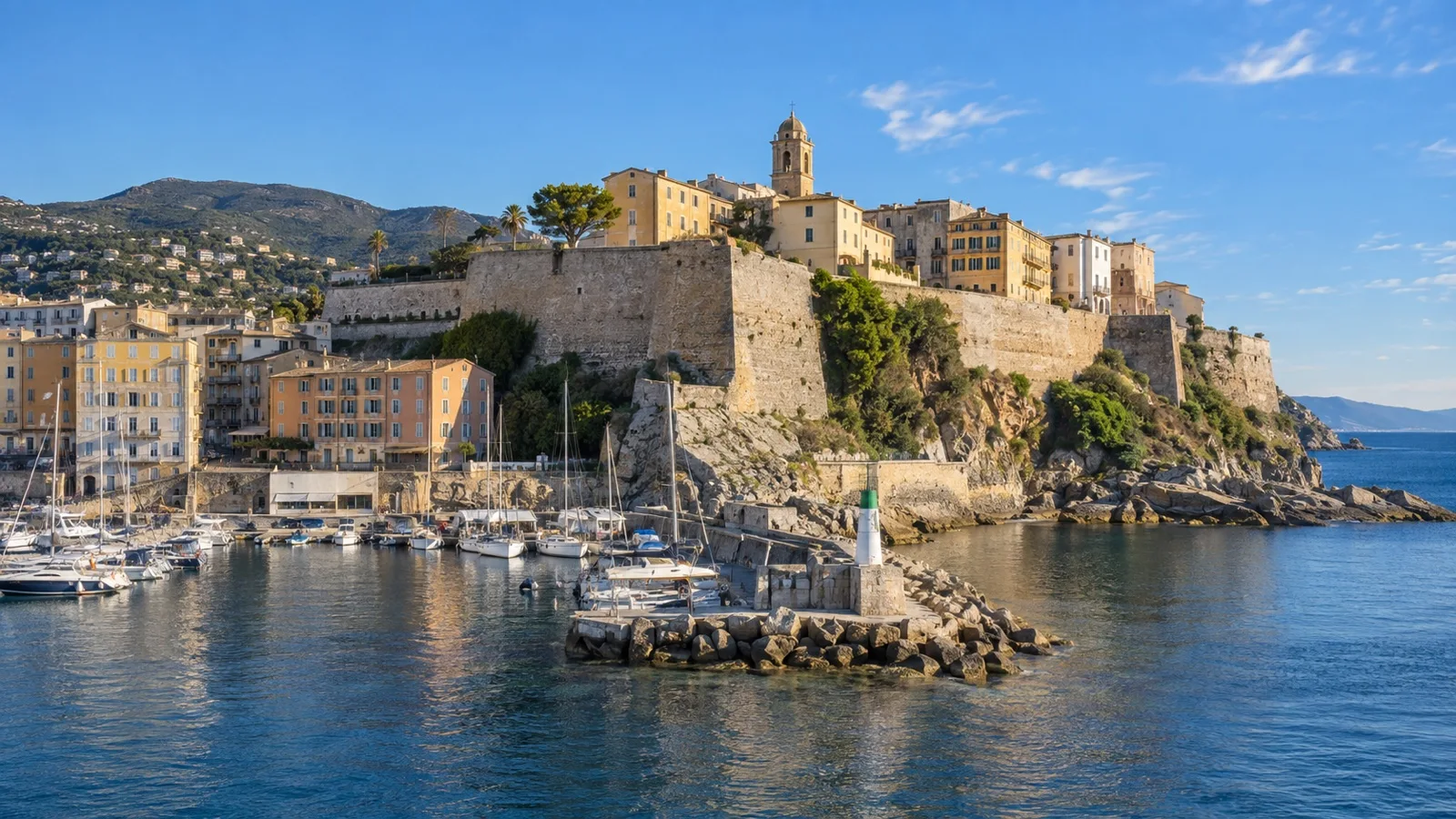
Bastia’s Citadel quarter, known as Terra Nova, feels calmer than the commercial streets below. Walls, gates, churches, lanes, and sea views form a compact district that rewards an hour rather than a five-minute photo stop.
The Governors’ Palace anchors the historic area and contains the Bastia Museum. The nearby public spaces reveal how the Genoese-era city was organized above its harbor.
Not every doorway is a visitor entrance, and residents still live within the quarter. Keep voices reasonable, respect private signs, and avoid leaning against old masonry that may be fragile.
Bastia Museum
The Bastia Museum occupies the Governors’ Palace and explains the city’s political, artistic, and Mediterranean history. Its hanging gardens also give the Citadel visit a memorable outlook over the harbor and sea.
The museum’s current official schedule lists high-season hours from 10:00 to 18:30 between May 2 and September 30. It closes Mondays in May, June, and September, while July and August are listed as daily opening.
From October through April, the published low-season schedule uses split morning and afternoon hours with Sunday and Monday closures. Holiday and special closures apply, so confirm the date directly before building the entire port call around admission.
The museum states that it is accessible for visitors with reduced mobility and hearing impairments, with an accessible entrance arrangement from the courtyard side. Contact staff for the exact route because the historic district around it still contains slopes and uneven surfaces.
The little tourist train
Bastia’s seasonal little tourist train can reduce the climbing while providing an introduction to the Citadel and historic center. The tourist office lists operation from April through October, departing from Place Saint-Nicolas.
Published times vary by month, a minimum number of adults may be required, and construction has modified the route around the Old Port. Check the day’s departure at the tourist office rather than treating an old timetable as a reservation.
The vehicle may not meet every mobility need, despite reducing walking distance. Ask about steps, wheelchair storage, seating, and the amount of walking included in the guided portion.
Eating well in Bastia
Corsican cooking rewards curiosity, with mountain charcuterie, sheep and goat cheeses, chestnut products, seafood, pasta, vegetables, and local wines all meeting in the same city. Ask what is local and seasonal instead of ordering the most stereotypical island platter.
A leisurely lunch is part of the pleasure, but French service rhythms can challenge a tight cruise schedule. Tell the server when you need to leave and order simply if the restaurant is busy.
Travelers with allergies should carry a translated card and still speak directly with staff. Cross-contact can occur with nuts, dairy, gluten, fish, and shellfish in small kitchens.
Corsican charcuterie and cheese may be restricted by the ship or by the next country’s customs rules. Enjoy them ashore unless you have verified that packaged products can legally travel with you.
Corte by train
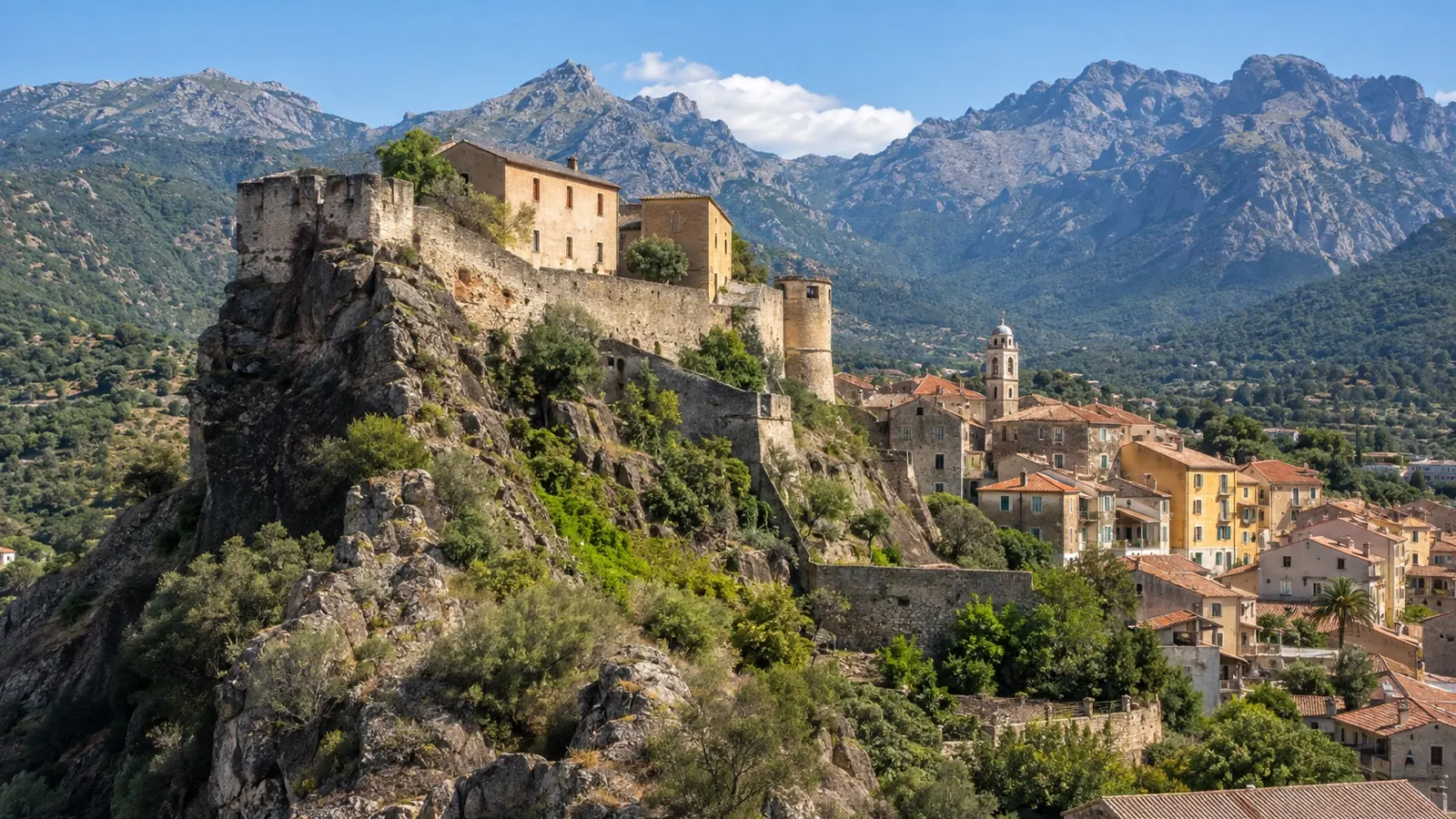
Corte sits in Corsica’s mountainous interior and holds an important place in the island’s history and identity. The rail journey from Bastia is scenic, but it turns a relaxed urban call into a timetable-dependent expedition.
Corsican Railways currently lists Bastia to Corte at €10.10 one way, but the fare is the least important part of the decision. You need a departure after the ship clears, a return that leaves a substantial port margin, and a backup if service changes.
Check the official schedule for your exact date in both directions and note whether a change or replacement bus is involved. Do not use a generic journey time copied from a travel blog, because seasonal works and operating patterns matter.
Once in Corte, the station is not the end of the sightseeing effort. The historic upper town and Citadel involve gradients, so factor local walking into the return calculation.
A ship excursion or private driver costs more but protects the logistics better. Independent rail is best for a long call when the timetable offers more than one safe return option.
Cap Corse
Cap Corse extends north of Bastia in a long peninsula of villages, coves, mountains, vineyards, and exposed coastal roads. It is a beautiful excursion, but the map hides curves, traffic, and the time required to stop meaningfully.
Choose a ship tour, licensed guide, or prearranged driver who understands cruise deadlines. Renting a car on the spot can consume precious time in paperwork, navigation, parking, and unfamiliar road conditions.
Do not attempt a complete circuit on a short port day. A focused visit to one or two places creates a better experience and a safer return.
Weather can differ sharply between Bastia and the outer peninsula. Strong wind, rain, and road incidents should trigger a shorter route rather than a heroic attempt to preserve every planned stop.
Beaches and coastal walks
Bastia has access to beaches and seaside paths, but the prettiest shore on a map may require transport and leave few facilities. Check swimming conditions, seasonal lifeguard coverage, and the return route before treating the port as a beach day.
The Pelagos Sanctuary covers a large marine area in this part of the Mediterranean, yet wildlife sightings are never guaranteed from shore or boat. Use responsible operators and keep distance from marine mammals.
A beach visit should include water, sun protection, and shoes suitable for hot or stony surfaces. Never leave valuables unattended while swimming.
Money, language, and connectivity
The currency is the euro, and cards are common in established businesses. Carry a small cash backup for markets, buses, small purchases, or a payment terminal that refuses a foreign card.
French is the principal language for visitor transactions, while Corsican remains culturally important and Italian is often understood. A greeting in French and a patient tone go farther than speaking louder in English.
Download an offline map before leaving the ship and save the port access point. Narrow lanes and stacked levels can confuse navigation even when the sea remains visible.
Keep a portable battery for maps, train information, tickets, and the ship’s emergency contact. Public wireless access is useful when available but should never be your only return tool.
Accessibility and mobility
An alongside berth offers the easiest start, while a tender call may exclude some mobility devices or passengers who cannot step between moving platforms. Ask the cruise line about the operation and device policy for your sailing.
Place Saint-Nicolas and parts of the lower center are the most manageable independent areas. The Old Port, Romieu Garden, and Citadel introduce cobbles, slopes, stairs, narrow passages, and uneven paving.
The Bastia Museum publishes accessibility information, but reaching its accessible entrance through a historic hill district still requires planning. A taxi to Place Vincetti or another confirmed drop-off may be more practical than the scenic staircase.
For the little train, regional rail, or an excursion vehicle, confirm boarding height and wheelchair handling directly. Accessible can describe the destination while ignoring the transport used to reach it.
Weather and what to wear
Bastia has a Mediterranean climate, with hot sun possible in summer and heavier rain episodes more likely in parts of spring and fall. Wind can make the harbor feel cooler than sheltered lanes only a few blocks away.
Wear shoes with traction for polished stone and steps, and carry sun protection plus a light rain layer. A refillable bottle matters on the climb to the Citadel.
Autumn storms can disrupt ferries, tenders, roads, and outdoor plans. Follow the captain and local authorities, and shorten a peninsula excursion when conditions deteriorate.
Shade is limited on some exposed waterfront sections. Pause before fatigue starts, particularly if the ship has arrived after several consecutive walking-intensive ports.
Three realistic Bastia days
The classic walking day
Walk Place Saint-Nicolas, Terra Vecchia, the Old Port, Romieu Garden, and the Citadel, adding the museum if open. Return through the lower city for lunch and leave shopping until you are close to the port.
The interior day
Take a confirmed train, ship excursion, or driver to Corte and make it the sole major destination. Keep the return conservative and skip an ambitious Citadel circuit after arriving back in Bastia.
The peninsula day
Use an organized tour or driver for a focused stretch of Cap Corse, then keep any remaining Bastia time near Place Saint-Nicolas. Do not attempt the whole peninsula simply because the road forms a tempting loop.
Quick answers
Can I walk from Bastia cruise port into town?
Yes, the port authority describes Bastia as a port in the city, with the center only minutes away. Follow the approved pedestrian route through the working ferry area.
Will my ship dock or tender?
Either is possible according to ship size, harbor traffic, and conditions. Confirm the actual operation onboard before setting a hard meeting time.
Is the Citadel difficult to reach?
The scenic route from the Old Port includes slopes and stairs, while taxis and the seasonal little train can reduce the effort. Historic surfaces remain uneven even after a vehicle transfer.
Can I visit Corte independently?
Yes, if the official rail timetable gives you a safe outbound train and more than one realistic return. Treat it as a full excursion rather than an extra stop after Bastia.
What if the museum is closed?
The Citadel quarter, churches, Old Port, markets, and lower-city streets still fill a rewarding day. Check Monday and seasonal closures before walking uphill specifically for the museum.
The last word
Bastia’s strength is that you do not need to escape it. The old city, port, churches, museum, food, and sea views create a complete Corsican day within walking distance of the ship.
Choose Corte or Cap Corse only when the timetable truly invites you. Otherwise, climb slowly to the Citadel, order lunch without watching every bite, and let a small city give you more than a rushed island tour.
How this guide was researched: This guide was checked against current official information from the Port of Bastia, the Bastia Museum, Bastia Tourist Office, and Corsican Railways. Logistics and time-sensitive details were reviewed on September 12, 2026, under our Editorial Policy.