Châteauneuf-du-Pape River Cruise Guide: The Wine Stop With No River Dock
Châteauneuf-du-Pape is one of the best names on a Rhône itinerary and one of the most misleading “ports.” Your river ship normally does not dock in the village. You arrive by coach from a nearby Rhône berth, then spend the day among vineyards, tasting rooms, and papal ruins.
My quick take
I would keep this excursion even if I were not a serious wine person. The village is compact, the history gives the tasting some context, and the vineyards are close enough together that the day never feels like one endless bus ride.
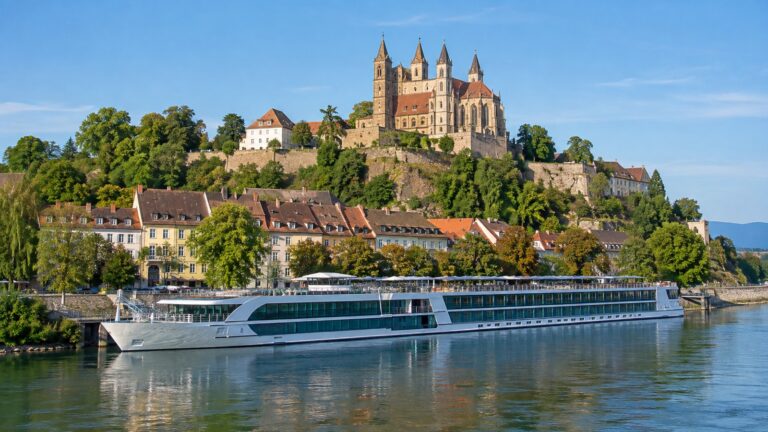
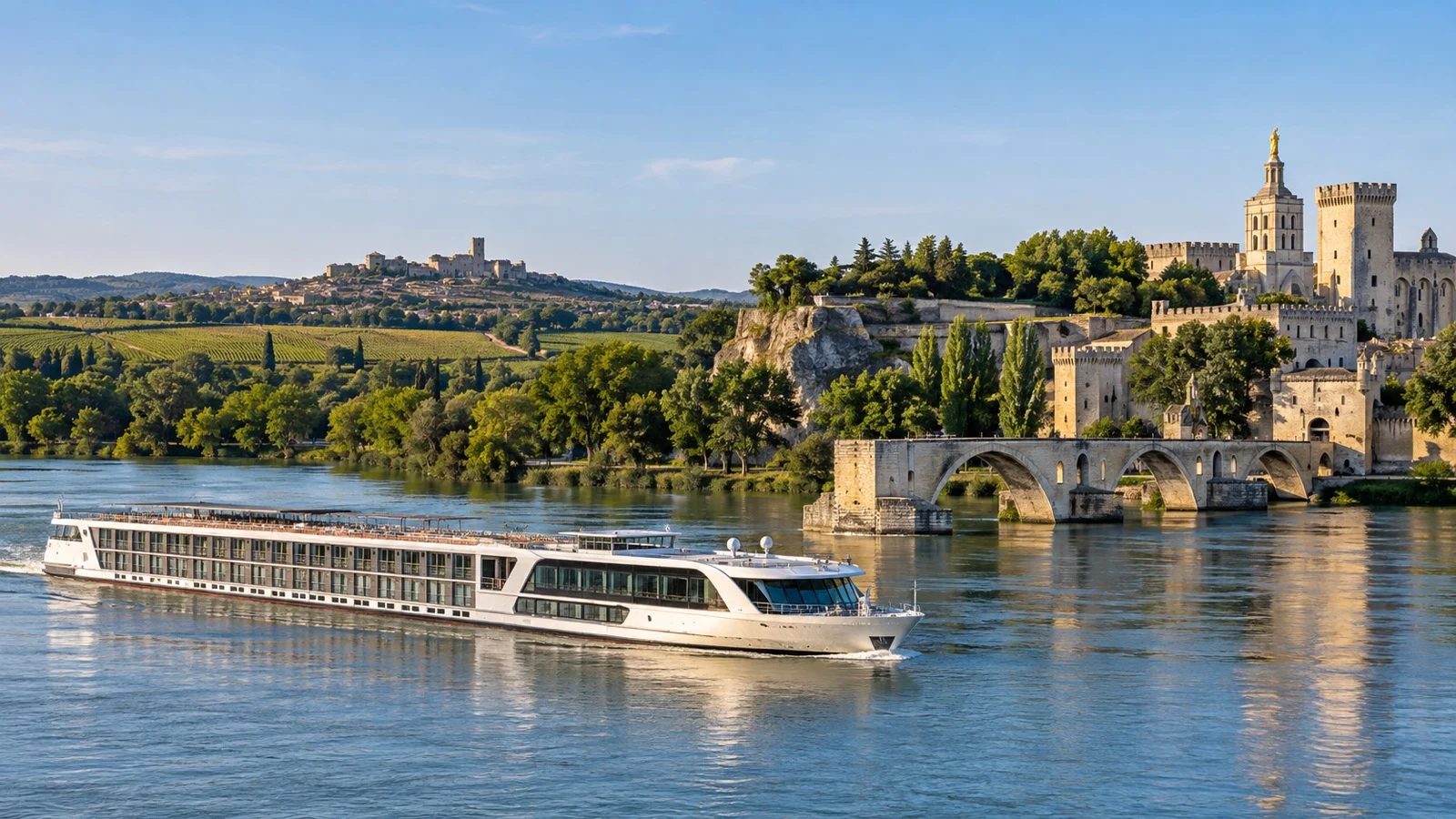
The important planning detail is simple: do not picture a gangway below the château ruins. Châteauneuf-du-Pape sits back from the Rhône, so your actual ship berth may be around Avignon, Viviers, or another operational stop depending on the itinerary.
This is exactly the kind of label that makes river cruising confusing at first. My Rhône river cruise ports guide explains why the place printed on the excursion schedule is not always the place under your gangway.
The quick facts
- Where you land: At a nearby Rhône berth, then continue to Châteauneuf-du-Pape by motorcoach.
- Dock or tender: No dedicated river-cruise dock in the wine village; this is normally an overland excursion stop.
- Into town: Coaches usually drop near the compact village center, where tasting rooms and château ruins are walkable.
- Currency and language: Euro; French is official, with English commonly available at major wineries and organized tastings.
- Time zone: Central European Time, UTC+1, changing to UTC+2 during daylight saving.
- How often the call is missed: Low (about 2–4% chance): Rhône water levels, road disruption, or itinerary changes can cancel the excursion.
Why this is not really a river cruise port
Châteauneuf-du-Pape sits a short distance east of the Rhône rather than directly on a cruise quay. River lines use the name because it is the destination passengers care about, not because the ship spends the night below the village.
That distinction matters if you are trying to plan independently. You cannot simply step ashore, walk ten minutes, and start tasting wine unless your particular ship happens to arrange a very specific nearby transfer.
The line normally controls the logistics with a coach from the river. Depending on the sailing, Châteauneuf may be paired with Avignon, an estate visit, a scenic drive through the vineyards, or another Provence stop.
I would follow the included excursion unless you have a strong reason not to. Wine-country transportation is exactly where a guided river-cruise day earns its keep, especially when nobody in the group needs to volunteer as designated driver.
If Avignon is your actual berth, my Avignon and Arles river cruise guide explains the docking side of the day. The two places are historically linked closely enough that pairing them makes sense.
The papal history explains the name
The village name literally means “the Pope’s new castle,” and this is not marketing invented by a winery. The Avignon papacy turned the area into an important wine-growing center during the 14th century.
The official Châteauneuf-du-Pape winegrowers’ association traces the rise of the vineyards to Popes Clement V and John XXII. John XXII made the village a papal summer residence and promoted its wine as “the Pope’s Wine.”
The château on the hill was built under John XXII and later badly damaged, so you are visiting atmospheric ruins rather than a furnished palace. I still think the walk up is worth it for the view over the village and vineyard plain.
This history is why I would not skip straight from the coach to the tasting counter. Spend twenty minutes understanding the village first and the wine becomes connected to an actual place rather than just a famous label.
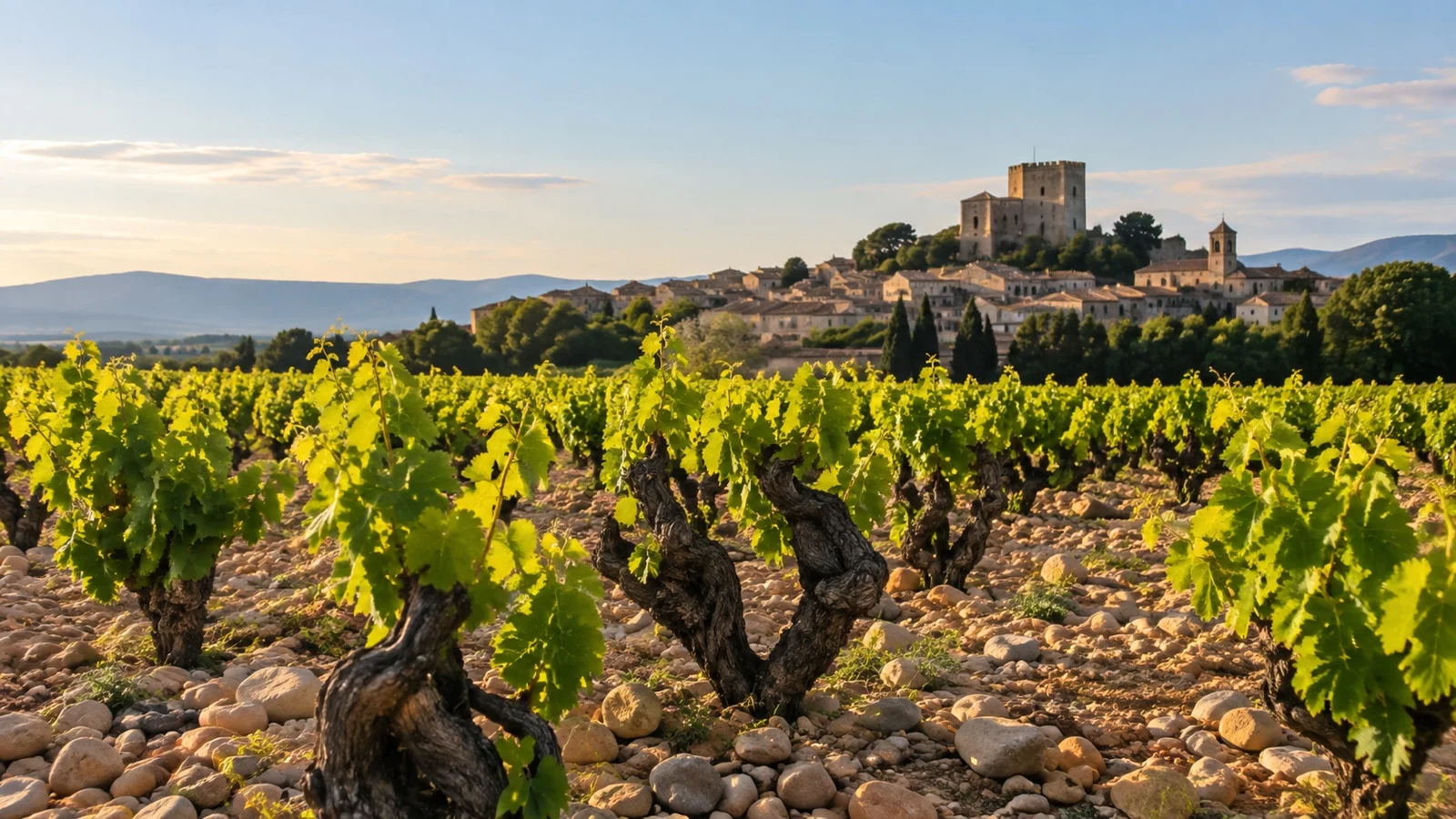
The wine is famous for good reason
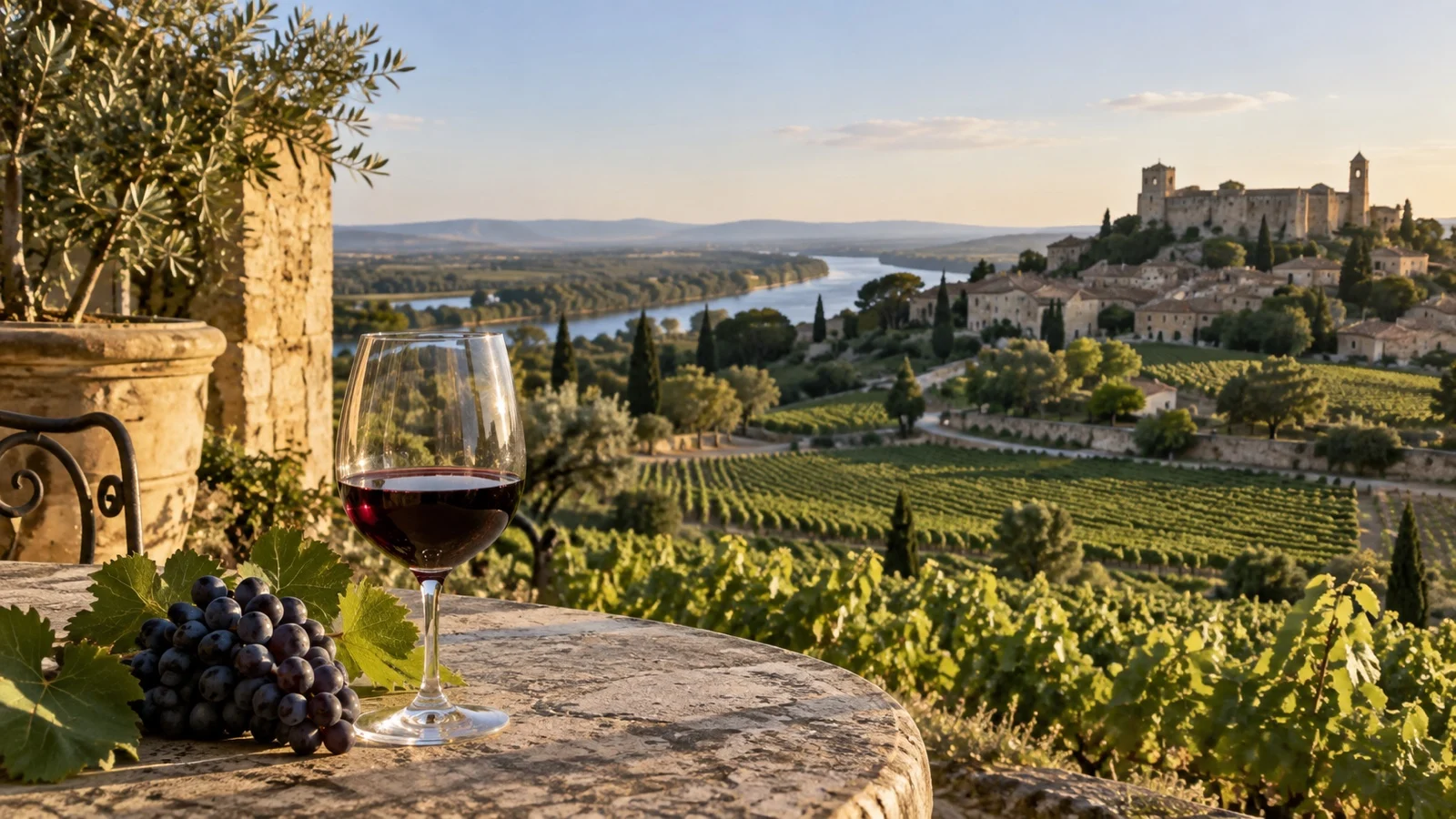
Châteauneuf-du-Pape became one of France’s earliest protected wine appellations in 1936. The official AOC covers roughly 7,800 acres across Châteauneuf-du-Pape and parts of four neighboring communes.
The appellation is famous for allowing a broad palette of traditional grape varieties. The official grape guide describes thirteen historic varieties, with Grenache dominating many blends alongside Syrah, Mourvèdre, and others.
The red wines get most of the attention, but white Châteauneuf-du-Pape exists too. If a tasting pours both, I would try the white rather than automatically using every sample on the big reds.
You will hear about galets roulés, the rounded stones covering many vineyard parcels. They are visually distinctive, though the appellation actually contains several terroirs rather than one uniform sea of pebbles.
The region is also shaped by the mistral, the famously strong northern wind. It dries vineyards and cools the air, while occasionally making your charming Provence walking tour feel like someone turned on an industrial fan.
How I would approach a tasting
You do not need to know tasting vocabulary to enjoy this stop. I would ask how the producer’s vineyards differ, which grapes dominate the blend, and whether the bottle is meant to drink young or age.
Those questions get you much farther than trying to invent notes of graphite and forest floor because everyone else looks serious. If you smell cherries and think “this tastes good,” you are allowed to have accomplished the assignment.
Organized cruise tastings are usually paced for a broad group, which is good for beginners and sometimes frustrating for collectors. Serious wine travelers may prefer a private estate appointment before or after the cruise rather than trying to turn a group excursion into a technical seminar.
The association’s official visitor resources are a useful starting point for estates, trails, and tasting experiences. I would make reservations if you are visiting independently, especially during busy harvest and summer periods.
Remember that tasting portions add up. The coach may solve the driving problem, but water and lunch are still your friends.
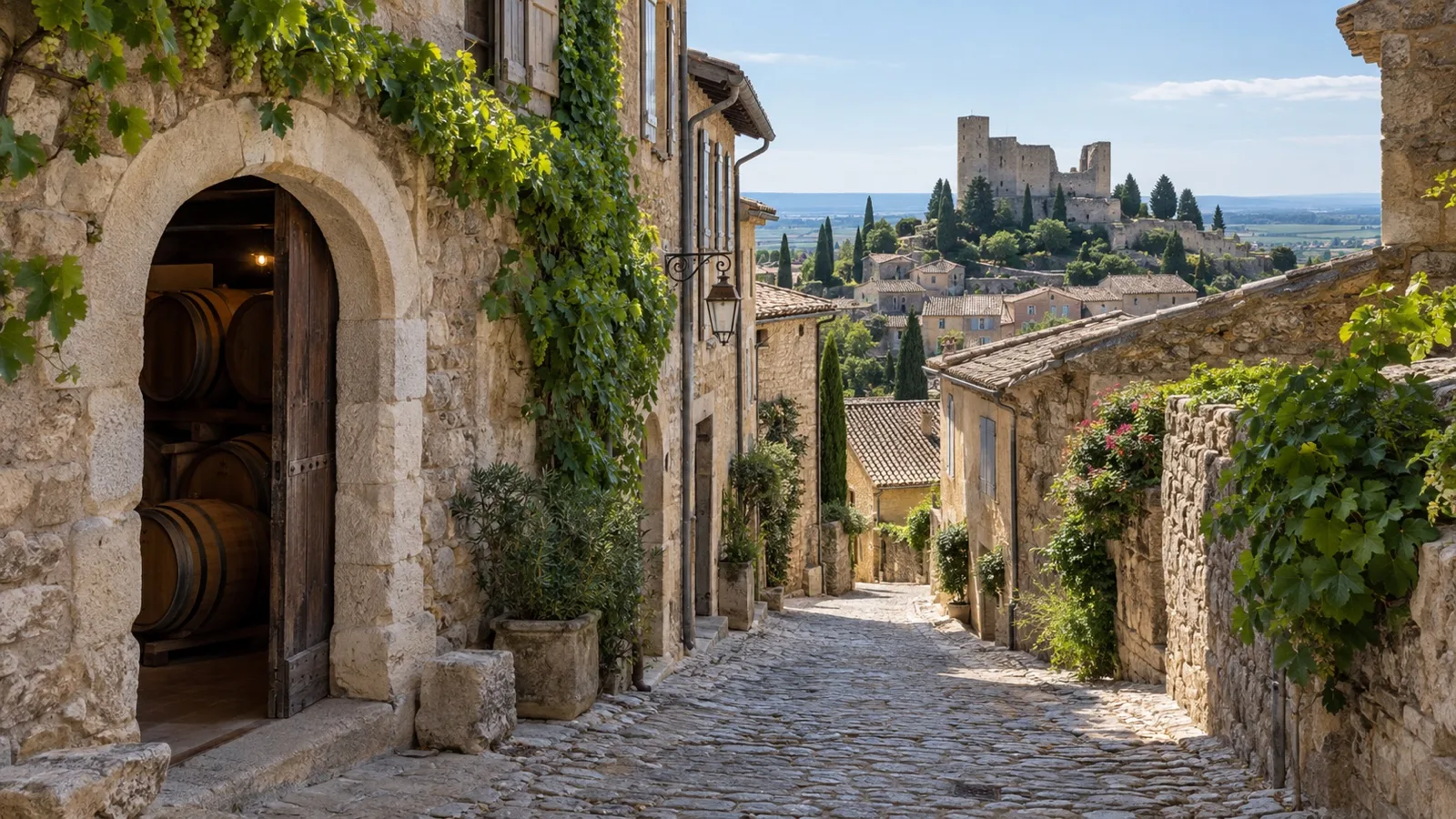
The village walk is short but not flat
The center is compact enough that you can see a lot without covering huge mileage. The catch is the hill, because the château ruins sit above the tasting rooms and village streets.
I would wear shoes with decent grip rather than saving your cutest Provence outfit for slippery old paving. Wine villages photograph beautifully because nobody built them around modern accessibility standards.
If you do not want the climb, stay lower in the village and use the time for a tasting, shop, or café. You are not failing Provence because you declined a hill after three other medieval towns that week.
The château view is rewarding, but the village experience is mostly about atmosphere and wine rather than a long attraction list. This is one stop where I prefer leaving a little unscheduled time.
Water levels can change the transportation, not the vineyard
River travelers often worry that low water means every destination disappears. In practice, a place like Châteauneuf-du-Pape can sometimes still be reached even when the ship changes berth, because the excursion is coach-based anyway.
The line may move the ship, swap vessels, alter the order of stops, or add a longer bus ride. My river cruise water-level guide explains what those changes actually look like.
High water can create its own problems with bridges and navigation. That is why the missed-call percentage here refers to the excursion being canceled or materially changed, not a captain failing to dock at a Châteauneuf quay that does not exist.
I would listen to the cruise director rather than obsess over a river-level website. The line knows which berth, bus route, and winery appointment it can still make work that day.
A realistic word on accessibility
The motorcoach transfer is the first accessibility question. If you cannot climb coach steps or need a lift-equipped vehicle, confirm the excursion setup with the line well before sailing.
The village itself includes slopes, older paving, winery thresholds, and the uphill route to the château. A tasting-room-focused visit can be much easier than the full walking tour.
Some wineries are modern and accessible, while others occupy older cellars with stairs. I would ask about the specific estate rather than assuming “wine tasting” describes one standard physical setup.
For broader planning, my river cruise accessibility guide explains why the ship can be easier than the changing collection of quays, coaches, and old towns outside it.
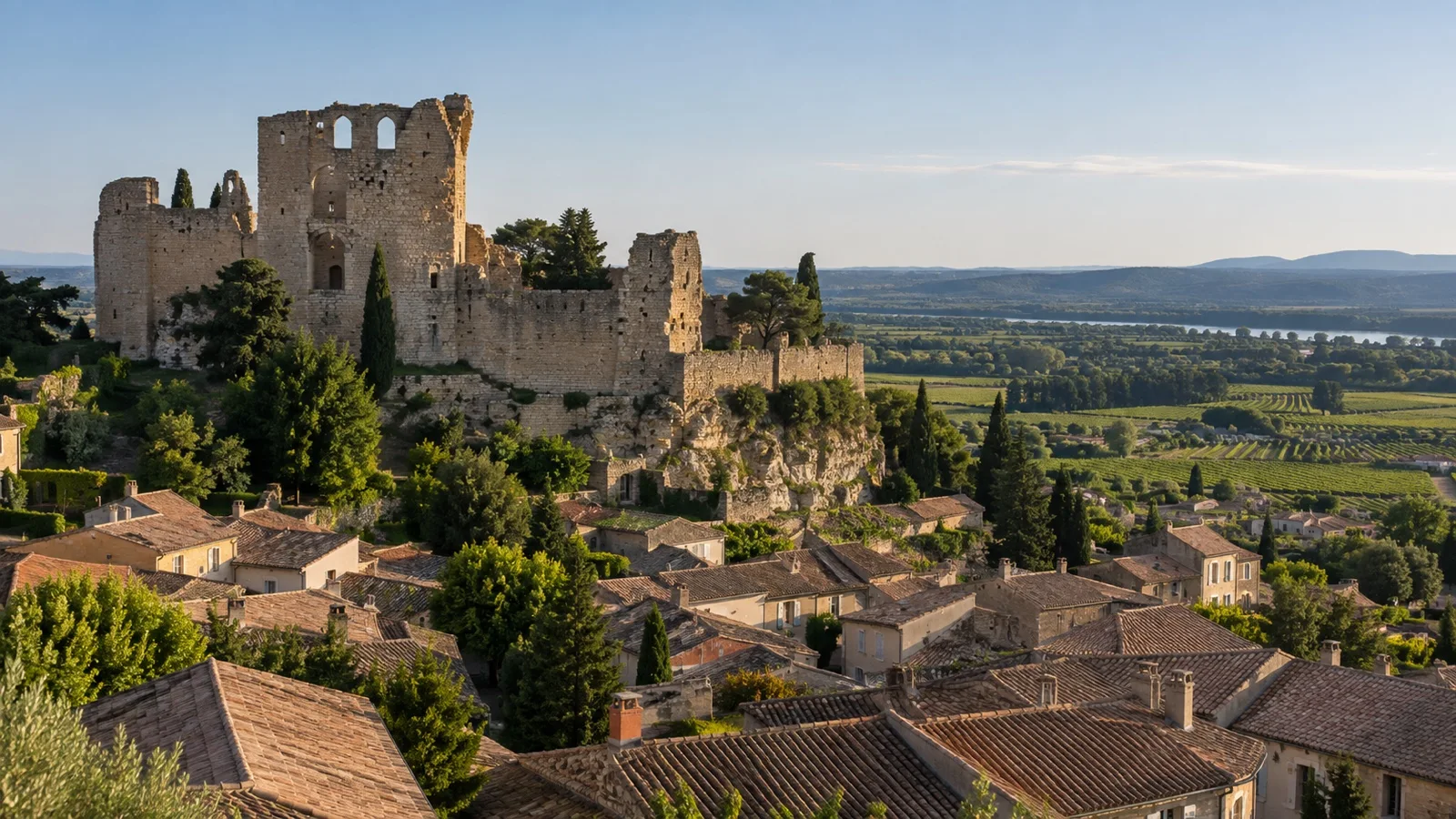
How I would spend the excursion
I would start with the village and château viewpoint before tasting. The climb is easier before wine, and the panorama gives you a useful sense of how broad the vineyard landscape actually is.
Then I would do one proper estate tasting rather than racing through four storefronts. Hearing how one producer works is more memorable than collecting tiny pours without remembering who made them.
If free time is included, I would use it for lunch, a second small tasting, or simply walking the lower village. This is not the day I would turn into a shopping challenge with twelve bottles to carry back through a rafted ship.
If the cruise pairs Châteauneuf with Avignon, save energy for the papal city. My Avignon cruise port guide covers the bigger historic half of that combination.
The result is a very balanced Rhône day: medieval papal history, vineyard scenery, a tasting, and enough time outside a bus to feel like you actually went somewhere.
Quick answers
Does a river cruise ship dock in Châteauneuf-du-Pape?
Usually no. The village sits away from the Rhône and is normally reached by motorcoach from a nearby berth.
Do you need to drink wine to enjoy the stop?
No. The village, papal history, vineyard scenery, and château ruins make the excursion worthwhile even without a full tasting.
Is Châteauneuf-du-Pape red wine only?
No. Red dominates production, but the appellation also makes white wine.
Can you visit independently from the ship?
Possibly, but the moving river berth makes a line-operated or prearranged transfer much easier.
What should I watch for?
River-level itinerary changes, mistral wind, summer heat, and the uphill walk to the château ruins.
The last word
Châteauneuf-du-Pape is a perfect example of why river-cruise “port lists” need translation. The ship is not the important part here, and pretending there is a village dock only makes the day harder to understand.
What matters is that a coach gets you from the Rhône into one of France’s most famous wine landscapes. Once you are there, the plan is wonderfully simple: climb a little, learn a little, taste something, and enjoy Provence.
How this guide was researched: This guide uses current Châteauneuf-du-Pape AOC resources plus CruisePorts.co Rhône docking research to separate the excursion destination from the actual river berth. Details were reviewed in August 2026. See our Editorial Policy.