Rhone River Cruise Ports: Viviers, Tournon and Vienne
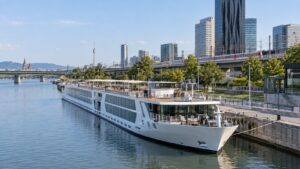
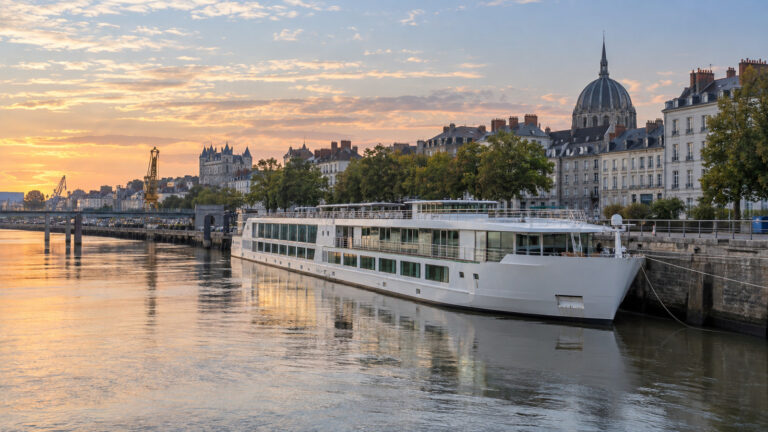
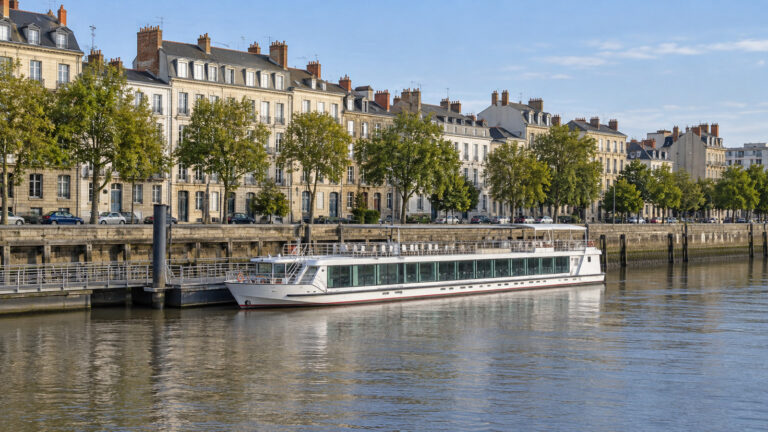
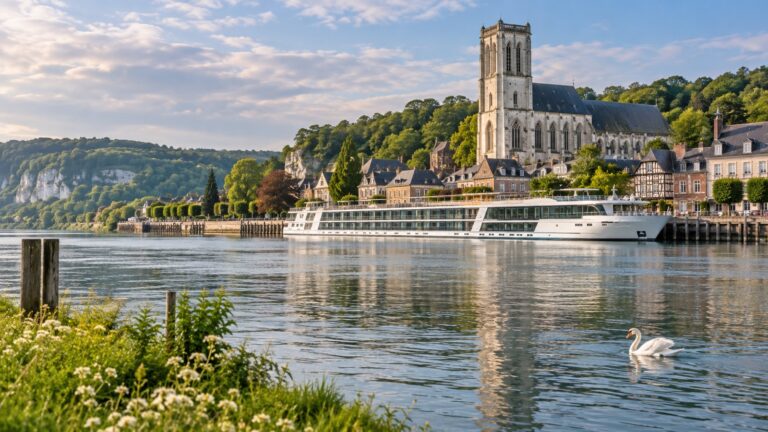
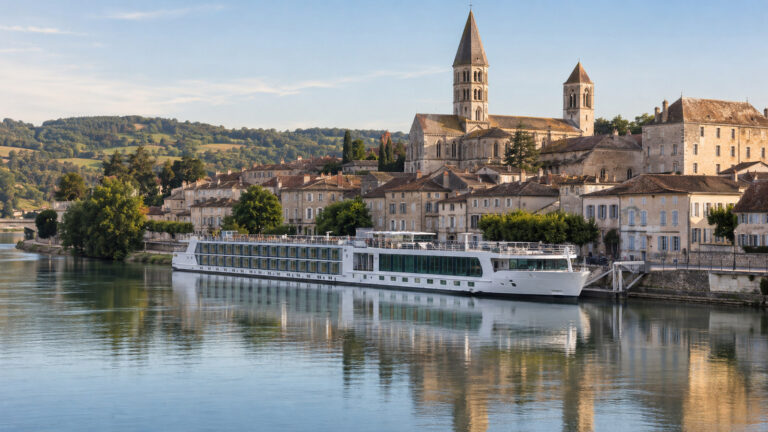
Smaller quays can be the most rewarding parts of a Rhone itinerary. The central highlights in Viviers, Tournon-sur-Rhone, Tain-l’Hermitage, and Vienne can usually be explored on foot from a central river berth, though the final berth and gangway always control the plan.
The practical advantage of these Rhone river cruise ports is how quickly a central berth can lead into the historic center. Lyon and Avignon earn their place, but these smaller calls offer compact walks without automatically requiring a motorcoach.
The quick take
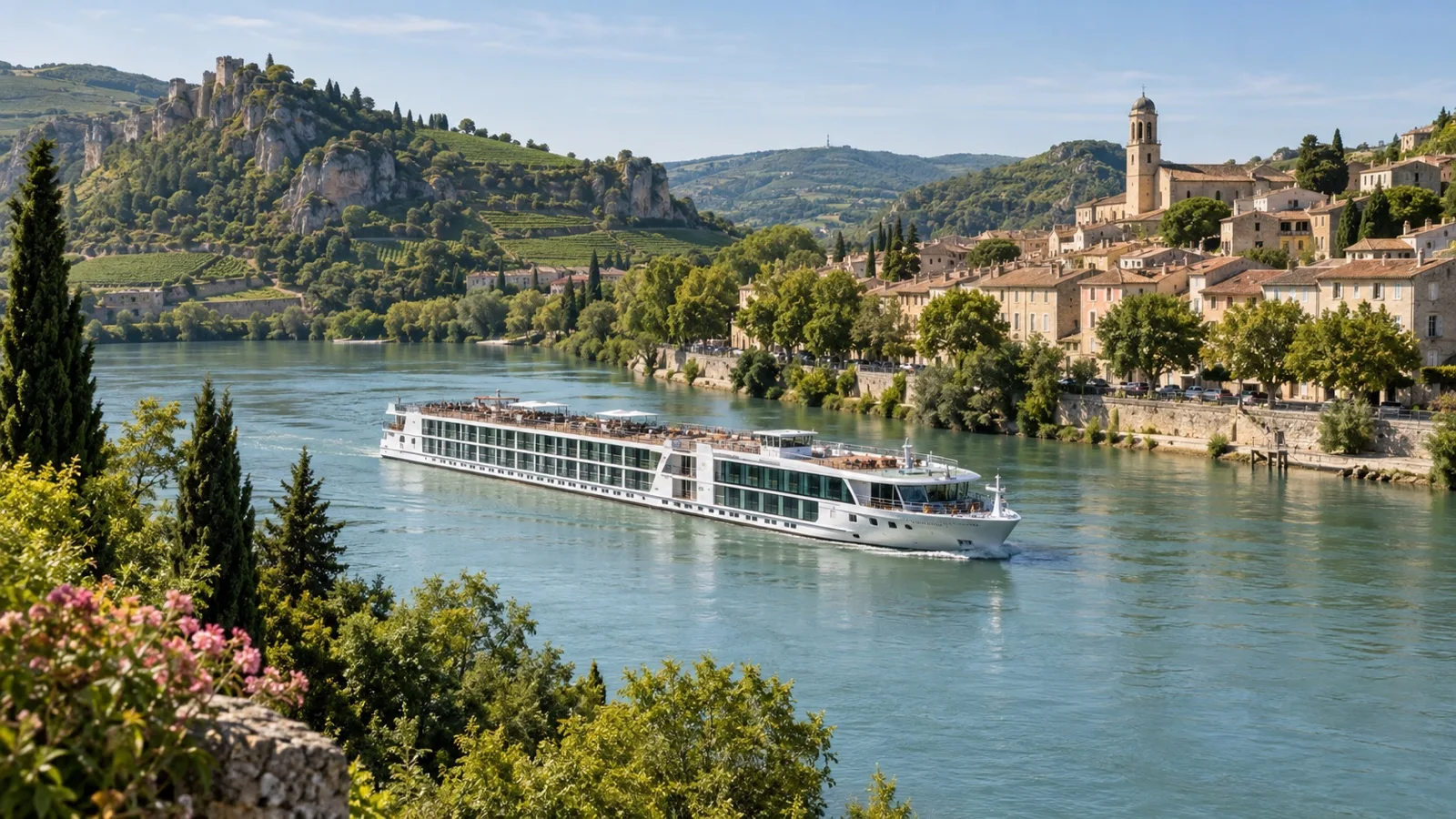
These three towns are strong reasons to choose a Rhone itinerary, but optional excursions can pull limited time away from the town at the quay. Compare the walking route with the offered excursion before deciding how to spend a short call.
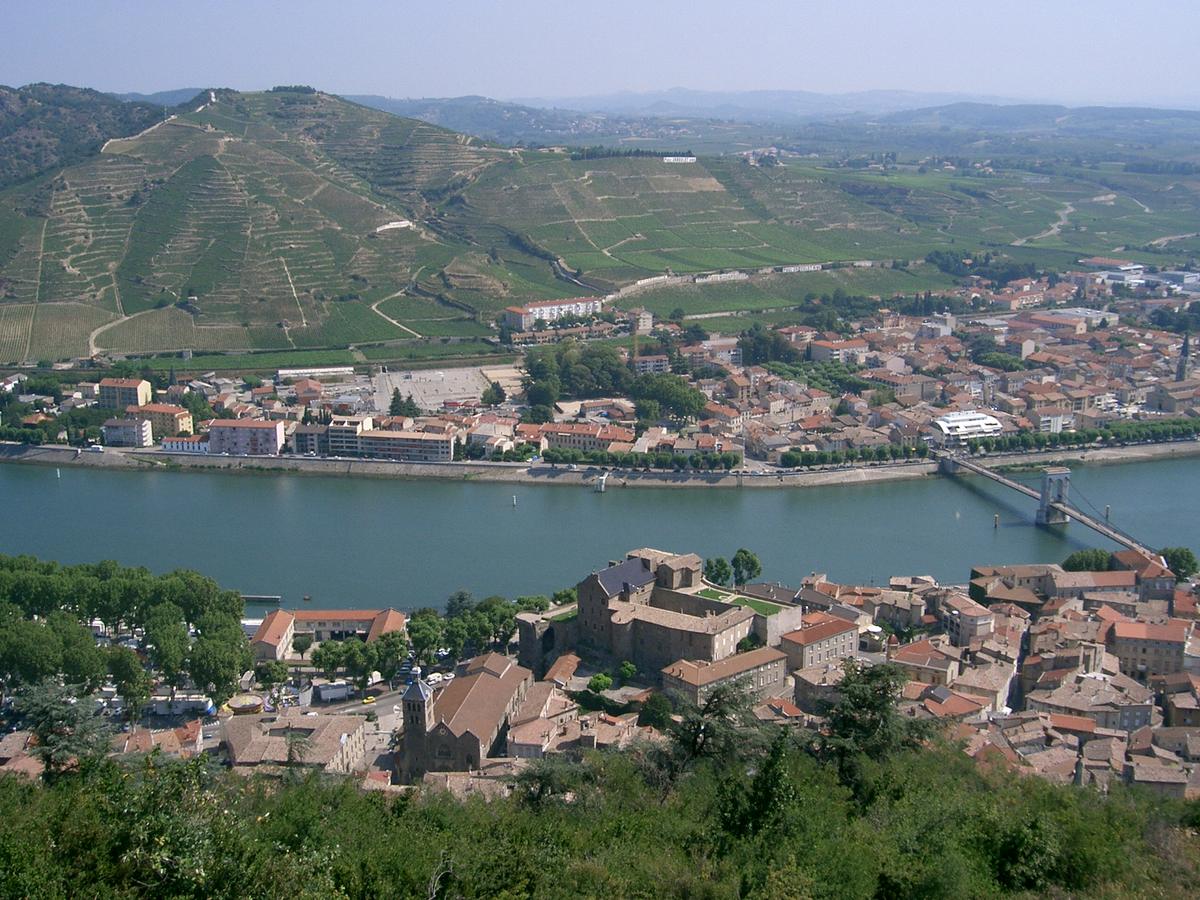
Viviers is tiny, medieval, and mostly uphill, and you can see the whole of it properly in ninety minutes. Tournon and Tain are two separate towns staring at each other across the river, joined by a footbridge, with chocolate on one bank and a steam railway on the other.
A practical approach is to explore the town independently when the berth and mobility conditions make that reasonable, then choose one paid experience that matters to you. At Tain and Tournon, that might be the chocolate attraction or the seasonal steam train.
The quick facts
- Where you land: all three are river quays with the town immediately behind them, which is the whole appeal. Viviers town hall describes the town as a stop for Rhone cruise ships and a pleasure marina, and the historic core sits on a rocky outcrop above the water.
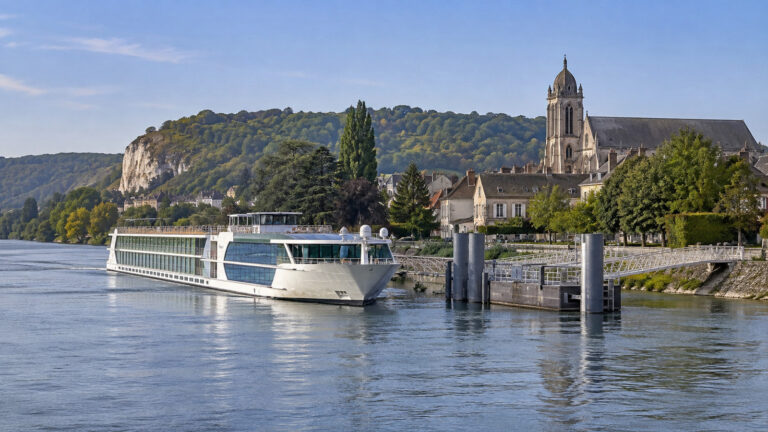
- How you get ashore: usually by gangway onto the quay. Compact river berths can require rafting, so you may need to pass through another vessel to reach land.
- Into town: Minutes on foot in all three cases, though Viviers is minutes plus a climb.
- Currency and language: The euro and French; the availability of English varies by venue.
- Getting around cost: mostly nothing, because you walk. The paid extras worth budgeting for are the Cite du Chocolat Valrhona at Tain, listed at 12 euros for adults, and the Train de l’Ardeche from Tournon.
- Time zone: Central European Time, UTC+1, moving to UTC+2 for daylight saving time across almost the whole cruising season.
- Schedule risk: Water levels, lock operations, weather, and berth congestion can change or cancel a call.
Viviers, the smallest town on the schedule
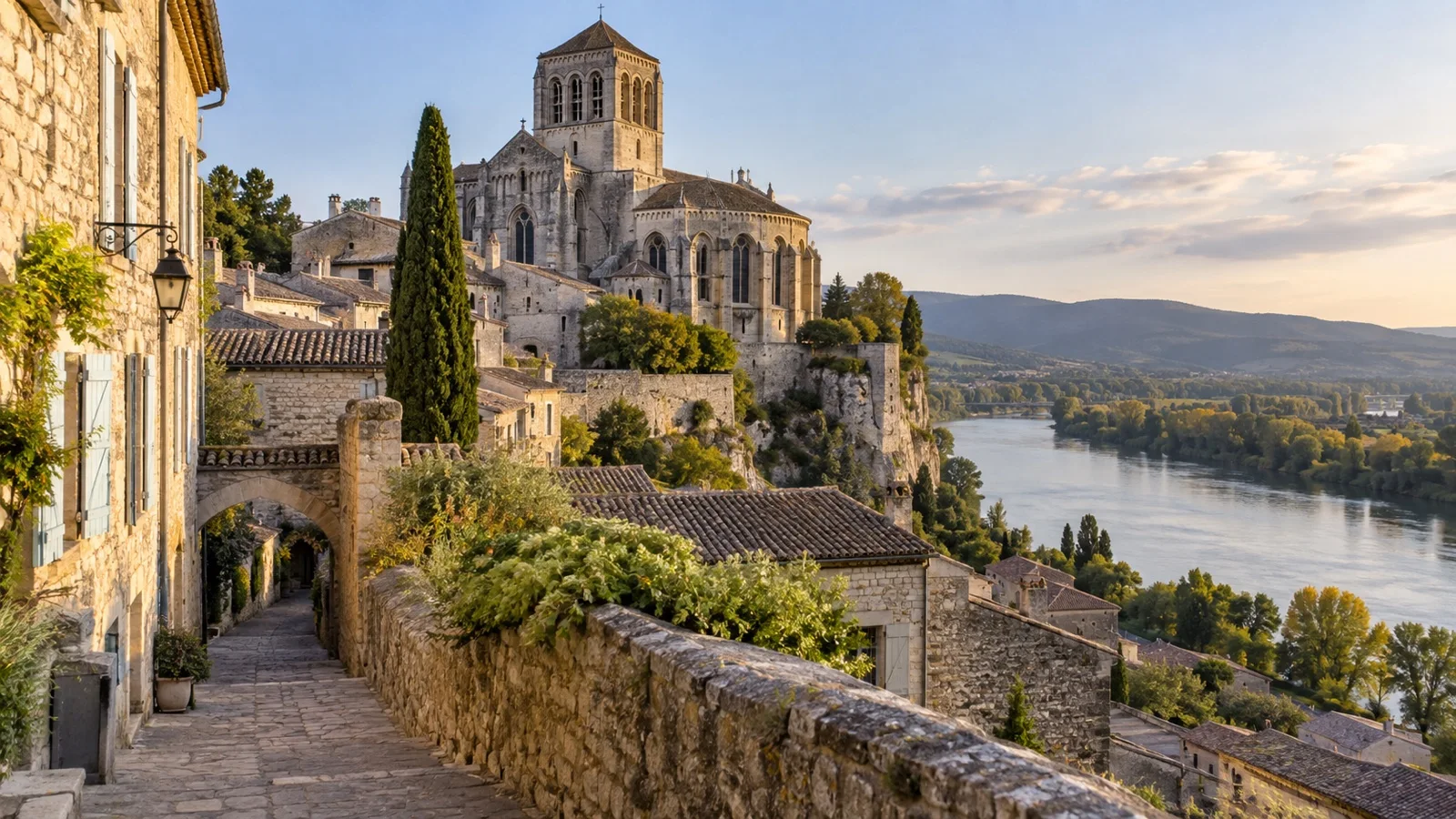
Viviers has a population of roughly 3,700 people, which makes it smaller than most cruise ships’ passenger and crew count combined on a busy day. That mismatch is the single most important fact about the call.
The town hall calls Viviers the historic capital of the Vivarais, the region it gave its name to, and describes it as the third protected heritage sector in the old Rhone-Alpes region. In plain terms, the whole upper town is a listed piece of architecture rather than a set of individual monuments.
The layout is simple. A lower town of narrow streets and a couple of squares, then a climb through a gate into the canonial quarter, with the cathedral sitting on the rock at the top and the Rhone valley laid out below it.
A motorcoach excursion to the Gorges de l’Ardeche can leave little time for Viviers itself. Treat the gorge and the historic town as competing priorities rather than assuming both will fit comfortably.
Tournon and Tain, one call and two towns
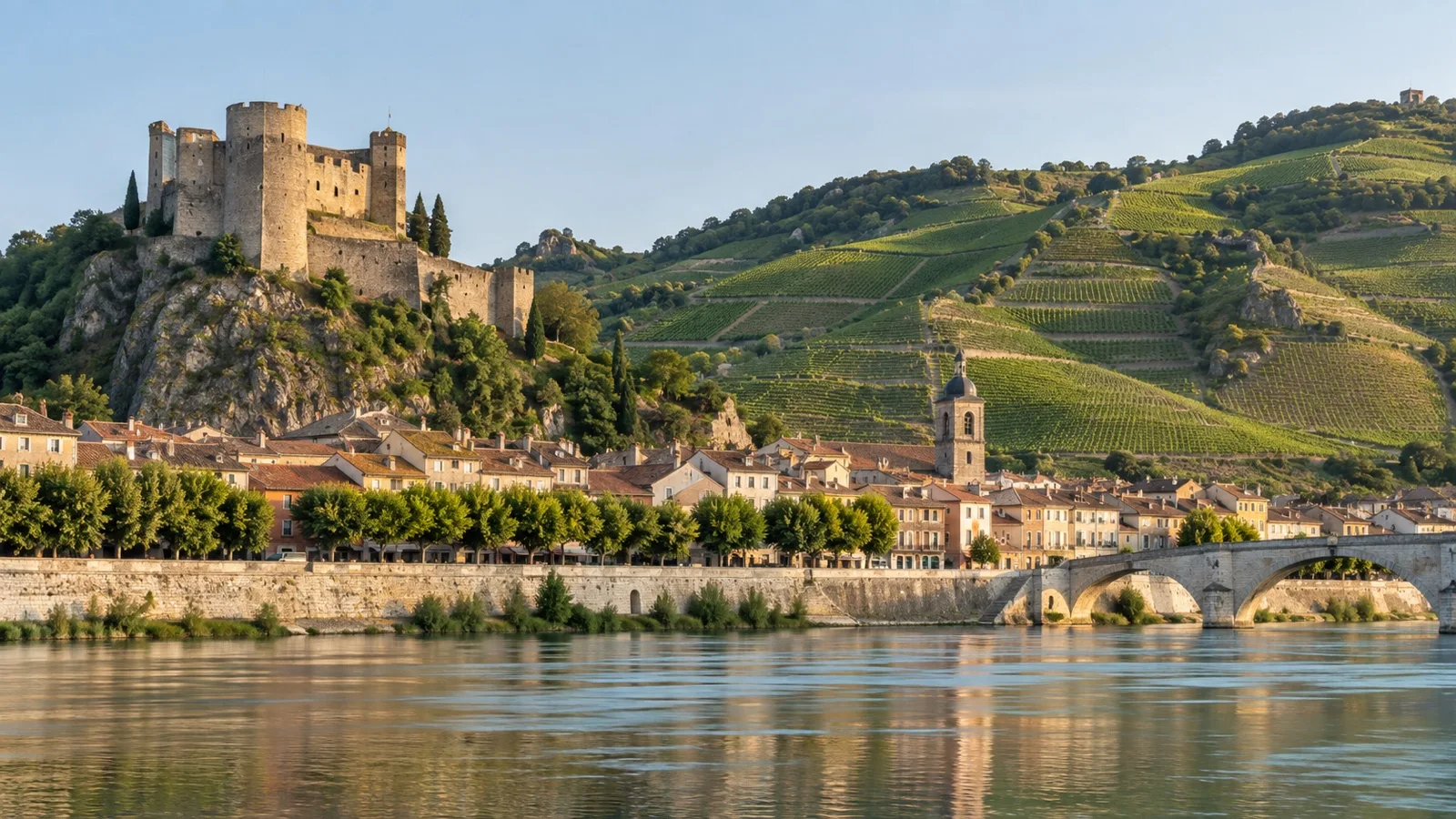
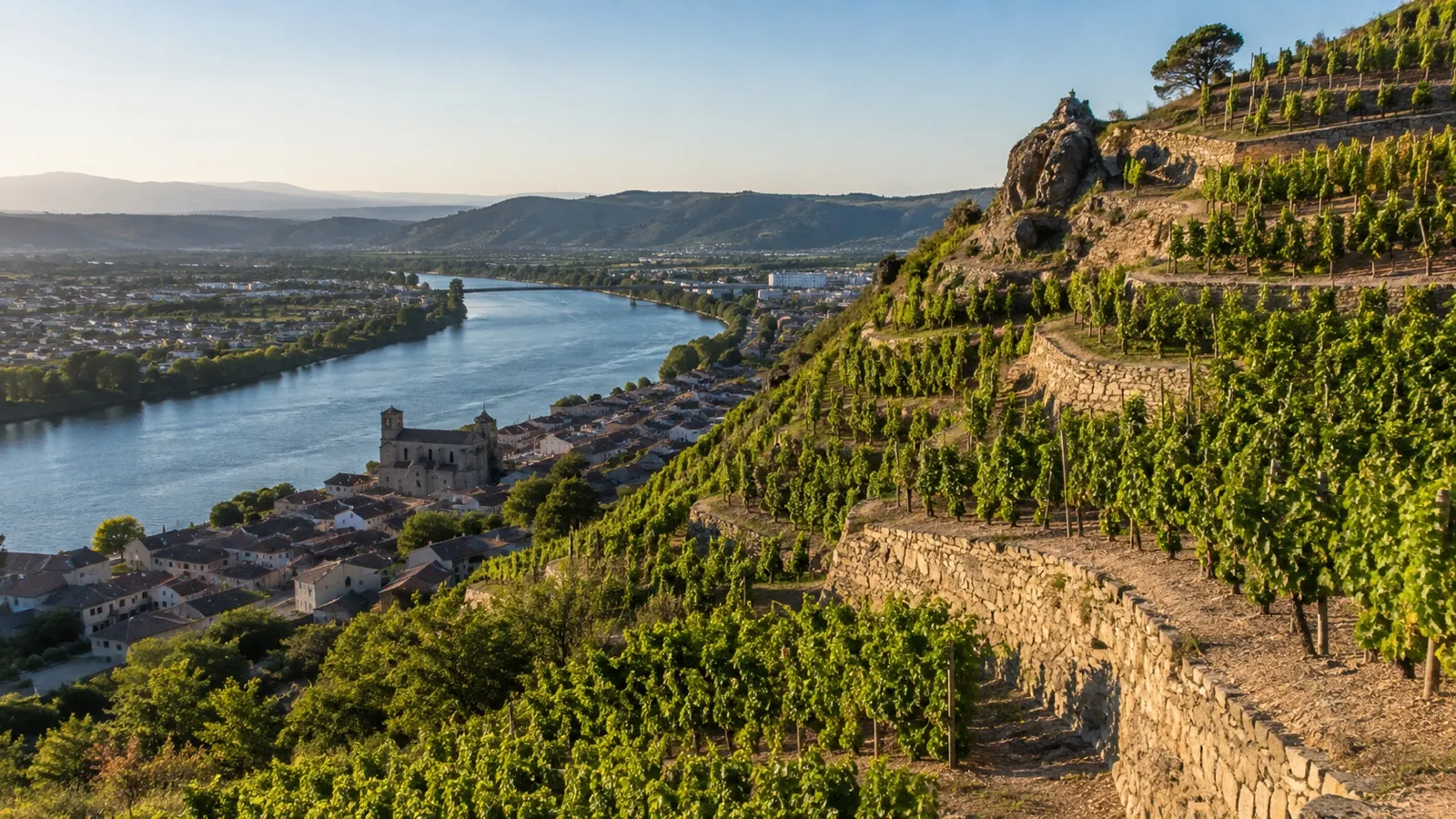
This is the best value call on the river, because you get two towns for one gangway. Tournon-sur-Rhone sits on the Ardeche bank with a castle above it, and Tain-l’Hermitage sits opposite on the Drome bank with the Hermitage vineyard hill rising straight behind it.
Tain is where the chocolate is. Valrhona’s Cite du Chocolat lists its address as 12 Avenue du President Roosevelt, adult entry at 12 euros, and a visit of roughly ninety minutes to two hours, with a shop and cafe that you can use without a ticket.
Tournon is where the trains are. The Train de l’Ardeche runs from Tournon up the Doux gorge toward Lamastre on a line about 17 miles long, and the steam service does not run every day, so check the published schedule against your call.
Above Tain, the Hermitage hill is the picture everyone takes, with terraced Syrah on a slope steep enough that some of it is worked by hand. Ardeche Hermitage Tourisme lists the chapel walk on the hill among its signature things to do, and it is a stiff twenty to thirty minute uphill push from the bridge.
Vienne, hemmed in and full of Romans
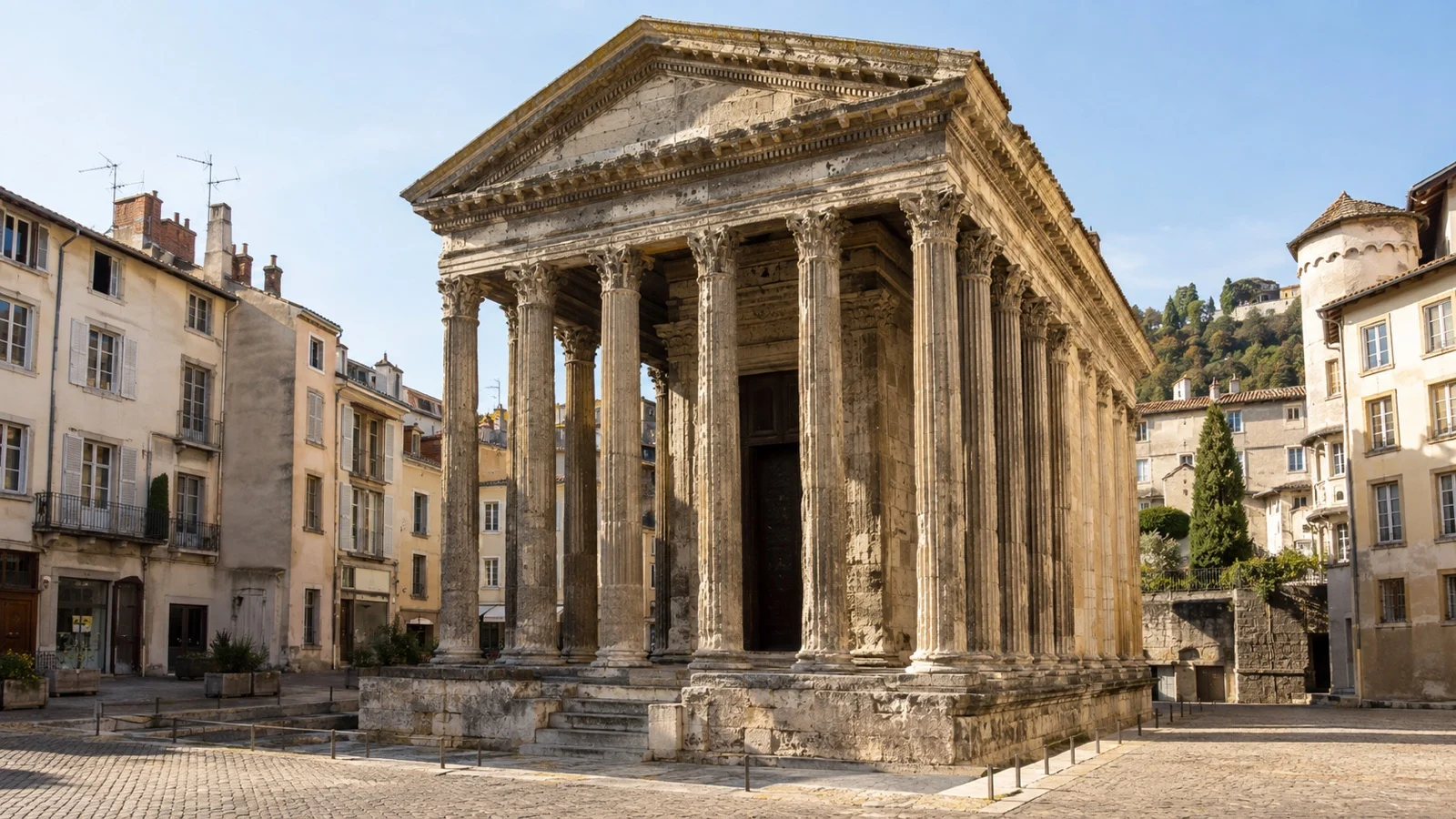
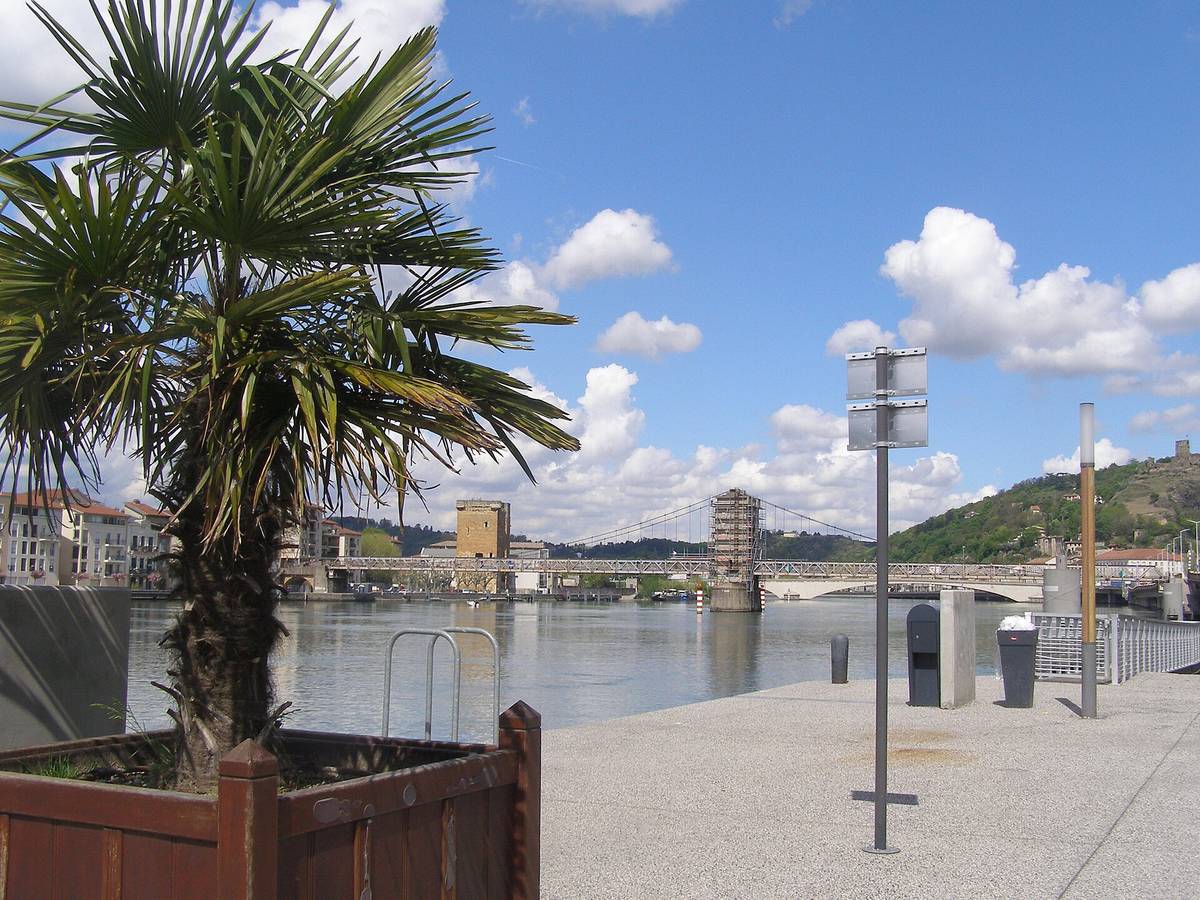
Vienne is squeezed into a narrow strip between the river, a steep hill and a very busy road, which is why it looks unpromising from the sun deck. Walk two streets inland and the impression changes completely.
The town of Vienne lists the Roman theater, the Temple of Augustus and Livia, the Saint-Maurice cathedral and the Jardin de Cybele among its principal sites, and holds the national Ville et Pays d’Art et d’Histoire designation. The temple is the one that stops people, because it is standing in a working town square rather than behind a fence.
Vienne holds a large market on the quays on Saturdays, and if your call lands on one, that is your morning decided. It is a real regional market rather than a souvenir operation, so buy food rather than gifts.
Vienne Condrieu Tourisme runs a small city tram tour of the Roman sites, which is a reasonable option if the hill is beyond you. The theater is set into the hillside and involves steps whichever way you approach it.
Stops worth prioritizing
Ruthlessly ordered, assuming one call at each town and a normal amount of energy. Each town center can usually be explored without a motorcoach when the ship uses a central berth.
- The upper town at Viviers: the canonial quarter and the cathedral on its rock, reached by a short steep climb from the lower streets. Go up first while your legs are fresh, then wander down slowly.
- The footbridge between Tournon and Tain: the cheapest attraction on the Rhone and the best photograph of the Hermitage terraces. Cross it, then cross it back at a different time of day for a different light.
- Cite du Chocolat Valrhona, Tain: a working chocolate visitor center rather than a museum, with tastings built into the trail. Book ahead if you want the full visit, and use the shop if you do not.
- The Hermitage hill path: terraced Syrah, a small chapel, and a view down the whole valley. Steep, exposed, and unpleasant in August heat, so take water and go early.
- Temple of Augustus and Livia, Vienne: a nearly intact Roman temple standing in an ordinary square with cafes around it. Five minutes to look at, an hour to sit near.
- Saint-Romain-en-Gal, Vienne: the excavated Roman quarter and museum on the far bank of the Rhone. The most substantial single site on this part of the river, and the one most cruise passengers skip.
Fun fact: the Ardeche behind Viviers holds the Grotte Chauvet, which UNESCO inscribed in 2014 and describes as containing the earliest known and best preserved figurative drawings in the world, dating from around 30,000 to 32,000 years before the present. The original cave is sealed and has never been open to the public, so any visit you are sold is to the full-scale replica.
A practical port-day plan
These are short calls, often half a day, and the itinerary usually pairs them with a long afternoon of cruising. That means the morning is the entire port day and there is no second chance after lunch.
In Viviers, start uphill toward the cathedral after the ship is cleared, then return through the lanes. About ninety minutes can cover a focused walk, but use the ship’s all-aboard time rather than a fixed schedule.
At Tournon, choose a priority the night before because the call can split into three time-consuming plans. Chocolate at Tain, the seasonal steam train from Tournon Saint-Jean, or the vineyard climb each deserves enough time on its own.
The one thing worth doing on board is asking reception the evening before for the actual berth and the actual all-aboard time. Small quays rearrange themselves at short notice, and the printed program was written months ago.
A realistic word on accessibility
This is the honest weak point of the small Rhone calls. Viviers is a medieval hill town with cobblestones, gradients and a stepped approach to its best part, and no amount of goodwill changes that.
Tournon and Tain are much better, because both town centers are flat and the footbridge has gentle approaches. The Hermitage hill above Tain is not accessible in any meaningful sense, and neither is the upper part of the Roman theater at Vienne.
Rafting is another accessibility issue at compact river quays. If your ship is tied outside another vessel, reaching land may require crossing between ships at different deck levels, as explained in the guide to rafting and double docking.
Wheelchair and scooter policies vary by cruise line, ship, and itinerary, and a specific rafting position may not be guaranteed. State your requirements before booking, reconfirm them before travel, and use the guide to wheelchair-friendly cruise ports for how this compares elsewhere.
When to go, and the weather
The Rhone season runs from spring through to the Christmas market sailings in December, and the shoulder months are clearly the best of it. April to June and September to October give you warm days without the valley turning into an oven.
High summer is hot here in a way the Danube is not. July and August days commonly sit in the high 80s to low 90s Fahrenheit, and the climb at Viviers or up the Hermitage hill is unpleasant in that.
The mistral is the local variable nobody warns you about. It is a strong, cold, dry northerly that funnels down the valley, and it can turn a mild spring day into one where you want a proper jacket on the sun deck.
Winter sailings are cold but rarely severe, with days often in the 40s and low 50s Fahrenheit. Bring layers and something windproof rather than something heavy.
Practical checks before these Rhône calls
Save the exact quay and all-aboard time because Viviers, Tournon, and Vienne are walkable but can still raft. Allow at least 30 minutes after an independent return, and use the ship excursion for the Ardèche or another distant site when road time leaves little recovery margin.
The original Chauvet Cave is sealed for preservation, and public visits are to Grotte Chauvet 2, the full-scale replica. Book its timed visit or the Train de l’Ardèche against the ship schedule, then verify which station and coach transfer the cruise line actually uses.
Mistral wind, summer heat, floods, and seasonal attraction calendars can change a day quickly. Viviers’ upper town and the Hermitage slopes are steep, so confirm gangway, rafting, vehicle lift, restroom, and site surfaces instead of treating a flat riverside landing as proof of an accessible excursion.
Quick answers
Are the small Rhone ports walkable from the ship:
Usually, when the ship uses a central berth, all three can be explored on foot. Viviers adds a short uphill climb to reach the upper town.
Do I need an excursion at Viviers:
No, the town is small enough to see properly on your own in about ninety minutes. Buy an excursion only if you specifically want the Gorges de l’Ardeche, which takes most of the day.
Can I walk from Tournon to Tain-l’Hermitage:
Yes, a pedestrian footbridge crosses the Rhone between the two town centers. It is a few minutes on foot and it is flat.
Is the Valrhona chocolate visit worth booking in advance:
Yes if you want the full trail, because slots are limited and ships arrive in clusters. The shop and cafe are open without a ticket if you miss out.
Does low water cancel Rhone calls the way it does on the Danube:
The navigable Rhone is regulated by dams and locks, but low water, high water, lock closures, and berth changes can still disrupt calls. Follow current operator instructions.
The last word
If you are choosing an itinerary, count the small calls rather than the big ones. A sailing with Viviers, Tournon and Vienne on it will give you more actual France than one that pads the schedule with a second day in Lyon.
These three also show why exact port geography matters when comparing river and ocean itineraries in France. The overview of France’s cruise ports sets out that contrast, and the list of the most walkable cruise ports explains why the difference matters so much to a short call.
Pack shoes that cope with cobblestones and a hill, and accept that you will not see everything. Viviers has been there since the fifth century and shows no sign of leaving.
No firsthand Rhone river cruise is claimed.
How this guide was researched: This guide was independently checked on September 12, 2026, against official source 1, official source 2, official source 3, the official sites linked in the article, and current operator instructions. Reconfirm the berth, ship, transfer, attraction access, weather, waterway status, entry rules, accessibility, and all-aboard time because live operations can change.