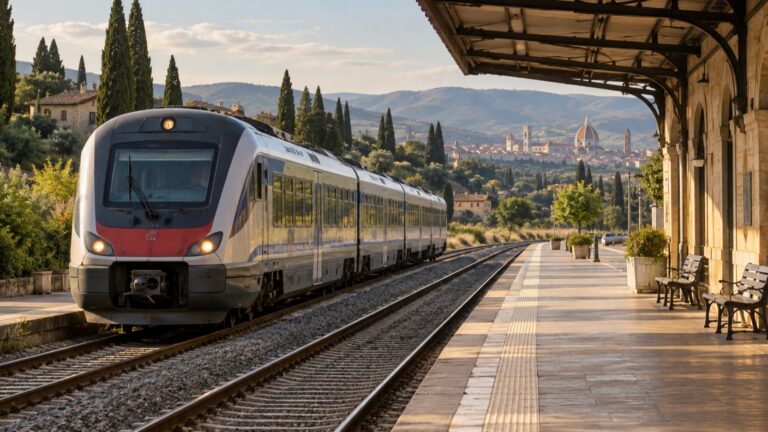
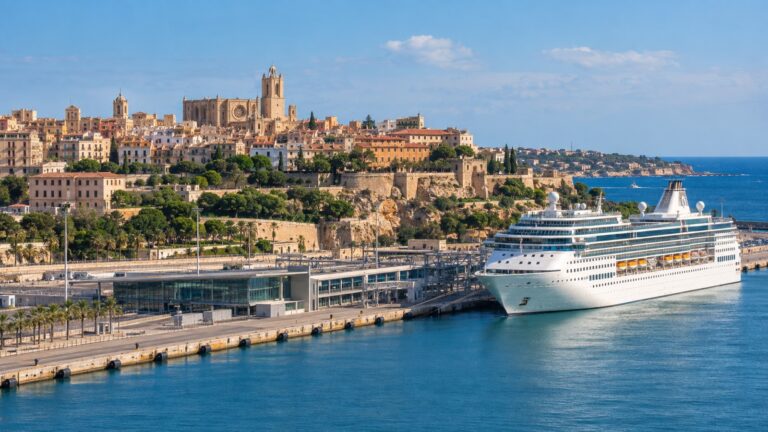
Naples, La Spezia, Marseille or Barcelona: Where Is an Excursion Most Useful?
Naples, La Spezia, Marseille, and Barcelona all sell long excursion menus, but the useful question is not which port offers the most tours. It is which tour solves a real problem that you would struggle to solve alone.
My answer is Naples when your dream lies beyond the city, especially the Amalfi Coast or a carefully coordinated ruins day. La Spezia comes next for distance and connection risk, Marseille earns excursion money mainly for Provence, and Barcelona is usually the easiest place to keep your freedom.
Four-port excursion quick facts
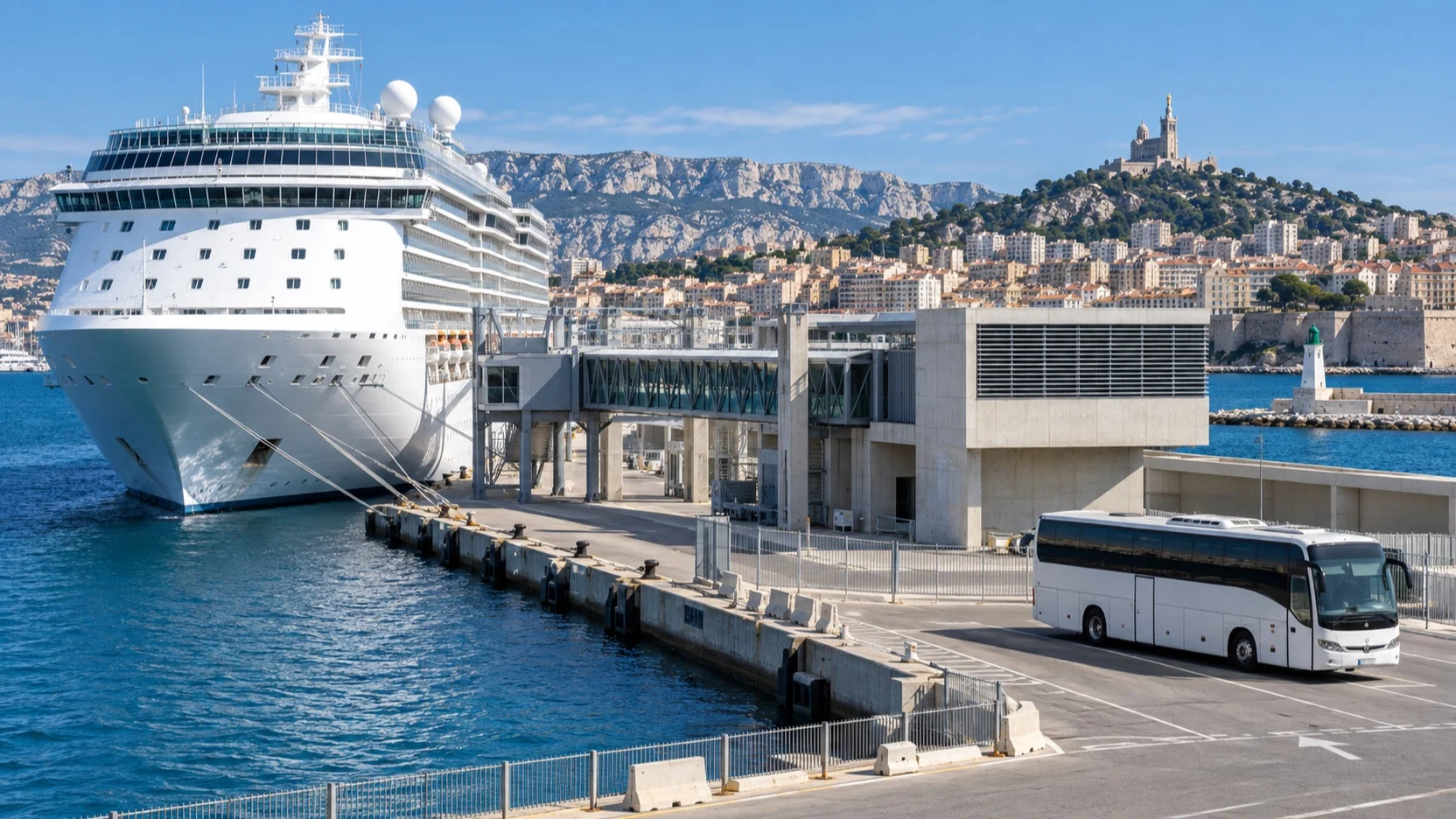
- Most useful excursion overall: Naples for the Amalfi Coast or a demanding regional combination
- Most planning-sensitive gateway: La Spezia for Cinque Terre, Pisa, Florence, and Tuscany
- Best reason to tour from Marseille: Reaching a selected Provence destination efficiently
- Best independent city day: Barcelona with direct timed tickets and a focused neighborhood plan
- Best independent historic center: Naples for confident travelers who enjoy intense urban streets
- Biggest overplanning risk: La Spezia when Florence, Pisa, and Cinque Terre are treated as one normal day
- Where guides add the most interpretation: Pompeii, specialist architecture, and history-focused routes
- Budget rule: Spend where distance, transfers, or expertise changes the experience
- Return rule: Protect the ship deadline with a realistic port-to-port buffer
The short verdict
Book Naples when the excursion coordinates fragile transport or turns a huge archaeological site into a coherent visit. Keep Naples independent when pizza, churches, museums, and the historic center are the goal.
Book La Spezia when a distant dream such as Florence matters more than travel time or when a complex Cinque Terre plan feels too brittle. Stay local or choose one nearby destination when heat, crowds, mobility, or a short call narrows the day.
Book Marseille for one well-chosen Provence destination, not because Marseille itself needs to be escaped. The city supports a strong independent plan once you solve the cruise-terminal transfer.
Keep Barcelona independent if you are comfortable with city transit and direct attraction booking. Pay for a specialist guide, an accessible private route, or Montserrat only when that specific expertise or logistics matter.
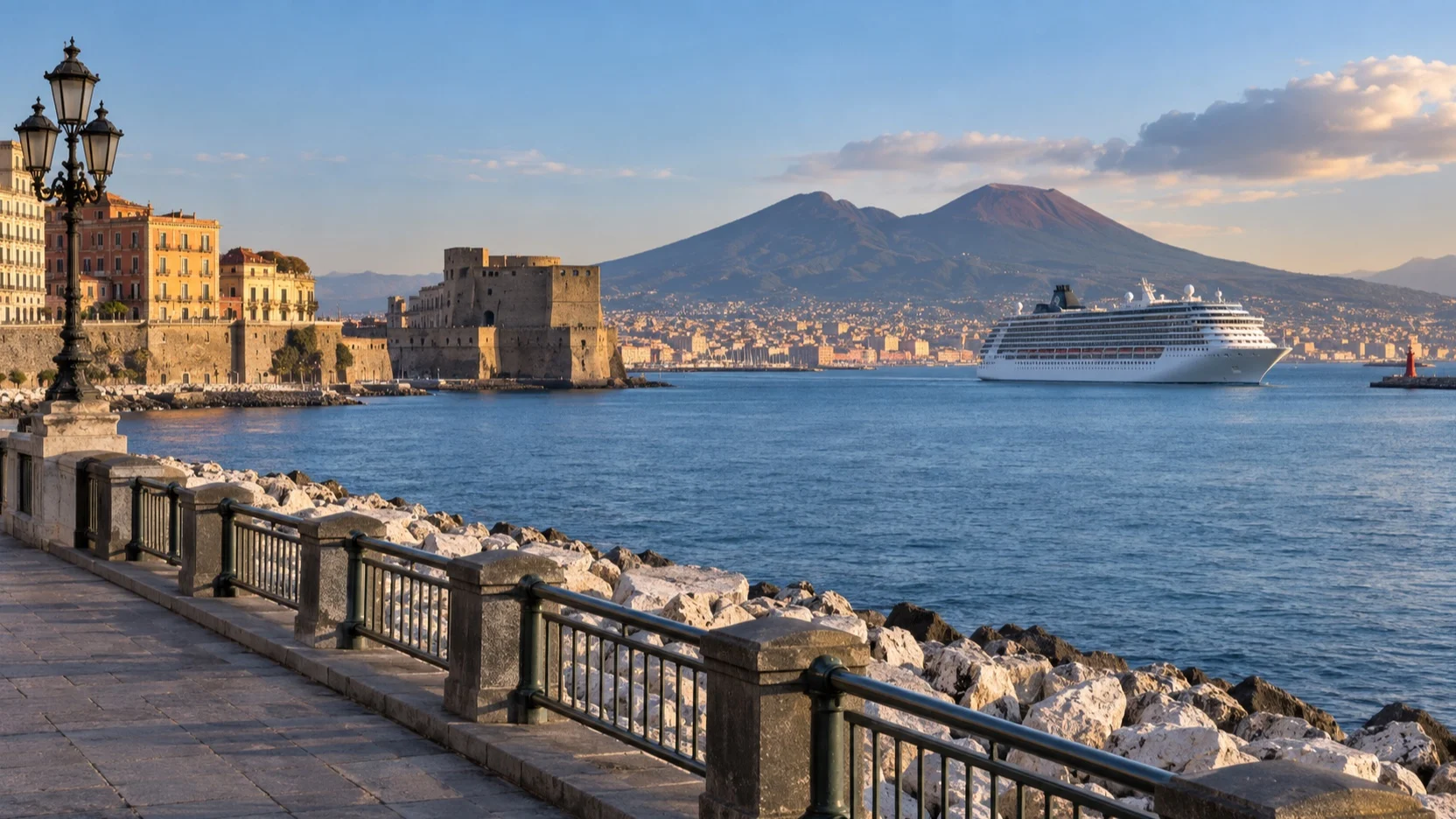
Naples: the strongest case for coordination
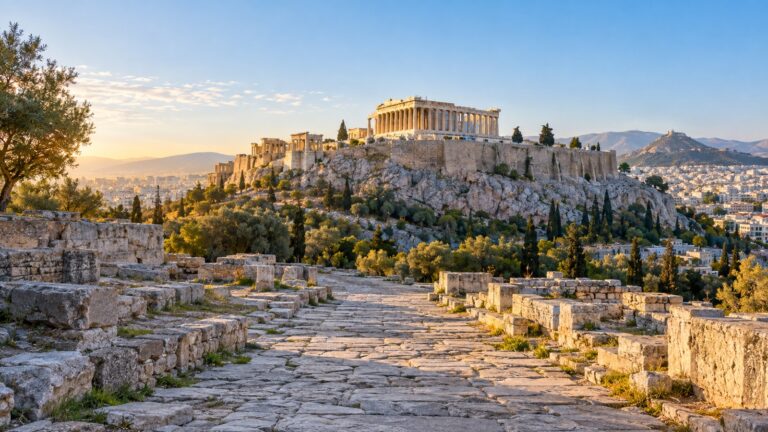
Naples docks beside a dense, fascinating city, so a rewarding day does not require leaving town. The case for an excursion appears when you want Pompeii, Herculaneum, Mount Vesuvius, Capri, Sorrento, the Amalfi Coast, or a combination of regional sights.
Each choice creates a different risk pattern. Archaeological sites need ticket and entrance planning, islands add marine schedules, and the Amalfi Coast adds road congestion that no driver can magically erase.
Our Naples cruise port guide explains the terminal and transport choices in detail. Read it before buying a product whose title combines more destinations than the clock can realistically support.
Why Pompeii can justify a guide
Pompeii is reachable independently, but the site is vast and the archaeological story is complex. A knowledgeable guide can turn limited time into a coherent route through homes, streets, public buildings, daily life, preservation, and the eruption.
The official Archaeological Park of Pompeii publishes current tickets, entrances, visitor regulations, maps, accessibility information, and transport guidance. Check those details directly because seasonal hours, closures, entry products, and site access can change.
Pompeii also offers an accessible itinerary called Pompeii for All, but ancient surfaces and the route from transport to the correct entrance still need planning. Travelers with mobility needs should confirm the current accessible path and exact meeting point with both the site and tour operator.
Be skeptical of skip-the-line language. A product can include reserved admission without bypassing security, walking to the entrance, or delays beyond the operator’s control.
Why the Amalfi Coast favors a tour
The Amalfi Coast combines narrow roads, seasonal traffic, parking limits, and destinations that look closer on a map than they feel from a cruise ship. A good tour buys coordinated routing, a driver, and a defined return plan.
It does not buy immunity from traffic. Ask which towns are actually visited, how long you spend outside the vehicle, where large vehicles can stop, and what the operator changes when congestion becomes severe.
Avoid ordinary port-day itineraries promising meaningful visits to Pompeii, Sorrento, Positano, Amalfi, and Naples. That is usually a collection of place names tied together by a great deal of windshield time.
When Naples should be your free day
Stay in the city if street life, food, churches, architecture, underground history, or the archaeological museum interests you more than the coast. A focused route can begin near the port and remain flexible when energy or weather changes.
Naples feels busy and requires ordinary awareness, but a panoramic coach is not automatically easier to understand. A compact food or history walk may add more value than an all-day loop that leaves the city.
La Spezia: choose the destination before the transport
La Spezia is a real Ligurian city and a gateway label attached to several famous places that are not interchangeable. Cinque Terre, Pisa, Florence, Portovenere, and the Tuscan countryside create completely different cruise days.
Start with our La Spezia cruise port guide and confirm your ship’s current port-exit or shuttle procedure. The time between gangway and city can determine whether a rail or boat plan remains comfortable.
Cinque Terre rewards a simple plan
Cinque Terre’s villages are connected by rail, seasonal boats, and a trail network, but crowding, weather, strikes, closures, and one-way controls can reshape the day. A tour is useful when it simplifies transfers or provides meaningful context, not when it delivers a large group to the same packed platform.
The official Cinque Terre National Park publishes trail status, high-temperature guidance, cards, visitor information, and current controls. Its recent notices show why a hiking route should never come from an old blog screenshot.
Decide whether the priority is villages, hiking, a boat view, food, or photography. Trying to combine every transport mode and all five villages often produces more connections than experience.
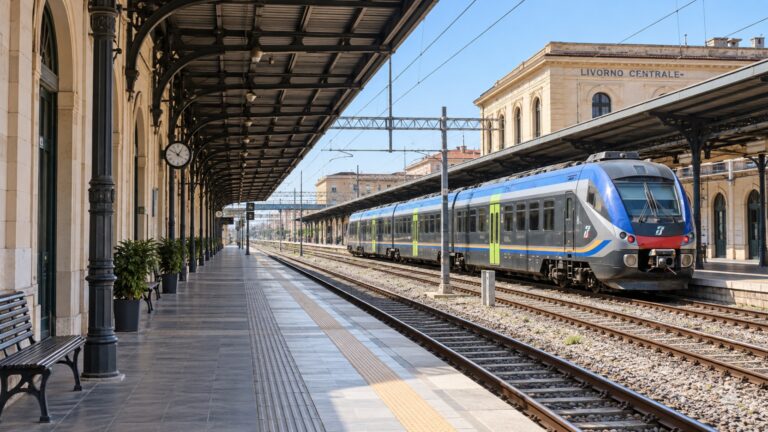
Independent rail travel can work well for confident travelers with a live timetable and several backup returns. Keep the final village close enough to La Spezia that one missed train does not endanger the ship.
Florence is a distance decision
Florence consumes substantial transportation time from La Spezia before you enter a museum, cathedral, or historic street. An organized transfer can reduce navigation uncertainty, but it cannot make the city closer.
If Florence is the dream, choose one or two anchor experiences and reserve official admission where required. Verify whether the tour includes meaningful guided time and entry, or simply transportation plus a distant meeting point.
Travelers who want Renaissance art may accept the long transfer gladly. Everyone else should compare the hours in motion with what Portovenere, Cinque Terre, Pisa, or La Spezia itself can provide.
Pisa and Tuscany need honest timing
Pisa is easier to frame as one focused destination, while a broad Tuscany tour may connect towns, countryside, food, and wineries. Ask how much of the advertised duration is driving and how much is actually spent at the main stop.
Do not add Florence simply because it appears nearby on a regional map. Security lines, parking, walking, and timed entries turn two famous names into a much more fragile port day.
When staying local is the smart choice
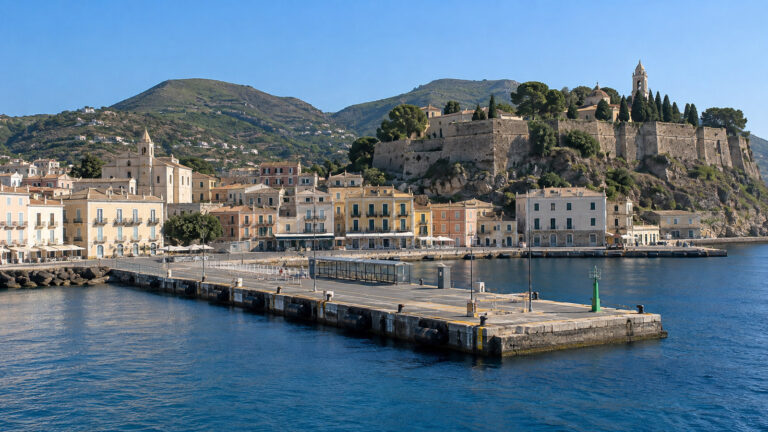
La Spezia offers waterfront walking, museums, food, and a lower-stress urban day. Portovenere may be a manageable nearby goal when current road or boat arrangements work, but it still deserves verified transport and a conservative return.
A local day is particularly sensible during extreme heat, rail disruption, crowd peaks, or a Mediterranean itinerary already packed with long transfers. Saving energy can improve the next three ports more than squeezing in one more famous view.
Marseille: pay to leave the city, not to understand that it exists
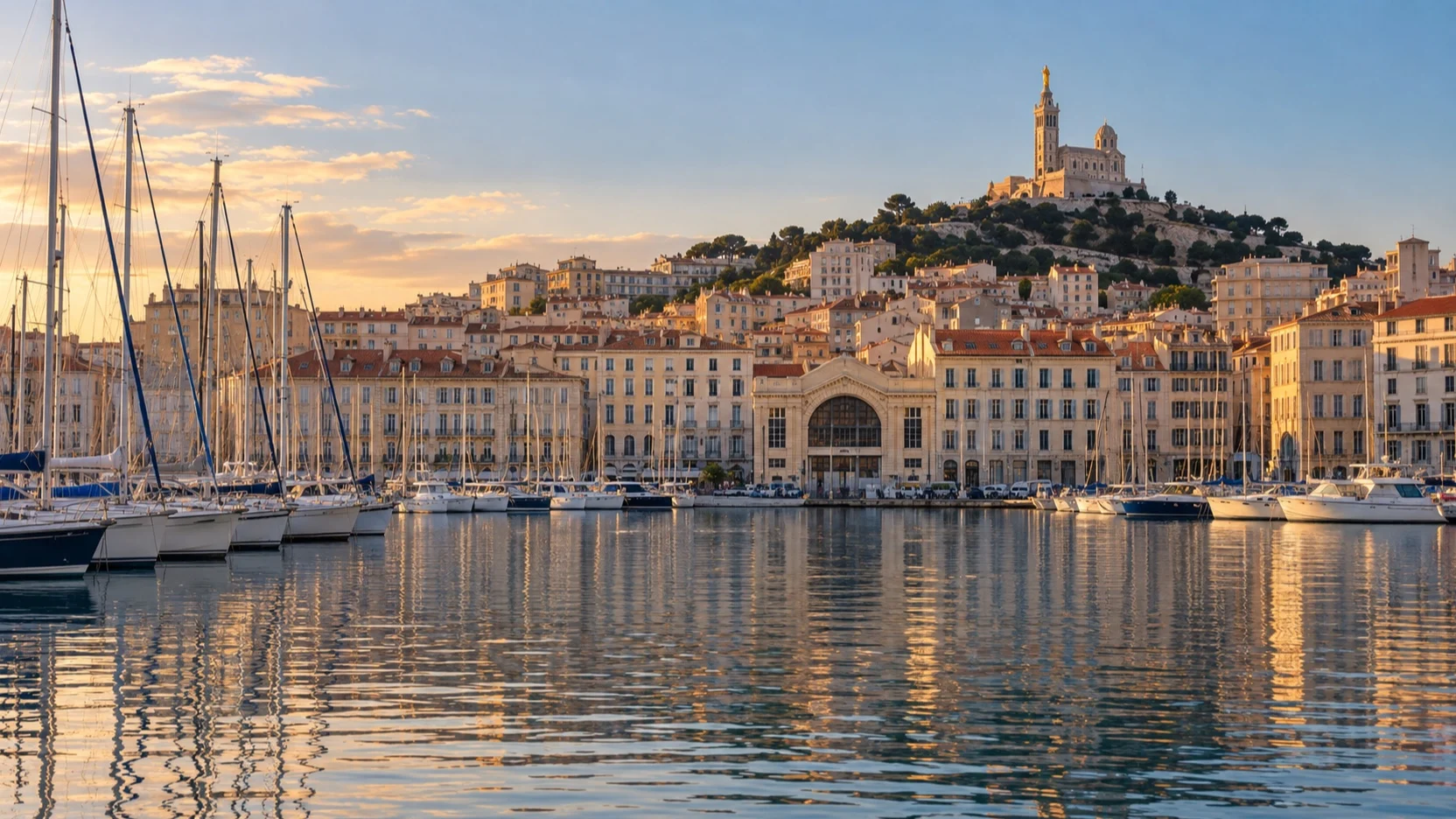
Marseille is a major city with a strong identity, busy port, neighborhoods, museums, churches, markets, and distinctive food. A full-day excursion is unnecessary when Marseille itself is what you want to see.
Cruise berths can sit well away from the central Vieux-Port, so shuttle or taxi time still belongs in the plan. Our Marseille cruise port guide covers the terminal patterns and city connection.
When a Provence excursion earns its price
Aix-en-Provence, Cassis, selected Calanques experiences, Avignon, and seasonal lavender landscapes can justify organized transport. The value comes from efficient routing, parking knowledge, and interpretation rather than merely sitting on a coach.
Choose one strong destination or a genuinely compatible pair. Products that promise several villages, a long lunch, a boat ride, and a sweeping city tour usually sacrifice depth or return margin.
Calanques access can change because of fire risk, heat, road controls, wind, and marine weather. Check current official park and tourism information, and understand what the operator substitutes when the intended route closes.
Lavender is seasonal and agricultural, not a permanent purple backdrop. Confirm the expected blooming area and date rather than booking from a generic promotional photograph.
When Marseille is better independently
A focused city day can combine the Vieux-Port, Le Panier, one museum, Notre-Dame de la Garde, and a meal, but not necessarily all at full depth. Hills and distances may call for transit or a taxi even though you have skipped the excursion.
Marseille tourism information can help with neighborhood planning, events, and current access. Pair that with the ship’s terminal guidance because the city map does not solve the first and last port transfer.
A compact food experience can also justify a guide without turning the day into a regional coach trip. Pay for local knowledge if it leads you through markets, history, and flavor that you would miss alone.
Barcelona: the best place to keep your independence
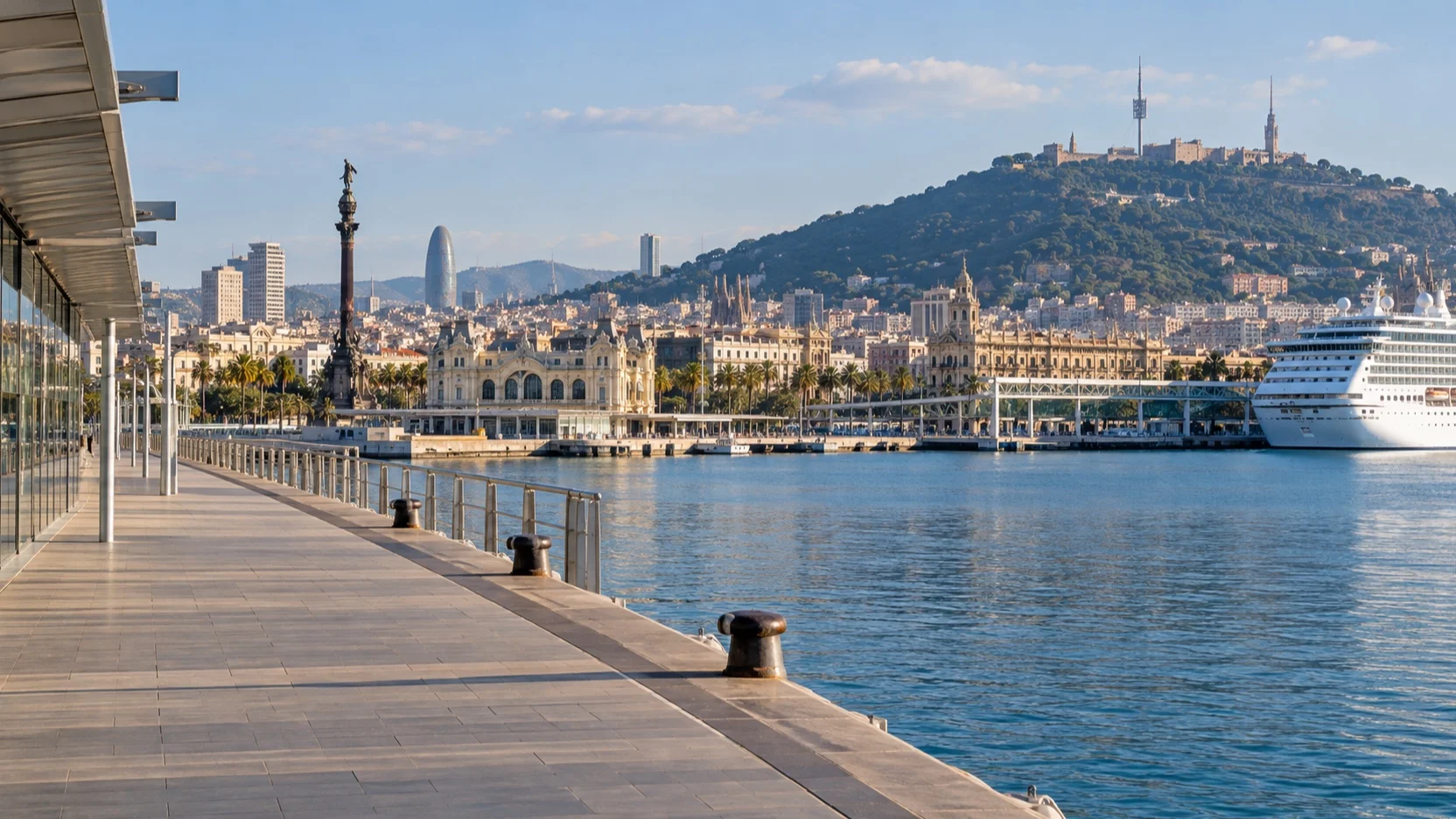
Barcelona combines an extensive public-transport network with major attractions spread across several neighborhoods. Independent travelers can build a route around their actual interests instead of accepting a broad coach circuit.
The cruise terminals are not all within an easy walk of La Rambla, so include the port shuttle or taxi before calculating sightseeing time. Our Barcelona cruise port guide explains the terminal geography and connections.
The real issue is timed admission
Sagrada Família, Park Güell, and several Gaudí sites use timed tickets and can sell out. Direct official booking is often more valuable than a city tour that provides transportation but not the entrance you assumed.
The official Sagrada Família site separates individual and group products and publishes current visitor information. Check exactly what the ticket includes, whether tower access is separate, and what happens during an operational closure.
Reserve one anchor attraction at a time that allows for the port transfer, then leave a flexible neighborhood around it. A chain of timed admissions across the city creates its own form of excursion stress.
When a Barcelona tour helps
A specialist architecture guide can explain Gaudí’s work beyond a quick exterior photograph. A food walk, accessible private itinerary, or Montserrat excursion can also earn its price by providing expertise or solving transport.
Verify whether admission is included, whether the guide enters with you, how long you spend at each site, and where the tour ends. A bus window view of famous facades is not the same product as a guided architectural visit.
When Barcelona should save the budget
Travelers comfortable with city transit can combine one reserved attraction, one neighborhood, a meal, and a flexible walk. That structure avoids the common mistake of racing past every famous building without experiencing any district.
The Gothic Quarter, waterfront, Eixample, and Montjuïc each support a different day. Pick the one that complements your reserved attraction instead of crossing the city repeatedly.
How the four ports compare when mobility matters
Excursion value depends on door-to-door details, not the word easy in a brochure. Ask about coach steps, walking distance, cobbles, slopes, elevators, restrooms, heat exposure, seating, and equipment storage.
Naples can work locally with a vehicle or carefully chosen central route, while Pompeii’s official accessible itinerary needs the correct entrance and realistic ancient-site expectations. Amalfi drives may involve vehicle transfers and towns built on slopes.
La Spezia becomes complex when trains, crowded platforms, boats, village stairs, and steep trails intersect. A private driver may reduce transfers, but it cannot make every Cinque Terre lane or Florence monument step-free.
Marseille’s terminal distance and hills make transport important even for a city day. An accessible private route can add value by matching vehicle, drop-off points, and rest stops to the traveler.
Barcelona has broad transit and many accessible attractions, but the port transfer, pavement, crowds, and timed entries still need coordination. Direct communication with each venue is more useful than a generic accessibility label.
Choose by the traveler, not only the port
First-time Mediterranean cruisers
Use Naples for the regional experience that matters most, choose one clear La Spezia goal, decide between Marseille and Provence, and keep Barcelona independent. That produces variety without four consecutive days trapped in coaches.
History lovers
A specialist guide at Pompeii may offer the strongest return on money because interpretation changes what the ruins mean. Florence deserves the transfer if Renaissance art outranks the journey, while Marseille and Barcelona can support focused city historians.
Food lovers
Naples, Marseille, and Barcelona all reward compact food experiences that leave time to wander. La Spezia and Liguria can do the same if you resist turning the day into a transport marathon.
Do not sacrifice a city’s meal culture for an excursion whose generic included lunch is far from the reason you chose the destination. A three-hour market and neighborhood walk may feel richer than an eight-hour panoramic coach.
Travelers who dislike crowds
A group tour does not bypass crowds when it reaches the same attraction at the same time as dozens of other coaches. Earlier entry, a focused secondary museum, a quieter neighborhood, or a private route can be the better purchase.
Cinque Terre and Sagrada Família are particularly sensitive to timing and visitor volume. Use official notices and ticket inventory to design around pressure instead of assuming a tour has a secret empty entrance.
Families
Families should compare the advertised highlights with actual sitting, waiting, restrooms, meal timing, and heat. A child who loves trains may enjoy Cinque Terre independently, while another family may value the predictability of a private vehicle.
Check age rules for admission, child seats, boat life jackets, and tower access before payment. A family product should solve those details rather than simply charging a different group price.
Ship excursion, independent tour, or do it yourself?
Ship excursion
The ship option makes its strongest case for long transfers, boat connections, and routes with little return margin. Read the cruise line’s current terms for delays, itinerary changes, minimum participation, and cancellations.
Protected return does not mean the excursion can ignore the schedule. Operators may shorten or change stops to meet the ship, and passengers should understand that flexibility before booking.
Independent tour
A private or small-group tour can offer a sharper theme, earlier departure, and fewer loading delays. Verify licensing where applicable, recent reviews for the exact product, included tickets, meeting point, accessibility, cancellation, and planned port return.
Ask what happens if the ship arrives late or changes berth. A responsive operator with a clear contingency is worth more than a slightly lower price.
Do it yourself
Independent planning is strongest in Naples city, Marseille city, and Barcelona. It can also work for Cinque Terre with live transport research, modest ambitions, and multiple safe return options.
The method becomes fragile when several distant destinations, timed admissions, or marine connections must align. Independence should create freedom, not a day-long chain of failure points.
How I would spend one excursion budget
Give the money to Naples if Pompeii interpretation, the Amalfi Coast, or a carefully designed combination is the trip priority. Choose La Spezia instead if Florence or Cinque Terre is nonnegotiable and independent connections would dominate your attention.
Keep Marseille as a city day unless Provence is the actual dream. Keep Barcelona independent unless specialist architecture, accessibility, food, or Montserrat creates a precise reason to buy help.
The easiest city should not receive the biggest budget merely because the cruise line offers the glossiest brochure. Pay where coordination changes access, timing, or understanding.
A simple decision test before booking
First, name the one experience you would regret missing. If the answer is vague, you probably do not need an expensive full-day excursion.
Second, write down every connection between ship and attraction, including shuttles, trains, boats, parking, queues, and walking. A tour is valuable when it removes several fragile links rather than merely replacing a metro ride.
Third, calculate meaningful time at the main sight. An eight-hour product with five hours of transport and assembly may be less satisfying than a focused independent city day.
Fourth, inspect what is included. Admission, guiding, headsets, meals, boat tickets, and return guarantees can differ sharply between products with similar titles.
Finally, compare the cancellation and late-arrival terms with your tolerance for risk. The right excursion should reduce anxiety, not move it from navigation to fine print.
Common excursion mistakes across all four ports
The first mistake is selecting a tour by the number of destination names. Every additional stop costs transfer, parking, gathering, and orientation time.
The second is confusing an excursion transfer with an included guided visit. Florence, Sagrada Família, Pompeii, and major museums may require a separate ticket or provide only exterior time.
The third is ignoring the berth and port-exit process. A city can be easy once you reach it while still requiring a shuttle, secure-zone exit, or long quay transfer.
The fourth is trusting old transport screenshots. Rail work, strikes, trail controls, bus schedules, marine weather, and attraction hours are date-specific.
The fifth is spending every port day on a coach. A balanced itinerary needs at least one city where you can change your mind, linger over lunch, and return early without negotiating with a group.
Frequently asked questions
Which port most needs an excursion?
Naples has the strongest case when your goal is the Amalfi Coast or a complex regional day. La Spezia can overtake it when Florence or an ambitious Cinque Terre plan is your nonnegotiable priority.
Can I visit Pompeii independently?
Yes, many travelers can manage the transport and official ticket directly. A guide adds the most value through interpretation, route focus, and help using limited site time.
Can I visit Cinque Terre independently?
Yes, using current rail or seasonal boat information and a conservative village plan. Check official park notices for trail status, weather guidance, cards, and one-way controls.
Do I need a tour in Marseille?
Not for a focused city day, although the cruise-terminal transfer requires attention. An excursion is more useful for Provence or a specialist theme than for a generic Old Port overview.
Do I need a tour in Barcelona?
Usually not if you are comfortable with transit and book timed attractions directly. A focused architecture, food, accessible, or Montserrat tour can still be worthwhile.
Which route has the highest missed-ship risk?
Risk comes from the plan rather than the port name. Long drives, boats, multiple connections, traffic, strikes, and a weak return buffer can create trouble anywhere.
The final recommendation
Naples gains the most from a good excursion when you leave the city, and La Spezia gains the most from disciplined destination choice. Marseille needs a tour for Provence more than for Marseille, while Barcelona is usually the best place to trust a focused independent plan.
Ask what problem the excursion solves, then spend only when the answer involves real transport, access, or interpretation. If the answer is simply that someone else chose the route, save the budget for the port where organization genuinely changes the day.
Planning note: Berths, shuttles, transport, tickets, trails, site hours, weather restrictions, and tour terms can change. Confirm time-sensitive details with your cruise line, operator, official transport provider, and attraction before travel.
How this guide was researched: This guide was checked against current official Pompeii, Cinque Terre National Park, Marseille tourism, Sagrada Família, transport, accessibility, and visitor information. Logistics and time-sensitive details were reviewed September 11, 2026; see our Editorial Policy.
More on this topic: browse every guide on shore excursions and DIY port days.