Po River Cruise Ports: Why Your Venice River Cruise Is Mostly a Motorcoach Tour
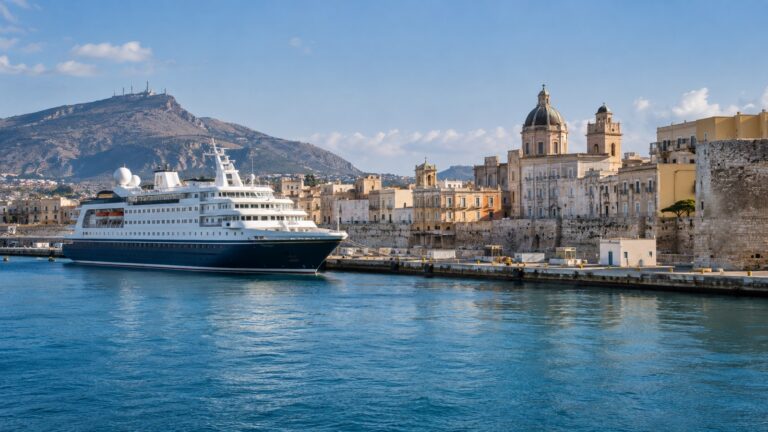
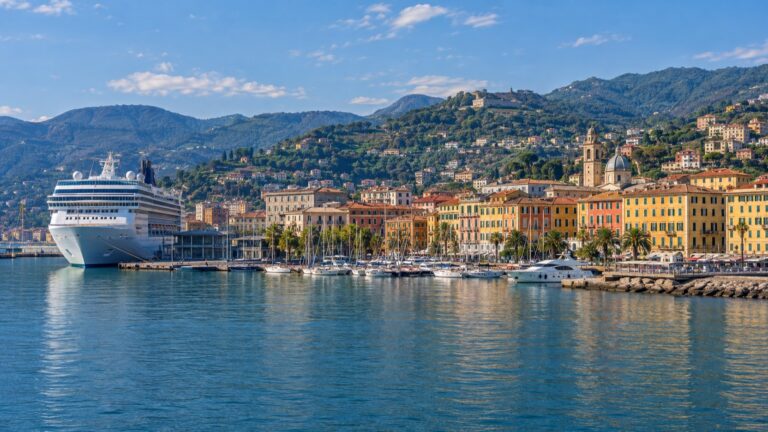
A Po river cruise is, for the most part, a Venice cruise with a lot of highway attached. The ship spends much of the week in the lagoon, and the famous names on the brochure cover are reached by motorcoach from a mooring you have never heard of.
That is not a scam, it is hydrology. The Po is shallow, silted and awkward, and the cities that sell the itinerary sit inland, away from any quay a hotel ship can reach.
My quick take
Book this for Venice and the lagoon, and treat everything inland as a bonus. If you book it for Verona and Mantua and Ferrara, you will spend the week doing sums about motorcoach time.
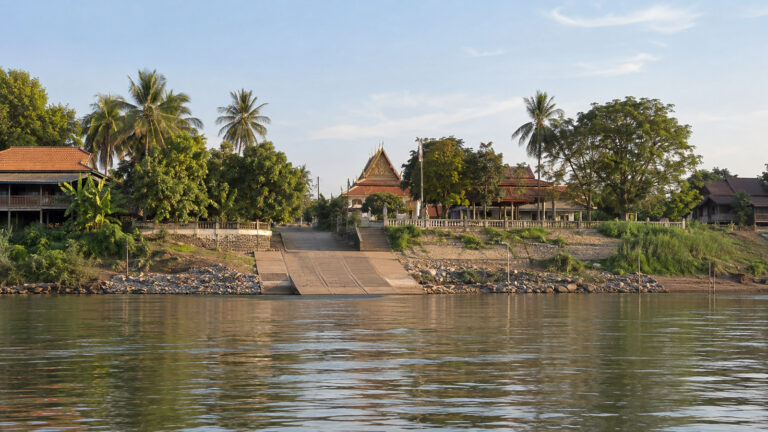
My default is the inland version, because I would rather see the Polesine flatlands and a lock cycle than do a fifth day of lagoon islands. But I go in knowing that the moorings are rural embankments with a parking lot, and that the day starts on a bus.
The thing I would not do is build a once-in-a-lifetime trip around a Po sailing in a dry summer. Low water on this river is a recurring problem, not a freak event, and your itinerary can be rewritten while you are on board.
The quick facts
- Where you land: there is no single Po cruise port. CroisiEurope publishes its MS Michelangelo route as Venice, Mazzorbo, Chioggia, Porto Viro, Canda, Ostiglia and Mantua, while Uniworld lists its S.S. La Venezia week as Venice, Mazzorbo and Chioggia only.
- How you get ashore: every call is a gangway walk-off onto a quay, because river ships never tender. Rafting two abreast is possible in Venice and Chioggia where quay space is short, but at the inland moorings you are usually the only ship there.
- Into town: At the inland stops there is often no town to speak of, just an embankment, a road and a waiting motorcoach.
- Currency and language: The euro and Italian; English is normal in Venice and Verona and much thinner in the Polesine villages.
- Getting around cost: practically everything inland is an organized motorcoach, included or optional depending on your line. Independent taxis and buses in the rural Po moorings are scarce enough that I would not plan around them.
- Time zone: Central European Time, UTC plus one, and UTC plus two during daylight saving time.
- How often the call is missed: No reliable percentage is published. CroisiEurope warns that navigation and weather can disrupt the route and cancel intermediate stops.
Why the Po river cruise is mostly a lagoon cruise
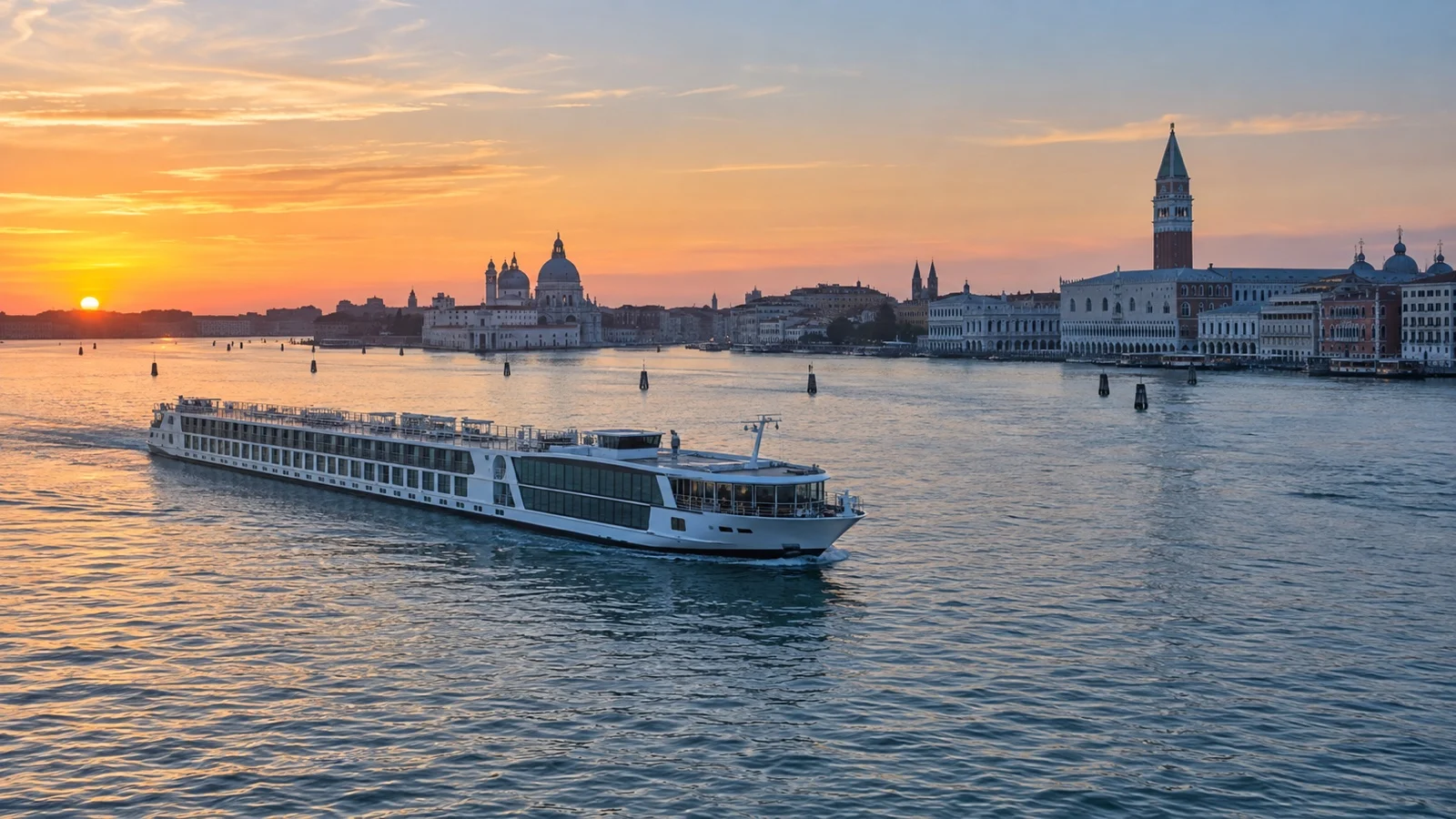
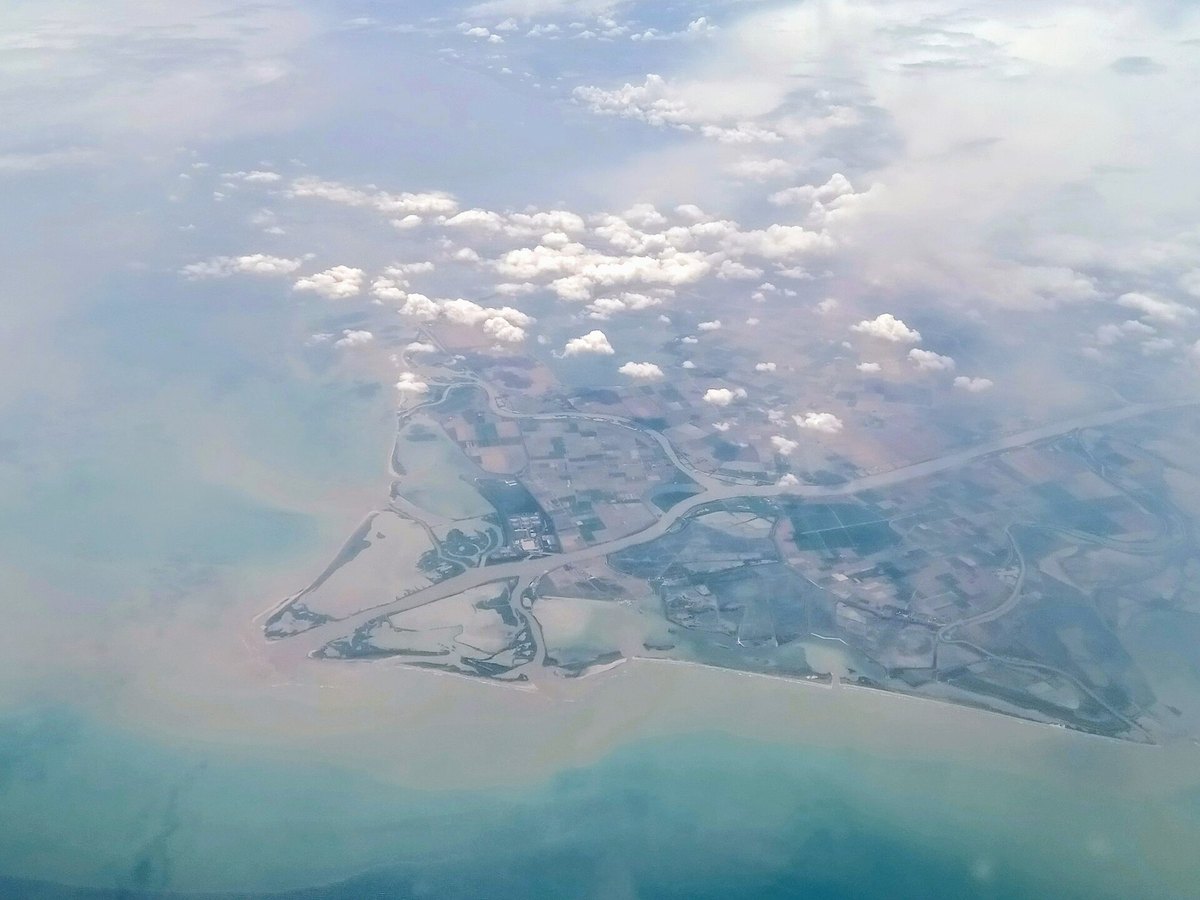
Start with the map, because it explains the whole product. Venice sits in a lagoon, and the Po reaches the Adriatic about 30 miles to the south, through its own delta.
The two are joined by a canal, not by open water. AIPO describes the Canale Po-Brondolo, the link from the Po to Chioggia, as a roughly 12-mile cut, with the Volta Grimana lock at Loreo controlling the junction.
So a ship leaving Venice for the Po is not sailing down a river. It is crossing a lagoon, entering an artificial channel, locking through, and only then joining a working waterway.
Polesella is the name that circulates in older brochures and forum threads as the Po mooring for the Ferrara motorcoach run. I could not confirm it on any current mainline itinerary, and if your booking names it, ask your line to put the mooring in writing rather than trusting a brochure map.
The small-ship end of the market behaves differently again. European Waterways runs the 20-passenger hotel barge La Bella Vita between Venice and Mantua using the lagoon, the Po and the Canal Bianco, which is the size of vessel this waterway was really built for.
The bit nobody puts in the brochure: you get off the ship to move it
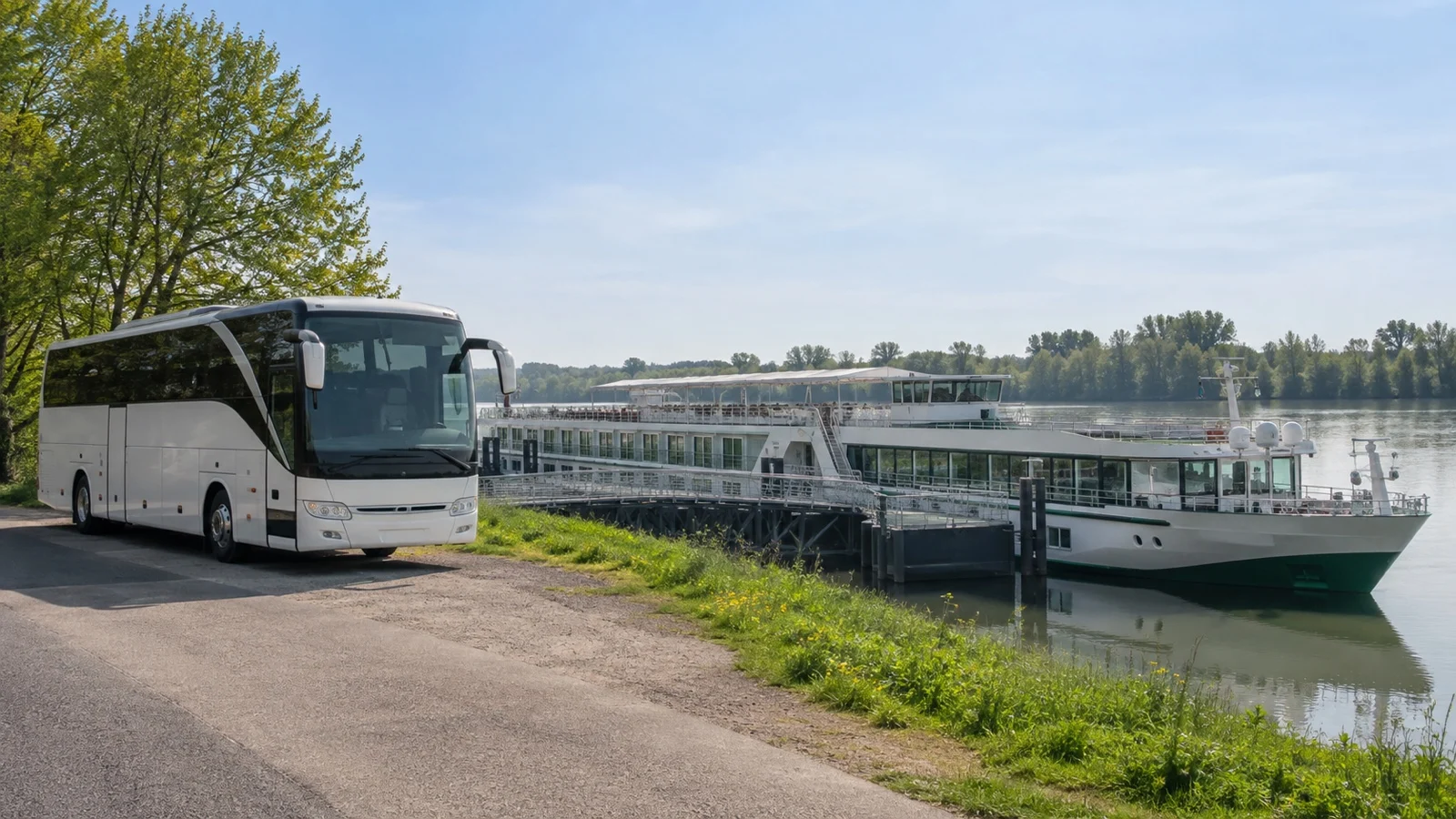
Here is the detail that tells you everything about this river. On the Venice to Mantua route, CroisiEurope states plainly that passengers cannot remain on board between Chioggia and Porto Viro.
You leave the ship at Chioggia, go off on a motorcoach excursion to Padua, and rejoin the vessel farther on. The ship makes the delicate canal and lock transit without you.
The constraints continue upstream. CroisiEurope warns that the Canal Bianco stretch involves frequent low bridges, with sun deck access restricted while the ship passes under them.
Locks are the other pinch point. AIPO lists working locks at Isola Serafini, Cremona, Acquanegra Cremonese, Valdaro, San Leone at Governolo, Pontelagoscuro, Volta Grimana, Valpagliaro and Valle Lepri, and shows the old Governolo lock as out of service.
One lock going down takes a chunk of the network with it, and there is rarely an alternative route. That is why the answer to a mechanical failure here is usually a longer motorcoach ride rather than a different course.
Drought is the real risk, and it is getting worse
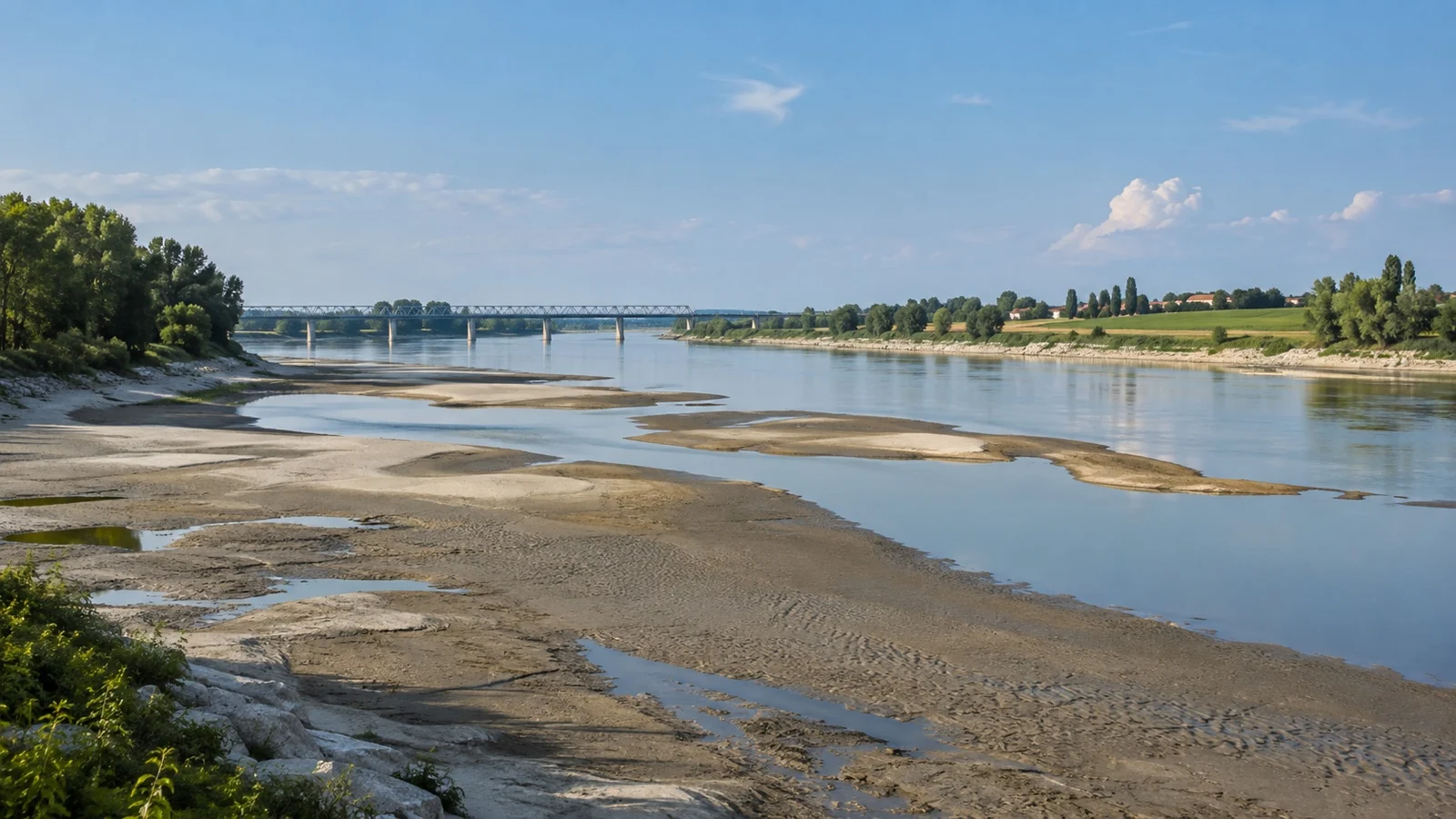
Every European river cruise carries some water risk, but the Po carries more of it than most. It drains the whole Italian north, it is heavily drawn on for agriculture, and its summer flows have repeatedly collapsed.
The Po River District Basin Authority, the government body that manages the basin, runs a permanent observatory on water crises and talks openly about recurring shortage and seasonal deficits that rainfall only partly makes up. That is an institution describing a pattern, not a bad week.
Lines handle this differently and none of them will promise you the printed itinerary. The mechanics of how these changes are made are the same across Europe, and I have written them up separately in my explainer on what low water actually does to a river cruise.
My practical advice is to book the shoulder months rather than high summer, and to buy insurance that covers itinerary change rather than only cancellation. Then check the AIPO bulletin in the week before you fly, so the news does not arrive as a surprise from a cruise director.
The stops I would actually spend time on
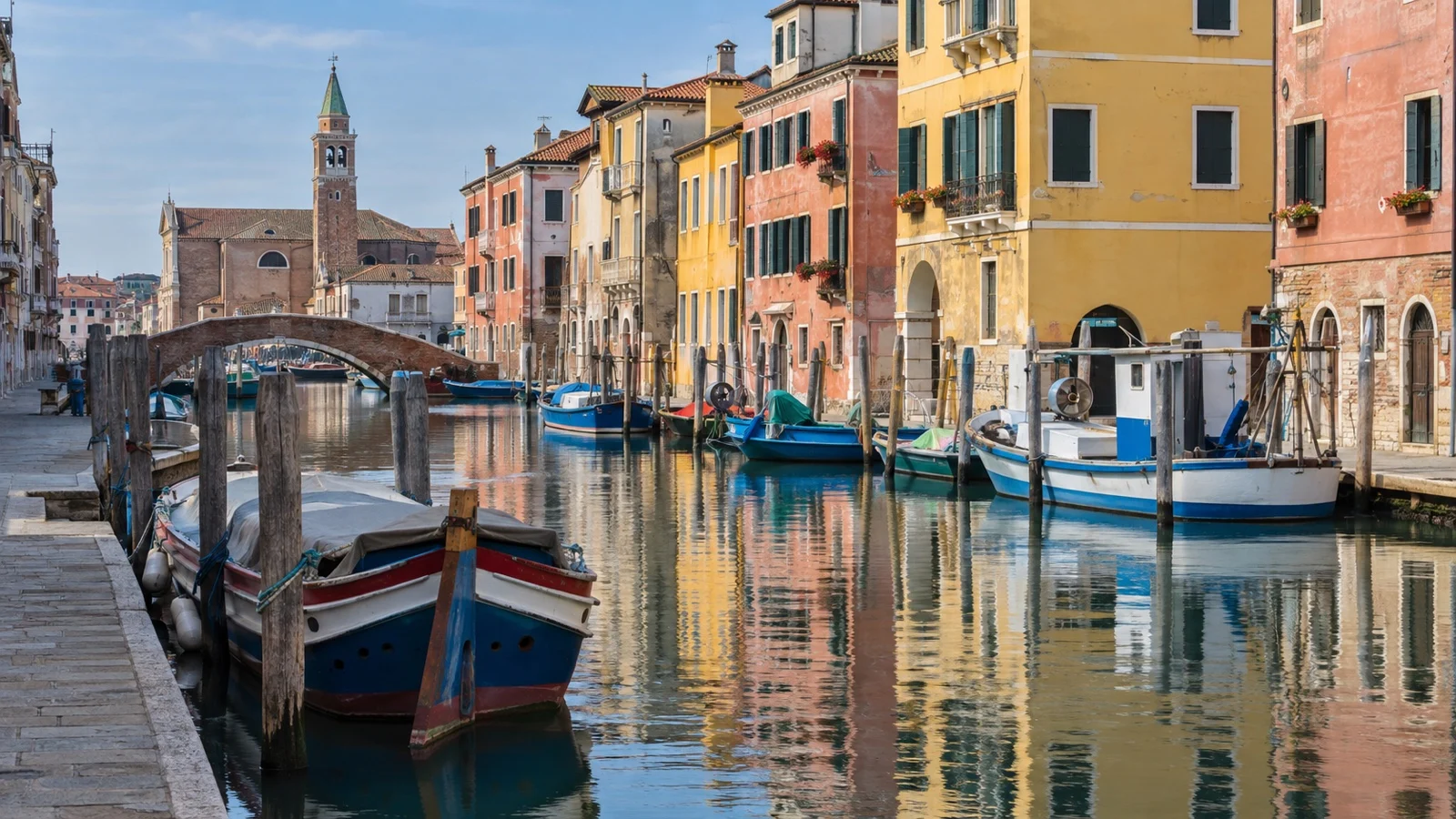
These are the places worth the motorcoach, roughly in the order I rate them. Almost none of them are within walking distance of a mooring, which is the point.
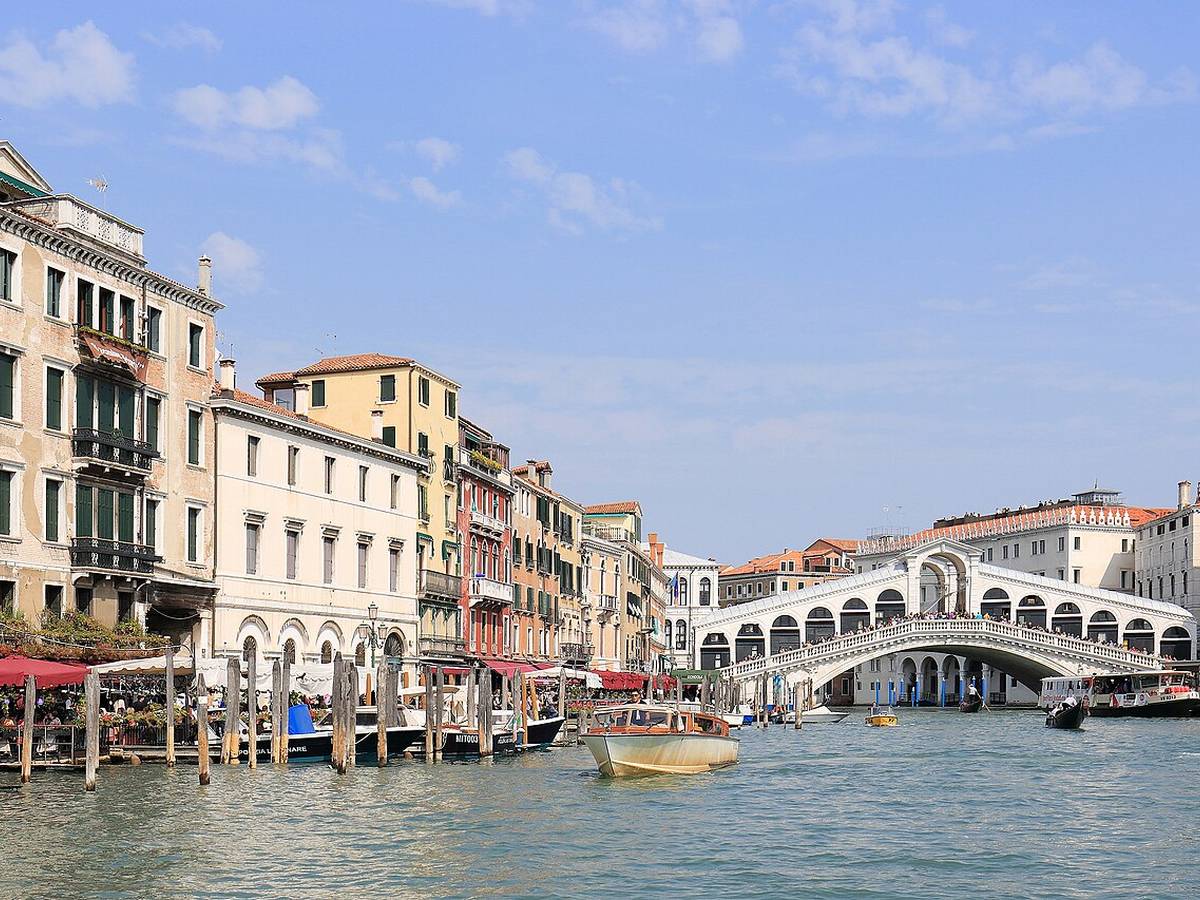
- Venice: the reason the itinerary exists, and you get several days of it. Use the early mornings and the evenings, when the day trippers from the mainland are not there.
- Chioggia: a working fishing town at the southern end of the lagoon, with canals and no crowds. It is the one inland-ish stop you can walk straight into, and the fish market is the honest version of what Venice sells as atmosphere.
- Verona: inscribed by UNESCO as the City of Verona in 2000 for two thousand years of continuous urban development. The Roman Arena is the centerpiece, and Arena di Verona runs its opera festival across the summer, from mid-June to mid-September.
- Mantua: a Gonzaga city on three artificial lakes, listed by UNESCO with Sabbioneta in 2008. The Ducal Palace is enormous and the Camera degli Sposi is the thing to see if you only see one room.
- Ferrara: the moated Este castle and Biagio Rossetti’s Addizione Erculea, an actual piece of Renaissance town planning you can walk around. Flat, quiet and easy to like.
- Padua: the Scrovegni Chapel frescoes by Giotto, part of a UNESCO listing made in 2021. Booking is compulsory and same-day tickets are not sold, so this one has to be arranged in advance.
- The Po Delta: lagoons, reedbeds and salt pans, best seen from a small boat rather than from a motorcoach window. It is a serious birdwatching landscape and a genuinely strange one, half farmland and half water.
- Bologna: usually an optional long day, and a long one it is. Worth it for the porticoes and the food, not worth it if you are already tired of buses.
Fun fact: the UNESCO World Heritage property here is called Ferrara, City of the Renaissance, and its Po Delta, and it covers about 180 square miles. The flat, unremarkable farmland sliding past your cabin window is inside a World Heritage site.
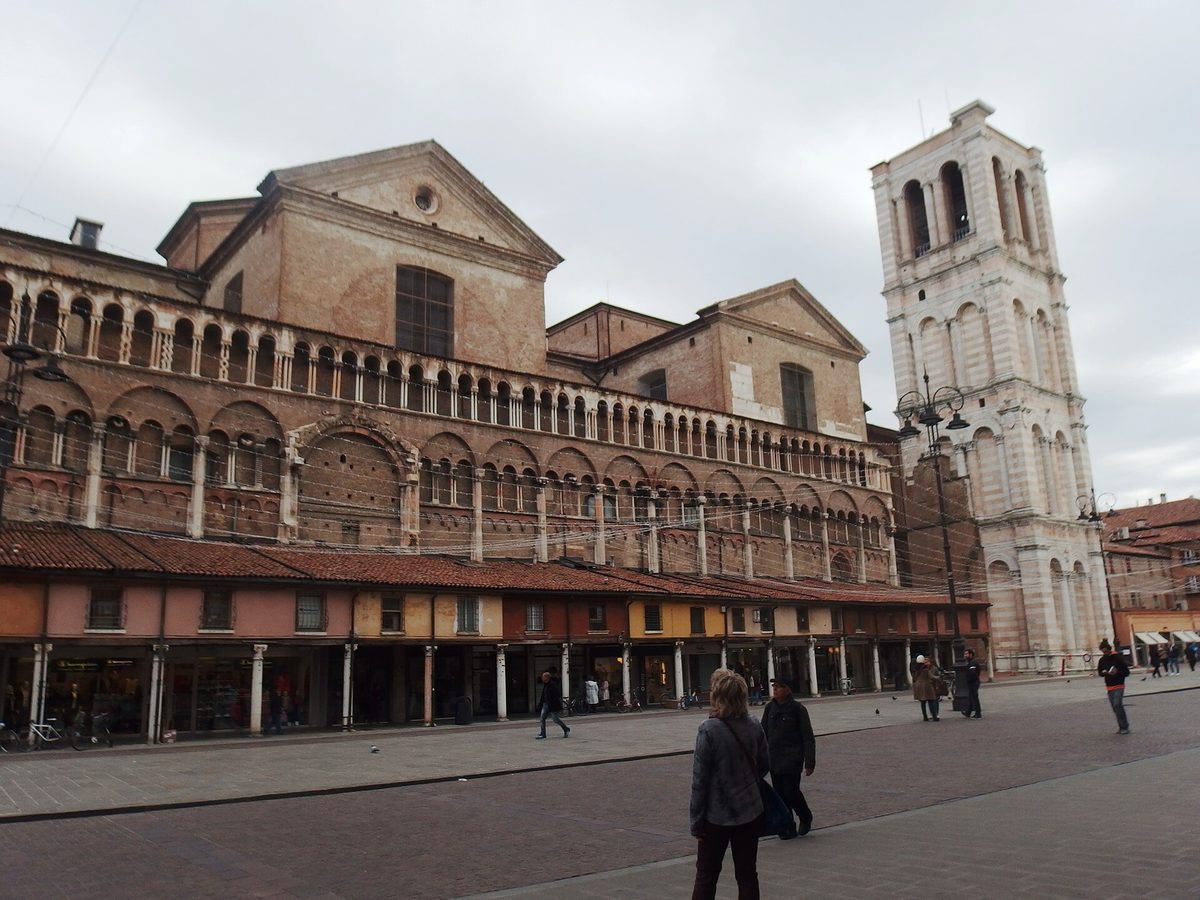
How I would plan the day
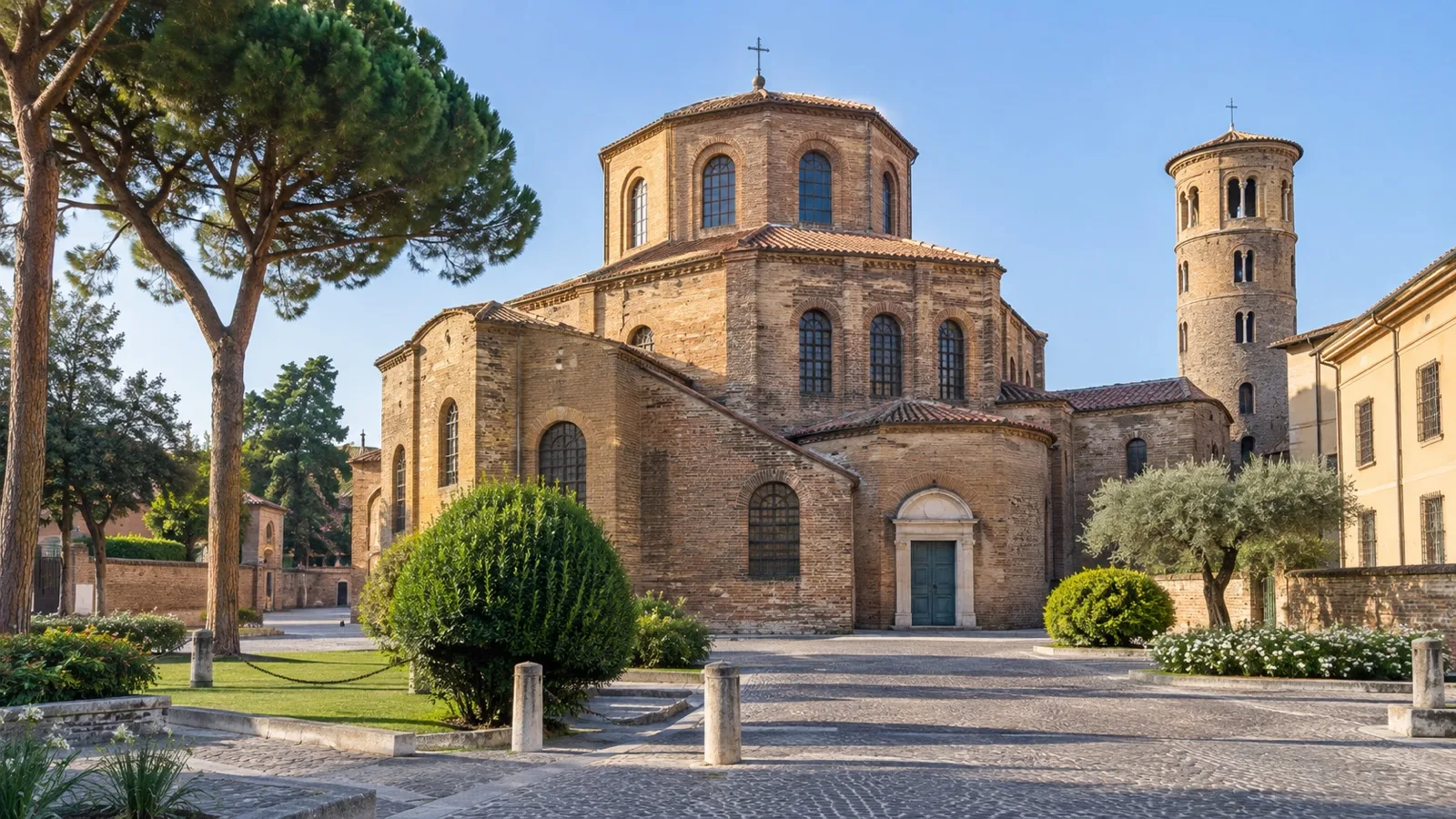
Work out the motorcoach time first, before anything else. Ask reception for the departure and return times of every excursion on offer, and subtract them from the day.
On a Verona or Mantua day I take the ship excursion without hesitation, because there is no realistic independent alternative from a rural embankment. This is the opposite of my usual advice, and the geography forces it.
On a Venice day I do the reverse and go independently, because the city is right there and the ship tour will spend an hour walking you to somewhere you could have found. Book the Scrovegni Chapel yourself if Padua is on your list, since the official site takes reservations and refuses same-day sales.
Keep one day completely empty. The version of this trip that works has two big motorcoach days, not five.
A realistic word on accessibility
This is one of the harder river products for anyone with mobility limits, and I would not soften that. The sightseeing is delivered by motorcoach, and motorcoach steps are the first obstacle nobody mentions.
The moorings themselves vary from a proper quay to a sloping riverbank with a temporary gangway. On the Po the water level moves a great deal through the season, which means the angle of that gangway moves too.
Venice is its own problem, with step bridges over most canals, and Chioggia is flatter but still cobblestone. Most river lines carry folding wheelchairs and refuse mobility scooters outright, so ask before you book rather than after.
If a step-free day matters more than the destination list, this is not the itinerary I would choose first. My roundup of river cruise ports that are not walkable covers the same problem across the continent.
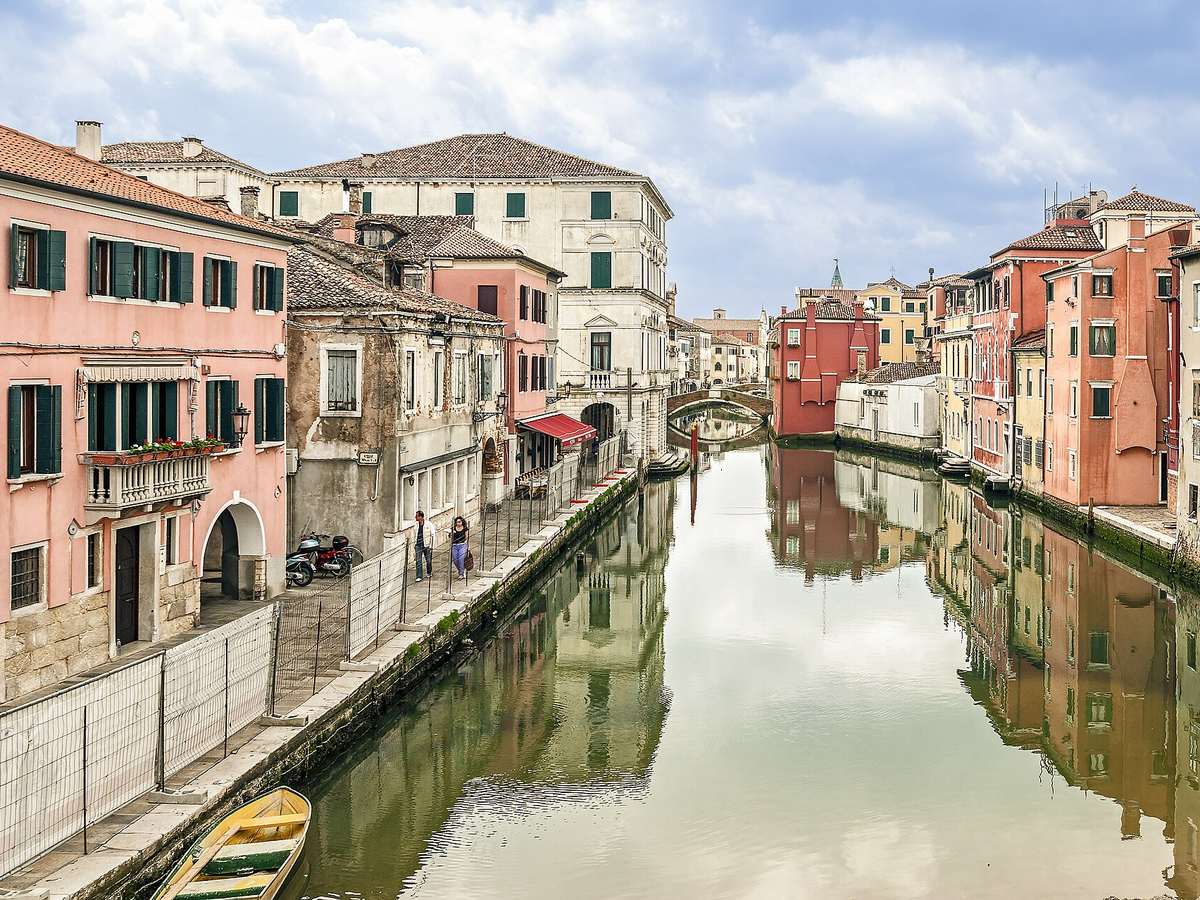
When to go, and the weather
The Po valley is not a mild Mediterranean climate, whatever the pictures suggest. It is a flat inland basin that gets hot, humid and hazy in summer and cold and foggy in winter.
July and August routinely reach the upper 80s and low 90s Fahrenheit, with high humidity and very little breeze once you leave the coast. That is also the driest part of the year for the river, which is the reason I avoid it.
May, June and September are the sensible windows, with daytime highs generally in the 70s Fahrenheit. Spring carries more rain and a healthier river, which is a fair trade.
Winter sailings exist around the Christmas markets, and the Po valley fog is real. Expect temperatures in the 30s and 40s Fahrenheit, and pack for damp cold.
The practical checks I would make before a Po itinerary
Ask the line to list every overnight mooring, hotel night, passenger-free vessel movement, and motorcoach segment before the final payment date. Venice, Chioggia, Porto Viro, Polesella, and Mantua describe very different operations, and the itinerary title does not prove the ship will navigate the Po every day.
For Padua’s Scrovegni Chapel and other protected timed sites, reserve only a slot that fits the official coach plan and follow bag, photography, and entry rules. Venice access arrangements and local charges vary by date and lodging status, so use the city’s official portal rather than a reseller or an old blog.
Drought, floods, fog, heat, and lock restrictions can rewrite the route, while independent rail or road returns are risky from rural moorings. Keep documents and medication with you on every motorcoach day and aim to reach the line’s meeting point at least 45 minutes before departure.
Quick answers
Does a Po river cruise actually sail on the Po:
Some do and some do not. CroisiEurope’s Venice to Mantua route uses the Po and the Canal Bianco, while Uniworld’s Venice itineraries stay in the lagoon and at Chioggia.
Why does the ship dock so far from the cities:
Because Verona, Mantua, Ferrara, Padua and Bologna are inland cities without a quay for a hotel ship. The waterway runs through farmland, so the moorings are in farmland.
How much of the week is spent on a motorcoach:
More than any other European river cruise I know of, with two to four motorcoach excursions in a typical week. Ask for the specific departure and return times before you book excursions.
Will drought cancel my cruise:
Outright cancellation is uncommon, but itinerary changes in dry summers are not. The Po River District Basin Authority treats water shortage in this basin as a recurring condition rather than an exceptional one.
Is Chioggia worth getting off for:
Yes, and it is the only inland stop you can explore properly on foot. Go for the fish market and the canals, and skip the beach resort side at Sottomarina.
The last word
I like this itinerary more than my tone suggests, but I like it for what it is rather than what it is sold as. It is a Venice and Veneto tour with a floating hotel, and the river is the transportation, not the attraction.
If Venice itself is the draw, and for most people it is, read my Venice cruise port guide before you go, because arriving by river ship puts you in a completely different part of the city from the ocean liners. The two experiences share a name and almost nothing else.
And if you are weighing this against an ocean itinerary down the Adriatic, my overview of Italy’s cruise ports is the place to compare. Ravenna and Trieste will show you more of Italy in a week, with far less time spent looking at the back of a motorcoach seat.
Book it for the lagoon, accept the buses, and check the river gauge before you pack. The Po is a magnificent river to have crossed and a frustrating one to depend on.
How this guide was researched: This guide was independently checked on September 12, 2026, against official source 1, official source 2, official source 3, the official sites linked in the article, and current operator instructions. Reconfirm the berth, ship, transfer, attraction access, weather, waterway status, entry rules, accessibility, and all-aboard time because live operations can change.