Bến Tre River Cruise Port: Coconut Candy, Canals and the Slow Mekong Delta
Bến Tre is a coconut-growing corner of the Mekong Delta where the classic cruise day combines a motorboat, a narrow sampan, a small workshop, and a country lane. It is better understood as an excursion area than as a conventional cruise port.
That distinction matters because there is no single passenger terminal that every line uses. Your cruise documents may describe Bến Tre, Mỹ Tho, or both, while the actual transfer point can change with the vessel and local conditions.
Bến Tre quick facts
- What this stop is: Usually a guided excursion into Bến Tre’s waterways and coconut country, not a visit to a standardized cruise terminal.
- Arrival: The ship’s daily program controls whether you transfer by local boat, tender, coach, or a combination.
- Best first visit: Pair a canal ride with one good coconut workshop and a short village walk or cycle.
- Currency: Vietnamese dong (VND); carry small notes for modest purchases and tips.
- Time zone: Indochina Time, UTC+7 year-round, with no daylight saving time.
- Accessibility: Often difficult because small boats may have steps, low seats, narrow boarding points, and no lift.
- How often the call is missed: Roughly 5% as a nonofficial planning estimate; weather, water, landing conditions, or operational changes can alter a scheduled visit.
Is Bến Tre really a cruise port?
Not in the tidy ocean-port sense. Bến Tre has working waterways and local landing places, but cruise companies design their own arrangements around vessel size, route, river conditions, and the day’s excursion.
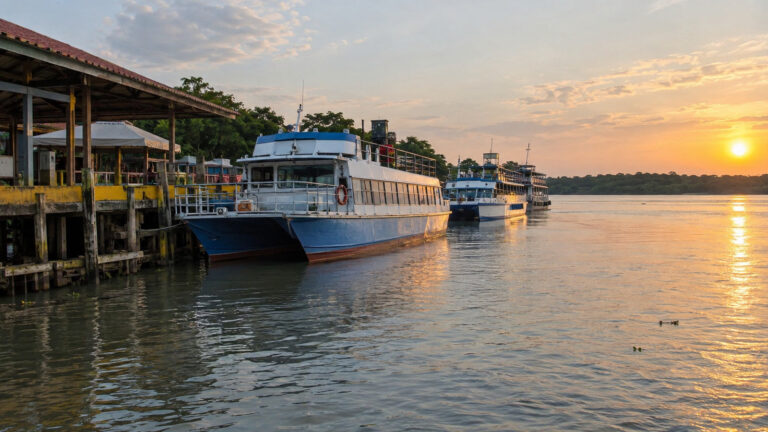
Some itineraries approach the area from neighboring Mỹ Tho, then cross into Bến Tre by local boat or road. Others may use a landing closer to the day’s workshop or village, so a pin labeled “Bến Tre port” is not enough to plan an independent day.
The destination name also outlived a recent administrative change. The former provinces of Bến Tre, Trà Vinh, and Vĩnh Long were combined into the expanded Vĩnh Long Province in 2025, although cruise programs and tourism businesses still use the familiar Bến Tre name.
Check these four things before you leave the ship
- Exact return point: Confirm the landing name or meeting place rather than relying on a town map.
- Final transport leg: Ask whether the return uses the same boat, a different landing, or a coach.
- Boat requirements: Find out how many steps are involved, whether passengers must transfer between boats, and whether a life jacket is supplied.
- All-aboard time: Use the time in the ship’s current daily program, not an app, old itinerary, or online schedule.
Take a photo of the meeting point and save the cruise director’s contact details before setting off. Mobile coverage can weaken on smaller canals, so agree on the fallback plan while everyone is together.
The best half-day plan
For a first visit, choose a program with three pieces: a wider-river boat ride, a quiet sampan canal, and one coconut-focused stop. Add a village walk or short bike ride only if the heat, road surface, and return time make it sensible.
This gives you the scenery and the local industry without turning the day into a relay race between staged demonstrations. The official Vietnam Tourism guide highlights canal trips, coconut-candy workshops, cycling, mat weaving, and brick making as characteristic Bến Tre experiences.
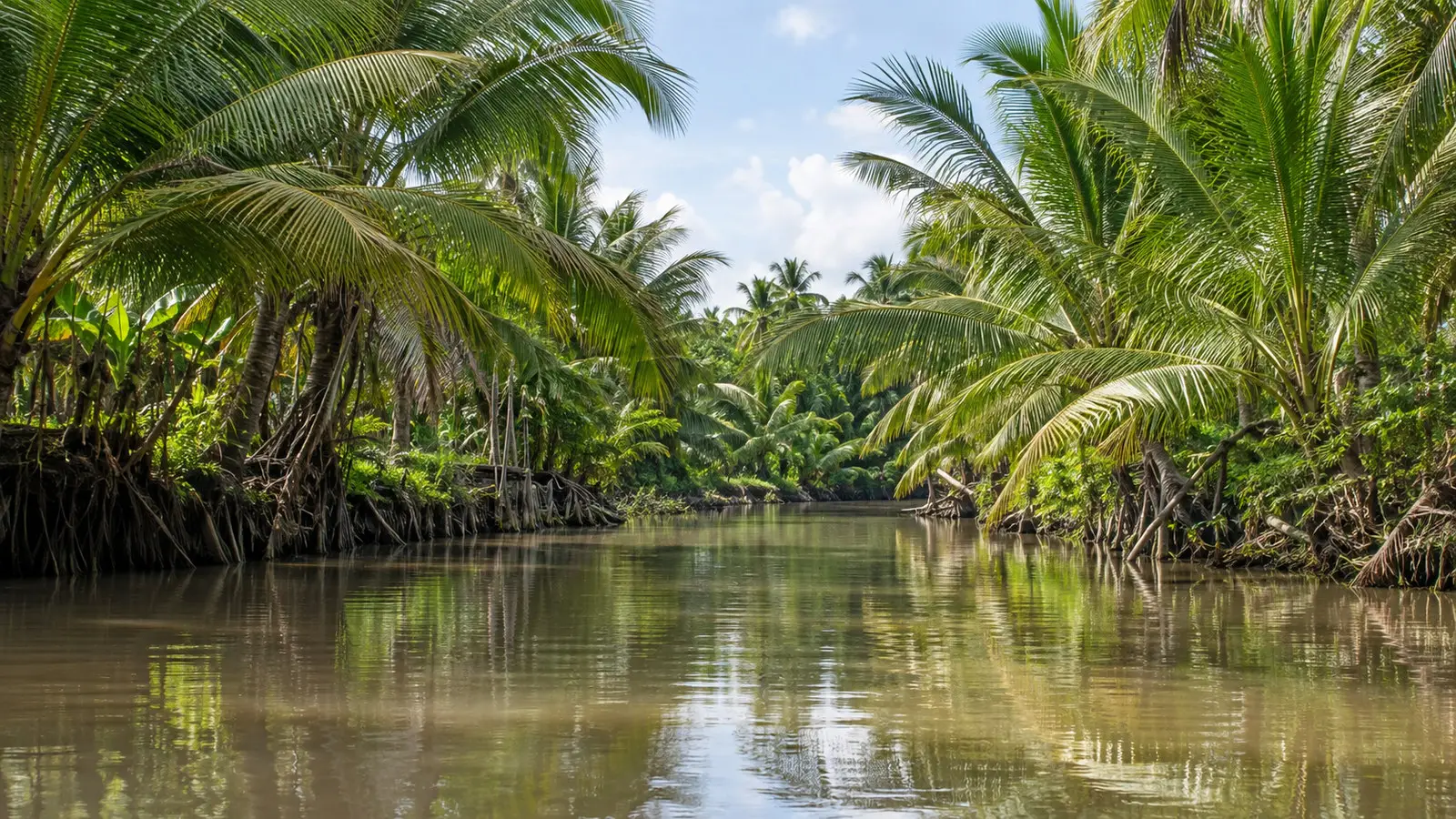
What the canal and coconut stops are like
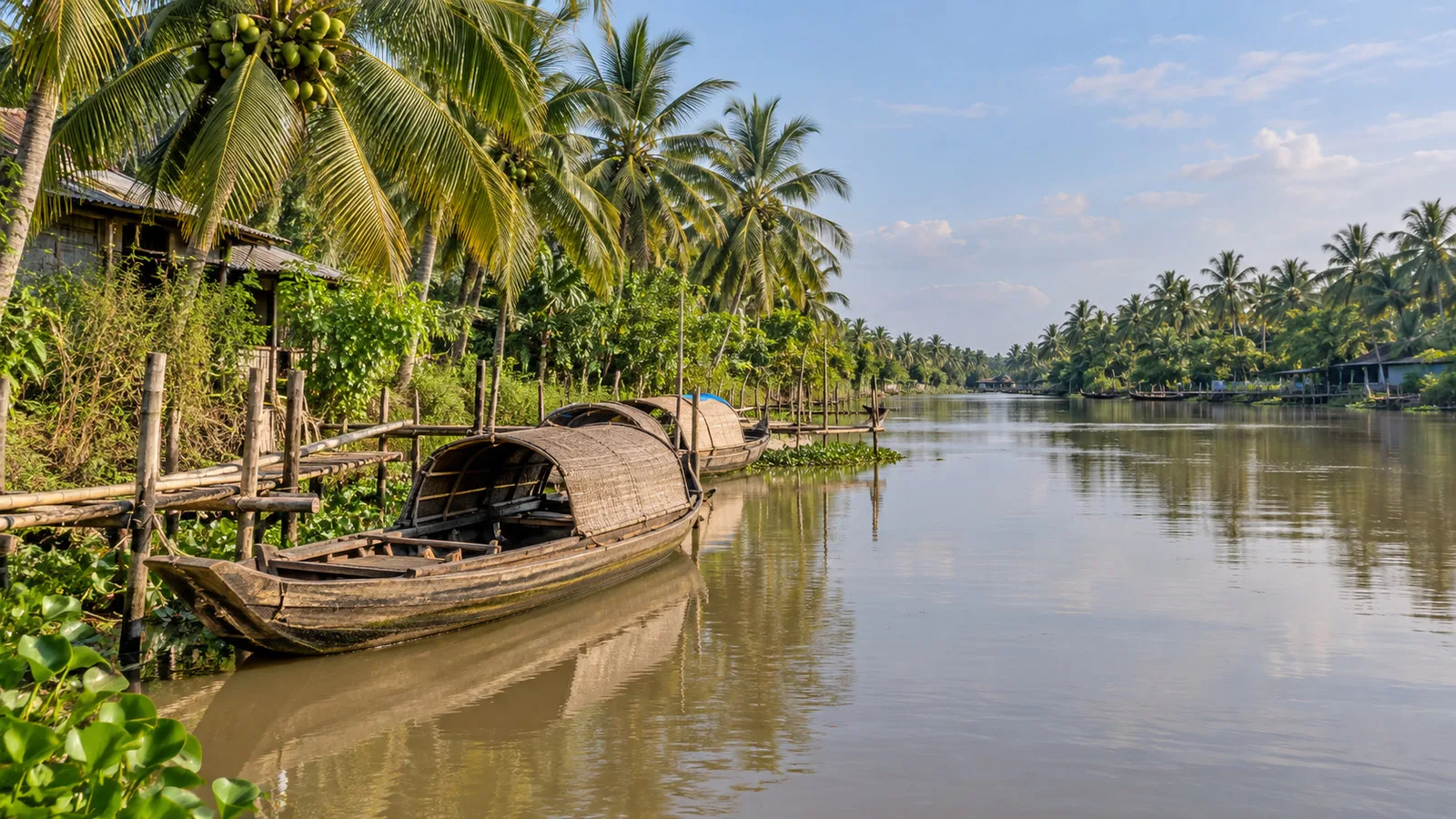
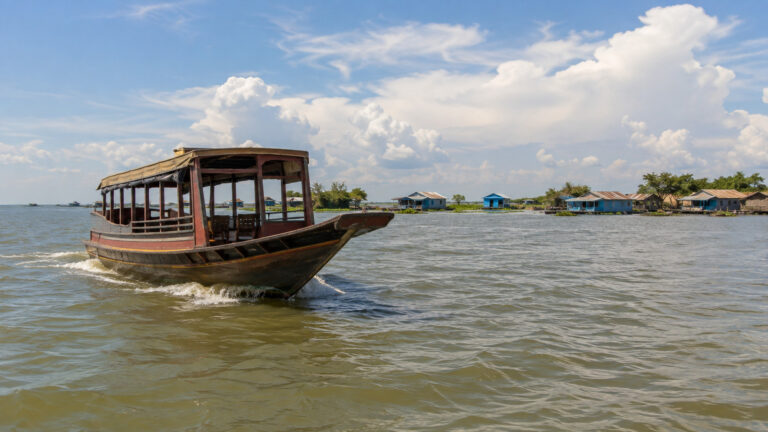
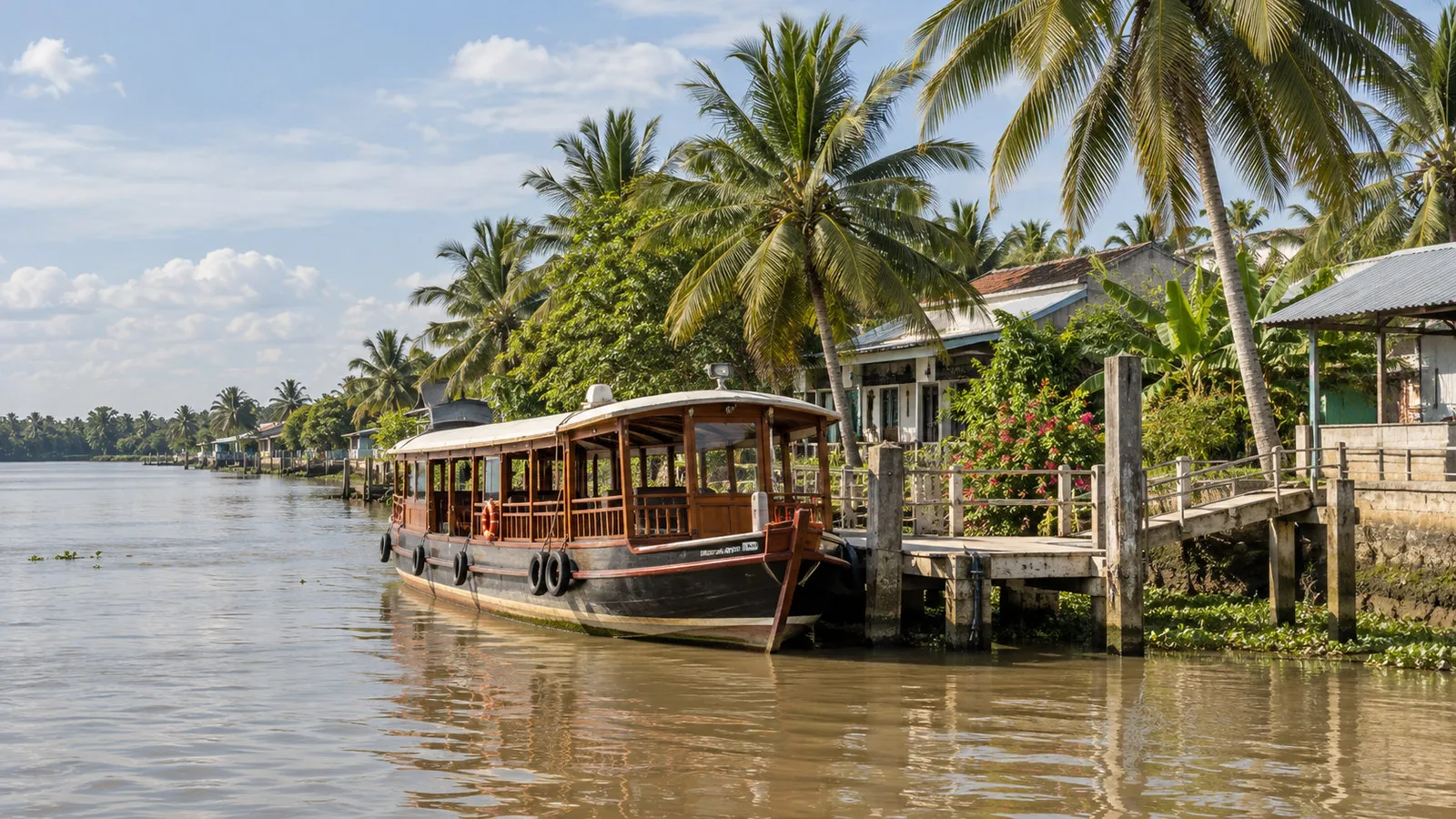
The larger motorboat usually handles the broad river or main canal, while a rowed sampan enters narrower, palm-lined waterways. Routes vary, so treat the scenery as the attraction rather than expecting one famous canal.
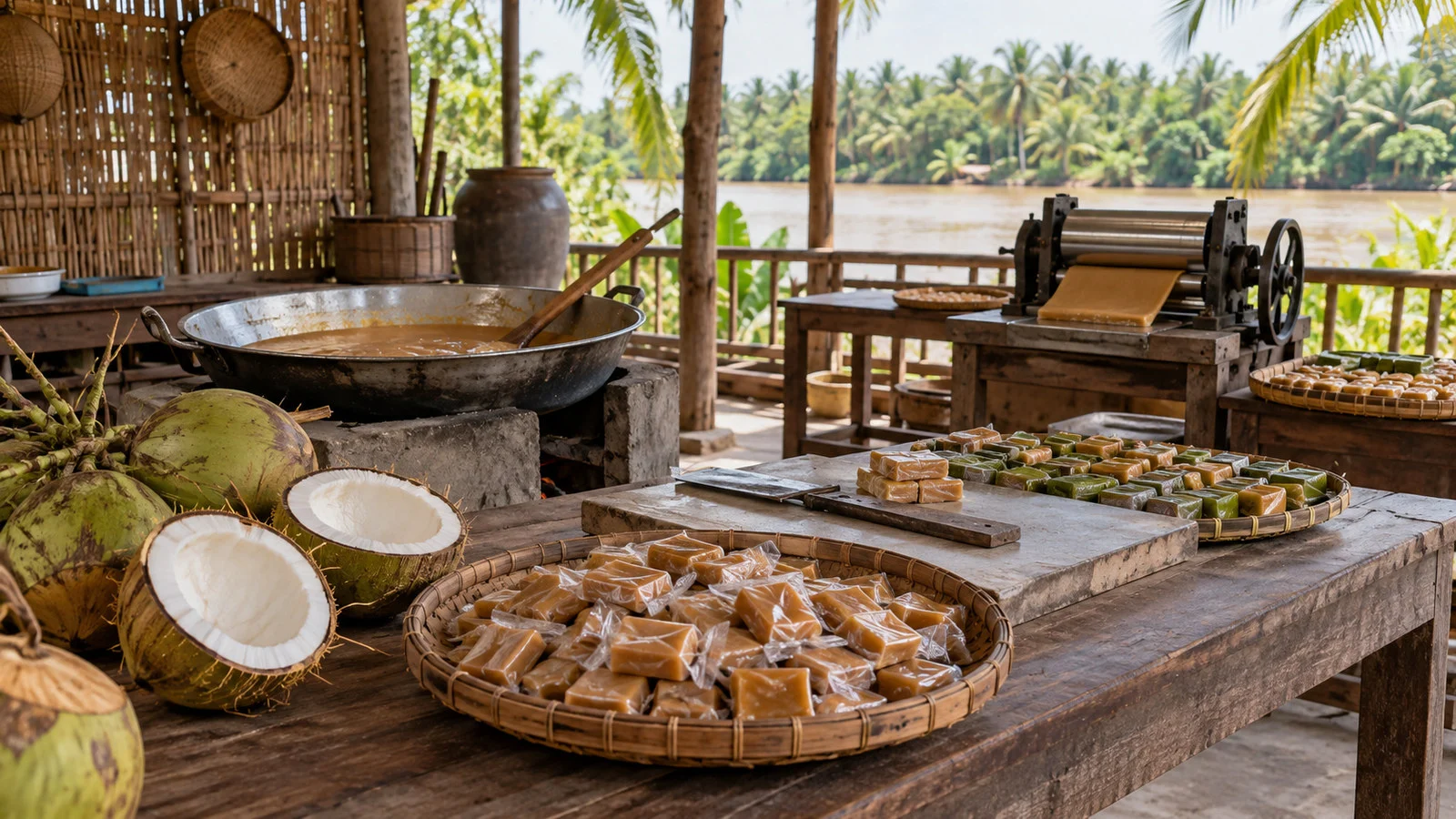
At a coconut workshop, you may see milk reduced for candy, husks turned into coir, or shells made into household items. Demonstrations and samples differ by operator, and a sales stop is common.
Ask about peanuts, sesame, dairy, or other ingredients before tasting if you have allergies. Wrapped food should have an intact package, and sealed bottled water is the safer choice for drinking.
If cycling is included, check the bicycle, test the brakes, and use the helmet provided. The lanes may be flat, but heat, loose edges, pedestrians, animals, and motorbikes can make a supposedly easy ride feel busy.
Mỹ Tho or Bến Tre on the itinerary?
Do not assume that two different destination names mean two completely different excursions. Neighboring Mỹ Tho and Bến Tre can be paired in one day, and both can serve as gateways to canals, orchards, and cottage-industry stops.
Read the activity details line by line before choosing an optional tour. If another day already includes a sampan and candy workshop, look for a Bến Tre program with cycling, a market, a cooking element, or a different craft.
Ship excursion or independent plan?
For most river-cruise passengers, the operator’s included or arranged excursion is the practical choice. It keeps the changing landing, local boat, guide, road transfer, and ship movement in one plan.
Go independently only if your cruise line permits it and you can prearrange a reputable guide or licensed operator who knows the exact pickup and return points. Do not count on finding a boat, taxi, or motorbike ride at an improvised landing.
Confirm the total price, route, inclusions, boat type, life jackets, cancellation terms, and return time in writing. Keep enough Vietnamese dong for small purchases, but avoid carrying a large visible stack of cash.
Accessibility and mobility
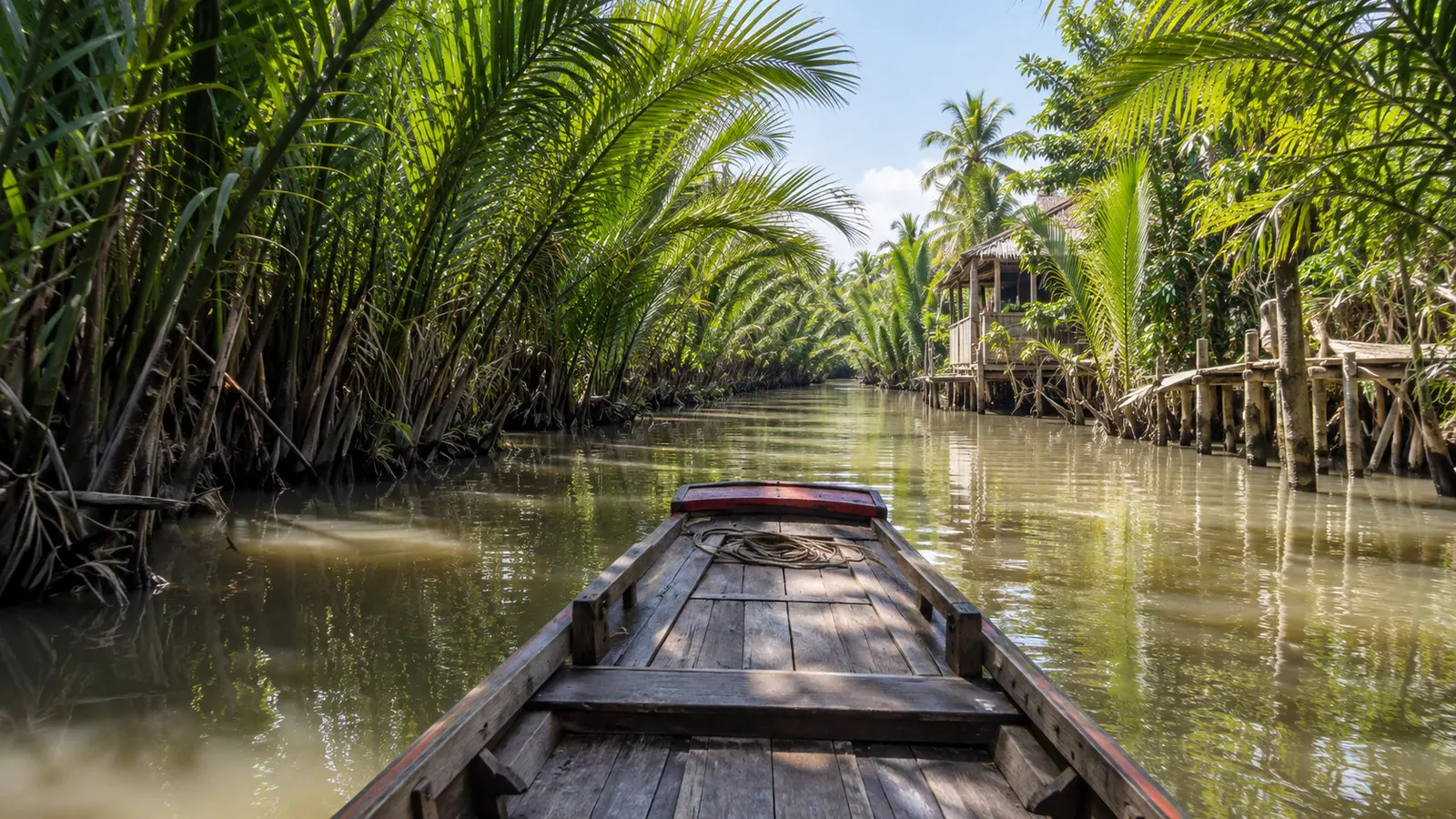
A typical Bến Tre excursion can be challenging for wheelchair users and anyone who cannot manage an unsteady step. Small craft may sit below the landing, and boarding can involve steps, a narrow plank, low seating, or assistance by hand.
Ask the cruise line for the actual transport plan before booking, including step counts, handrails, seat height, walking distance, surface, restroom access, and whether a wheelchair can stay with you. “Vehicle-based alternative” does not automatically mean step-free, and one should not be promised unless the operator confirms it.
Travelers who skip the sampan may still be able to visit a roadside workshop or have a short drive through coconut country, but availability depends on the program. A lightweight folding mobility aid may be easier to handle, yet the crew must approve storage and transfer arrangements.
Families should ask about child-size life jackets and safe boat transfers before leaving the ship. A carrier can be more practical than a stroller on steps and narrow paths, provided the adult can use it safely.
Heat, rain, mosquitoes, and boat safety
Expect heat and humidity, even when the sky looks hazy. Wear breathable clothing, a brimmed hat, and shoes with grip, then carry water and take shade breaks rather than trying to tough it out.
Southern Vietnam can have heavy seasonal rain and flooding, while river conditions can change the route or landing. The Mekong River Commission publishes near-real-time hydrometeorological monitoring, but your ship’s local team makes the operational call.
CDC lists dengue as a year-round risk and advises travelers to prevent mosquito bites. Apply repellent as directed, especially around shaded canals, and consult a clinician before travel for personal vaccine or medication advice.
Use the life jacket provided and keep both hands free while boarding. Put your phone and documents in a zippered water-resistant pouch, because a canal is spectacularly unforgiving of loose pockets.
Money, connectivity, and practical safety
The Vietnamese dong is the official currency, and small vendors may be cash-only. Exchange or withdraw money before the excursion rather than expecting an ATM beside a rural landing.
Vietnam is at Level 1, “exercise normal precautions,” in the current U.S. State Department advisory, although petty crime can occur in tourist areas. Keep a hand on your phone and bag near roads and markets, and use only prearranged or verified transport.
Save emergency numbers offline: 113 for police, 114 for fire and rescue, and 115 for ambulance. Tell the ship immediately if you need help, since its local team can explain your location and coordinate the response.
How to protect the return to the ship
Treat the last local boat as part of the ship connection, not as spare sightseeing time. Be back at the assigned meeting point before the stated time and stay with the guide if the landing changes.
If you are independent, build extra margin for slow canal traffic, rain, bridge traffic, and a pickup that cannot reach the water’s edge. Never assume the river ship will remain in the same place after the published departure.
If weather deteriorates, follow crew instructions and do not pressure a small-boat operator to continue. A shortened excursion is annoying; a risky transfer is worse.
How Bến Tre fits a Mekong cruise
Bến Tre works best as the quiet, close-up delta day in a broader Mekong cruise. The canal scale contrasts nicely with market and town calls elsewhere in the region.
Compare the detailed activities with Cái Bè and Tân Châu before paying for optional add-ons. Our Vietnam cruise ports guide helps put the whole route in context.
Quick answers
Do river cruise ships dock in Bến Tre?
There is no single standardized passenger terminal used by every itinerary. Your line may arrange a local landing, a small-boat transfer, or an excursion that approaches Bến Tre from neighboring Mỹ Tho.
Can I walk into town from the landing?
Do not plan on it until the cruise line identifies the exact landing and pedestrian route. Many excursion stops are in the countryside and continue directly by boat, van, bicycle, or on foot with a guide.
What should I prioritize?
Choose a quiet sampan canal and one well-explained coconut workshop. Add cycling or another craft only if it brings something different from your other Mekong stops.
Is Bến Tre wheelchair accessible?
Many small-boat programs are not independently wheelchair accessible, and no universal terminal standard applies. Ask for exact transfer details and a confirmed alternative before booking.
What should I bring?
Bring small VND notes, water, sun protection, insect repellent, rain protection, and shoes with grip. Add a water-resistant pouch for your phone and ship contact information.
The bottom line
Bến Tre is worth the stop when the program gets you off the broad river and into the coconut landscape. Let the cruise team handle the moving parts, then spend your attention on the canal, the craft, and the warm candy sample.
Official planning sources: Vietnam Tourism’s Mekong Delta guide, the Vietnamese government notice on the 2025 provincial reorganization, Mekong River Commission monitoring, CDC Vietnam traveler guidance, and the U.S. State Department Vietnam advisory.
How this guide was researched: Unless a first-hand visit is explicitly identified above, this guide is based on independent research using official tourism, government, river-monitoring, health, and safety sources. Logistics and time-sensitive details were reviewed in September 2026; see our Editorial Policy.