Vietnam Cruise Ports: A Planner’s Guide to Every Stop
Vietnam looks wonderfully straightforward on a cruise map: a long coastline, four headline ports, and famous places waiting just inland. The reality is more interesting, because each call asks a different planning question.
Phu My is a gateway to Ho Chi Minh City, Chan May opens several competing routes through central Vietnam, Ha Long Bay may be both the port and the main event, and Nha Trang can deliver the easiest beach day. I have set out the differences below so you can match the port to the experience you actually want.
Quick Facts
- Main cruise calls: Phu My, Chan May, Ha Long Bay, and Nha Trang
- Currency: Vietnamese dong
- Language: Vietnamese, with English common in major tourism settings
- Best planning habit: Confirm the berth, terminal, or tender landing shown by your cruise line
- Most transfer dependent: Phu My for Ho Chi Minh City
- Best scenic port day: Ha Long Bay
- Best central heritage gateway: Chan May
- Entry check: Use Vietnam’s official immigration guidance and your cruise line’s instructions
First, Identify Where Your Ship Really Arrives
A Vietnam itinerary often prints the destination travelers recognize rather than the exact place where the ship clears the port. That difference can shape nearly every hour of your day.
Read the arrival notice in the cruise app or daily program, then note the berth name, port gate, shuttle arrangements, tender landing, and all aboard time. If the operator has not confirmed those details yet, keep your plan flexible instead of booking a pickup at a guessed address.
Industrial terminals may not allow passengers to wander through working areas, and a berth can change because of ship size, traffic, weather, or port operations. Arrange transport that is authorized to meet your ship, or use the cruise line’s transfer when access rules are unclear.
Phu My Cruise Port
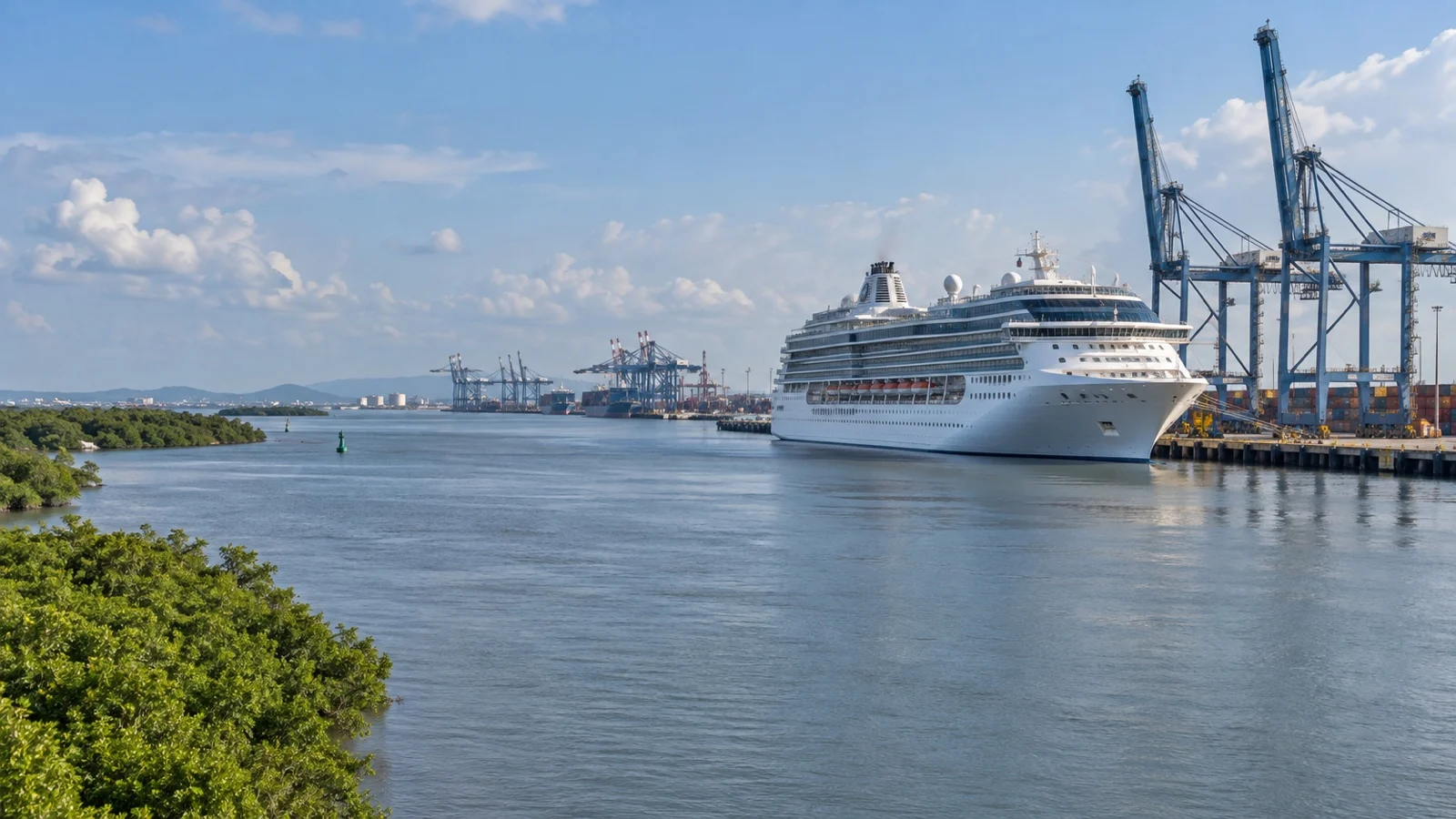
Phu My is the southern Vietnam call most often paired with Ho Chi Minh City, but the two names should never be treated as interchangeable. The ship normally uses a working port area in Ba Ria Vung Tau province, while the big city lies well inland across roads that can be busy.
This is the Vietnam stop where I would value a reliable return plan over an ambitious checklist. A private car with a vetted operator or a ship excursion gives you more control than hoping to find suitable transport outside a restricted gate.
Best for Ho Chi Minh City
Ho Chi Minh City offers the grand colonial era landmarks, moving war history, markets, coffee culture, and restless street life many travelers picture when they imagine southern Vietnam. The official tourism site highlights central sights and food experiences, but a cruise visit requires ruthless editing.
Choose a compact core rather than trying to see every district. A practical city day might combine one or two historic sites, a guided neighborhood walk, and lunch, leaving a generous buffer for the trip back to Phu My.
Traffic is not a small footnote here. An incident, heavy rain, or congestion can change the return journey, so agree on a firm departure time with your guide and keep the driver’s phone number available offline.
A Lower Stress Alternative: Vung Tau
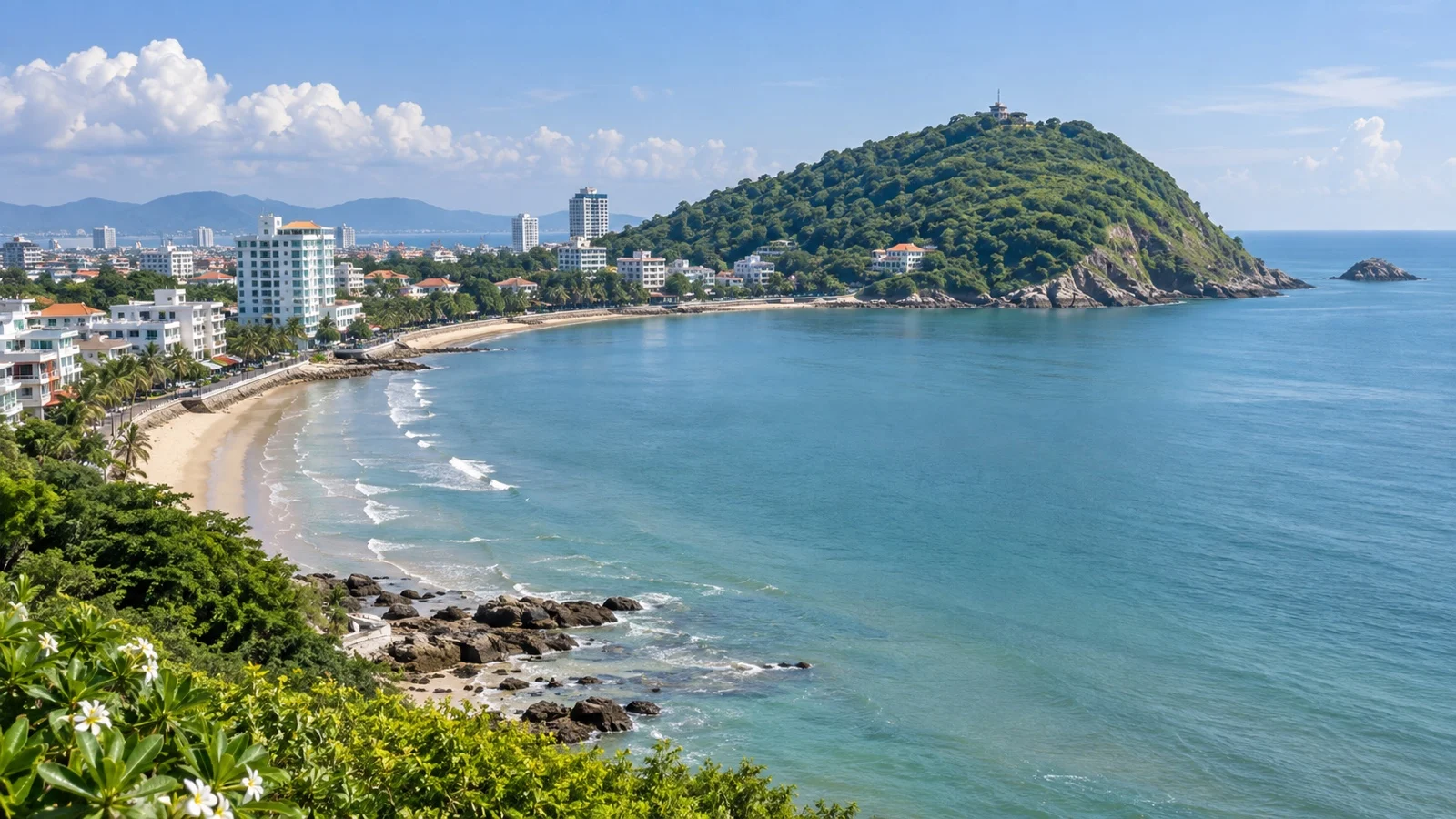
Vung Tau is closer to the port area and can make a calmer alternative for travelers who dislike long coach rides. Its seaside setting, local food, viewpoints, and temples create a distinct day rather than a consolation prize.
This choice is especially appealing on a shorter call or when mobility and heat make a long transfer unattractive. Confirm the precise driving plan from your berth because Phu My covers a broad industrial area.
Can You Explore Phu My Independently?
The port itself is not a conventional walk off city terminal. Even when taxis or local drivers are available beyond the gate, the secure zone and meeting procedure may require a shuttle.
I would not arrive without a transport plan if Ho Chi Minh City is the goal. Independent travelers should send the ship name, berth details, and arrival window to the operator in advance, then reconfirm after boarding.
Chan May Cruise Port
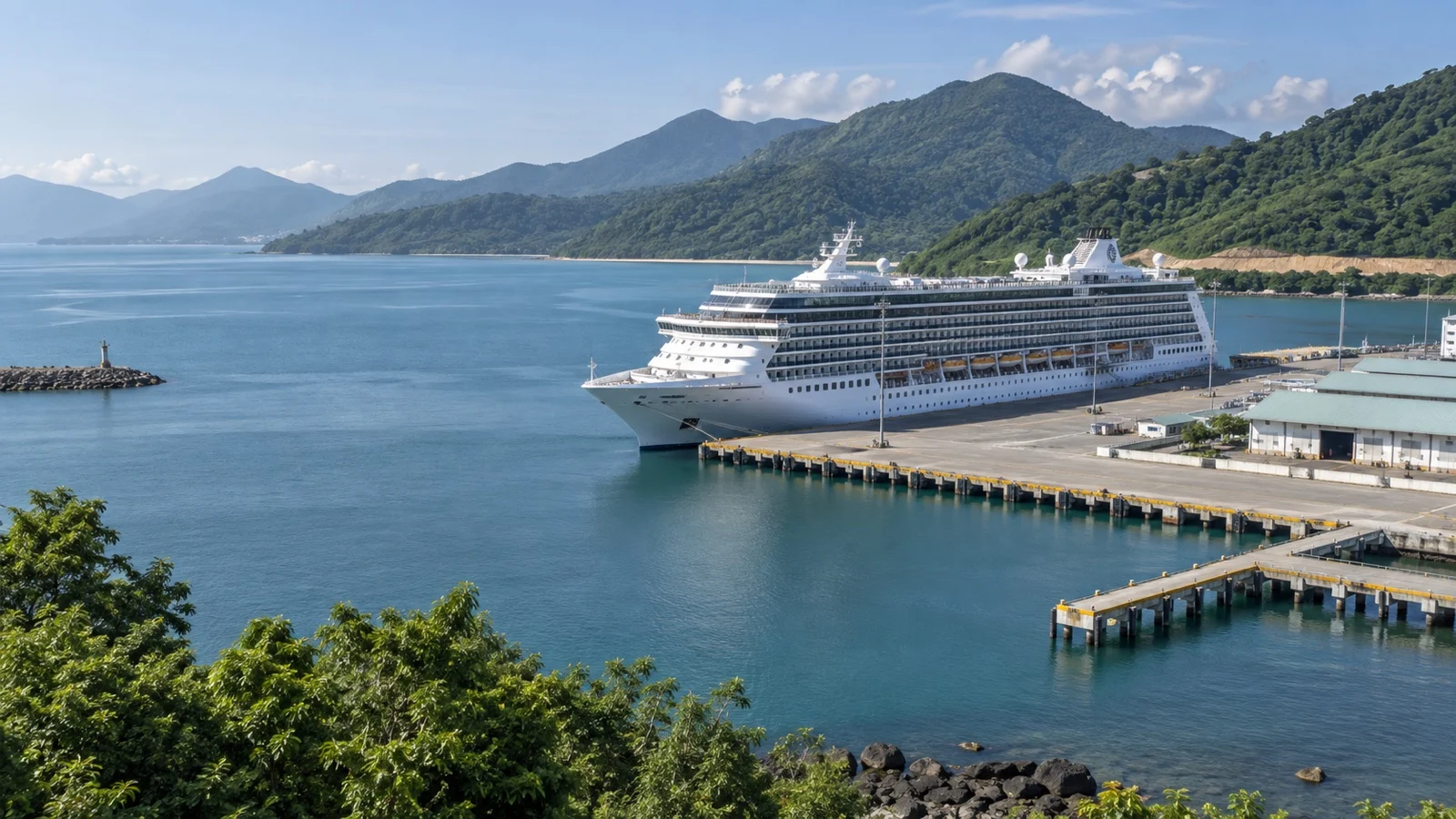
Chan May sits on the central coast between some of Vietnam’s most compelling destinations. It is commonly marketed as a gateway for Hue, Da Nang, or Hoi An, but trying to give all three equal time is the quickest way to spend the day in a vehicle.
Pick one main branch based on your interests and the length of the call. The coastline and mountain scenery are lovely, yet road conditions and city traffic still belong in the schedule.
Choose Hue for Imperial History
Hue is the strongest choice for travelers drawn to royal history, architecture, and cultural context. The imperial complex is substantial, so a guide can help you understand what you are seeing without turning the visit into a sprint.
Add one carefully chosen tomb, pagoda, or food stop only if the ship’s time supports it. Central Vietnam can be hot and humid, and the large historic spaces reward a measured pace.
Choose Da Nang for an Easier Urban Day
Da Nang combines beaches, food, museums, and a modern riverfront. It can be a useful middle ground for groups whose members want different things without committing to the longer heritage focus of Hue or Hoi An.
A city based route can include the Museum of Cham Sculpture, a market, or a coastal stop. Keep attraction opening hours and the ship’s shuttle location in mind before setting an independent sequence.
Choose Hoi An for Atmosphere
Hoi An Ancient Town is inscribed on UNESCO’s World Heritage List for its unusually well preserved trading port fabric and cultural exchange. Its lanes, historic houses, assembly halls, and riverside setting can be deeply rewarding when you give them room.
Crowds and heat can build through the day, so an early arrival is valuable when the port schedule allows it. Comfortable shoes matter because the pleasure of Hoi An comes from walking slowly, looking into courtyards, and noticing the details.
Do not promise yourself Hue, Da Nang, and Hoi An in one call unless the cruise line has designed a tightly managed overview and you genuinely enjoy transit heavy days. One memorable destination beats three blurred photo stops.
What Chan May Is Like
Chan May is a working port rather than a historic center you can simply explore on foot. Cruise calls may include organized shuttles or shore transport, but those arrangements vary.
Confirm whether your independent driver may enter the secure area or must meet at a designated point. Save the meeting instructions as a screenshot because mobile service and messaging can fail at the least convenient moment.
Ha Long Bay Cruise Port
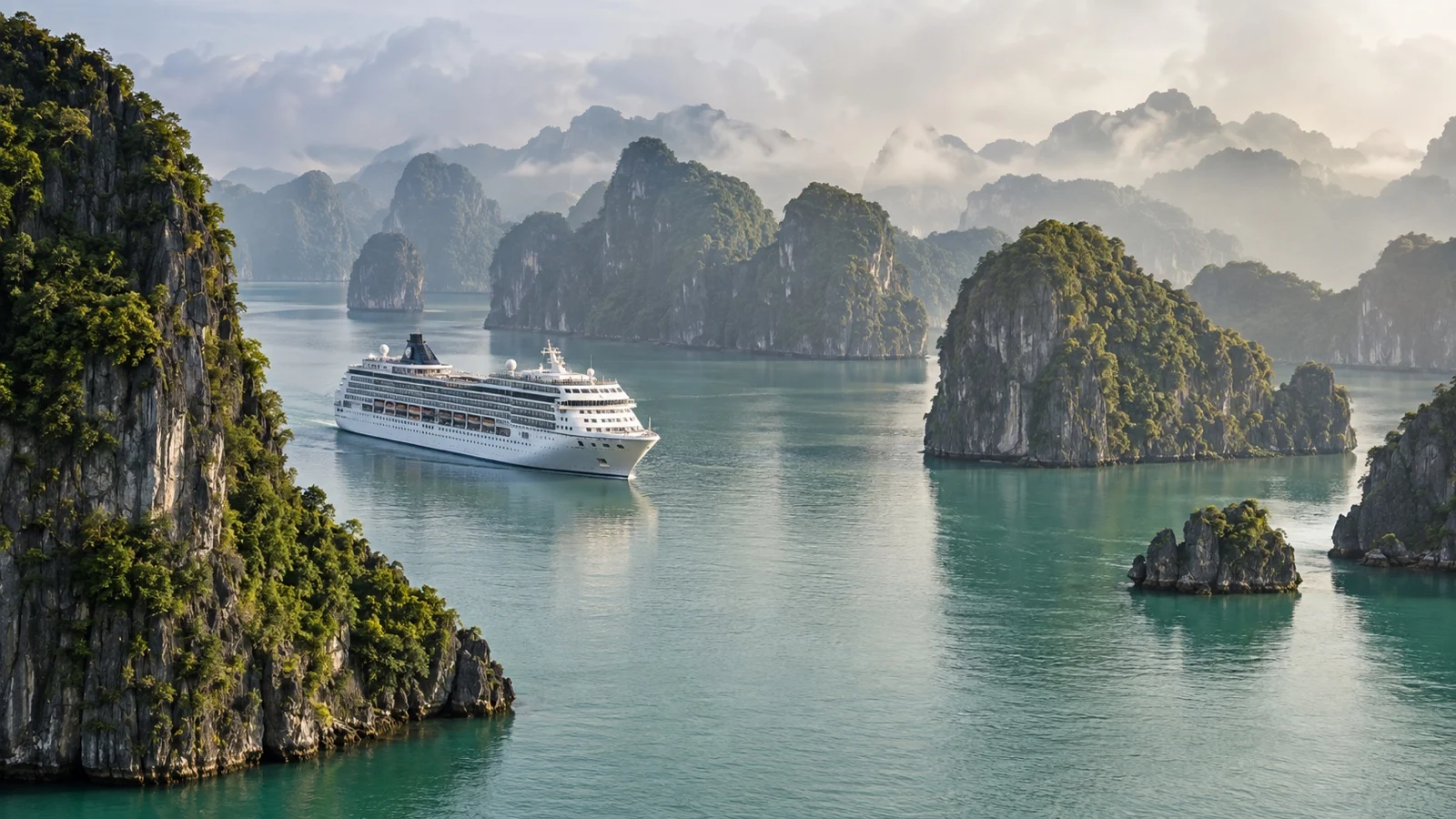
Ha Long Bay is different from Vietnam’s other cruise calls because the landscape itself is often the reason the ship is there. UNESCO recognizes Ha Long Bay and the Cat Ba Archipelago for its exceptional limestone karst seascape and biological importance.
Your itinerary may describe scenic cruising, a berth near Ha Long City, a tender operation, or a transfer to a local excursion boat. Those are very different days, so look beyond the single words Ha Long.
The Classic Bay Experience
For a first visit, I would prioritize time among the limestone towers over a rushed attempt to reach another city. Local boat itineraries can include cave visits, viewpoints, kayaking, or a floating community area, depending on permissions, weather, and the operator.
Choose an excursion whose duration fits the ship’s call with a real margin. Fog, wind, marine traffic, and tendering can affect operations, and the captain or local authorities may adjust routes for safety.
Bring a light layer even when the forecast looks warm because air on the water can feel cooler. Non slip footwear and a small dry pouch are useful if the outing includes a smaller boat or wet landing.
Should You Go to Hanoi?
Hanoi is culturally rich, but it is a distant road excursion from Ha Long and can make for a very long day. The decision only makes sense when the port call is long enough and the transfer is structured around the ship.
If Hanoi is a personal priority, use a ship excursion or an operator experienced with cruise schedules, then accept that the day will emphasize the capital rather than the bay. Otherwise, keep Hanoi for a land trip and let this port deliver the scenery outside your window.
Ha Long City on Your Own
A berth near Ha Long City can offer waterfront walks, cafes, markets, and access to local attractions, but distances depend on the terminal. Ask whether the ship provides a shuttle and where it ends before assuming the downtown area is walkable.
Tender guests should allow time for queues in both directions. The last tender time matters more than the ship’s published departure, and the daily program is the authority.
Nha Trang Cruise Port
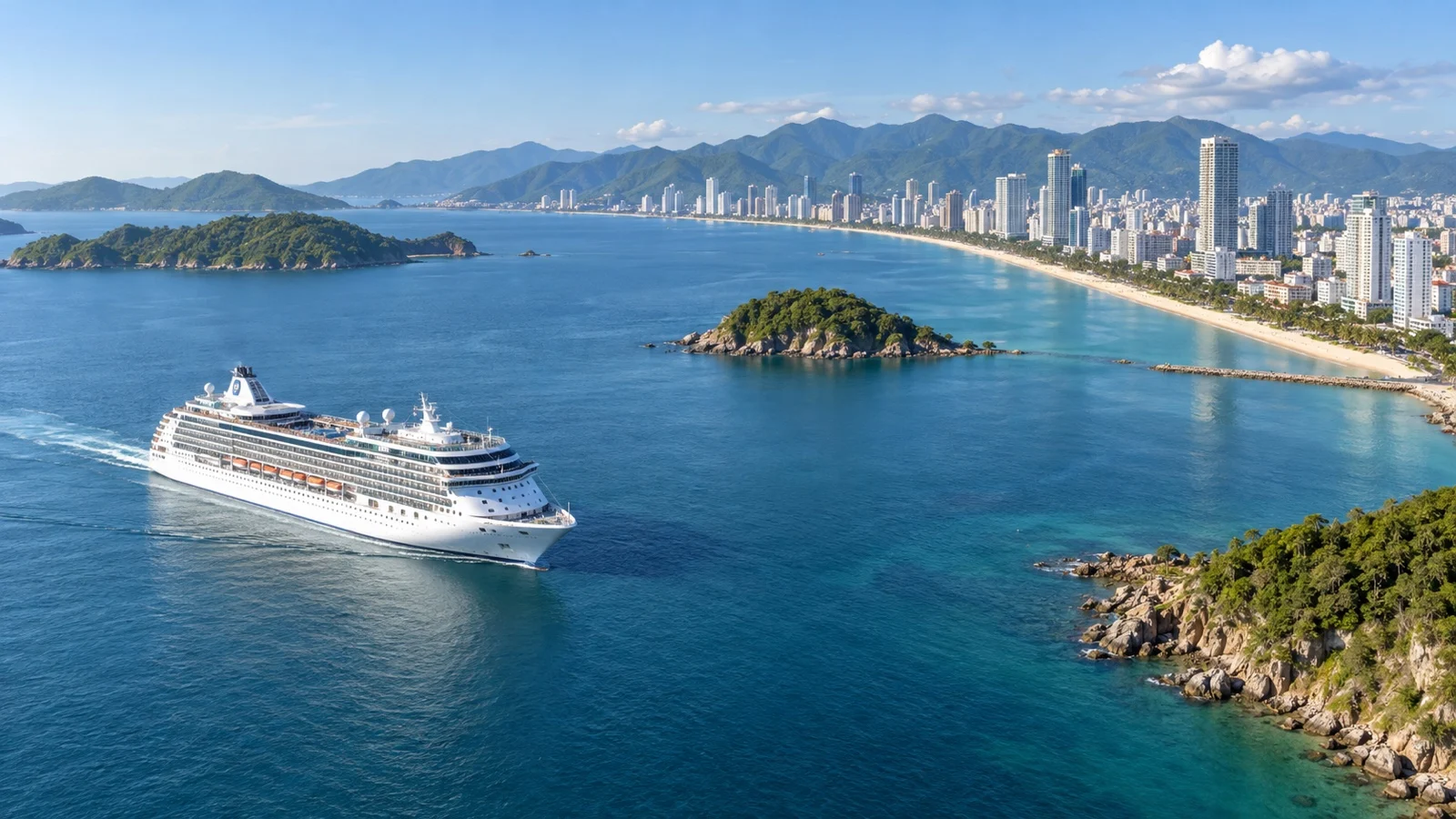
Nha Trang has the clearest resort personality of the four major calls, with a broad urban beach, seafood, Cham heritage, and wellness experiences. It can be a restorative change after several transfer heavy ports.
The arrival point is not guaranteed to be the same on every sailing. Depending on the ship and current operations, passengers may use a local berth, tender landing, or another facility in the wider Khanh Hoa area, so confirm the exact map pin.
A Relaxed Nha Trang Day
A simple plan pairs one cultural stop with beach or food time. Po Nagar’s Cham towers offer historical context, while the seafront and local cafes make it easy to slow the pace.
Mud bath and spa experiences are another well known Nha Trang option. Reserve through a reputable operator and leave time for changing, traffic, and the return to the landing point.
Island and Boat Excursions
The islands and waters around Nha Trang can be attractive for snorkeling, swimming, or scenic boat trips. Sea conditions, visibility, and exact departure piers vary, so choose an excursion that clearly states transport back to the ship.
Do not confuse a local tour boat’s return time with your own all aboard requirement. Independent guests should build in extra margin for the road between the excursion pier and cruise landing.
Independent Transport
If your landing is close to the city, taxis or app based transport may be practical after you exit the controlled port area. Use the operator’s in app identity and route information rather than accepting an unrecorded ride.
Agree on whether payment is in cash or through the app, and keep small Vietnamese dong notes for minor purchases. Screenshot the port name in Vietnamese so you can show it to a driver if pronunciation becomes a barrier.
Which Vietnam Cruise Port Is Best?
There is no single best port because each one excels at a different kind of day. Phu My is the choice for a major city, Chan May for central heritage, Ha Long for landscape, and Nha Trang for a lighter coastal rhythm.
For travelers who dislike long transfers, Ha Long and Nha Trang can feel most naturally connected to their surroundings, subject to the actual landing. Phu My and Chan May reward advance organization because their headline destinations sit beyond the dock.
If your itinerary includes several Vietnam ports, avoid repeating the same formula. I would use Phu My for urban history, Chan May for one focused heritage route, Ha Long for the water, and Nha Trang for a relaxed local day.
Weather Is Regional, Not National
Vietnam stretches far enough north to south that one national weather rule is misleading. Ha Long can be cool, misty, or hot depending on the season, while southern Vietnam remains more tropical and central Vietnam follows its own rain and storm patterns.
Check the forecast for the actual port, not simply for Vietnam. A compact umbrella, sun protection, water, and a breathable layer cover more possibilities than a rigid seasonal assumption.
Heavy rain can affect roads, visibility, boat operations, and tendering. When marine or port authorities change an excursion for safety, treat the adjustment as part of coastal travel rather than a failure of the day.
Accessibility and Energy Planning
Accessibility varies sharply between a modern coach transfer and an older heritage site. Uneven paving, steps, boat gangways, high curbs, heat, and crowded lanes can all matter more than the headline distance.
Ask the cruise line for the exact number of steps, walking surface, restroom access, and whether mobility devices can be carried on the transport used. Words such as panoramic or easy may still include a difficult coach step or an unstable boat transfer.
Travelers using a wheelchair should request written confirmation about port shuttles and accessible vehicles before sailing. At tender ports, the ship’s crew makes the final decision about safe transfer based on equipment and conditions.
I also suggest planning one seated break during longer shore days. Heat and humidity can quietly drain energy, and a cool drink in the shade often improves the rest of the visit.
Money, Connectivity, and Documents
Vietnamese dong is the practical currency for small purchases, although cards are common at many established businesses. Use bank affiliated machines when you need cash, cover the keypad, and decline informal currency exchanges.
Mobile data can help with maps, translation, and transport apps, but port reception is not guaranteed. Download the relevant map area, meeting instructions, and guide contact before leaving the ship.
Entry requirements depend on nationality, itinerary, and current Vietnamese rules. Check the official Vietnam immigration eVisa portal and your cruise line rather than assuming that a ship arranged group process applies to every independent plan.
Make sure any required permission matches the way you enter and leave, including the authorized checkpoint when that is specified. Carry the documents the cruise line tells you to take ashore, while securing unnecessary valuables in your cabin safe.
Food, Temples, and Local Etiquette
Vietnamese food is one of the great pleasures of these calls, but each region has its own specialties. A short guided tasting can be more satisfying than chasing a famous restaurant across town.
Choose busy, clean vendors, drink sealed or properly treated water, and consider your own tolerance for raw herbs, ice, or very spicy condiments. Travelers with allergies should carry a translated card because sauces and broths may contain ingredients that are not obvious.
Dress respectfully at temples and historic religious places, follow posted rules, and ask before photographing people. A light scarf or overshirt is useful when shoulders need to be covered.
Street crossing can feel chaotic to first time visitors. Use marked crossings where available, follow a local guide’s lead, and move predictably rather than darting between vehicles.
How to Build a Safer Port Day
Start from the all aboard time and plan backward. Add buffers for port security, shuttle queues, traffic, tendering, and the walk from the drop off point to the gangway.
For long gateway trips, share the ship’s details with your operator and ask how they monitor berth changes. A good cruise focused guide will discuss return timing before selling extra stops.
Keep the ship’s port agent number and terminal instructions with you. If a delay develops, contact the agent and your operator immediately rather than hoping the schedule will somehow recover.
Frequently Asked Questions
Is Phu My the same as Ho Chi Minh City?
No. Phu My is the port area used as a gateway, and reaching central Ho Chi Minh City requires a substantial road transfer.
Can I see Hue and Hoi An from Chan May in one day?
Some organized overviews attempt both, but most travelers get a better experience by choosing one main destination. Your call length and current traffic should decide.
Is Ha Long Bay a tender port?
It can involve different berth or tender arrangements depending on the ship and sailing. Check the daily program for the terminal or landing assigned to your call.
Can I walk from the ship into Nha Trang?
Possibly, but not from every arrival point. Confirm whether you are berthing, tendering, or using transport from another facility before planning a walking route.
Do I need a visa for a Vietnam cruise?
That depends on your nationality, itinerary, and current entry rules. Use the official immigration portal and your cruise line’s written instructions for your specific sailing.
My Final Take
Vietnam’s ports are not interchangeable dots along one coast. Each asks you to solve a different problem, whether that is a long city transfer, a choice among heritage centers, a weather dependent day on the bay, or a flexible beach plan.
The best shore day begins with the exact berth and ends with a generous return margin. Once those two points are secure, Vietnam offers the kind of color, food, history, and landscape that can make an itinerary feel much bigger than the number of hours ashore.
I checked current planning information from Vietnam’s official tourism website, the official Vietnam eVisa portal, UNESCO’s Ha Long Bay and Cat Ba Archipelago listing, and UNESCO’s Hoi An Ancient Town listing. Port assignments, entry rules, transport access, and weather can change, so verify the details for your sailing.
I hope this guide helps you choose a Vietnam port day that feels exciting without becoming frantic. Give yourself room for the unexpected, because that is often where the best travel memories begin.