Ishigaki & Miyakojima Cruise Ports: An Okinawa Island Guide
Ishigaki and Miyakojima are Okinawa’s subtropical stars, closer to Taiwan than Tokyo. Here is how I would plan a cruise day on each, with the right beaches, bridges, and a ferry hop, before the ship sails.
My quick take
Both are beach, snorkel, and scenic-drive days, not walk-off city days. Ishigaki gives you a real town plus a stunning bay; Miyakojima is all coral water and island-hopping bridges.
They sit in the far southwest of Japan, hundreds of miles beyond the main islands, so they feel nothing like Naha or the mainland ports. If this is your first time in the country, my first-timer cruise ports guide is a useful primer.
The quick facts
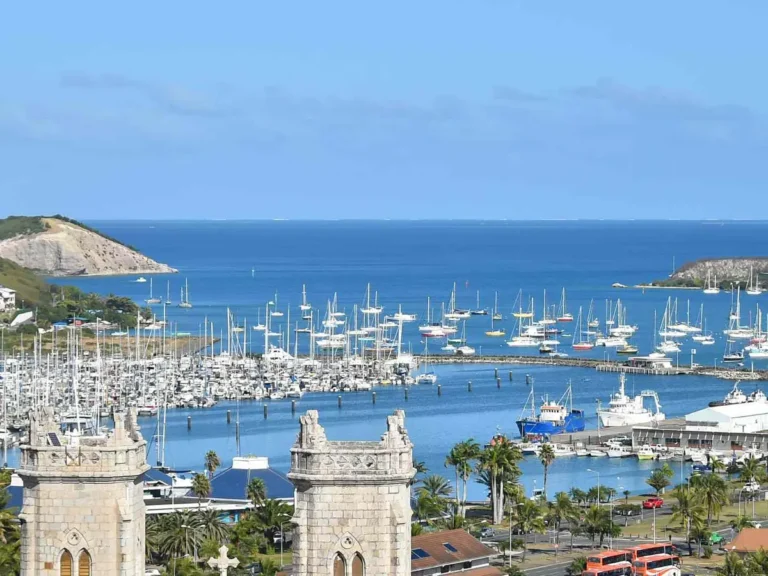
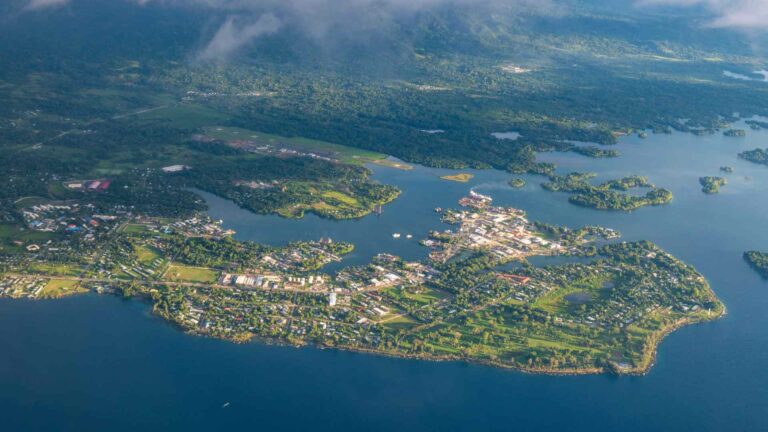
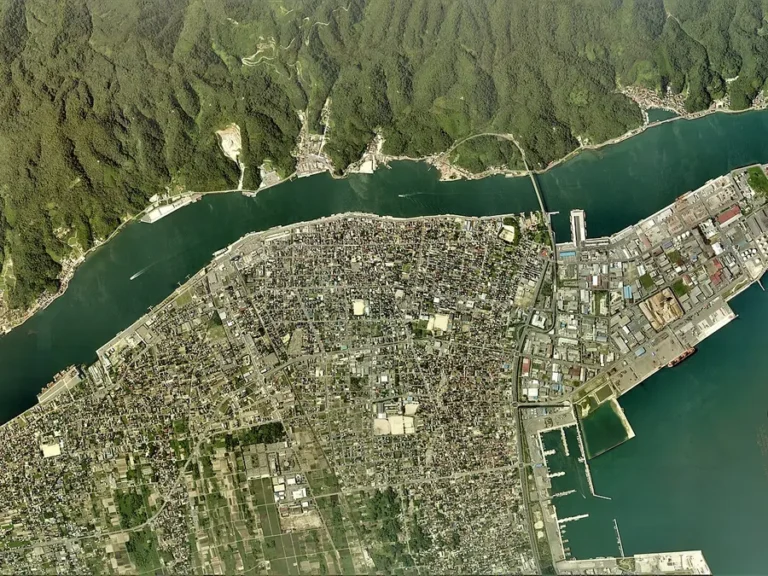
- Where you land: on Ishigaki, the cruise berth is at Ishigaki Port in the Painuhama area, where the official Okinawa cruise guide lists shuttle service. On Miyakojima, ships use Hirara Port, per the official port page, but the island’s dispersed sights require onward transport.
- Dock or tender: Both islands have alongside cruise berths, but an operational change can still produce a tender call. Treat the berth shown in your cruise line app as the final word.
- Into town: On Ishigaki, the town core around the public market and Euglena Mall is a short shuttle ride and then compact. On Miyakojima, Hirara and the island sights require a taxi, tour, rental car, or ship-provided transfer.
- Currency and language: Japanese yen (JPY) and Japanese, with Ryukyuan island dialects still spoken.
- Time zone: Japan Standard Time (JST, UTC+9).
- How often the call is missed: High (roughly 8 to 15%): tropical storms can make the approach unsafe.
Fun fact: these islands are so far south that Ishigaki sits closer to Taiwan than to the Japanese mainland, which is why the climate feels tropical rather than temperate.
Getting around each island
On Ishigaki, the town core near the public market and Euglena Mall is compact and walkable once the shuttle drops you off. Kabira Bay and the beaches, though, sit a taxi or tour drive away.
Miyakojima is different: its beaches and famous bridges are spread out, so you genuinely need a rental car, a hired taxi, or a booked tour to see them. Public buses exist but are too infrequent for a reliable multi-stop cruise-day loop.
Rental requirements depend on the country that issued your license, and many visitors need a 1949 Geneva Convention International Driving Permit carried with the original license. Reserve well ahead, confirm the exact documents with the rental company, and remember Japan drives on the left.
Choose transport before you choose the beach
On Ishigaki, reserve a taxi by the hour or a shore tour if Kabira Bay and a beach are priorities. A one-way taxi can leave you hunting for a return ride, while a private driver costs more but protects your limited port time.
On Miyakojima, a rental car gives the most freedom, but inventory can disappear on multi-ship days and parking at popular beaches is limited. A ship tour is the low-stress choice for anyone who does not want to drive on the left, while a pre-booked taxi works best for a custom bridge-and-beach loop.
For snorkeling, use a reputable operator rather than entering unfamiliar reef water alone. Currents, sharp coral, limited lifeguard coverage, and sudden weather changes matter even when the water looks calm.
Japan entry rules depend on nationality, and a cruise stop does not automatically waive a visa requirement. Check the Ministry of Foreign Affairs rules before sailing, then follow the ship’s instructions on carrying a passport copy or original ashore.
Ishigaki: the stops I would actually spend time on
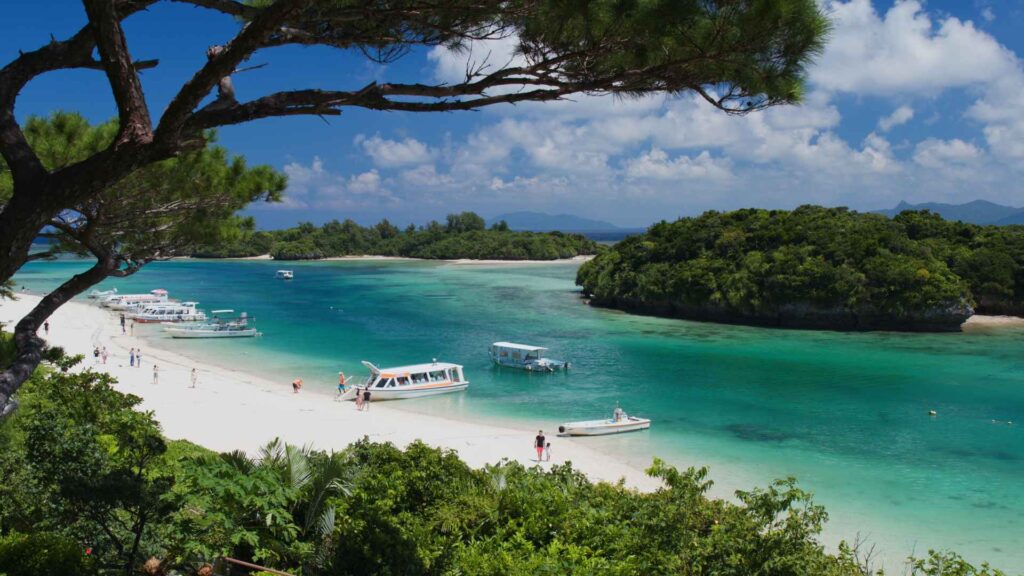
- Kabira Bay: Ishigaki’s signature view, a bay of emerald water and green islets. Swimming is banned, so you ride a glass-bottom boat to see the coral, turtles, and clams instead.
- Fun fact: the reason you cannot swim at Kabira Bay is that its calm waters are used to cultivate black pearls.
- Taketomi Island: a 10 to 15 minute high-speed ferry from Ishigaki, this tiny island preserves a red-tiled Ryukyu village where you can tour the lanes by water-buffalo cart.
- Star sand: Taketomi’s beaches are famous for grains of sand shaped like tiny stars, the fossilized remains of marine organisms.
- Yonehara Beach: a snorkel-friendly stretch on Ishigaki’s north coast, backed by palms and known for its reef just offshore.
- Banna Park: a hilltop park above Ishigaki town with observation decks that look over the harbor and outer islands.
- Ishigaki Public Market and Euglena Mall: the covered arcade in the town center, good for souvenirs, tropical fruit, and a first taste of local snacks.
Ishigaki beef is the island’s culinary star, a richly marbled wagyu you will see on menus around town. It makes a memorable lunch if you have the hours to sit down.
Divers with a full day sometimes reach the wild, jungle-covered island of Iriomote, but it is a longer ferry, so I would save it for an overnight rather than a short port call.
Miyakojima: the stops I would actually spend time on
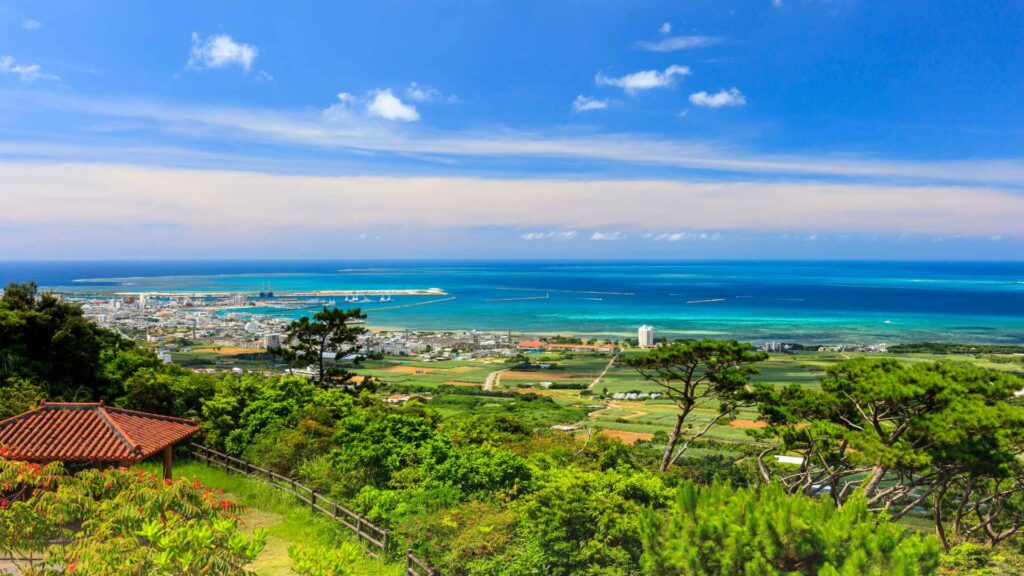
- Yonaha Maehama Beach: a 4.5-mile ribbon of powdery white sand routinely ranked among Japan’s finest beaches, with calm water for swimming and snorkeling.
- Irabu Bridge: a sweeping drive over turquoise sea to Irabu Island, and a genuine highlight even from the passenger seat.
- Fun fact: at roughly 2.2 miles, the Irabu Bridge is the longest toll-free bridge in Japan.
- Kurima and Ikema bridges: two more causeways linking Miyakojima to its little neighbors, each with pull-offs framing that famous Miyako-blue water.
- Cape Higashi-Hennazaki: a long, narrow cape at the island’s southeast tip, topped by a white lighthouse with sea on both sides.
- Sunayama Beach: a small cove near Hirara reached over a sand dune, known for the natural rock arch rising from the shallows.
The coral around Miyakojima is the real draw, so a half-day snorkel or dive tour is time well spent if the sea is calm. Reef-safe sunscreen helps protect it.
Ferries, beach safety, and return buffers
Taketomi is the sensible ferry add-on from Ishigaki because the crossing is short and sailings are frequent, but buy a return that gets you back to Ishigaki at least 90 minutes before all-aboard. Wind can disrupt fast ferries, so a ship excursion is worth the premium if your call is short or the forecast is unsettled.
Do not build a cruise day around Iriomote unless the ship offers the excursion. Its longer ferry ride, transfers, and weather exposure leave too many links that can fail independently.
At any beach, obey flags and local closure signs, and do not touch or stand on coral. Pack water shoes for rocky entries, sun protection, and a dry change of clothes because taxis and tour vehicles may refuse wet passengers.
How I’d plan the day
Short call (about 4 hours): on Ishigaki, shuttle into town, browse the public market, then taxi out to Kabira Bay for a glass-bottom boat. On Miyakojima, take a taxi straight to Yonaha Maehama and the Irabu Bridge.
Full day (7 hours or more): from Ishigaki, catch the fast ferry to Taketomi for a buffalo-cart village tour and star-sand beach, back with time for beef and the market.
On Miyakojima with a full day, rent a car and loop the bridges, Cape Higashi-Hennazaki, and a beach stop. Always build in a return buffer of an hour or more before all-aboard.
A realistic word on accessibility
Both ports list minimal terminal facilities, so plan around the shuttle or a taxi rather than expecting full services dockside. Beaches, ferries, and boat tours involve sand, ramps, and steps.
If step-free access matters, ask your cruise line about accessible shore excursions in advance. For tender-port days generally, my tender ports guide explains what to expect.
When to go, and the weather
These islands are subtropical, so spring and fall bring warm, comfortable days with the sea still swimmable. Summer is hot and humid, and it is also typhoon season, which can reshuffle a whole itinerary.
Winter stays mild by mainland standards, though the water can feel cool for swimming. Whenever you sail, pack sun protection and a light layer for breezy boat rides.
Quick answers
Can I do both islands in one cruise stop? No. Ishigaki and Miyakojima are separate ports on separate days, and direct connections between them are limited, so you visit whichever your itinerary calls at.
Can I swim at Kabira Bay? No, swimming is not allowed there because of the pearl cultivation, but the glass-bottom boats give you the underwater view instead.
Do I need a tour on Miyakojima? Practically, yes, because its highlights are spread across the island, so a car, taxi rental, or booked tour beats the sparse buses.
For more of the country, browse the wider Japan cruise ports hub and nearby calls like Nagasaki and Kochi.
How this guide was researched: Unless a first-hand visit is explicitly identified above, this guide is based on independent research using official port, tourism, transit, government, and attraction sources where available. Logistics and time-sensitive details were reviewed in September 2026. See our Editorial Policy.