Kagoshima Cruise Port: Sakurajima Volcano & Sengan-en
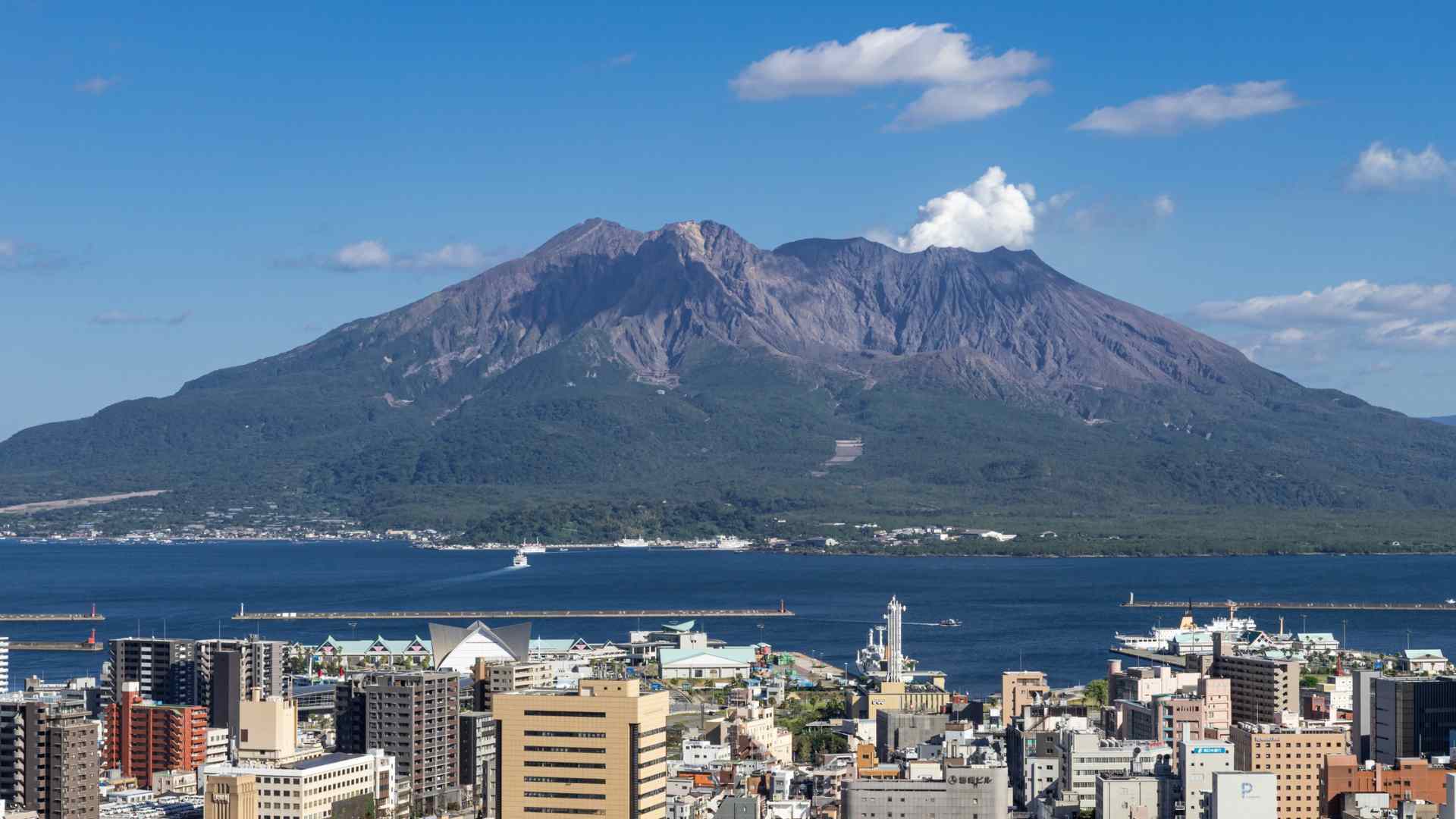
Kagoshima faces an active volcano across a broad blue bay, and Sakurajima shapes almost every first impression of the city. The challenge for cruise passengers is that the main ship terminal, downtown ferry pier, gardens, and volcano viewpoints are separate places, so a good day begins with transport rather than wishful walking.
You can build an excellent visit around Sakurajima, Sengan-en, or central Kagoshima without racing. Pick one anchor experience, verify the volcano status, and use the remaining time for food, a viewpoint, or a compact city stop.
Quick Facts
- Country: Japan
- Region: Southern Kyushu
- Main cruise facility: Marine Port Kagoshima for many large ships
- Other possible berth: Kita-Futo, depending on the vessel and schedule
- Currency: Japanese yen
- Signature sight: Active Sakurajima volcano
- Top alternatives: Sengan-en, Shiroyama, Tenmonkan, and the waterfront
- Main planning risk: Treating the cruise berth and Sakurajima ferry terminal as the same place
- Best planning rule: Check the live volcanic alert and protect the return transfer
Where cruise ships dock
Many large cruise ships use Marine Port Kagoshima south of the central city. The terminal offers an impressive view toward Sakurajima, but it is not the downtown ferry terminal and should not be treated as a walk-off city-center berth.
Some ships may use Kita-Futo closer to central waterfront attractions. Check the daily program for the exact berth, shuttle, taxi area, and last return before making any independent reservation.
Shuttles and taxis
A cruise shuttle may connect Marine Port with a central drop-off, but routes and prices vary by sailing. Read the onboard notice rather than relying on a report from another ship.
Taxis are efficient for a direct trip to Sengan-en, the ferry terminal, or the city center, though demand can be high after clearance. Show the destination in Japanese and keep the port return point saved on your phone.
Sakurajima ferry
Kagoshima City’s Sakurajima Ferry connects the downtown Kagoshima Port ferry terminal with Sakurajima Port. The official service operates around the clock, but daytime frequency, fares, boarding details, and service adjustments should still be checked for your date.
The crossing itself provides broad views and is part of the experience. Remember that you must first reach the ferry terminal from the cruise berth and later reverse that transfer.
How much time to allow
Do not count only the scheduled crossing. Include shuttle or taxi time, waiting, ticketing, boarding, walking on Sakurajima, the return ferry, and the final transfer to your ship.
A ferry departure that looks frequent can still become a poor cruise connection if the city roads are busy. Set a return ferry target with at least one practical backup.
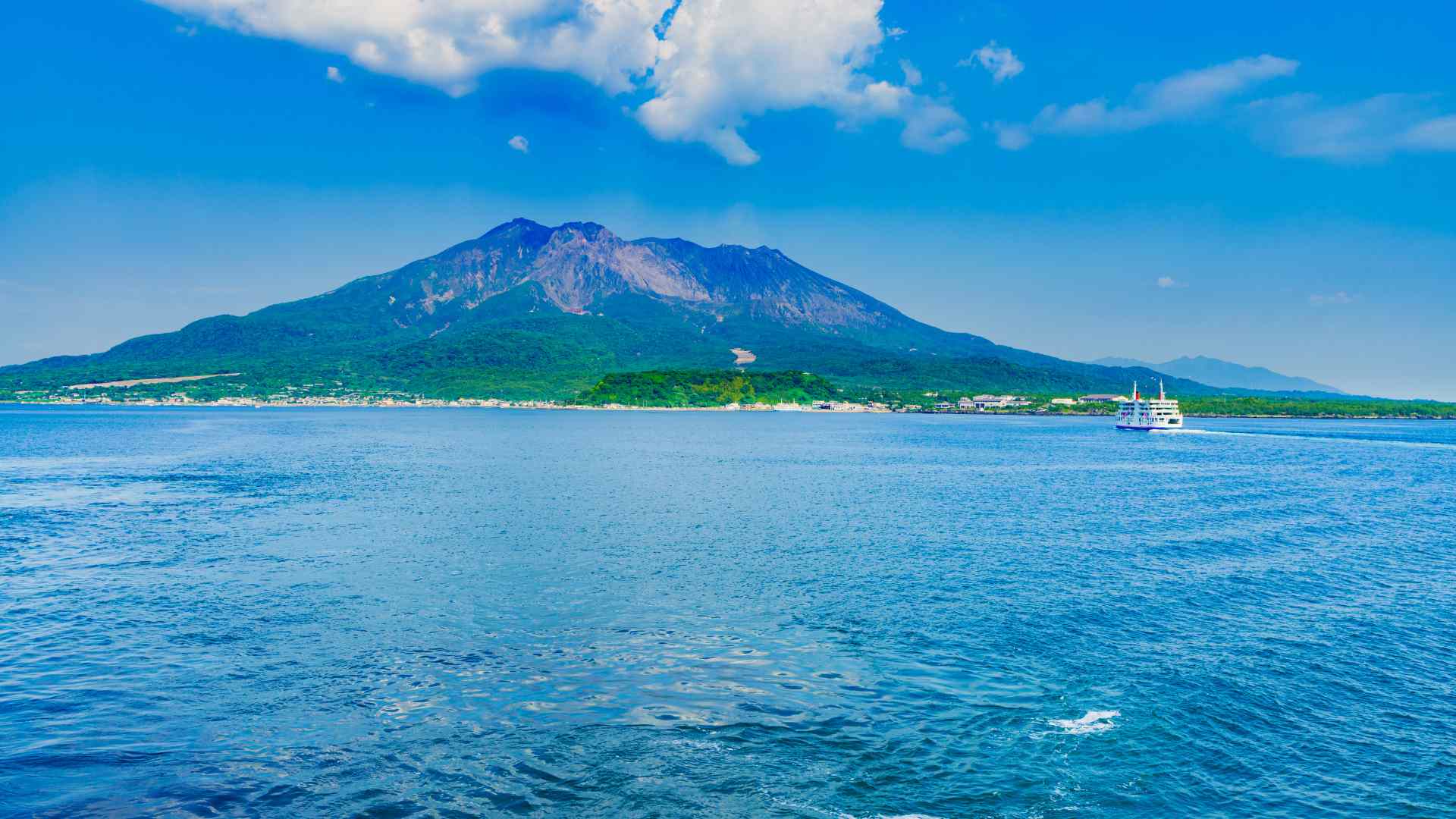
What to do on Sakurajima
Sakurajima remains an active volcanic area with regulated exclusion zones and changing alert levels. Visitors do not hike freely to the active craters, and every plan must follow current instructions from the Japan Meteorological Agency and local authorities.
The accessible visitor experience is concentrated around the port, lava landscapes, designated observatories, and approved roads. It is dramatic without requiring reckless proximity to the volcano.
Sakurajima Visitor Center
The official visitor center near Sakurajima Port explains eruptions, geology, ecology, and local life. It is the best first stop for current context before walking into the surrounding lava landscape.
Check opening hours and temporary notices on the official site. Even when an exhibit schedule changes, posted safety information remains important.
Nagisa Lava Trail and foot bath
The coastal lava trail begins near the visitor area and shows how volcanic rock meets vegetation and bay. A public foot bath may be available nearby, with local rules for washing, seating, and use.
This compact combination works well for travelers who want Sakurajima without a longer bus circuit. Wear stable shoes because ash and uneven lava surfaces can affect footing.
Island View bus and observatories
Kagoshima City operates a sightseeing loop bus serving selected Sakurajima stops, with the route and timetable subject to change. Confirm the current schedule before leaving the ferry terminal and understand which stops allow reboarding within your margin.
Yunohira Observatory is a popular designated viewpoint reached by road rather than by a casual walk from the ferry. An organized tour or taxi can be more efficient when bus timing does not match the ship.
Volcanic alerts and ash
Sakurajima’s alert can change, and an article cannot safely predict the level on your arrival day. Check the Japan Meteorological Agency’s official volcanic warning for Sakurajima and obey every exclusion, evacuation, and transport instruction.
Visible activity does not automatically mean the city is closed, while a clear-looking summit does not cancel official restrictions. Local authorities and operators decide what can proceed safely.
Handling ash
Ash can irritate eyes and lungs, settle on decks and streets, and disrupt transport. Carry glasses rather than relying only on contact lenses, protect camera equipment, and consider a well-fitting mask if local advice recommends it.
Do not rub ash across a lens or phone screen because fine particles can scratch surfaces. Follow crew instructions if ashfall changes gangway or outdoor operations.
Sengan-en
Sengan-en is a historic Shimazu clan garden that uses Sakurajima and Kinko Bay as borrowed scenery. The grounds combine landscape design, family history, industrial heritage, exhibits, shops, and restaurants in a setting that can fill much of a half day.
Part of the surrounding industrial heritage relates to Japan’s Sites of the Meiji Industrial Revolution, recognized by UNESCO. The garden is rewarding even when the volcano’s summit is hidden because the history and designed landscape remain visible.
Getting there
Sengan-en lies north of central Kagoshima and is separate from Marine Port. Taxi, organized tour, bus, and rail may be options, with the best choice depending on the berth and current schedule.
A railway station serving Sengan-en opened in 2025, but do not assume the train creates a direct port connection. Check JR Kyushu schedules and the transfers at both ends before choosing it for a cruise day.
How to visit well
Arrive early when possible, walk the lower garden first, and allow time for exhibits rather than treating the grounds as a single viewpoint. Paths include slopes, gravel, and steps, so ask staff for the most suitable route if mobility is limited.
Check the official calendar for hours, closures, and special events. Avoid fragile online price quotes because admission packages and exhibits can change.
Shiroyama Observatory
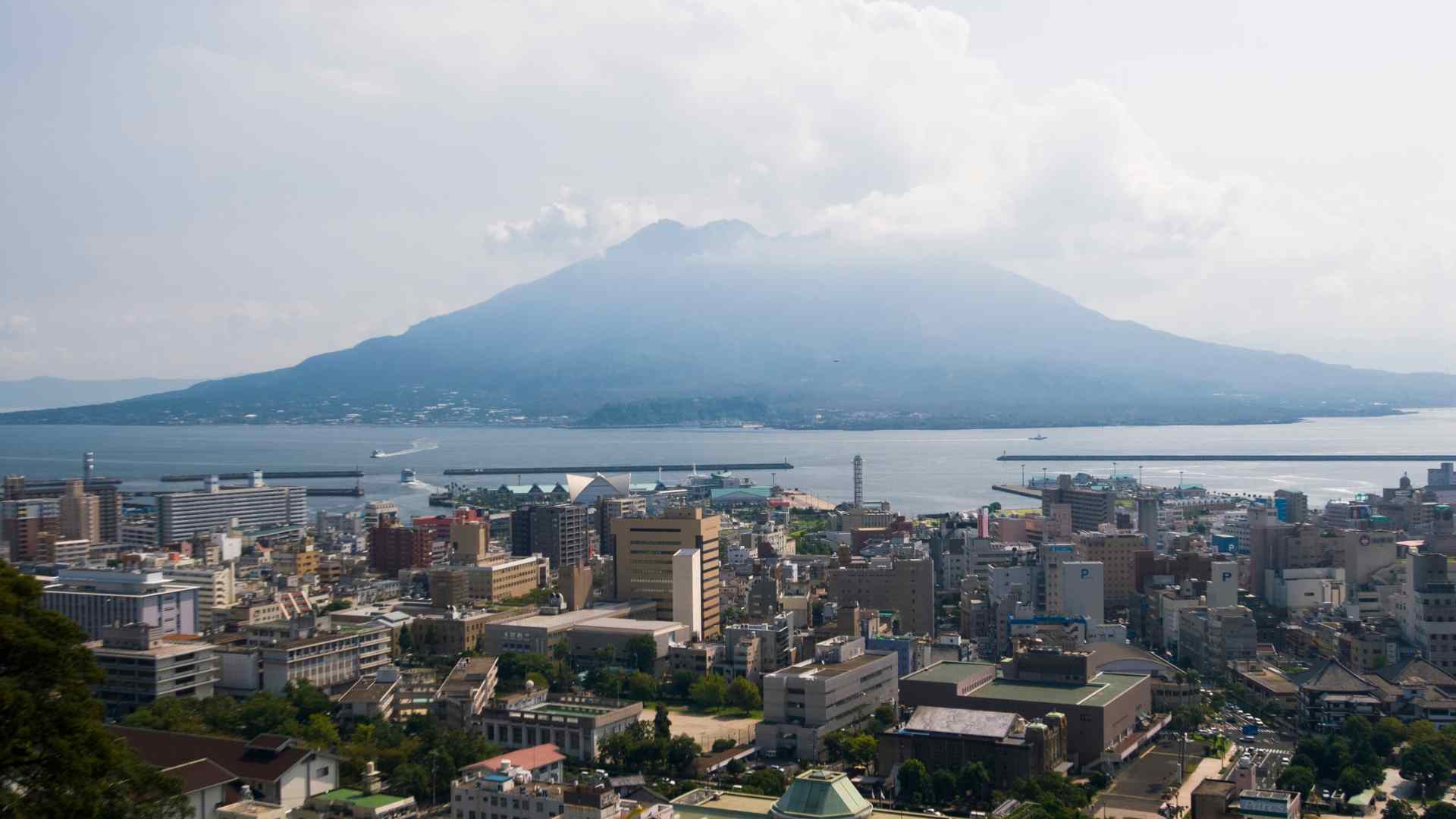
Shiroyama offers a classic view over central Kagoshima toward Sakurajima. The outlook is especially useful when you want a city panorama without crossing the bay.
Tour buses, taxis, and local sightseeing transport may serve the area, while walking involves elevation and forested paths. Check visibility before committing if cloud or ash has obscured the volcano.
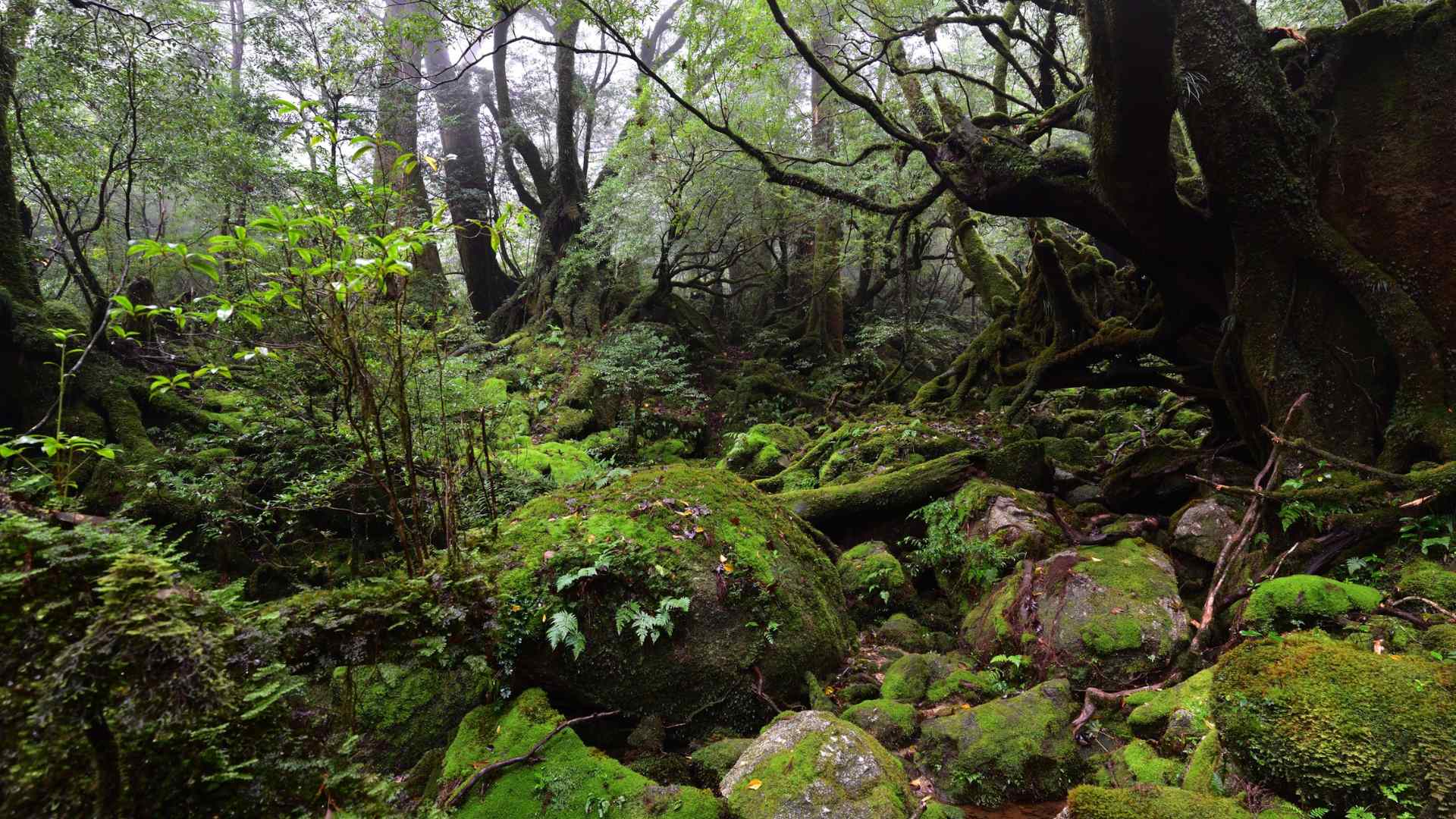
Yakushima does not fit a normal Kagoshima port call
Yakushima is a separate island south of Kagoshima, famous for ancient cedar forest and serious hiking. It is not a quick excursion from Marine Port Kagoshima, despite appearing in broader prefectural tourism material.
Reaching Yakushima involves a flight or sea journey plus onward ground transport, weather risk, and trail time. Save it for a dedicated stay or an itinerary that actually calls at Yakushima.
Central Kagoshima
Tenmonkan is the city’s main shopping and dining district, with arcades, cafés, restaurants, and department stores. It is a practical place for local food and a flexible stop between larger attractions.
Kagoshima-Chuo Station and the Amu Plaza area offer additional shopping and transport connections. Neither should be confused with the downtown Sakurajima ferry terminal.
City trams and buses
Kagoshima has trams and buses serving central districts, with tourist passes and payment options changing over time. Review the city transport bureau’s current English information and carry yen as a backup.
Boarding and payment procedures may differ from systems elsewhere in Japan. Watch local passengers, follow signage, and avoid blocking the exit while searching for a card.
Museum and aquarium options
The Kagoshima City Aquarium stands near the Sakurajima ferry terminal and can work well for families or poor weather. Reimeikan presents regional history within the former castle area, subject to its current opening calendar.
These attractions are easy to combine with central transport but not necessarily with a full Sakurajima circuit. Choose based on the ship’s hours and your party’s pace.
Ibusuki and Chiran
Ibusuki is known for hot springs and sand bathing, while Chiran is associated with preserved samurai residences, gardens, and twentieth-century history. Both are substantial excursions from Kagoshima rather than casual additions to a city day.
A ship tour or carefully coordinated private driver is the sensible approach. Read the exact itinerary because transport time can leave less at the destination than the tour title suggests.
Three realistic port-day plans
Sakurajima focus
Transfer to the downtown ferry, cross to Sakurajima, visit the official visitor center, and walk part of the lava coast. Add a bus viewpoint only when the live timetable and alert status provide a comfortable return.
Sengan-en and city
Go directly to Sengan-en, explore the garden and exhibits, then return toward Tenmonkan or Shiroyama. This plan keeps the volcano in view without requiring a ferry crossing.
Short or disrupted call
Use the ship shuttle into central Kagoshima, visit Tenmonkan and one nearby museum or viewpoint, then return early. If volcanic activity alters outdoor plans, follow official advice and choose an indoor attraction.
Accessibility
Marine Port and central transport hubs include accessible facilities, but the complete route depends on the shuttle vehicle and berth. Ask the cruise line whether a mobility device can travel on its transfer before leaving the ship.
Sakurajima ferries and visitor facilities may accommodate many travelers, yet ramps, vessel movement, bus steps, lava paths, and observatory surfaces need separate confirmation. Contact the operator for current details rather than relying on a general accessibility label.
Sengan-en includes historic terrain with slopes, gravel, and steps, though alternative routing may be available. A taxi-based city and garden day can be easier than a multi-transfer ferry circuit.
Weather and what to wear
Kagoshima can be hot and humid in summer, wet during the rainy season, and affected by typhoons in warmer months. Winter may be mild by northern Japanese standards but can feel cool and windy near the bay.
Wear comfortable shoes, carry rain protection, and check the Japan Meteorological Agency for weather as well as volcanic alerts. Transport may change for wind, heavy rain, ash, or emergency instructions.
Food, money, and practical details
Kagoshima is known for kurobuta pork, satsuma-age fish cake, sweet potatoes, shochu, and shaved ice called shirokuma. Confirm ingredients and alcohol content if you have dietary restrictions.
Cards are increasingly common, but cash remains useful for small fares, vending machines, and older ticket systems. Carry yen in manageable denominations and use official ticket machines or staffed counters.
Public trash bins can be limited, so keep a small bag for wrappers. Respect quiet queues and avoid eating where signs prohibit it.
Common planning mistakes
The biggest mistake is assuming Marine Port and the Sakurajima ferry terminal are adjacent. The second is treating Sakurajima as a normal mountain where visitors can ignore exclusion zones and choose their own path.
Travelers also try to combine Sakurajima, Sengan-en, Shiroyama, and a distant excursion in one day. One major focus plus a flexible city stop creates a safer and more enjoyable visit.
Final verdict
Kagoshima delivers a rare combination of urban ease, cultivated history, and active volcanic scenery. Sakurajima is the headline, while Sengan-en offers the most graceful alternative when you want culture and a volcano view without a bay crossing.
Confirm the berth, live alert, transport, and return sequence before committing. Once those pieces are secure, the day can feel spacious rather than complicated.
Verify current details with the Cruise Port Guide of Japan, Sakurajima Ferry, Sakurajima Visitor Center, and Japan Meteorological Agency. Berths, shuttles, ferry timetables, volcanic alerts, exclusion zones, attraction hours, and local transport can change, so confirm every time-sensitive detail for your sailing date.