Chan May Cruise Port: Hue, Hoi An & the Hai Van Pass
Chan May is the port where choosing well matters more than moving quickly. The quay itself is a working gateway on Vietnam’s central coast, while Hue lies to the north and the Hai Van Pass, Da Nang, and Hoi An pull you south.
You can build an excellent day around Hue or Hoi An, and Da Nang makes a smart lower-stress alternative. Trying to collect all three usually produces a long view of the highway, short views of monuments, and lunch eaten with one eye on the clock.

My quick take
Pick one main destination before you leave the ship. I favor Hoi An for a first visit if a long port day and road conditions make it comfortable, while Hue is the stronger choice for travelers whose real interest is the Nguyen dynasty and imperial Vietnam.
Choose Da Nang and the Hai Van Pass when you want a scenic drive, an excellent museum, and a more forgiving schedule. The only wrong answer is pretending the distances disappear because a tour brochure placed all three names on one page.
Chan May is also a port where a ship excursion earns serious consideration. A private driver can give you more control, but only if the booking is confirmed, the route is written down, and the return margin is treated as part of the day rather than leftover time.
Quick Facts
- Where ships arrive: At Chan May, a working port on the central Vietnamese coast.
- Port area: Expect limited visitor interest at the quay and plan to leave by organized transport.
- Main choice north: Hue for the Imperial City, royal tombs, pagodas, and Nguyen dynasty history.
- Main choice south: Hoi An for a walkable UNESCO trading town, or Da Nang for museums, city sights, and easier logistics.
- Scenic route: The Hai Van Pass road must be requested specifically because ordinary traffic may use the tunnel.
- Currency: Vietnamese dong, with cash useful and card acceptance varying by business.
- Language: Vietnamese, with English depending heavily on the guide, driver, and venue.
- Return rule: Keep a large road buffer and follow the ship’s time, port gate, and all-aboard instructions.
What to expect at the quay
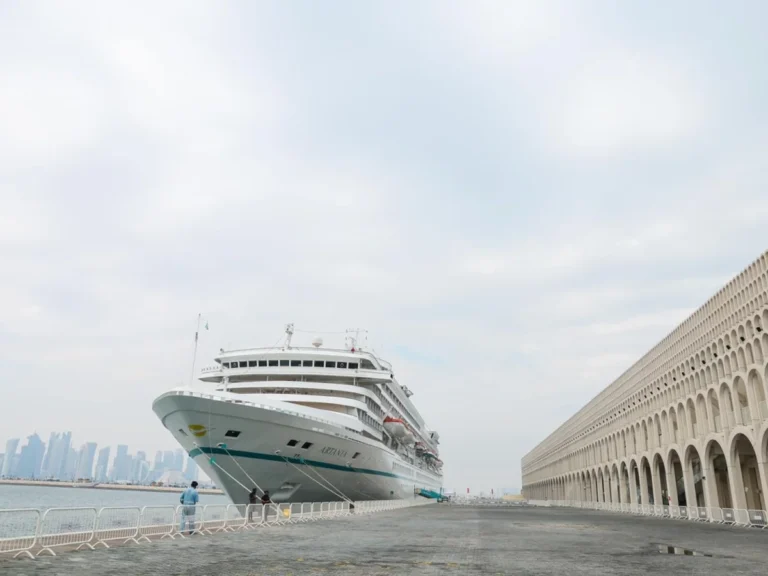
Chan May is a working commercial port rather than a destination center. Cruise calls normally put passengers into a controlled area with coaches, tour staff, and whatever temporary visitor services are authorized for that arrival.
Do not expect a walkable old town outside the gate or a convenient public station. Your practical choices are a ship excursion, a private car arranged before arrival, or a licensed taxi or driver secured under the port’s current access rules.
The exact gangway, gate, shuttle, and vehicle pickup can change by call. Photograph the return point, carry the ship’s port-agent details, and confirm whether independent drivers meet at the quay or outside a controlled gate.
Small stalls may appear for a cruise call, but they are not a reason to remain at the port. Browse only after your real day is complete and only if time remains.
The vessel usually docks alongside when local conditions and the assigned berth permit. The captain and port authorities remain the final source because weather, traffic, and operations can alter any call.
Immigration and visa details
Vietnam’s entry rules depend on nationality, passport, itinerary, and current government policy. Begin with the official Vietnam visa guidance, then follow the documentation instructions issued by your cruise line.
Do not assume the ship has completed every requirement merely because it sold the voyage. Cruise-line handling can differ by sailing, and a rule that applied to a friend last season may not apply to your passport.
Carry the document the ship specifies when going ashore and keep a digital backup stored securely. Immigration requirements are not the part of a Chan May day where improvisation becomes charming.
Transportation from Chan May
A ship tour provides the simplest chain from gangway to sights and back. It also gives the cruise line direct visibility into delays affecting its own group, which matters when the road portion occupies a large part of the call.
A private vehicle works well for couples, families, and small groups who want to set the pace. Book through a reputable provider, confirm vehicle size and air conditioning, and put the stops and return time in writing.
A driver and a licensed guide are not automatically the same service. If interpretation matters at Hue or Hoi An, confirm that an English-speaking guide is included rather than hoping the driver can explain imperial cosmology between traffic lights.
If you hire at the port, agree on the destination, route, waiting time, inclusions, currency, and total price before entering the vehicle. Save the vehicle plate and driver’s contact, then keep your own map open enough to understand the direction of travel.
There is no useful walk-out plan for reaching the major attractions. Public transportation is not the practical backbone of an ordinary cruise day from this controlled working port.
The Hai Van tunnel versus the pass road
Modern through traffic often uses the Hai Van tunnel because it is faster and more predictable. That efficiency is excellent for reaching Da Nang or Hoi An, but it removes the mountain and coastal views that make the Hai Van Pass famous.
If the pass is your priority, request the old road explicitly and confirm which direction the driver will use it. Weather, cloud, road work, vehicle rules, and the day’s schedule can still lead an operator to use the tunnel.
The pass is a route choice, not a free scenic bonus. It takes longer, and thick cloud can erase the view while leaving every extra curve in place.
I would pair the pass with Da Nang or a focused southern day. Adding it to an already ambitious Hoi An schedule needs a long call and a driver who protects the return.
Option one: Hoi An Ancient Town
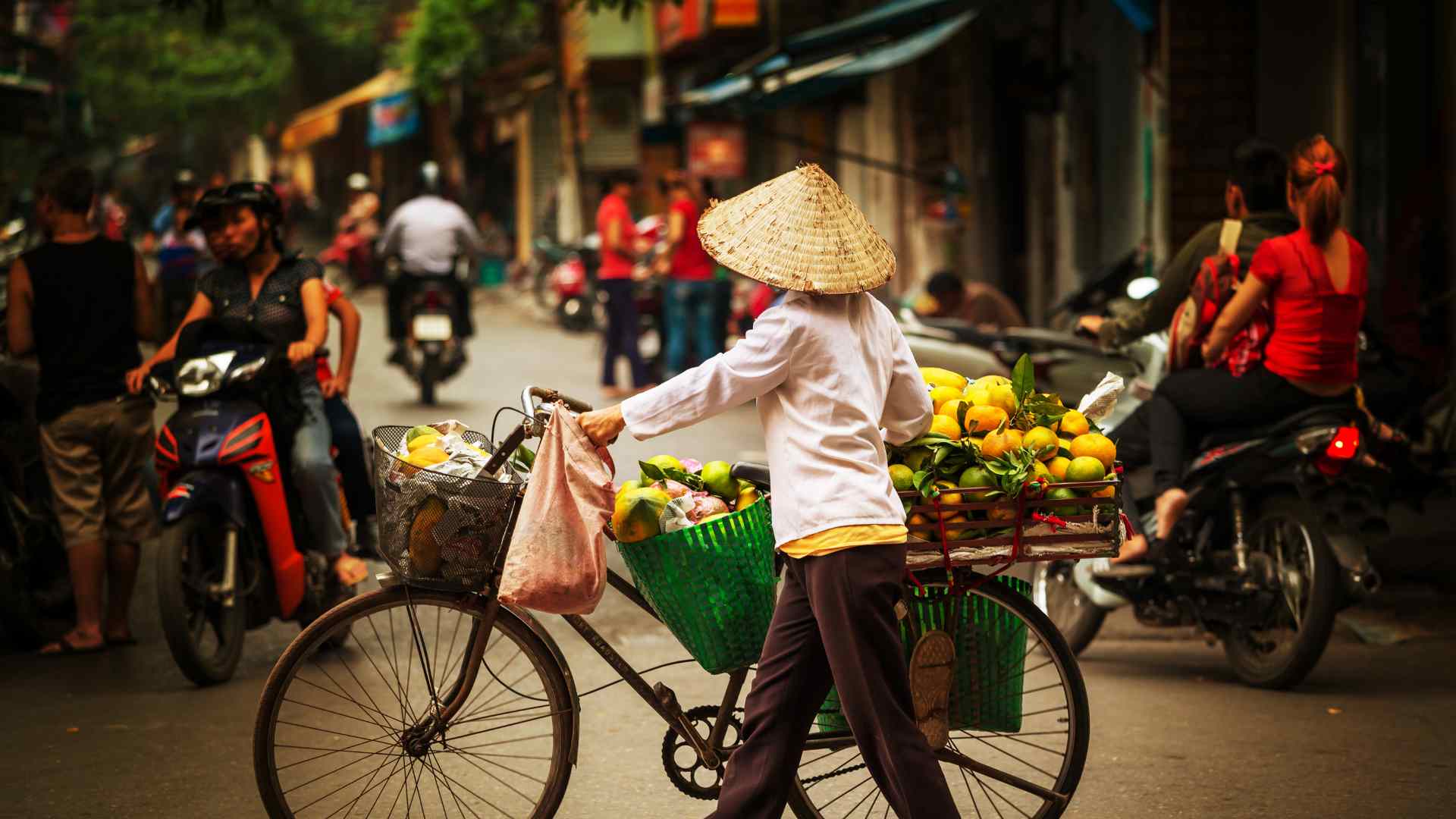
UNESCO describes Hoi An Ancient Town as an exceptionally well-preserved Southeast Asian trading port shaped by local and foreign influences. Its timber buildings, street grid, assembly halls, religious structures, market, river edge, and covered Japanese bridge make the town rewarding on foot.
Hoi An is the easiest of the headline destinations to enjoy without a complicated monument sequence. Once the vehicle drops you near the pedestrian center, you can slow down and let streets, courtyards, food, and workshops build the day.
Check current ticketing and access arrangements because the heritage area manages entry to specific monuments and streets. Restoration, flooding, events, worship, and visitor-control measures can change which interiors are available.
Start with one or two historic buildings rather than buying a ticket and sprinting between every included site. A merchant house, assembly hall, and the Japanese Covered Bridge provide more context when each receives real attention.
The town is widely photographed at dusk under lanterns, but most Chan May calls require you to leave before the evening atmosphere develops. Enjoy the actual daylight visit instead of arranging the entire day around an image made on a land trip.
What to eat in Hoi An
Cao lau noodles are the local dish I would seek first, followed by white rose dumplings and a carefully chosen banh mi. Ask your guide for a place that serves the food well and efficiently rather than the restaurant with the largest group parking area.
Build lunch into the visit rather than making it a separate long detour. Hoi An’s strength is that culture, food, small shops, and river scenery sit together.
Carry Vietnamese dong for smaller vendors and ask before photographing people at close range. The old town remains a lived-in commercial community, not a film set arranged for cruise groups.
Hoi An access and heat
Much of the center limits vehicle access, so expect walking from a drop-off point. Streets are comparatively level, but paving, thresholds, crowds, heat, and occasional wet conditions can still make the route demanding.
A pedicab or mobility arrangement may reduce distance, but availability and traffic restrictions require advance confirmation. Choose shaded interiors and a seated lunch as deliberate recovery points.
Option two: Hue and the imperial complex
The Complex of Hue Monuments was the political, cultural, and religious center of unified Vietnam under the Nguyen dynasty from 1802 to 1945. UNESCO emphasizes the relationship among the Capital City, Imperial City, Forbidden Purple City, Perfume River, temples, pagodas, and royal tombs.
That scale is exactly why Hue cannot be treated as one quick photo stop. The Citadel and Imperial City deserve a substantial block, and the outlying tombs turn the day into a route through a larger designed landscape.
On a first cruise visit, I would tour the Imperial City properly and add one major outlying site. Three tombs, a pagoda, a river cruise, lunch, and the entire Citadel create a checklist, not understanding.
Use the Hue Monuments Conservation Centre’s current information for opening, tickets, restoration, and visitor routes. Parts of the complex may be under active conservation, and a map from an earlier year may lead to a closed gate.
The Imperial City
Allow time for long courtyards, gates, pavilions, temple areas, reconstructed buildings, and visible traces of war. The site is not one palace interior, and its power comes from the sequence of spaces.
Shade can be limited between structures. Carry water, wear a hat, and let your guide choose a route that balances history with the group’s walking ability.
Which royal tomb?
Minh Mang is known for a broad formal landscape, water, and axial planning, while Tu Duc feels more contemplative and closely tied to the emperor’s own use of the grounds. Khai Dinh compresses a dramatic blend of Vietnamese and European decorative influences into a steeper site.
Choose one according to interest and mobility. The best tomb is the one you can explore without turning the return drive into a race.
Thien Mu Pagoda
Thien Mu’s tower rises above the Perfume River and often fits a focused Hue route. Treat the grounds as an active religious site, dress respectfully, and follow any restrictions on photography or access.
A guide can explain the pagoda’s historical and political context without reducing it to a tower photograph. Skip it if the Citadel started late rather than trimming every stop into ten hurried minutes.
Option three: Da Nang and an easier southern day
Da Nang is the practical choice for travelers who want a city day with more flexibility. Its riverfront, beaches, modern streets, and museums offer alternatives when outdoor monument sites feel too hot or rain is settling over the region.
The Museum of Cham Sculpture is the cultural highlight. Its collection connects central Vietnam with the art and religious traditions of Champa, making it a far more meaningful stop than a drive-by photograph of a modern bridge.
Check the museum’s official hours and gallery notices before arrival. Air conditioning, elevators, and access arrangements should also be verified rather than assumed.
Da Nang can pair with the Hai Van Pass when weather is good, or with a beach and lunch when the group wants a gentler pace. It also works as a fallback when Hue or Hoi An road conditions make a longer day unattractive.
Marble Mountains
The Marble Mountains south of central Da Nang combine limestone outcrops, caves, religious sites, viewpoints, and many steps. An elevator may reduce part of the climb, but it does not make the full complex step-free.
Use sturdy shoes and follow current route or worship restrictions. In rain, stone steps can become slippery enough to change the visit completely.
This stop pairs more naturally with Da Nang or Hoi An than with Hue. Add it only when the vehicle route and remaining walking time are comfortable.
What about My Son Sanctuary?
My Son is another major UNESCO site tied to the Champa civilization, but it lies beyond Hoi An in the opposite direction from Chan May’s easy return. Road time, walking, heat, and site time make it an ambitious cruise excursion.
Choose it only on a long, purpose-built tour that states the complete route and return plan. Do not add it casually to a Hoi An shopping and lunch day.
For travelers passionate about Cham history, a focused My Son visit can be the right answer. For everyone else, the Da Nang museum offers more context with fewer logistical risks.
Three realistic port-day plans
Hoi An as the whole story
Leave Chan May early, use the fastest sensible route south, and spend the middle of the day walking Hoi An’s historic core. Visit two or three interiors, eat local food, browse selectively, and return with a large road buffer.
Use the tunnel if time is tight and the pass if it was deliberately included. Do not add Hue, and treat Marble Mountains as optional rather than promised.
Hue for history
Travel north to the Imperial City with a guide, then add one royal tomb or Thien Mu Pagoda according to time and interest. Eat efficiently and begin the return before the schedule feels urgent.
This plan succeeds by depth. Each deleted stop gives the remaining monuments more room to make sense.
Da Nang with the pass
Ask for the Hai Van Pass road if conditions allow, then continue to the Cham Museum and one city or beach stop. Return through the tunnel if that protects time.
This is a strong repeat-visitor plan and a good choice for mixed-interest groups. It combines scenery, culture, and a city meal without Hoi An’s longer commitment.
Why Hue and Hoi An do not belong in one ordinary call
Hue and Hoi An sit in opposite directions from Chan May, with the Hai Van range between the northern and southern portions of the route. Linking them means multiple long road legs before you account for port security, traffic, meals, walking, or actual sightseeing.
A tour may advertise both, but read the minute-by-minute breakdown. If the vehicle time dominates and each World Heritage site receives only a brief stop, the product is transportation with souvenirs.
The better rule is one destination plus one nearby companion. Hue plus one tomb works, Hoi An plus lunch works, and Da Nang plus the pass works.
Weather and seasonal reality
Central Vietnam’s weather pattern differs from the country’s north and south. Hot sun, heavy rain, humidity, flooding, and tropical weather systems can all affect a cruise season, so month names alone do not guarantee conditions.
Hue and Hoi An are vulnerable to intense rain and flooding during the wetter part of the year. Check official forecasts and live attraction notices, and accept a changed route when roads or visitor areas are affected.
Summer heat can make open courtyards and stone sites punishing. Carry water, use sun protection, and plan outdoor walking before the hottest part of the day where the schedule allows.
A light waterproof layer and shoes that grip are useful even when the forecast looks optimistic. Wet heritage paving, marble steps, and bus floors do not care how beautifully your white shoes matched the outfit.
Accessibility and reduced-mobility planning
The port quay may be level, but the day quickly becomes a vehicle and site-access problem. Confirm coach steps, lift availability, wheelchair storage, seating, and whether an accessible private vehicle can enter the same drop-off areas.
Hue involves long distances, worn paving, grass, gravel, thresholds, and steps across a large complex. A guide should tailor the route instead of assuming every gate and courtyard must be completed.
Hoi An is flatter and more pedestrian, but vehicles stop outside much of the historic core. Cobbles, thresholds, crowds, heat, and the distance from drop-off to attractions still matter.
Da Nang generally offers the easiest mix of roads, modern buildings, and indoor stops. Marble Mountains remain challenging because an elevator addresses only part of a site built around caves, stairs, and uneven stone.
Ask each venue for current details rather than accepting “wheelchair friendly” as a complete answer. My wheelchair-friendly cruise ports guide lists the specific questions that reveal whether a route truly works.
Money, language, and food safety
Vietnam uses the dong, and cash is useful at markets, small restaurants, and minor vendors. Cards are more common in established businesses, but connection or machine problems make a backup payment method sensible.
Use a reputable bank ATM if you need cash and keep notes organized. Large-denomination bills can be awkward for a small purchase, while hurried currency conversion creates easy mistakes.
Vietnamese is the everyday language, and English varies widely. A translation tool helps with simple purchases, but a guide adds much more value at imperial, religious, and archaeological sites.
Choose busy established food businesses, drink safe water, and communicate allergies clearly. Shared sauces, broths, garnishes, and cooking surfaces can contain ingredients that are not obvious.
Do not carry fresh food, plants, or animal products back aboard without checking ship and customs restrictions. A sealed packaged souvenir is much easier than a conversation about a dripping bag at port security.
Common planning mistakes
The first mistake is waiting until the gangway to choose north or south. Decide before arrival and have one backup if weather or roads change.
The second is hiring a driver without confirming that a guide is included. Transportation moves you between monuments, but interpretation is what makes them worth the distance.
The third is asking for the Hai Van Pass but receiving the tunnel because nobody wrote the route down. Confirm the scenic road and the fallback in advance.
The fourth is trusting a visa summary copied from an older article. Use current official guidance and the cruise line’s requirements for your sailing.
The fifth is measuring the return only from the final attraction to the port gate. Add city traffic, highway conditions, security, and the distance from the gate to your gangway.
Frequently asked questions
Is there anything to do at Chan May Port itself?
Very little for a full visit. The port is a transport gateway, so plan an organized route away from the quay.
Should I choose Hue or Hoi An?
Choose Hue for imperial history and monumental landscapes, or Hoi An for a walkable trading town, food, and architecture. Do not choose both unless a long ship-designed itinerary proves the timing is humane.
Is Da Nang worth choosing instead?
Yes, especially for the Cham Museum, easier city logistics, the Hai Van Pass, or a lower-intensity day. It is not a lesser substitute when the group values flexibility.
Can I use public transportation from the port?
Public transit is not the practical basis of an ordinary cruise visit from the controlled working port. Use a ship excursion, prearranged vehicle, or authorized local taxi plan.
Will the drive use the Hai Van Pass?
Not necessarily, because the tunnel is faster for through traffic. Request the pass road specifically and accept that weather or operations may require the tunnel.
Do I need a visa?
The answer depends on nationality, passport, current policy, itinerary, and cruise-line handling. Check official Vietnam guidance and your sailing documents rather than relying on a generic yes or no.
How early should I return?
Early enough that traffic, road work, weather, and port security cannot consume the entire margin. Set the vehicle turnaround with the operator before leaving Chan May.
The bottom line
Chan May is a simple port attached to a complicated choice. Pick Hue, Hoi An, or Da Nang, let that place have the day, and return with enough margin that the final hour does not erase everything you enjoyed.
For the wider region, compare this long-transfer call with my Phu My cruise port guide and the scenery-first approach in the Ha Long Bay cruise port guide. If your voyage begins or ends farther south, the Singapore cruise port guide covers the turnaround logistics that often frame a Southeast Asia itinerary.
How this guide was researched: Vietnam tourism, immigration, UNESCO, heritage, museum, access, and current destination information was checked against primary sources on September 11, 2026. Port operations, visas, roads, and attraction access can change, so verify the live ship notice and see our Editorial Policy.