Kushiro Cruise Port: Berths, the Marsh Train and Fog
Kushiro feels less like a polished resort port and more like Hokkaido opening a side door to its wildest landscape. Fishing boats, cool air, low clouds, seafood counters, and the immense Kushiro wetland all belong to the same day here.
The catch is that your experience changes dramatically with your berth. Some ships dock beside the central waterfront, while others use West Port Pier 4 and need a transfer into town, so check the ship’s daily program before committing to a train, taxi, or independent excursion.
My quick take
Kushiro is a wonderful one-big-thing port. Choose the wetland, Lake Akan, or a relaxed city day, then resist the temptation to stitch all three together.
The strongest plan is the wetland when the schedule works, followed by seafood near the station or waterfront. If transport connections are awkward, stay in town for Washo Market, Nusamai Bridge, and Fisherman’s Wharf MOO rather than spend the call watching a clock through a bus window.
Quick Facts
- Port: Kushiro Port on eastern Hokkaido
- Possible cruise berths: The earthquake-resistant passenger terminal in East Port or West Port Pier 4
- Tender: Cruise calls in the published schedule use alongside berths
- Best nearby sights: Fisherman’s Wharf MOO, Nusamai Bridge, and central seafood markets
- Signature excursion: Kushiroshitsugen National Park
- Currency: Japanese yen
- Language: Japanese, with English support varying by venue
- Big planning issue: Berth location and sparse rural transport
- Weather reality: Cool, damp, foggy conditions are possible even in summer
Where cruise ships dock in Kushiro
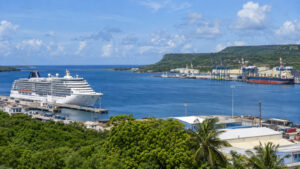
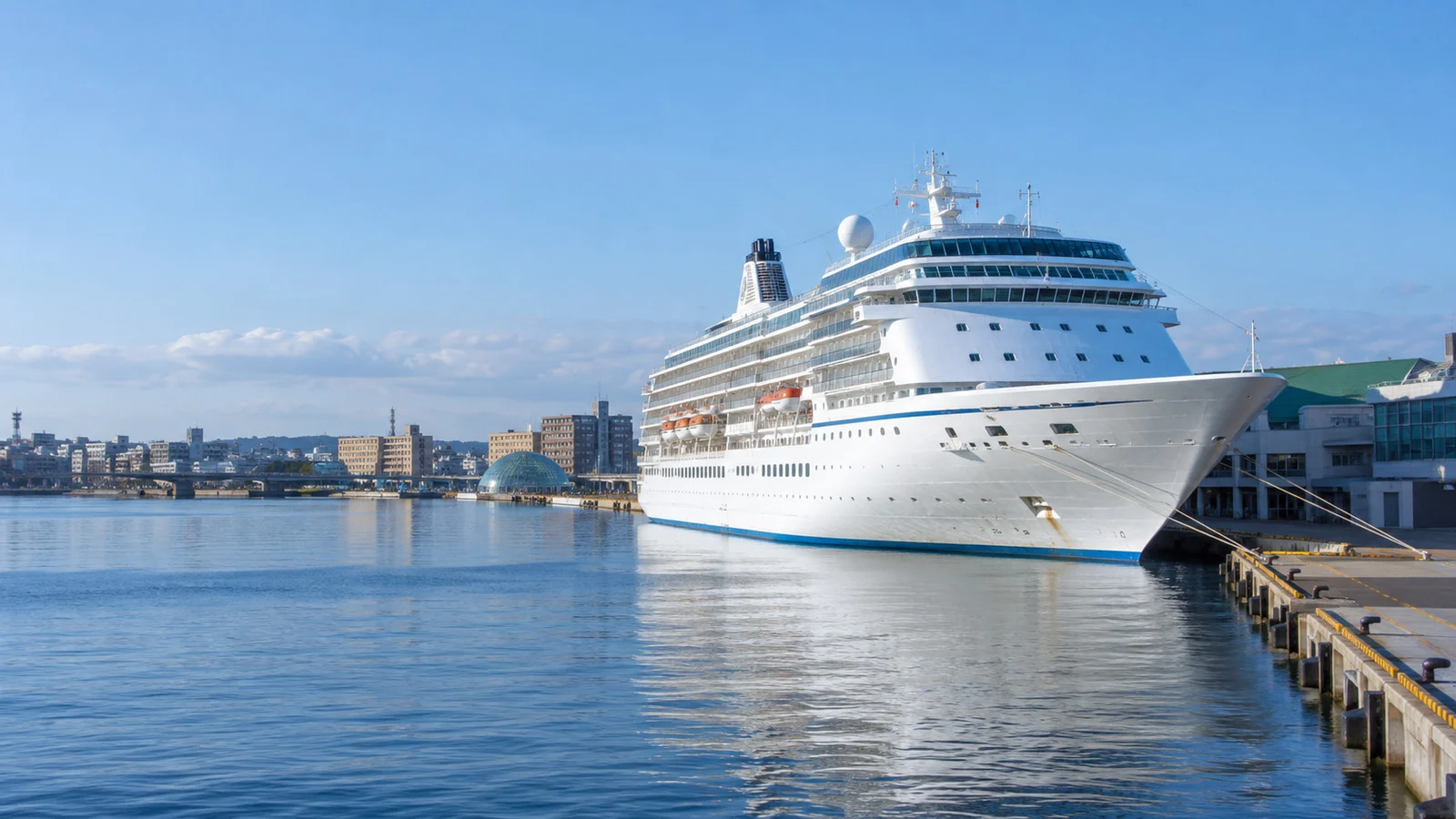
Kushiro City publishes its cruise schedule with the planned berth for each ship. The 2026 list shows calls at both the earthquake-resistant passenger terminal and West Port Pier 4, which means a previous passenger’s arrival experience may not match yours.
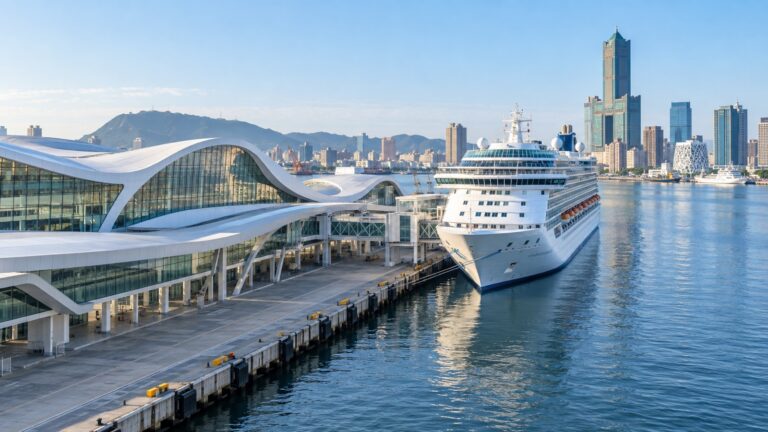
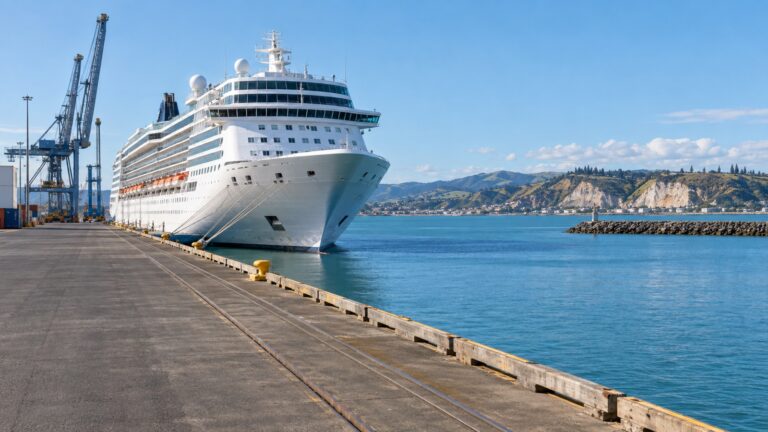
The East Port passenger berth is the convenient draw because it places you near the central waterfront, Fisherman’s Wharf MOO, and the city center. West Port Pier 4 belongs to the commercial harbor and requires organized ground transportation or another confirmed transfer.
Never identify your berth by ship size alone, and do not treat a preliminary online schedule as final. Weather and port operations can force changes, so use the onboard announcement and daily program as the last word.
Both locations normally provide an alongside arrival rather than tendering. Gangway slope, walking distance across the quay, and shuttle accessibility still vary with the ship and tide, so passengers with mobility needs should ask the cruise line for the details of their sailing.
The first decision to make onboard
Find the berth name and any shuttle information before you leave the ship. That single check tells you whether a timed train from Kushiro Station is realistic or whether you should choose a flexible city plan.
At an industrial berth, use only the walking route or shuttle authorized by the port because active cargo areas are not sightseeing zones. If a complimentary shuttle is offered, note its city stop, last departure, accessibility, and whether a long line forms near all-aboard time.
At the central berth, you have more freedom to walk and adjust the day. Even then, leave room for immigration clearance, gangway congestion, and the time needed to pass back through ship security.
Kushiroshitsugen National Park
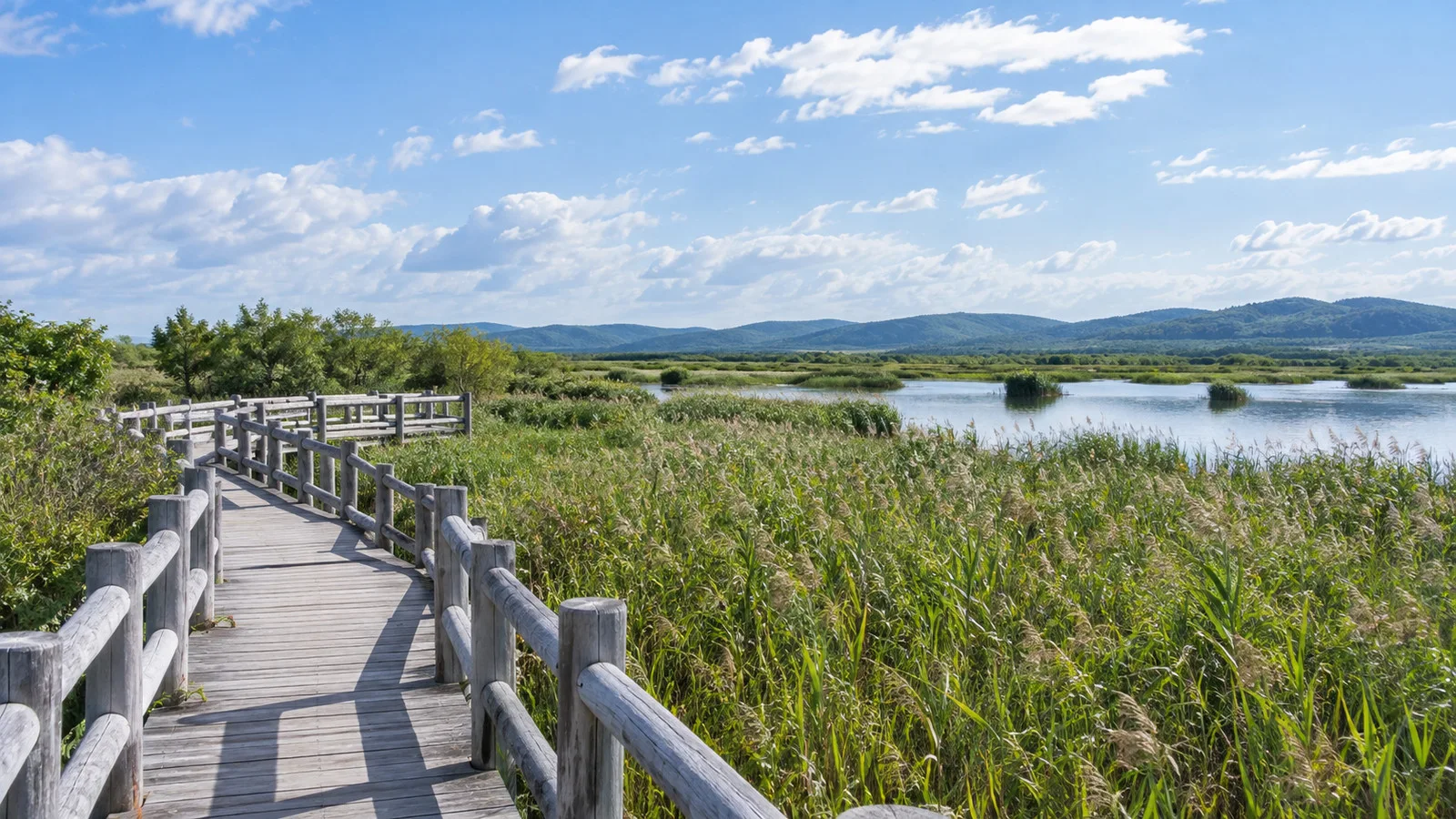
Kushiroshitsugen National Park protects a vast wetland of peat marshes, lakes, reed beds, and the winding Kushiro River. The Ministry of the Environment’s national park guide identifies it as Japan’s first Ramsar Site and an important home for red-crowned cranes.
This is not one attraction with one entrance. Different observatories, visitor centers, trails, stations, and river experiences sit around a landscape that is much larger than it first appears on a map.
Pick an access point that matches your transport rather than choosing a famous viewpoint and hoping the connections work. Hosooka offers broad views across the river and wetland, while Onnenai has a visitor center and boardwalk access on the park’s western side.
Wildlife is never guaranteed, and the celebrated crane courtship season is in winter rather than the main cruise season. Bring binoculars, move quietly, stay on designated paths, and enjoy the scale of the ecosystem even if the cranes decline to appear.
The Norokko train in its final operating year
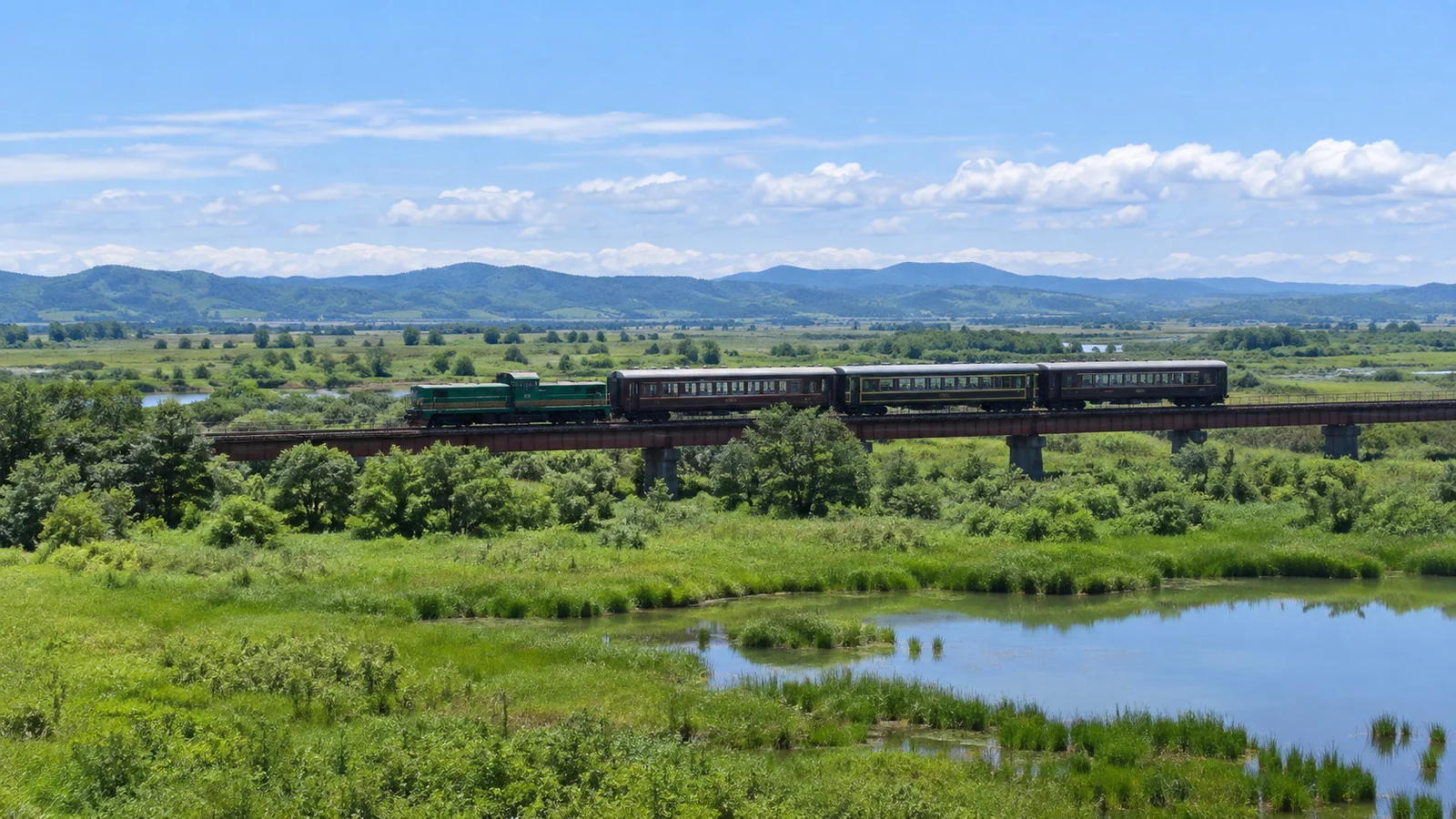
The Kushiro Shitsugen Norokko train runs between Kushiro and Toro on selected dates, giving passengers wetland views from a route that cars cannot duplicate. JR Hokkaido says the long-running service will terminate in fiscal 2026 because its locomotive and passenger cars are old and replacement parts have become difficult to obtain.
For the 2026 season, the official page lists operations from April through October on specified days. Every seat is reserved, and riders need both a basic fare ticket and a reserved-seat ticket.
That makes the train a reservation, not a hopeful walk-up idea. Confirm the actual operating date, departure time, return service, station transfer, and ship’s all-aboard deadline before buying.
Travelers sailing after the service ends should not assume a similarly named replacement will follow the same schedule or offer the same experience. Check JR Hokkaido directly for whatever rail options exist at the time of the visit.
The train is scenic, but it is not a hop-on sightseeing loop with frequent departures. Missing the planned return can strand you far from the ship, so build the entire outing around the confirmed rail schedule.
Reaching the wetland without the sightseeing train
A ship excursion is the simplest choice when the port call is short, the ship is at West Port, or you want an observatory that lacks frequent public transport. Its real value is synchronized timing and a clear return plan, not merely a guide’s commentary.
A prearranged taxi or private driver offers more flexibility for an observatory, visitor center, and lunch. Send the itinerary in advance, ask whether waiting time is included, and make sure the driver understands the ship’s berth rather than just Kushiro Port.
Regular trains and buses can work, but rural frequency leaves little room for error. Check the current timetable in both directions and take a screenshot, because the last useful connection for a cruise passenger may be much earlier than the final service of the day.
Canoe trips on the Kushiro River can be exceptional, yet they require a reputable operator, a fixed meeting point, and weather cooperation. Book with enough transfer time and read the cancellation procedure before relying on one for your only day ashore.
Lake Akan is a full excursion
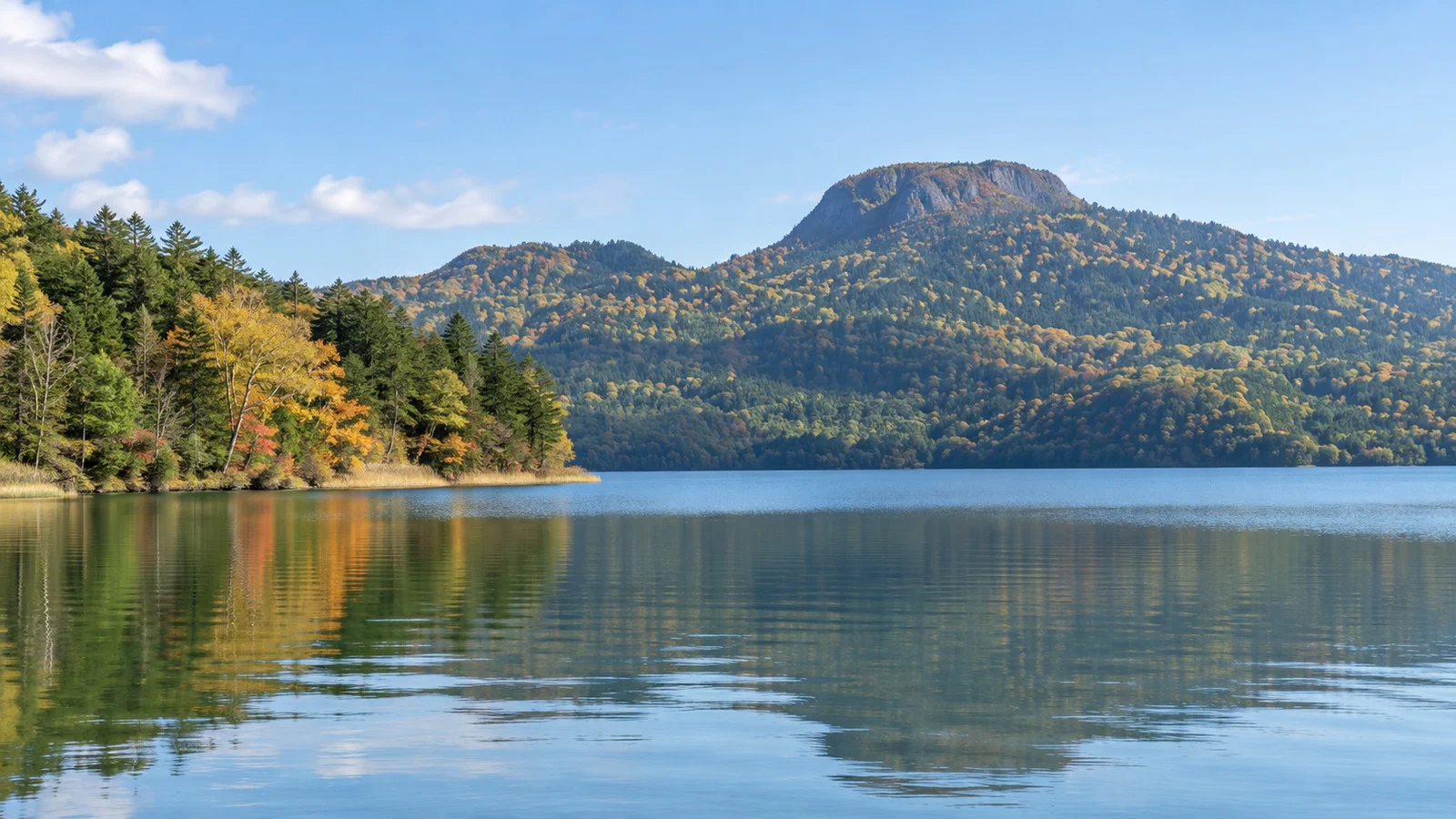
Lake Akan sits inland within Akan-Mashu National Park and is best known for its volcanic scenery, hot-spring community, Ainu cultural connections, and marimo algae. It is not a quick add-on to a downtown Kushiro walk.
A ship tour or carefully arranged private trip is the sensible method on a port day. Road time, attraction timing, and weather can consume much of the call, and combining Lake Akan with the distant sides of Kushiroshitsugen creates a rushed itinerary.
If your priority is Ainu culture, check the current program and opening hours of the specific cultural venue included in your plan. Performances, workshops, and shops do not all keep the same schedule, especially outside peak periods.
The lake can be beautiful in mist, but clouds may hide the mountain views that sold you on the excursion. Treat the cultural landscape and lakeside atmosphere as part of the experience rather than measuring the day by one photograph.
A rewarding day in central Kushiro
Central Kushiro is compact enough for a relaxed walk when you arrive at the passenger terminal or after a shuttle transfer. The waterfront does not pretend to be quaint, and its mix of working port, river, public art, and local commerce is exactly the appeal.
Nusamai Bridge
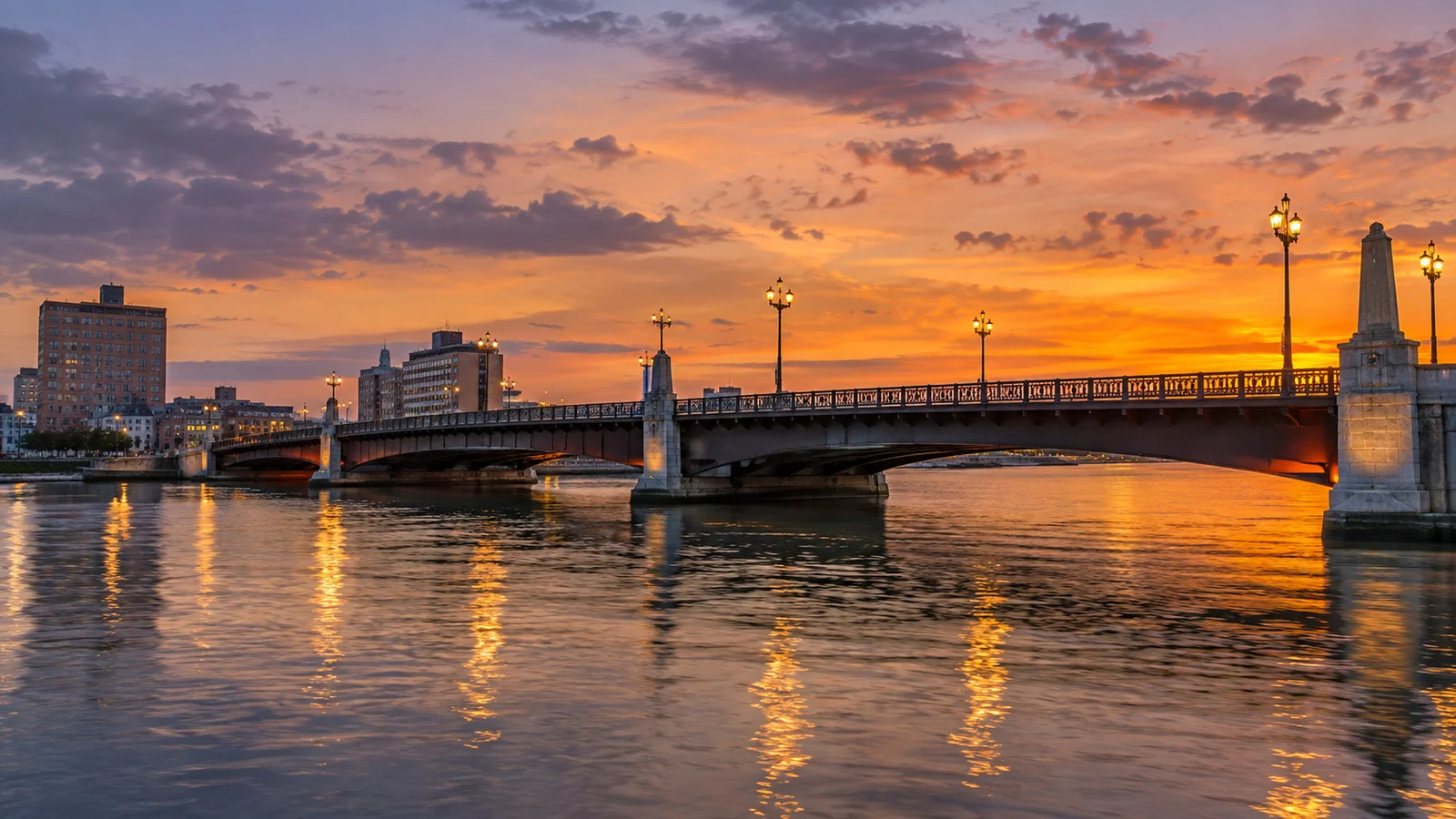
Nusamai Bridge spans the Kushiro River close to its mouth and has become the city’s signature urban view. The bridge, riverbanks, and harbor light are especially atmospheric when fog softens the edges of the city.
Use marked crossings and remember that damp pavement can be slick. The bridge is an easy photo stop, not a reason to block the walkway or step into a traffic lane.
Fisherman’s Wharf MOO and EGG
Kushiro Fisherman’s Wharf MOO is a waterfront complex with seafood, souvenirs, dining, public facilities, and visitor information. Its official site describes the neighboring glass building EGG as an evergreen garden, which makes it a pleasant weather refuge as well as an architectural curiosity.
Individual businesses keep their own hours, and an early cruise arrival may precede the shopping day. Check the live directory if one restaurant matters to you, then keep a backup nearby.
Washo Market and katte-don
Washo Market is famous for katte-don, a rice bowl you build by purchasing rice and choosing seafood toppings from participating counters. The fun is in browsing and assembling your own combination, but prices rise quickly when premium shellfish and roe begin landing on the bowl.
Confirm the market’s current business day and hours, since holidays and closures matter on a cruise call. Carry yen, ask before photographing vendors, and check your home country’s food-import rules before buying fresh or packaged seafood for the ship.
What to eat
Kushiro’s identity is tied to the sea, so this is a natural place for sashimi, grilled fish, shellfish, and preserved seafood. Sanma, often called Pacific saury in English, is closely associated with the port, though availability and condition are seasonal.
Robatayaki, charcoal grilling associated with Kushiro, is another satisfying choice when a restaurant is open during your call. Sit where staff direct you, ask for help with unfamiliar items, and mention allergies clearly in Japanese as well as English.
Do not assume every attractive seafood counter can prepare food for immediate eating. Some sell retail products only, while others may have specific seating or disposal rules.
Japan’s tap water is generally safe, but a bottle in your bag is useful when an outing heads into the wetland. Keep food away from wildlife and carry your trash until you find the correct bins.
Weather, fog, and what to wear
Kushiro’s summer can feel surprisingly cool compared with much of Japan. Moist air and sea fog are part of the coastal character, and a sunny forecast for inland Hokkaido does not guarantee a clear waterfront.
Dress in light layers, add a wind-resistant outer layer, and bring a compact rain shell. Shoes with reliable grip are more useful than delicate footwear on wet boardwalks, quay surfaces, and riverfront paving.
Fog can limit viewpoints and delay transport without making the day a failure. It gives the harbor a moody beauty, but it also argues for conservative return timing and a flexible photography plan.
Autumn calls can be crisp, and weather changes are felt quickly in exposed wetland areas. Check the local forecast on the morning of arrival, not only the generic forecast in the cruise app several days earlier.
Money, language, and connectivity
Japan uses the yen, and smaller markets, taxis, or rural facilities may be easier with cash even as card acceptance grows. Carry a practical mix rather than assuming one international card or phone wallet will work everywhere.
English signage is useful at major visitor points, but independent drivers and small vendors may communicate mainly in Japanese. Save destination names, the berth name, and the ship’s emergency contact in writing.
Download offline maps and translation files before leaving the ship. Mobile reception can weaken in rural sections of the wetland, and a dead connection should not erase your route back.
Public wireless access is a bonus rather than a transport plan. A portable battery is especially valuable if one phone is doing the work of map, translator, camera, ticket wallet, and alarm clock.
Accessibility and mobility
An alongside berth removes the tender barrier, but the gangway can still be steep and the terminal route can still be long. Ask the cruise line what assistance is available at the actual berth assigned to your ship.
A port shuttle may use a standard coach with steps and limited storage for rigid mobility devices. Travelers arriving at West Port should confirm lift access or an alternative vehicle before the day of arrival.
Central waterfront routes are generally the easiest independent option, and MOO provides indoor facilities close to Nusamai Bridge. Construction, curb cuts, and elevator availability can change, so the information desk is worth using before setting out.
Wetland access varies by site, with some boardwalks and visitor centers more manageable than steep observatory approaches. Ask the chosen facility about gradients, surface conditions, accessible restrooms, and how close an authorized vehicle can get.
Three realistic port-day plans
The easy city day
Explore Nusamai Bridge, MOO, EGG, and Washo Market, adding lunch and a slow riverfront walk. This plan is resilient when the ship clears late, fog closes in, or a shuttle shortens your usable time.
The wetland day
Use a confirmed Norokko reservation during its remaining service, a ship excursion, or a prearranged driver to reach one carefully chosen part of Kushiroshitsugen. Return for seafood only if the transport timetable leaves a comfortable margin.
The Lake Akan day
Take an organized or private full-day excursion and accept that the road journey is part of the commitment. Do not add a separate wetland crossing unless the operator has built it into a ship-aware itinerary.
Quick answers
Is Kushiro cruise port walkable?
The East Port passenger terminal is convenient for the central waterfront, while West Port Pier 4 is not a practical independent walk into town. Confirm your berth and shuttle before making a walking plan.
Can I ride the Norokko train?
Only when your call matches an official operating date and you hold the required tickets and reservation. JR Hokkaido says the train will terminate in fiscal 2026, so later visitors must check for current alternatives.
Can I see red-crowned cranes in summer?
They live in the wider region, but a sighting on a short summer excursion is never guaranteed. Visit for the wetland itself and treat wildlife as a gift.
Should I book Lake Akan through the ship?
A ship excursion is the lowest-stress choice for such a distant destination. A private trip can work if the operator knows cruise timings and provides a firm return plan.
What happens if it is foggy?
City attractions and food remain worthwhile, while distant views may disappear and transport may slow. Keep the itinerary flexible and return earlier than the minimum margin.
The last word
Kushiro is at its best when you choose depth over distance. Let the berth decide the logistics, let the weather shape the mood, and give either the wetland or the waterfront enough time to become more than a rushed photograph.
Reserve the Norokko while it still runs if the schedule truly fits, but never force it against the ship’s clock. A bowl of local seafood beside a fog-softened river is an excellent Plan B, and sometimes it is the day you remember most.
Research checked on September 12, 2026 against current official information from Kushiro City, JR Hokkaido, Kushiro Fisherman’s Wharf MOO, and the National Parks of Japan. Berths, shuttles, train operations, attraction hours, and weather can change, so verify every time-sensitive detail for your sailing before leaving the ship.