Puerto Princesa Cruise Port: City, Honda Bay & Cave
Puerto Princesa gives cruise passengers a choice that looks simple on a map and becomes more interesting once time enters the picture. You can explore a friendly Palawan city, take another boat into Honda Bay, or attempt the famous Underground River with its long chain of road, permit, sea, and cave logistics.
My strong advice is to choose one version of the day and give it room to breathe. Puerto Princesa rewards good judgment far more than a heroic list of stops.
Start with the working port
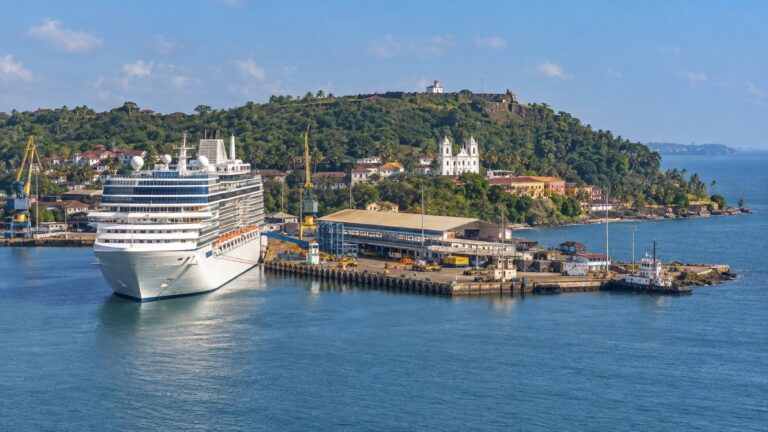
Puerto Princesa receives ships through an active commercial harbor, and the exact operating plan belongs to your sailing. A vessel may use an assigned berth when conditions and port traffic allow, while another call can involve anchorage, tendering, a shuttle, or a controlled route through the secure area.
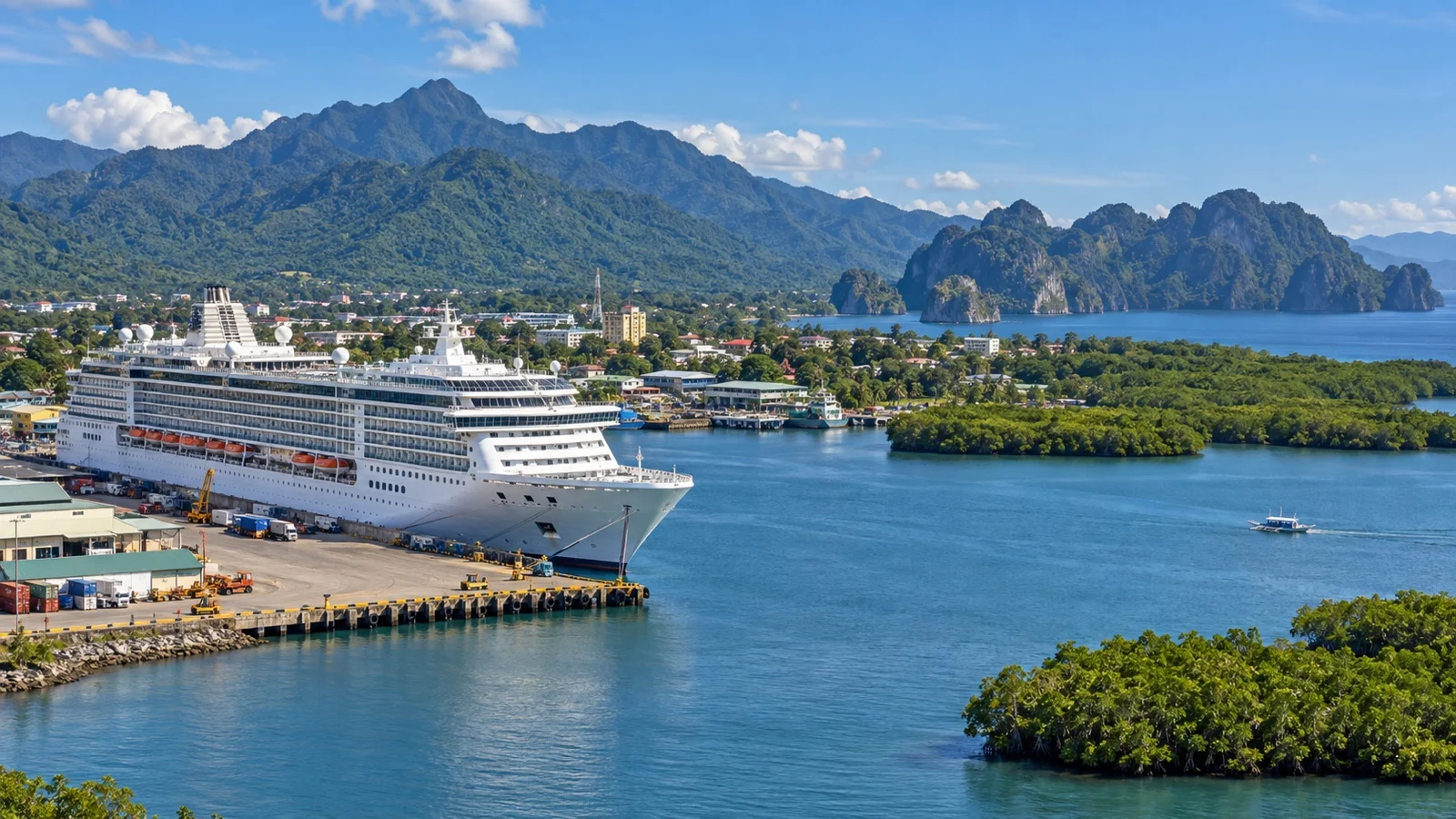
Do not assume you can walk from the gangway straight into town. Follow the ship’s instructions for the port gate, shuttle, authorized vehicles, meeting area, and any identification required for reentry.
Published arrival time is not the same as permission to go ashore. Immigration, port clearance, gangway setup, and local operations can delay the first passenger movement, so never promise a private driver an exact meeting based only on the itinerary.
Quick facts
- Port style: A working commercial port where assigned berth, anchorage, shuttle, and gate arrangements are sailing specific
- Currency: Philippine peso
- Languages: Filipino and English are widely used
- Best short call: City waterfront, cathedral, Plaza Cuartel, and a carefully chosen museum or viewpoint
- Best beach plan: A prearranged Honda Bay trip with road and local boat logistics included
- Underground River: A full-day commitment for a long call, confirmed permit, and protected return plan
- Main risks: Port clearance, tropical weather, traffic, boat delays, and overly ambitious distances
- Accessibility: Gangway or tender conditions plus small boats are the major variables
Entry forms and shore access
Philippine entry requirements depend on nationality, passport, itinerary, and the way a cruise voyage is processed. The cruise line and Philippine authorities are the correct sources for your specific case, not a commercial form site that happens to rank well in search.
The official eTravel site includes a cruise travel registration route and states that the service is free. Complete it only when your cruise line or official instructions say it applies, because eTravel does not replace a visa, cruise waiver, passport rule, or immigration decision.
Save any confirmation offline before reaching the gangway. A screenshot, the required landing card, and the ship’s contact details are much more useful than hoping mobile service works beside the port gate.
Private vehicles may need authorization to enter a secure meeting zone. Send plate details or operator information in advance if requested, then confirm the final pickup point after the ship clears.
The easy city day
Puerto Princesa’s central sights make a sensible plan for a short or uncertain call. You keep transport exposure low while still seeing the city’s waterfront, civic history, places of worship, everyday streets, and Palawan identity.
A local tricycle can be convenient for a compact circuit, but agree on the stops, waiting time, total fare, and return point before leaving. Choose an authorized or trusted driver and do not let an energetic sales pitch expand a one-hour ride into a distant half-day.
Puerto Princesa Baywalk
The Baywalk provides an easy waterfront orientation and a place to feel the city’s relationship with the sea. It is best approached as part of a broader loop rather than treated as a formal attraction with a fixed amount of time.
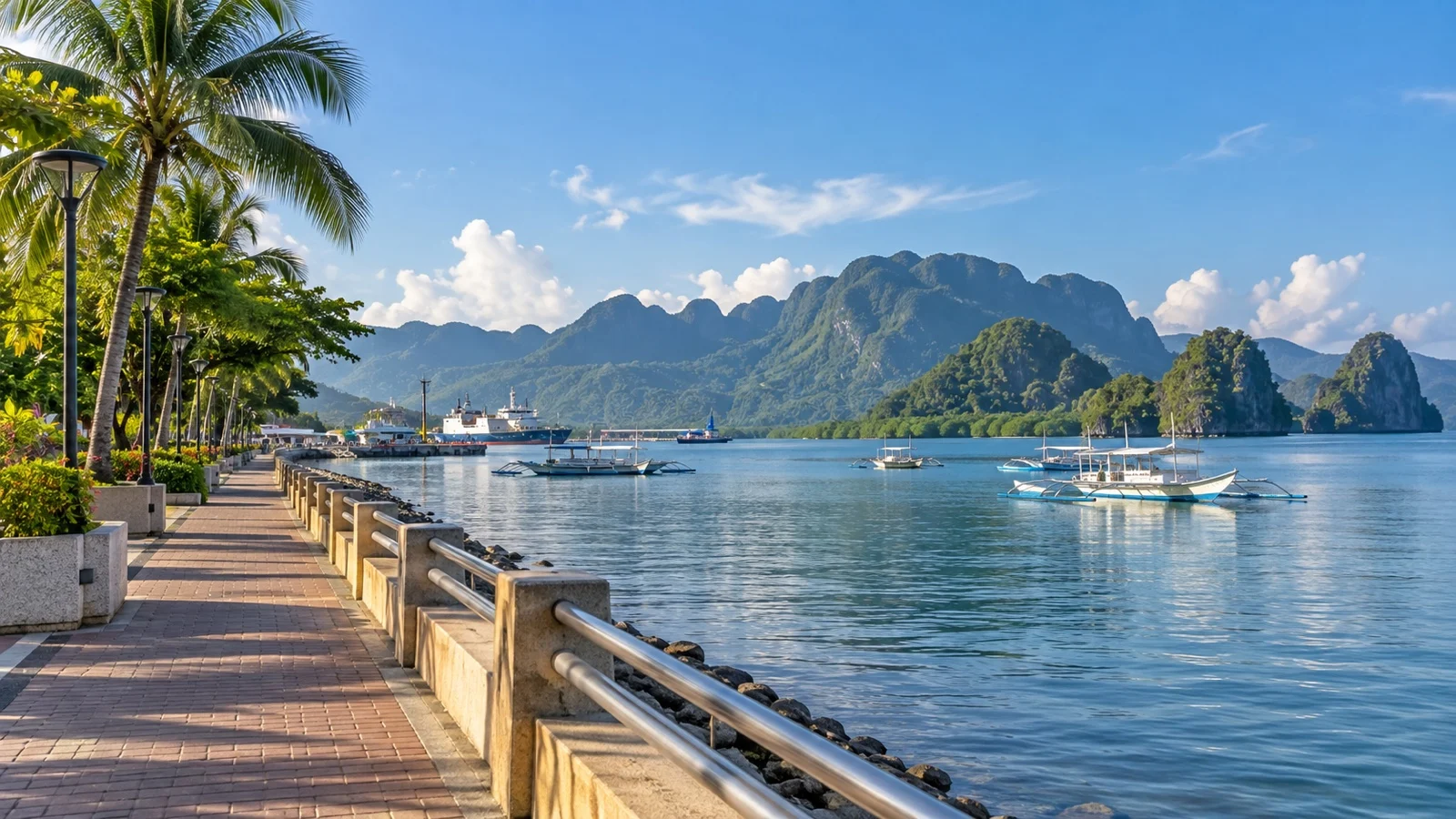
Morning conditions can be quieter than the evening scene visitors often see in photographs. Enjoy the view you actually get, watch footing near wet surfaces, and keep an eye on the heat because shade can be limited.
Immaculate Conception Cathedral
The cathedral is a recognizable city landmark near Plaza Cuartel. Dress respectfully, lower voices if worship is taking place, and remember that access can change for services or local events.
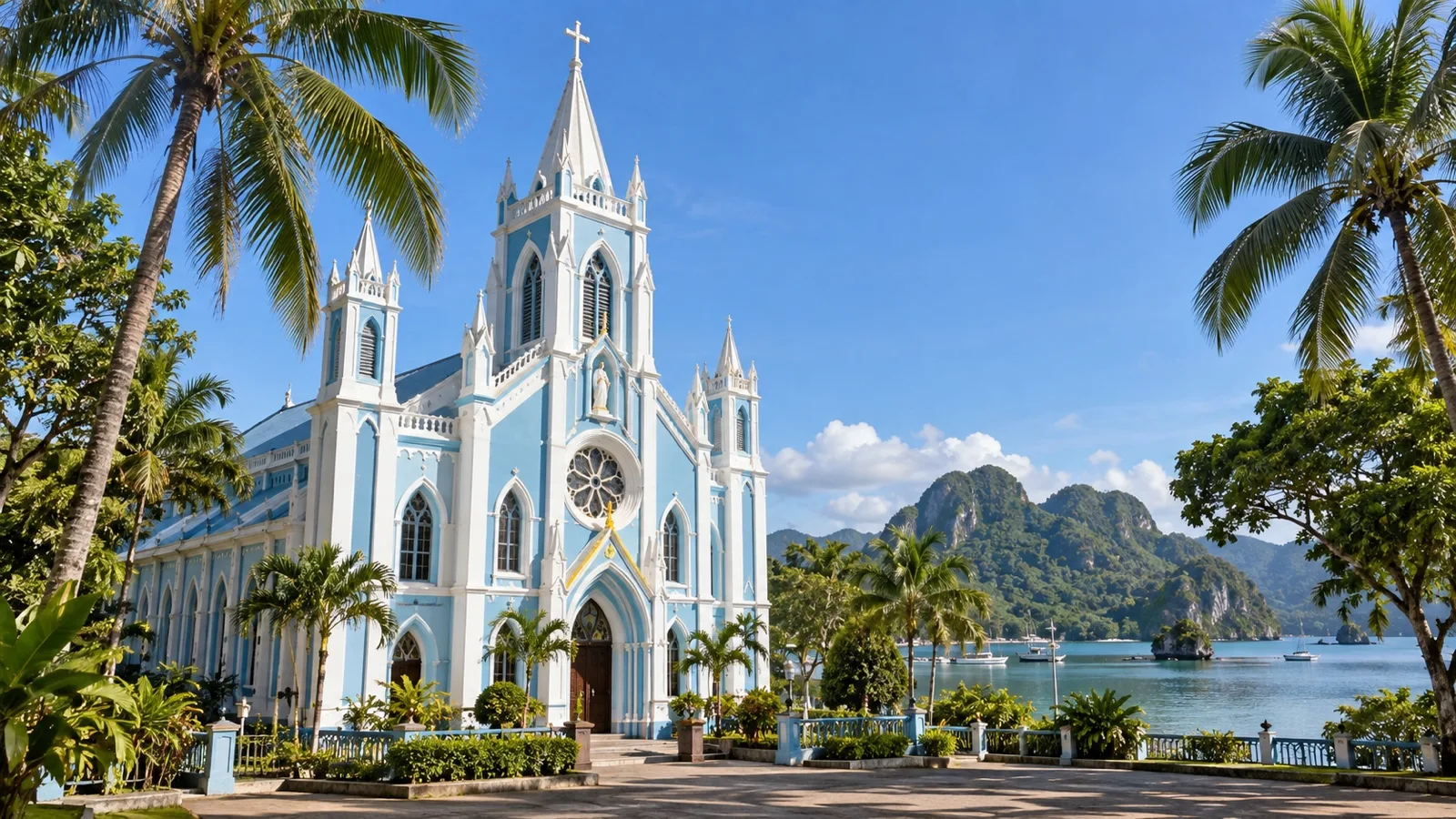
This stop works because it adds a living community space to a day that might otherwise become a sequence of commercial viewpoints. A few attentive minutes are better than rushing through for a photograph.
Plaza Cuartel
Plaza Cuartel is tied to the memory of American prisoners of war killed during World War II. Treat it as a memorial site, read the interpretation available, and avoid turning the setting into a playful photo stop.
The plaza and cathedral can be combined without creating a difficult transport plan. That pairing leaves time for a museum, market, lunch, or viewpoint depending on current opening hours.
Museums and local context
Puerto Princesa and Palawan have cultural and environmental stories that deserve context before you head toward a beach. Museum availability and hours can change, so check the official city or venue page near your call instead of relying on a copied tour description.
Choose one institution that is definitely open and give it enough time to be meaningful. A closed door should trigger a simple backup such as the Baywalk or lunch, not a frantic cross-city reroute.
City-edge stops
Tours often combine urban sights with viewpoints, craft shops, or nature-related attractions on the edge of town. These can make a varied half-day, but each extra stop adds road time and another opportunity for the schedule to drift.
Iwahig
Iwahig Prison and Penal Farm is known for its unusual open-colony history and is sometimes offered on organized city tours. Access is controlled and can change, so go only when a qualified operator has confirmed visitors are being accepted.
This is not a place to approach casually or to enter beyond authorized areas. Follow photography rules, staff directions, and the operator’s timing without treating residents as part of an exhibit.
Wildlife and viewpoint stops
The Palawan Wildlife Rescue and Conservation Center is commonly included in tours, while Baker’s Hill and Mitra area viewpoints appear on many local circuits. Check current opening, welfare practices, and visitor rules before deciding which stops align with your interests.
A viewpoint can be a pleasant addition when skies are clear, but it should stay optional. Tropical rain can erase the panorama while traffic quietly consumes the time you meant to protect.
Honda Bay: a second boat day
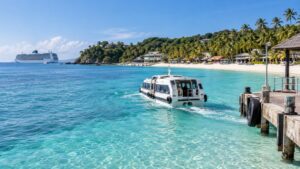
Honda Bay island hopping is not simply a taxi ride to a beach. You travel north from the port area, transfer to a local boat, follow the day’s allowed island route, and reverse the sequence before returning to the ship.
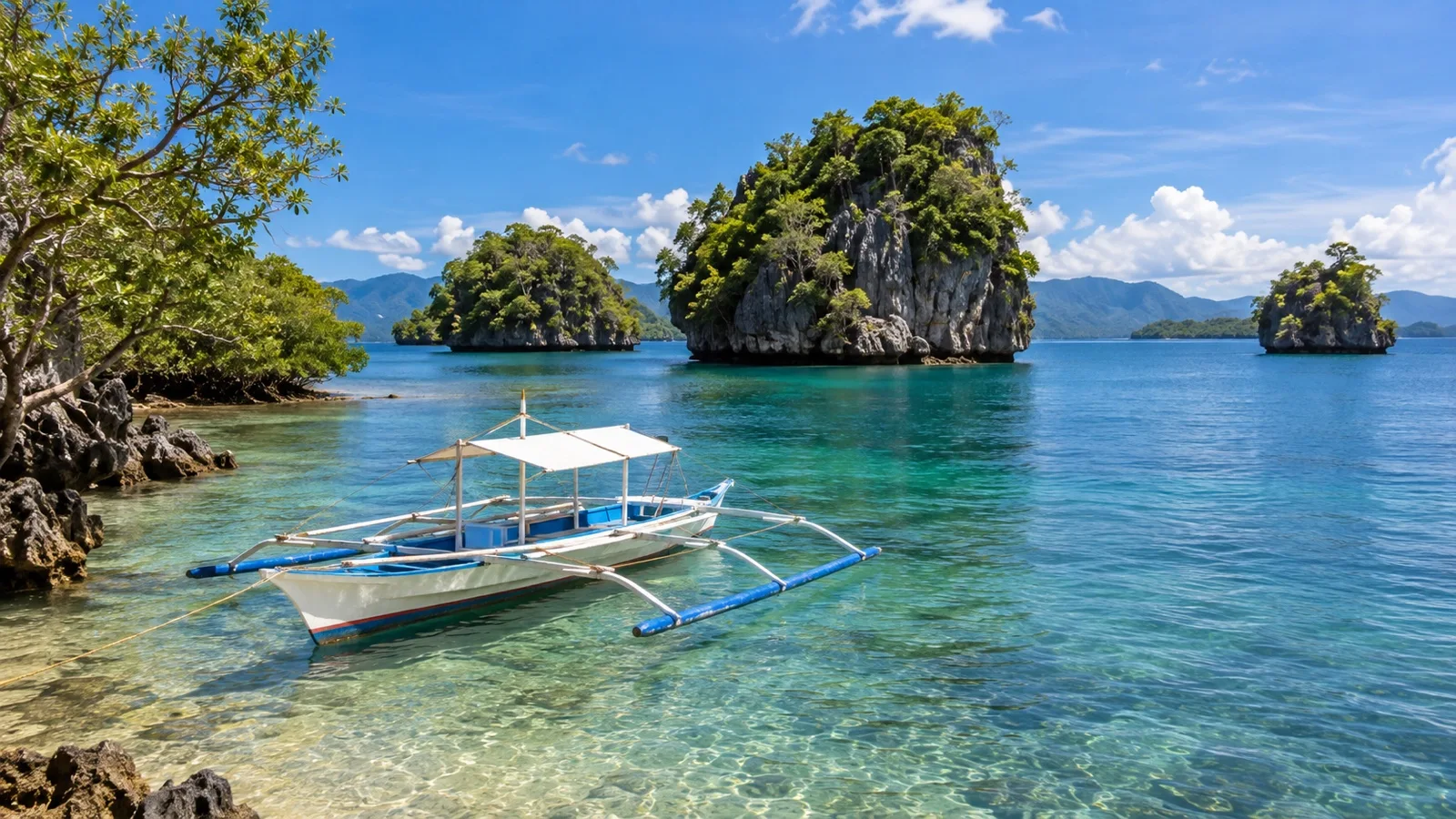
Marine conditions, tide, conservation measures, weather, and local operating rules shape the exact itinerary. An island listed in an old article may be unavailable, substituted, or subject to a different access arrangement on your date.
Use a ship excursion or a cruise-day operator who includes ground transfers, boat, safety gear, required fees, and a written return plan. Confirm whether lunch, water, environmental charges, snorkeling equipment, and towels are included.
What to ask before booking
Ask where the vehicle meets you, which wharf the boat uses, and what happens if the ship clears late. You also need the operator’s cutoff for canceling the marine portion without jeopardizing the port return.
Check whether life jackets are available in appropriate sizes and must be worn throughout the crossing. If snorkeling is included, ask how gear is sanitized and whether weak swimmers can stay close to shore with supervision.
Who should choose Honda Bay
Honda Bay suits travelers who want time on the water and are comfortable boarding a smaller local boat. It is less suitable for passengers who dislike wet steps, have limited balance, or need a fully predictable surface from vehicle to destination.
The bay can still be enjoyable without snorkeling if the selected island offers a comfortable beach area. Set that expectation with your operator because the experience and facilities vary by stop.
Keep the route modest
Two islands enjoyed properly can beat a rushed sequence designed for a much longer resort stay. The cruise clock does not pause for a slow lunch, shifting weather, or a boat queue.
Tell the guide your personal return deadline before departure and repeat it when the final island begins. If the morning starts late, remove a stop rather than borrowing time from the port return.
The Underground River: magnificent and demanding
Puerto Princesa Subterranean River National Park protects a limestone karst landscape, forests, wildlife habitat, and an underground river that flows directly toward the sea. UNESCO describes it as a full mountain-to-sea ecosystem with globally important biodiversity.
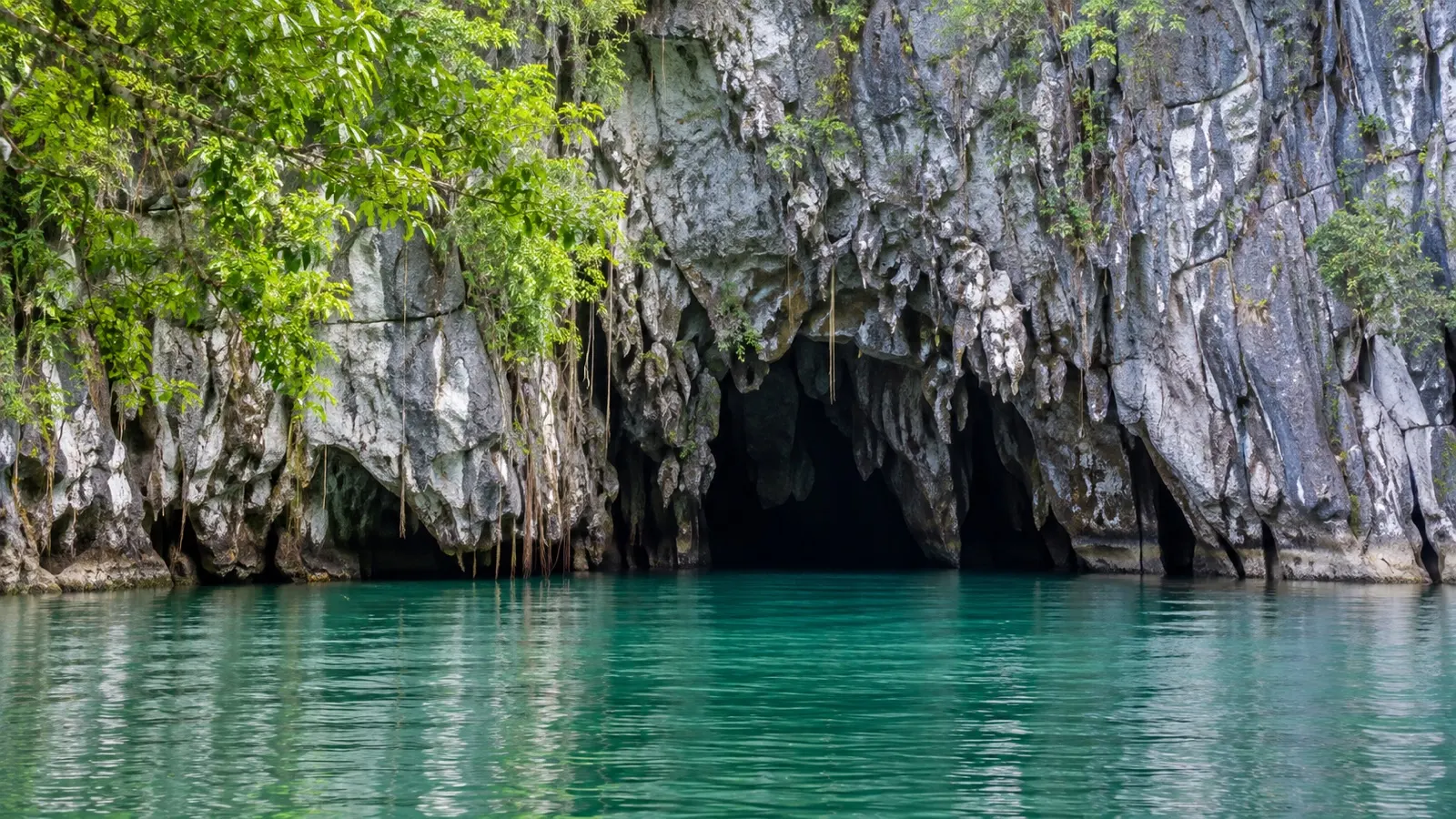
The official park site identifies an 8.2 kilometer underground river and explains that a portion is navigable. Standard visitor access involves a park-operated paddle boat experience inside the cave, subject to operating hours and extreme weather.
The important cruise fact is distance. UNESCO places the protected area roughly 76 kilometers northwest of Puerto Princesa, so the cave day includes a substantial road transfer before any sea or cave boat begins.
The logistics chain
A normal plan can involve port clearance, a road journey to Sabang, registration, a boat transfer, a walk near the cave entrance, a paddle boat tour, another sea transfer, and the full road return. A delay at any link consumes the same finite call.
The park is protected and visitor numbers are managed, which is why permits and organized timing matter. A walk-up attempt is a poor cruise strategy even if someone at the port promises it can be arranged quickly.
Book through the ship when the call length is tight or through an accredited operator who has confirmed your permit and cruise return. Ask for a written explanation of what happens if road conditions, weather, or park closure prevents the visit.
Let the cave own the day
Do not plan a full city loop, Honda Bay, and the Underground River on one call. If the cave is your priority, accept that meals, viewpoints, and shopping remain secondary.
Sabang has its own beach and community activities, but additions only make sense after the permit, transfers, and return margin are secure. The park’s current official page should be checked because access and activity status can change.
Wildlife and cave etiquette
Monkeys and other wildlife may be seen around visitor areas, and loose food or dangling belongings can attract attention. Keep bags closed, do not feed animals, and follow ranger instructions.
Inside the cave, quiet behavior protects the experience and reduces disturbance. Keep hands inside the boat, follow rules for lights and photography, and remember that the formations are not props to touch.
When to skip it
Skip the Underground River if your ship has a short call, a late scheduled arrival, or a departure that leaves little daylight margin. Also reconsider if the excursion description depends on perfect clearance, perfect traffic, and immediate boat departures.
Missing the cave is disappointing, but missing the ship would be worse. Puerto Princesa has enough city and bay options to make a changed plan feel intentional rather than second best.
Three practical itineraries
Short call or late clearance
Use the authorized port exit, make a compact cathedral and Plaza Cuartel loop, then continue to the Baywalk or one confirmed museum. Have lunch close to the center and return before port traffic becomes a concern.
This is the resilient plan because every step can be shortened. It also works well in uncertain weather since you are never committed to another boat.
Medium call with city and nature
Book a driver for a city-edge circuit with two priority stops, not every attraction on a sales card. Add the cathedral and memorial area if time remains, then finish with an early meal before returning.
Make one viewpoint or venue optional from the beginning. That gives the driver permission to protect your ship return without turning the day into an argument.
Long call with one major excursion
Choose Honda Bay or the Underground River, never both. Use a cruise-specific operator, carry the ship’s contact details, and establish a firm turnaround that leaves space for security and gangway procedures.
If your major excursion finishes early, enjoy a simple city stop only if the operator confirms the port margin. Do not spend the saved time driving away from the ship again.
Transport, cash, and connectivity
Tricycles are a familiar option for short local trips, while vans and coaches suit longer excursions. Confirm whether the quoted price is per person or per vehicle, what waiting is included, and where you will be dropped for reentry.
The Philippine peso is the working currency, and cash remains useful for small vendors and local transport. Cards may be accepted at larger businesses, but one failed terminal should not determine whether you can get back to the port.
Download maps, booking confirmations, permit information, and the ship’s port-agent contact before leaving. Mobile data can be useful but should not be the only place your return information exists.
Traffic is variable, particularly when weather, port activity, road work, or local events affect normal flow. Ask a local operator for the day’s realistic travel time rather than building a plan from an ideal map estimate.
Accessibility from ship to shore
Accessibility begins with the ship’s actual arrangement, not the attraction description. A commercial berth can still involve gangway slopes, steps, shuttle boarding, and restricted walking, while a tender adds a small-boat transfer controlled by sea conditions.
Ask the cruise line about mobility equipment and transfer rules before sailing, then ask the onboard team after the final local plan is known. Crew members make the safety decision for tender boarding, and that decision can change with conditions.
Honda Bay and the Underground River both involve additional boats and potentially wet, uneven, or narrow boarding points. Request exact details about stairs, transfer assistance, walking surfaces, restroom access, and whether wheelchairs can be accommodated on every segment.
A compact city tour in an appropriate vehicle is usually easier to adapt. Confirm vehicle height, storage space, step assistance, and the distance between drop-off and each entrance before paying.
Heat, rain, and what to carry
Puerto Princesa has a tropical climate, so heat, humidity, sun, and sudden rain can all shape the day. Light breathable clothing, sun protection, water, insect repellent, and a compact rain layer earn their place in your bag.
Use footwear with secure grip because port surfaces, boat steps, beaches, and cave approaches can become wet. A dry pouch for documents and electronics is more useful than discovering your bag is only water resistant during a squall.
Weather can cancel or change boat activities even when the city remains perfectly visitable. Treat marine closure as a safety decision and move to the backup plan without pressuring crew or guides.
Return math
Start with the ship’s all aboard time and move backward through security, port-gate movement, vehicle travel, marine transfer, and a delay buffer. The farther you travel and the more boats you add, the larger that buffer must become.
For a city visit, return early enough to handle traffic and a controlled port entrance calmly. For Honda Bay or the Underground River, insist on a cruise-specific turnaround that does not depend on every connection running perfectly.
Keep your cruise card, required identification, ship contact information, and a copy of the day’s instructions with you. If an operator proposes an arrival at the gate close to final boarding, that is not an efficient itinerary; it is a fragile one.
Frequently asked questions
Do ships dock in Puerto Princesa?
Many calls use the city’s working port, but berth, anchorage, tender, shuttle, and secure-gate arrangements are ship specific. Trust the daily program and local announcements for your sailing.
Can I walk out of the port?
Not necessarily, because commercial-port controls may require a shuttle or authorized route. Follow crew and shoreside instructions instead of assuming the nearest visible gate is open to passengers.
Can I visit the Underground River on a cruise day?
Yes, but only when the call is long enough and the permit, road transfer, boat movements, weather, and return are properly organized. A ship excursion provides the clearest protection when timing is tight.
Is Honda Bay easier than the cave?
Honda Bay usually avoids the long road journey to Sabang, but it still requires a road transfer and local boat operation. Weather, island access, and return timing remain important.
What is the best choice for a short call?
A focused city loop is the safest and often the most enjoyable choice. Combine the cathedral and memorial area with the Baywalk, one confirmed indoor stop, or an unhurried meal.
Do I need eTravel?
Use the official eTravel system only according to current government and cruise-line instructions for your itinerary. The official service is free, and completing it does not replace other immigration requirements.
What should I do if my excursion is canceled?
Keep a city plan ready before arrival. A local driver, waterfront loop, memorial visit, and lunch can turn a marine cancellation into a satisfying day without another long-distance gamble.
Sources and update note
This guide was checked against the official Puerto Princesa Underground River site, the UNESCO World Heritage Centre, the official Philippine eTravel system, and current port and ship operating guidance. Access, permits, weather decisions, entry procedures, and transport arrangements can change, so reconfirm them for your voyage.
Puerto Princesa becomes much easier when you stop trying to fit all of Palawan into one call and choose the experience that matches your actual hours. Protect the return, leave room for tropical conditions, and the city, bay, or cave can each deliver a memorable day on its own.