Honiara Cruise Port: Tenders, Berths and WWII Ground
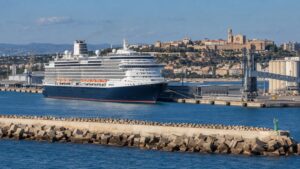
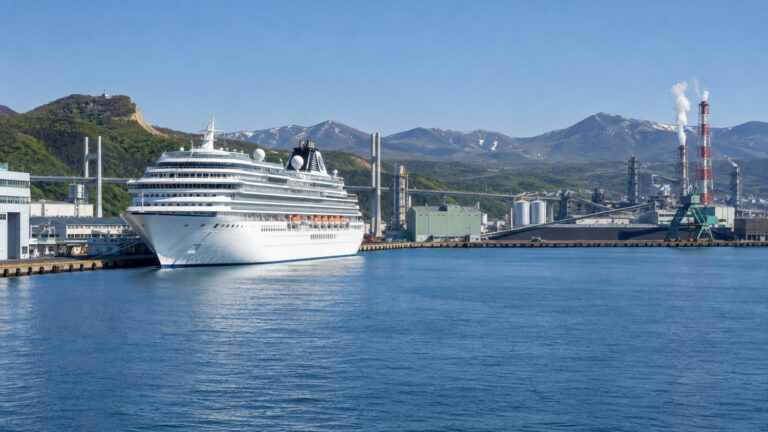
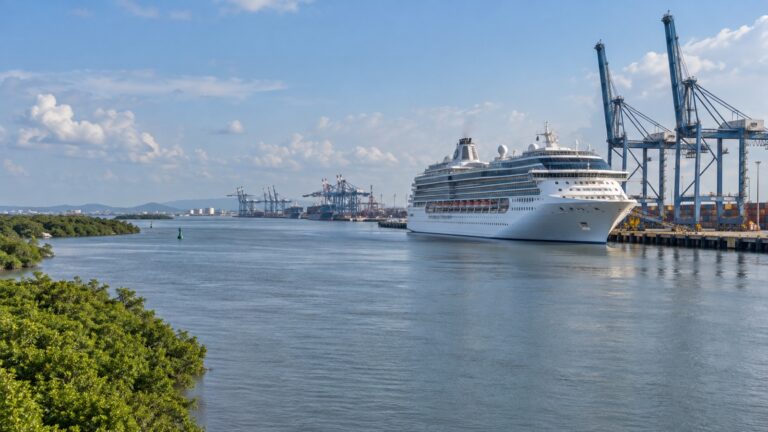
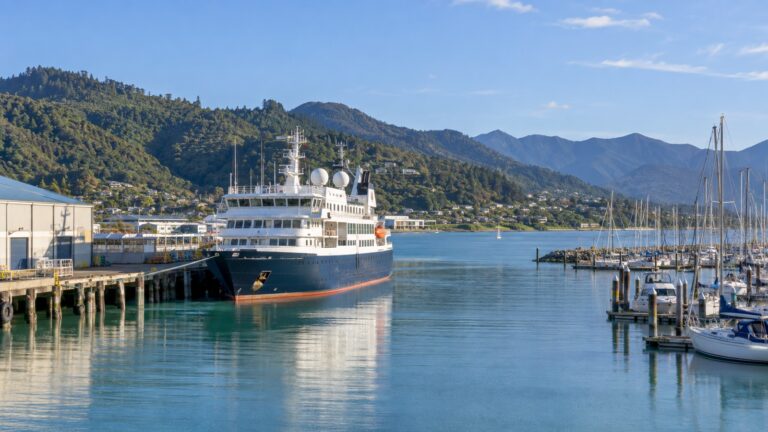
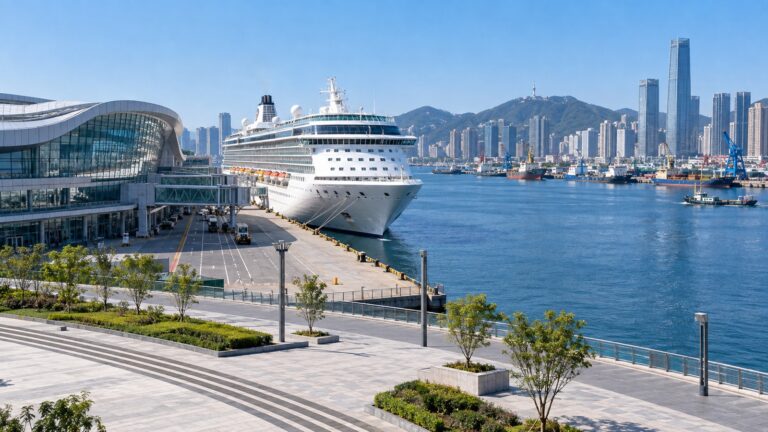
Honiara is a port where the arrival method can change the whole day. A smaller ship may berth at the commercial wharf, while a larger one can anchor off Point Cruz and tender into a busy tropical waterfront.
Once ashore, Guadalcanal’s World War II history is the reason to arrange a guide. The battle sites, memorials, wrecks, ridges, and museum collections are spread beyond the center, and the stories matter more than ticking off locations.
My quick take
Book one guided battlefield circuit and keep the rest of the day simple. Honiara rewards context, but heat, traffic, rough roads, cash-only transactions, and tender timing punish an overloaded plan.
Bring Solomon Islands dollars in small notes or arrange them before leaving the ship. Cards may work at major hotels, but they are not a reliable plan for markets, taxis, or small operators.
Do not wander into overgrown battlefield ground, handle metal objects, or search for souvenirs. Unexploded ordnance remains a real risk on Guadalcanal, and protected history belongs where it lies.
Quick Facts
- Where ships arrive: Honiara Port at Point Cruz, using an international berth when suitable or an offshore anchorage for tenders.
- Dock or tender: Both are possible, depending on ship dimensions, berth availability, cargo operations, weather, and the harbor plan.
- Port dimensions: Solomon Islands Ports Authority lists international berths of 110 and 150 meters, with declared depths of 10.5 and 11.5 meters.
- Walkability: Central Honiara and the market are close, but heat, traffic, drainage channels, and uneven sidewalks make a short taxi useful.
- Best first visit: A guided Guadalcanal battlefield and memorial tour.
- Currency: Solomon Islands dollar, with small cash important for local purchases and transportation.
- Languages: English is official, and Solomon Islands Pijin is widely spoken.
- Time zone: UTC plus 11 throughout the year.
- Weather: Hot and humid year round, with a wetter season and tropical cyclone risk generally highest from November through April.
- Entry check: Permission depends on nationality and itinerary, so follow Solomon Islands immigration and cruise line instructions for your passport.
Docking at Honiara Port
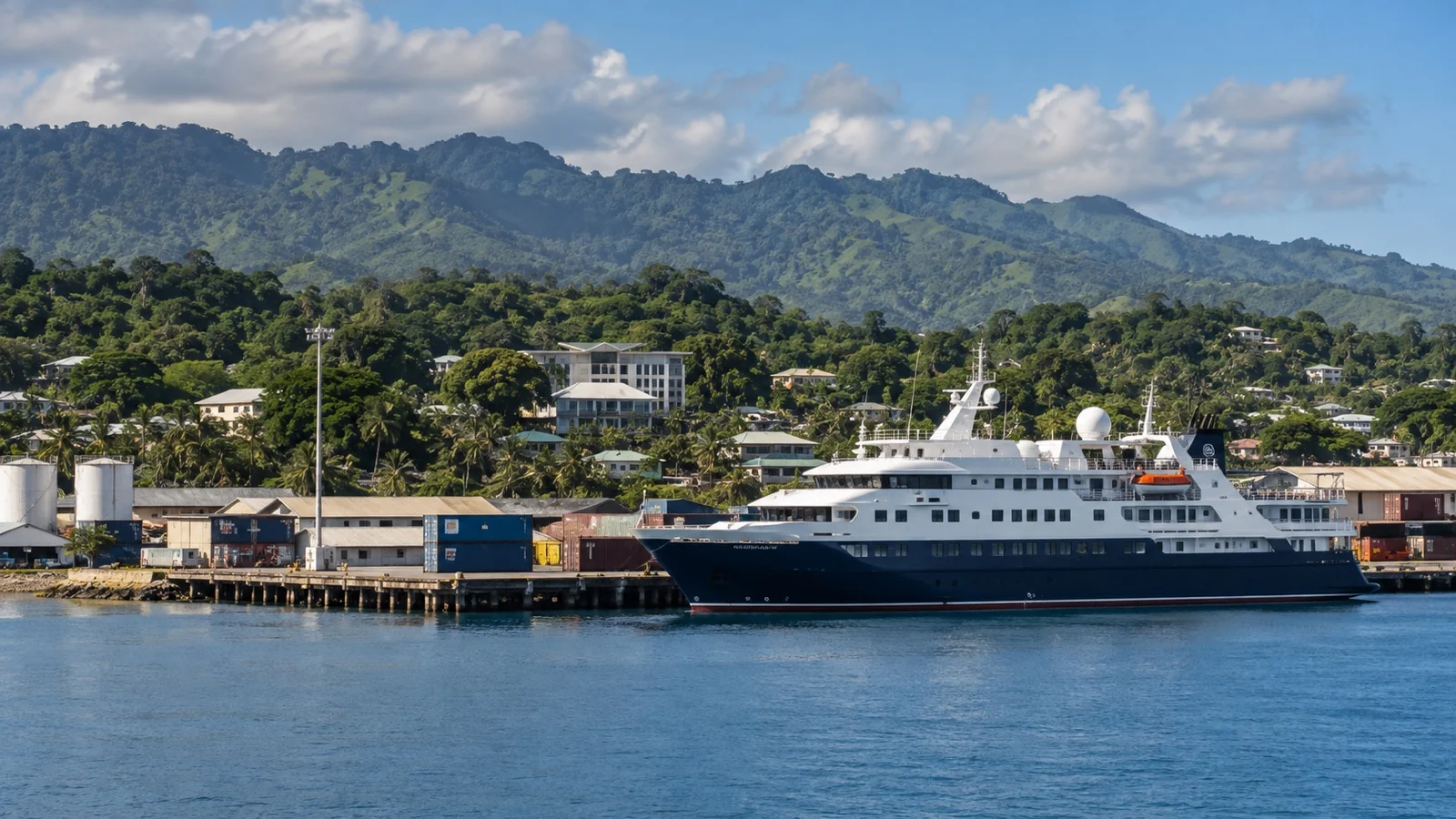
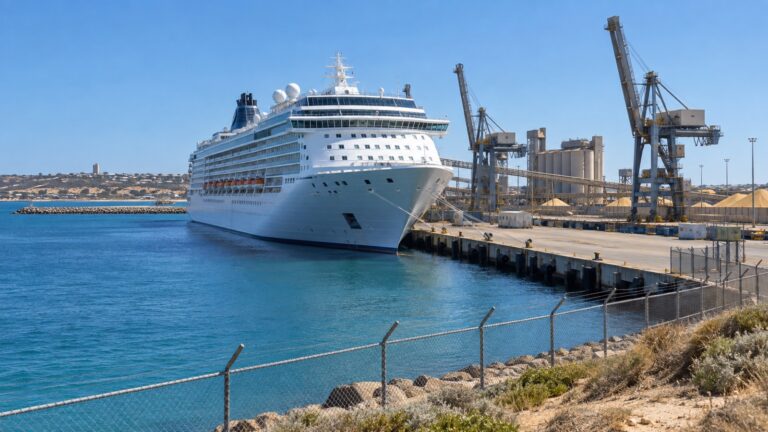
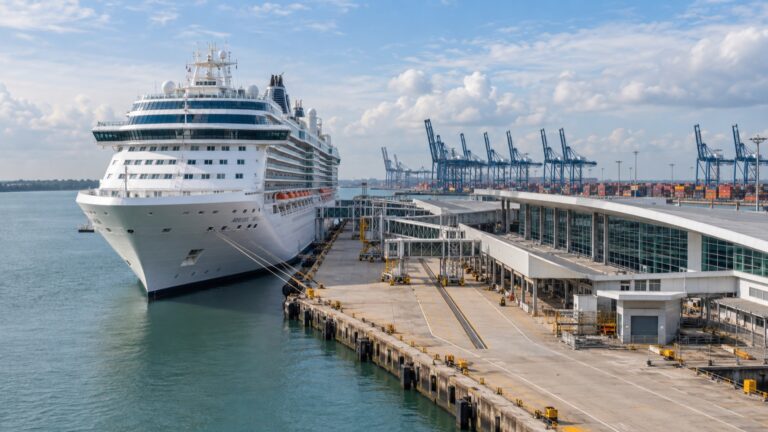
The Solomon Islands Ports Authority operates a working commercial harbor rather than a dedicated cruise terminal. Cargo handling, domestic passenger boats, pilotage, storage, and international shipping share the same waterfront.
SIPA lists two international berths: one 110 meters long with 10.5 meters of declared depth and another 150 meters long with 11.5 meters. Those dimensions help explain why smaller expedition ships may go alongside while larger cruise ships often remain offshore.
Length and depth are not the only factors. Cargo activity, vessel maneuvering, security, weather, and the harbor master’s assignment determine the final arrival.
If your ship docks, expect an industrial surface and controlled pedestrian route. Follow crew and port staff rather than taking a direct line across working areas.
There is no need to guess from the ship’s size before sailing. The daily program will tell you whether the gangway meets the quay or the tender platform.
Tendering from the roadstead
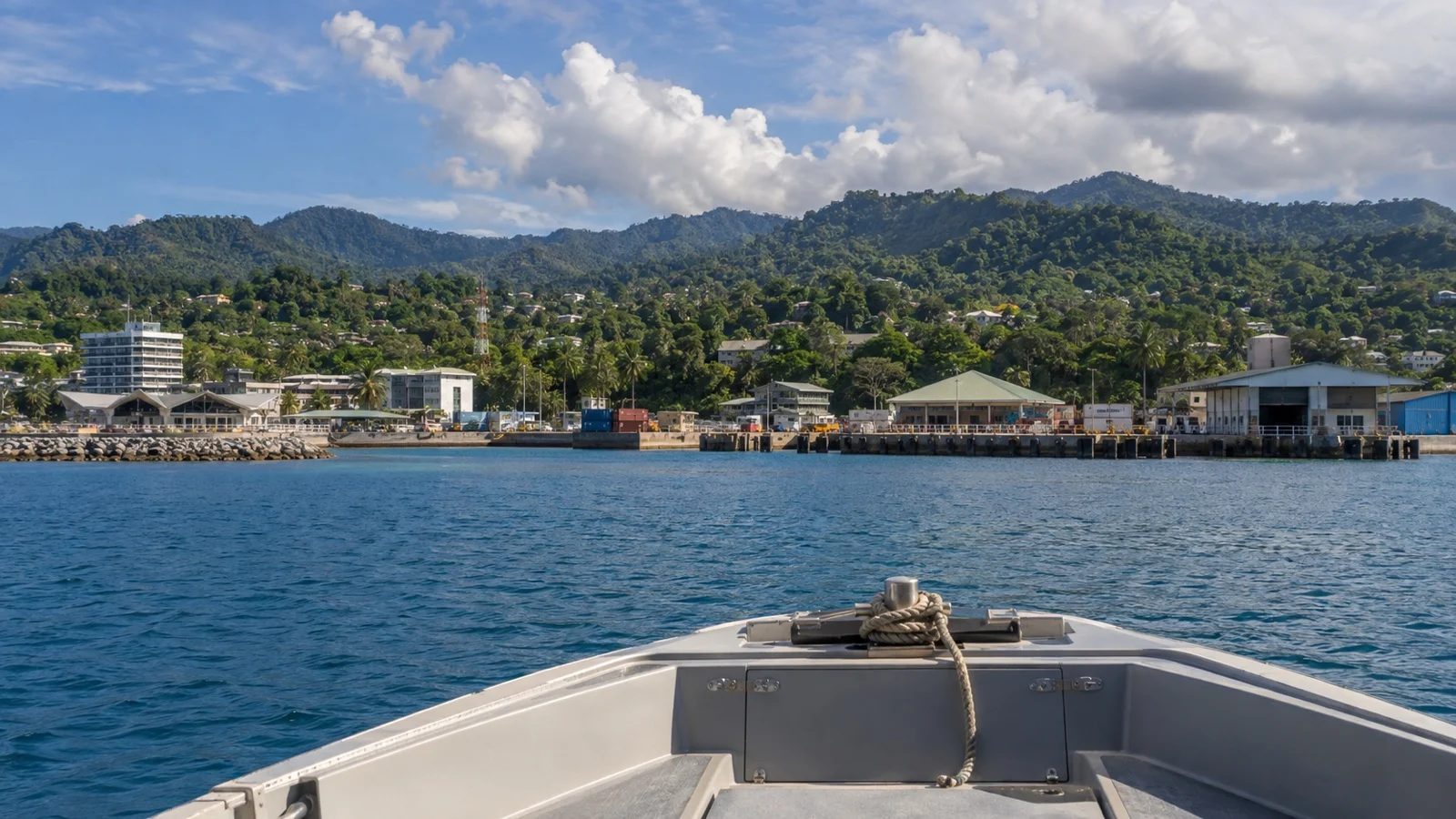
A tender call adds a boat transfer between the ship and Point Cruz. Boarding order, sea state, ramp movement, and the number of boats can remove more time than the printed arrival suggests.
Ship excursions may receive organized tender groups, while independent passengers wait for later numbers. Do not promise a private guide an early meeting unless the operator understands this pattern.
A call can begin and still be shortened if wind or swell builds. Keep the ship’s contact number, listen for announcements, and return immediately if a recall is issued.
Aim to reach the landing well before the last tender rather than using it as your target. Traffic and vehicle availability can become tight when several tour groups return together.
Getting around Honiara
Tourism Solomons describes public minibuses as an inexpensive way to move around central Honiara and notes that roads elsewhere may be unsealed or potholed. These buses suit simple trips but are not designed around a cruise deadline.
Taxis may not have meters, so agree on the fare before departure. The official Tourism Solomons transport guidance gives a general reference of SBD 10 per kilometer, but the final price should be explicit.
For a half day tour, agree on the route, waiting time, currency, total price, and payment point. Pay at the end unless the operator’s normal written terms say otherwise.
Traffic drives on the left, and road quality deteriorates away from the center. A local driver knows which sites are reachable after rain and where land access requires permission.
Save the port location and ship details offline. A driver needs more than the word Honiara when domestic jetties, market frontage, and controlled gates occupy the same broad area.
Cash is not a small detail
Honiara still runs heavily on cash outside major hotels and formal businesses. Market vendors, taxis, guides, and small food outlets may not accept an international card.
ATMs exist, but bank lines and machine outages are poor uses of a short call. Obtain local currency before going ashore when practical, or use a secure ATM early with a backup plan.
Carry small notes because sellers may not be able to change a large bill. Keep cash divided rather than opening a full wallet in a crowded place.
US dollars or Australian dollars may be recognized by some operators, but acceptance and exchange rates vary. Confirm the currency in writing before the tour begins.
The best first tour: Guadalcanal history
Tourism Solomons calls attention to local guided visits covering museums, the American memorial at Skyline Ridge, the Japanese Solomons Peace Memorial, battlefield ridges, rivers, beaches, wrecks, and caves. A qualified guide turns scattered ground into a coherent campaign.
The fighting on Guadalcanal involved land, sea, and air operations, with Henderson Field at the center of strategy. The story is too large for one port call, so choose a theme rather than chasing every named site.
A good half day might combine a museum collection, one American or Japanese memorial, and one ridge or river area. That balance provides objects, interpretation, and landscape without spending the entire morning in a vehicle.
Ask whether entrance donations, landowner fees, or community permissions are included. Cash and respectful local arrangements matter at sites beyond formal government grounds.
Guadalcanal American Memorial
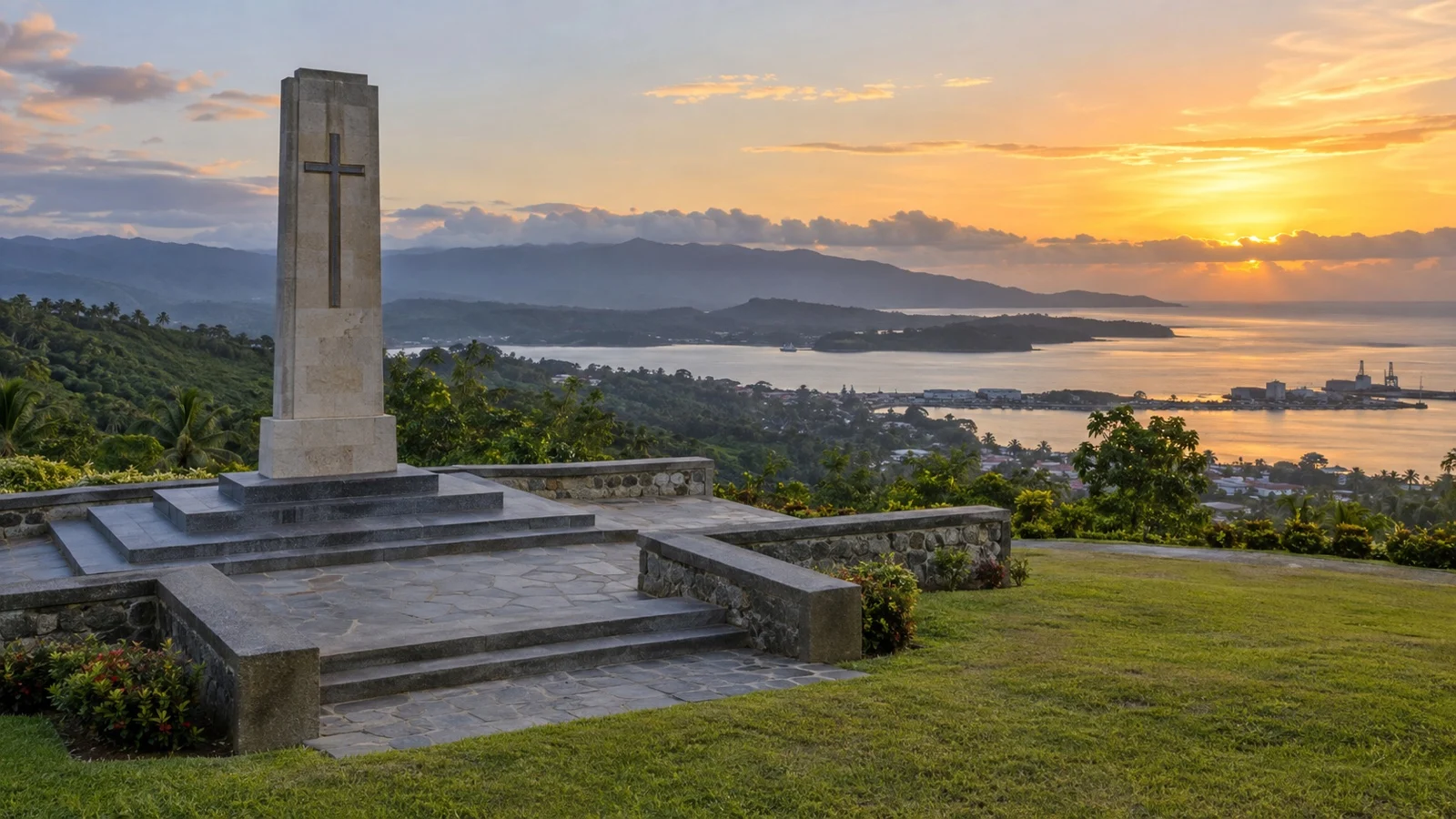
The American memorial at Skyline Ridge overlooks Honiara and the surrounding battle landscape. Its position helps explain distances, the coastline, and why control of high ground mattered.
The road and final access may be steep or rough, and shade can be limited. Bring water and request the shortest walking route if stamina is a concern.
Japanese Solomons Peace Memorial
The Japanese memorial offers another perspective on the campaign and its enormous losses. Visiting both memorial traditions produces a fuller, quieter day than treating the battlefield as an adventure course.
Behavior should remain respectful, especially when other visitors are commemorating relatives or military units. Keep voices low and follow photography guidance.
Battlefield ridges and rivers
Galloping Horse, the Matanikau area, Alligator Creek, and other named ground appear in tours around Honiara. Access varies with roads, vegetation, landowner arrangements, and weather.
Tourism Solomons notes that jeeps, tanks, amphibious vehicles, foxholes, caves, and other traces remain in the landscape. Their presence does not make every object safe to touch or every track safe to enter.
Stay with the guide and on established access routes. Unexploded bombs, shells, grenades, and ammunition can remain dangerous after decades.
Do not remove metal, stone, aircraft parts, or personal items. Apart from the safety issue, these are historical evidence and may lie on customary land.
Wear closed shoes, long light clothing, insect repellent, and a hat. The terrain can be muddy, sharp, hot, and overgrown within the same stop.
Henderson Field
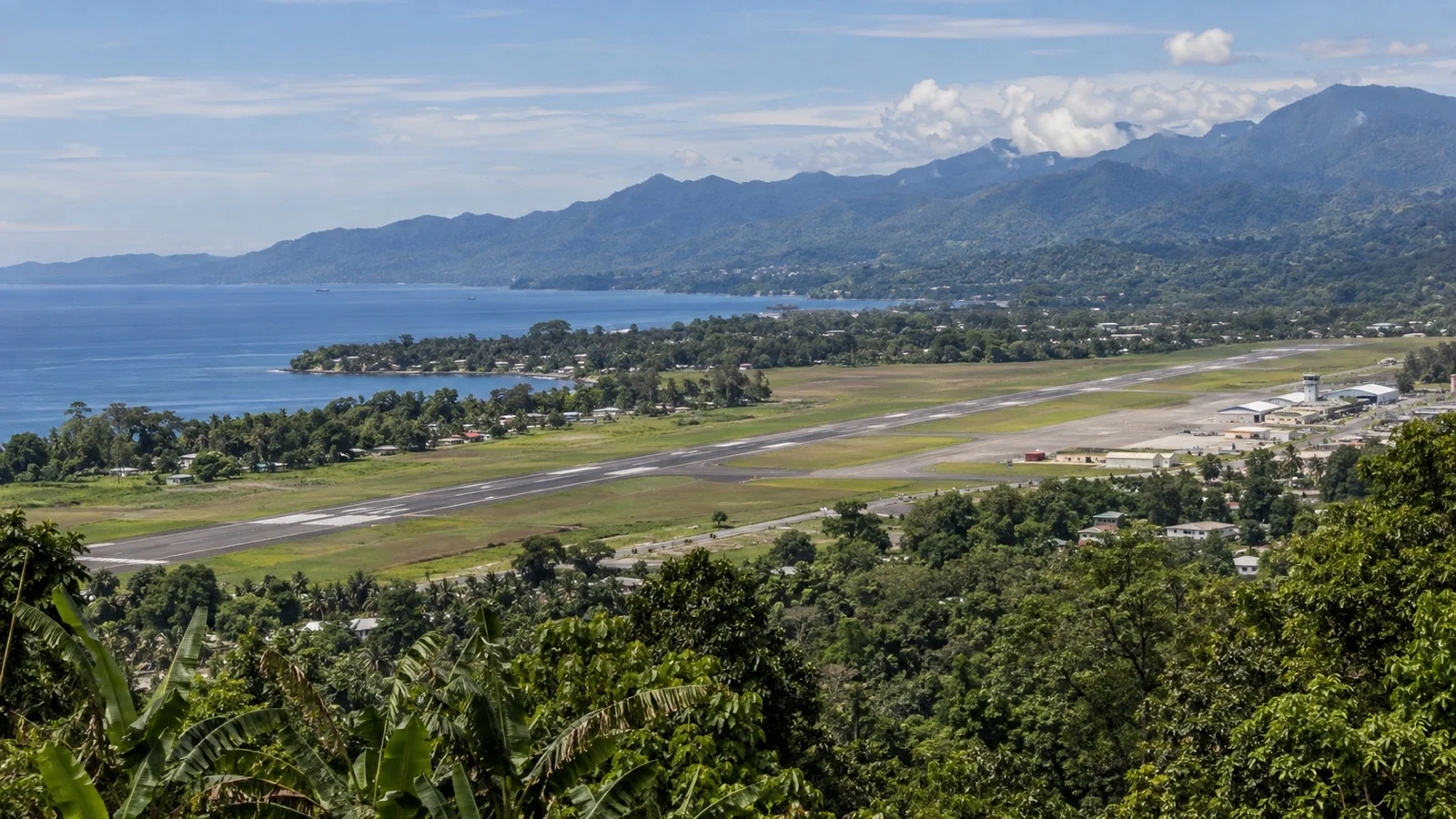
Henderson Field survives as Honiara International Airport, east of the city. The ordinary movement of modern passengers across ground fought over in 1942 is one of Guadalcanal’s most striking continuities.
The airport is not a battlefield museum, so sightseeing access is limited and security rules apply. It works best as context within an eastern tour rather than a standalone destination.
Your guide can connect the airfield with nearby battle sites and the wider naval campaign. Without that interpretation, most visitors see little more than an active runway area.
Wreck diving and snorkeling
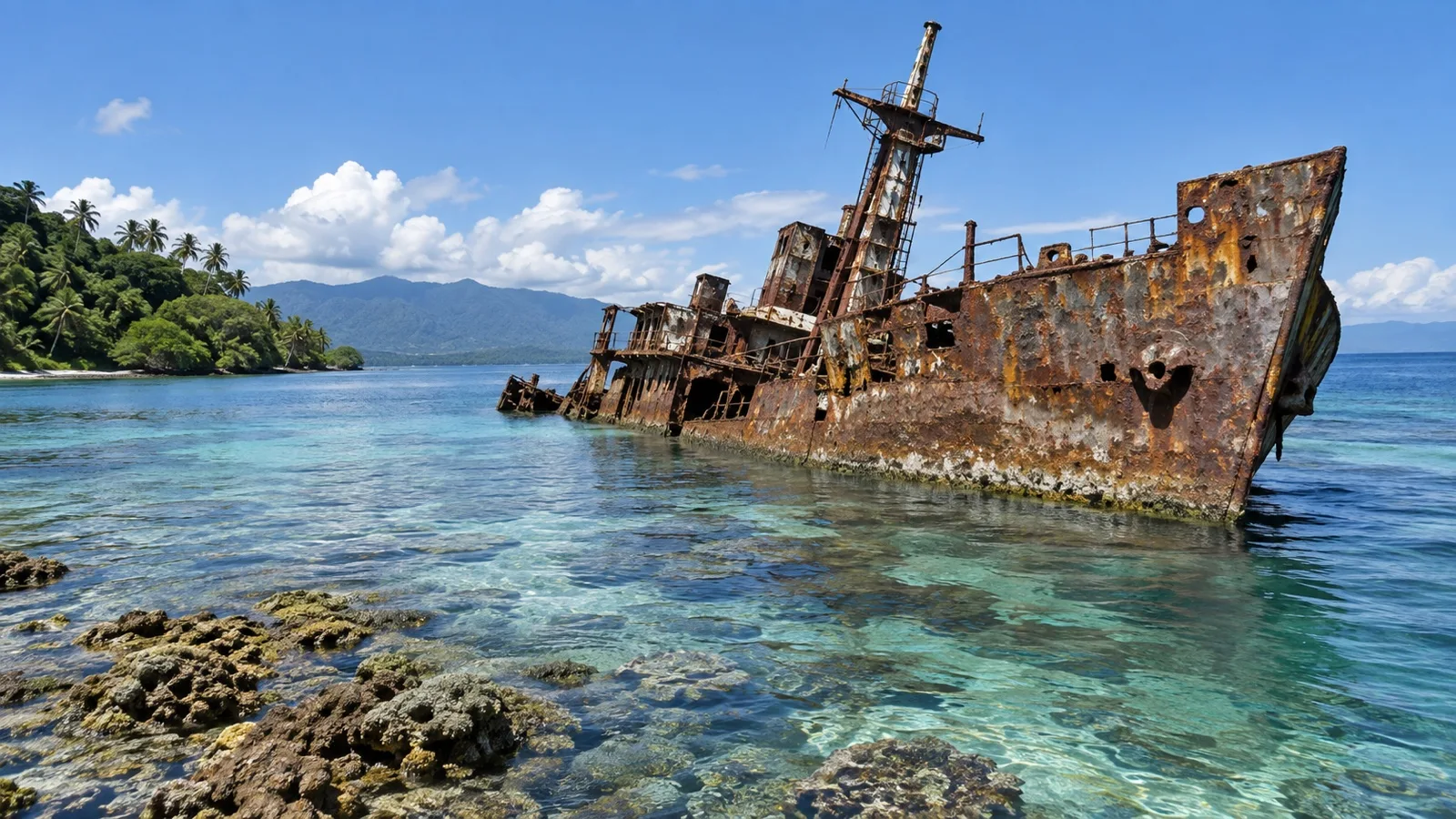
The waters around Guadalcanal hold aircraft, ships, submarines, and other wartime wreckage. Some sites suit experienced divers, while a smaller number may be visible to snorkelers or shallow water visitors.
A dive needs a reputable operator, correct certification, equipment checks, environmental judgment, and a safe surface interval. A delayed tender or short call cannot justify compressing those requirements.
Confirm pickup, boat type, maximum depth, current, visibility, emergency oxygen, insurance, and return buffer before paying. Never assume a generic wreck dive is suitable for your experience level.
For most cruise passengers, a land-based history tour is safer and more reliable. Divers should treat a missed or shortened call as an expected cancellation possibility.
Central Market and a short city day
Honiara Central Market is the most immediate view of daily life near the waterfront. Fish, fruit, vegetables, betel nut, cooked food, baskets, carvings, and household goods fill a working market rather than a cruise display.
Bring small cash and ask before photographing people or individual stalls. A polite greeting and purchase create a better interaction than a camera pushed into someone’s business.
The market can be crowded, hot, and wet underfoot. Keep valuables close, watch drainage edges, and avoid carrying more than you need.
A short port day can combine the market with a driver to one memorial or museum. This keeps you close to the ship while still giving the visit context.
Museums, Parliament, and city landmarks
The Solomon Islands National Museum offers cultural and historical context when it is open, with collections tied to the country’s many islands and communities. Confirm current hours because small institutions can close for events, maintenance, or staffing.
The National Parliament stands on higher ground above the center. Public access depends on sittings, security, and official arrangements, so view it as a possible stop rather than a guaranteed interior tour.
Churches and civic buildings around Honiara reflect the capital’s postwar growth. A local guide can distinguish public sites from places where visitors should ask permission.
The waterfront remains the city’s organizing line, but traffic and commercial activity interrupt easy walking. Use a taxi for uphill or separated landmarks rather than forcing a long route in humidity.
Beaches and waterfalls
Guadalcanal has beautiful coast and inland water, but the best known swimming and waterfall trips lie beyond the immediate center. Roads, customary land access, entrance fees, weather, and local security all need planning.
Do not set off alone toward an unnamed beach recommended by a stranger at the gate. Use a recognized operator or hotel recommendation and tell someone where you are going.
Heavy rain can make tracks slippery and water levels unsafe. A waterfall that looked calm yesterday may not be suitable after an overnight storm.
For a single cruise call, history and market stops are more dependable than a remote swim. Save the beach exploration for a longer stay with local guidance.
Safety without exaggeration
Most organized daytime cruise visits pass without incident, but Honiara requires ordinary urban caution. Petty theft, opportunistic crime, isolated streets, and poorly lit areas are reasons to travel in company and keep valuables discreet.
Check current government travel advice close to sailing because local conditions can change. Follow the ship’s instructions if demonstrations, road blocks, severe weather, or security concerns affect the call.
Avoid walking alone after dark or into quiet areas away from the center. On a daytime call, taxis and organized tours remove most avoidable exposure.
Leave passports aboard unless the cruise line requires them ashore, and carry the specified identification. Store a copy and emergency number separately.
Accessibility
Honiara is challenging for limited mobility, especially on a tender call. The boat transfer, moving platform, harbor ramp, commercial quay, vehicle steps, heat, and uneven roads create separate barriers.
Cruise lines decide whether a passenger and mobility device can transfer safely in the actual sea state. Ask before sailing about weight, folding, steps, assistance, and whether powered equipment can be carried.
An alongside berth avoids the tender but still uses an industrial surface and controlled route. Confirm whether an accessible shuttle or private vehicle can meet near the gangway.
City sidewalks can be broken, narrow, or interrupted by open drainage channels. Door-to-door taxi touring is more realistic than a long independent walk.
Battlefield sites often have rough ground, steep ridges, mud, vegetation, and no formal paths. Choose memorial viewpoints and museum stops when the terrain is not suitable.
Weather and tropical planning
Honiara is hot and humid year-round, with relatively little temperature variation. Humidity and direct sun tire passengers faster than the thermometer suggests.
The wetter season generally runs from November through April, while May through October is usually drier. Heavy rain can still occur in any month and quickly affect roads or tender operations.
Tropical cyclones are a greater seasonal concern during the wetter part of the year, though regional weather does not follow a perfect calendar. Cruise calls can change long before arrival if a system alters the ship’s wider route.
Carry water, high-protection sunscreen, a hat, a light rain layer, insect repellent, and closed shoes. Protect phones and cash in a waterproof pouch.
Entry and health checks
Solomon Islands entry permission depends on nationality, passport validity, onward travel, and the arrangements used by the cruise vessel. Follow official immigration guidance and the cruise line rather than assuming every visitor receives the same permission.
Health requirements and outbreak guidance can also change. Check current advice on vaccinations, mosquito protection, insurance, and medical evacuation before travel.
Medical facilities are limited compared with Australia or New Zealand. Bring essential medication aboard and carry what you need for the shore day.
Travel insurance should cover evacuation and the activities you book, especially diving. A standard policy may exclude depth, wreck penetration, or unlicensed operators.
A realistic five-hour plan
Join an organized vehicle at the port or tender landing and visit one museum or collection first. Continue to the American memorial and one battlefield location chosen for current access.
Return to central Honiara for the market and a short waterfront walk. Keep small cash for purchases and your driver.
Start back early enough to absorb traffic, port security, and a tender queue. If the ship issues a recall, abandon the final stop immediately.
When the call begins late, cut the ridge or distant site instead of rushing all three. One well explained memorial and the market can still make a meaningful day.
Common mistakes to avoid
The first mistake is assuming the ship will dock because a previous itinerary did. Prepare for both an alongside berth and a tender.
The second is stepping ashore with only a credit card. Carry small Solomon Islands dollar notes for taxis, fees, markets, and local purchases.
The third is touching battlefield relics or leaving established routes. Unexploded ordnance and protected history make that dangerous and disrespectful.
The fourth is booking an ambitious dive around a short tender schedule. Safety intervals and return time are not negotiable.
The fifth is filling the tour with too many distant stops. Guadalcanal deserves interpretation, not a windshield checklist.
Quick answers
Do cruise ships dock at Honiara?
Some smaller ships berth alongside, while larger vessels may anchor offshore and tender, depending on dimensions and live port conditions.
Can I walk into central Honiara?
The center and market are close, but heat, traffic, uneven sidewalks, and drainage channels make taxis useful.
Do I need cash?
Yes, because local markets, taxis, guides, and small businesses may not accept international cards.
What is the best excursion?
A guided Guadalcanal history tour combining a museum or collection, a memorial, and one battlefield landscape provides the strongest first visit.
Is battlefield exploration safe?
Stay with a knowledgeable guide, use established access, and never touch or remove metal objects because unexploded ordnance remains possible.
The last word
Honiara is not a polished cruise stop, and that honesty is part of its value. The harbor works, the market works, and the history remains visible in ground that has never been turned into a theme park.
Bring cash, book a local guide, choose three stops instead of eight, and return early. Guadalcanal gives more when you slow down enough to understand what happened there.
If history is not your priority, walk the market and keep the visit short. There is no prize for turning a humid port call into an endurance test.
How this guide was researched: This guide was checked against Solomon Islands Ports Authority, Tourism Solomons, Solomon Islands government information, official memorial and museum sources, maritime safety guidance, and current cruise operating information.
Operational details were reviewed September 12, 2026; confirm the berth or tender, guide, land access, entry and health rules, accessibility, and cancellation terms before travel, and see our Editorial Policy.