Mumbai Cruise Port: Ballard Pier, South Mumbai and Elephanta
Mumbai does not ease you gently into the day. It arrives in horns, sea air, grand stone buildings, tiny cups of chai, and ten possible plans competing for one afternoon, so the best cruise strategy is to choose one South Mumbai story and give it room.
The new cruise terminal makes arrival more comfortable, but it does not make traffic predictable or place every landmark at the gate. Build the day from the time you clear the secure port, use one coherent geographic loop, and return to Ballard Pier earlier than the map seems to require.
Mumbai cruise port quick facts
- Terminal: International and domestic cruise passengers use Mumbai International Cruise Terminal at Ballard Pier beside Indira Dock.
- Arrival: Ships normally berth alongside within the secure working port rather than tendering.
- Best first visit: Focus on Ballard Estate, Fort, Kala Ghoda, the Gateway of India, and Colaba.
- Elephanta: Ferries leave from the Gateway area, not from the cruise terminal, and the caves are normally closed Mondays.
- Getting around: An authorized taxi or prearranged driver is usually the most practical cruise-day transport.
- Currency: Indian rupees are used, with cards common at established businesses.
- Main caution: Port clearance, city traffic, ferry schedules, monsoon weather, and security can change usable time ashore.
The current Mumbai cruise terminal
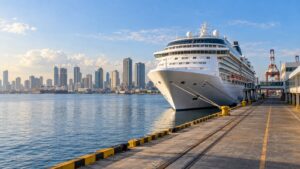
Mumbai International Cruise Terminal, commonly shortened to MICT, sits at Ballard Pier beside Indira Dock on Mumbai Port’s eastern waterfront. The modern facility became fully operational in 2025 and serves as the city’s main cruise gateway.
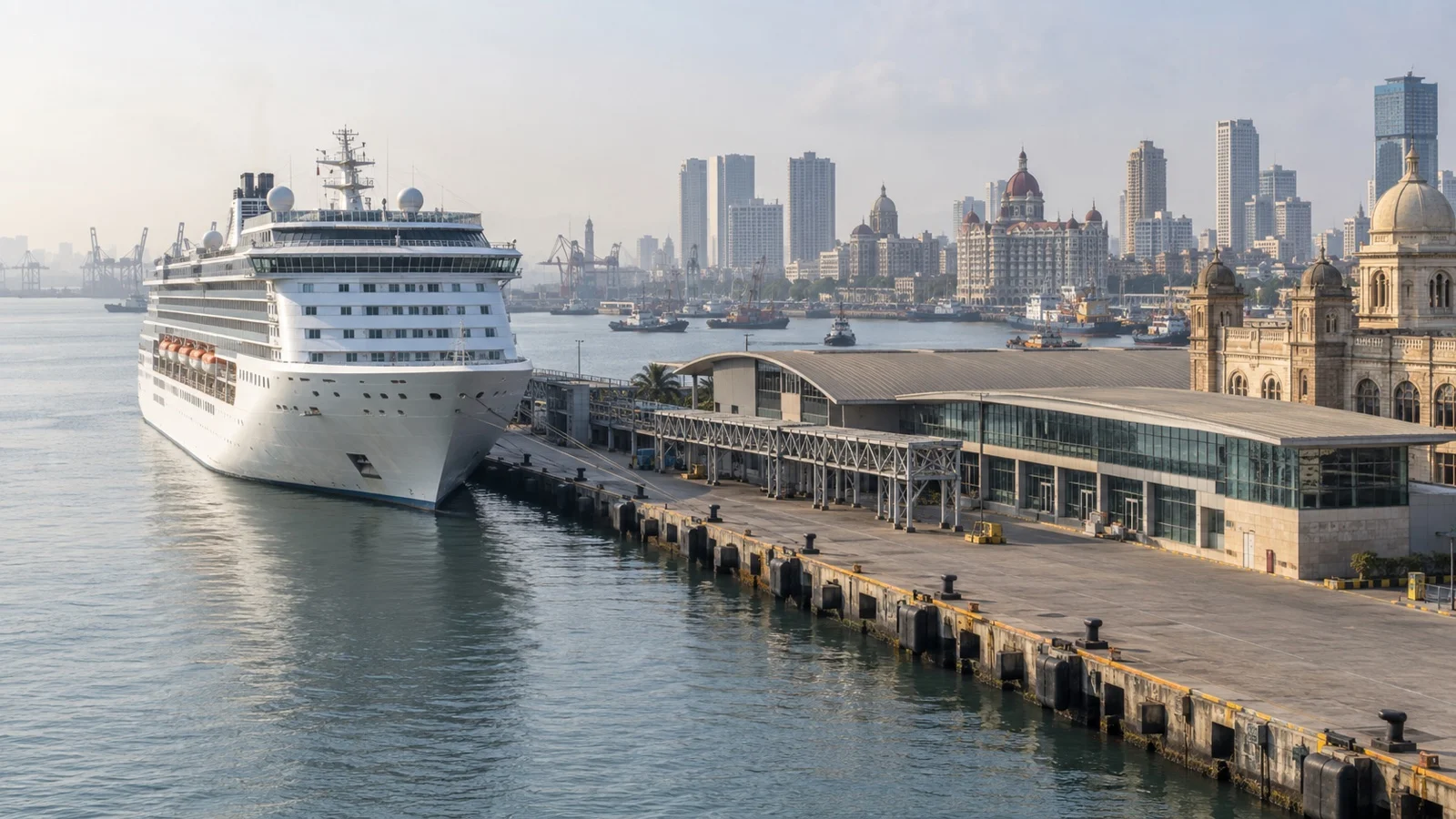
This is normally an alongside port, but the terminal remains inside an active controlled harbor. Follow signs and port staff, use the assigned exit route, and do not attempt to walk through restricted dock roads.
Do not confuse MICT with the public ferry piers near the Gateway of India. The cruise terminal processes the ship, while Gateway ferries serve destinations including Elephanta Island from a separate part of South Mumbai.
Immigration, customs, gangway flow, vehicle access, and shuttle arrangements vary by call. A large international arrival can take longer than expected, so begin timing from the moment you reach the public pickup area.
Leaving the port without inviting chaos
Use the ship’s shuttle, official taxi line, or a prearranged driver with a confirmed meeting point. Private vehicles may need port permission or may wait outside a designated gate, making a driver’s name and live phone number essential.
Photograph the terminal sign and exact return entrance. Ballard Pier, Ballard Estate, Indira Dock, and the Gateway of India are nearby names that can still lead an uncertain driver to different places.
Agree on the fare, currency, waiting time, parking, and included stops before departure. For an all-day vehicle, keep the driver’s number offline and set a firm return time rather than negotiating it after traffic thickens.
Why South Mumbai is the right scale
Many headline sights cluster within South Mumbai, yet traffic can turn a short distance into a long transfer. A route through Ballard Estate, Fort, Kala Ghoda, Colaba, and the Gateway creates variety without repeatedly crossing the peninsula.
Trying to add northern suburbs, several markets, a temple, Marine Drive, and Elephanta usually produces more windshield than city. Choose one secondary loop only after the core plan is working.
Ballard Estate and the Fort district
Ballard Estate’s early twentieth-century commercial buildings offer a surprisingly calm transition from the port. Broad facades, shaded streets, and old business blocks introduce Mumbai’s maritime and trading history before the denser city takes over.
Continue toward Horniman Circle, Flora Fountain, and the architecture of the Fort district. Watch uneven sidewalks, traffic, and motorcycles even when the Gothic and Indo-Saracenic details pull your eyes upward.
An informed guide can explain how colonial planning, Indian commerce, migration, and civic ambition shaped the area. The best narration connects the monuments with the city around them instead of reducing Mumbai to a list of foreign architects.
Chhatrapati Shivaji Maharaj Terminus
Chhatrapati Shivaji Maharaj Terminus is a UNESCO World Heritage landmark and one of Mumbai’s busiest working rail stations. Admire its elaborate exterior from a safe public point unless a current official visit or guided access arrangement is confirmed.
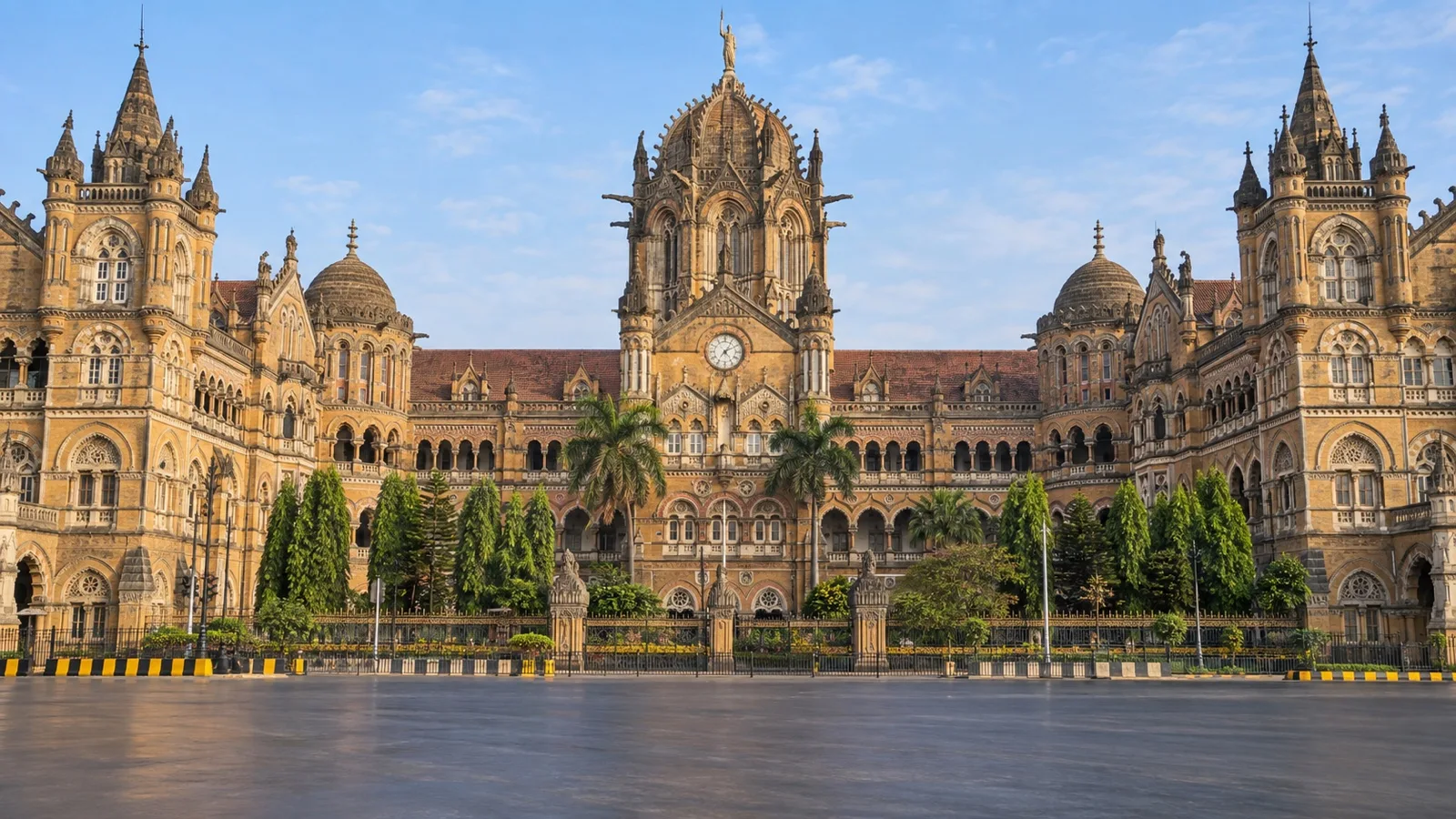
The station’s daily function matters as much as its facade. Do not block commuters, enter staff areas, or wander onto platforms for photographs without the required ticket and permission.
Local trains are invaluable to residents but are not automatically a clever cruise transfer. Crowds, unfamiliar platforms, security, and the need to reach a precise port gate make a driver more forgiving for most first-time visitors.
Kala Ghoda and the museum quarter
Kala Ghoda brings together galleries, heritage buildings, cafes, and Chhatrapati Shivaji Maharaj Vastu Sangrahalaya, commonly called CSMVS. Check the museum’s official opening day, entry process, bag policy, and current exhibitions before visiting.
Allow at least 90 minutes if you want more than air conditioning and a dash past the collection. A shorter call may be better served by the architecture outside and one carefully chosen gallery.
The district links naturally with Colaba and the Gateway of India. Keep the vehicle nearby only when parking rules allow, since circling for pickup can waste more time than walking several blocks.
Gateway of India and Colaba
The Gateway of India overlooks Mumbai Harbour beside the Taj Mahal Palace hotel and public ferry area. It is visually essential, but crowds, security barriers, sellers, and vehicle controls can make the approach slower than it appears.
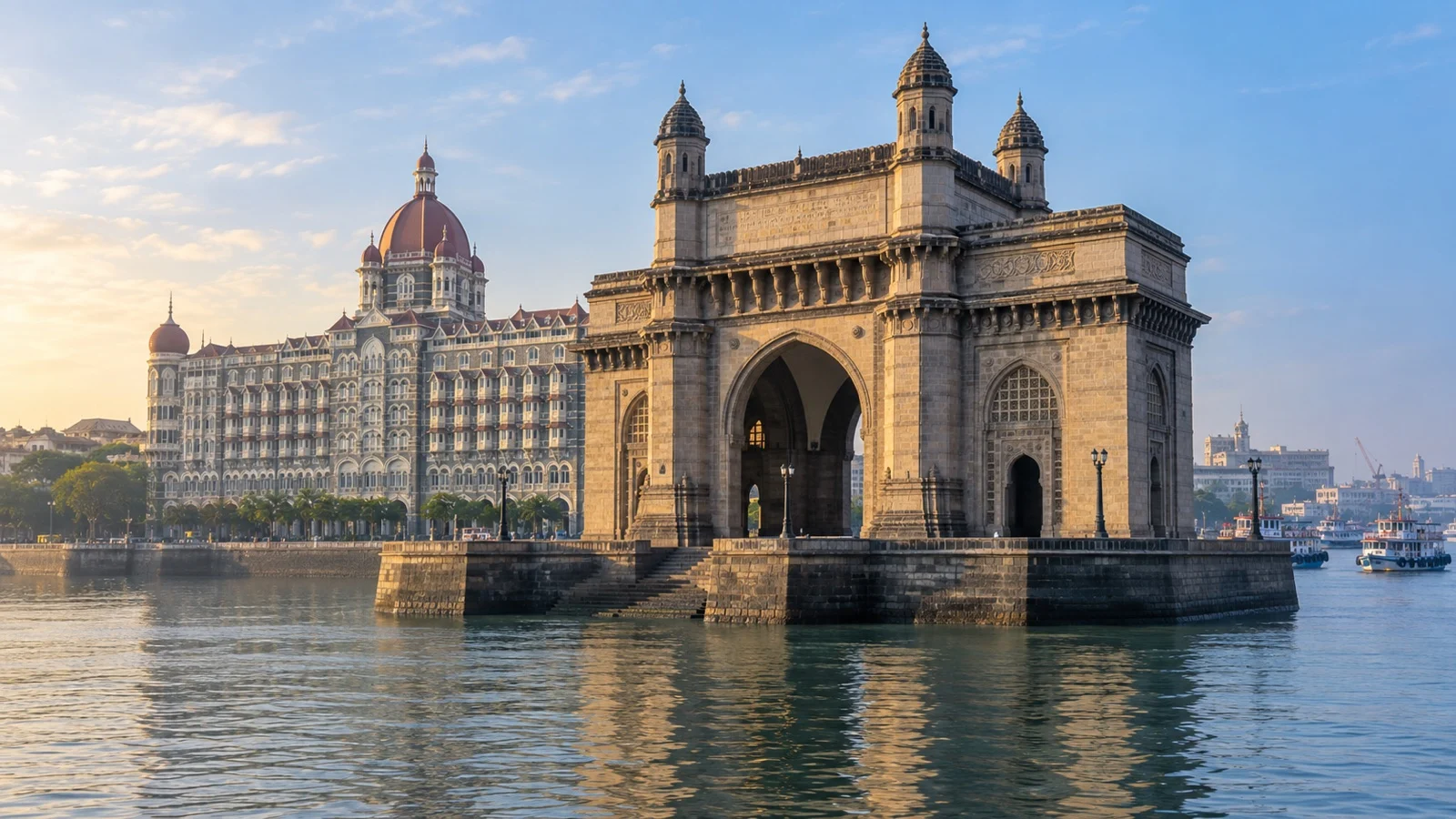
Keep bags closed, use only official ticket facilities, and decline persistent offers without extended discussion. The monument is best enjoyed with enough time to step back, see the harbor, and notice the life around it.
Continue into Colaba for cafes, restaurants, shops, and street atmosphere. Decide in advance whether you are browsing for 20 minutes or having lunch, because Colaba can cheerfully absorb the rest of a port call.
A note on street photography
Ask permission before taking close portraits, especially of workers, worshippers, children, or people in vulnerable situations. A crowded city is not public consent, and respectful distance produces better travel memories.
Photography may be restricted around military, port, railway, religious, or security sites. Put the camera away immediately when signs or officials direct you to do so.
Elephanta Caves is a whole-day decision
Elephanta Island, also called Gharapuri, holds rock-cut cave temples best known for monumental sculptures connected with Shiva. UNESCO recognizes the caves as a World Heritage site, and the Archaeological Survey of India manages the protected monument.
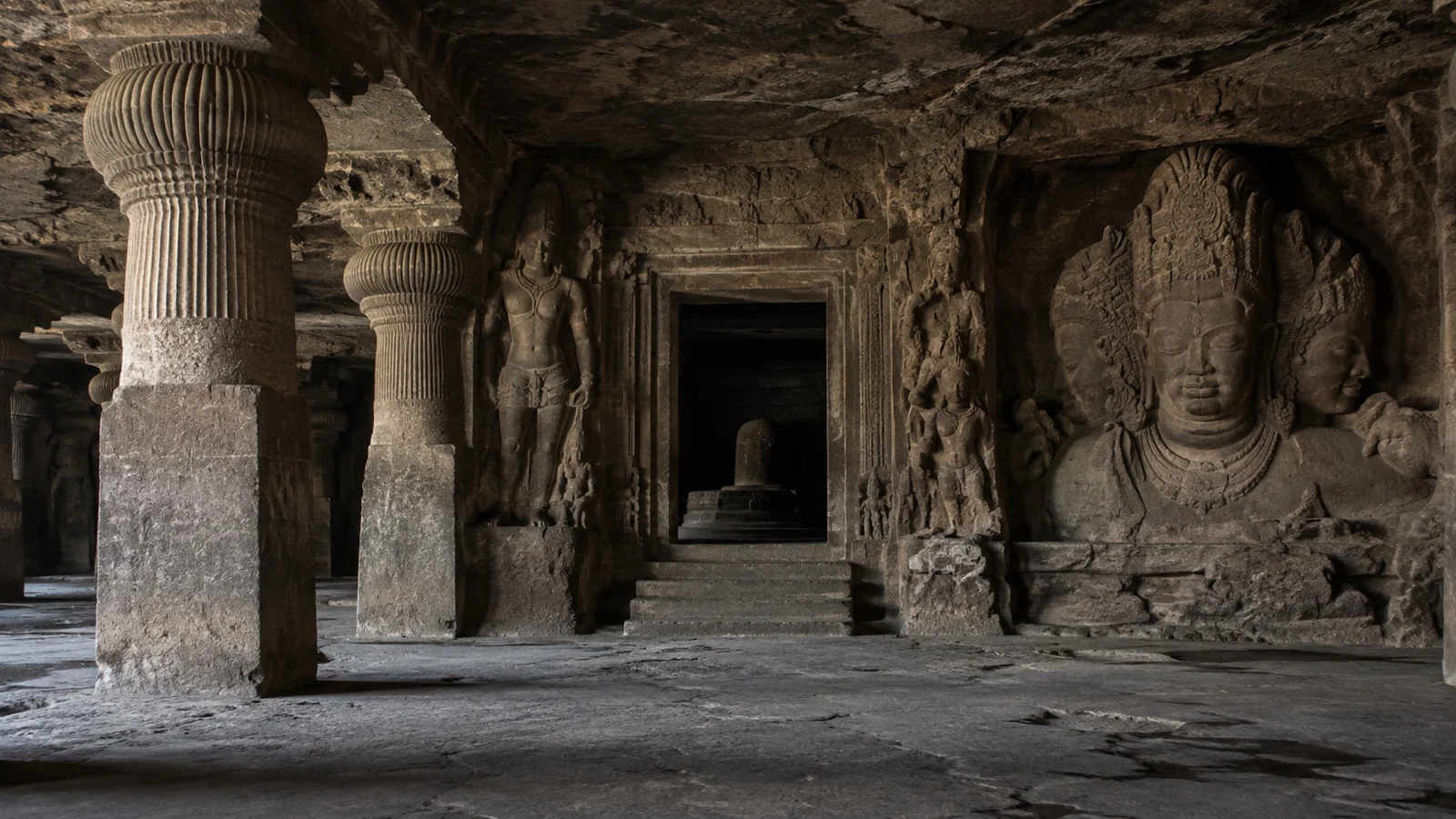
Public ferries leave from the Gateway of India area rather than the cruise terminal. Maharashtra Tourism advises allowing about an hour for the crossing each way, before ticketing, queues, disembarkation, and the island approach.
The caves are normally closed Mondays, and ferry service can be disrupted by monsoon seas, wind, maintenance, or harbor restrictions. Check the Archaeological Survey of India, official tourism information, and ferry operation on the day.
The climb on Elephanta Island
The journey does not end at the pier. Reaching the main caves involves a long uphill approach with many steps, heat, vendors, and uneven surfaces.
A small tourist train may cover part of the flat pier approach when operating, but it does not remove the climb to the cave complex. Ask about current mobility assistance and never assume a carried chair is appropriate or available.
Wear shoes with grip, carry water, protect against sun and rain, and keep food secured around monkeys. Do not feed or approach animals, and protect loose objects that can be grabbed.
When Elephanta fits a cruise call
Make Elephanta the principal attraction and leave the island much earlier than the last theoretical ferry. One missed departure or rough crossing can erase the safety margin between the Gateway and Ballard Pier.
Choose a ship excursion when the schedule is tight or the weather uncertain. Do not combine Elephanta with a sprawling city tour, Marine Drive, several markets, and a long restaurant meal.
Marine Drive and Malabar Hill
Marine Drive curves along Mumbai’s western waterfront, far from the cruise berth’s eastern harbor view despite occupying the same peninsula. A driver can connect it with Churchgate, Chowpatty, and selected Malabar Hill viewpoints.
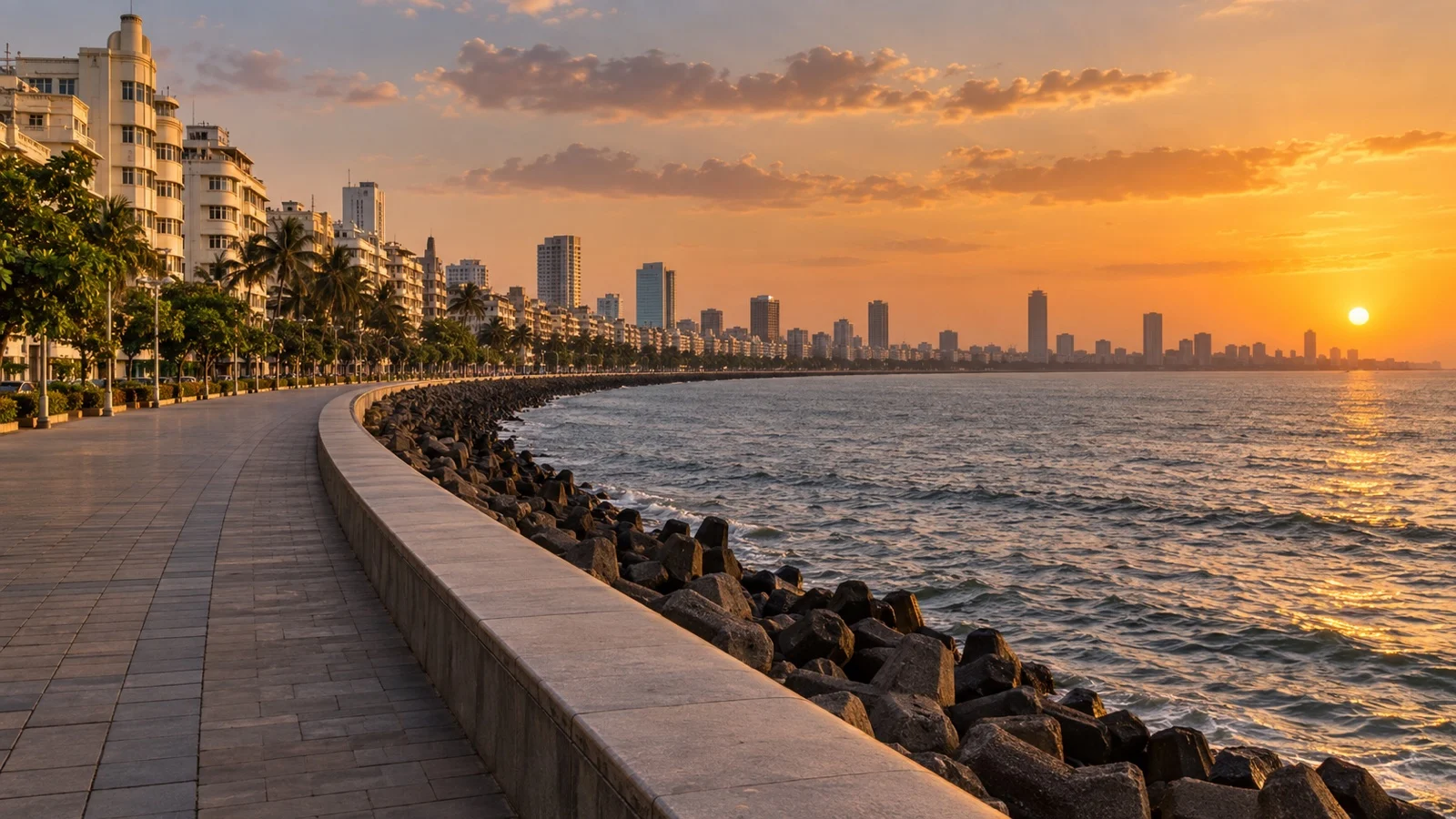
Traffic determines whether the loop feels elegant or exhausting. Choose Marine Drive when city atmosphere and sea views matter more than museum interiors, then pair it with one South Mumbai cluster rather than Elephanta.
Chowpatty is a place to observe local waterfront life, but swimming and food choices require current judgment. Follow local water-quality advice and choose vendors with high turnover and clean handling practices.
Markets and places of worship
Mumbai’s markets vary enormously in character, location, and comfort. Choose one with a guide who understands current access and knows how to avoid turning a cultural visit into a forced shopping stop.
Crowded lanes require secure bags, modest valuables, and constant traffic awareness. A market is not the place to discover that your driver’s pickup point was described only as near the corner.
Religious sites have specific rules for dress, shoes, photography, offerings, and access. Cover shoulders and knees, follow the custodian’s instructions, and never assume visitors of every faith may enter every space.
Haji Ali, temples, churches, mosques, synagogues, and Parsi heritage each require different planning. Pick one meaningful visit and verify current visitor rules rather than collecting sacred sites as quick photo stops.
Food without a schedule crisis
Mumbai rewards an appetite, from vada pav and bhel to coastal seafood, thali, Parsi dishes, and excellent vegetarian cooking. On a port day, choose a busy established place with clean water and food handling rather than chasing a viral stall across town.
Eat cooked food served hot, drink sealed or properly treated water, and be cautious with raw garnish, ice, and cut fruit when hygiene is unclear. Carry any essential medication and know how to contact the ship’s medical team.
A restaurant meal can take longer than expected at peak lunch. Tell staff when you need to leave, request the bill early, and keep the return vehicle confirmed.
Taxis, apps, and walking
Black-and-yellow taxis, app-based rides, cruise coaches, and private cars all operate in the city, but port access may be controlled. Use a vehicle from an official line or established provider and verify the license plate before entering.
App pickups can be difficult where stopping is restricted or mobile data is unstable. Set the pickup pin only after checking the street name and direction, then contact the driver before leaving a secure attraction entrance.
Walking works within compact clusters such as Fort, Kala Ghoda, and Colaba. Crossing major roads, navigating broken pavement, heat, crowds, and monsoon water can make a short route demanding.
Accessibility beyond the terminal
The modern terminal improves passenger processing, but accessibility becomes uneven in the city. Sidewalks, curb cuts, older buildings, security barriers, ferry boats, steps, and vehicle boarding each need separate confirmation.
Reserve an accessible vehicle and specify ramp or lift needs, device dimensions, securement, transfer assistance, and storage. The word accessible may otherwise mean only that staff are willing to help.
Elephanta is particularly challenging because of boat boarding and the long stair approach. A South Mumbai driving loop with selected step-free stops often provides a richer and less exhausting alternative.
Ask museums and places of worship about the exact entrance, elevator, restroom, and seating before arrival. Build rest stops into the route because humidity and traffic noise can increase fatigue.
Monsoon, heat, and air quality
Mumbai’s southwest monsoon usually shapes the city from June into September, bringing intense rain, localized flooding, rough harbor conditions, and slower traffic. Carry a light rain layer, waterproof documents, and shoes that handle wet surfaces.
Even outside monsoon, heat and humidity require water, shade, and a slower pace. Air quality can also be poor, particularly for travelers with respiratory or cardiac conditions.
Check official weather, air-quality, and local traffic information close to arrival. Follow port or ship changes immediately when heavy rain, high wind, poor visibility, or harbor restrictions affect the plan.
Safety and street sense
Mumbai is navigable with ordinary big-city awareness. Keep valuables discreet, carry only the cash you need, use known vehicles, and remain alert where crowds compress around stations, markets, and the Gateway.
Ignore anyone claiming a landmark is closed and offering an alternative shop unless an official source confirms it. Do not hand a phone or document to a stranger who says it must be inspected.
Traffic moves from the left, and road crossings can be demanding. Use controlled crossings when available, follow local signals and police, and do not step out simply because another pedestrian does.
India entry documents and e-Visa rules
India’s visa requirements depend on nationality, passport, itinerary, and the type of cruise call. The official Indian e-Visa portal lists eligible travelers and designated entry points, but your cruise line must confirm what applies to the complete voyage.
Apply only through an official government portal or a provider clearly identified by your cruise line. Commercial websites can imitate government pages while charging extra fees or creating confusion.
Carry the passport or approved copy, visa evidence, ship card, and landing documents specified by the daily program. Never leave original documents with a driver, guide, or shop as security.
Return through Ballard Pier
The return involves more than reaching the edge of the port. Your driver must find the correct gate, then you may face vehicle control, security, terminal processing, and the walk to the gangway.
I would aim to reach the assigned Ballard Pier entrance 90 minutes before the published all-aboard after an independent city trip, with more margin after Elephanta. This is a planning preference, and the cruise line’s official deadline always controls.
If rain intensifies or traffic stalls, remove the final stop immediately. Mumbai will still be here on a future trip, while the ship will follow its sailing schedule.
Three realistic Mumbai cruise-day plans
South Mumbai essentials
Use an authorized driver for Ballard Estate, Fort, Chhatrapati Shivaji Maharaj Terminus exterior, Kala Ghoda, the Gateway, and Colaba. Choose either a museum or a long lunch, then return directly to the cruise terminal.
Elephanta focus
Transfer to the Gateway, take a verified ferry, climb to the caves, and return on an early sailing. Add only a short Gateway view or quick meal after the island, depending on harbor conditions and traffic.
City views and food
Drive through Fort and Kala Ghoda, continue to Marine Drive, and enjoy one carefully selected restaurant. Skip Elephanta and distant northern neighborhoods so the day has time for observation rather than only movement.
Common planning mistakes
The first mistake is confusing the cruise terminal with the Gateway ferry pier. Save both locations separately and show the Ballard Pier return pin to the driver.
The second is treating Elephanta as a two-hour add-on. Ferries, crossing time, the island approach, stairs, and weather make it the main event.
The third is using straight-line distance to predict traffic. A few miles can take far longer than expected, especially in rain or at peak periods.
The fourth is overloading the route with markets and sacred sites. Each deserves current access checks, respectful behavior, and enough time to understand what you are seeing.
Mumbai cruise port FAQ
Where do cruise ships dock in Mumbai?
Cruise ships use Mumbai International Cruise Terminal at Ballard Pier beside Indira Dock. Follow the ship’s instructions for the exact berth, exit, and return gate.
Can I walk to the Gateway of India?
The Gateway is geographically close within South Mumbai, but secure port roads, traffic, heat, and sidewalks make an authorized vehicle the practical choice for most visitors. Do not walk through restricted dock areas.
Is Elephanta possible during a cruise call?
Yes, on a sufficiently long call with favorable ferry operations, but it must be the primary activity. The caves are normally closed Mondays and the return should use an early ferry.
Do I need a tour?
Not necessarily if you stay in South Mumbai and are comfortable arranging transport. A good guide adds value by managing traffic, access, history, and the port return.
What should I wear?
Choose breathable modest clothing and shoes with grip. Carry sun and rain protection, and cover shoulders and knees for religious sites.
Can I use the local train?
It is possible, but not usually the easiest cruise-day tool for a first visit. Crowds, navigation, and controlled port access make a taxi or driver more resilient.
My bottom line on Mumbai
Mumbai works when you accept that depth beats distance. One South Mumbai arc can deliver architecture, maritime history, faith, food, street life, and harbor views without turning the day into a traffic experiment.
Choose Elephanta or the city, not both at full scale, and set the Ballard Pier return before leaving the terminal. That discipline gives Mumbai enough space to be vivid without making the final hour chaotic.
Keep planning your India cruise
Continue with our guides to hotels near Mumbai cruise port, choosing a ship excursion, local tour, or independent day, and how early to return to your cruise ship. Recheck the daily program after arrival because clearance, vehicle gates, and all-aboard instructions can change.