Tianjin Cruise Port for Beijing: Transfers, Rail and Visa Planning
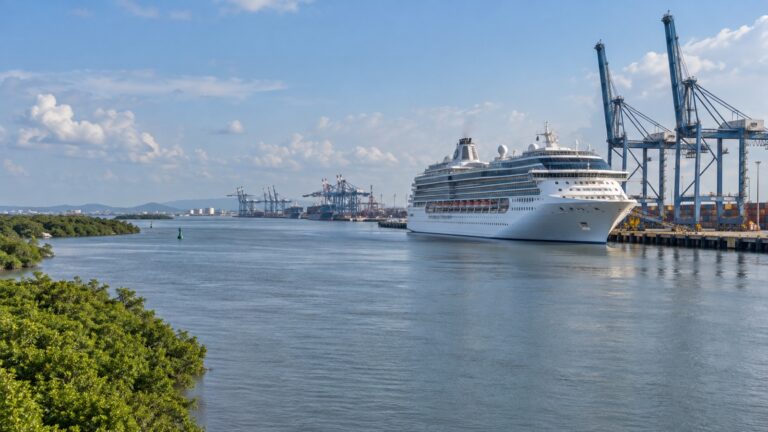
Tianjin International Cruise Home Port is marketed as Beijing’s sea gateway, but the word gateway does a great deal of work. The terminal sits in the Dongjiang area of Tianjin’s Binhai New Area, far from central Tianjin and farther still from Beijing’s headline sights.
A successful day starts with immigration eligibility, a prearranged transfer, and one realistic destination. If any of those pieces is uncertain, the smarter choice is a closer Binhai or Tianjin plan rather than a heroic dash toward the Forbidden City.
Pin the correct port before doing anything else
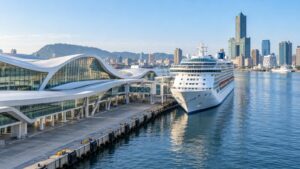
The modern cruise terminal is in Dongjiang on the Bohai coast, not beside a central Tianjin railway station and certainly not inside Beijing. Map every route from the cruise terminal itself rather than from a search result labeled Tianjin.
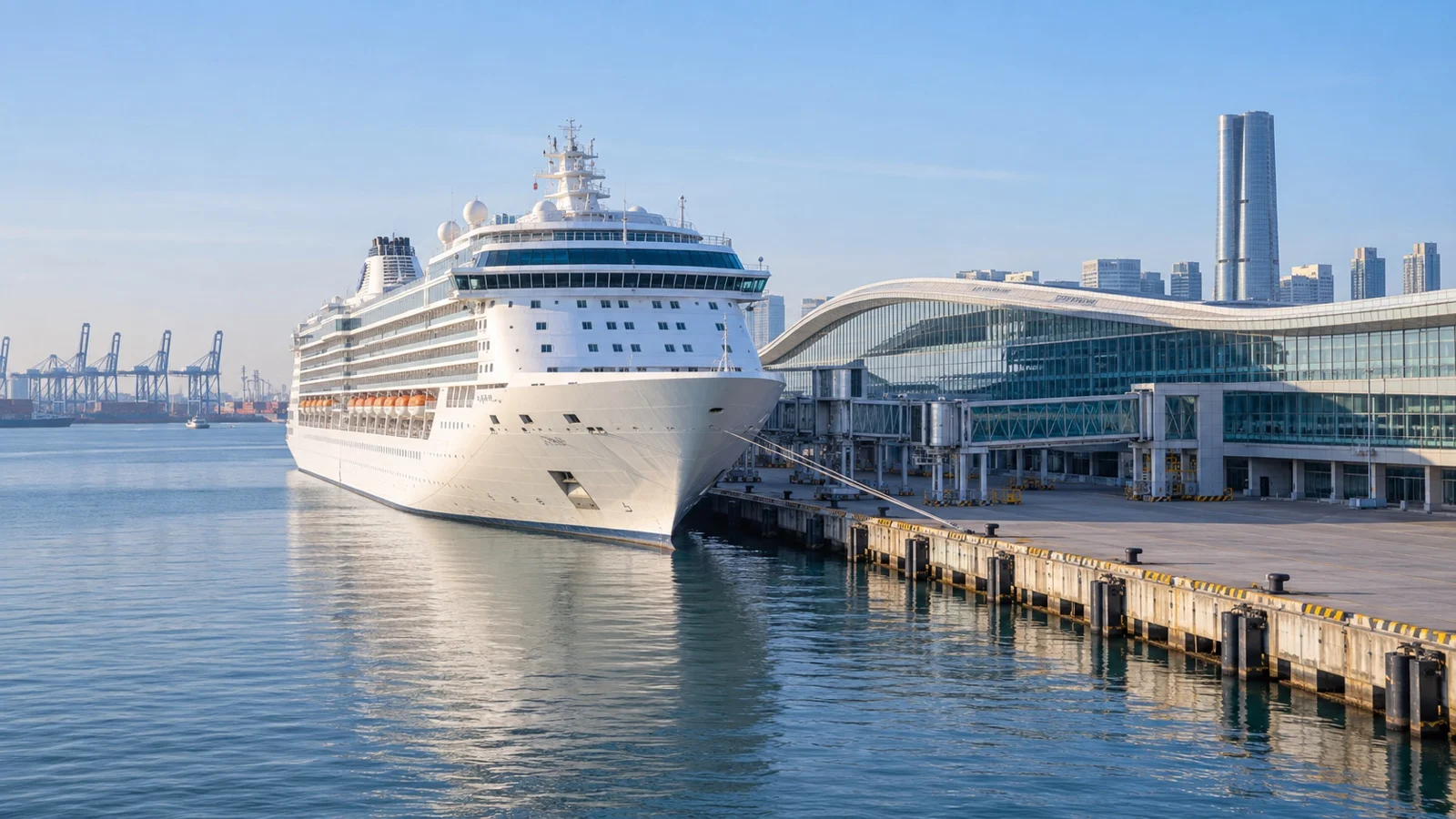
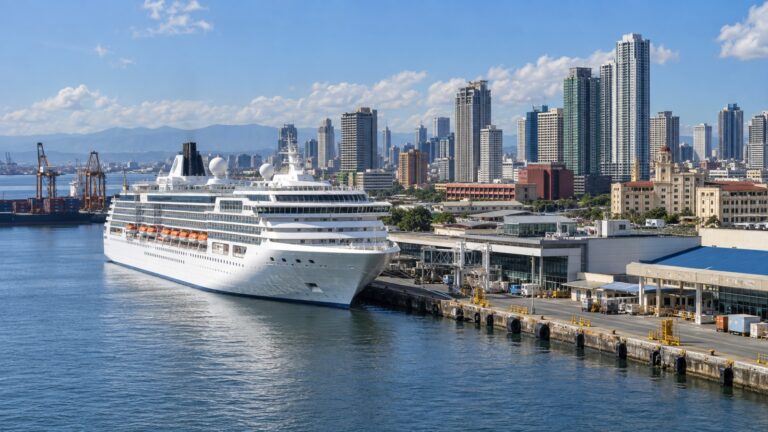
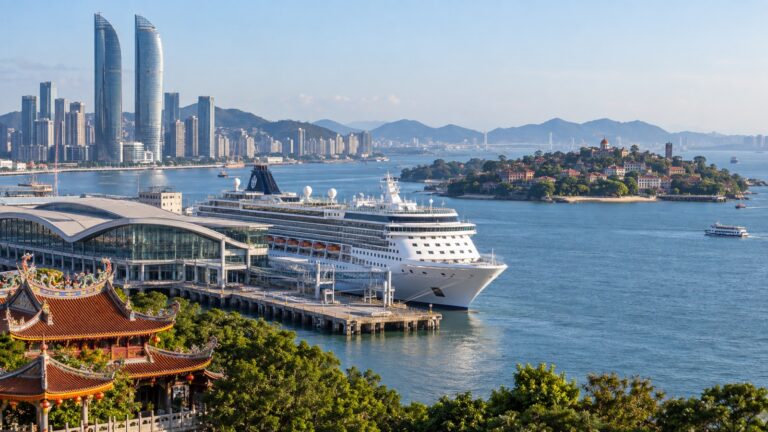
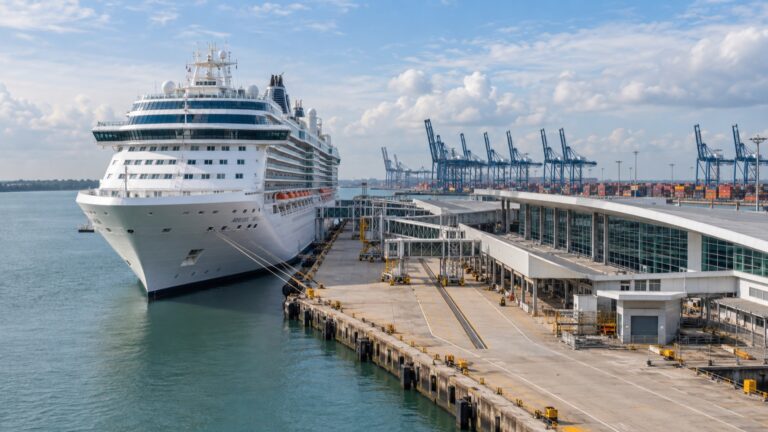
Ships normally berth alongside at the secure passenger terminal. Immigration, baggage, transport staging, and port access can take meaningful time, especially on embarkation, disembarkation, or a large multi-ship day.
Independent drivers may need a specific permit or meeting zone, while tour coaches follow controlled terminal procedures. Confirm the operator’s Chinese name, phone number, vehicle details, and pickup location before arrival.
Do not treat the distance to Beijing as a fixed drive time. Congestion, weather, security checks, road incidents, and city traffic can expand both directions, and the return journey matters more than the optimistic outbound estimate.
Quick Facts
- Official port area: Dongjiang, Binhai New Area, Tianjin
- Port style: alongside at a secure cruise terminal
- Beijing reality: a long overland transfer, not a city beside the pier
- Rail reality: fast trains help only after a separate transfer to the correct station
- Entry rule: verify nationality, itinerary, arrival port, onward country, and ship clearance
- Best short-call choices: Binhai attractions or a focused Tianjin-area excursion
- Best Beijing strategy: one major sight or one compact city district with protected transport
- Payment: mobile systems dominate, so arrange a workable card, cash, and app plan
- Language: save destinations and terminal details in Chinese
- Return rule: use the widest buffer on any Beijing itinerary
Entry rules must match your exact sailing
China’s visa and transit rules change, and eligibility depends on nationality, route, documents, arrival point, onward destination, and the purpose of entry. A traveler who qualifies on one itinerary may not qualify on a round-trip cruise or a different sequence of ports.
The National Immigration Administration currently publishes official guidance on visa-free entry and transit policies. Its 240-hour transit framework covers eligible nationalities and requires travel onward to a third country or region, but cruise passengers should never assume that headline automatically applies to their voyage.
Ask the cruise line how your specific call will be cleared and compare that answer with the official Chinese consular or immigration source for your passport. Resolve uncertainty before sailing because a shore excursion ticket cannot substitute for permission to enter.
Names and document numbers must match across the passport, cruise booking, rail ticket, and attraction reservation. A missing middle name or wrong passport digit can become a much larger problem when the day already has little slack.
Road to Beijing is simple on a map and difficult in a port day
A private coach or car provides the cleanest door-to-door framework because it removes station transfers. It still crosses a large metropolitan corridor, and Beijing’s internal traffic can be as consequential as the highway from Tianjin.
Choose a driver or tour company that regularly handles cruise calls and understands the terminal cutoff. The operator should state the latest turnaround time and an alternative if congestion makes the original sight unsafe.
A Great Wall section is not a small add-on to central Beijing. It introduces another long road leg, terrain, security, and ticketing, so combining it with the Forbidden City is a poor fit for most single-day calls.
High-speed rail is fast only between stations
China’s high-speed trains can cover the Tianjin to Beijing segment efficiently, but the cruise terminal is not a rail platform. You must reach the correct station, clear security and identity checks, board the correct service, cross Beijing after arrival, and repeat the chain in reverse.
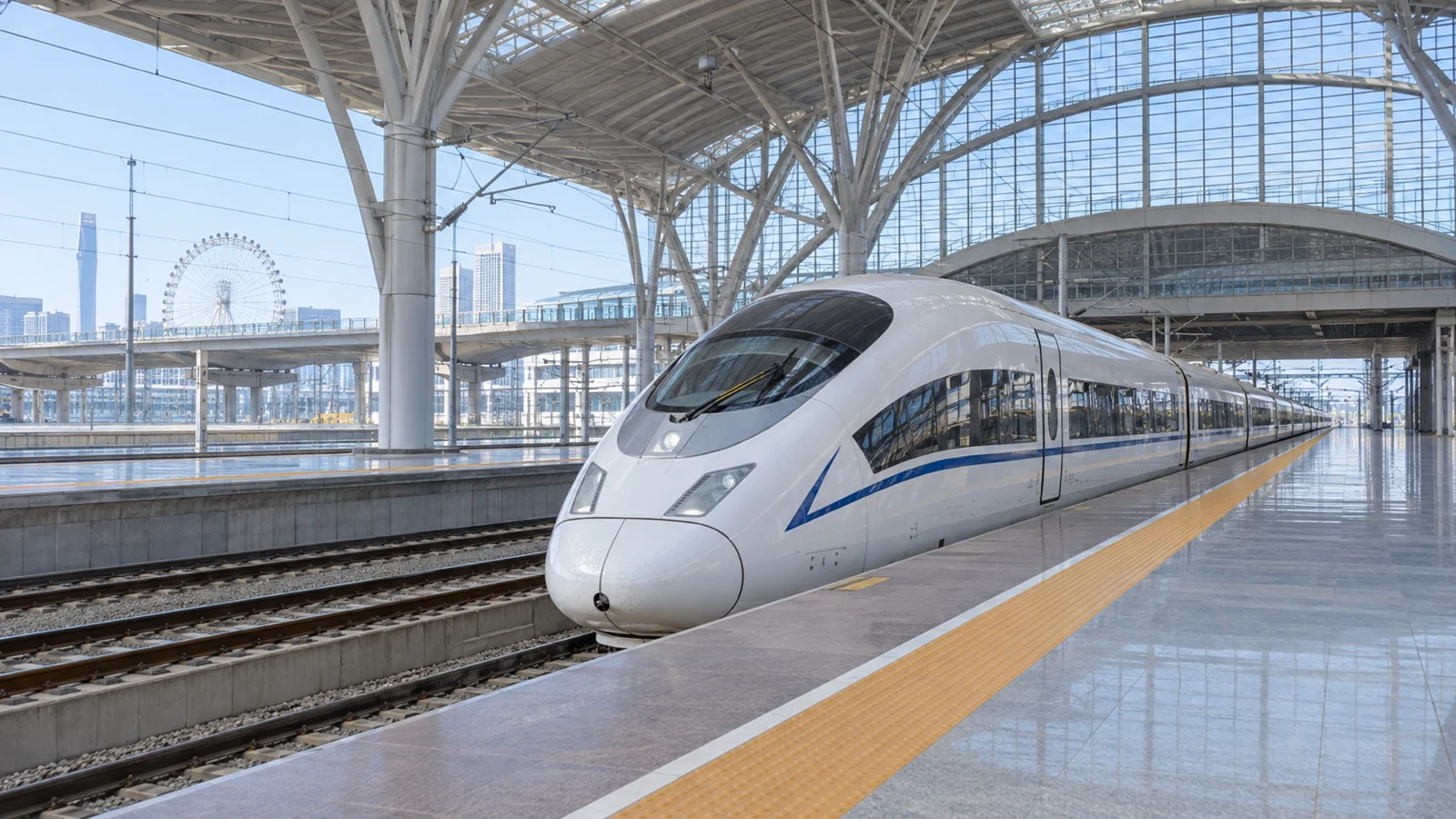
Use the official China Railway 12306 site for schedules, real-name ticketing, accepted documents, changes, and refunds. Avoid building the day around a third-party timetable that does not know your passport or terminal connection.
Station names matter because Tianjin, Tianjin West, Binhai, and other stops are not interchangeable. Confirm the Chinese characters for both stations and leave enough time for terminal-to-station traffic.
Rail works best for confident independent travelers who can manage Chinese stations, identity procedures, digital tickets, urban navigation, and a backup train. It is not automatically safer than a cruise-focused coach once every door-to-door step is counted.
A sane Beijing day has one headline
The Forbidden City can anchor a central Beijing day, but admission requires official planning and identity details. The Palace Museum provides current opening, ticket, service-map, and visitor-route information, which should be checked before transport is purchased.

Pair it only with a nearby exterior view or short stop if the schedule remains comfortable. Tiananmen-area security controls, walking distance, crowds, and route restrictions can make a compact map feel much larger.
Alternatively, select a Great Wall section as the entire destination and skip central Beijing. Ask about cable cars, steps, restroom access, walking surfaces, and the last safe departure time.
A third option is a city panorama, hutong experience, or Temple of Heaven visit without the Palace Museum. One flexible attraction can absorb traffic changes better than two timed monuments.
When Beijing should be a polite no
Skip Beijing when the call is short, immigration timing is uncertain, weather threatens transport, or the ship has an early final boarding. Also skip it if your itinerary already includes an overnight or turnaround that gives the capital more appropriate time.
A canceled reservation or missed rail connection should not trigger improvised racing. Shift to a closer plan and keep the return under control.
There is no shame in refusing an itinerary that spends most of the day anxious about distance. A calm Tianjin-area visit often produces better memories than seeing Beijing through a bus window.
Binhai and Tianjin alternatives
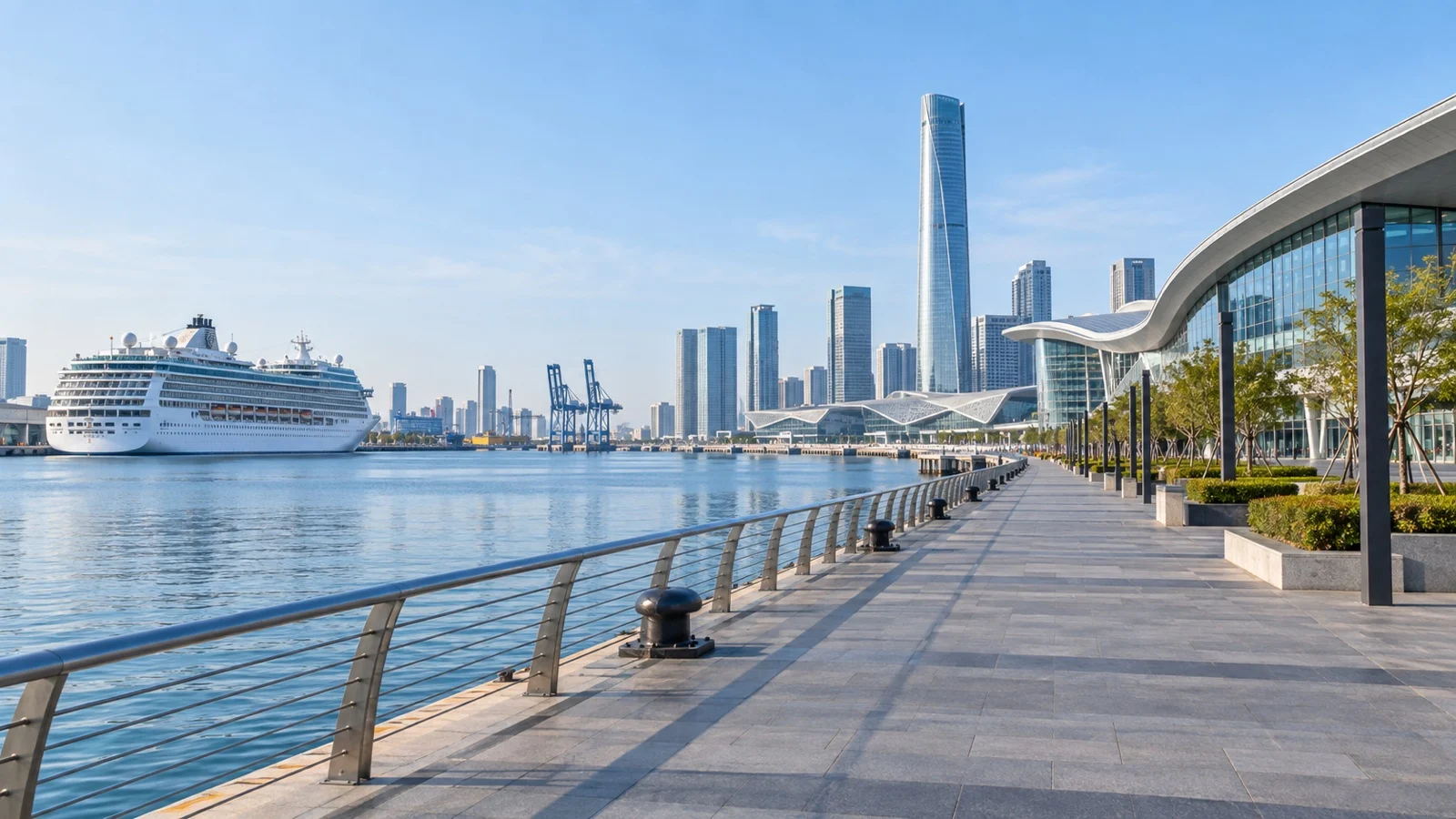
Binhai New Area offers modern architecture, coastal parks, cultural venues, and urban districts much closer to the terminal than Beijing. Current opening hours and access still require verification, but the smaller radius creates room for delays.
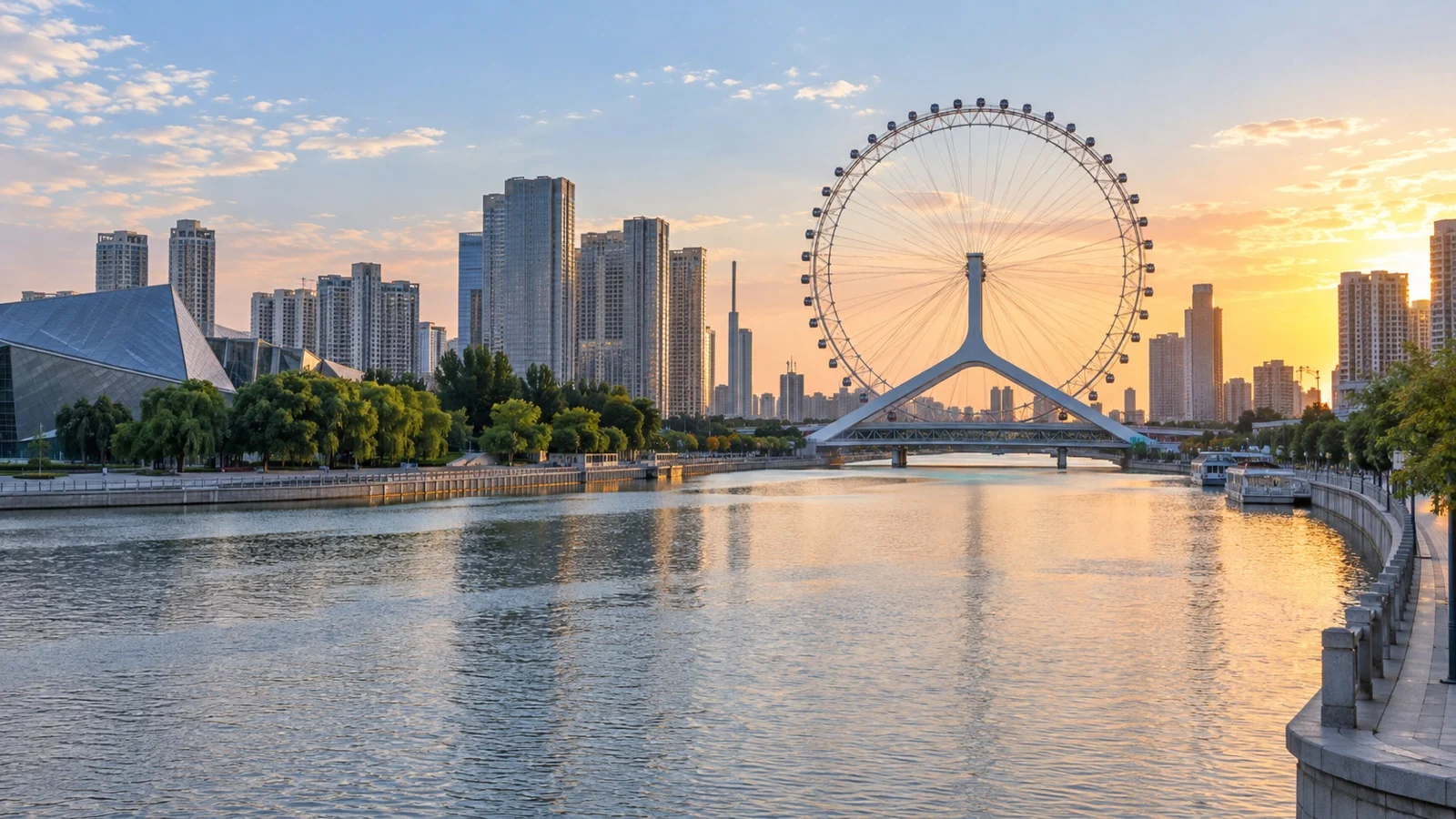
Central Tianjin is known for the Hai River, historic concession-era architecture, Italian Style Town, food streets, and museums. It remains a transfer from Dongjiang, but it is a more realistic city target than Beijing on a limited call.
Choose one district and arrange transport both ways. Do not assume a taxi found in town will understand cruise-terminal access without the destination written in Chinese.
A ship-sponsored panoramic tour can be useful for travelers who want interpretation and coordinated return without managing payment apps or rail. Check how much time is actually spent off the coach before booking.
Payment, phones, and translation
Mobile payment is central to daily life in China, while foreign cards and cash acceptance vary by merchant and transport provider. Set up any supported payment app before travel, test the identity requirements, and carry a backup method.
Internet access and familiar apps may work differently from home. Download offline maps, Chinese addresses, reservation records, and translation tools before the ship enters port.
Save the terminal name, berth instructions, ship contact, and port agent details in Chinese and English. A screenshot is often more useful than trying to pronounce a long destination under time pressure.
Accessibility is mainly a transfer question
The cruise terminal is modern, but the day may involve long corridors, immigration lines, coach steps, station security, and substantial walking at the destination. Ask whether mobility devices can remain assembled and secured through every vehicle change.
Rail stations can be large and busy, so request assistance in advance through the official provider when available. Do not assume an elevator route will be faster than the group’s stairs or escalator route.
The Forbidden City contains broad courtyards, thresholds, crowds, and long distances even when an accessible route exists. Great Wall terrain is much more demanding and requires section-specific details about cable cars and final walking surfaces.
A private vehicle and one accessible Binhai or Tianjin attraction may provide the best control. The operator should explain restroom stops, seating, curb access, and the exact terminal drop-off.
Weather and operational reality
Tianjin and Beijing have distinct seasons, with summer heat and rain, winter cold and wind, and spring dust or poor visibility possible. Dress for the inland destination rather than only the sheltered terminal.
Air quality, extreme heat, snow, heavy rain, or wind can affect both roads and outdoor attractions. Check official forecasts and accept a closer alternative before conditions consume the return margin.
Carry water, essential medication, a portable battery, and a layer suitable for air-conditioned coaches. Keep the passport in a secure, accessible place because identity checks are part of rail and attraction logistics.
A return plan with no heroic ending
For Beijing by road, set the turnaround before entering the last attraction. The return must include city traffic, the intercity corridor, terminal access, immigration or security, and the walk to the gangway.
For rail, choose a return service earlier than the last train that could theoretically work. A missed departure, station confusion, or ticket problem needs a recoverable backup.
Tell every independent operator your all aboard time rather than only the sailing time. Require the driver to acknowledge an earlier terminal arrival target in writing.
Three plans that fit different calls
Short or uncertain call
Stay in Binhai with a prearranged vehicle and one flexible attraction. This plan preserves control if immigration or port exit takes longer than expected.
Moderate city call
Visit one Tianjin district with a guide, local meal, and clear return. Keep shopping and a second museum optional.
Long Beijing call
Choose either a focused central Beijing itinerary or one Great Wall section through a cruise-tested operator. Do not combine both unless the ship’s own excursion assumes the transport risk and the call is unusually generous.
Choose confidence over distance
First verify entry eligibility for the actual passport and sailing, then map the route from Dongjiang cruise terminal rather than Tianjin city. Remove any plan that lacks confirmed transport, identity-compatible reservations, and a wide return buffer.
Use the National Immigration Administration for entry policy, China Railway 12306 for trains, and the Palace Museum for Forbidden City visits. Your cruise line remains the final authority for clearance, berth, meeting point, and all aboard time.
Tianjin is a gateway to Beijing only when the logistics are honest. One well-chosen place, reached with the correct documents and a protected return, is more rewarding than a famous checklist held together by hope.
Make every identity record match, keep the route conservative, and leave no final connection to chance. That discipline turns a daunting port into a confident day in northern China.