Pentecost Island Cruise Port: Land Diving Guide
Pentecost Island is the home of Nagol, or land diving, a community tradition in which men leap from wooden towers with vines tied to their ankles. It is often linked to the later development of commercial bungee jumping, but it should be approached on its own cultural terms.
My quick take: this is a rare, culturally focused tender call, not a resort port. If your sailing hits land diving season, it can be a trip highlight.
For more Vanuatu context I would pair this with my Port Vila guide and my Mystery Island guide.
The quick facts
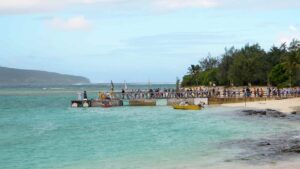
- Where you land: ships anchor offshore and tender passengers to Homo Bay, on the west coast of Pentecost. There is no cruise dock or terminal here, just a small jetty and beach.
- Dock or tender: Ships anchor offshore and use tenders to Homo Bay. Service frequency, priority groups, and the final return time are set by the current cruise line and can change with sea conditions.
- Into town: There is no town and no public transport.
- Currency and language: The Vanuatu vatu (VUV); Locals speak Bislama, English and local dialects.
- Time zone: Vanuatu Time (UTC+11).
- How often the call is missed: High (roughly 8 to 15%): wind or swell can halt tender operations.
What to expect on a tender day
Pentecost is a long, mountainous island in Vanuatu’s Penama Province with small communities rather than a cruise-port town. The Homo Bay call is green, rural, and deliberately low-key.
Because everything runs on tenders and community arrangements, timings can shift with weather and tides. I would treat the day as unhurried rather than packed.
Locals speak English, Bislama, and local dialects. A warm welcome, string bands, and dancing often greet the tenders.
The stops I would actually spend time on
This is a small, culture-first call, so I keep expectations honest. Here are the experiences that are genuinely worth your limited hours.
1. The Nagol land dive (seasonal)
Nagol is the reason many cruisers come, but it is not a performance that visitors can demand on a fixed timetable. Villages control whether the vine-ankle leaps proceed, so watch from the assigned area and follow every instruction about distance and photography.
- The catch on timing: the ritual is strictly seasonal. The Vanuatu Tourism Office lists it on Saturdays from April into late June, tied to the yam harvest. It does not run year-round.
- Fun fact: this ritual predates and inspired modern bungee jumping. It is widely regarded as its ancestor.
- My tip: only certain cruise dates are timed to a dive at sites such as Ratap. Confirm with your line before you count on seeing one.
2. A kastom village visit
The heart of this island is its living kastom, the traditional Ni-Vanuatu way of life. A guided village visit is the most rewarding thing you can do here.
The Vanuatu Tourism Office highlights kastom demonstrations, dances, and daily village life across Pentecost.
3. String bands and kastom dancing
String-band music or kastom dancing may be part of the day’s community welcome. The program varies, so enjoy what is offered without treating specific dances or clothing as guaranteed.
4. A traditional kava tasting
Kava is important in Vanuatu social and ceremonial life, but access, preparation, and participation are community decisions. Only taste it when invited through the organized program, and consider health, medication, and alcohol interactions before doing so.
5. Red mat weaving
Pentecost is known for red-dyed pandanus mats that have cultural and exchange value. If weaving is demonstrated, ask before photographing and let the host explain the meaning rather than reducing the mats to souvenirs or cash equivalents.
6. Handicraft stalls near the jetty
Simple stalls near the landing sell handicrafts, carvings, and woven goods. Buying directly supports the community, and small cash is essential.
One practical note: plant and animal material may need declaring on your return to Australia or New Zealand. Check before you buy.
7. The beach and gentle snorkeling at Homo Bay
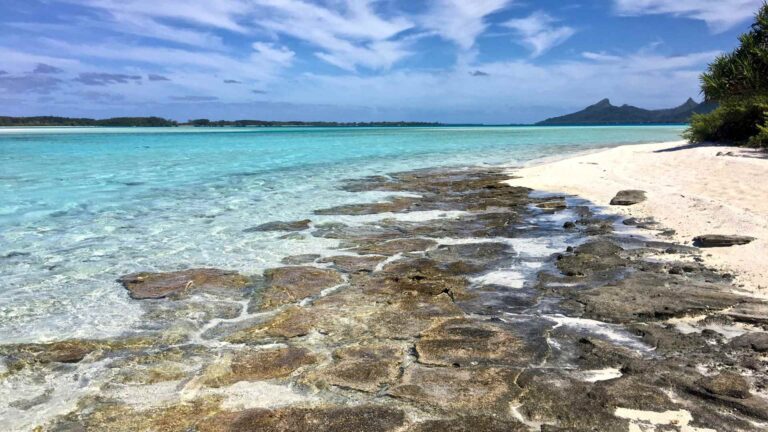
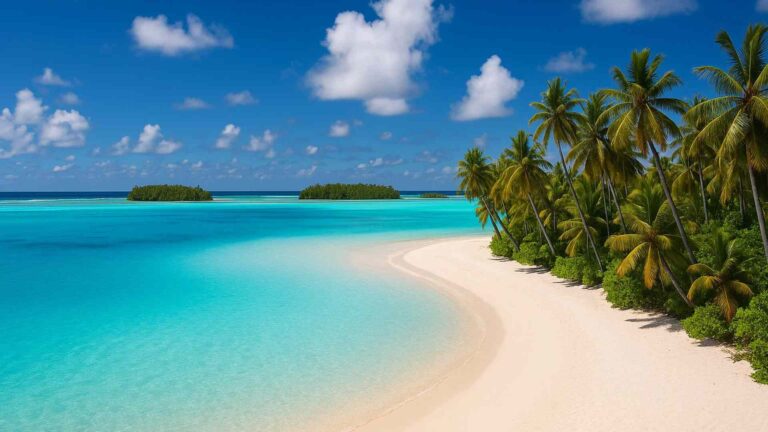
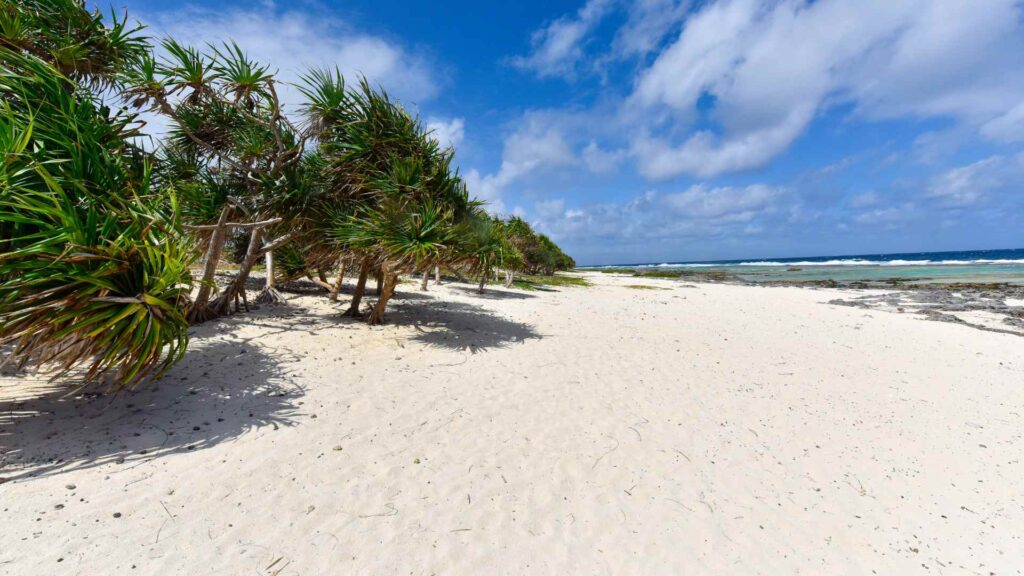
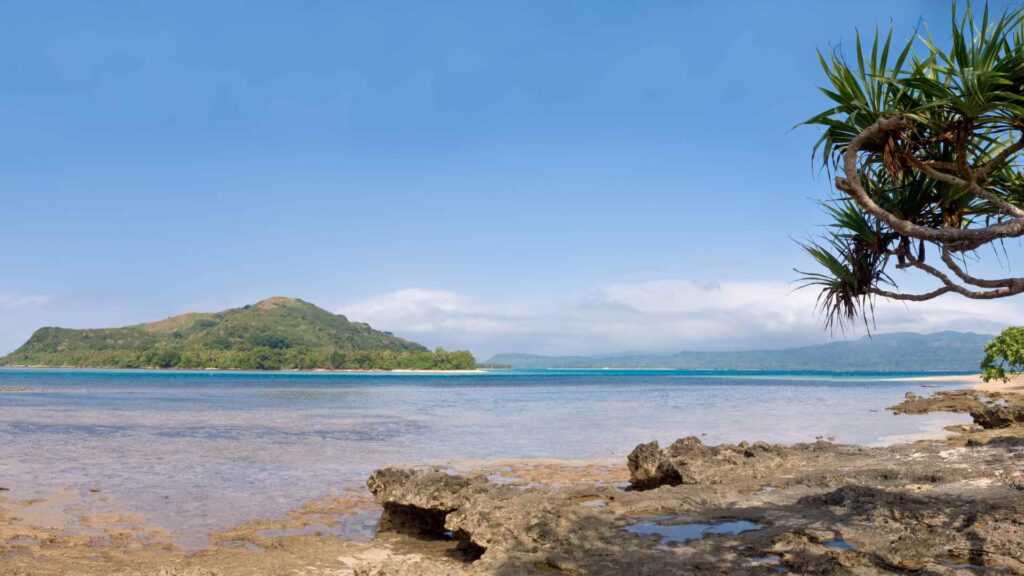
The tender landing opens onto a pretty bay where you can swim and relax between activities. It is low-key rather than a developed beach club.
Do not touch or stand on coral, and use only the swimming area identified that day. Conditions, gear availability, and supervision are limited, so bring your own mask and make swimming secondary to the cultural program.
8. Yam gardens and local food
Yams are sacred here and directly tied to the land dive’s meaning. If a village tour includes the gardens, it adds real context to the ceremony.
Food is simple and local. Laplap, a baked root-vegetable dish wrapped in leaves, is the staple to try if it is offered.
Reaching the land-diving site
The tender landing is not a public transportation hub, and a land-diving site may require a community-arranged road transfer over rough tracks. Use the cruise line or its authorized local partner, confirm the walking distance and viewing terrain, and do not set off independently expecting taxis.
Carry water, sun and rain protection, sturdy closed shoes, insect repellent, small vatu notes, and a modest cover-up. Toilets, seating, shade, card payment, food, and phone service can be limited, so ask what the excursion actually includes.
How I would plan the day
If land diving is on: book the ship’s excursion or a community-arranged transfer to the dive site early. It is the anchor of the day.
Around the ceremony: add a village walk, a kava tasting, and time watching the weaving and dancing near the landing.
If it is not dive season: lean into culture and the bay. A guided village visit plus a swim makes a gentle, genuine half day.
Whatever you do, watch the tender times. With no dock and limited boats, I would head back with a comfortable buffer.
A realistic word on accessibility
This is a challenging call for limited mobility. Reaching shore means a tender transfer, then uneven natural ground and no built infrastructure.
Tender operations also depend on sea conditions and can be curtailed. If mobility is a concern, ask your cruise line’s shore team before committing.
For gentler tender days, see my guide to the best cruise tender ports.
When to go, and the weather
Land diving is commonly associated with Saturdays in the April-to-June yam season, but exact dates and sites are community controlled. Book a sailing that explicitly lists the experience, then reconfirm onboard because rain, tower or vine conditions, local decisions, and tender weather can change the day.
Vanuatu is tropical and warm year-round. The drier, cooler months from May to October are generally the most comfortable for time ashore.
Vanuatu currently sits at the lowest US advisory tier, Level 1 (exercise normal precautions), per the US State Department. Always check the latest before you sail.
Quick answers
Is Pentecost a tender port?
Yes, ships anchor offshore and tender to Homo Bay. There is no dock or cruise terminal.
Will I definitely see land diving?
No. It is seasonal, roughly April to late June on Saturdays, and community and weather dependent. Confirm your date with your cruise line.
What money should I bring?
Small cash. Vatu is local; Australian dollars are often accepted with change not guaranteed, and cards are not accepted at the stalls.
For more of the region, browse my South Pacific cruise ports hub.
How this guide was researched: Unless a first-hand visit is explicitly identified above, this guide uses official port, tourism, transit, government, and attraction sources where available. Logistics and time-sensitive details were reviewed on September 10, 2026; see our Editorial Policy.