Moorea Cruise Port: A Tender-Day Guide
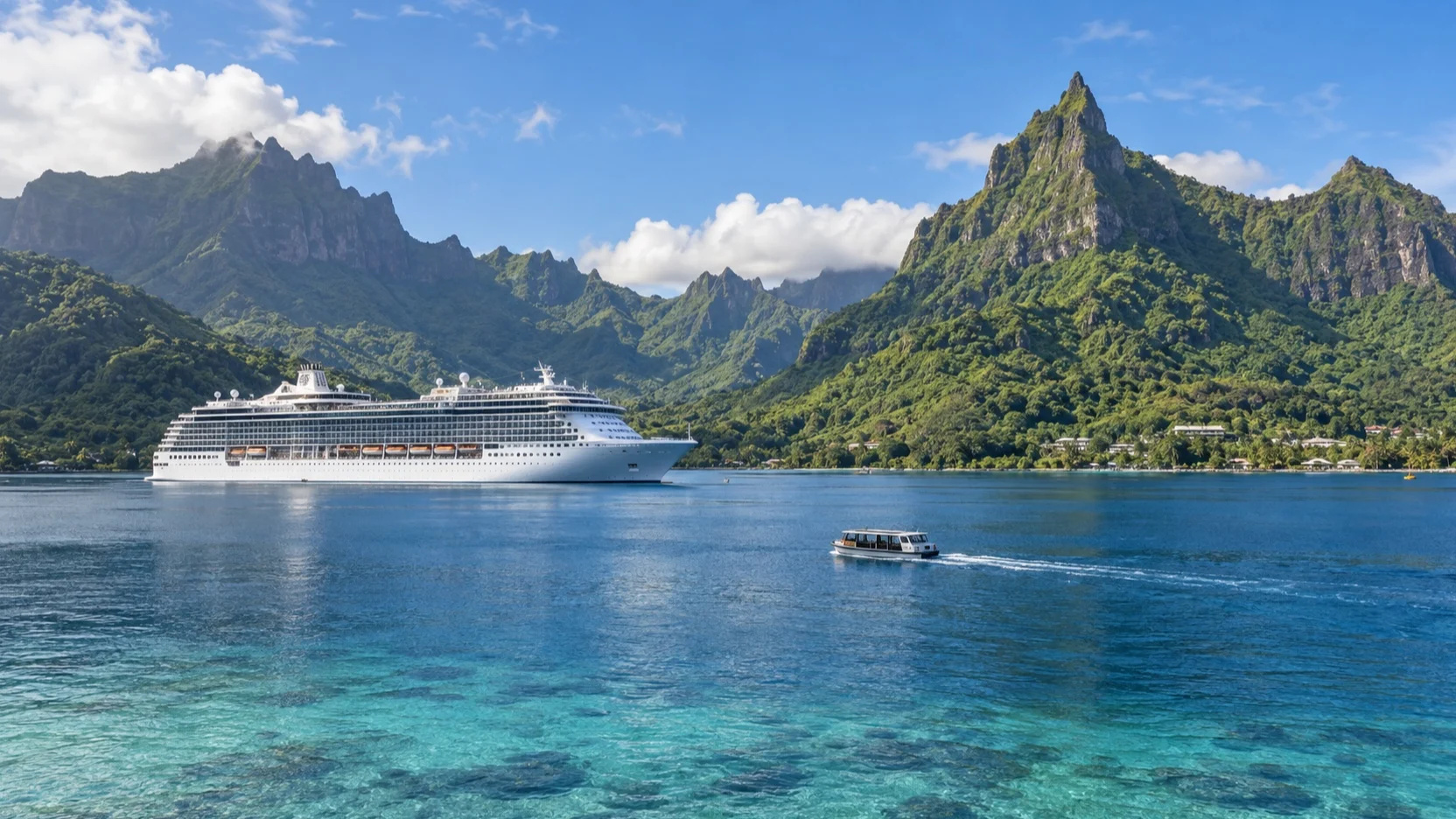
Moorea is a tender port where the landing point can change the day’s first transfer. Confirm whether you are using Cook’s Bay, Opunohu Bay, Vaiare, or another ship-assigned point before booking a lagoon boat, driver, or 4×4.
The strongest first visit combines one lagoon experience with one elevated viewpoint, but only when the operator controls the connection between them. Otherwise choose water or land and protect the tender return.
My quick take
Choose a responsible lagoon tour for snorkeling, a 4×4 route for Belvedere and plantation scenery, or Temae for a simple beach plan near Vaiare. The best option depends on the actual tender landing, not a generic Moorea map.
Pair it with a look at nearby Bora Bora if both are on your itinerary.
Arrival: Moorea is a tender port
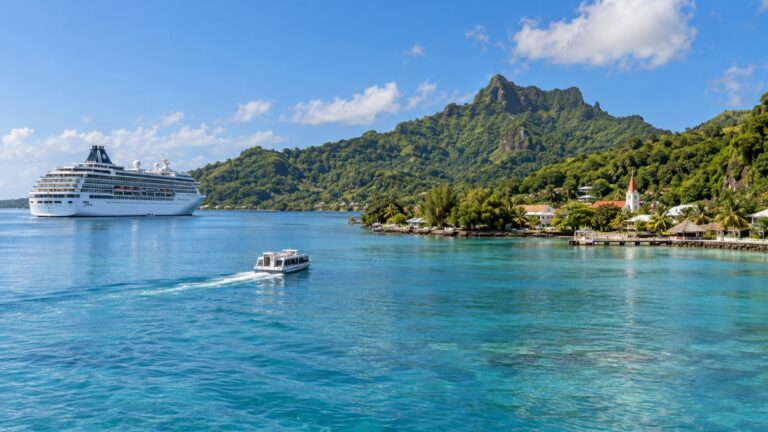
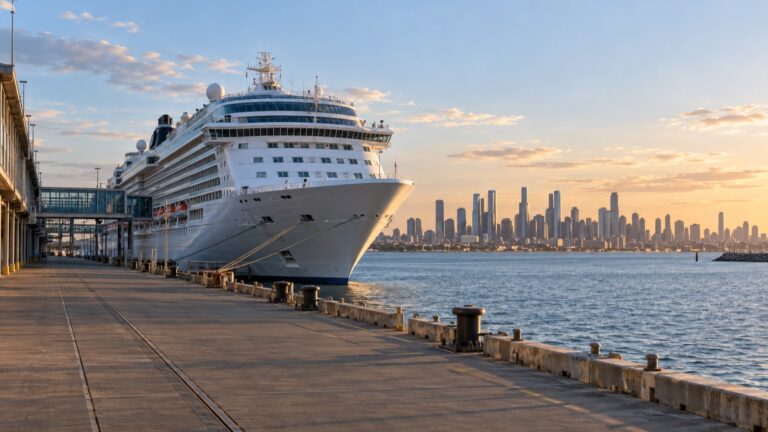
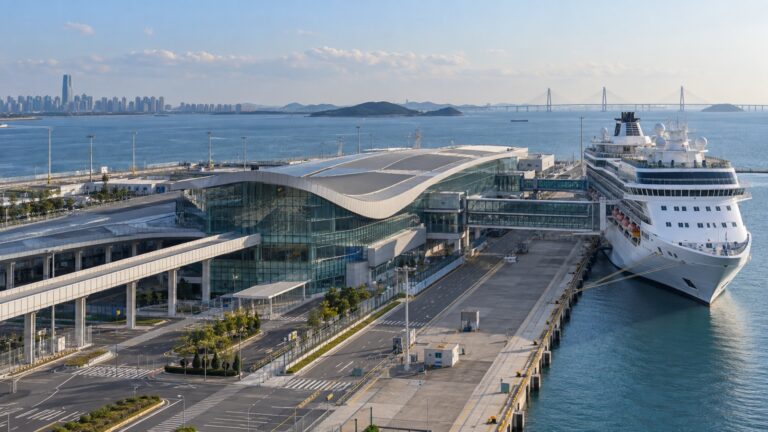
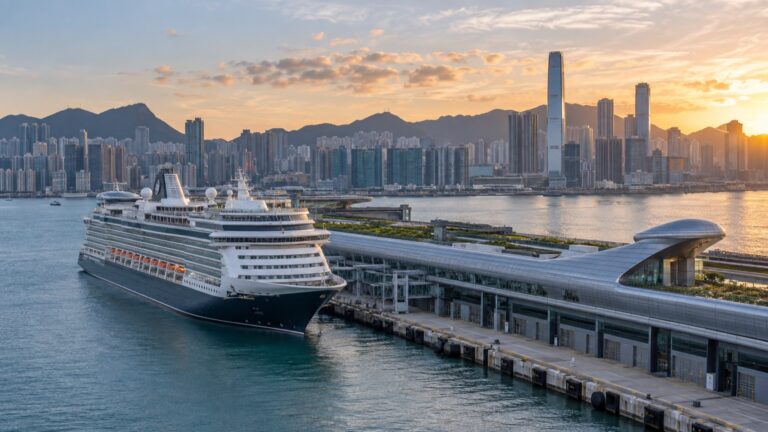
Moorea has no deep-water ocean-cruise berth, so ships anchor and tender to a line-assigned landing. The boat ride, wait, and ability to carry mobility devices change with sea state and ship policy.
Cook’s Bay, Opunohu Bay, and Vaiare are far enough apart to change pickup time and road direction. Send the operator the ship’s final landing notice and require written confirmation of the meeting point.
New to tendering? See what a tender port is and my roundup of the best cruise tender ports.
The quick facts
- Where you land: a tender landing rather than a cruise terminal. The anchorage varies by line and itinerary, most often off Opunohu Bay or Cook’s Bay on the north coast, sometimes off Vaiare where the island’s ferry quay sits. Confirm the landing point with your cruise line.
- Dock or tender: Moorea has no deep-water cruise pier, so every ship anchors offshore and brings guests in by boat.
- Into town: Moorea has villages around a roughly 40-mile coast road rather than one cruise town. Your first transport depends on the tender landing, so arrange the correct pickup point.
- Currency and language: The CFP franc (XPF); French is the official language; Tahitian is widely spoken, and English is common in the tourist trade.
- Time zone: Tahiti Time (UTC−10), the same as Hawaii.
- How often the call is missed: Low (roughly 1 to 2%): the sheltered berth is rarely limited by local weather.
A quick word on safety
French Polynesia is a low-risk destination. The US State Department lists it at Level 1, exercise normal precautions.
Normal sun, sea, and reef sense is really all a cruiser needs here.
The stops I’d actually spend time on
Moorea rewards a focused plan over a frantic one. These are the named places worth your limited hours ashore, all confirmed by Tahiti Tourisme.
The Belvedere Lookout
The Belvedere is Moorea’s signature viewpoint, high in the Opunohu Valley. From the platform you look straight down onto both Cook’s Bay and Opunohu Bay with Mount Rotui rising between them.
Reach it by tour, rental car, or a climb. The road up passes ancient marae (stone temples) and pineapple fields.
Cook’s Bay and Opunohu Bay
Cook visited Moorea, but he anchored in Opunohu Bay during his 1777 visit rather than the bay that now bears his name. Enjoy Cook’s Bay and Opunohu Bay for the scenery without reading too much into the modern label.
Opunohu Bay is the quieter, greener of the pair and a lovely spot to kayak or simply take in the mountain walls.
A lagoon tour with rays and reef sharks
The classic Moorea excursion is a boat tour out to the lagoon’s shallow sandbars, where you can stand waist-deep among stingrays and watch blacktip reef sharks cruise past.
Wild rays and reef sharks should never be guaranteed, touched, crowded, or chased. Choose an authorized operator that follows current rules, explains whether feeding occurs, provides flotation, and gives a clear reboarding plan.
Snorkeling the coral gardens
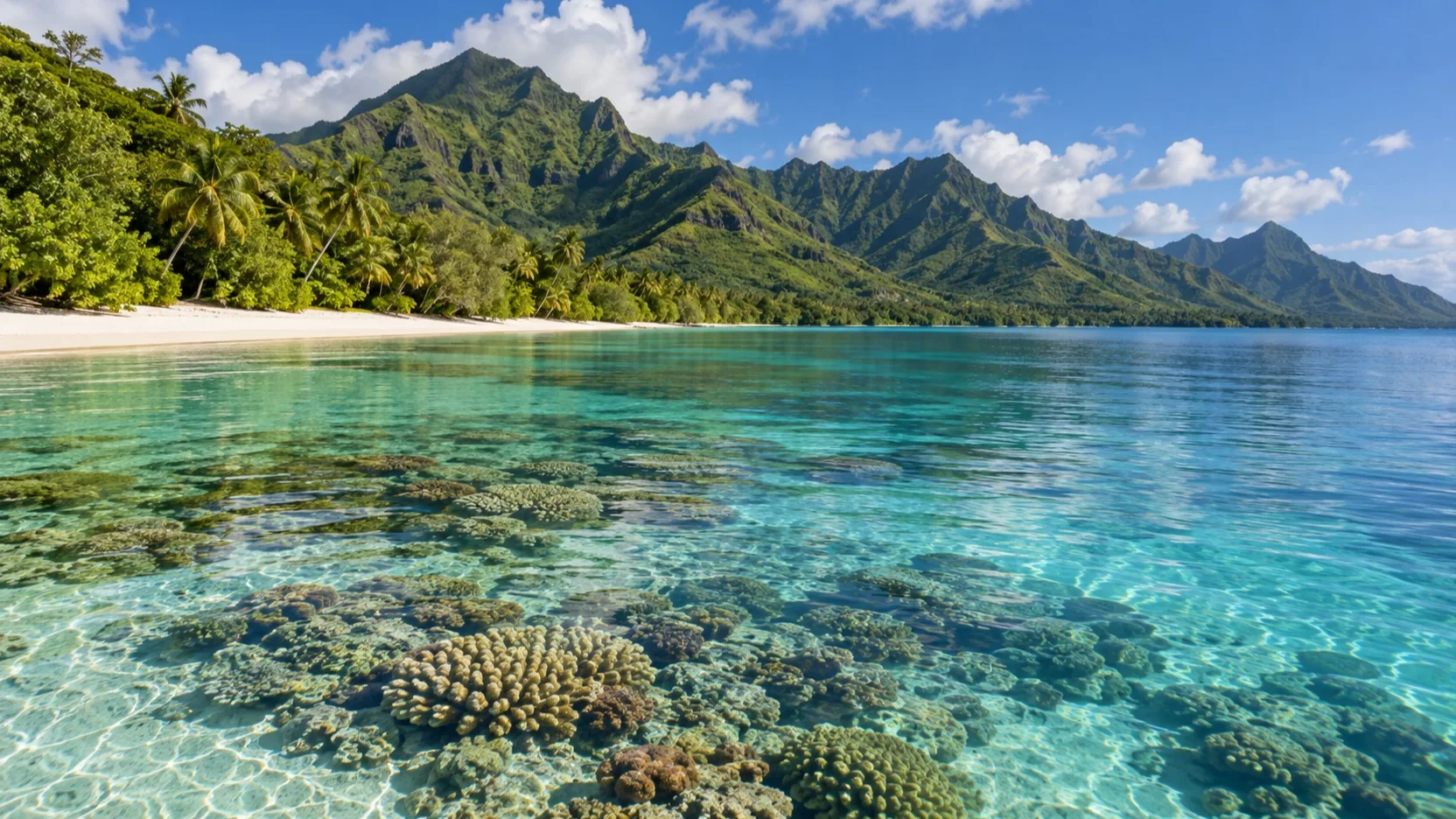
Snorkel sites change with wind, current, and visibility, and coral is vulnerable to contact. Wear sun-protective clothing, stay with a buddy, and never stand on the reef.
Bring reef-safe sunscreen and your own mask if you have one you trust.
Magic Mountain and Toatea Lookout
Magic Mountain is a steep private viewpoint reached on authorized 4×4 or ATV tours. It is not the same place as the public Toatea Lookout above Temae, so confirm which view and access route a tour actually includes.
It is the best all-in-one photo stop on the island for the classic turquoise-lagoon shot.
Pineapples and the Rotui juice factory
Moorea is known for pineapple farming in the Opunohu Valley, and the Rotui factory shop may offer local juices and products when open. Confirm visitor hours because the production facility is not guaranteed to operate as a public tour.
A 4×4 safari usually ties the fields, factory, and Belvedere into one loop.
Temae Beach
Temae is one of the finest public beaches in French Polynesia, with white sand and easy snorkeling just offshore. Facilities are limited, so bring water and gear.
It sits on the island’s northeast corner, a short taxi ride from the ferry area.
Whale watching, in season
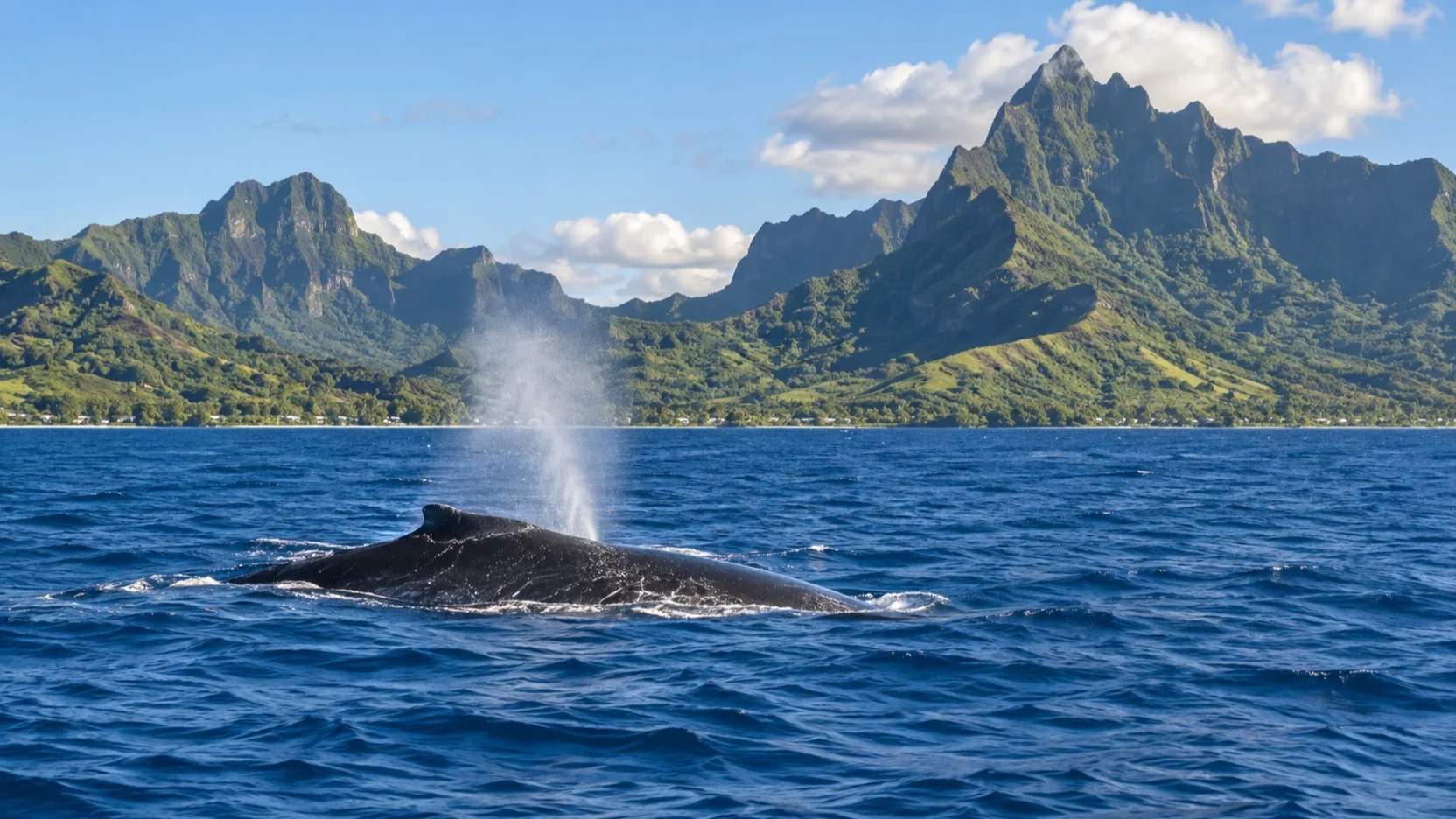
Humpbacks are seasonal visitors, but sightings are never guaranteed and French Polynesia regulates approach and in-water activity. Use an authorized operator that follows current distance, vessel, and swimmer rules without pressuring the animals.
If your call falls in that window, it is worth prioritizing.
Getting around ashore
Moorea’s roughly 40-mile coast road and separated tender points make walking an unrealistic transport plan. Prebook the correct-side pickup or choose a tour sold at the ship landing.
- Organized tours: The simplest choice for a tender day; lagoon boats and 4×4 safaris include transport and a guide.
- Rental car or scooter: Best flexibility to loop the coastal road; reserve ahead and drive carefully on narrow roads.
- Taxis: Available at the Vaiare quayside and hotels, but pricey; agree the fare first.
- Le Truck / local bus: Exists but runs infrequently, so I would not rely on it to make an all-aboard time.
How I’d plan the day
Short call (about 4 hours ashore): choose one lagoon trip that departs from your tender area, or take a driver to one viewpoint and nearby beach. Return to the landing about 90 minutes before all-aboard.
Full day (6 to 8 hours ashore): combine a morning lagoon tour with Belvedere and plantation stops only when one operator coordinates both. Keep about two hours between the final remote stop and all-aboard.
Work backward through the road or local boat, tour check-in, tender queue, and tender ride. When the landing changes on the day, drop a distant stop instead of trying to preserve the original route.
A realistic word on accessibility
Tender transfer rules depend on the ship, mobility device, and sea state, and crew may decline a transfer that cannot be made safely. Ask about steps, device storage, weight limits, and assistance before paying for a tour.
Boat ladders, wet docks, sand, high 4x4s, and viewpoint surfaces create separate access barriers. Request exact measurements and transfer details, and choose a scenic vehicle loop when water access is not workable.
When to go, and the weather
The drier, more comfortable season runs roughly May through October. Humpback whale season overlaps it from about July to November.
It is warm and humid year-round, so pack light clothing, sun protection, and water shoes for the reef.
Entry, money, and weather
French Polynesia has its own entry rules, which are not always identical to metropolitan France or the Schengen Area. Check the French Polynesia High Commission and your cruise line for your nationality and itinerary.
Carry CFP francs for small vendors and taxis, while confirming card acceptance with the tour. Save the operator’s meeting instructions and ship contact offline because the three common landing areas require different directions.
May through October is generally drier, while November through April is warmer and wetter with more tropical-storm risk. Wind and swell can alter both the tender and lagoon tour in any season, so keep a land route ready.
Quick answers
Is Moorea a tender port?
Yes. Ships anchor offshore and bring passengers in by tender; the exact anchorage varies, so confirm with your cruise line.
What is the one thing to do in Moorea?
A lagoon tour to the stingray and reef-shark sandbar, ideally paired with the Belvedere viewpoint over the two bays.
What currency do I need?
The CFP franc (XPF). Cards work in most places, but keep some cash for small stalls and taxis.


How this guide was researched: Unless a first-hand visit is explicitly identified above, this guide is based on independent research using official port, tourism, transit, government, and attraction sources where available. Logistics and time-sensitive details were reviewed in September 2026; see our Editorial Policy.