Hong Kong Cruise Port: Kai Tak and Ocean Terminal Guide
Hong Kong’s two cruise terminals create two different mornings: Ocean Terminal opens into Tsim Sha Tsui, while Kai Tak needs a road or bus connection before the MTR takes over. Confirm the terminal first, then build one compact harbor-side route.
My quick take
Ocean Terminal is the easiest berth for a self-guided harbor day. Kai Tak still works well, but add 30 to 60 minutes each way for terminal exit, traffic, waiting, and the connection to rail.
Either way, the MTR and the Star Ferry do the heavy lifting. For more Asia planning I lean on my Singapore, Shanghai, and Tokyo guides.
The quick facts
Hong Kong has two cruise terminals, and they are very different animals.
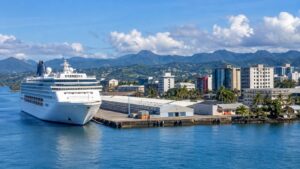
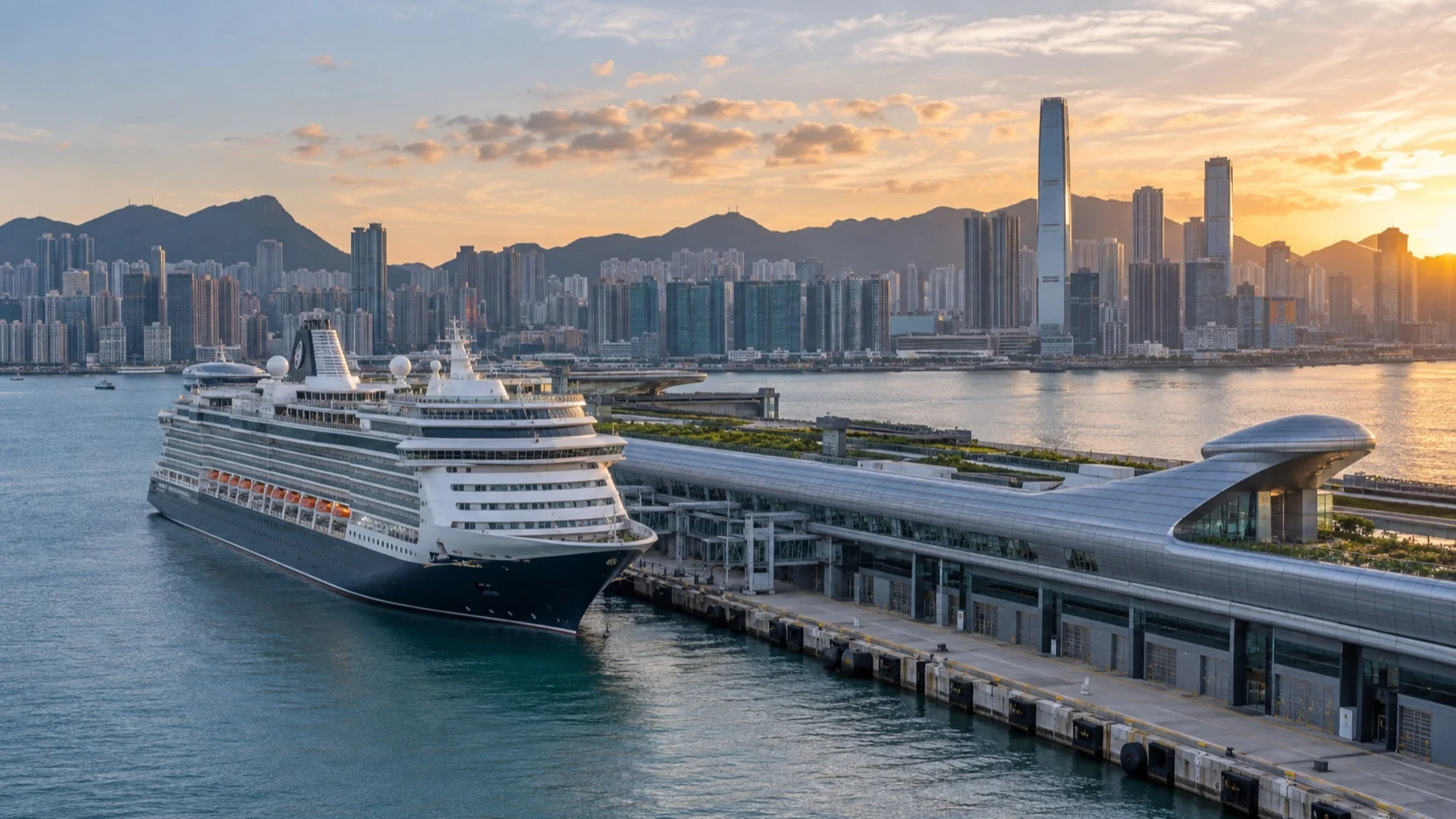
- Where you land: either the Kai Tak Cruise Terminal, built on the former Kai Tak Airport runway in Kowloon East and roughly 4 miles from Tsim Sha Tsui, or the Ocean Terminal at Harbour City, right in the middle of Tsim Sha Tsui.
- Dock or tender: Both terminals are alongside berths, so you walk off down a gangway rather than taking a tender.
- Into town: From Ocean Terminal you step straight into central Tsim Sha Tsui, with the Star Ferry about a 5 minute walk away.
- Currency and language: The Hong Kong dollar (HKD), with Cantonese and English both official and English widely used on signs and transport.
- Time zone: Hong Kong Time (HKT, UTC+8).
- How often the call is missed: Low (roughly 1 to 2%): tropical storms can make the approach unsafe.
Which terminal is which, and how I’d confirm mine
Kai Tak has two large berths on the former airport runway, while Ocean Terminal is a single central berth within Harbour City. Ship size alone does not reliably predict the assignment, so use the final documents and terminal schedule.
As a rule, the mega-ships and many turnaround sailings use Kai Tak, while vessels that fit the harbor berth may get Ocean Terminal. Your cruise line assigns it, so confirm the exact terminal in the final documents rather than guessing.
Getting around
The MTR is the simplest way to cross most of Hong Kong, and an Octopus card remains the most broadly useful payment option for trains, buses, ferries, and small purchases. Contactless bank-card gates are expanding, but acceptance, card network, fare product, and interchange handling can vary, so look for the marked gate.
- From Ocean Terminal: you’re a short walk from Tsim Sha Tsui MTR and the Star Ferry pier, so many cruisers never need a taxi at all.
- From Kai Tak: use the terminal’s day-of shuttle if offered, a public bus or green minibus, or a taxi to a suitable MTR station. Kai Tak and Sung Wong Toi are useful rail connections, but the best one depends on traffic, luggage, and your destination.
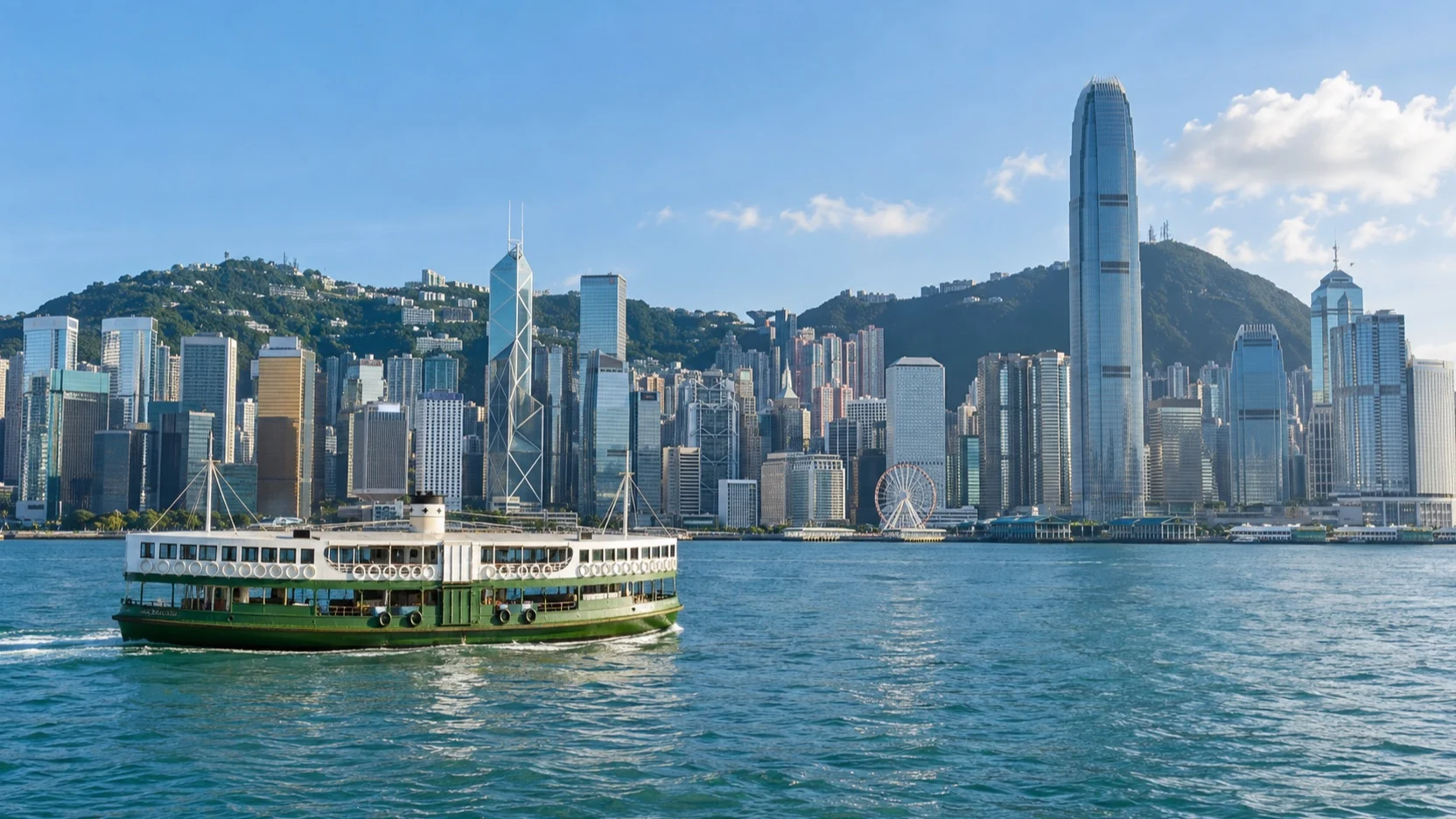
- The Star Ferry: the green-and-white ferries between Tsim Sha Tsui and Hong Kong Island are cheap, frequent, and the best skyline ride in the city.
- Taxis: plentiful and metered, and handy for the runway crawl out of Kai Tak or a late dash back to the ship.
The stops I’d actually spend time on
Hong Kong packs a lot into a small footprint, so a well-planned day goes a long way. These are the named places I’d prioritize.
If you are flying in the night before, our guide to hotels near Hong Kong cruise port compares the options by distance from the terminal.
- Victoria Peak, by the Peak Tram: the funicular has been climbing to the summit since 1888, and the harbor view from the top is the classic Hong Kong shot.
- The Star Ferry: a five-to-ten-minute crossing of Victoria Harbour that doubles as the cheapest sightseeing in town.
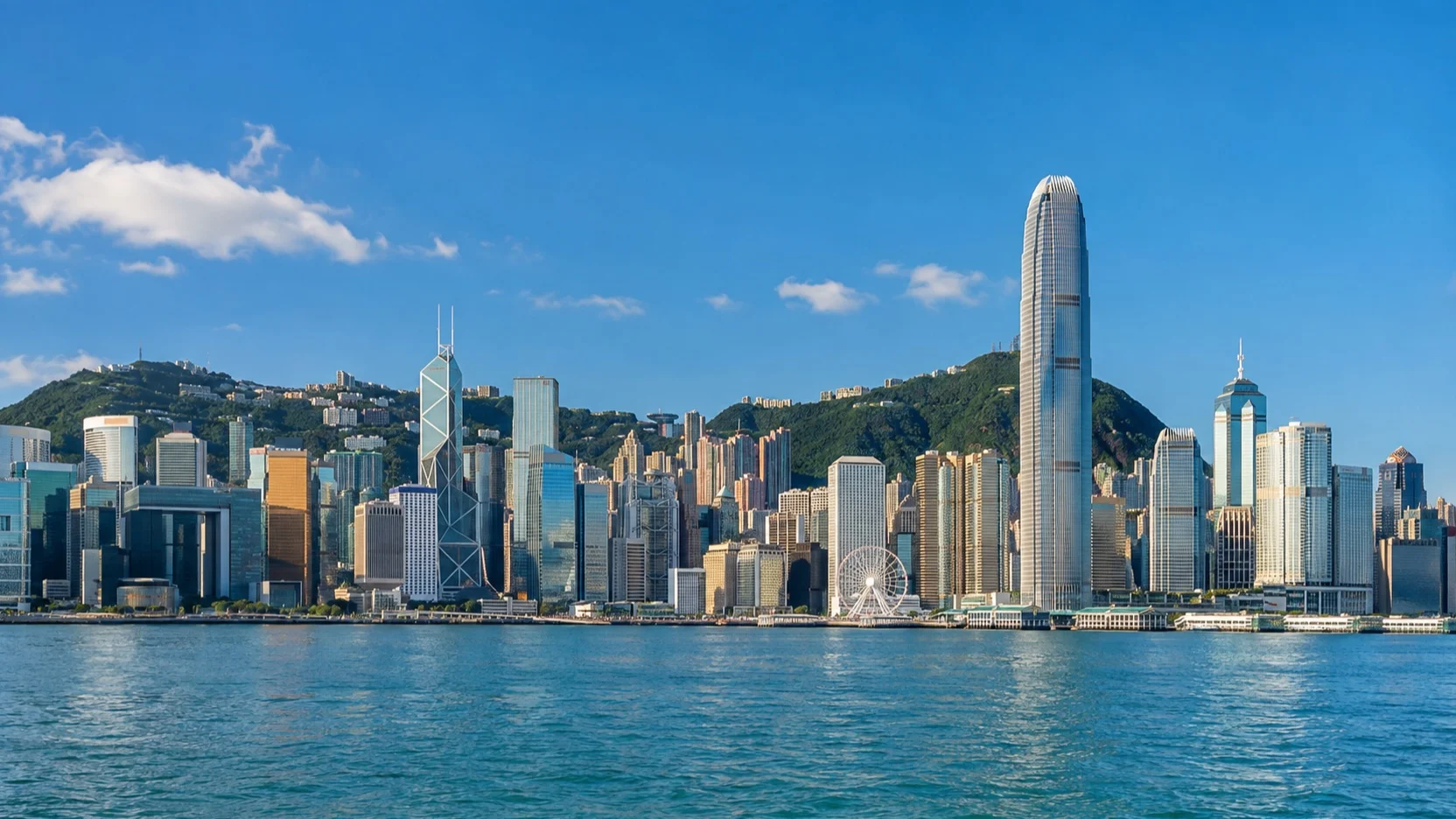
- Tsim Sha Tsui waterfront and the Avenue of Stars: a promenade tribute to Hong Kong cinema, with Bruce Lee’s statue and front-row skyline views. It’s right by Ocean Terminal.
- The Tian Tan Big Buddha on Lantau: a giant seated bronze Buddha reached by 268 steps, set beside Po Lin Monastery.
- Ngong Ping 360: the cable car that glides up to the Buddha is a destination in itself, with sweeping views of the airport and the sea.
- Temple Street Night Market: Kowloon’s after-dark bazaar of street food, fortune-tellers, and stalls, best after sunset if your ship stays late.
- Wong Tai Sin Temple: a colorful, incense-filled Taoist temple famous for fortune-telling, and an easy MTR ride from either terminal.
- Hong Kong Disneyland: on Lantau with its own MTR line, a strong pick if you’re sailing with kids and have a full day.
Heads up: some links below are affiliate links. If you book through one, I may earn a commission at no extra cost to you. It never changes which hotels or tours I recommend. Full disclosure.
How I’d plan the day
Here’s how I’d shape it around the time I had, always leaving a buffer to get back aboard.
- 3 hours: stay in Tsim Sha Tsui. Walk the waterfront and Avenue of Stars, ride the Star Ferry over and back, then browse Harbour City near Ocean Terminal.
- 5 hours: add Victoria Peak. Take the Star Ferry to Hong Kong Island, ride the Peak Tram up for the view, then head back with time to spare.
- 8 hours: choose either Lantau or the central harbor and Peak, not both. For Lantau, reserve Ngong Ping if desired and start back at least three hours before all-aboard from Kai Tak, or about 2.5 hours from Ocean Terminal.
A realistic word on accessibility
Kai Tak has accessible terminal facilities, while Ocean Terminal connects through a large shopping complex with elevators and long indoor routes. MTR exits, Star Ferry vessels, and Peak Tram wheelchair arrangements vary, so ask about the gangway and confirm the exact step-free route and device limits.
The variable is always the ship’s gangway, which steepens at low tide. If wheels or steps are a concern, I’d ask the shore team about the gradient before disembarking.
When to go, and the weather
Hong Kong is subtropical, so autumn (roughly October to December) is the sweet spot: cooler, drier, and clearer for that skyline.
Summer is hot, humid, and prone to typhoons, which can reshape a cruise itinerary at short notice. Spring is pleasant but can be hazy and damp.
Entry rules and mainland side trips
Hong Kong sets its own visitor visa rules by nationality and length of stay. Check the Hong Kong Immigration Department and the cruise line rather than relying on a general China visa guide.
Mainland China is a separate immigration jurisdiction, so a Hong Kong admission does not authorize a Shenzhen side trip. Only attempt one with the correct mainland entry permission and a very long call, because two border crossings create a poor return-risk tradeoff.
Weather, closures, and your return buffer
The Hong Kong Observatory’s typhoon signals and rain warnings can close attractions and alter ferries, buses, cable cars, and the port. Summer is hot and humid, while fall is usually drier and more comfortable for walking.
From central Hong Kong, leave about 90 minutes for Ocean Terminal and two hours for Kai Tak. Add another hour after Lantau, during rush hour, or when a cable car or Peak Tram queue is part of the return chain.
Quick answers
Can I walk into the city from the cruise terminal?
From Ocean Terminal, yes: you’re in central Tsim Sha Tsui. From Kai Tak you’ll need a shuttle, bus, or taxi to the nearest MTR first.
Do I need a visa?
Many nationalities enter Hong Kong visa-free for short stays, but rules vary and a side trip into mainland China is separate. Confirm your own requirements with an official source before you sail.
Which terminal will my ship use?
That’s set by your cruise line, not the port. Check your final documents, since Kai Tak and Ocean Terminal need slightly different transport plans.
New to all this? My first-timer’s guide walks through the basics.
How this guide was researched: Unless a first-hand visit is explicitly identified above, this guide is based on independent research using official port, tourism, transit, government, and attraction sources where available. Logistics and time-sensitive details were reviewed in September 2026. See our Editorial Policy.