Tokyo Cruise Port: A Cruiser’s Guide to the Odaiba Terminal
Tokyo is enormous, but the Odaiba terminal gives you a clear rail route into the city. Pick one geographic cluster, reserve timed attractions, and leave enough margin for a station transfer and the walk back to the ship.
A good port day is one temple or neighborhood pair, one meal, and one viewpoint rather than a race across the map. Odaiba itself is the best fallback when arrival, heat, or crowds shorten the day.
My quick take
Most Tokyo calls use the Tokyo International Cruise Terminal in Odaiba, but Yokohama is a separate port and cannot be treated as another Tokyo berth. Match the city and terminal name in the final cruise documents before booking transport.
If your itinerary lists Yokohama instead, do not panic. That is still a smooth gateway, and I cover it in depth in my Yokohama cruise port guide.
The quick facts
- Where you land: the Tokyo International Cruise Terminal in Odaiba, seaward of Rainbow Bridge. If the itinerary says Yokohama or Daikoku Pier, use that port’s instructions because it is a different transfer.
- Dock or tender: An alongside berth, so you walk straight off.
- Into town: You are on Odaiba rather than in central Tokyo, so plan on the train.
- Currency and language: The Japanese yen (JPY) and Japanese, with English signage on the trains and at major sights.
- Time zone: Japan Standard Time (JST, UTC+9).
- How often the call is missed: Low (roughly 1 to 2%): tropical storms can make the approach unsafe.
Which terminal will my ship use?
This is the one detail worth confirming before you sail, because Tokyo has a quirk of geography. The historic Harumi pier sat inside the Rainbow Bridge, and that bridge has a fixed clearance of about 171 feet.
Tall modern cruise ships simply could not pass under it. To solve that, the Tokyo Metropolitan Government built the new terminal seaward of the Rainbow Bridge in Odaiba, and Harumi has since stepped back from that role.
A cruise sold as a Tokyo-area sailing may use Yokohama, including Daikoku Pier for ships affected by bridge clearance. That changes the whole transfer, so use the Port of Yokohama instructions and allow roughly 45 to 75 minutes to central Tokyo depending on pier, shuttle, and train connection.
Getting into central Tokyo
Tokyo International Cruise Terminal Station on the Yurikamome is about an 8-minute signed walk from the building. The ride to Shimbashi takes roughly 20 minutes, then allow additional platform and JR or subway time for Tokyo Station, Ginza, Asakusa, or Shibuya.
Plan roughly 35 to 45 minutes from the terminal building to Tokyo Station when the connection is smooth, not 20 minutes door to door. Tokyo Teleport on the Rinkai Line is another option, but it is farther on foot, so use the terminal’s current access map or any ship shuttle.
A Suica, PASMO, or supported mobile transit card makes transfers simple, while paper tickets remain available. Physical visitor cards can sell out, so do not make the day depend on buying one at the first machine.
Taxis are plentiful but slower in traffic and far pricier than the train. Save them for late returns or heavy bags.
Heads up: some links below are affiliate links. If you book through one, I may earn a commission at no extra cost to you. It never changes which hotels or tours I recommend. Full disclosure.
The stops I’d actually spend time on
Tokyo rewards focus over ambition. Pick a cluster of three or four of these and let the trains carry you between them rather than chasing the whole list.
Senso-ji and Asakusa
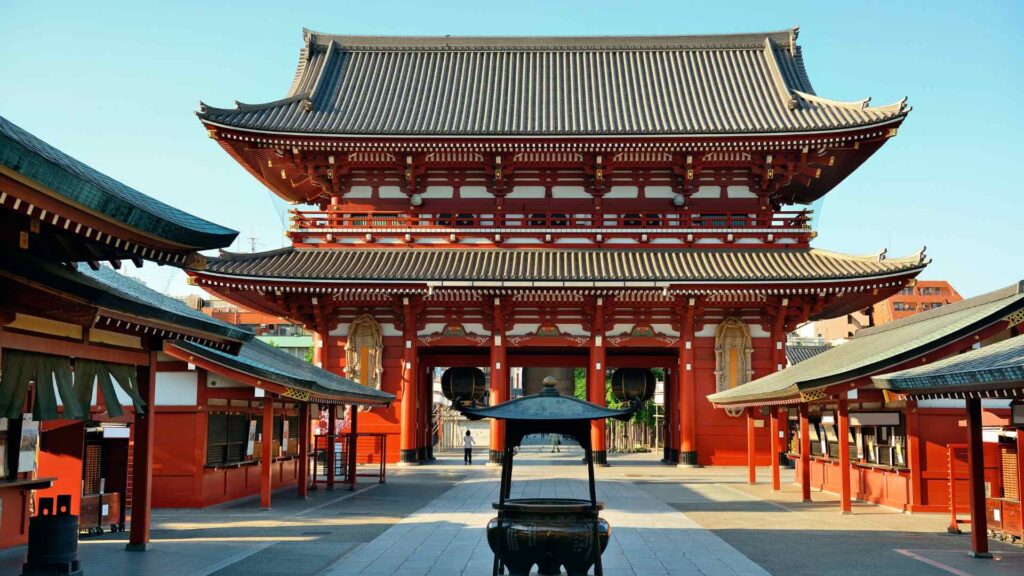
Tokyo’s oldest temple, Senso-ji, anchors the old-town Asakusa district. You enter through the giant red Kaminarimon gate and its huge paper lantern.
The Nakamise shopping street leading up to it is lined with stalls selling fans, crafts, and street snacks like taiyaki. It is touristy and wonderful in equal measure.
Meiji Jingu
For calm, head to Meiji Jingu, the shrine dedicated to Emperor Meiji, set in a forest of tens of thousands of donated trees beside Harajuku.
Walking the gravel path under the towering wooden torii gates is a genuine reset. If you are lucky you may glimpse a traditional wedding procession in the courtyard.
Shibuya Crossing
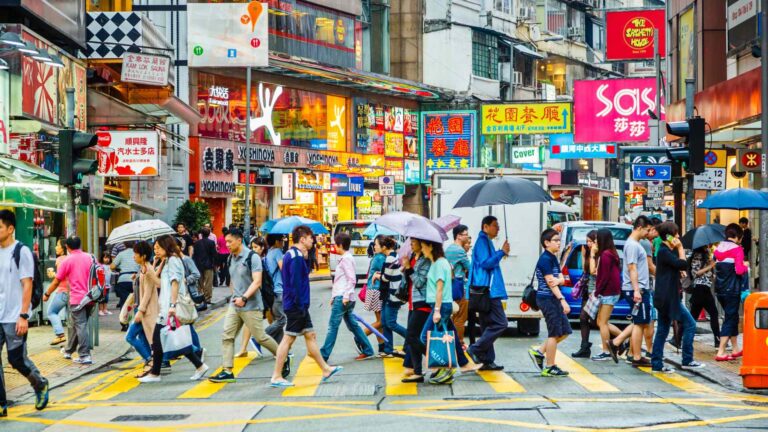
The scramble crossing outside Shibuya Station is the Tokyo image everyone knows. Hundreds of people surge across from every direction the moment the lights change.
Find the loyal Hachiko dog statue nearby, then ride up Shibuya Sky or Scramble Square for the view from above. It pairs perfectly with Meiji Jingu, which is one stop away.
teamLab digital art
The immersive teamLab Planets in Toyosu is close to the port and a favorite of mine. You wade barefoot through water rooms and mirrored light installations.
The related teamLab Borderless has reopened at Azabudai Hills, closer to central Tokyo. Either one books out, so reserve a timed ticket before your call.
Ginza
Ginza is Tokyo’s polished shopping quarter, home to flagship stores and grand department stores like Mitsukoshi and Wako. Even window shopping here is a pleasure.
On weekend afternoons the main avenue closes to cars and becomes a pedestrian promenade. It is an easy, central base between other stops.
Tokyo Skytree
At about 2,080 feet, Tokyo Skytree is the tallest tower in Japan and gives you the whole city from its observation decks. On clear days you can pick out Mount Fuji.
Its height is a quiet pun: 634 can be read as mu-sa-shi, the old name for this region. It sits a short walk across the river from Asakusa, so the two pair naturally.
Odaiba
You are already on Odaiba when you dock, so it is the lowest-effort win of all. The waterfront gives you the Rainbow Bridge, a replica Statue of Liberty, and the DiverCity mall with its giant Gundam statue.
If your time ashore is tight or the seas kept you late, this is the area I would not skip. It is a genuine sight in its own right.
How I’d plan the day
Short call (about 4 hours): Stay local. Explore Odaiba’s waterfront, then ride one Yurikamome stop for a quick view, and be back with buffer to spare.
Half day (about 6 hours): Train to Asakusa for Senso-ji, cross to Tokyo Skytree, then head back. That is a satisfying, low-stress loop.
Full day (8 hours or more): choose either Asakusa plus Ginza, or Meiji Jingu plus Shibuya, with one reserved attraction. Start the rail trip back about two hours before all-aboard during rush hour or when several connections are involved.
New to this style of port day? My first-timer cruise ports guide walks through building realistic return buffers.
There is a full rundown of where to stay in our hotels near Tokyo cruise port guide.
A realistic word on accessibility
The terminal and nearby Yurikamome station have elevators, but a step-free trip can require specific station exits and longer transfers. Ask station staff for a boarding ramp where needed and avoid assuming the closest exit has an elevator.
Many rail stations are accessible, yet elevator routes may be indirect and train-platform gaps vary. Senso-ji’s main grounds are mostly level, while shrine buildings, gravel, and crowded approaches can create separate barriers.
If step-free routing matters, plan your specific line changes in advance rather than improvising on the day.
When to go, and the weather
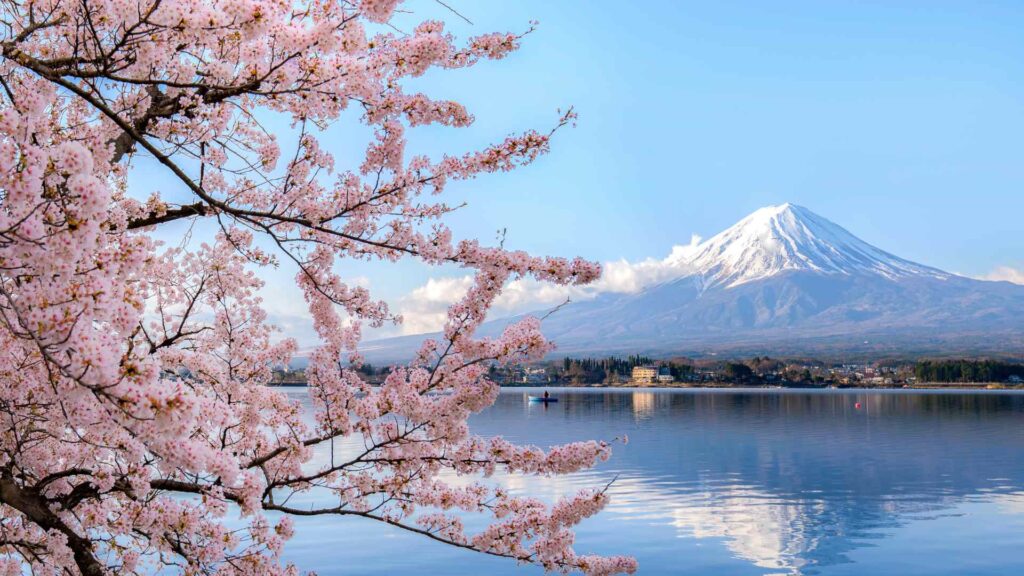
Spring and fall are the sweet spots, with cherry blossoms around late March and vivid foliage in November. Both bring mild, comfortable days.
Summer is hot and very humid, and late summer into fall is typhoon season, which can occasionally shift a call. Winter is cool, dry, and often clear, which is prime Mount Fuji viewing.
Entry, connectivity, and reservations
Japan’s visa-exemption and visa rules depend on nationality, passport type, and length of stay. Check the Ministry of Foreign Affairs visa page and your cruise line rather than assuming a same-day call is exempt.
Download an offline rail map and save the terminal name in Japanese before leaving ship Wi-Fi. Shibuya Sky, teamLab, and major observation decks use timed tickets, and a sold-out slot is a reason to switch neighborhoods, not wait in hope.
Weather and the return chain
Summer heat and humidity can make the station walk feel much longer, while typhoons and heavy rain can disrupt rail or port operations from summer into fall. Carry water, use indoor breaks, and follow ship messages when severe weather is forecast.
Work backward through the full chain: attraction to station, local train, any transfer, Yurikamome, terminal walk, security, then gangway. A 90-minute cushion is reasonable for nearby Odaiba, while a central Tokyo day deserves about two hours.
Quick answers
Does my ship dock in Tokyo or Yokohama?
Most ships now use the Tokyo International Cruise Terminal on Odaiba. Some larger vessels berth at Yokohama’s Daikoku Pier instead, so check your itinerary, as the two are different cities about 30 minutes apart by train.
Can I see Tokyo in one day from the port?
Yes, if you focus. Pick one or two districts rather than the whole city, and lean on the trains.
Nearby Odaiba, Asakusa, and Shibuya are all realistic on a single call.
Do I need cash?
Cards are widely accepted, but Japan still runs partly on cash, especially at temples and small shops. Carry some yen and top up a Suica or PASMO card for transit.
Sailing on around Japan? My guides to Kobe and Osaka cover the next likely stops on a Japan cruise.

How this guide was researched: Unless a first-hand visit is explicitly identified above, this guide is based on independent research using official port, tourism, transit, government, and attraction sources where available. Logistics and time-sensitive details were reviewed in September 2026. See our Editorial Policy.