Cook Islands Cruise Ports: A Planner’s Guide to Every Stop
A Cook Islands cruise call looks simple on paper: a small island, a bright lagoon, and one glorious day to enjoy it. In practice, the entire plan begins with the ocean because most cruise guests reach shore by tender rather than walking down a fixed pier.
Rarotonga gives you the widest range of culture, beaches, mountain scenery, and easy transport. Aitutaki offers the dreamiest lagoon day, but its smaller-scale landing and boat connections make it the more fragile port call.
Quick Facts for Cook Islands Cruise Ports
- Main cruise stops: Rarotonga and Aitutaki.
- Names to understand: Avarua is the capital area on Rarotonga, while Avatiu is the island’s main maritime port.
- Arrival style: Cruise calls commonly use tenders, with the final landing point controlled by local conditions and operations.
- Currency: New Zealand dollars circulate alongside Cook Islands notes and coins.
- Driving: Traffic keeps to the left.
- Best Rarotonga choice: One beach or lagoon activity paired with culture, scenery, or a circle-island drive.
- Best Aitutaki choice: A well-coordinated lagoon cruise with a protected return to the ship.
Why Cook Islands Cruise Planning Is Different
The official tourism board describes 15 islands scattered across nearly two million square kilometers of ocean. That scale explains why Rarotonga and Aitutaki feel distinct even though both deliver the clear water, Polynesian hospitality, and relaxed pace travelers imagine.
Cruise passengers experience only a small slice of that geography, and weather can erase even a carefully planned slice. Wind, swell, reef passages, tender platform movement, and local harbor conditions all influence whether guests can land.
A missed call is disappointing, but it is not evidence that a captain or port has failed. Remote South Pacific operations demand conservative decisions, and the safest plan always leaves the final word to the ship and local authorities.
I book the experience that matters most, then keep the rest of the day flexible. In the Cook Islands, extra margin feels less like wasted time and more like the space that lets island time work.
Rarotonga, Avarua, and Avatiu Explained
Rarotonga is the island, Avarua is the capital district, and Avatiu is the main port area near the capital. Cruise itineraries may use more than one of those names for what is essentially the same island call.
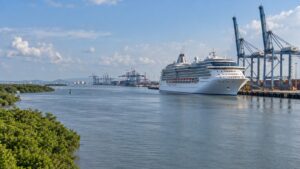
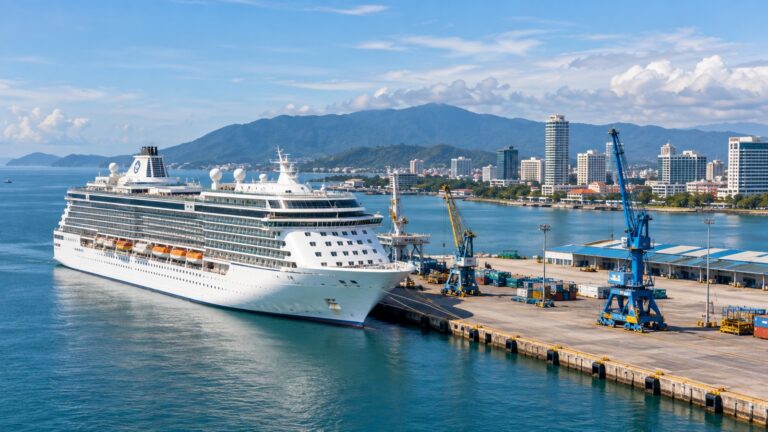
The Cook Islands Ports Authority identifies Avatiu Port as the primary gateway for international maritime traffic. That does not mean a large cruise ship will always berth there, since many vessels remain offshore and operate tenders.
The tender landing can depend on the day’s conditions. Use the ship’s daily program for the confirmed landing point rather than arranging a driver around a generic Avarua map marker.
1. Rarotonga Cruise Port
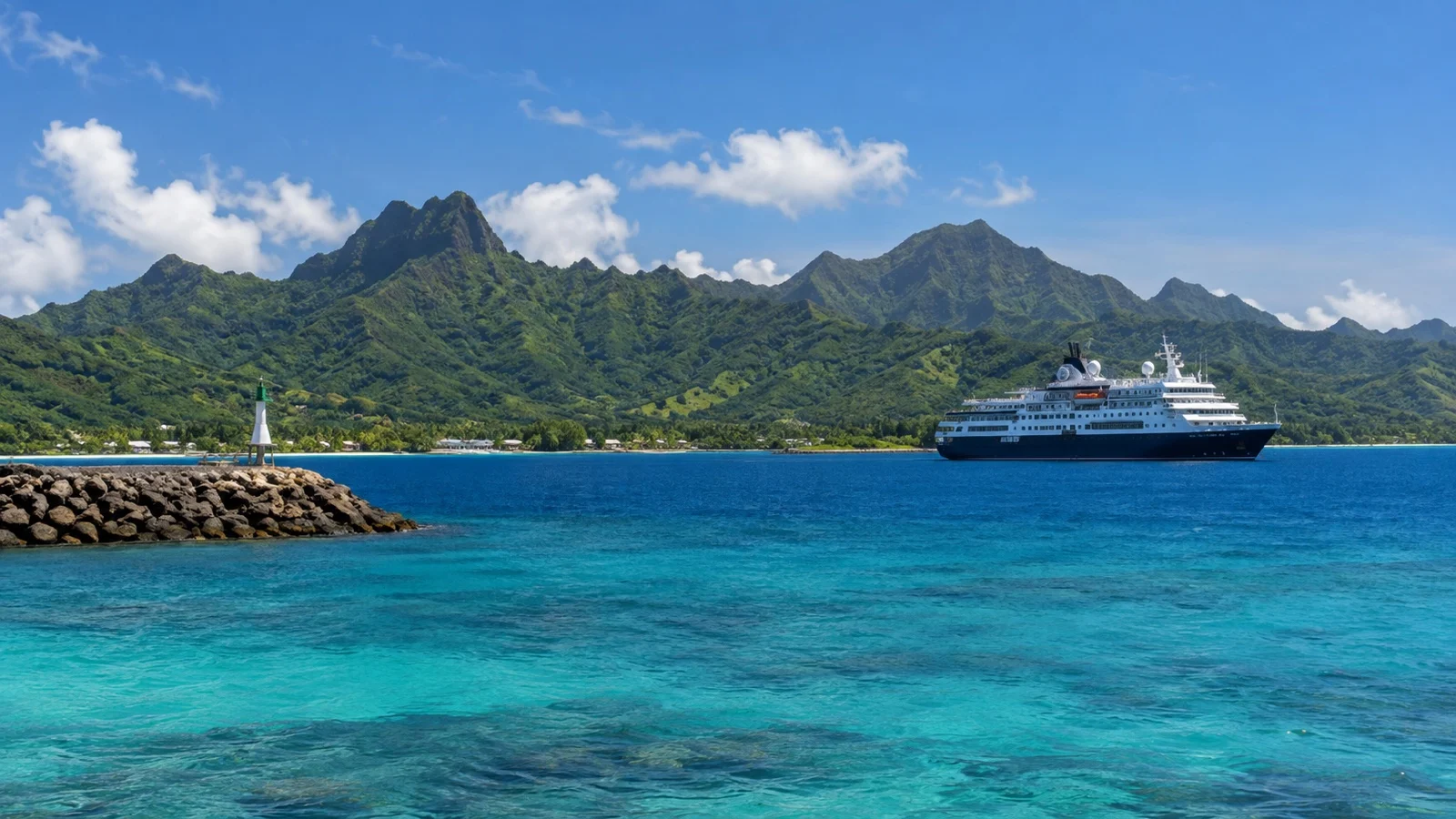
Rarotonga is the country’s most developed visitor island without feeling overbuilt. A coastal road circles the island, green mountains rise sharply in the center, and the lagoon creates a near-continuous invitation to slow down.
After the tender, you may find local tours, taxis, and shuttles organized around the landing area. Availability becomes tight when a large ship lands successfully, so reserve ahead if your day depends on a specific guide or accessible vehicle.
Avarua is useful for shops, cafés, churches, markets when operating, and a first taste of Cook Islands life. It is compact enough for a modest walk, but tropical heat and the exact tender point affect how easy that feels.
The mistake I see most often is trying to circle the island, snorkel, shop, hike, and attend a cultural experience in one call. Rarotonga rewards choosing two priorities and letting the scenery between them count as part of the day.
The Rarotonga Lagoon
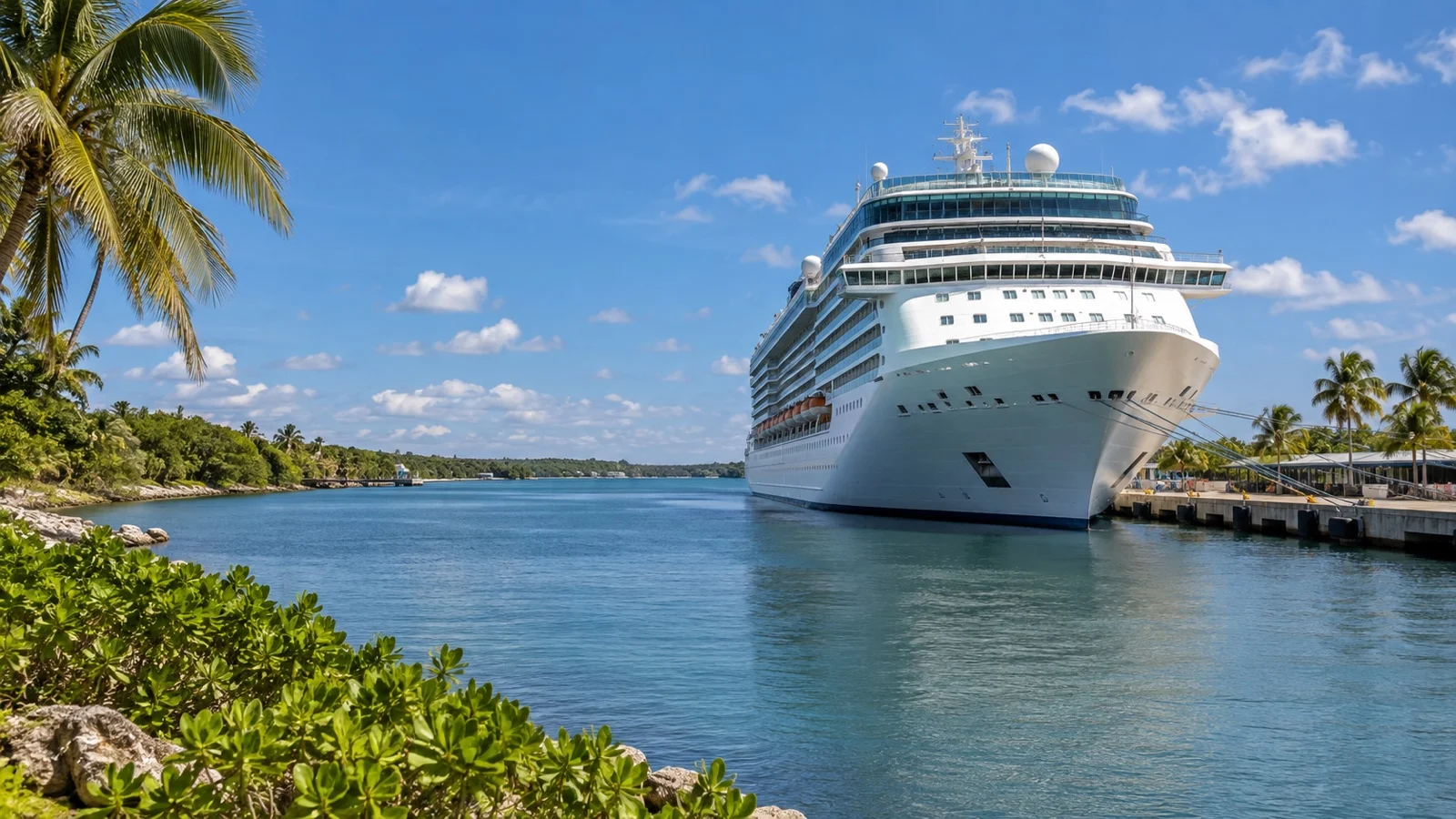
The lagoon is Rarotonga’s great visual anchor, yet conditions and reef access vary around the coast. Muri is the best-known area for lagoon activities, while Aroa, Titikaveka, and Black Rock each offer a different setting.
A guided lagoon cruise can bundle transport, snorkeling, scenery, and local entertainment into one coordinated plan. Check whether the boat leaves from a beach, a dock, or shallow water because the boarding method matters for mobility and footwear.
Snorkel only in areas recommended for the day. Passages in the reef can create strong currents, and calm water near shore does not guarantee that every channel is safe.
Reef shoes protect feet from rough ground but do not make it acceptable to stand on coral. Float horizontally, keep fins clear of the reef, and follow instructions around protected marine areas.
A simple beach stay is a perfectly good cruise day. Choose a location with current facilities and a reliable return ride, then keep valuables with you rather than leaving them under a towel.
Culture and Community on Rarotonga
The Cook Islands are a living Polynesian nation, not a tropical stage set. A respectful cultural visit should center local voices, explain the meaning behind dance and craft, and leave room for the community to present itself on its own terms.
Church buildings are prominent around Rarotonga and Sunday worship is important to many families. Dress modestly, ask before photographing people, and remember that services are community observances rather than cruise entertainment.
Markets and small shops are good places to look for local carving, textiles, pearls, food, and music. Ask where an item was made because not every souvenir sold on an island was produced there.
The tourism board’s Mana Tiaki message encourages visitors to protect the islands’ environment, people, and culture. Choosing a locally owned or quality-assured operator is one practical way to put that idea into action.
Scenic Drives and Inland Rarotonga
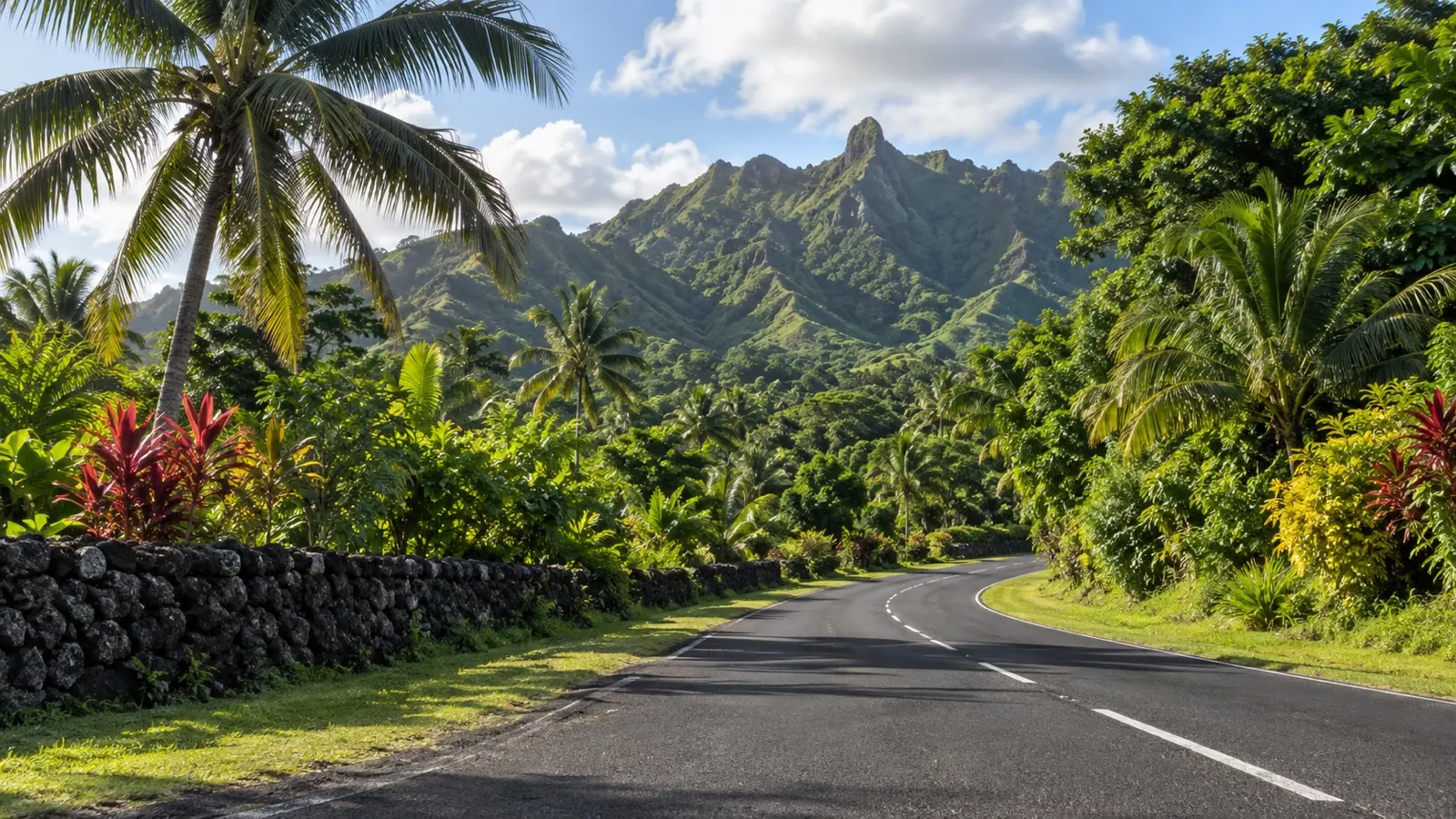
A circle-island drive is the easiest way to understand Rarotonga’s scale. The road moves between villages, gardens, lagoon views, historic places, and mountain backdrops without consuming the whole day in transit.
Private drivers offer the most flexibility, while group tours provide context without the work of navigating. Confirm whether the route includes meaningful stops or is mostly a windshield tour.
Rarotonga’s interior hiking can be beautiful and demanding. Trails may be steep, muddy, slippery, or difficult to follow, so a cruise-day hike should match current conditions and ideally use a qualified local guide.
The island’s Needle and cross-island routes appear in travel inspiration, but they are not casual strolls from the tender. Heat, recent rain, navigation, footwear, and transfer time all need to be considered.
For a gentler view, choose a vehicle tour or lower-level nature experience. You do not need to climb into the mountains to appreciate how dramatically they shape the island.
Getting Around Rarotonga
Cook Islands Tourism recommends cars, scooters, local buses, transfers, and taxis for getting around Rarotonga. Cruise visitors have less time than overnight guests, so reliability matters more than sampling every transport option.
The bus can suit a flexible day if the current timetable aligns with the tender. Do not plan the last possible loop back to the ship, and confirm which direction and stop serve your landing point.
Scooters are popular with longer-stay visitors, but a short port call is not the ideal moment to learn local licensing rules, left-side traffic, helmet requirements, and unfamiliar roads. I would choose a taxi, tour, or bus unless you already understand the process and have ample time.
If using a taxi, agree on the fare and pickup details before leaving. Save the driver’s contact information offline because mobile service can be inconsistent in some areas.
2. Aitutaki Cruise Port
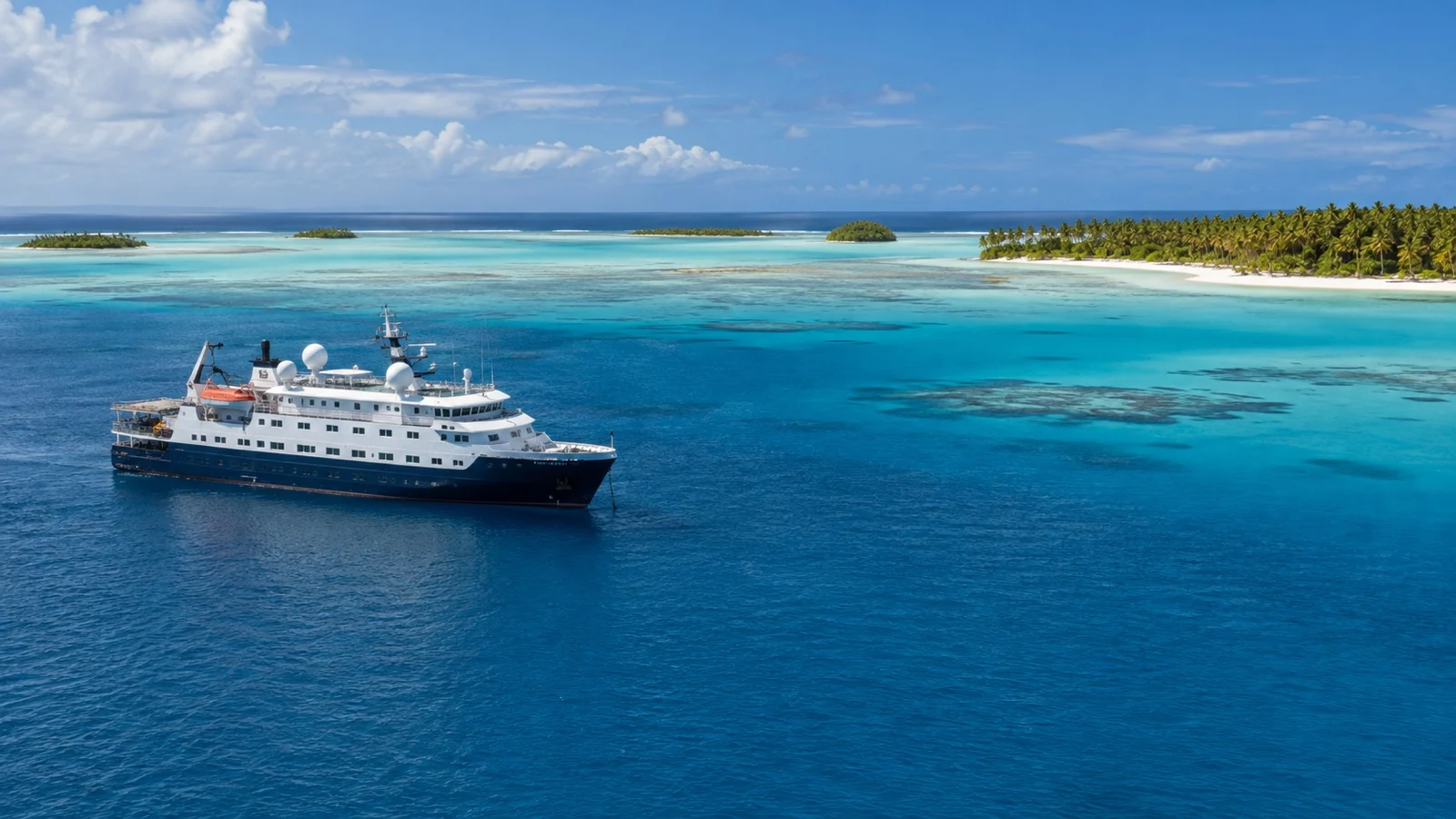
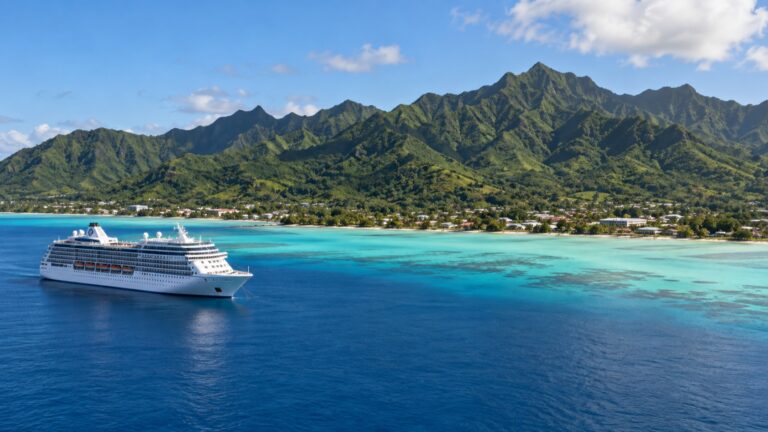
Aitutaki is the call that causes even experienced cruisers to lean over the rail at sunrise. Its triangular reef encloses an immense turquoise lagoon dotted with small motu, creating a landscape that feels almost impossible from sea level.
The official tourism board describes Aitutaki as 220 kilometers north of Rarotonga, with 15 motu across the lagoon. For cruise visitors already offshore, the real issue is not that distance from Rarotonga but the local tender and lagoon operation.
The Cook Islands Ports Authority identifies Arutanga Harbour as Aitutaki’s significant maritime port. Cruise ships commonly remain offshore, and the landing arrangement may depend on vessel size, reef conditions, and local decisions.
Aitutaki is less forgiving of improvised planning than Rarotonga. Transport and tour capacity are limited, so a successful landing can create immediate demand for boats and vehicles.
The Aitutaki Lagoon Experience
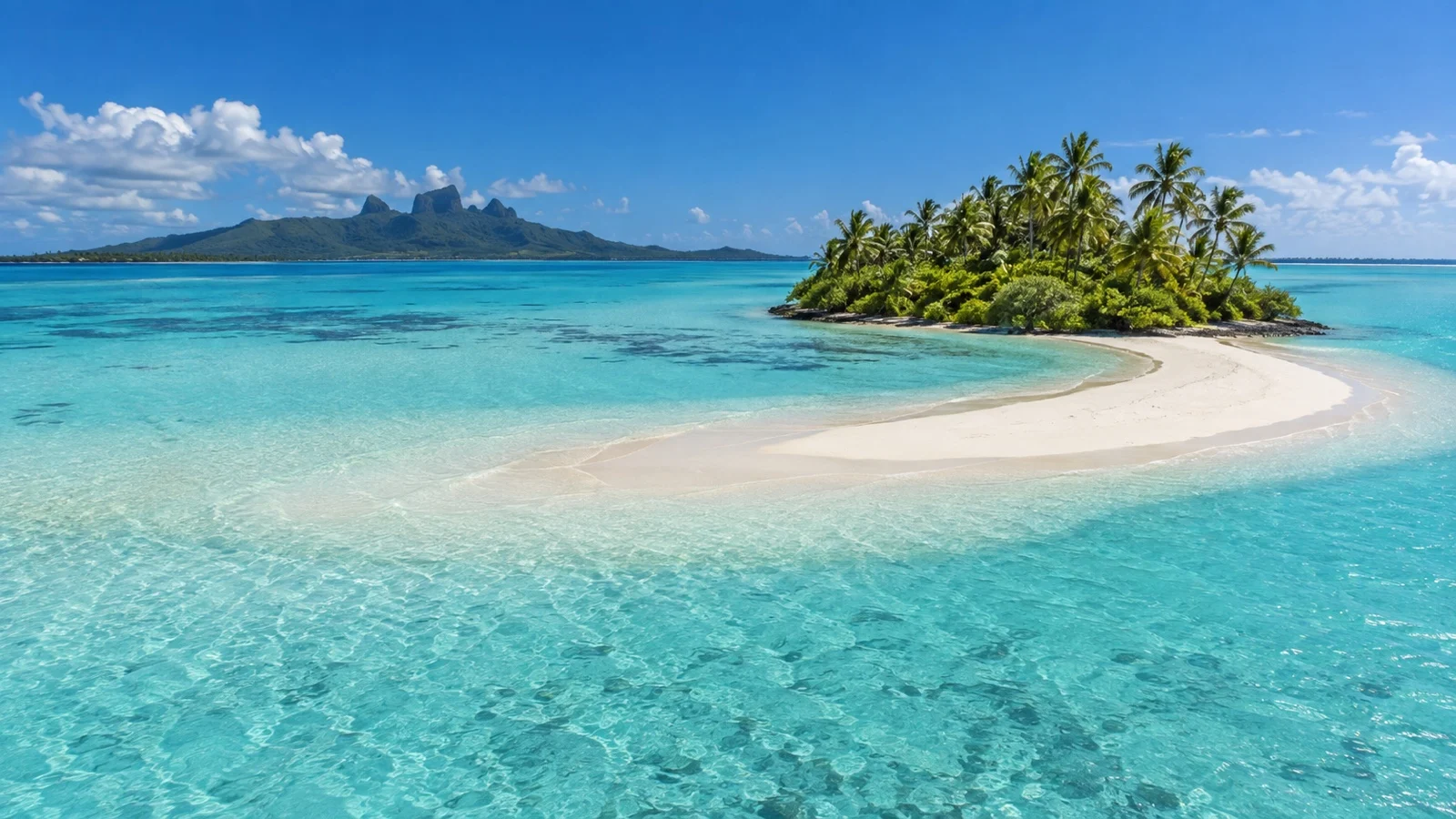
A lagoon cruise is the signature Aitutaki day because it turns the destination itself into the excursion. Routes may include snorkeling, sandbars, motu, lunch, and One Foot Island, but the exact sequence depends on conditions.
One Foot Island is known for its beach, clear water, and small post office hut when operating. Treat the passport stamp as a fun extra rather than a guarantee, since local hours and services do not exist solely for a ship call.
Giant clams, coral, and tropical fish make snorkeling memorable, but protected marine life should remain untouched. Follow the crew’s guidance about currents, depth, entry method, and areas where fins may damage the reef.
Ask whether the boat has shade, a toilet, a ladder, flotation gear, drinking water, and dry storage. Those details matter more after several hours in bright lagoon sun than they seem to during booking.
A lagoon cruise booked through the ship offers the strongest protection if the tender is delayed. Independent operators can be excellent, but confirm what happens when the ship lands late, cancels, or changes the passenger transfer schedule.
Aitutaki Beyond the Lagoon Cruise
A land tour can show the island’s villages, churches, viewpoints, and everyday landscape. It is a good alternative for travelers who prefer not to spend several hours on a small boat.
Aitutaki’s roads and vehicles may be more informal than what you encounter at home. Ask about seat configuration, shade, step height, and whether the tour can accommodate a mobility device.
A beach stop on the main island can still be beautiful, although it is not identical to reaching a distant motu. I would choose the reliable simpler plan over a complicated transfer that leaves no margin.
Food service is limited compared with Rarotonga, particularly when passenger numbers surge. Carry water and a small approved snack from the ship only if biosecurity and ship rules allow it.
Tendering: The Decision That Controls the Day
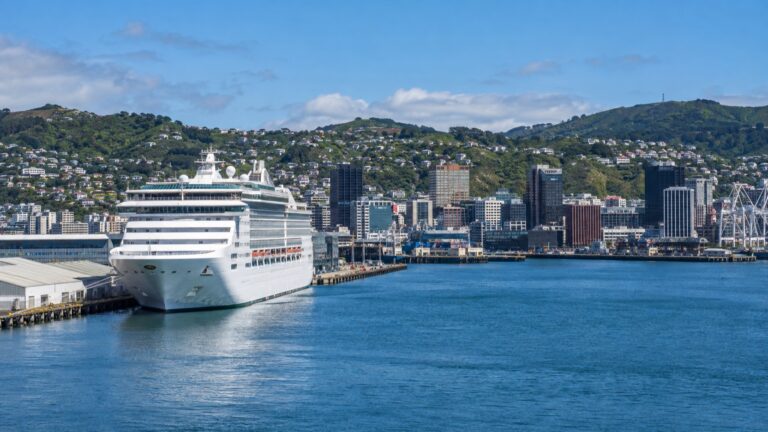
A tender boat must move safely alongside both the ship and the landing area. If swell makes either transfer unsafe, the captain may delay, relocate, restrict, or cancel the operation.
Passengers need to follow crew instructions about steps, timing, bags, and mobility devices. Even someone who walks comfortably on land may find a moving platform challenging.
Tender tickets can create another layer of timing on larger ships. Check whether independent guests go ashore after ship excursions and build that delay into private bookings.
The last tender time is not a target for independent travelers. Return well before it because a taxi delay, slow tour boat, or line at the landing can use your cushion quickly.
Weather, Seasons, and Sea Conditions
Cook Islands Tourism describes a warm climate throughout the year, with generally drier months from April to November. That seasonal pattern is helpful, but it cannot predict the wind and swell on your one scheduled morning.
Tropical cyclone risk is part of South Pacific travel, and ships may change course long before conditions arrive at an island. Follow official Cook Islands weather information and the cruise line rather than interpreting forecast graphics on your own.
Sun exposure is intense even with cloud cover. Pack a secure hat, reef-conscious sun protection, water, a light rain layer, and a dry pouch for essential electronics.
A rainy day can still produce a wonderful cultural tour or scenic drive. A rough-sea day is different because it may stop the tender entirely, which is why refundable plans matter.
Money, Connectivity, and Shopping
New Zealand dollars are widely used, and Cook Islands currency circulates locally. Cook Islands coins and notes may be difficult to exchange elsewhere, so keep only what you want as a souvenir.
Cards work in many established visitor businesses, but connectivity can fail. Carry small cash for food, transport, crafts, and modest tips without depending on an ATM after landing.
Pearls are an important Cook Islands product, especially black pearls associated with the northern islands. Buy from a reputable seller who explains origin, grading, and care rather than choosing solely by a dramatic sales claim.
Mobile data and Wi-Fi may be slower or less available than at home. Download maps, booking confirmations, and the ship’s port-agent details before leaving the vessel.
Entry, Customs, and Biosecurity
Entry requirements depend on nationality, passport, voyage, and the way your cruise is cleared. Follow the cruise line’s document instructions and verify current rules through official Cook Islands government channels.
Biosecurity is especially important on isolated islands. The Ministry of Agriculture advises arriving passengers to declare food, plant, animal, and other risk items rather than guessing what is harmless.
Do not take fruit, flowers, seeds, shells, or natural materials ashore without permission. Return with only legally purchased or permitted items, and declare anything the next country asks about.
Accessibility and a Slower-Paced Visit
Tendering is the first accessibility test, not the last. Ask the cruise line about platform movement, steps, crew assistance, device limits, and the conditions under which transfers may be refused.
Small lagoon boats may require stepping down, using a ladder, sitting on a bench without back support, or wading ashore. Request photographs or a precise boarding description if any of those features affect you.
On Rarotonga, a private scenic drive with planned accessible stops can be a rewarding alternative to snorkeling or hiking. In Aitutaki, a land tour may be more suitable than a full lagoon cruise.
Accessible restrooms and paved surfaces are not guaranteed away from the main visitor areas. Ask where facilities are located and whether the vehicle can stay nearby.
Families and Multigenerational Groups
The lagoons appeal naturally to families, but shallow-looking water still needs supervision. Use properly fitted flotation gear, follow local current advice, and protect children from sun before boarding a boat.
A long lagoon day may be too much for a toddler or anyone who needs frequent restrooms and shade. Choose the boat with the best facilities, not simply the one advertising the most motu.
Rarotonga is easiest for a mixed group because interests can split and reunite near the landing. Aitutaki works best when everyone genuinely wants the same boat-centered day.
How I Would Plan Each Port
On Rarotonga, I would book one lagoon or cultural experience and add a scenic drive only if the timing remains comfortable. I would finish near the landing rather than using the final hour to reach one more beach.
On Aitutaki, I would reserve a lagoon cruise through the ship or a proven operator with a clear late-arrival and cancellation policy. The lagoon would be the whole plan, with anything ashore treated as a bonus.
If seas are uncertain, I would avoid nonrefundable independent arrangements. A port call that relies on a tender should never force you to choose between financial pressure and the ship’s safety decision.
Frequently Asked Questions
Which Cook Islands cruise port is best for a first visit?
Rarotonga is the most versatile first call because it offers culture, lagoon activities, scenery, shopping, and easier land transport. Aitutaki wins for pure lagoon beauty when conditions cooperate.
Are Avarua and Rarotonga separate ports?
No. Avarua is the capital area on Rarotonga, and Avatiu is the main port nearby, so itinerary labels can refer to the same island call in different ways.
Do cruise ships dock in the Cook Islands?
Many cruise ships anchor and tender passengers ashore. The exact operation depends on the vessel, port, reef access, and conditions on the day.
How often are calls canceled?
There is no useful fixed rate for an individual sailing. Tender ports are inherently weather-sensitive, so travelers should accept that a safe cancellation is always possible.
Can I explore Rarotonga independently?
Yes, using a taxi, transfer, bus, or carefully planned walk from the confirmed landing. Keep a generous return margin and verify the day’s transport information after coming ashore.
Should I book Aitutaki through the ship?
The ship excursion is the simplest choice because it coordinates the tender and lagoon schedule. A reputable independent operator can work when policies, meeting instructions, and return protection are completely clear.
What should I pack?
Bring sun protection, water, secure sandals or water-ready shoes, a light rain layer, and a dry pouch. Add modest clothing for villages, churches, and cultural visits.
Final Verdict
Rarotonga is the all-rounder, with enough variety to create a wonderful day even when the first plan changes. Aitutaki is the specialist, offering an extraordinary lagoon experience when the sea permits access.
Respect the tender, protect the reef, and leave more margin than you think you need. That approach does not make the day less spontaneous; it gives you the freedom to enjoy the Cook Islands without watching the clock at every turn.
This guide was researched using current information from Cook Islands Tourism, Cook Islands Ports Authority, the Ministry of Agriculture Biosecurity Service, and official meteorological and maritime authorities. Landing points, tenders, lagoon tours, entry requirements, and weather procedures can change, so verify the final details with your cruise line and the responsible official agency.