Thailand Cruise Ports: A Planner’s Guide to Every Stop
Thailand’s three best-known cruise calls could hardly be more different. Laem Chabang is a working gateway for Bangkok and Pattaya, Phuket may mean a berth or tender on a large Andaman island, and Ko Samui is a tender call where beach roads shape the whole day.
The smartest plan begins with the arrival point, not the attraction list. Once you know where the gangway or tender lands, you can decide whether the famous destination is realistic or whether the port’s closer pleasures will create a better day.
Quick Facts
- Main cruise calls: Laem Chabang, Phuket, and Ko Samui
- Currency: Thai baht
- Language: Thai, with English common in major tourism areas
- Most transfer dependent: Laem Chabang for Bangkok
- Most variable arrival: Phuket
- Tender call: Ko Samui commonly uses ship tenders
- Entry planning: Check current Thai immigration and cruise line instructions
- Weather rule: Phuket and Ko Samui do not share an identical wet-season pattern
The Itinerary Name Is Only the Beginning
Cruise schedules often print the place passengers recognize rather than the exact facility serving the ship. In Thailand, that gap can determine whether your first attraction is a short transfer away or several hours into the day.
Check the ship’s app or daily program for the terminal, anchorage, tender landing, shuttle point, and all aboard time. Send those details to any private operator instead of asking a driver to meet at a generic Thailand cruise port.
Port security, traffic, tender queues, and marine conditions can all delay the start. Build a plan that still works if independent guests reach shore later than the optimistic schedule.
Laem Chabang Cruise Port
Laem Chabang is the major deep-water gateway associated with Bangkok, but it is not a neighborhood of the capital. The port lies on Thailand’s eastern seaboard, and a Bangkok day requires a long road transfer in each direction.
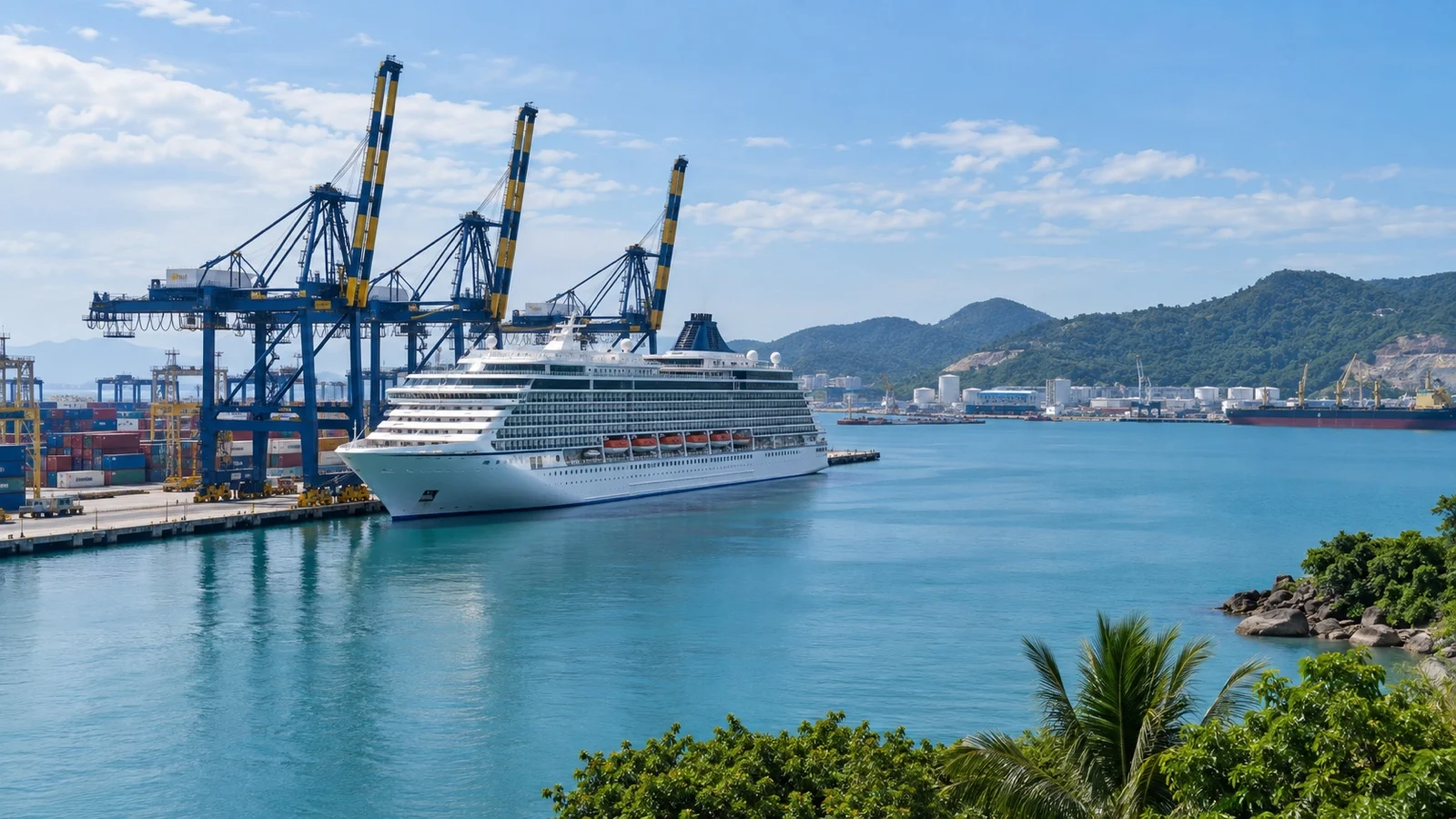
Our Laem Chabang cruise port guide covers the arrival in detail. The first decision is whether Bangkok matters enough to accept the transit or whether a closer eastern-coast plan suits you better.
Bangkok From Laem Chabang
Bangkok offers royal architecture, major temples, river life, food, markets, museums, and neighborhoods that could fill weeks. A cruise call gives you one compressed window, so select a coherent route rather than collecting distant landmarks.
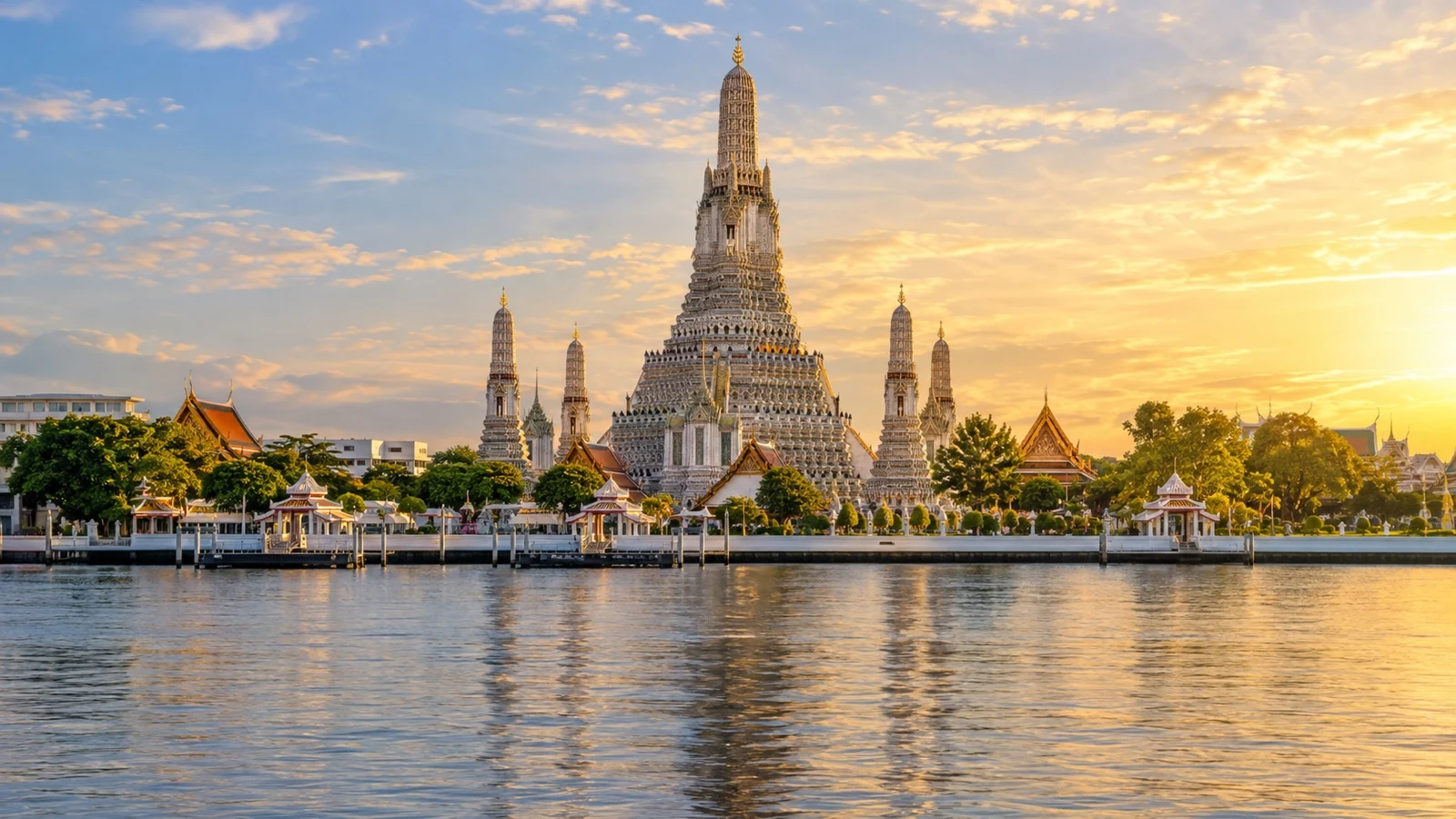
A first visit might center on the historic core and the Chao Phraya River, while a repeat traveler may prefer food, contemporary art, or one neighborhood. Opening rules, dress requirements, traffic, and crowding should shape the order.
The road back is the nonnegotiable part of the plan. Leave the city with a generous buffer, follow live traffic, and use a ship excursion or experienced cruise operator if missing the vessel would be difficult to recover from.
Pattaya and the Eastern Coast
Pattaya is considerably closer to Laem Chabang than Bangkok and can create a lower-stress day. Beaches, gardens, temples, viewpoints, food, and family attractions are possible without committing so much time to highway travel.
This is not merely a second-best choice. Travelers who have already visited Bangkok, dislike long transfers, or have a shorter call may enjoy far more time ashore by staying in the region.
Choose one or two places that fit naturally together. The eastern coast still has traffic, so a closer destination is not permission to ignore the return margin.
Can You Walk From Laem Chabang?
Laem Chabang is a working port, not a walk-off historic center. Terminal position, secure areas, and gate access vary, and independent transport may need to meet at an assigned location.
Do not arrive without a plan if you intend to leave the port. Confirm shuttle arrangements and private-driver access after boarding, because the final berth information may differ from an early itinerary map.
Phuket Cruise Port
Phuket is both an island province and a major destination, which makes the port name deceptively broad. A ship may use the deep-sea port area on the island’s southeast side or tender passengers to another landing, including the Patong side when conditions and schedules allow.
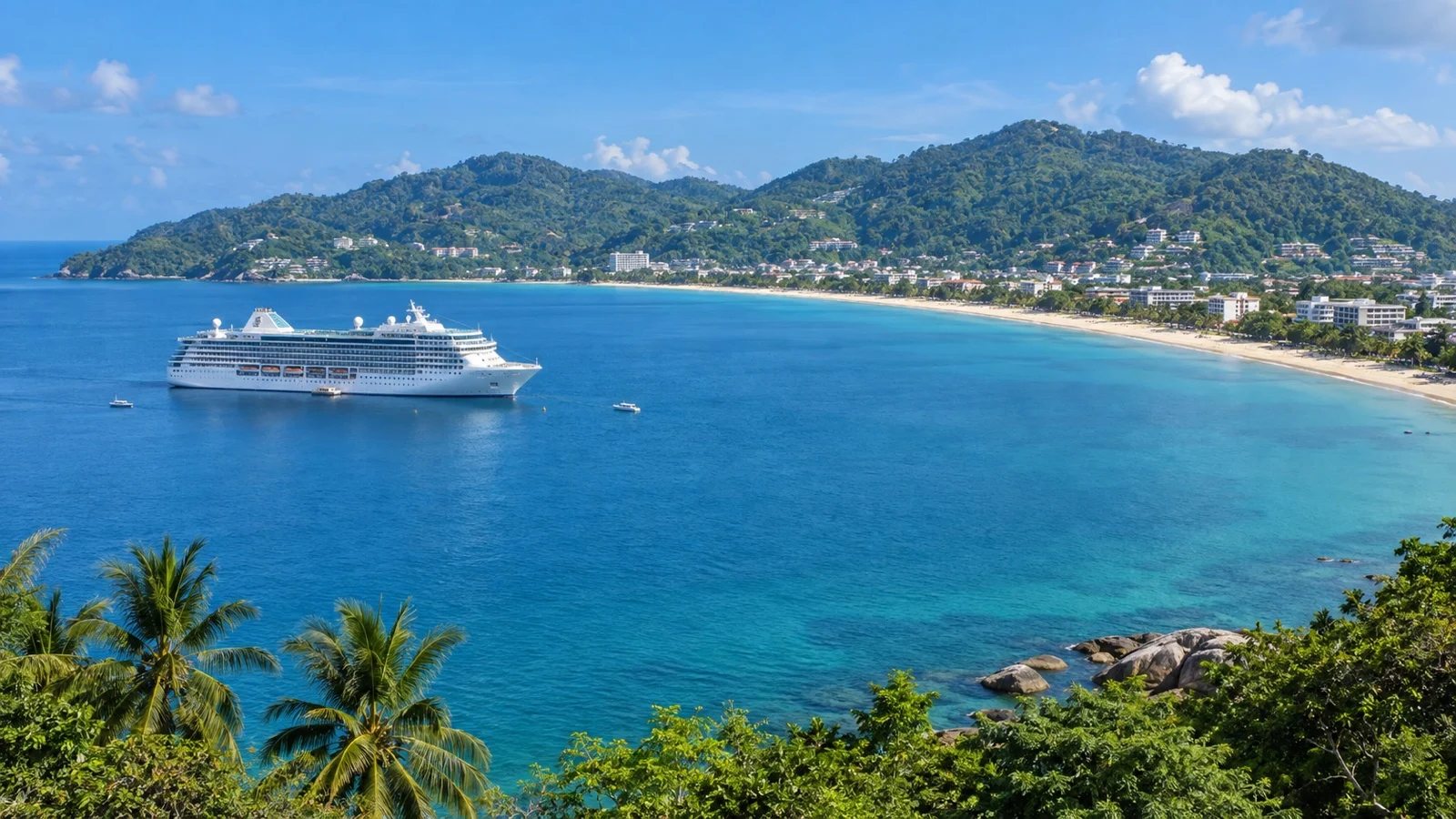
Use our Phuket cruise port guide to understand the main arrival patterns. Then verify the exact one for your sailing before reserving a beach transfer or boat trip.
If You Arrive Near Patong
A Patong-side tender can put beach, restaurants, shopping, and a busy tourism district close at hand. It is the easiest setup for travelers who want a flexible day without a long island transfer.
Tendering still changes the clock. Allow for boat queues, surf or swell, and the last-tender cutoff, which may be earlier than the ship’s published departure.
Patong is energetic and convenient, but it is not the only face of Phuket. Travelers who want heritage or a quieter beach should arrange transport and protect time for the road back.
If You Use the Deep-Sea Port
The southeast port area provides a different starting point from Patong. Phuket Old Town, southern viewpoints, temples, and some coastal areas may make more geographic sense than crossing the island solely for a famous beach.
Roads can slow around urban centers and beach corridors. Ask a driver to design the route from the actual terminal, not from a hotel map or airport itinerary.
Phuket Old Town
Phuket Old Town adds Chinese-influenced architecture, shrines, cafes, markets, and street art to an island often reduced to beaches. The Tourism Authority of Thailand notes the province’s strong Chinese cultural influence and broad range of coastal choices.
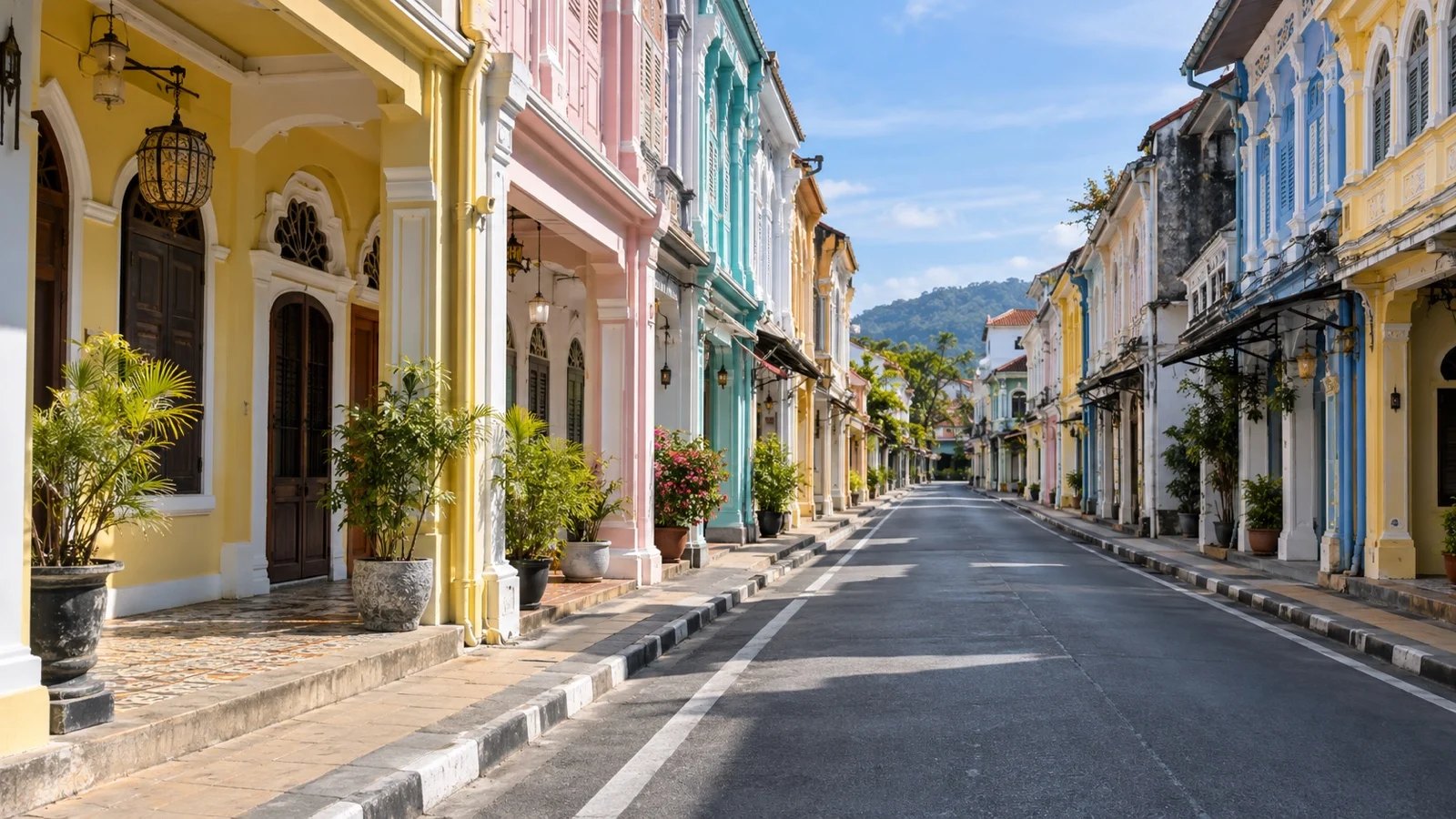
A walking route works best in the cooler part of the day. Combine it with one nearby meal or viewpoint rather than trying to cross between several opposite coasts.
Beaches and Boat Excursions
Phuket’s beaches vary in crowd level, exposure, facilities, and swimming conditions. Follow posted flags and local instructions, especially during periods of stronger surf.
Offshore boat trips can be spectacular, but they introduce weather, pier-transfer, and return-time risks. Choose an operator that clearly understands your ship’s schedule, and avoid an itinerary whose boat returns too close to all aboard.
Ko Samui Cruise Port
Ko Samui is generally a tender port because large cruise ships anchor offshore. The island name does not guarantee one universal landing, so the daily program must identify where your tender comes ashore.
Our Ko Samui cruise port guide explains the local patterns. Independent pickups should be arranged for the confirmed tender pier, not simply for Ko Samui.
A Classic Island Circuit
Temples, viewpoints, beaches, waterfalls, food, and coconut landscapes can form a well-balanced circuit. The temptation is to add too many stops because the island looks small.
Ko Samui’s ring road and busy tourism areas can slow unexpectedly. Choose a route that keeps the final segment near the tender landing and agree on a turnaround time with the driver.
A Beach Day
A beach-focused plan is the simplest way to enjoy Ko Samui, but the nearest famous beach may not be the best match for the landing or conditions. Ask about shade, chairs, restrooms, surf, and transport before choosing.
Keep a dry change of clothes if the tender or beach transfer may be wet. Sun and heat build quickly, so water and a shaded break belong in the plan.
Temples and Cultural Stops
Ko Samui has prominent temples that welcome visitors under local rules. Dress respectfully, remove shoes when required, speak quietly, and follow any photography guidance.
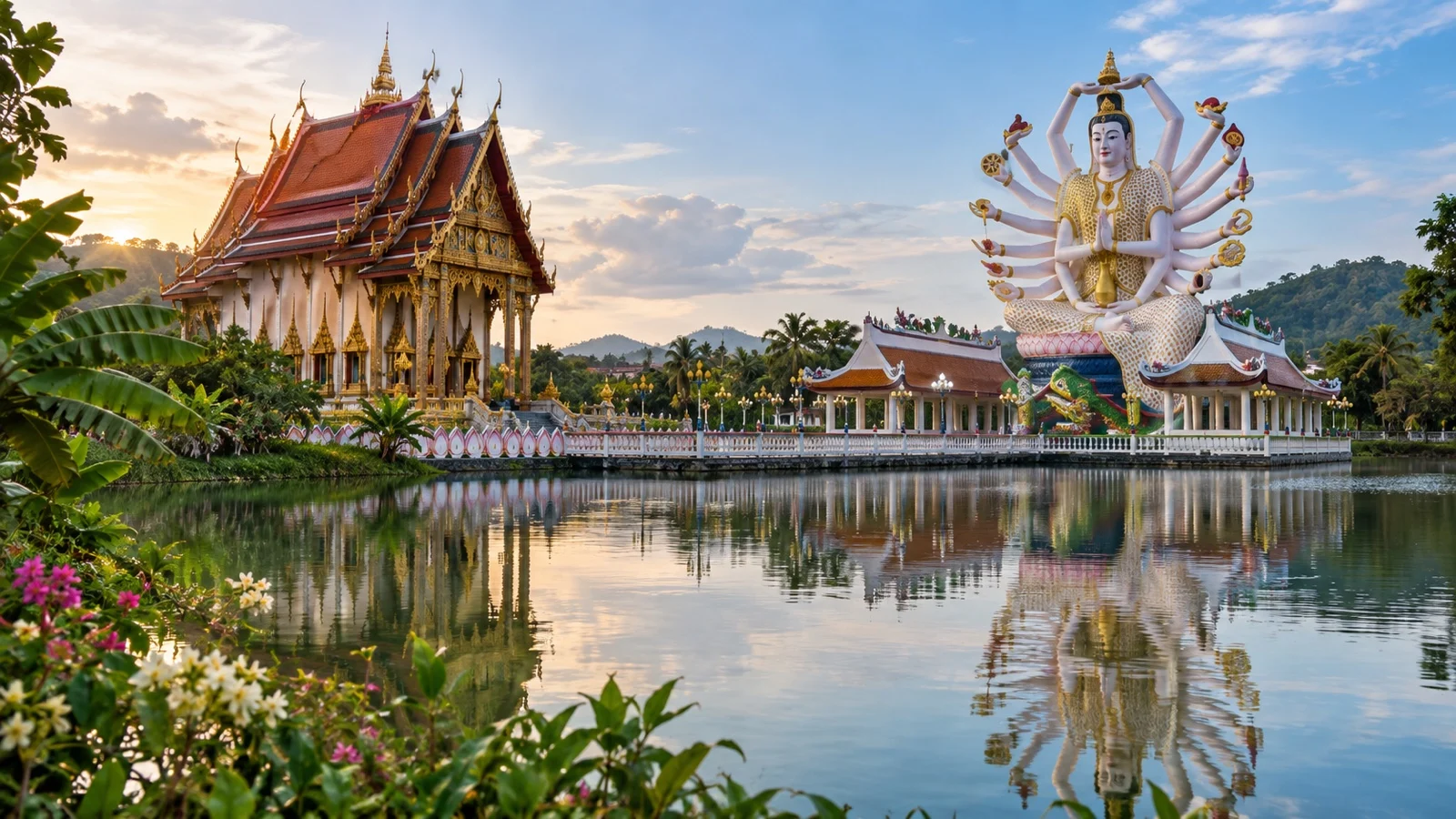
A driver or guide can connect a temple with a market or viewpoint without turning the day into a checklist. The island is most enjoyable when there is still time to sit down for lunch.
Marine Excursions
Snorkeling and boat outings can be appealing, but the excursion must coordinate with the ship’s tender schedule. Sea conditions that affect a tour boat may also affect tender operations.
Use reputable operators, wear the provided safety equipment, and never touch coral or wildlife. If visibility or wind is poor, a good land alternative is better than forcing a marine plan.
How to Choose Among the Three Ports
Choose Laem Chabang when Bangkok is a personal priority or when you want the widest range of major-city culture. Choose a closer eastern-coast route when the transfer would overwhelm the call.
Choose Phuket for the broadest mix of beach, heritage, nightlife, and offshore experiences. Its main challenge is that the arrival side changes which choices are practical.
Choose Ko Samui for a compact island day with temples, coastal scenery, and resort energy. Its tender operation and ring-road traffic require discipline even when the distances look modest.
If an itinerary includes all three, make each day distinct. I would use Laem Chabang for city culture, Phuket for Old Town plus one coastal experience, and Ko Samui for a relaxed island circuit.
Transport Without the Usual Stress
Prearranged transport is most valuable at Laem Chabang because the port is industrial and the headline destination is distant. Share the ship name, berth, passenger count, mobility needs, and a working contact method before sailing.
In Phuket, transport strategy depends on the landing side. An app-based ride may be useful after leaving the controlled area, but port access and local availability are not guaranteed.
On Ko Samui, taxis, shared vehicles, and private drivers may gather near popular tender points. Confirm the full price, route, waiting time, and currency before departure rather than negotiating each leg separately.
Motorbike rental is a poor cruise-day shortcut for most visitors. Unfamiliar traffic, road surfaces, weather, licensing, insurance, and helmet quality can turn a limited port call into a serious problem.
Weather Is Not the Same at Every Thai Port
Thailand’s coasts do not follow one identical weather calendar. Phuket faces the Andaman Sea, while Ko Samui lies in the Gulf of Thailand and can experience a different rain and wind pattern.
Laem Chabang and Bangkok add intense urban heat and seasonal downpours to the planning picture. Check the Thai Meteorological Department and the forecast for the actual destination, not only the port name.
Heavy rain affects more than comfort. It can slow highways, flood low areas, disrupt small boats, reduce visibility, and stretch tender queues.
Pack a light rain layer, sun protection, water, and shoes that handle wet surfaces. A flexible indoor or local backup keeps a changed day from feeling wasted.
Accessibility and Energy Planning
Accessibility begins with the gangway or tender, then continues through the port shuttle, vehicle, sidewalks, temples, beaches, and boats. A tour described as panoramic may still use a high coach step or uneven viewpoint.
Ask for exact details about walking distance, steps, wheelchair storage, accessible restrooms, shade, and whether guests can remain in the vehicle at a stop. Generic difficulty labels are not enough.
Laem Chabang can be physically tiring because of the long transfer even when walking is modest. Ko Samui may present the biggest initial barrier because tender transfers depend on sea conditions and crew safety decisions.
Phuket’s experience varies by berth. A beach close to one landing may be a tiring island crossing from another, so accessibility advice must be tied to the current ship location.
Entry Documents and the Thailand Digital Arrival Card
Thailand’s entry process can change, and cruise passengers should not assume that air-arrival advice applies in exactly the same way to every sailing. Nationality, itinerary, transit status, and cruise-line processing can affect what you need.
Use the official Thailand Digital Arrival Card portal and the Thai immigration guidance linked by your cruise line. Do not pay an unofficial website for a form the government portal provides directly unless you knowingly choose a third-party service.
Complete any required process within the official timing rules and enter details exactly as shown on your passport and itinerary. Keep a screenshot or confirmation accessible offline.
Follow the ship’s instructions about carrying your passport or a copy ashore. Store unnecessary documents and valuables securely rather than bringing everything on a beach or boat trip.
Money, Phones, and Practical Details
Thai baht is the practical currency for small purchases, markets, taxis, and local food. Cards are common at many established businesses, but cash remains useful.
Use bank-affiliated machines, cover the keypad, and decline informal currency exchange. When a terminal asks whether to convert the charge into your home currency, review the rate before accepting.
A local data connection helps with maps, translation, and ride apps, but service may weaken at sea or inside port areas. Download map sections, tickets, pickup pins, and the ship’s contact details.
Photograph the all aboard time and confirm whether the ship stays on local time. Automatic phone time should never be your only reference.
Food, Temples, and Respectful Travel
Thai food is a highlight of every port, and each destination offers more than the dishes best known overseas. A guided tasting or one unrushed local meal can be more memorable than another distant attraction.
Choose busy, clean vendors and be clear about allergies because fish sauce, shrimp paste, peanuts, coconut, and other ingredients may not be obvious. Carry a translated allergy card when the consequence of a mistake would be serious.
At temples, cover shoulders and knees where required, remove shoes at designated points, and avoid posing disrespectfully with sacred images. Follow posted rules even when other visitors do not.
Public affection, loud confrontation, and touching another person’s head can cause discomfort. A calm voice and patient manner fit local expectations far better than visible frustration.
Responsible Beach and Wildlife Choices
Follow beach flags and lifeguard directions, especially in Phuket when surf is strong. A beautiful shoreline is not proof that swimming is safe.
Do not stand on coral, feed wildlife, or take shells and marine life from protected areas. Choose boat operators that manage waste and explain safe wildlife distances.
Elephant experiences require particular care. Prefer legitimate observation-focused facilities and avoid attractions that rely on riding, forced performances, or close-contact photo routines.
Planning With Children or a Mixed-Age Group
Phuket and Ko Samui can be easy family calls when the plan centers on one beach, a short cultural stop, and lunch. Tendering, heat, traffic, and unfamiliar food timing still need attention.
Bangkok from Laem Chabang can be rewarding for older children who are comfortable with a long day. Younger travelers may enjoy an eastern-coast plan with less time seated in traffic.
Build in shade and water before anyone asks for them. A compact plan leaves room to adjust when the group reaches its limit.
Agree on a meeting point if people separate in a market or beach district. Do not depend on every phone having service.
Frequently Asked Questions
Is Laem Chabang in Bangkok?
No. It is a separate deep-water port on the eastern seaboard, and Bangkok requires a long road transfer.
Does Phuket dock or tender?
Both arrangements are possible, and the landing side can change the best excursion choices. Confirm the exact berth or tender point for your sailing.
Does Ko Samui have a cruise terminal?
Large cruise ships commonly anchor offshore and tender passengers to the island. The assigned landing and tender schedule should come from the ship.
Can I explore Thailand cruise ports independently?
Yes, when the arrival point, transport, and return route are simple. Long Bangkok trips and marine excursions deserve more structured planning.
Do I need the Thailand Digital Arrival Card?
Requirements depend on current rules and your circumstances. Check the official portal and follow the cruise line’s specific instructions.
Which port is best for beaches?
Phuket and Ko Samui both offer strong beach choices. The best option is the one that fits your actual landing, sea conditions, and return time.
My Final Take
Thailand’s cruise ports reward different travel instincts. Laem Chabang asks you to weigh a famous city against a long transfer, Phuket asks you to plan from the correct coast, and Ko Samui asks you to respect the tender and island-road clock.
Confirm the arrival point, choose one anchor experience, and guard the return margin. With those pieces settled, the temples, food, water, and warm hospitality have room to become the story of the day.
I checked current planning information from the Port Authority of Thailand, the Tourism Authority of Thailand’s Bangkok guide, the official Phuket guide, the official Thailand Digital Arrival Card portal, and the Thai Meteorological Department. Berths, tender landings, transport, weather, and immigration procedures can change, so verify them for your sailing.
I hope this guide helps you choose a Thailand shore day that feels rich instead of rushed. Leave room for one excellent meal, a quiet temple moment, or a view you did not know to expect.